Scottish Sliced Fossil Coral Isastraea Jurassic Kintradwell A-Grade UK Specimen
£ 4.80
SCOTTISH SLICED FOSSIL CORAL – ISASTRAEA, JURASSIC, KINTRADWELL, SCOTLANDThis beautifully prepared Scottish Sliced Fossil Coral (Isastraea) originates
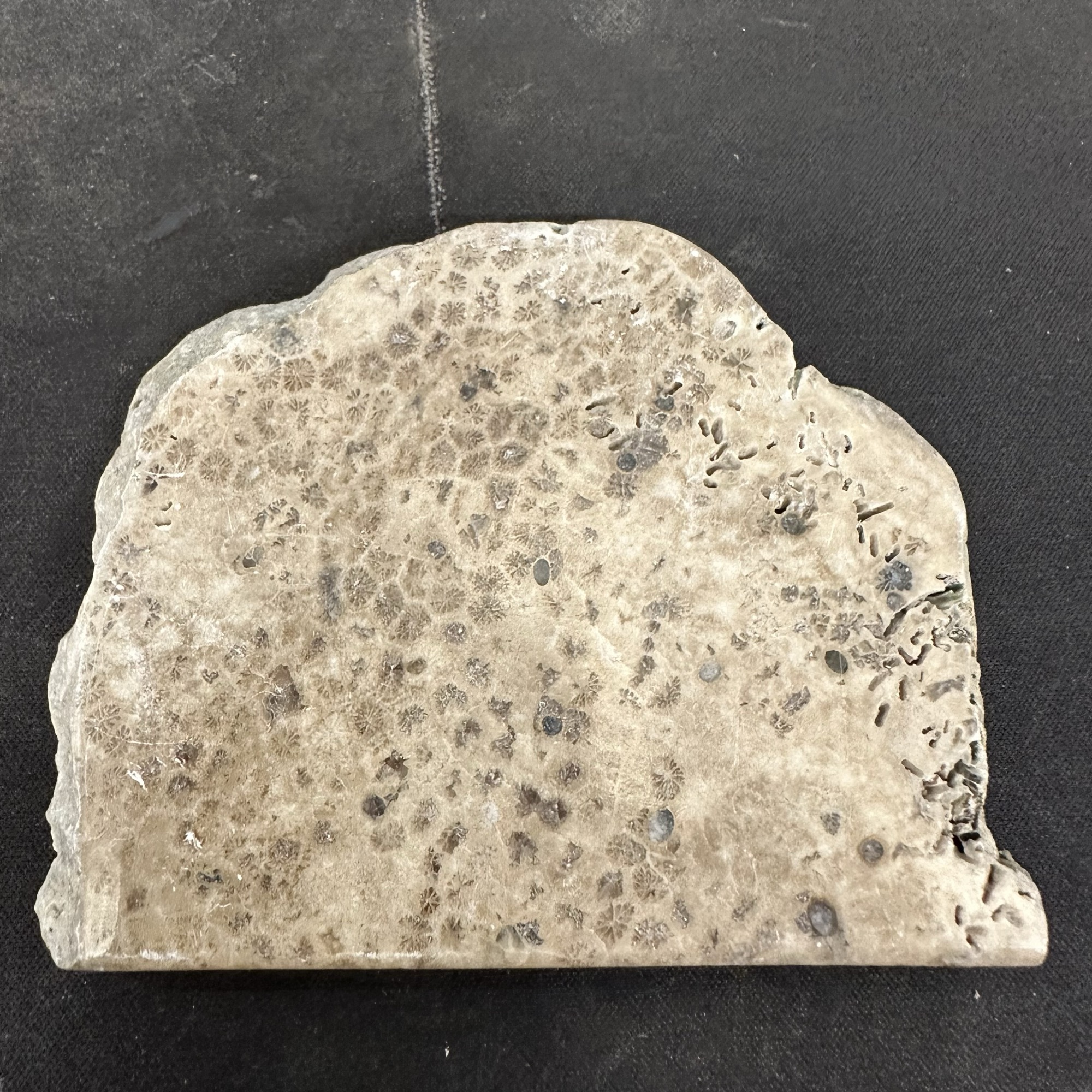
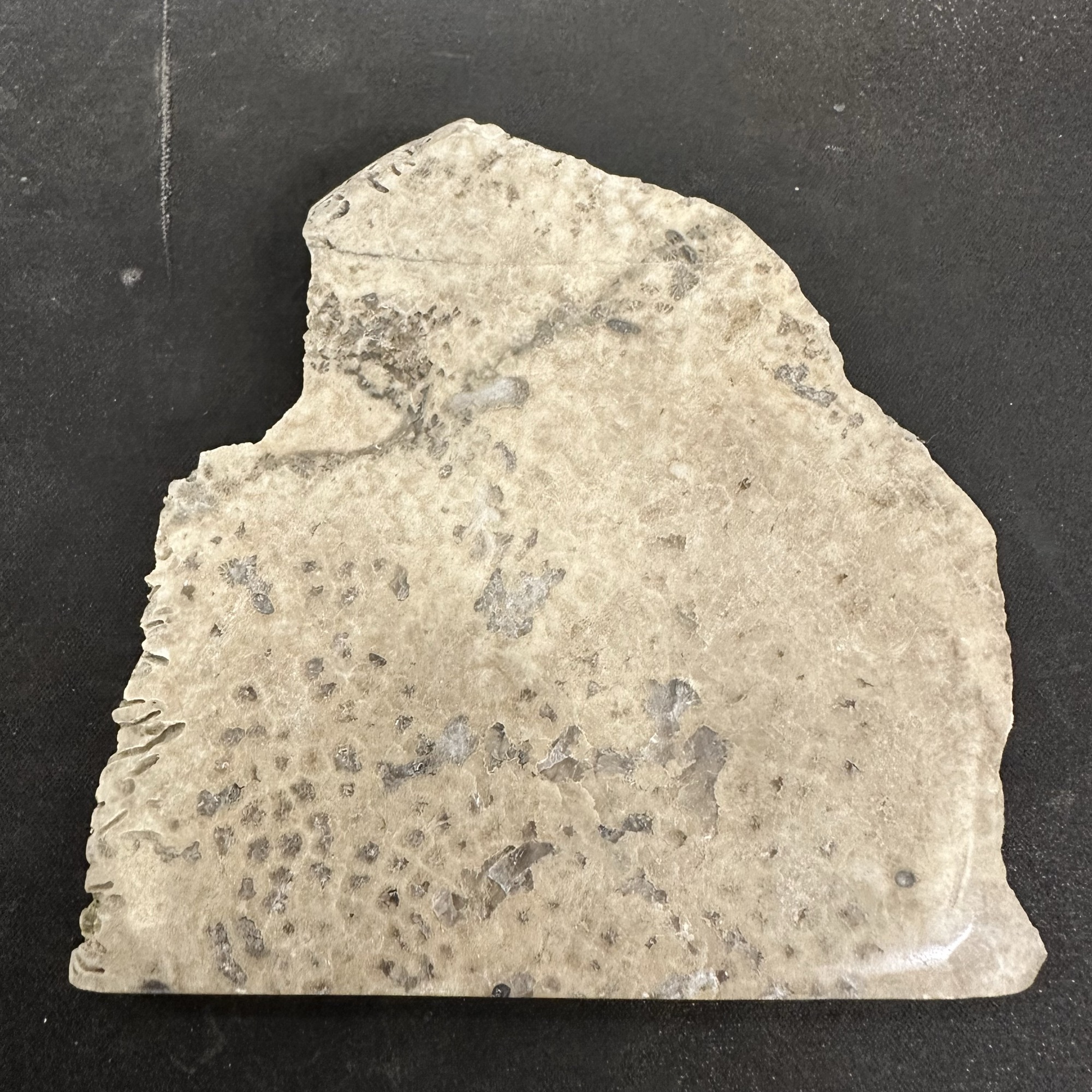
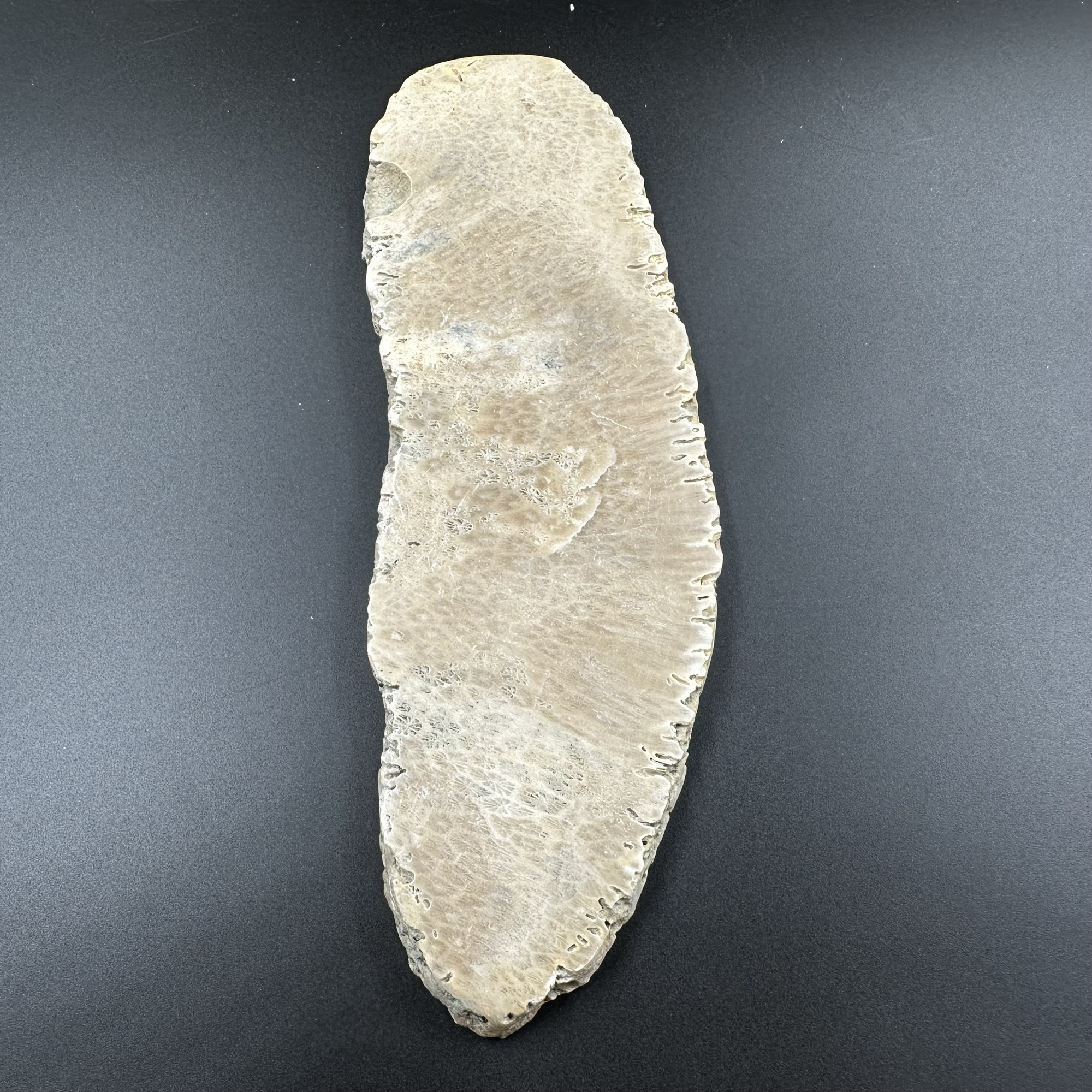
from the Jurassic coastal deposits of Kintradwell, Scotland, an area long celebrated for its scientifically important fossil corals and marine sedimentary geology. Each slice reveals the intricate internal structures of these colonial corals, showcasing natural geometric patterns formed over 170 million years ago. The specimen you receive will be carefully selected for quality, with the photographs showing a representative example. A 1 cm scale cube is included for size reference. All of our Fossils are 100% Genuine Specimens and come with a Certificate of Authenticity.Size: 50-120mm GEOLOGICAL AGE AND FORMATIONThese fossil corals date to the Middle Jurassic, most commonly within the Bathonian–Callovian interval (approx. 168–163 million years ago). During this time, the region that is now northeastern Scotland formed part of a shallow marine shelf fringing the Jurassic seas that covered much of Europe.The Kintradwell area, located along the Sutherland coastline, is well known for its fossil-bearing limestone and calcareous sandstone beds. These sediments were deposited in warm, shallow waters—ideal conditions for coral reef development. Over millions of years, these reefs were buried, mineralised, and preserved through natural silicification and calcification processes, resulting in the beautifully patterned coral fossils seen today. FOSSIL TYPE, SPECIES, AND CLASSIFICATION FOSSIL TYPE
• Scleractinian (Stony) Coral Fossil, cut and polished to reveal internal corallite structure. SPECIES AND TAXONOMYThe coral is assigned to the genus Isastraea, a common and scientifically important Jurassic coral found across Europe.
• Phylum: Cnidaria
• Class: Anthozoa
• Order: Scleractinia
• Family: Montlivaltiidae
• Genus: IsastraeaMembers of this genus were colonial corals forming large domed or encrusting colonies with tightly packed corallites. MORPHOLOGICAL FEATURESThese coral slices exhibit the distinctive internal architecture of Isastraea, including:
• Hexagonal to polygonal corallites, arranged in compact colonies
• Septa radiating inward from the corallite walls
• Central columella or supportive structures, depending on the species variant
• Clear wall boundaries between each corallite, often highlighted by mineral infill
• Fine calcitic or silicified detail, preserved through diagenesis
• Symmetrical star-like patterns, adding both scientific and aesthetic valueCut and polished sections allow the internal coral skeleton to be seen in extraordinary clarity, revealing geometric patterns created by ancient living colonies. DEPOSITIONAL ENVIRONMENTThe Jurassic seas of Scotland supported a rich variety of marine life. Conditions in the Kintradwell area included:
• Warm, shallow carbonate platforms
• Calm, low-energy waters ideal for coral growth
• Abundant sunlight supporting symbiotic algae (zooxanthellae) within coral tissues
• Periodic sedimentation from coastal currentsThese reef environments formed important marine ecosystems, hosting corals, bivalves, crinoids, ammonites, and early fishes.Over time, burial by marine sediments inhibited decay, allowing slow mineral replacement and preservation of the coral skeleton. SCIENTIFIC IMPORTANCEIsastraea corals are of high scientific value because:
• They serve as biostratigraphic markers for Middle Jurassic marine sediments
• Their morphology reveals information about Jurassic reef ecosystems
• They help reconstruct paleoenvironments and water conditions
• They contribute to studies on the early evolution of scleractinian reef coralsTheir preserved growth patterns offer insight into coral colony structure and environmental conditions millions of years ago. COLLECTOR GRADE AND DISPLAY APPEALThis sliced coral specimen has been chosen for:
• Strong, defined corallite structure
• High-quality polish highlighting internal detail
• Attractive natural coloration ranging from cream to grey, sometimes with subtle agate-like banding
• Excellent stability and display suitability
• Clear geometric patterns ideal for collectors or décorThese fossils make exceptional display pieces due to their natural symmetry and intricate internal architecture. IDEAL FOR COLLECTORS, ENTHUSIASTS, AND NATURAL HISTORY DISPLAYSThis Scottish Sliced Isastraea Fossil Coral from the Jurassic deposits of Kintradwell offers a rare combination of geological significance, natural beauty, and historical interest. Perfect for fossil enthusiasts, educators, and collectors, it brings the ancient reefs of Jurassic Scotland to life through its stunning preserved detail and elegant display quality.
from the Jurassic coastal deposits of Kintradwell, Scotland, an area long celebrated for its scientifically important fossil corals and marine sedimentary geology. Each slice reveals the intricate internal structures of these colonial corals, showcasing natural geometric patterns formed over 170 million years ago. The specimen you receive will be carefully selected for quality, with the photographs showing a representative example. A 1 cm scale cube is included for size reference. All of our Fossils are 100% Genuine Specimens and come with a Certificate of Authenticity.Size: 50-120mm GEOLOGICAL AGE AND FORMATIONThese fossil corals date to the Middle Jurassic, most commonly within the Bathonian–Callovian interval (approx. 168–163 million years ago). During this time, the region that is now northeastern Scotland formed part of a shallow marine shelf fringing the Jurassic seas that covered much of Europe.The Kintradwell area, located along the Sutherland coastline, is well known for its fossil-bearing limestone and calcareous sandstone beds. These sediments were deposited in warm, shallow waters—ideal conditions for coral reef development. Over millions of years, these reefs were buried, mineralised, and preserved through natural silicification and calcification processes, resulting in the beautifully patterned coral fossils seen today. FOSSIL TYPE, SPECIES, AND CLASSIFICATION FOSSIL TYPE
• Scleractinian (Stony) Coral Fossil, cut and polished to reveal internal corallite structure. SPECIES AND TAXONOMYThe coral is assigned to the genus Isastraea, a common and scientifically important Jurassic coral found across Europe.
• Phylum: Cnidaria
• Class: Anthozoa
• Order: Scleractinia
• Family: Montlivaltiidae
• Genus: IsastraeaMembers of this genus were colonial corals forming large domed or encrusting colonies with tightly packed corallites. MORPHOLOGICAL FEATURESThese coral slices exhibit the distinctive internal architecture of Isastraea, including:
• Hexagonal to polygonal corallites, arranged in compact colonies
• Septa radiating inward from the corallite walls
• Central columella or supportive structures, depending on the species variant
• Clear wall boundaries between each corallite, often highlighted by mineral infill
• Fine calcitic or silicified detail, preserved through diagenesis
• Symmetrical star-like patterns, adding both scientific and aesthetic valueCut and polished sections allow the internal coral skeleton to be seen in extraordinary clarity, revealing geometric patterns created by ancient living colonies. DEPOSITIONAL ENVIRONMENTThe Jurassic seas of Scotland supported a rich variety of marine life. Conditions in the Kintradwell area included:
• Warm, shallow carbonate platforms
• Calm, low-energy waters ideal for coral growth
• Abundant sunlight supporting symbiotic algae (zooxanthellae) within coral tissues
• Periodic sedimentation from coastal currentsThese reef environments formed important marine ecosystems, hosting corals, bivalves, crinoids, ammonites, and early fishes.Over time, burial by marine sediments inhibited decay, allowing slow mineral replacement and preservation of the coral skeleton. SCIENTIFIC IMPORTANCEIsastraea corals are of high scientific value because:
• They serve as biostratigraphic markers for Middle Jurassic marine sediments
• Their morphology reveals information about Jurassic reef ecosystems
• They help reconstruct paleoenvironments and water conditions
• They contribute to studies on the early evolution of scleractinian reef coralsTheir preserved growth patterns offer insight into coral colony structure and environmental conditions millions of years ago. COLLECTOR GRADE AND DISPLAY APPEALThis sliced coral specimen has been chosen for:
• Strong, defined corallite structure
• High-quality polish highlighting internal detail
• Attractive natural coloration ranging from cream to grey, sometimes with subtle agate-like banding
• Excellent stability and display suitability
• Clear geometric patterns ideal for collectors or décorThese fossils make exceptional display pieces due to their natural symmetry and intricate internal architecture. IDEAL FOR COLLECTORS, ENTHUSIASTS, AND NATURAL HISTORY DISPLAYSThis Scottish Sliced Isastraea Fossil Coral from the Jurassic deposits of Kintradwell offers a rare combination of geological significance, natural beauty, and historical interest. Perfect for fossil enthusiasts, educators, and collectors, it brings the ancient reefs of Jurassic Scotland to life through its stunning preserved detail and elegant display quality.