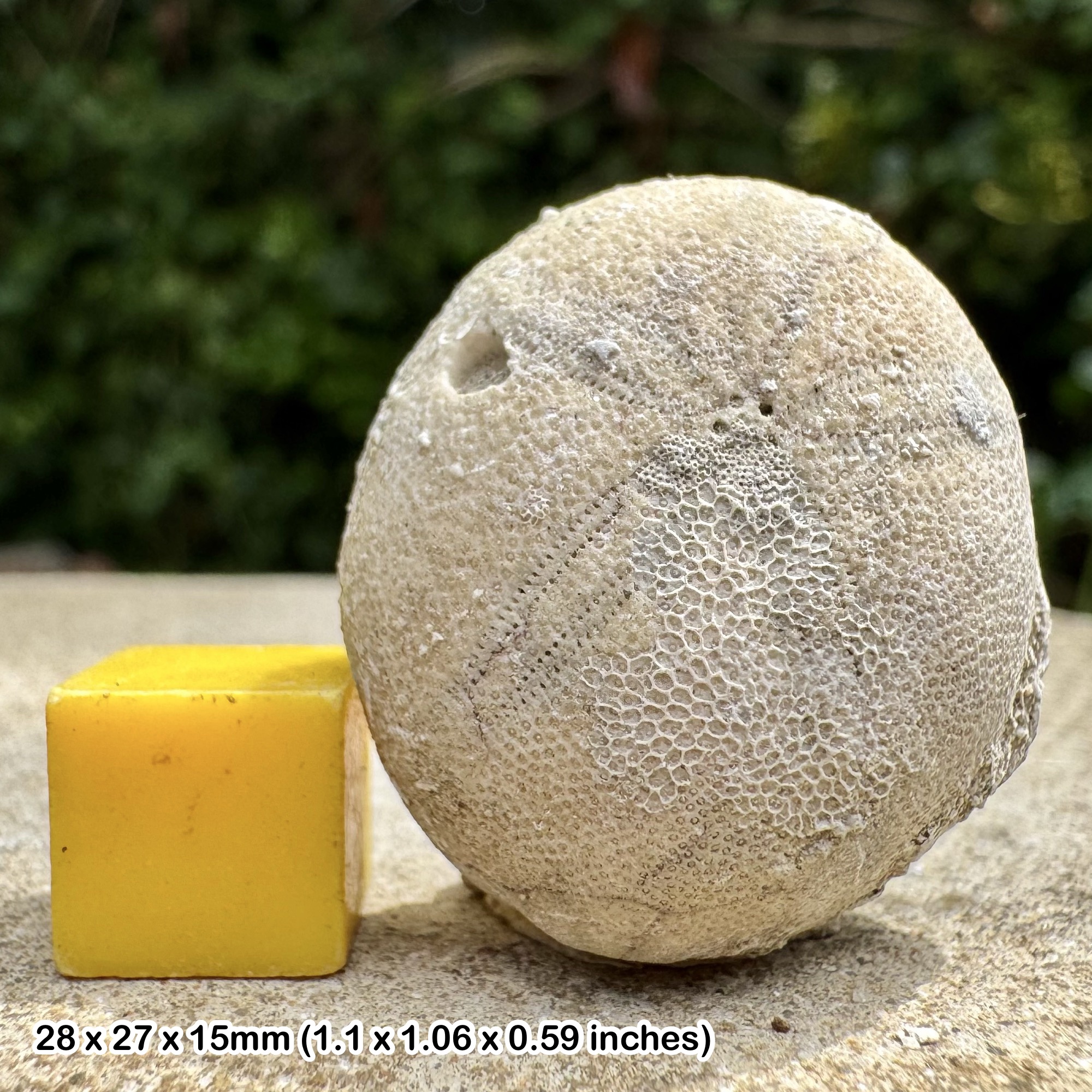
Catopygus mississippiensis Fossil Echinoid – Eocene Castle Hayne Formation – North Carolina USA – Genuine with Certificate
£ 14.40
Offered here is a genuine fossil of the echinoid species Catopygus
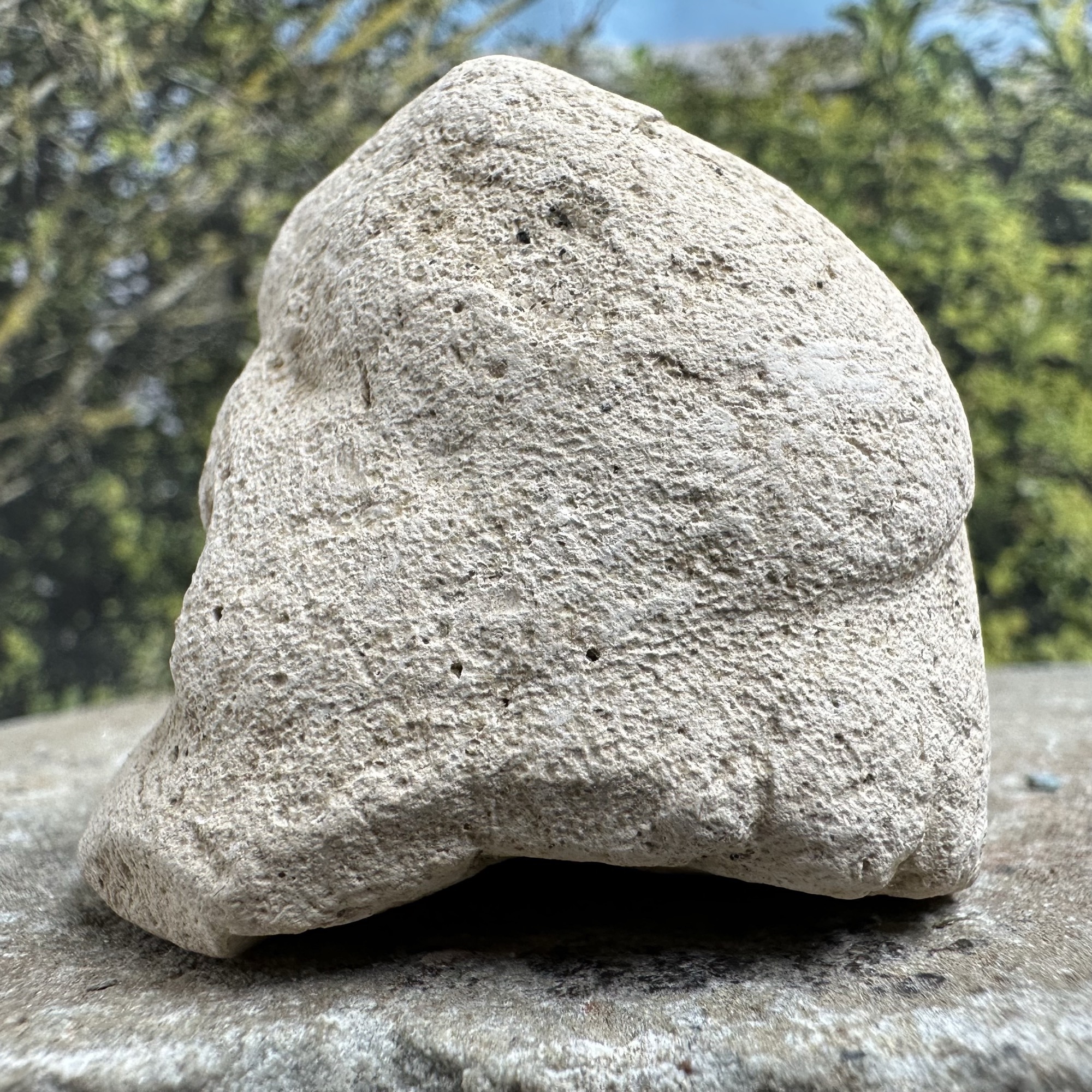
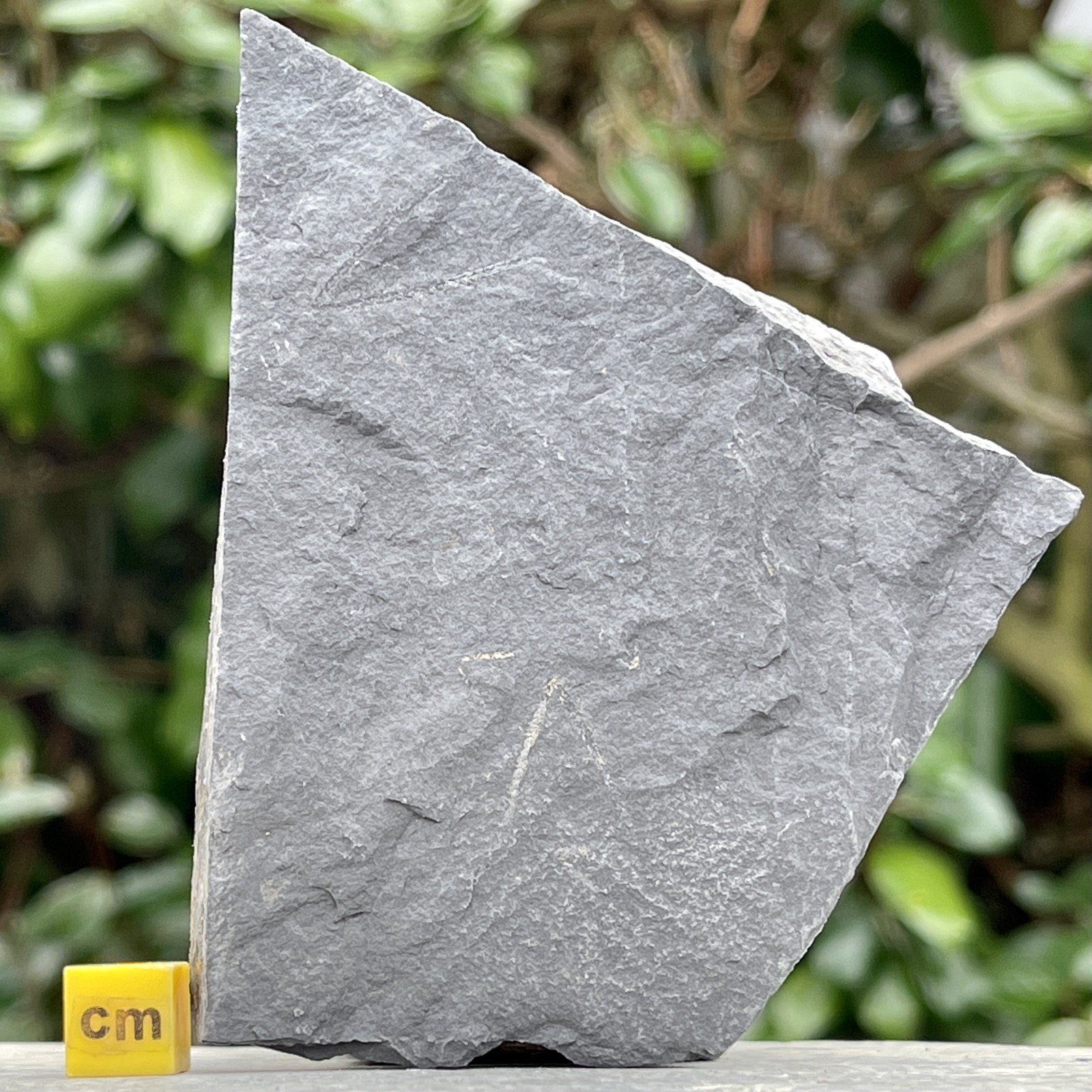
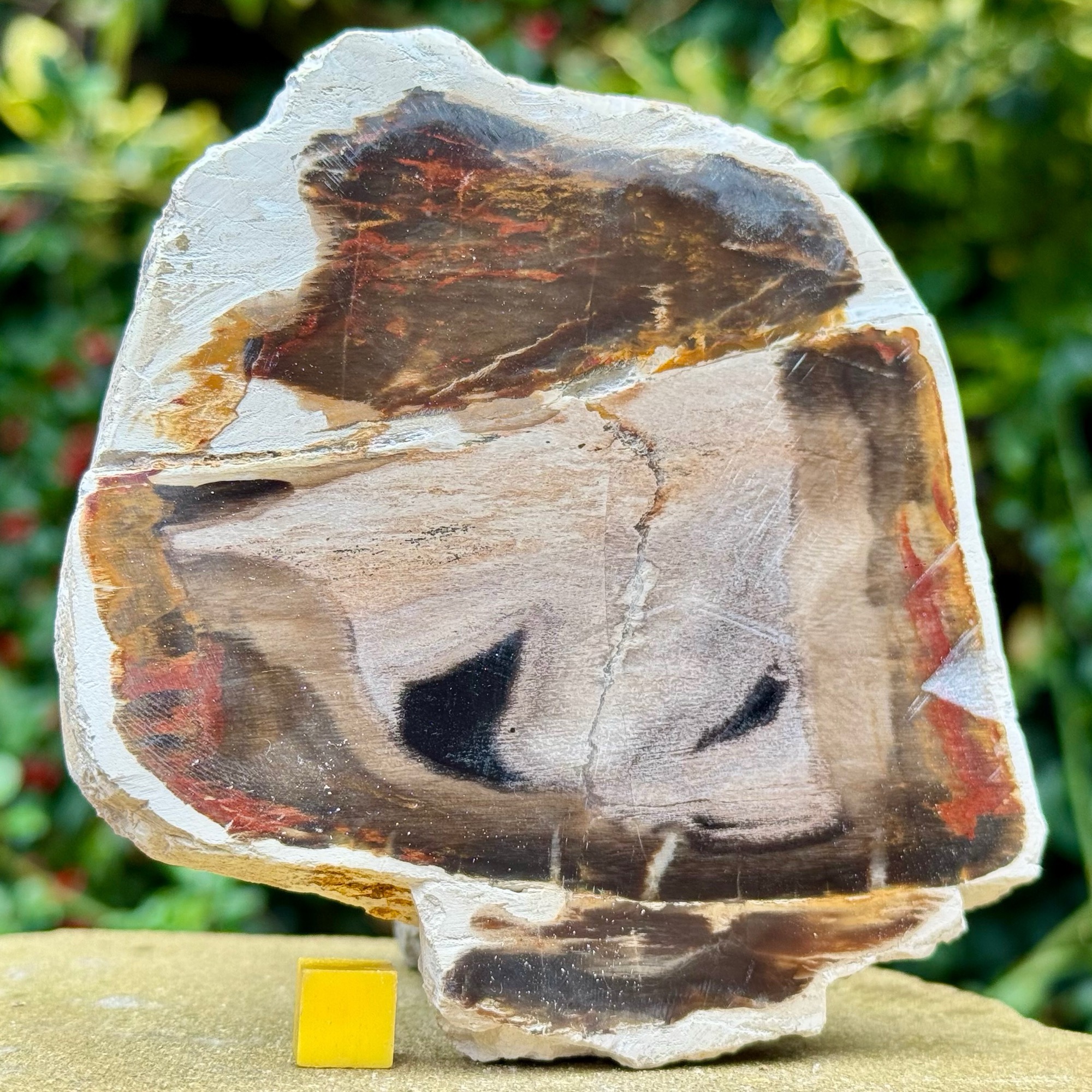
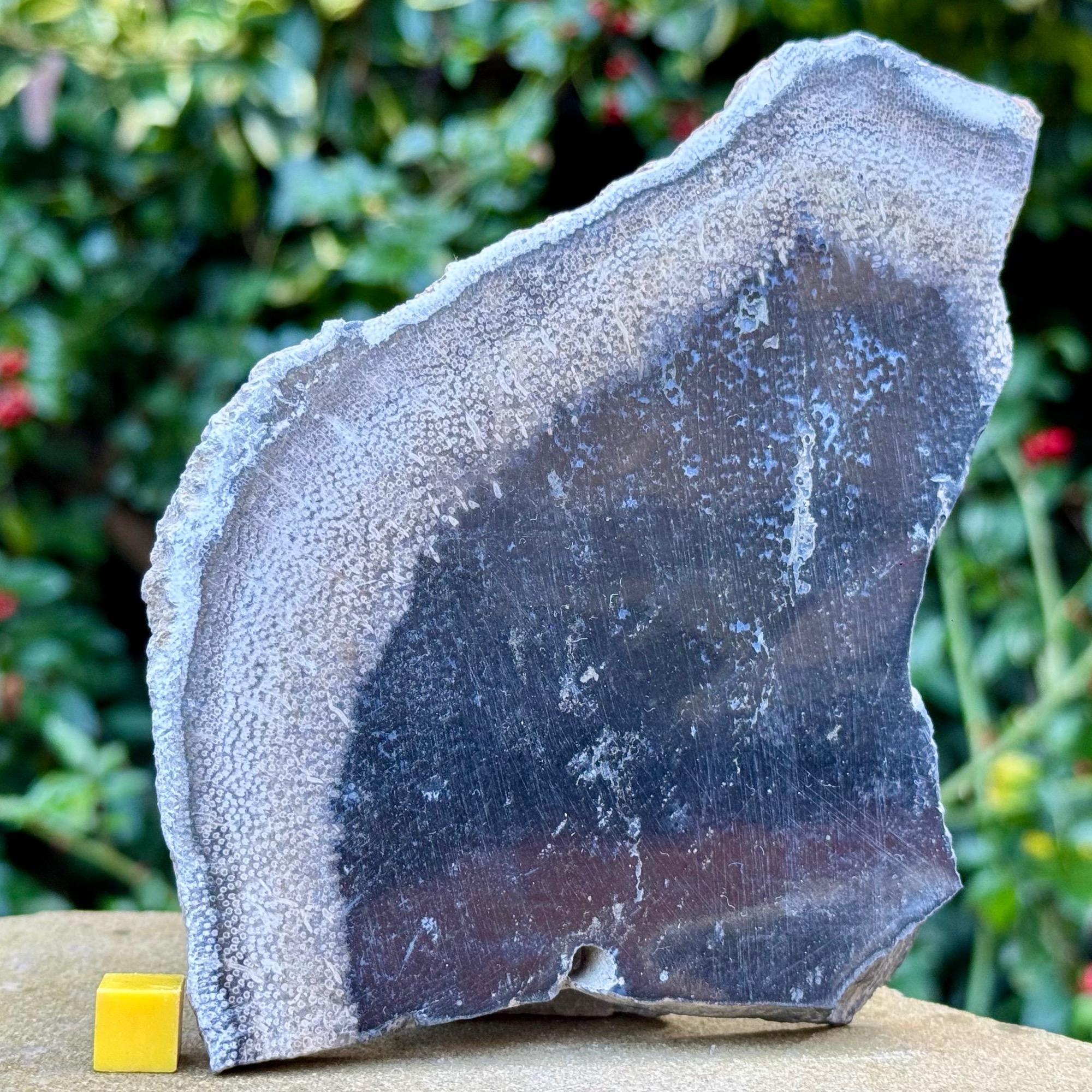
mississippiensis, sourced from the Castle Hayne Formation near New Bern, North Carolina, USA. This well-preserved echinoid dates back to the Eocene Epoch and is a fine example of a North American irregular echinoid. The photos show the actual specimen you will receive, with a 1cm scale cube included; please refer to the image for full sizing.Species & Classification:
• Species: Catopygus mississippiensis
• Type: Fossil Echinoid (Irregular Sea Urchin)
• Family: Catopygidae
• Order: Cassiduloida
• Super Family: Cassiduloidea
• Phylum: Echinodermata
• Kingdom: AnimaliaGeological & Stratigraphic Context:
• Geological Period: Paleogene
• Epoch: Eocene (Middle Eocene)
• Formation: Castle Hayne Formation
• Locality: New Bern, North Carolina, USA
• Depositional Environment: Shallow marine carbonate platform with warm, tropical waters typical of the Eocene Southeastern United StatesMorphological Features:
• Slightly domed, rounded test with an off-centre periproct (anus)
• Broadly oval in outline, with faint ambulacral areas
• Adapted for shallow infaunal life (burrowing) in soft marine sediments
• Preserved growth lines and potential surface tubercles where spines would have attachedNotable Facts:
• Catopygus mississippiensis is a classic index species for mid-Eocene deposits in the southeastern United States.
• Specimens from the Castle Hayne Formation are well-known for their good preservation due to the limestone matrix.
• These echinoids provide important information about marine biodiversity and paleoecology during the Paleogene.Why Buy From Us?
• 100% genuine fossil, responsibly collected from known localities
• Supplied with a Certificate of Authenticity
• You receive the exact specimen pictured
• Chosen for preservation quality, clarity, and collector/display valueThis Catopygus mississippiensis fossil echinoid is a superb representation of ancient marine life from the Eocene epoch of North America. A perfect addition for collectors, educators, or anyone passionate about Earth’s natural history.
mississippiensis, sourced from the Castle Hayne Formation near New Bern, North Carolina, USA. This well-preserved echinoid dates back to the Eocene Epoch and is a fine example of a North American irregular echinoid. The photos show the actual specimen you will receive, with a 1cm scale cube included; please refer to the image for full sizing.Species & Classification:
• Species: Catopygus mississippiensis
• Type: Fossil Echinoid (Irregular Sea Urchin)
• Family: Catopygidae
• Order: Cassiduloida
• Super Family: Cassiduloidea
• Phylum: Echinodermata
• Kingdom: AnimaliaGeological & Stratigraphic Context:
• Geological Period: Paleogene
• Epoch: Eocene (Middle Eocene)
• Formation: Castle Hayne Formation
• Locality: New Bern, North Carolina, USA
• Depositional Environment: Shallow marine carbonate platform with warm, tropical waters typical of the Eocene Southeastern United StatesMorphological Features:
• Slightly domed, rounded test with an off-centre periproct (anus)
• Broadly oval in outline, with faint ambulacral areas
• Adapted for shallow infaunal life (burrowing) in soft marine sediments
• Preserved growth lines and potential surface tubercles where spines would have attachedNotable Facts:
• Catopygus mississippiensis is a classic index species for mid-Eocene deposits in the southeastern United States.
• Specimens from the Castle Hayne Formation are well-known for their good preservation due to the limestone matrix.
• These echinoids provide important information about marine biodiversity and paleoecology during the Paleogene.Why Buy From Us?
• 100% genuine fossil, responsibly collected from known localities
• Supplied with a Certificate of Authenticity
• You receive the exact specimen pictured
• Chosen for preservation quality, clarity, and collector/display valueThis Catopygus mississippiensis fossil echinoid is a superb representation of ancient marine life from the Eocene epoch of North America. A perfect addition for collectors, educators, or anyone passionate about Earth’s natural history.
Other Products