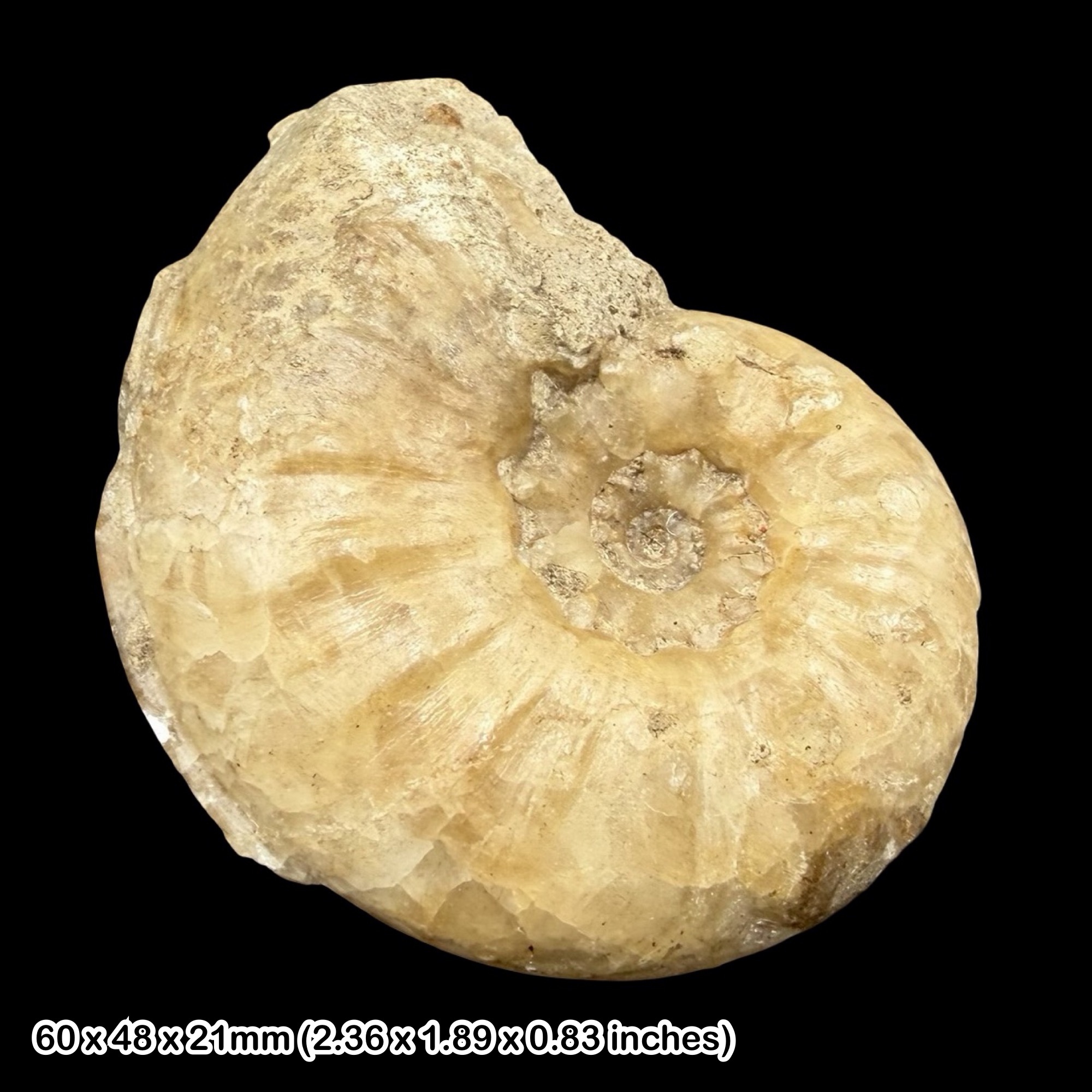
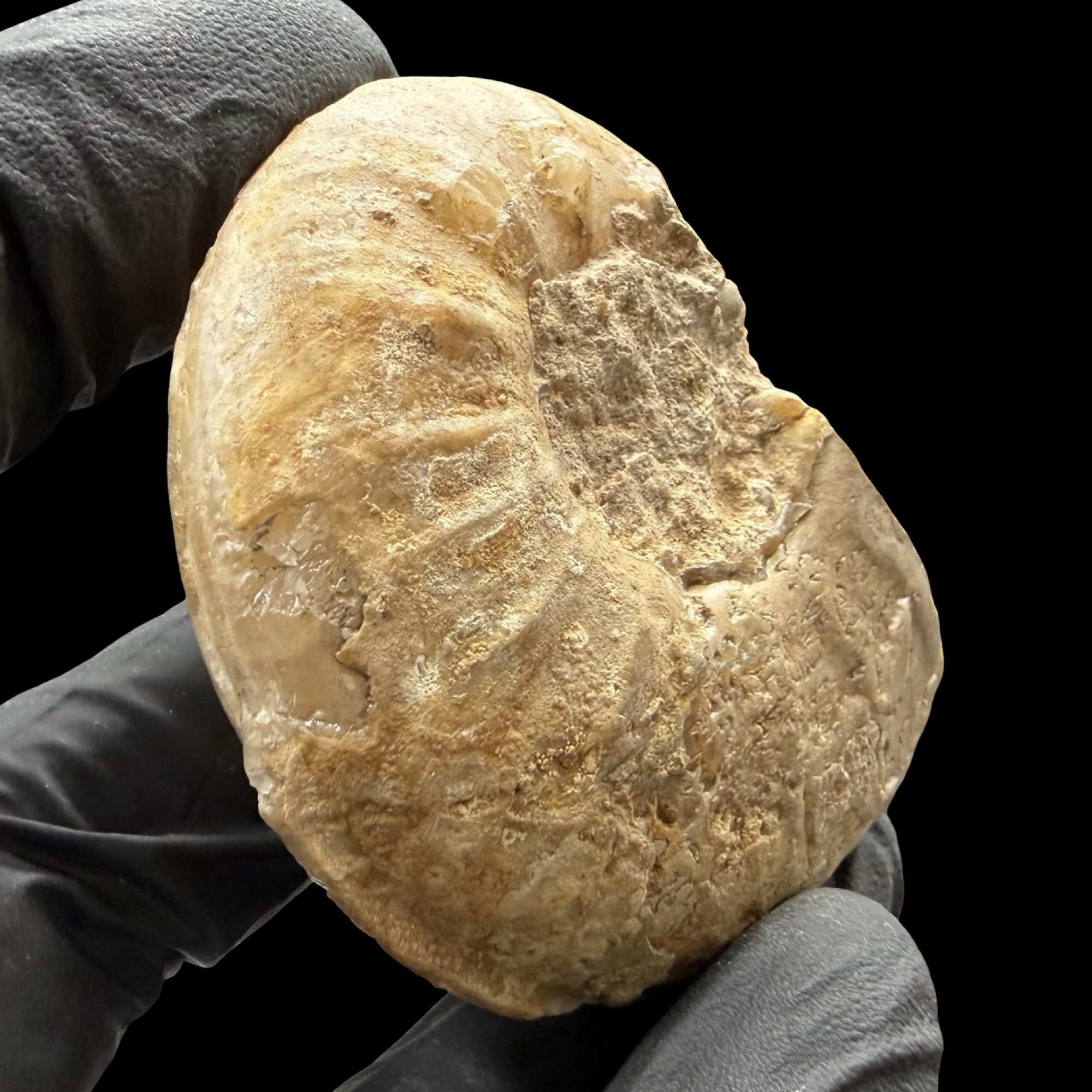
Sonninia trigonata Ammonite Fossil Jurassic Dorset UK COA Genuine Bajocian Laeviuscula Zone Burton Bradstock Specimen
£ 36.00
Genuine Sonninia trigonata Ammonite Fossil from Burton Bradstock, DorsetThis Sonninia trigonata ammonite fossil is a genuine Middle Jurassic specimen
from the Inferior Oolite Group at Freshwater, Burton Bradstock, Dorset, UK. Dating from the Bajocian Stage and associated with the Laeviuscula Zone, this carefully chosen fossil represents a classic Jurassic marine cephalopod from the warm shallow seas that once covered southern Britain. It is an attractive natural history specimen with strong geological interest, excellent collector appeal and a desirable Jurassic Coast locality.The photograph shows the actual fossil you will receive, making this an individual specimen rather than a stock image or representative example. For full sizing and visible condition, please see the listing photo. This fossil is a genuine specimen and includes a Certificate of Authenticity lifetime guarantee generic card.Fossil Type and Species InterestSonninia trigonata is an ammonite, an extinct marine cephalopod related to modern squid, cuttlefish and nautilus. Ammonites lived inside coiled external shells divided into a series of internal chambers. These chambers helped regulate buoyancy in the water column, while the soft-bodied animal occupied the final living chamber at the front of the shell.Sonninia is an important Middle Jurassic ammonite genus, especially associated with Bajocian marine deposits and the classic ammonite faunas of the Inferior Oolite. Sonninia trigonata is valued for its distinctive shell form, often showing a moderately compressed coiled shape, clear whorl development and ribbing that can sweep across the shell surface. Depending on preservation, examples may display a ventral keel or sharpened outer edge, giving the ammonite a refined and dynamic Jurassic appearance.The species name trigonata reflects a form associated with angular or triangular shell features, particularly in the whorl profile. These natural morphological details make Sonninia trigonata an appealing fossil for collectors who appreciate named ammonite species, visible shell architecture and scientifically interesting Jurassic cephalopods.As an ammonite, Sonninia belongs to the order Ammonitida and is associated with the superfamily Hammatoceratoidea. Ammonites evolved rapidly, were abundant in ancient seas and spread widely across marine environments, making them extremely useful fossils for dating and comparing rock layers.Geology, Age and Inferior Oolite GroupThis fossil comes from the Inferior Oolite Group, a well-known Middle Jurassic rock unit famous for fossil-rich limestones, oolitic sediments and diverse marine invertebrate faunas. The Bajocian Stage was an important interval of the Middle Jurassic, when warm shallow seas extended across much of what is now southern England.The Laeviuscula Zone is an ammonite biozone within the Bajocian and is especially useful for identifying and correlating fossil-bearing Middle Jurassic deposits. Ammonite zones are important because different ammonite species appeared, evolved and disappeared through geological time, allowing geologists to compare rock layers from different localities with greater accuracy.The term oolite refers to limestone made partly from small rounded carbonate grains called ooids. These formed in warm, moving shallow marine waters where calcium carbonate built up around tiny particles on the sea floor. Over millions of years, these sediments became compacted and cemented into limestone, preserving ammonites, belemnites, brachiopods, bivalves, gastropods, echinoids and other marine life.Freshwater, Burton Bradstock LocalityFreshwater at Burton Bradstock is a classic Dorset fossil locality on the Jurassic Coast, an area internationally known for its geological heritage and fossil-rich cliffs. Fossils from Burton Bradstock are highly collectable because they combine attractive preservation, strong British provenance and a direct connection to the ancient marine environments of southwest England.A Sonninia trigonata ammonite from Freshwater, Burton Bradstock combines a named species, a defined Bajocian age, Laeviuscula Zone association and desirable Inferior Oolite origin. This makes it a strong addition to collections focused on British fossils, Jurassic ammonites, Dorset fossils, cephalopods, biostratigraphy or natural history display specimens.Authenticity and PresentationThis Sonninia trigonata ammonite fossil is a genuine specimen selected for its natural character, geological interest and display quality. It is supplied exactly as shown in the listing photograph, so the fossil pictured is the actual piece you will receive.The included Certificate of Authenticity lifetime guarantee generic card provides reassurance for collectors, educators, gift buyers and natural history enthusiasts. This makes the fossil suitable for a serious fossil collection, educational use or display in a cabinet, study, classroom, office or geology-themed room.Display, Collecting and Educational ValueThis Sonninia trigonata ammonite is ideal for collectors of British fossils, Jurassic ammonites, Middle Jurassic cephalopods and natural history specimens. Its Bajocian age, Laeviuscula Zone association, Inferior Oolite origin and Burton Bradstock locality give it excellent appeal as both a display fossil and an educational specimen.As a genuine Middle Jurassic ammonite from Dorset, this fossil offers a direct connection to the ancient marine world that existed millions of years ago. It would make an excellent fossil gift, collector’s item, teaching specimen or display piece for anyone interested in ammonites, cephalopods, palaeontology, British geology and the fossil-rich marine deposits of the Jurassic Coast.
from the Inferior Oolite Group at Freshwater, Burton Bradstock, Dorset, UK. Dating from the Bajocian Stage and associated with the Laeviuscula Zone, this carefully chosen fossil represents a classic Jurassic marine cephalopod from the warm shallow seas that once covered southern Britain. It is an attractive natural history specimen with strong geological interest, excellent collector appeal and a desirable Jurassic Coast locality.The photograph shows the actual fossil you will receive, making this an individual specimen rather than a stock image or representative example. For full sizing and visible condition, please see the listing photo. This fossil is a genuine specimen and includes a Certificate of Authenticity lifetime guarantee generic card.Fossil Type and Species InterestSonninia trigonata is an ammonite, an extinct marine cephalopod related to modern squid, cuttlefish and nautilus. Ammonites lived inside coiled external shells divided into a series of internal chambers. These chambers helped regulate buoyancy in the water column, while the soft-bodied animal occupied the final living chamber at the front of the shell.Sonninia is an important Middle Jurassic ammonite genus, especially associated with Bajocian marine deposits and the classic ammonite faunas of the Inferior Oolite. Sonninia trigonata is valued for its distinctive shell form, often showing a moderately compressed coiled shape, clear whorl development and ribbing that can sweep across the shell surface. Depending on preservation, examples may display a ventral keel or sharpened outer edge, giving the ammonite a refined and dynamic Jurassic appearance.The species name trigonata reflects a form associated with angular or triangular shell features, particularly in the whorl profile. These natural morphological details make Sonninia trigonata an appealing fossil for collectors who appreciate named ammonite species, visible shell architecture and scientifically interesting Jurassic cephalopods.As an ammonite, Sonninia belongs to the order Ammonitida and is associated with the superfamily Hammatoceratoidea. Ammonites evolved rapidly, were abundant in ancient seas and spread widely across marine environments, making them extremely useful fossils for dating and comparing rock layers.Geology, Age and Inferior Oolite GroupThis fossil comes from the Inferior Oolite Group, a well-known Middle Jurassic rock unit famous for fossil-rich limestones, oolitic sediments and diverse marine invertebrate faunas. The Bajocian Stage was an important interval of the Middle Jurassic, when warm shallow seas extended across much of what is now southern England.The Laeviuscula Zone is an ammonite biozone within the Bajocian and is especially useful for identifying and correlating fossil-bearing Middle Jurassic deposits. Ammonite zones are important because different ammonite species appeared, evolved and disappeared through geological time, allowing geologists to compare rock layers from different localities with greater accuracy.The term oolite refers to limestone made partly from small rounded carbonate grains called ooids. These formed in warm, moving shallow marine waters where calcium carbonate built up around tiny particles on the sea floor. Over millions of years, these sediments became compacted and cemented into limestone, preserving ammonites, belemnites, brachiopods, bivalves, gastropods, echinoids and other marine life.Freshwater, Burton Bradstock LocalityFreshwater at Burton Bradstock is a classic Dorset fossil locality on the Jurassic Coast, an area internationally known for its geological heritage and fossil-rich cliffs. Fossils from Burton Bradstock are highly collectable because they combine attractive preservation, strong British provenance and a direct connection to the ancient marine environments of southwest England.A Sonninia trigonata ammonite from Freshwater, Burton Bradstock combines a named species, a defined Bajocian age, Laeviuscula Zone association and desirable Inferior Oolite origin. This makes it a strong addition to collections focused on British fossils, Jurassic ammonites, Dorset fossils, cephalopods, biostratigraphy or natural history display specimens.Authenticity and PresentationThis Sonninia trigonata ammonite fossil is a genuine specimen selected for its natural character, geological interest and display quality. It is supplied exactly as shown in the listing photograph, so the fossil pictured is the actual piece you will receive.The included Certificate of Authenticity lifetime guarantee generic card provides reassurance for collectors, educators, gift buyers and natural history enthusiasts. This makes the fossil suitable for a serious fossil collection, educational use or display in a cabinet, study, classroom, office or geology-themed room.Display, Collecting and Educational ValueThis Sonninia trigonata ammonite is ideal for collectors of British fossils, Jurassic ammonites, Middle Jurassic cephalopods and natural history specimens. Its Bajocian age, Laeviuscula Zone association, Inferior Oolite origin and Burton Bradstock locality give it excellent appeal as both a display fossil and an educational specimen.As a genuine Middle Jurassic ammonite from Dorset, this fossil offers a direct connection to the ancient marine world that existed millions of years ago. It would make an excellent fossil gift, collector’s item, teaching specimen or display piece for anyone interested in ammonites, cephalopods, palaeontology, British geology and the fossil-rich marine deposits of the Jurassic Coast.
Other Products