Promicroceras Calcite Ammonite Fossil – Lower Lias Jurassic Coast Black Ven Lyme Regis Dorset UK
£ 9.60
OVERVIEW & AUTHENTICITYOffered here is a genuine Promicroceras calcite ammonite fossil collected from
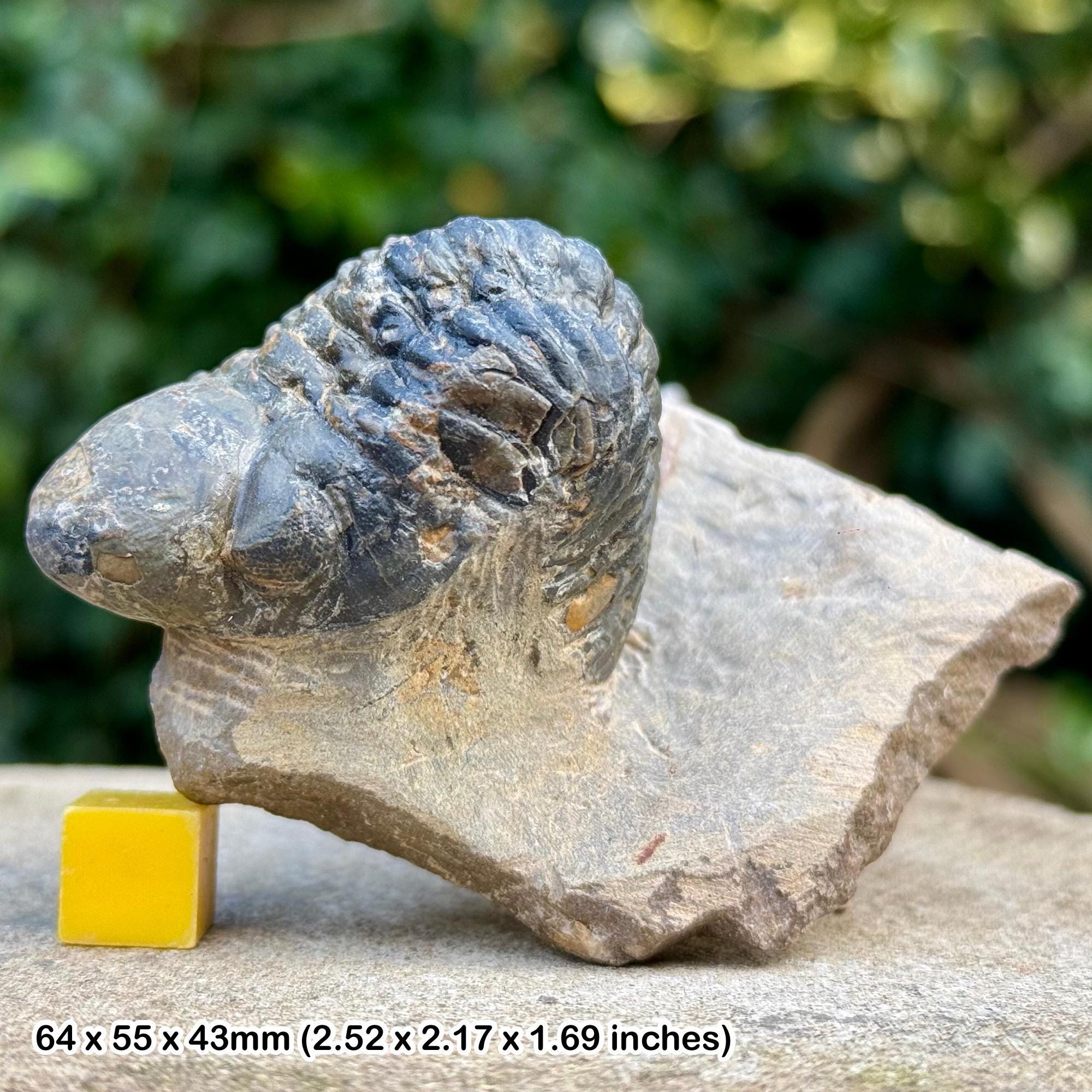
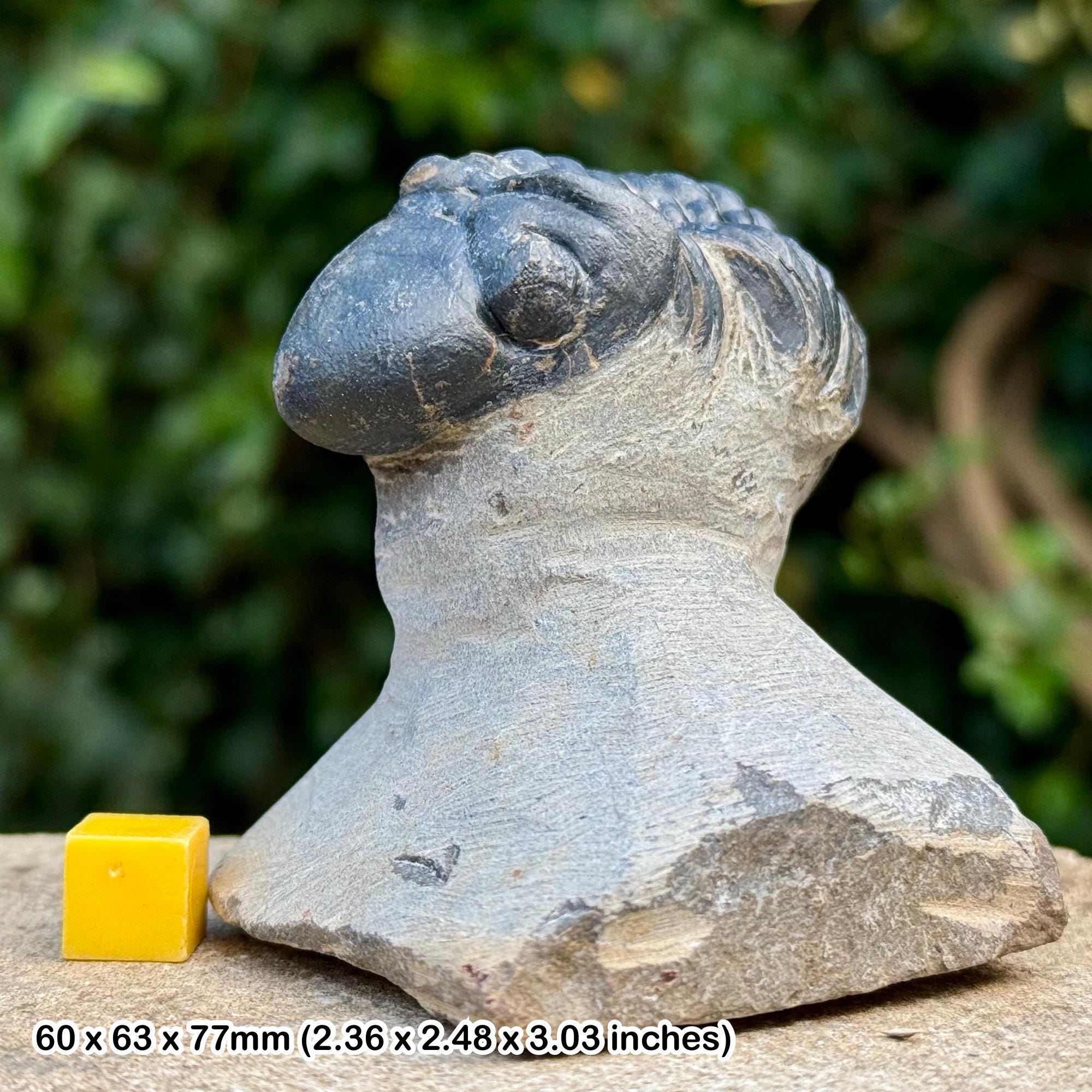
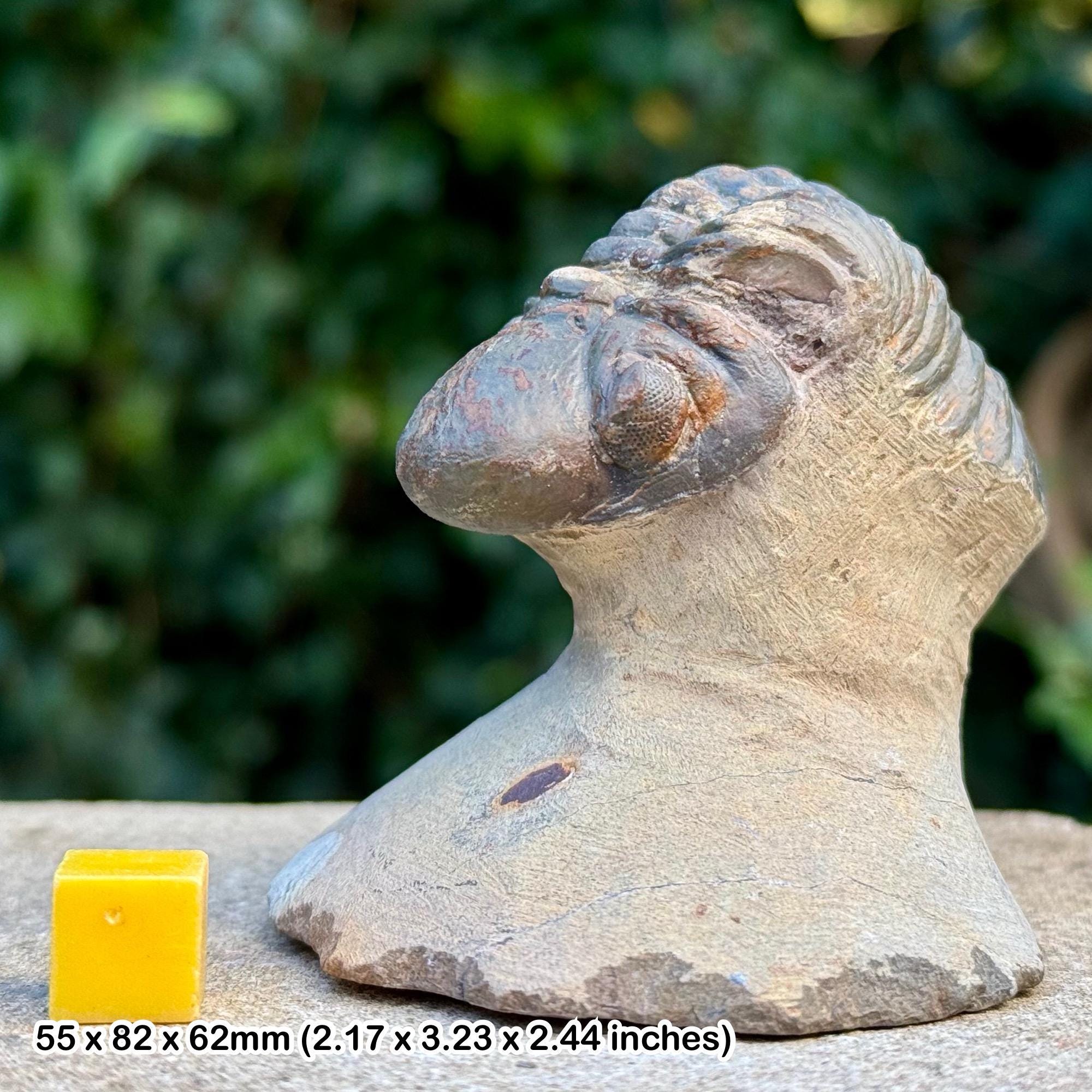
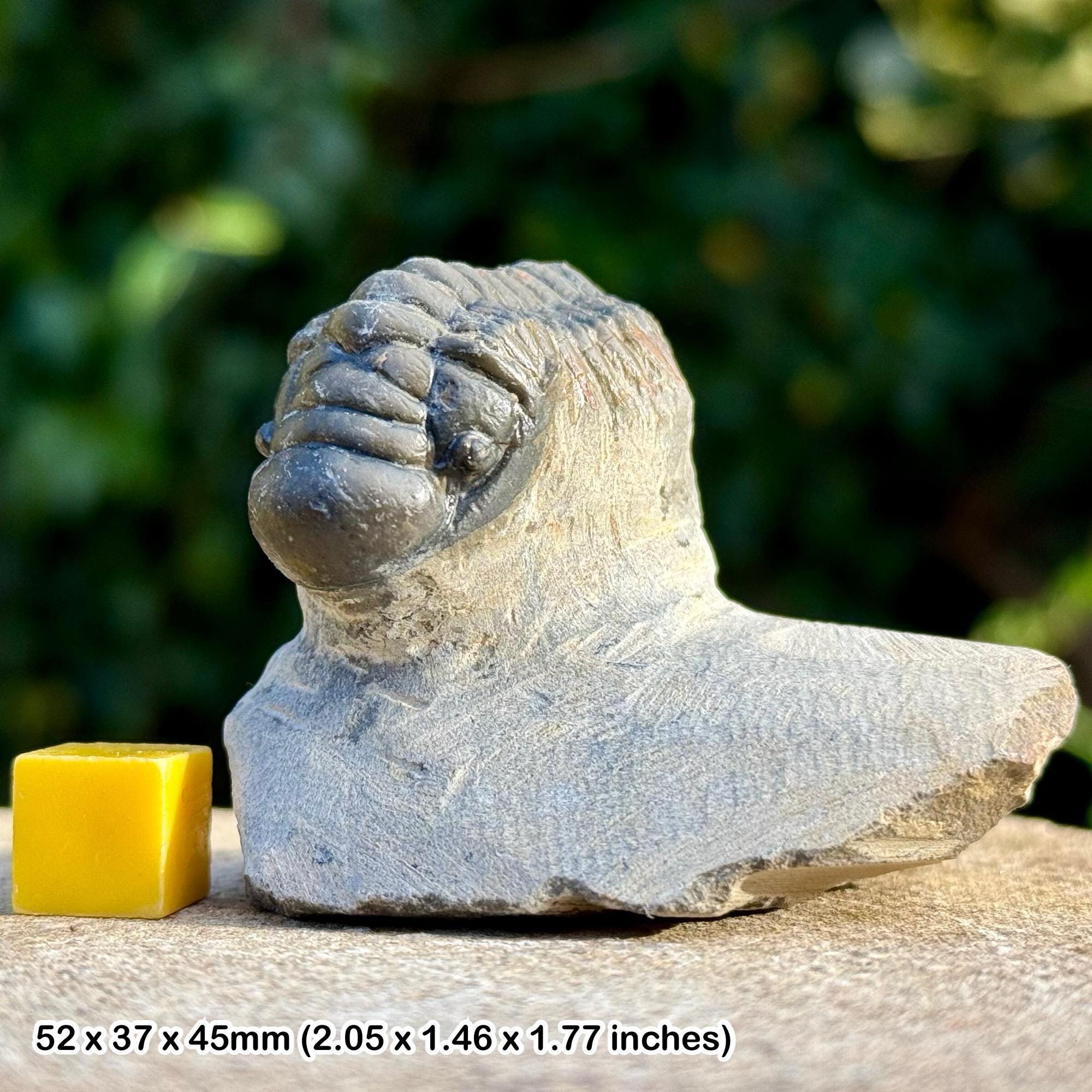
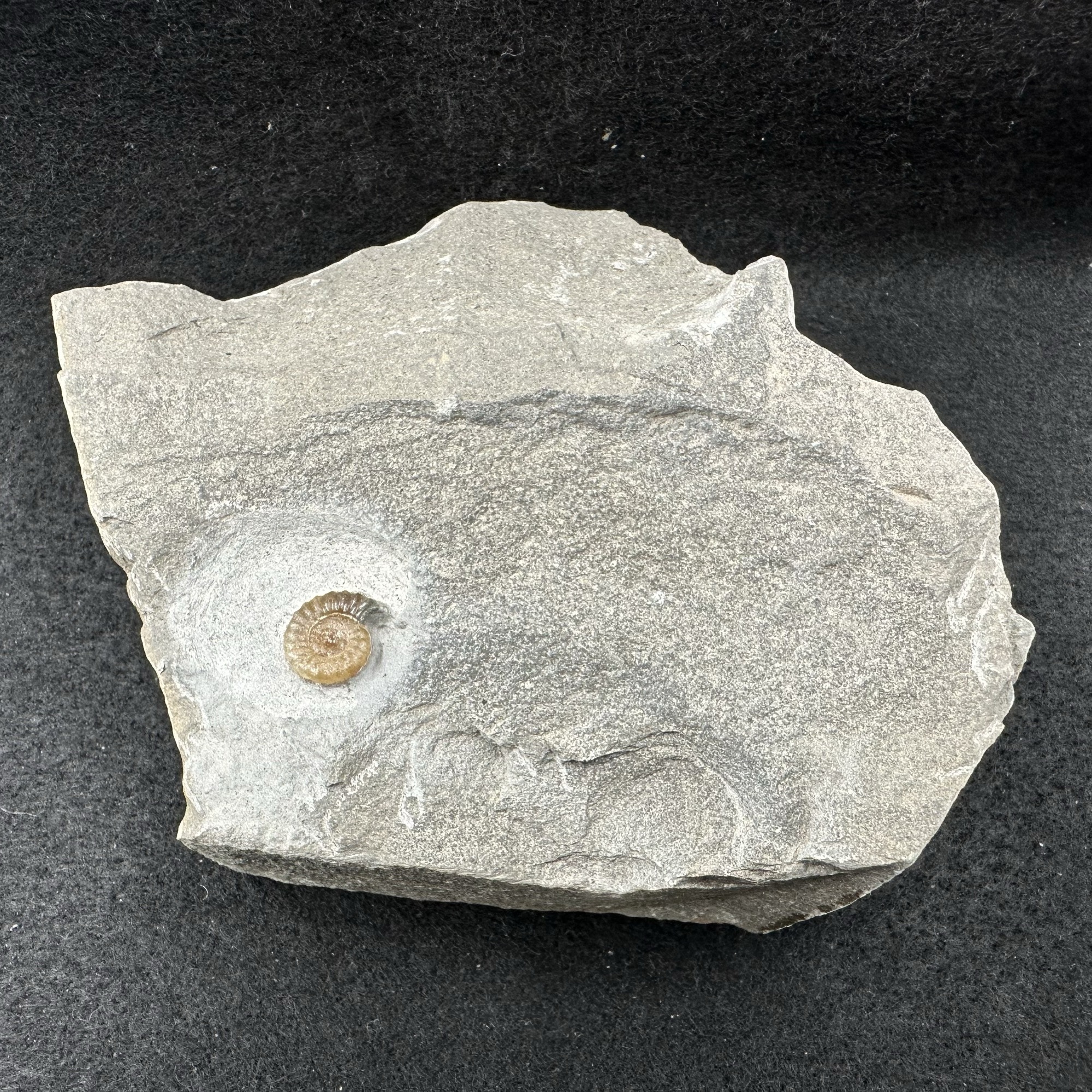
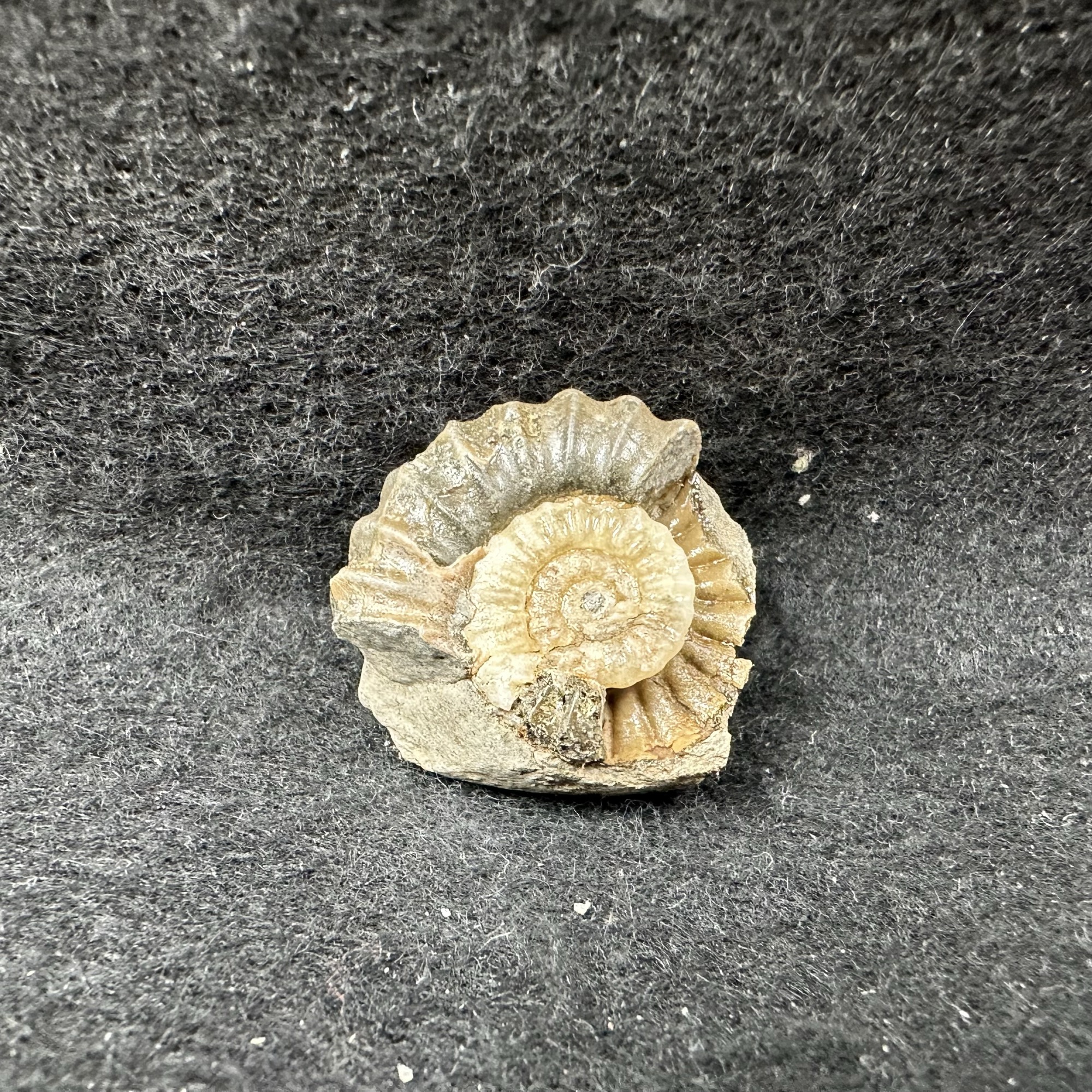
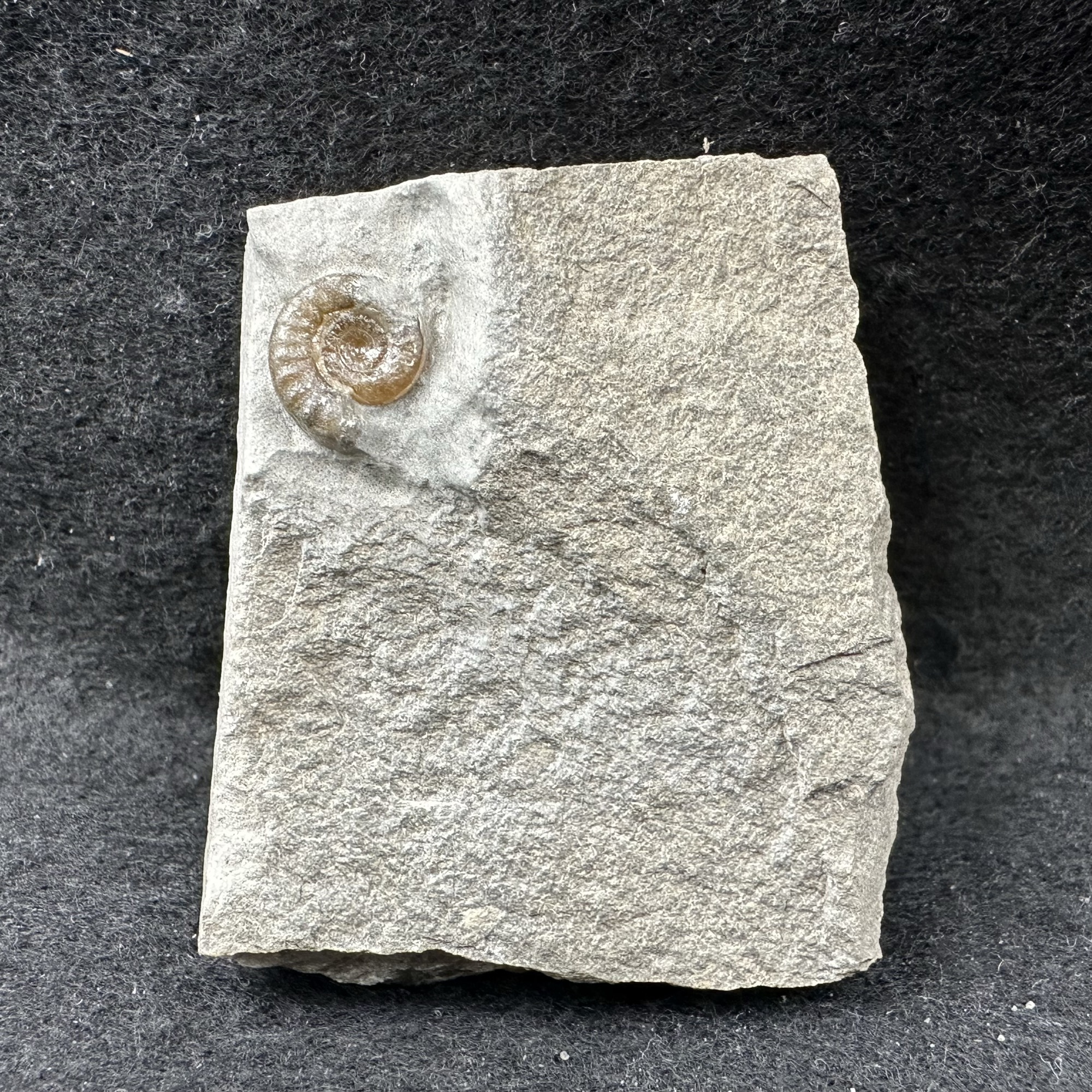
the famous Black Ven Marls, part of the Lower Lias sequence on the Jurassic Coast, Black Ven, Lyme Regis, Dorset, UK. This is a carefully selected natural specimen, preserved with attractive calcite mineralisation, and presented exactly as shown in the listing photographs. You will receive the actual fossil illustrated.Every specimen is supplied with a Certificate of Authenticity, including a lifetime guarantee of genuineness, provided on a generic authenticity card for long-term peace of mind. GEOLOGICAL CONTEXTBlack Ven is one of the most important and historically significant fossil localities in the world. The fossil-bearing marls belong to the Lower Jurassic (Early Jurassic), deposited approximately 195–190 million years ago. During this time, southern Britain lay beneath a warm, shallow epicontinental sea, rich in marine life. Fine-grained marls and shales accumulated in relatively low-energy conditions, allowing delicate organisms such as ammonites to be rapidly buried and preserved in exceptional detail.The Lower Lias is internationally renowned for its ammonite biostratigraphy, and Promicroceras is a key index fossil for the earliest Jurassic, making specimens from this formation scientifically and historically significant. FOSSIL TYPE & TAXONOMYThis fossil is an ammonite, an extinct marine cephalopod related to modern squid and cuttlefish.
• Order: Ammonitida
• Superfamily: Psiloceratoidea
• Family: Psiloceratidae
• Genus: PromicrocerasPromicroceras represents some of the earliest true ammonites of the Jurassic, appearing soon after the end-Triassic extinction event. Their presence marks an important evolutionary recovery phase in marine ecosystems. MORPHOLOGY & PRESERVATIONPromicroceras ammonites are characterised by their small, tightly coiled, planispiral shells with gently rounded whorls. Ribbing is typically fine to moderately defined, often sweeping forward across the flanks and becoming more pronounced toward the outer whorl. This specimen shows clear shell morphology enhanced by natural calcite replacement, which highlights structural details and adds visual contrast against the darker marl matrix.The fossil retains strong three-dimensional form, making it an excellent example for both study and display. DEPOSITIONAL ENVIRONMENT & PALAEOECOLOGYThese ammonites lived as active nektonic predators or scavengers within the water column of a shallow Jurassic sea. After death, shells settled onto the seafloor where low oxygen conditions and rapid burial reduced decay and scavenging. Over millions of years, mineral-rich waters facilitated calcite preservation, resulting in the attractive fossil seen today. COLLECTABILITY & DISPLAYFossils from Black Ven and Lyme Regis are globally sought after due to their provenance, scientific importance, and classic British Jurassic heritage. This Promicroceras ammonite is ideal for serious collectors, educational use, museums, or as a high-quality display specimen.Full sizing details can be found in the accompanying photographs. The fossil has been carefully chosen for quality, preservation, and authenticity, making it a timeless addition to any fossil collection.
the famous Black Ven Marls, part of the Lower Lias sequence on the Jurassic Coast, Black Ven, Lyme Regis, Dorset, UK. This is a carefully selected natural specimen, preserved with attractive calcite mineralisation, and presented exactly as shown in the listing photographs. You will receive the actual fossil illustrated.Every specimen is supplied with a Certificate of Authenticity, including a lifetime guarantee of genuineness, provided on a generic authenticity card for long-term peace of mind. GEOLOGICAL CONTEXTBlack Ven is one of the most important and historically significant fossil localities in the world. The fossil-bearing marls belong to the Lower Jurassic (Early Jurassic), deposited approximately 195–190 million years ago. During this time, southern Britain lay beneath a warm, shallow epicontinental sea, rich in marine life. Fine-grained marls and shales accumulated in relatively low-energy conditions, allowing delicate organisms such as ammonites to be rapidly buried and preserved in exceptional detail.The Lower Lias is internationally renowned for its ammonite biostratigraphy, and Promicroceras is a key index fossil for the earliest Jurassic, making specimens from this formation scientifically and historically significant. FOSSIL TYPE & TAXONOMYThis fossil is an ammonite, an extinct marine cephalopod related to modern squid and cuttlefish.
• Order: Ammonitida
• Superfamily: Psiloceratoidea
• Family: Psiloceratidae
• Genus: PromicrocerasPromicroceras represents some of the earliest true ammonites of the Jurassic, appearing soon after the end-Triassic extinction event. Their presence marks an important evolutionary recovery phase in marine ecosystems. MORPHOLOGY & PRESERVATIONPromicroceras ammonites are characterised by their small, tightly coiled, planispiral shells with gently rounded whorls. Ribbing is typically fine to moderately defined, often sweeping forward across the flanks and becoming more pronounced toward the outer whorl. This specimen shows clear shell morphology enhanced by natural calcite replacement, which highlights structural details and adds visual contrast against the darker marl matrix.The fossil retains strong three-dimensional form, making it an excellent example for both study and display. DEPOSITIONAL ENVIRONMENT & PALAEOECOLOGYThese ammonites lived as active nektonic predators or scavengers within the water column of a shallow Jurassic sea. After death, shells settled onto the seafloor where low oxygen conditions and rapid burial reduced decay and scavenging. Over millions of years, mineral-rich waters facilitated calcite preservation, resulting in the attractive fossil seen today. COLLECTABILITY & DISPLAYFossils from Black Ven and Lyme Regis are globally sought after due to their provenance, scientific importance, and classic British Jurassic heritage. This Promicroceras ammonite is ideal for serious collectors, educational use, museums, or as a high-quality display specimen.Full sizing details can be found in the accompanying photographs. The fossil has been carefully chosen for quality, preservation, and authenticity, making it a timeless addition to any fossil collection.