Pyromorphite Penberthy Croft Mine Cornwall Genuine Mineral Specimen with Certificate of Authenticity
£ 36.00
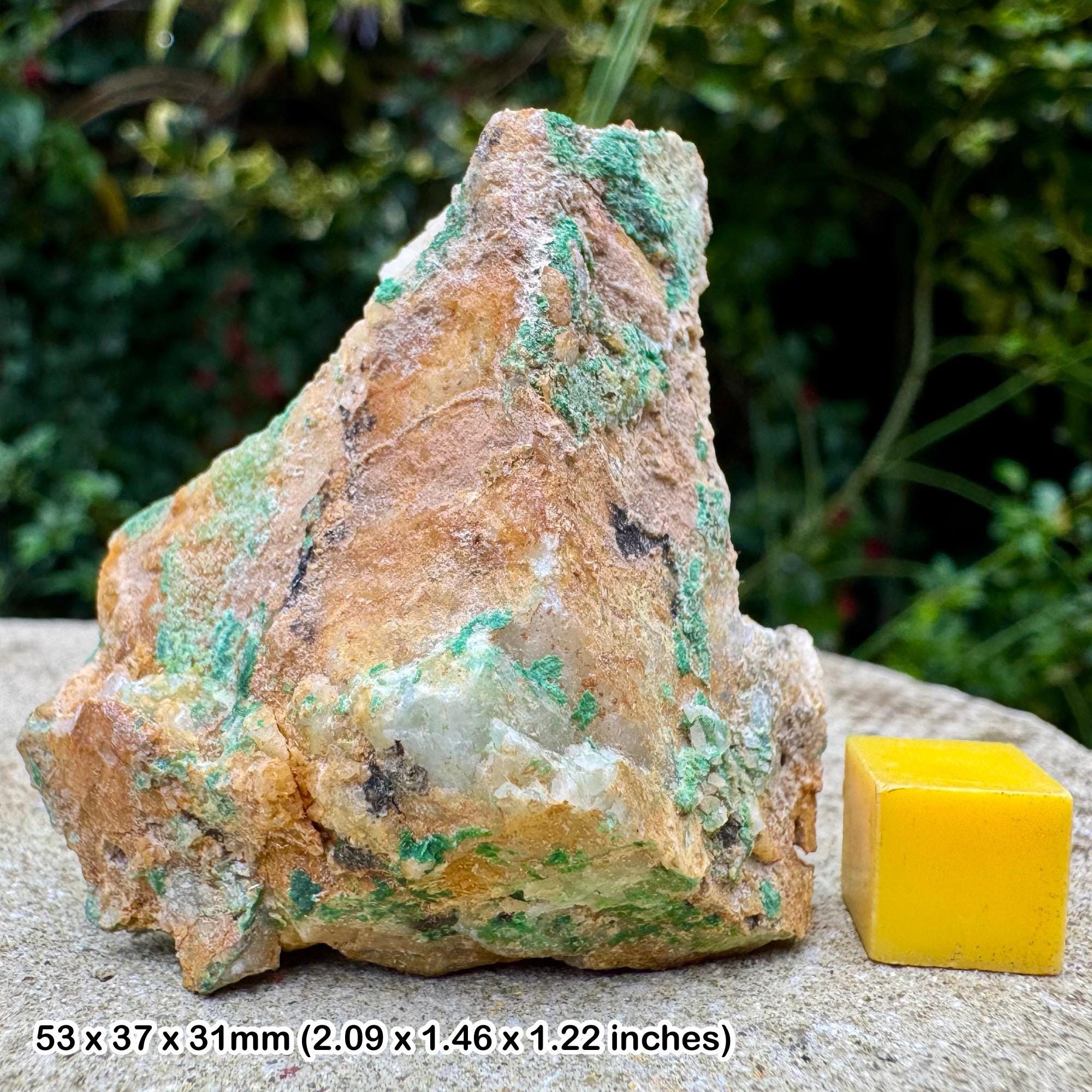
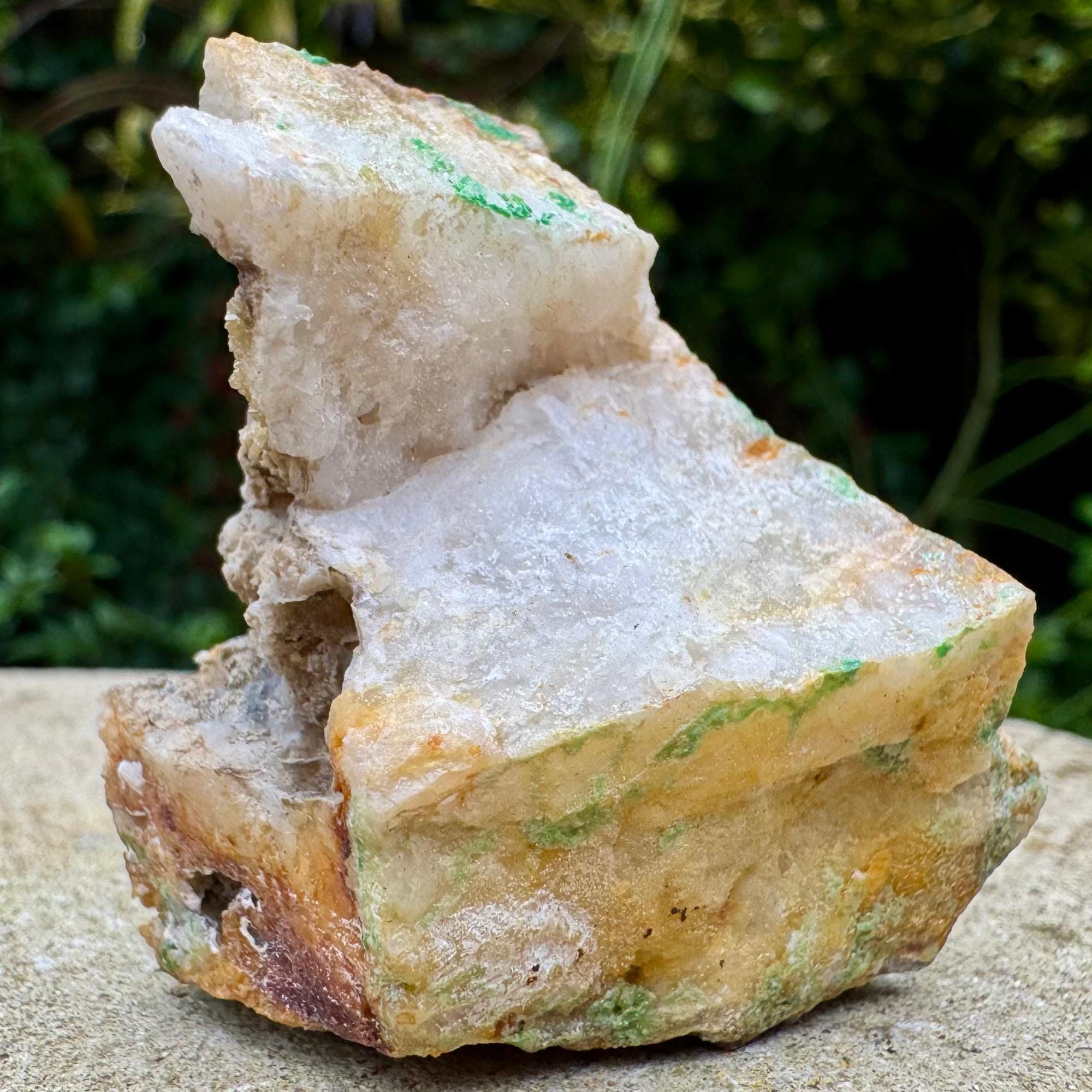
GENUINE PYROMORPHITE – PENBERTHY CROFT MINE, ST HILARY, CORNWALL, UKThis Pyromorphite specimen from Penberthy Croft Mine, St Hilary, Cornwall,
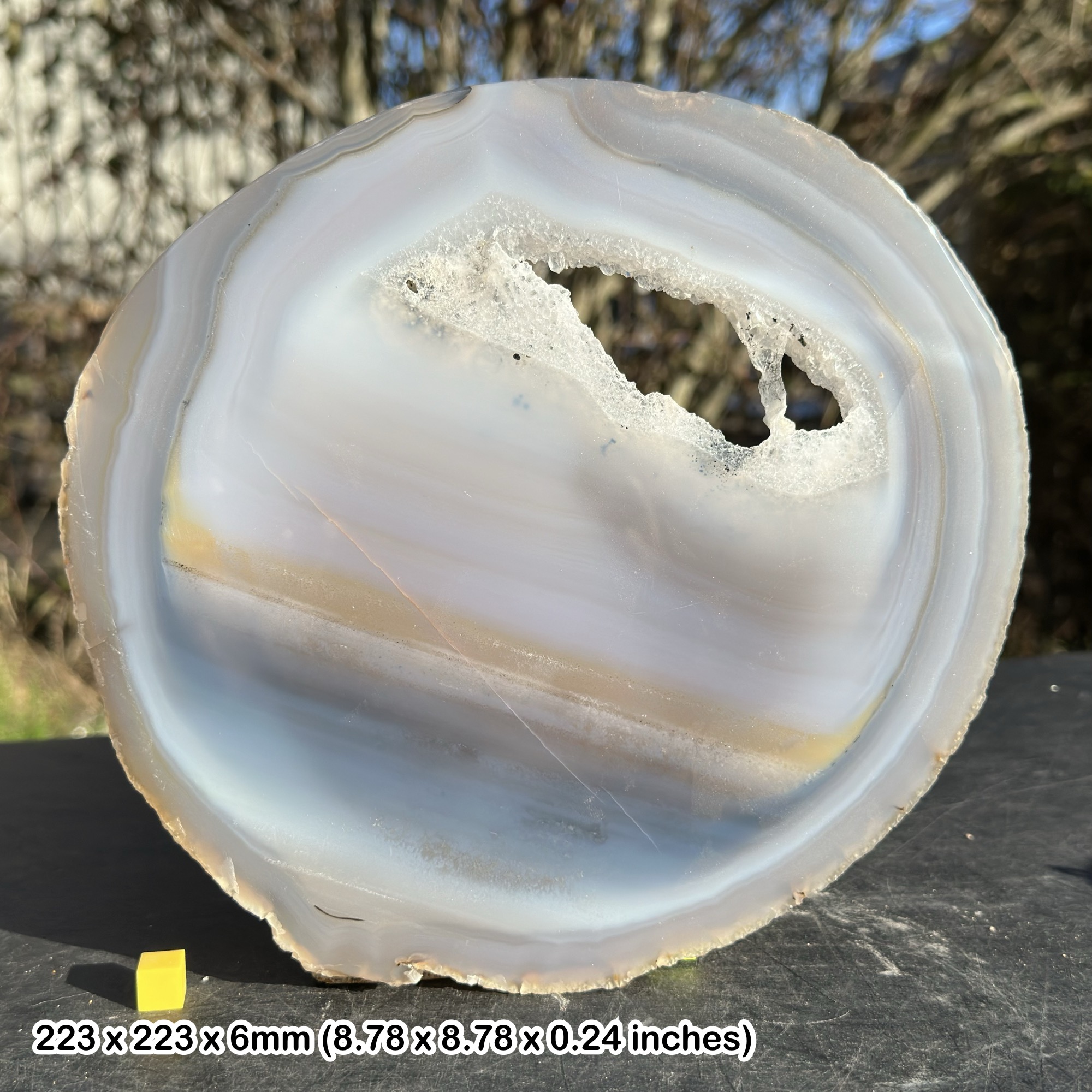
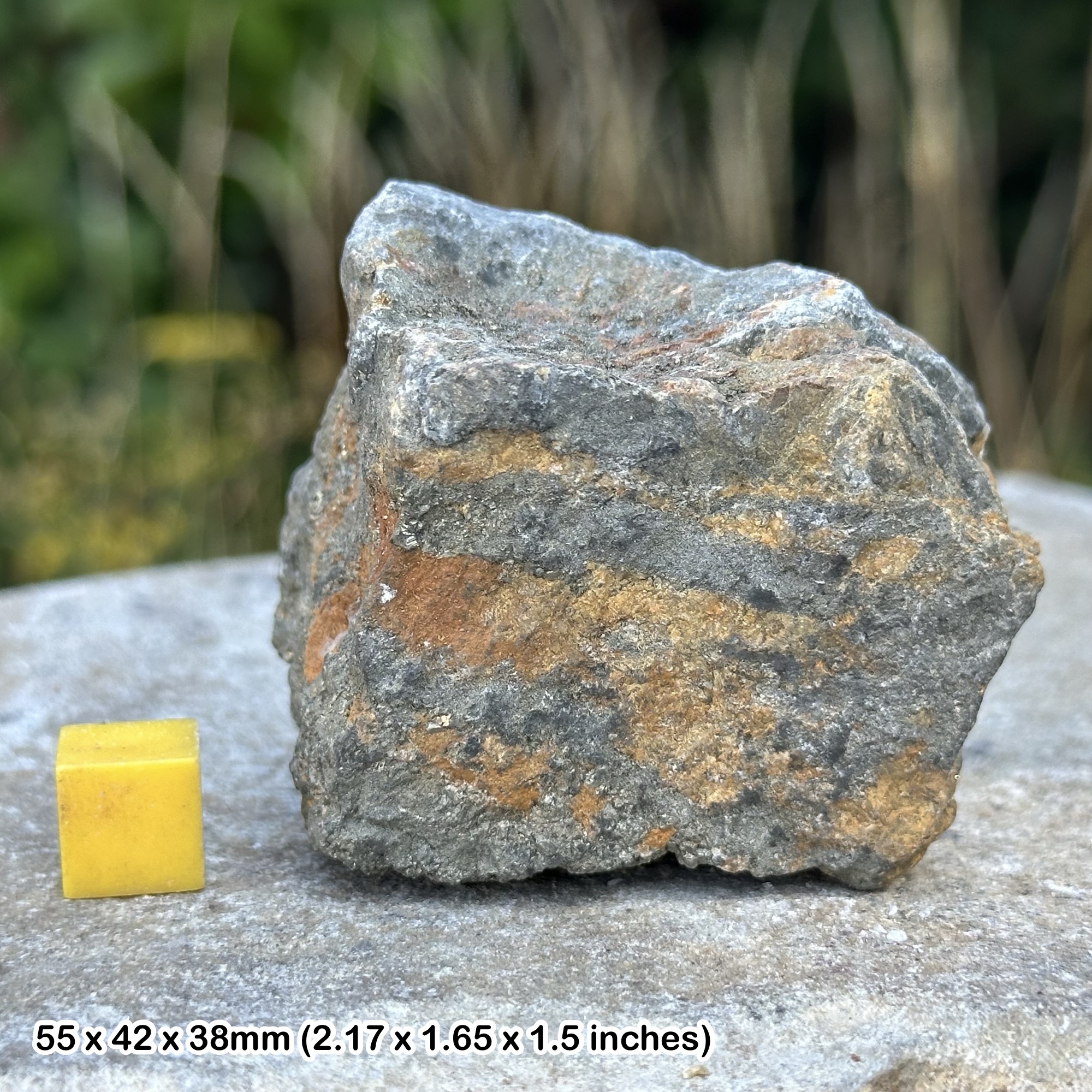
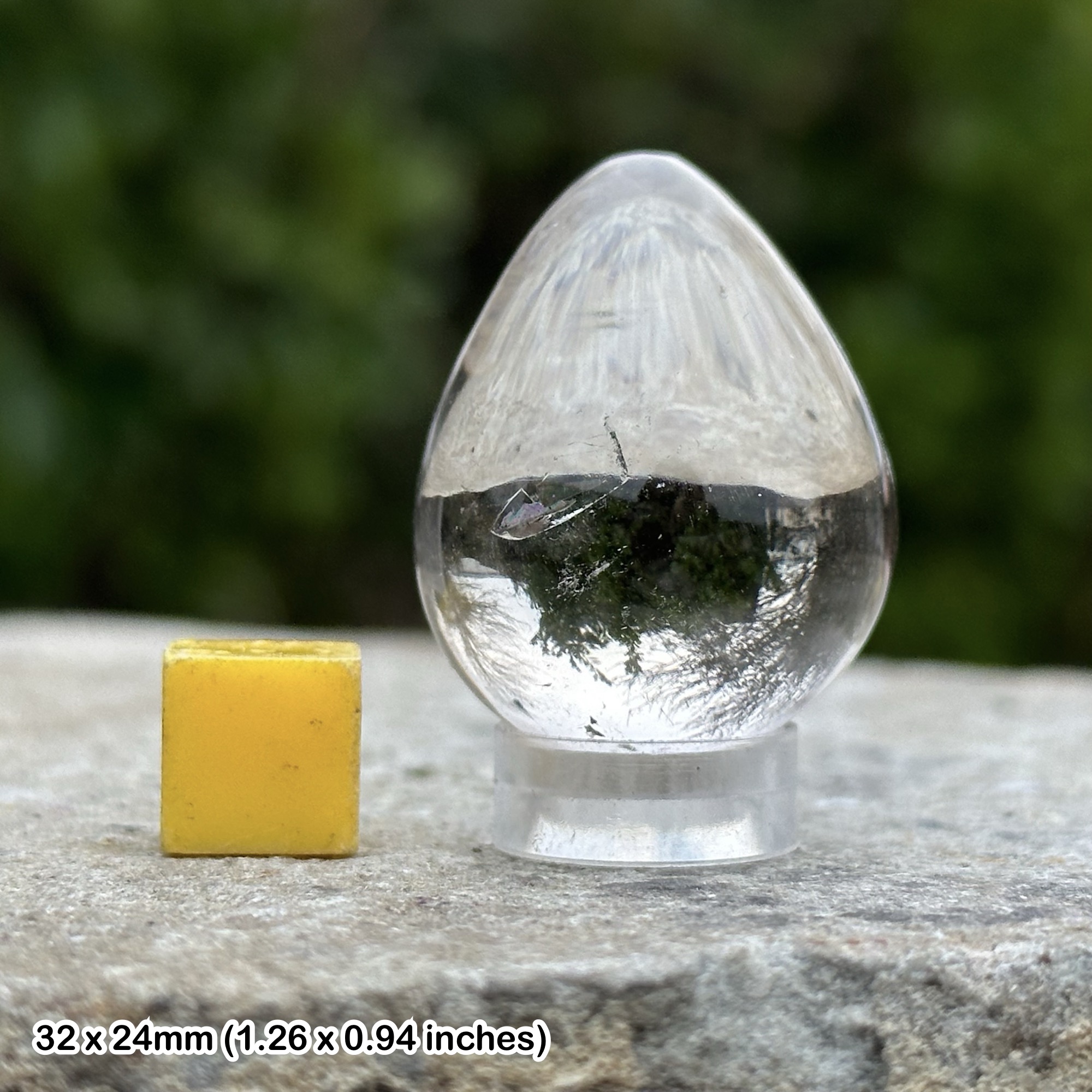
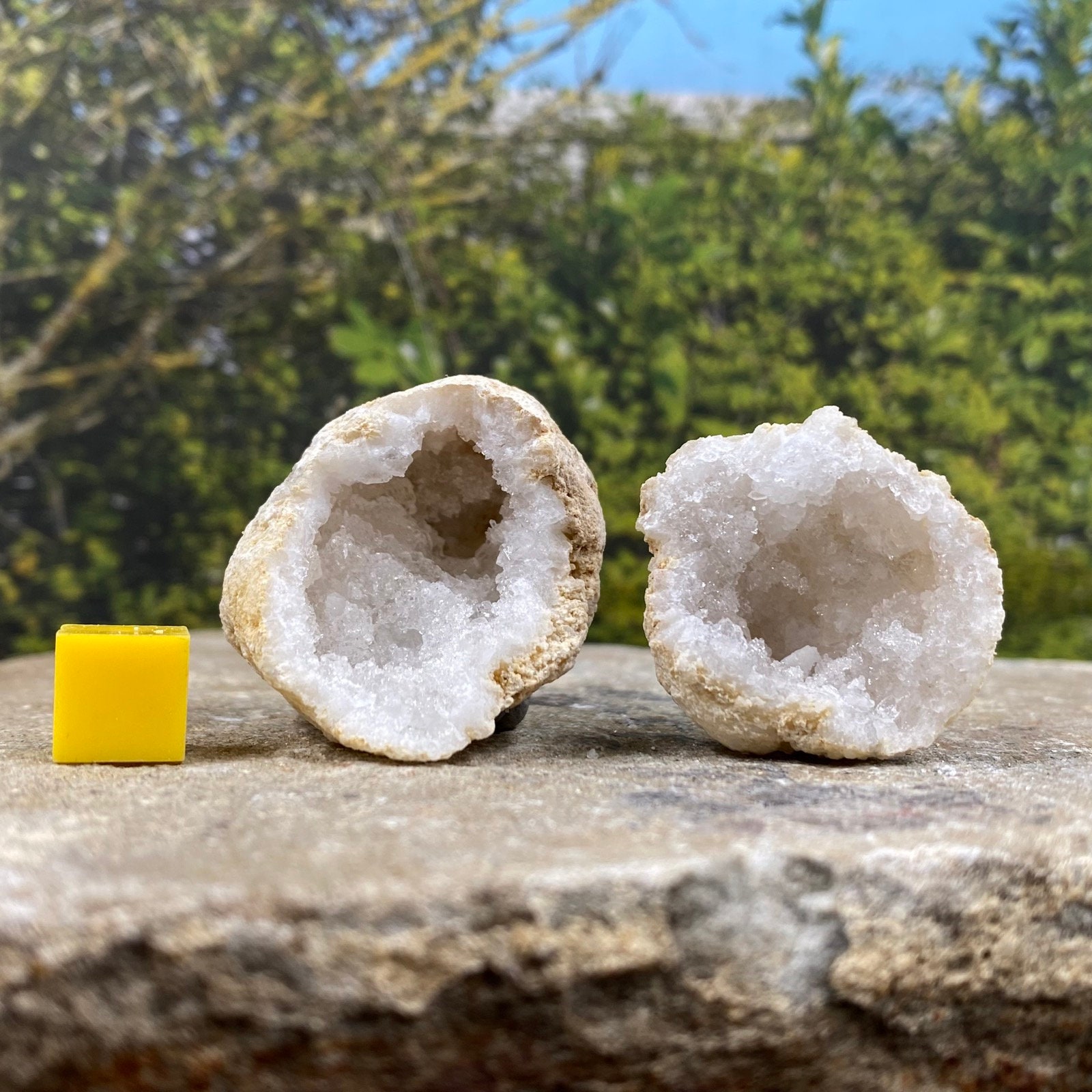
England, is a genuine and carefully selected example of classic Cornish lead-zone mineralisation. The photograph provided shows the exact specimen you will receive. Please refer to the images for full sizing details and accurate scale.This crystal includes a Certificate of Authenticity lifetime guarantee generic card confirming its genuine origin and mineral identification. MINERAL & GEOLOGICAL CLASSIFICATION – PYROMORPHITEPyromorphite is a lead chlorophosphate mineral with the chemical formula Pb₅(PO₄)₃Cl. It belongs to the apatite group and crystallises in the hexagonal crystal system.Mineral Name: PyromorphiteChemical Formula: Pb₅(PO₄)₃ClMineral Group: Phosphate (Apatite Group)Crystal System: HexagonalHardness: 3.5–4 on the Mohs scaleLustre: Resinous to sub-adamantineTransparency: Transparent to translucentPyromorphite commonly forms well-defined hexagonal prismatic crystals, often with barrel-shaped or elongated habits. Crystal faces may be smooth and lustrous, reflecting light with a resinous sheen.Colour variations range from bright green and olive green to yellow-green and brownish tones, depending on trace elements and growth conditions. GEOLOGICAL SETTING – PENBERTHY CROFT MINE, CORNWALLPenberthy Croft Mine is located in the St Hilary district of Cornwall, an area historically known for lead and associated mineral extraction. The mineralisation is linked to the Cornubian granite intrusions formed during the late Carboniferous to early Permian periods.Primary mineralisation at the site included galena (lead sulfide), which later underwent oxidation near the surface. Pyromorphite formed as a secondary mineral within the oxidised zone, where lead released from galena combined with phosphate-bearing fluids and chloride ions.These secondary processes occurred within fractures and cavities of host rocks, allowing crystals to develop in open spaces. The result is often well-formed, sharply defined pyromorphite crystal clusters.Associated minerals in similar Cornish lead deposits may include cerussite, anglesite, quartz and iron oxides, reflecting the complex alteration history of the vein systems. CRYSTAL CHARACTERISTICS & NOTABLE TRAITSPyromorphite from Cornwall may display:
• Hexagonal prismatic crystal forms
• Barrel-shaped or elongated habits
• Vibrant green to olive colouration
• Resinous lustre with reflective crystal facesCrystals may occur as individual prisms or clustered aggregates on matrix. Subtle colour zoning can sometimes be visible within individual crystals, reflecting variations in fluid chemistry during growth.The relatively moderate hardness and distinct hexagonal symmetry make pyromorphite both identifiable and desirable for collectors.Natural surface textures, matrix attachment and minor oxidation features are part of the specimen’s geological history and authenticity. GEOLOGICAL IMPORTANCE & COLLECTIBILITYCornwall is internationally recognised for its historic mining heritage and diverse mineral species. Pyromorphite from named Cornish mines such as Penberthy Croft is valued by collectors for its documented provenance and classic secondary lead mineral formation.Specimens from this locality represent the oxidation stage of hydrothermal lead deposits, providing insight into the geochemical processes that transform primary sulfides into colourful secondary minerals.This specimen is suitable for mineral cabinets, educational geological collections and collectors of British locality minerals. As a genuine natural specimen, each piece displays unique characteristics shaped by its formation environment. The photograph shows the exact specimen you will receive. AUTHENTICITY & PRESENTATIONThis Pyromorphite specimen from Penberthy Croft Mine has been carefully chosen for crystal definition, colour and locality significance. Included with your purchase is a Certificate of Authenticity lifetime guarantee generic card confirming its genuine origin from St Hilary, Cornwall, England, UK.Combining classic Cornish lead-zone mineralisation with well-formed hexagonal crystal growth, this Pyromorphite specimen offers mineral authenticity, regional geological importance and strong collector appeal in one carefully selected piece.
England, is a genuine and carefully selected example of classic Cornish lead-zone mineralisation. The photograph provided shows the exact specimen you will receive. Please refer to the images for full sizing details and accurate scale.This crystal includes a Certificate of Authenticity lifetime guarantee generic card confirming its genuine origin and mineral identification. MINERAL & GEOLOGICAL CLASSIFICATION – PYROMORPHITEPyromorphite is a lead chlorophosphate mineral with the chemical formula Pb₅(PO₄)₃Cl. It belongs to the apatite group and crystallises in the hexagonal crystal system.Mineral Name: PyromorphiteChemical Formula: Pb₅(PO₄)₃ClMineral Group: Phosphate (Apatite Group)Crystal System: HexagonalHardness: 3.5–4 on the Mohs scaleLustre: Resinous to sub-adamantineTransparency: Transparent to translucentPyromorphite commonly forms well-defined hexagonal prismatic crystals, often with barrel-shaped or elongated habits. Crystal faces may be smooth and lustrous, reflecting light with a resinous sheen.Colour variations range from bright green and olive green to yellow-green and brownish tones, depending on trace elements and growth conditions. GEOLOGICAL SETTING – PENBERTHY CROFT MINE, CORNWALLPenberthy Croft Mine is located in the St Hilary district of Cornwall, an area historically known for lead and associated mineral extraction. The mineralisation is linked to the Cornubian granite intrusions formed during the late Carboniferous to early Permian periods.Primary mineralisation at the site included galena (lead sulfide), which later underwent oxidation near the surface. Pyromorphite formed as a secondary mineral within the oxidised zone, where lead released from galena combined with phosphate-bearing fluids and chloride ions.These secondary processes occurred within fractures and cavities of host rocks, allowing crystals to develop in open spaces. The result is often well-formed, sharply defined pyromorphite crystal clusters.Associated minerals in similar Cornish lead deposits may include cerussite, anglesite, quartz and iron oxides, reflecting the complex alteration history of the vein systems. CRYSTAL CHARACTERISTICS & NOTABLE TRAITSPyromorphite from Cornwall may display:
• Hexagonal prismatic crystal forms
• Barrel-shaped or elongated habits
• Vibrant green to olive colouration
• Resinous lustre with reflective crystal facesCrystals may occur as individual prisms or clustered aggregates on matrix. Subtle colour zoning can sometimes be visible within individual crystals, reflecting variations in fluid chemistry during growth.The relatively moderate hardness and distinct hexagonal symmetry make pyromorphite both identifiable and desirable for collectors.Natural surface textures, matrix attachment and minor oxidation features are part of the specimen’s geological history and authenticity. GEOLOGICAL IMPORTANCE & COLLECTIBILITYCornwall is internationally recognised for its historic mining heritage and diverse mineral species. Pyromorphite from named Cornish mines such as Penberthy Croft is valued by collectors for its documented provenance and classic secondary lead mineral formation.Specimens from this locality represent the oxidation stage of hydrothermal lead deposits, providing insight into the geochemical processes that transform primary sulfides into colourful secondary minerals.This specimen is suitable for mineral cabinets, educational geological collections and collectors of British locality minerals. As a genuine natural specimen, each piece displays unique characteristics shaped by its formation environment. The photograph shows the exact specimen you will receive. AUTHENTICITY & PRESENTATIONThis Pyromorphite specimen from Penberthy Croft Mine has been carefully chosen for crystal definition, colour and locality significance. Included with your purchase is a Certificate of Authenticity lifetime guarantee generic card confirming its genuine origin from St Hilary, Cornwall, England, UK.Combining classic Cornish lead-zone mineralisation with well-formed hexagonal crystal growth, this Pyromorphite specimen offers mineral authenticity, regional geological importance and strong collector appeal in one carefully selected piece.