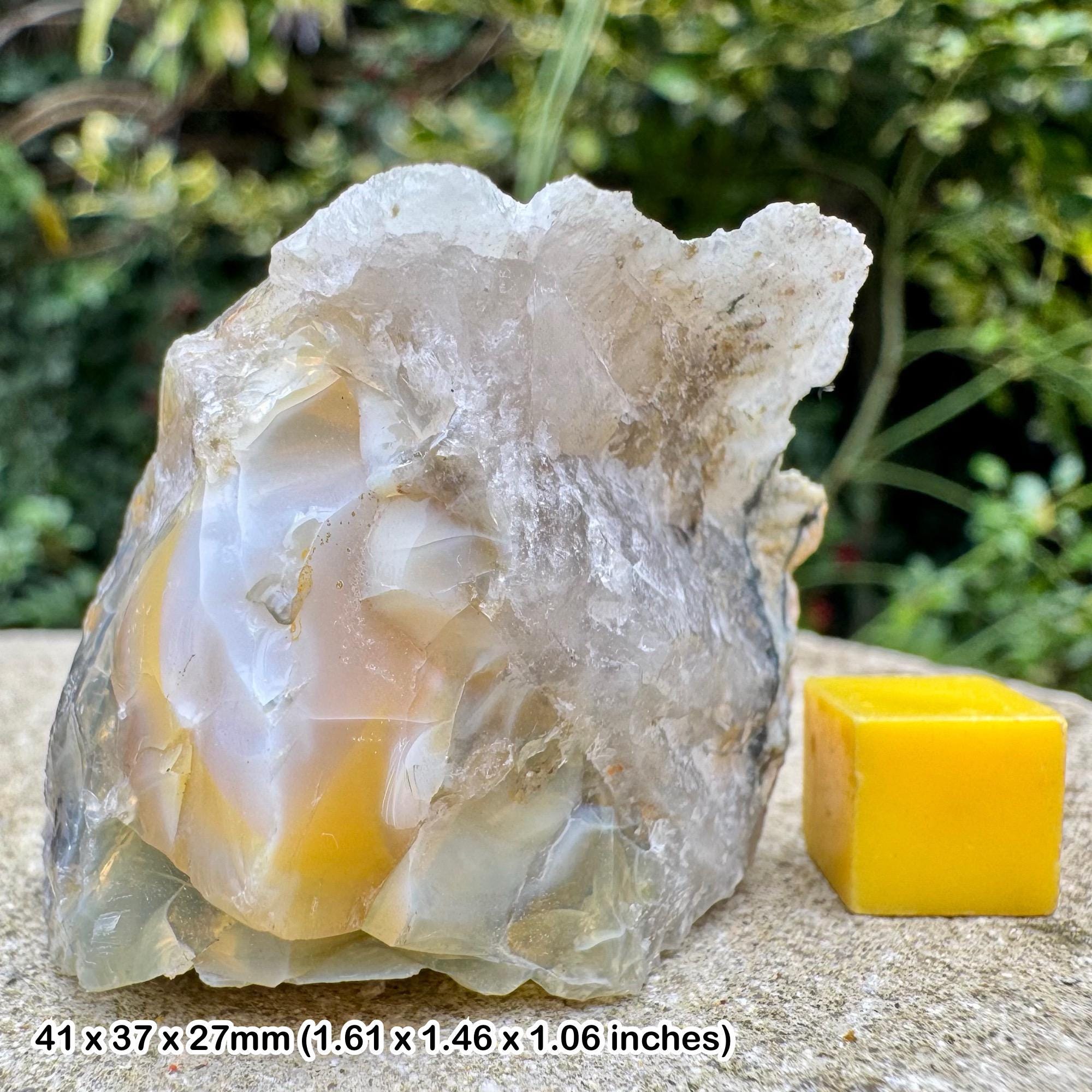
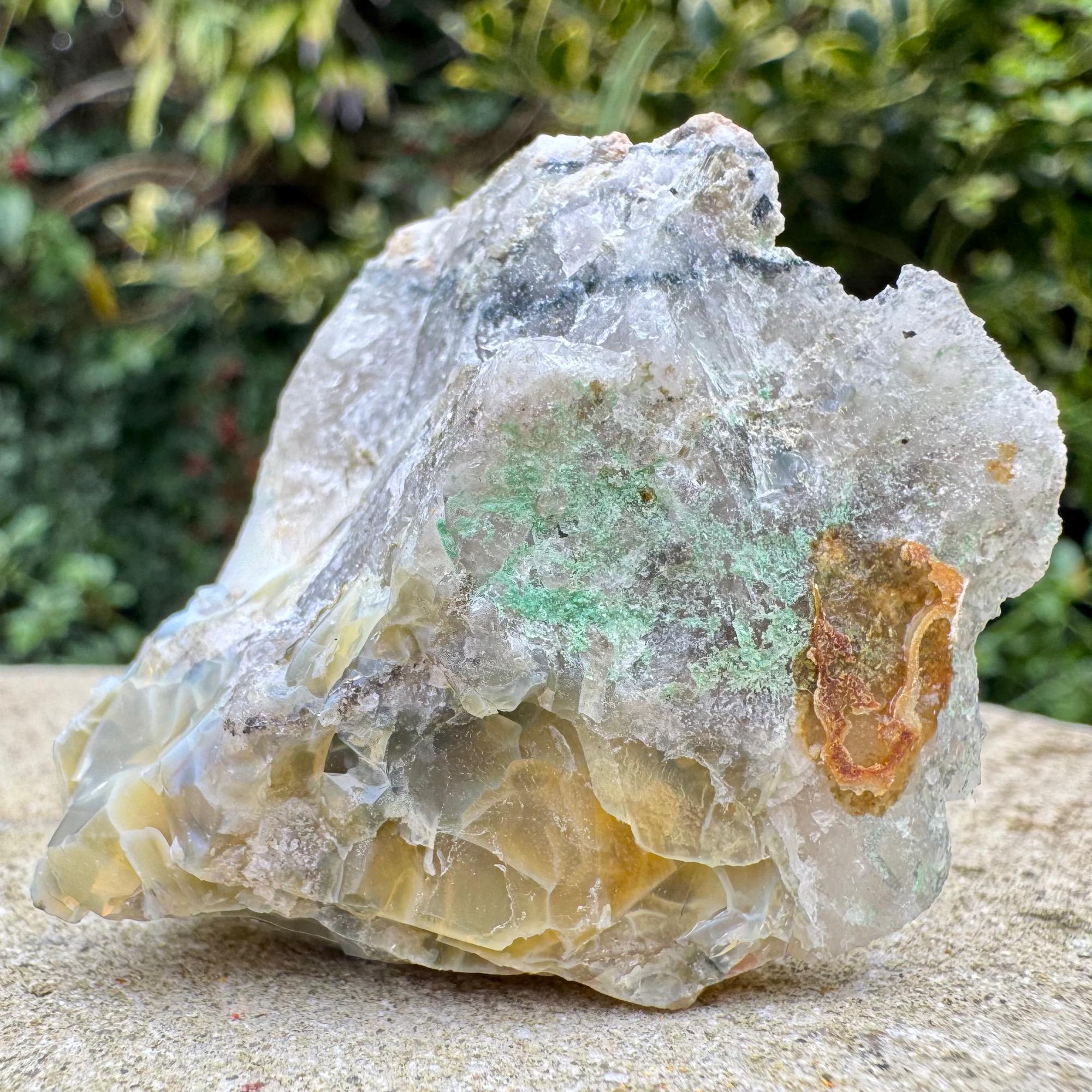
Opal and Chrysocolla Gunheath China Clay Pit Cornwall Genuine Mineral Specimen with Certificate of Authenticity
£ 234.00
GENUINE OPAL AND CHRYSOCOLLA – GUNHEATH CHINA CLAY PIT, CORNWALL, UKThis Opal and Chrysocolla specimen from Gunheath China Clay Pit, Stenalees,
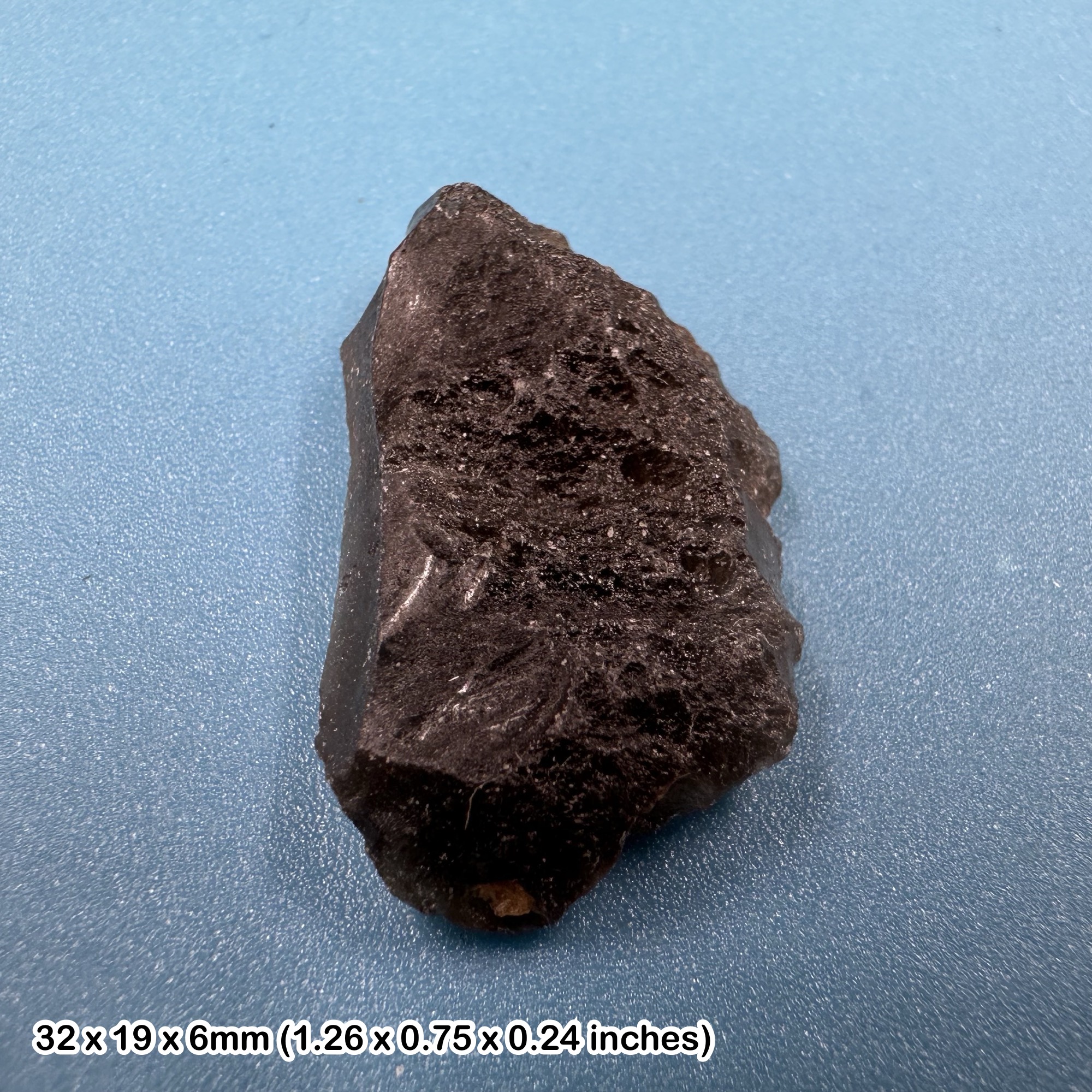
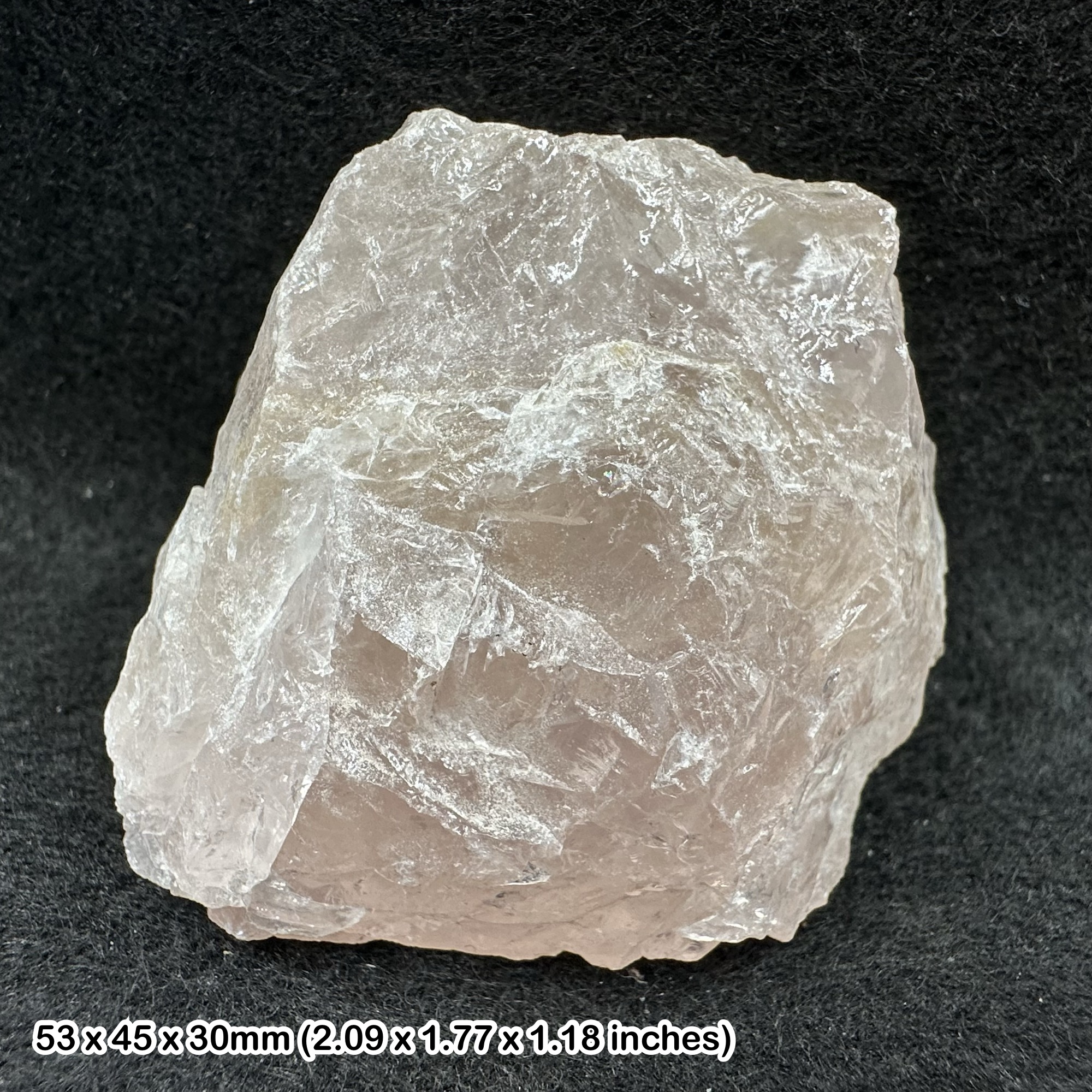
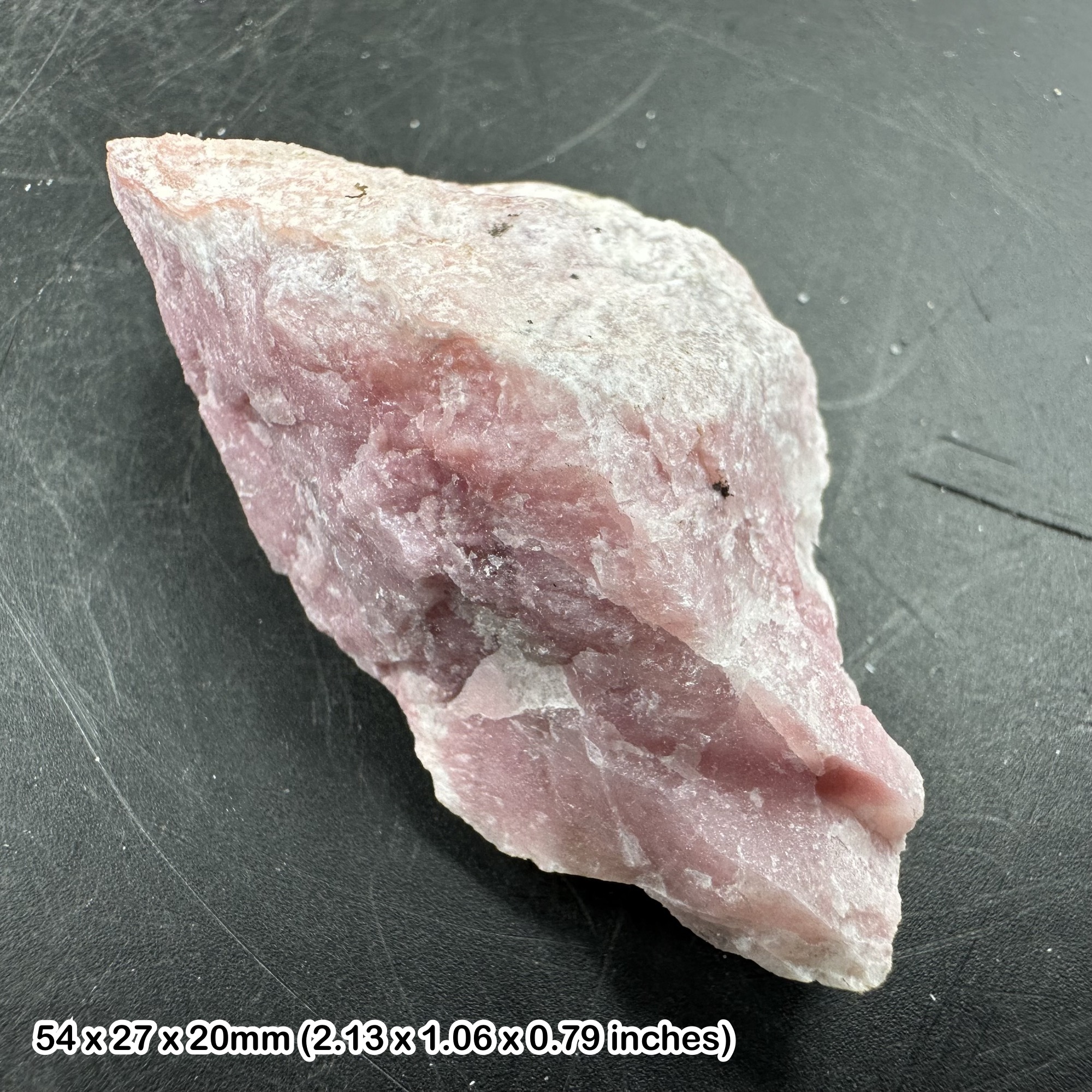
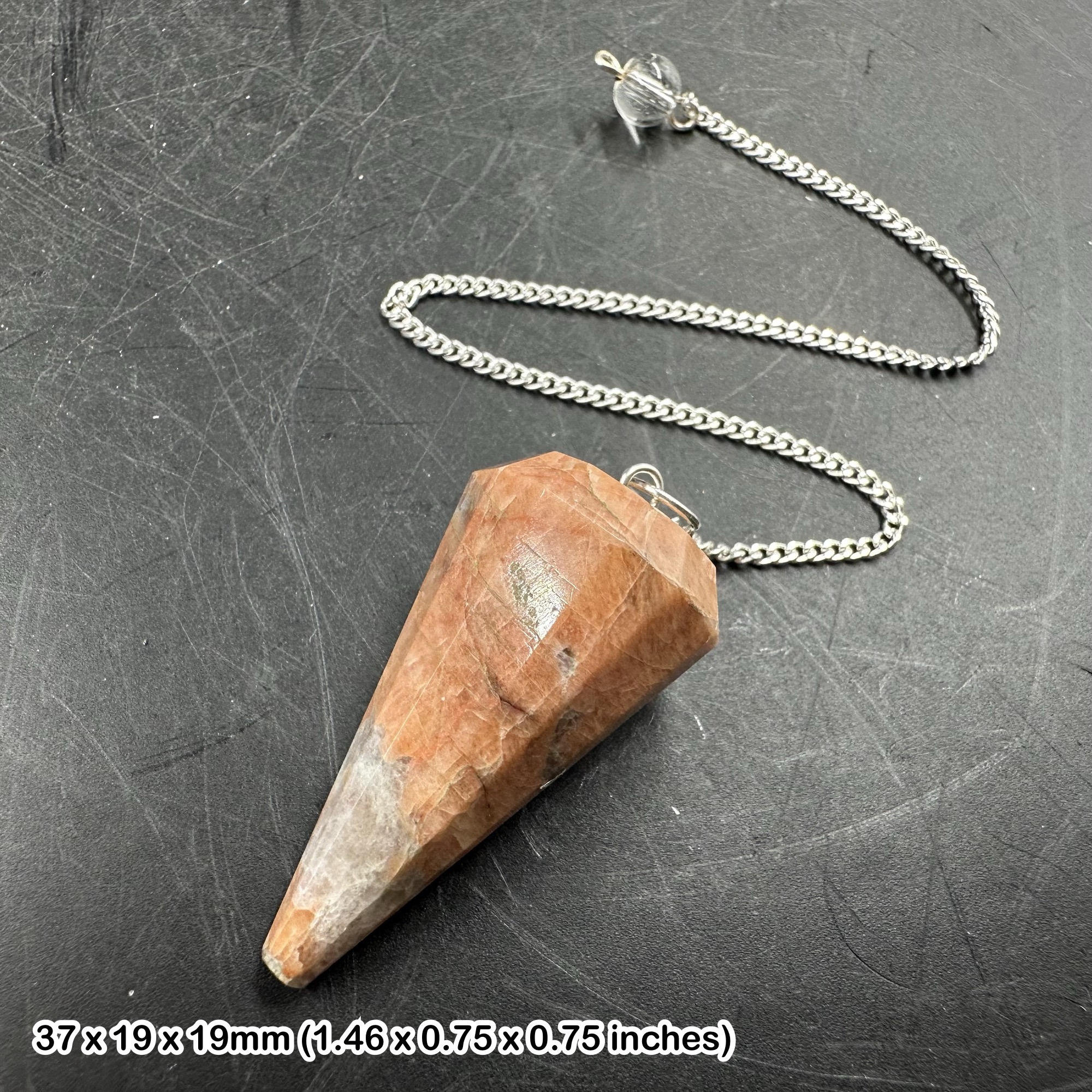
Treverbyn, Cornwall, England, is a genuine and carefully selected example of Cornish secondary mineralisation. The photograph provided shows the exact specimen you will receive. Please refer to the images for full sizing details and accurate scale.This crystal specimen includes a Certificate of Authenticity lifetime guarantee generic card confirming its genuine origin and mineral identification. MINERAL & GEOLOGICAL CLASSIFICATION – OPALOpal is a hydrated amorphous form of silica with the chemical formula SiO₂·nH₂O. Unlike crystalline quartz, opal lacks a defined crystal structure and is classified as a mineraloid.Mineral Name: OpalChemical Composition: Hydrated Silicon DioxideMineral Group: Silica (Mineraloid)Crystal System: AmorphousHardness: 5–6 on the Mohs scaleLustre: Vitreous to waxyOpal forms through the deposition of silica-rich solutions in cavities, fractures or weathered zones. In many localities, including Cornwall, opal occurs as common opal rather than precious opal, displaying milky, white, cream or subtle colour variations without strong play-of-colour. It may appear translucent to opaque and can show smooth or botryoidal surfaces. MINERAL & GEOLOGICAL CLASSIFICATION – CHRYSOCOLLAChrysocolla is a hydrated copper silicate mineral typically forming in the oxidation zones of copper deposits. Its approximate formula is (Cu,Al)₂H₂Si₂O₅(OH)₄·nH₂O, though composition may vary.Mineral Name: ChrysocollaMineral Group: Copper SilicateCrystal System: Typically microcrystalline or massiveHardness: 2–4 on the Mohs scaleLustre: Vitreous to dullColour: Blue, turquoise, blue-green to greenChrysocolla is known for its vibrant copper-derived colouration. It often forms as crusts, vein fillings or botryoidal coatings within host rock, frequently associated with other secondary copper minerals. GEOLOGICAL SETTING – GUNHEATH CHINA CLAY PITGunheath China Clay Pit lies within the St Austell granite area of Cornwall, part of the Cornubian Batholith formed during the late Carboniferous to early Permian periods. The granite intrusion generated extensive hydrothermal systems and later weathering processes that produced kaolin (china clay) deposits.Secondary copper minerals such as chrysocolla formed in the oxidised zones of mineralised veins where copper-bearing primary minerals broke down. Silica-rich fluids contributed to the development of opal within fractures and cavities of the decomposed granite and surrounding rocks.The locality is historically significant for china clay extraction and is well known among collectors for producing a range of interesting secondary minerals linked to granite-hosted hydrothermal activity. PHYSICAL CHARACTERISTICS & NOTABLE TRAITSThis Opal and Chrysocolla specimen may display:
• Pale milky or translucent opal masses
• Blue-green chrysocolla coatings or vein infill
• Botryoidal or smooth surface textures
• Contrasting colour zones within the matrixThe combination of hydrated silica and copper silicate creates a visually striking contrast between neutral opal tones and vibrant chrysocolla blues and greens. Natural growth patterns, surface textures and minor inclusions reflect the geological processes responsible for its formation.Because both minerals form in secondary oxidation environments, surface textures can vary from smooth and waxy to earthy and fibrous. GEOLOGICAL IMPORTANCE & COLLECTIBILITYCornwall is internationally recognised for its complex granite-related mineralisation. Specimens from named china clay pits such as Gunheath hold locality significance and reflect the region’s long mining history.The association of opal and chrysocolla represents secondary mineral formation in oxidised hydrothermal systems. Such combinations are attractive to collectors due to their colour contrast and geological context.This specimen is suitable for mineral cabinets, educational collections or regional displays highlighting Cornish mineral diversity. As a genuine natural specimen, each piece displays unique characteristics shaped by its geological environment. The photograph shows the exact specimen you will receive. AUTHENTICITY & PRESENTATIONThis Opal and Chrysocolla specimen from Gunheath China Clay Pit has been carefully chosen for quality, locality provenance and presentation. Included with your purchase is a Certificate of Authenticity lifetime guarantee generic card confirming its genuine origin from Stenalees, Treverbyn, Cornwall, England, UK.Combining hydrated silica formation with classic copper oxidation mineralisation, this specimen offers documented Cornish geology, visual appeal and collector interest in one carefully selected piece.
Treverbyn, Cornwall, England, is a genuine and carefully selected example of Cornish secondary mineralisation. The photograph provided shows the exact specimen you will receive. Please refer to the images for full sizing details and accurate scale.This crystal specimen includes a Certificate of Authenticity lifetime guarantee generic card confirming its genuine origin and mineral identification. MINERAL & GEOLOGICAL CLASSIFICATION – OPALOpal is a hydrated amorphous form of silica with the chemical formula SiO₂·nH₂O. Unlike crystalline quartz, opal lacks a defined crystal structure and is classified as a mineraloid.Mineral Name: OpalChemical Composition: Hydrated Silicon DioxideMineral Group: Silica (Mineraloid)Crystal System: AmorphousHardness: 5–6 on the Mohs scaleLustre: Vitreous to waxyOpal forms through the deposition of silica-rich solutions in cavities, fractures or weathered zones. In many localities, including Cornwall, opal occurs as common opal rather than precious opal, displaying milky, white, cream or subtle colour variations without strong play-of-colour. It may appear translucent to opaque and can show smooth or botryoidal surfaces. MINERAL & GEOLOGICAL CLASSIFICATION – CHRYSOCOLLAChrysocolla is a hydrated copper silicate mineral typically forming in the oxidation zones of copper deposits. Its approximate formula is (Cu,Al)₂H₂Si₂O₅(OH)₄·nH₂O, though composition may vary.Mineral Name: ChrysocollaMineral Group: Copper SilicateCrystal System: Typically microcrystalline or massiveHardness: 2–4 on the Mohs scaleLustre: Vitreous to dullColour: Blue, turquoise, blue-green to greenChrysocolla is known for its vibrant copper-derived colouration. It often forms as crusts, vein fillings or botryoidal coatings within host rock, frequently associated with other secondary copper minerals. GEOLOGICAL SETTING – GUNHEATH CHINA CLAY PITGunheath China Clay Pit lies within the St Austell granite area of Cornwall, part of the Cornubian Batholith formed during the late Carboniferous to early Permian periods. The granite intrusion generated extensive hydrothermal systems and later weathering processes that produced kaolin (china clay) deposits.Secondary copper minerals such as chrysocolla formed in the oxidised zones of mineralised veins where copper-bearing primary minerals broke down. Silica-rich fluids contributed to the development of opal within fractures and cavities of the decomposed granite and surrounding rocks.The locality is historically significant for china clay extraction and is well known among collectors for producing a range of interesting secondary minerals linked to granite-hosted hydrothermal activity. PHYSICAL CHARACTERISTICS & NOTABLE TRAITSThis Opal and Chrysocolla specimen may display:
• Pale milky or translucent opal masses
• Blue-green chrysocolla coatings or vein infill
• Botryoidal or smooth surface textures
• Contrasting colour zones within the matrixThe combination of hydrated silica and copper silicate creates a visually striking contrast between neutral opal tones and vibrant chrysocolla blues and greens. Natural growth patterns, surface textures and minor inclusions reflect the geological processes responsible for its formation.Because both minerals form in secondary oxidation environments, surface textures can vary from smooth and waxy to earthy and fibrous. GEOLOGICAL IMPORTANCE & COLLECTIBILITYCornwall is internationally recognised for its complex granite-related mineralisation. Specimens from named china clay pits such as Gunheath hold locality significance and reflect the region’s long mining history.The association of opal and chrysocolla represents secondary mineral formation in oxidised hydrothermal systems. Such combinations are attractive to collectors due to their colour contrast and geological context.This specimen is suitable for mineral cabinets, educational collections or regional displays highlighting Cornish mineral diversity. As a genuine natural specimen, each piece displays unique characteristics shaped by its geological environment. The photograph shows the exact specimen you will receive. AUTHENTICITY & PRESENTATIONThis Opal and Chrysocolla specimen from Gunheath China Clay Pit has been carefully chosen for quality, locality provenance and presentation. Included with your purchase is a Certificate of Authenticity lifetime guarantee generic card confirming its genuine origin from Stenalees, Treverbyn, Cornwall, England, UK.Combining hydrated silica formation with classic copper oxidation mineralisation, this specimen offers documented Cornish geology, visual appeal and collector interest in one carefully selected piece.