Acanthoceras Wintoni Ammonite Fossil Cretaceous Texas USA Genuine COA
£ 36.00
Genuine Acanthoceras wintoni Ammonite FossilThis listing is for a genuine Acanthoceras wintoni ammonite fossil from the
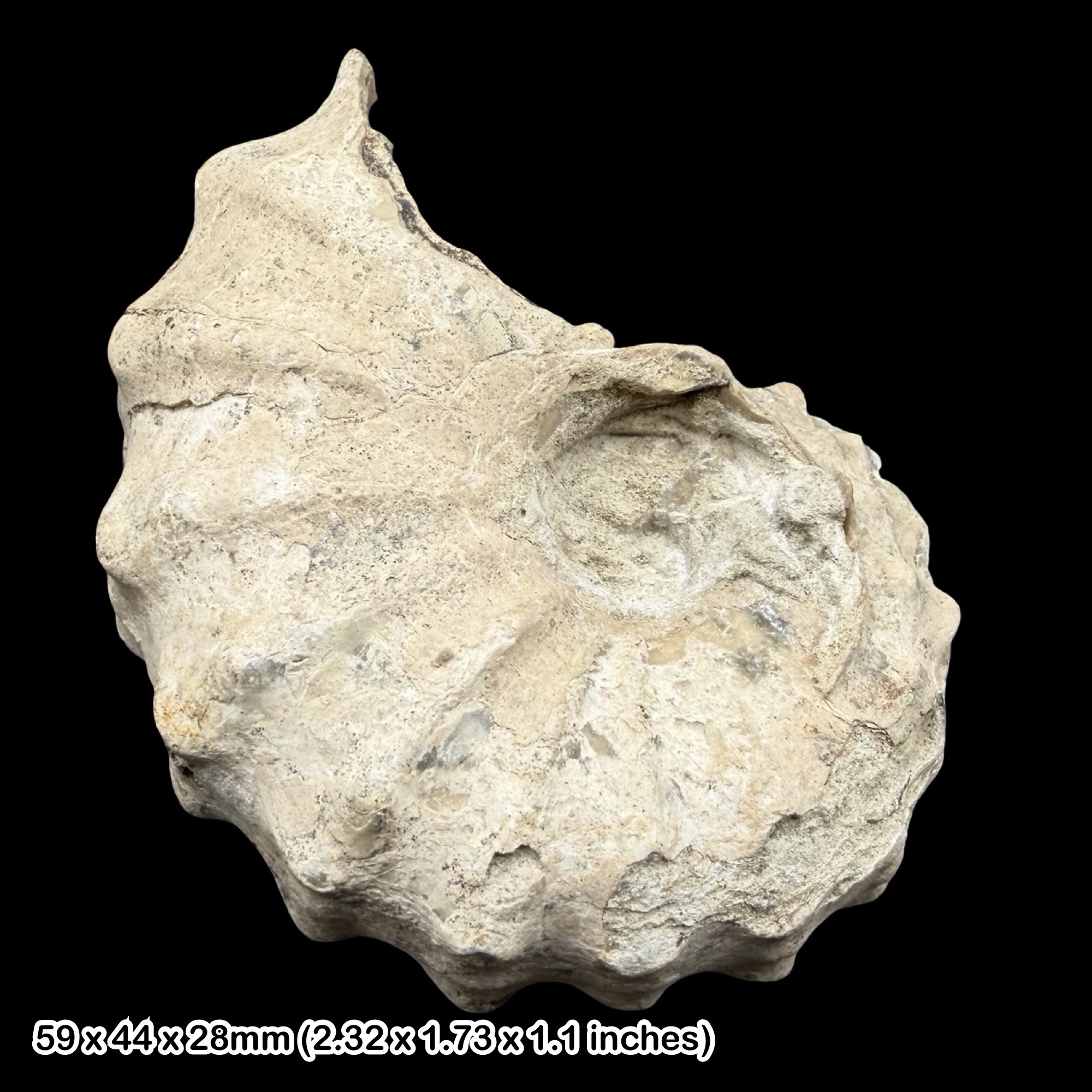
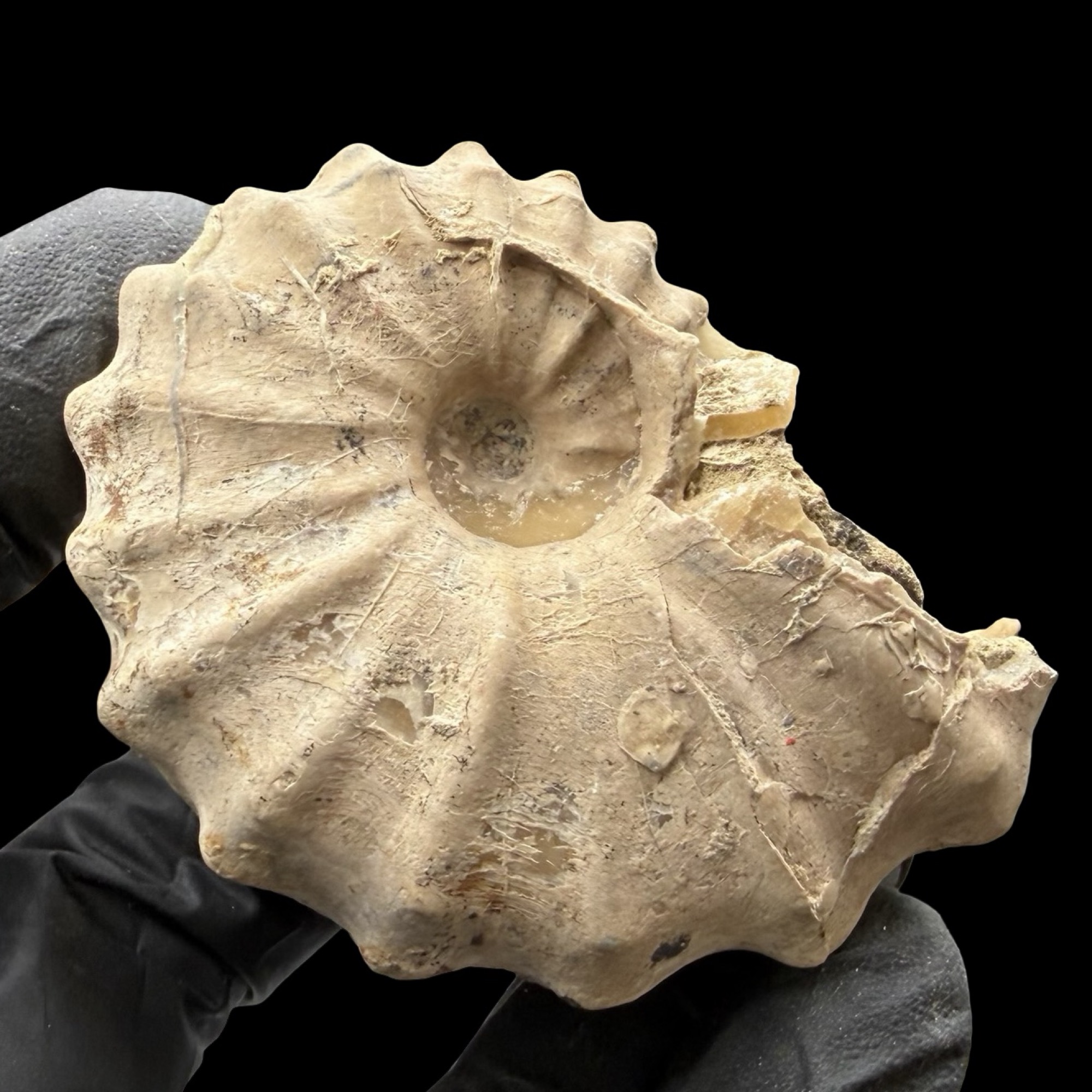
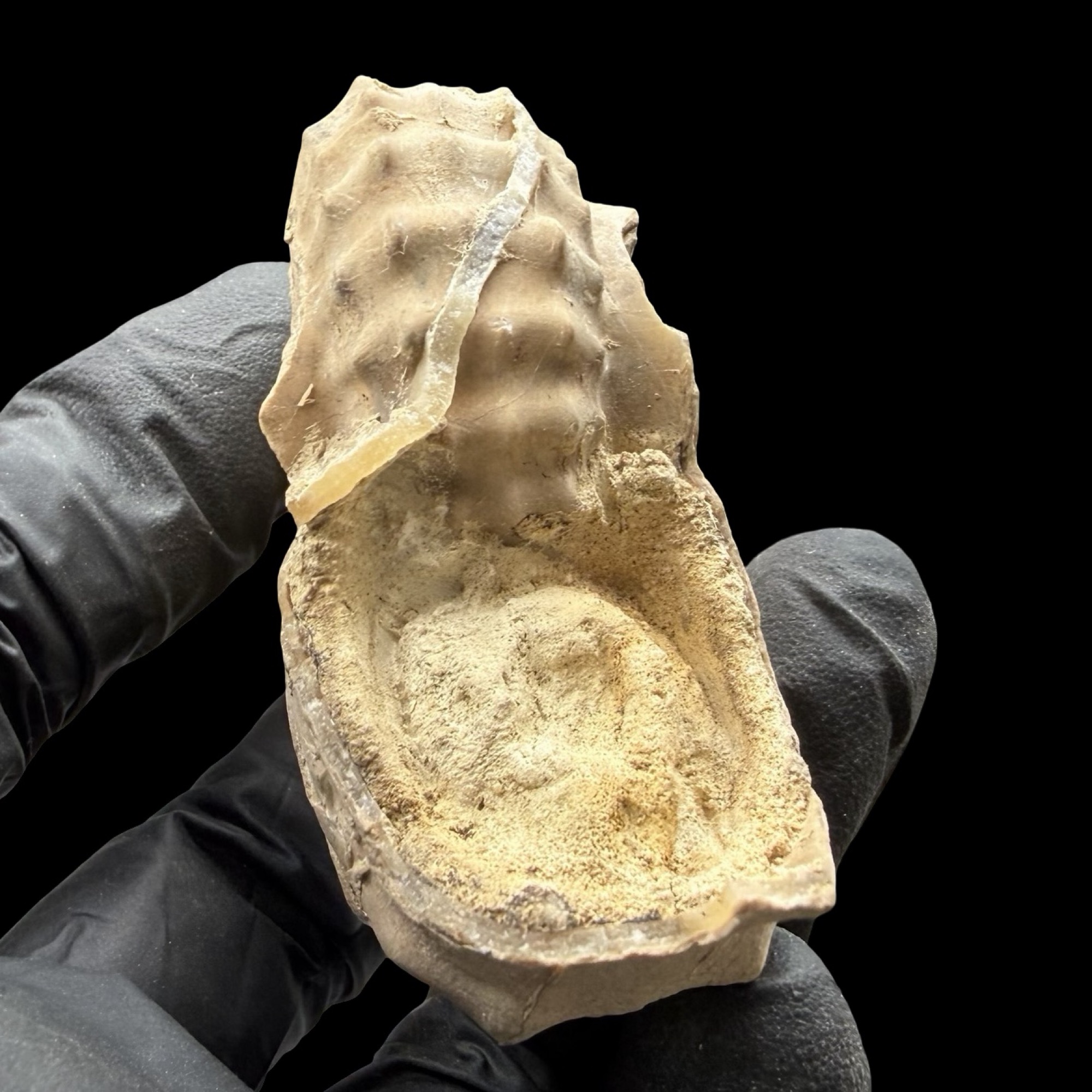
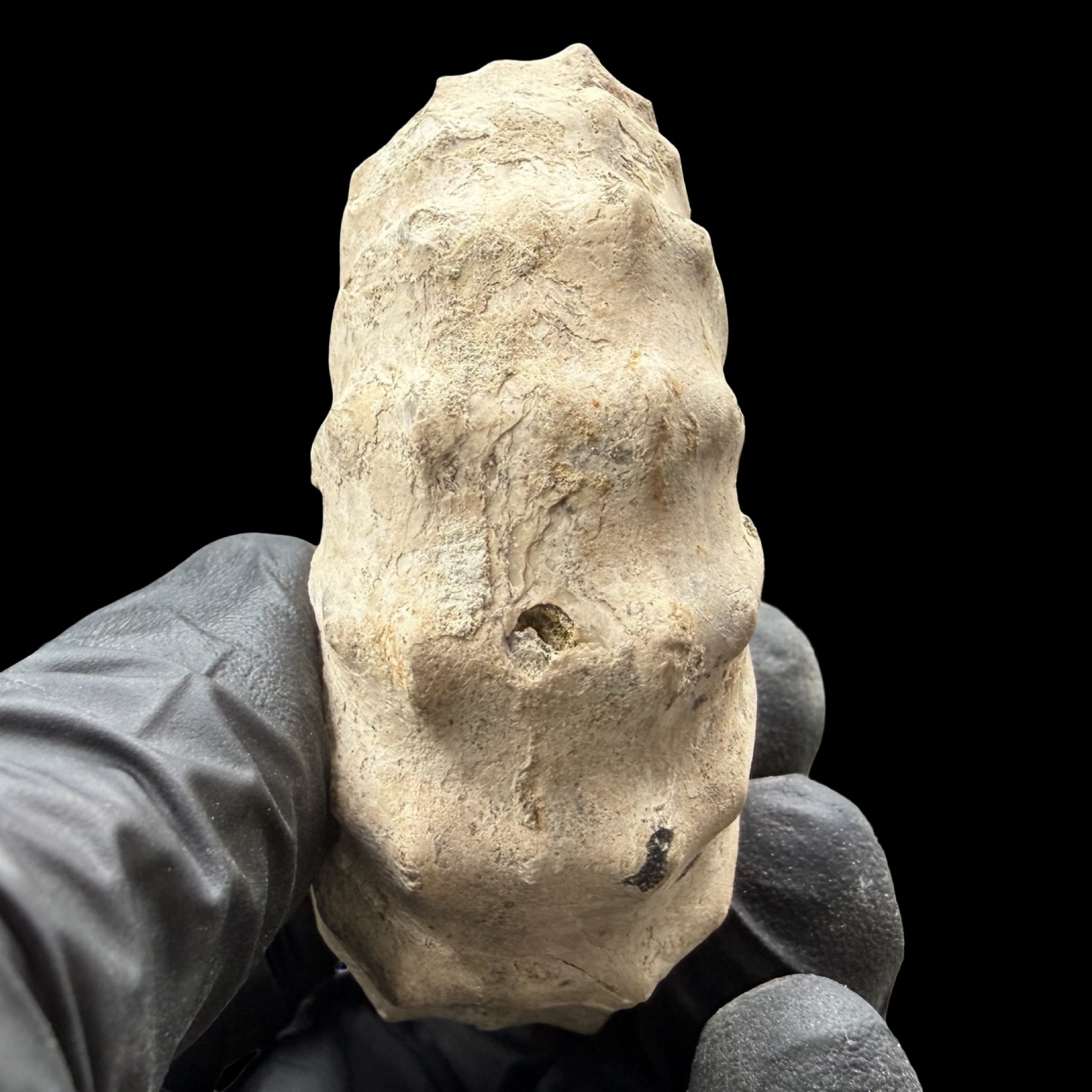
Lewisville Member of the Woodbine Formation, dating to the Upper Cretaceous, Cenomanian stage, from Tarrant County, Texas, USA. This is a carefully chosen fossil specimen, and the photo shows the actual ammonite you will receive, making it an excellent choice for collectors of American fossils, Cretaceous ammonites, marine fossils, and natural history specimens.Upper Cretaceous Cenomanian AgeAcanthoceras wintoni lived during the Cenomanian stage of the Upper Cretaceous, approximately 100 to 94 million years ago. This was an important time in Earth history, when warm global climates and high sea levels allowed broad shallow seas to spread across many continental regions. In North America, the early development of the Western Interior Seaway and connected coastal marine environments created rich habitats for ammonites, bivalves, gastropods, oysters, fish, marine reptiles, and other sea life.Cenomanian ammonites are especially interesting because they represent a period of major ammonite diversity during the Cretaceous. Their changing shell forms and ornamentation make them valuable fossils for dating marine sedimentary rocks and understanding ancient seaways.Woodbine Formation and Lewisville Member GeologyThe Woodbine Formation is a well-known Upper Cretaceous rock unit in Texas and surrounding areas. It was deposited in coastal, deltaic, estuarine, and shallow marine environments as ancient shorelines shifted across the region. These sediments preserve evidence of changing sea levels, river influence, nearshore marine conditions, and diverse fossil communities.The Lewisville Member is an important fossil-bearing part of the Woodbine Formation. It is known for preserving marine invertebrates, including ammonites, as well as other fossils linked to nearshore Cretaceous environments. Fossils from this unit provide a fascinating view of the marine life that inhabited Texas during the Cenomanian.Tarrant County, Texas LocalityThis specimen comes from Tarrant County, Texas, an area with notable Cretaceous fossil deposits. During the Cenomanian, this region was influenced by warm coastal seas and sediment-rich environments. Fossils from Tarrant County are popular with collectors because they represent a distinctive part of North America’s Cretaceous geological record.A Texas ammonite with a named species, formation, member, stage, and locality is particularly desirable for collectors who organise specimens by region, age, geological unit, or fossil group.Fossil Type and SpeciesAcanthoceras wintoni is an extinct ammonite species. Ammonites were marine cephalopods related to modern squid, octopus, cuttlefish, and nautilus. They lived inside coiled, chambered shells, with the living animal occupying the outer body chamber while earlier chambers helped regulate buoyancy.The genus Acanthoceras is known for its robust shell ornamentation. Depending on preservation, specimens may show strong ribs, pronounced tubercles, visible whorls, and a bold Cretaceous ammonite form. These raised ribs and nodules are important identification features and give Acanthoceras fossils a striking, sculptural appearance.Scientific Classification and Collector InterestAcanthoceras belongs to the ammonite order Ammonitida and is associated with the family Acanthoceratidae, a major group of Cretaceous ammonites. Members of this family are known for their ornate shells and their importance in Cretaceous biostratigraphy. Acanthoceras species are widely recognised by collectors and palaeontologists because their shell features are distinctive and their fossils are useful for interpreting marine rock sequences.The species Acanthoceras wintoni is particularly associated with Cenomanian deposits of Texas. Its combination of strong ornamentation, American locality, and Upper Cretaceous age makes it a desirable fossil for collectors of named ammonite species.Display and Educational ValueThis Acanthoceras wintoni ammonite fossil would display well in a fossil cabinet, geology collection, study tray, classroom resource, natural history display, or museum-style arrangement. It is suitable for both newer collectors and experienced fossil enthusiasts looking for a well-identified Cretaceous ammonite from the United States.Full sizing can be seen in the photo, so please refer to the image for exact scale and dimensions. As a genuine natural fossil, variations in colour, matrix, surface texture, ribbing, tubercles, preservation, and shell detail are part of its individual character.Authenticity and CertificateThis fossil is a genuine specimen and includes a Certificate of Authenticity lifetime guarantee generic card. The photograph shows the actual Acanthoceras wintoni ammonite fossil you will receive, allowing you to view the specimen’s condition, shape, detail, and natural preservation before purchase.
Lewisville Member of the Woodbine Formation, dating to the Upper Cretaceous, Cenomanian stage, from Tarrant County, Texas, USA. This is a carefully chosen fossil specimen, and the photo shows the actual ammonite you will receive, making it an excellent choice for collectors of American fossils, Cretaceous ammonites, marine fossils, and natural history specimens.Upper Cretaceous Cenomanian AgeAcanthoceras wintoni lived during the Cenomanian stage of the Upper Cretaceous, approximately 100 to 94 million years ago. This was an important time in Earth history, when warm global climates and high sea levels allowed broad shallow seas to spread across many continental regions. In North America, the early development of the Western Interior Seaway and connected coastal marine environments created rich habitats for ammonites, bivalves, gastropods, oysters, fish, marine reptiles, and other sea life.Cenomanian ammonites are especially interesting because they represent a period of major ammonite diversity during the Cretaceous. Their changing shell forms and ornamentation make them valuable fossils for dating marine sedimentary rocks and understanding ancient seaways.Woodbine Formation and Lewisville Member GeologyThe Woodbine Formation is a well-known Upper Cretaceous rock unit in Texas and surrounding areas. It was deposited in coastal, deltaic, estuarine, and shallow marine environments as ancient shorelines shifted across the region. These sediments preserve evidence of changing sea levels, river influence, nearshore marine conditions, and diverse fossil communities.The Lewisville Member is an important fossil-bearing part of the Woodbine Formation. It is known for preserving marine invertebrates, including ammonites, as well as other fossils linked to nearshore Cretaceous environments. Fossils from this unit provide a fascinating view of the marine life that inhabited Texas during the Cenomanian.Tarrant County, Texas LocalityThis specimen comes from Tarrant County, Texas, an area with notable Cretaceous fossil deposits. During the Cenomanian, this region was influenced by warm coastal seas and sediment-rich environments. Fossils from Tarrant County are popular with collectors because they represent a distinctive part of North America’s Cretaceous geological record.A Texas ammonite with a named species, formation, member, stage, and locality is particularly desirable for collectors who organise specimens by region, age, geological unit, or fossil group.Fossil Type and SpeciesAcanthoceras wintoni is an extinct ammonite species. Ammonites were marine cephalopods related to modern squid, octopus, cuttlefish, and nautilus. They lived inside coiled, chambered shells, with the living animal occupying the outer body chamber while earlier chambers helped regulate buoyancy.The genus Acanthoceras is known for its robust shell ornamentation. Depending on preservation, specimens may show strong ribs, pronounced tubercles, visible whorls, and a bold Cretaceous ammonite form. These raised ribs and nodules are important identification features and give Acanthoceras fossils a striking, sculptural appearance.Scientific Classification and Collector InterestAcanthoceras belongs to the ammonite order Ammonitida and is associated with the family Acanthoceratidae, a major group of Cretaceous ammonites. Members of this family are known for their ornate shells and their importance in Cretaceous biostratigraphy. Acanthoceras species are widely recognised by collectors and palaeontologists because their shell features are distinctive and their fossils are useful for interpreting marine rock sequences.The species Acanthoceras wintoni is particularly associated with Cenomanian deposits of Texas. Its combination of strong ornamentation, American locality, and Upper Cretaceous age makes it a desirable fossil for collectors of named ammonite species.Display and Educational ValueThis Acanthoceras wintoni ammonite fossil would display well in a fossil cabinet, geology collection, study tray, classroom resource, natural history display, or museum-style arrangement. It is suitable for both newer collectors and experienced fossil enthusiasts looking for a well-identified Cretaceous ammonite from the United States.Full sizing can be seen in the photo, so please refer to the image for exact scale and dimensions. As a genuine natural fossil, variations in colour, matrix, surface texture, ribbing, tubercles, preservation, and shell detail are part of its individual character.Authenticity and CertificateThis fossil is a genuine specimen and includes a Certificate of Authenticity lifetime guarantee generic card. The photograph shows the actual Acanthoceras wintoni ammonite fossil you will receive, allowing you to view the specimen’s condition, shape, detail, and natural preservation before purchase.