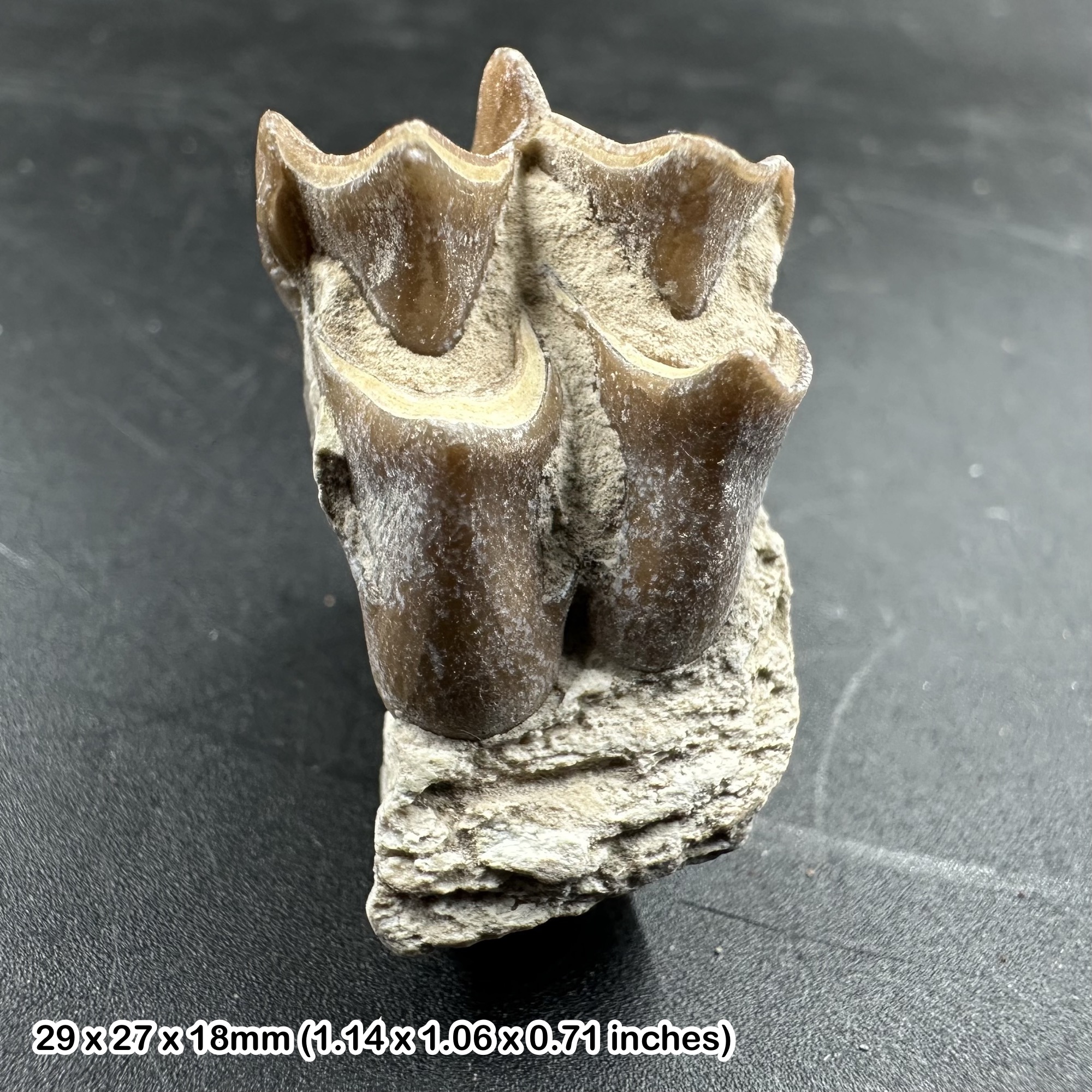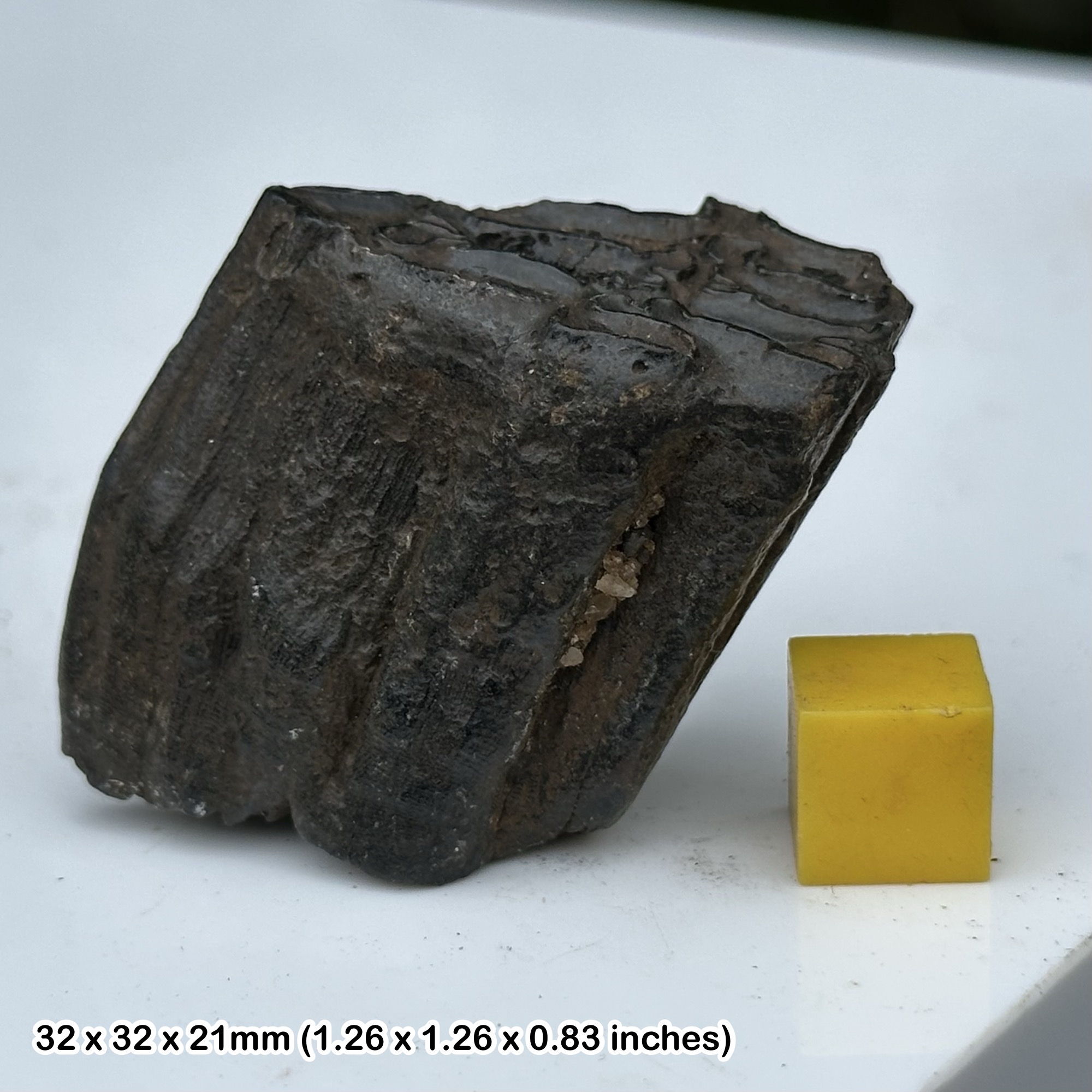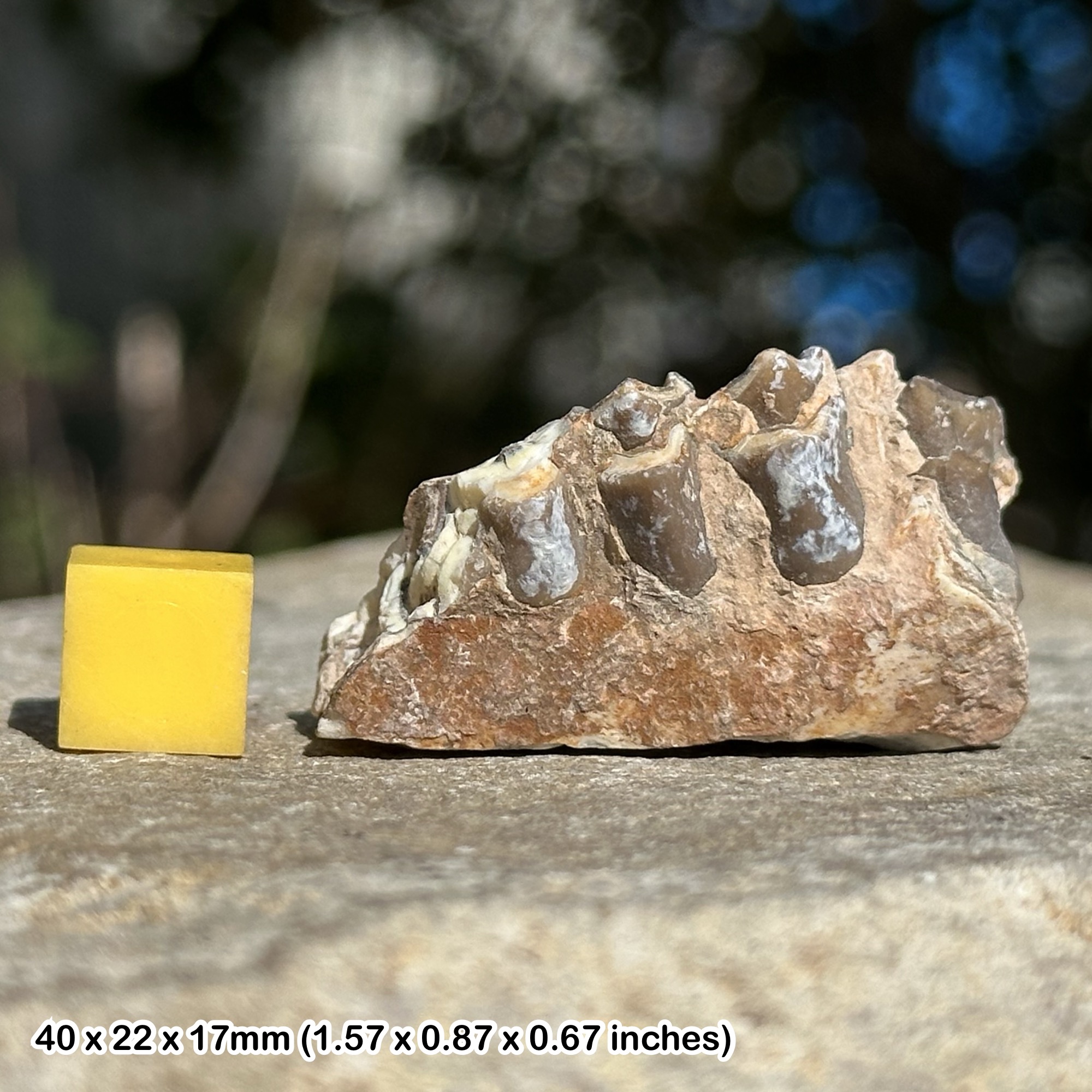
Pleuromya costata Fossil Bivalve | Lower Pliensbachian Jurassic Blockley UK | Genuine Specimen with COA
£ 8.40
Add a beautifully preserved example of ancient marine life to your fossil
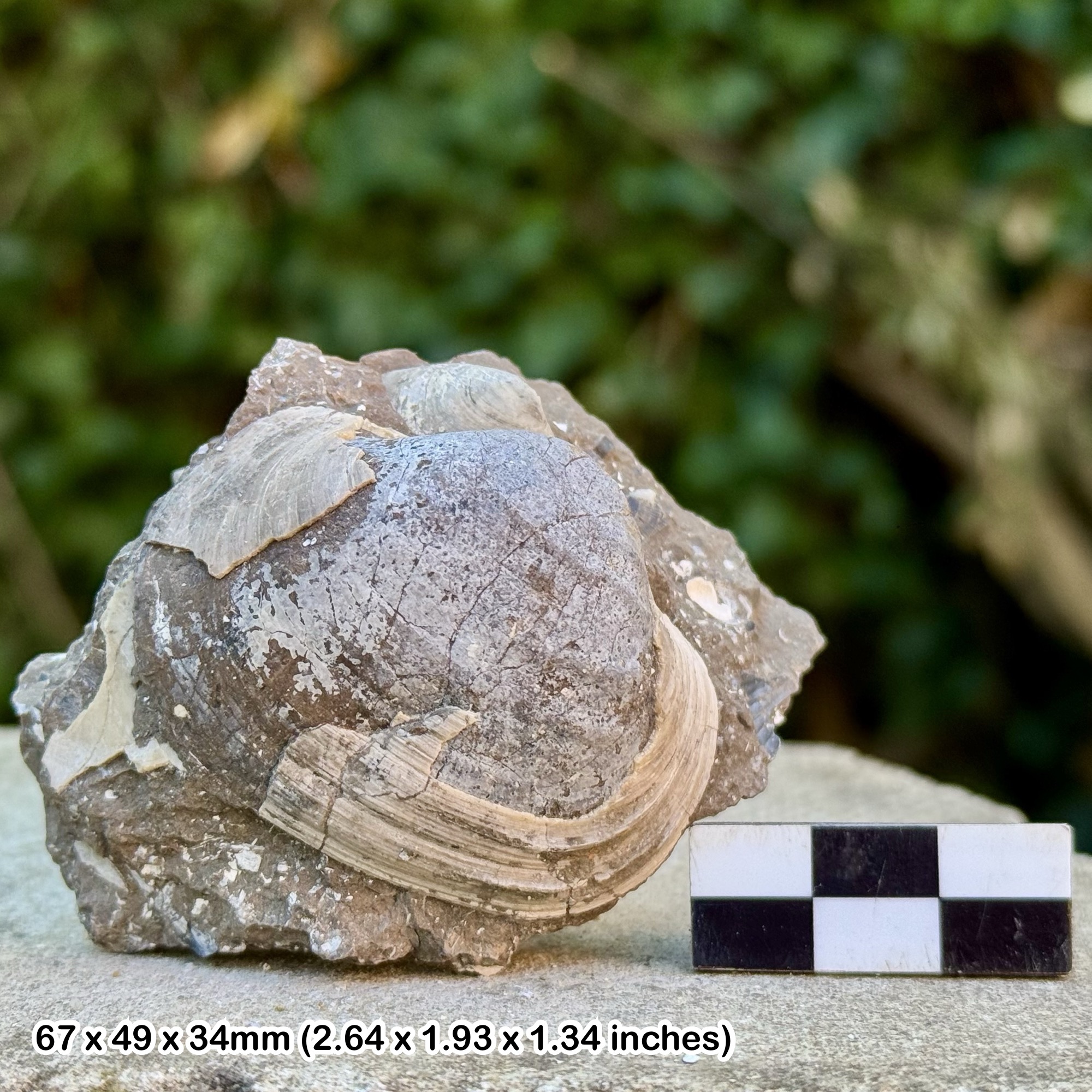
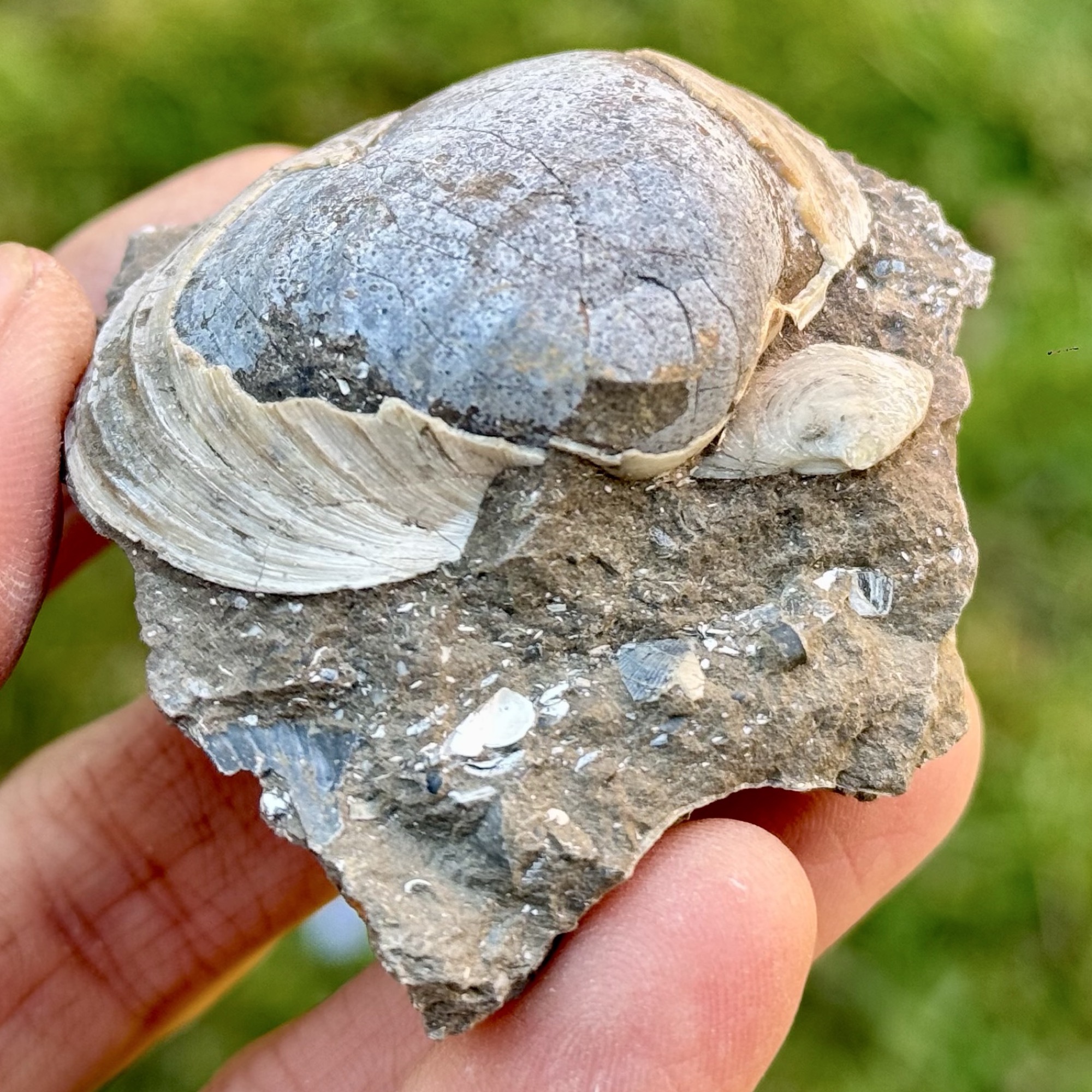
collection with this genuine Pleuromya costata fossil bivalve, originating from the Lower Pliensbachian stage of the Early Jurassic period, found in Blockley, United Kingdom. This species of extinct bivalve once thrived on the seafloor of Jurassic oceans that covered much of Europe over 185 million years ago.Fossil Type: Bivalve MolluscSpecies: Pleuromya costataGeological Period: Jurassic (~201 to 174 million years ago)Geological Stage: Lower Pliensbachian (~190 to 183 million years ago)Location: Blockley, Gloucestershire, UKScale Rule: Squares/Cube = 1cm (Refer to photo for full sizing)Specimen: The specimen pictured is the exact item you will receiveAuthenticity: All of our fossils are 100% genuine specimens and come with a Certificate of Authenticity GEOLOGICAL AND PALEONTOLOGICAL CONTEXTPleuromya costata is an extinct genus of marine bivalves known for their long, elongated shells and distinctive ribbing (costae). These molluscs lived partially buried in soft seafloor sediments and were part of diverse marine ecosystems during the Early Jurassic.
• Phylum: Mollusca
• Class: Bivalvia
• Order: Nuculanida
• Superfamily: Nuculanoidea
• Family: Pleuromyidae
• Genus: Pleuromya
• Species: costata
• Geological Stage: Lower Pliensbachian (Early Jurassic)
• Depositional Environment: Shallow marine shelf; soft, muddy seafloor rich in calcareous and silty sediments ideal for fossilisation
• Morphological Features: Elongate, narrow shell with prominent radial ribs (costae); hinge line straight with slight curvature; likely adapted for semi-infaunal filter feeding
• Biozone: Often associated with ammonite zones such as the Uptonia jamesoni and Prodactylioceras davoei zones, important in Lower Jurassic stratigraphy
• Notable: Fossils from Blockley’s Lower Jurassic formations are widely used in UK geological education and contribute to international Jurassic biostratigraphy WHY THIS FOSSIL IS SPECIALPleuromya costata is not only a visually appealing fossil but also an excellent representative of bivalve evolution during the Early Jurassic. Its distinct shape and ribbed texture make it ideal for collectors, educators, and display. WHY BUY FROM US?
• 100% genuine fossil with Certificate of Authenticity
• Exact item shown is the one you’ll receive
• Ethically sourced from reputable UK fossil localities
• Ideal for fossil enthusiasts, paleontology educators, and collectors of ancient marine lifeOwn a genuine piece of Jurassic seafloor with this beautifully preserved Pleuromya costata fossil bivalve from the Lower Pliensbachian strata of Blockley, UK—a shell frozen in time for over 185 million years.
collection with this genuine Pleuromya costata fossil bivalve, originating from the Lower Pliensbachian stage of the Early Jurassic period, found in Blockley, United Kingdom. This species of extinct bivalve once thrived on the seafloor of Jurassic oceans that covered much of Europe over 185 million years ago.Fossil Type: Bivalve MolluscSpecies: Pleuromya costataGeological Period: Jurassic (~201 to 174 million years ago)Geological Stage: Lower Pliensbachian (~190 to 183 million years ago)Location: Blockley, Gloucestershire, UKScale Rule: Squares/Cube = 1cm (Refer to photo for full sizing)Specimen: The specimen pictured is the exact item you will receiveAuthenticity: All of our fossils are 100% genuine specimens and come with a Certificate of Authenticity GEOLOGICAL AND PALEONTOLOGICAL CONTEXTPleuromya costata is an extinct genus of marine bivalves known for their long, elongated shells and distinctive ribbing (costae). These molluscs lived partially buried in soft seafloor sediments and were part of diverse marine ecosystems during the Early Jurassic.
• Phylum: Mollusca
• Class: Bivalvia
• Order: Nuculanida
• Superfamily: Nuculanoidea
• Family: Pleuromyidae
• Genus: Pleuromya
• Species: costata
• Geological Stage: Lower Pliensbachian (Early Jurassic)
• Depositional Environment: Shallow marine shelf; soft, muddy seafloor rich in calcareous and silty sediments ideal for fossilisation
• Morphological Features: Elongate, narrow shell with prominent radial ribs (costae); hinge line straight with slight curvature; likely adapted for semi-infaunal filter feeding
• Biozone: Often associated with ammonite zones such as the Uptonia jamesoni and Prodactylioceras davoei zones, important in Lower Jurassic stratigraphy
• Notable: Fossils from Blockley’s Lower Jurassic formations are widely used in UK geological education and contribute to international Jurassic biostratigraphy WHY THIS FOSSIL IS SPECIALPleuromya costata is not only a visually appealing fossil but also an excellent representative of bivalve evolution during the Early Jurassic. Its distinct shape and ribbed texture make it ideal for collectors, educators, and display. WHY BUY FROM US?
• 100% genuine fossil with Certificate of Authenticity
• Exact item shown is the one you’ll receive
• Ethically sourced from reputable UK fossil localities
• Ideal for fossil enthusiasts, paleontology educators, and collectors of ancient marine lifeOwn a genuine piece of Jurassic seafloor with this beautifully preserved Pleuromya costata fossil bivalve from the Lower Pliensbachian strata of Blockley, UK—a shell frozen in time for over 185 million years.
Other Products