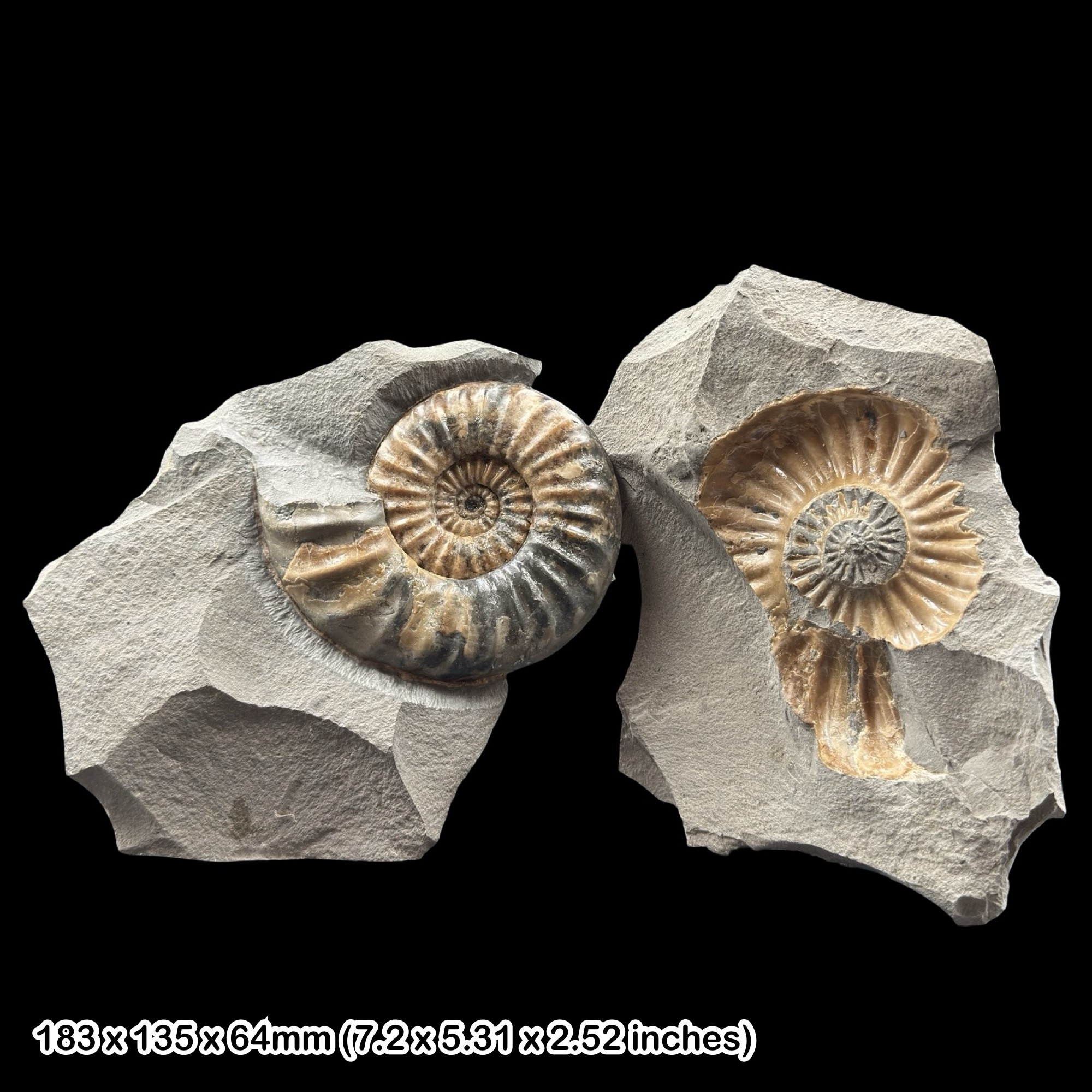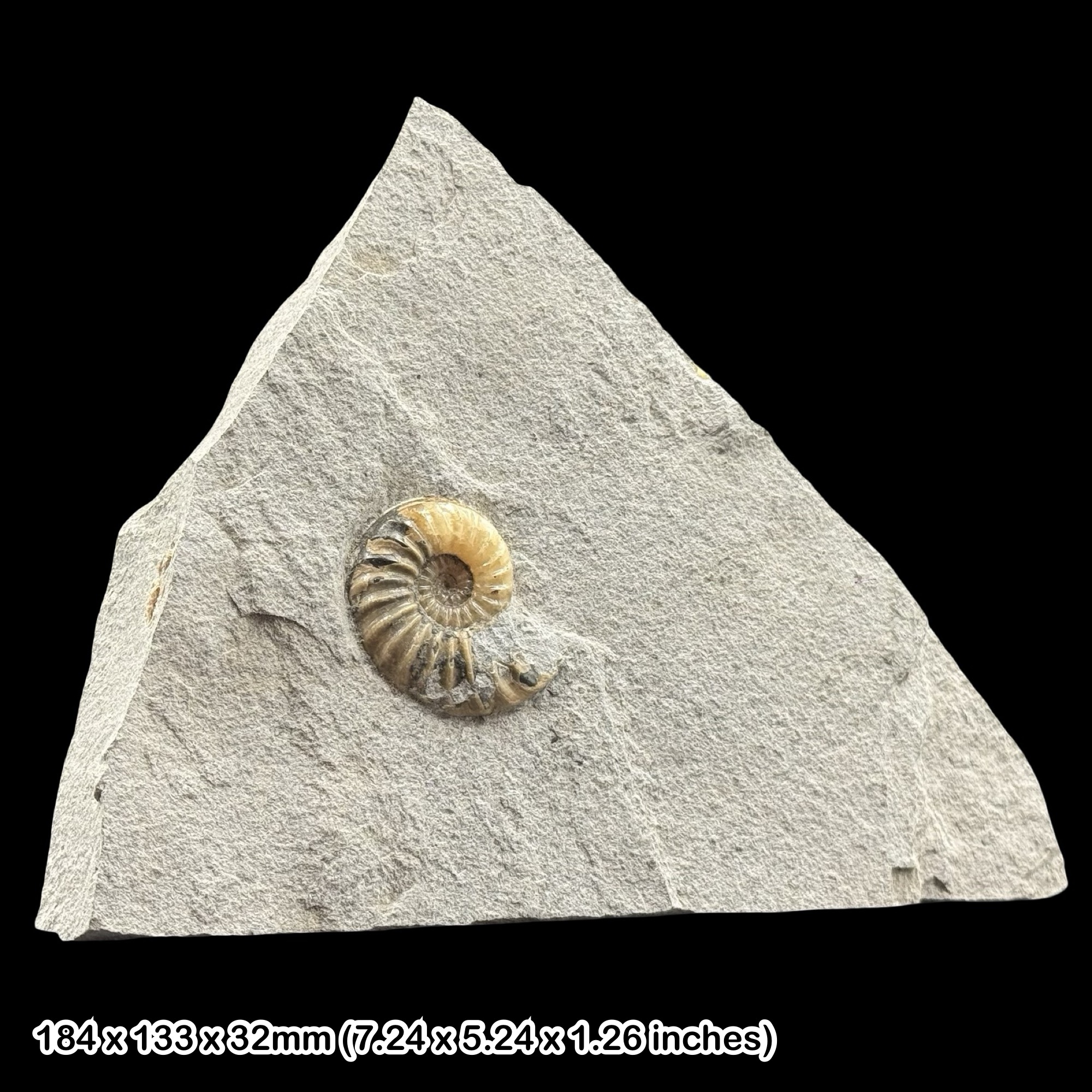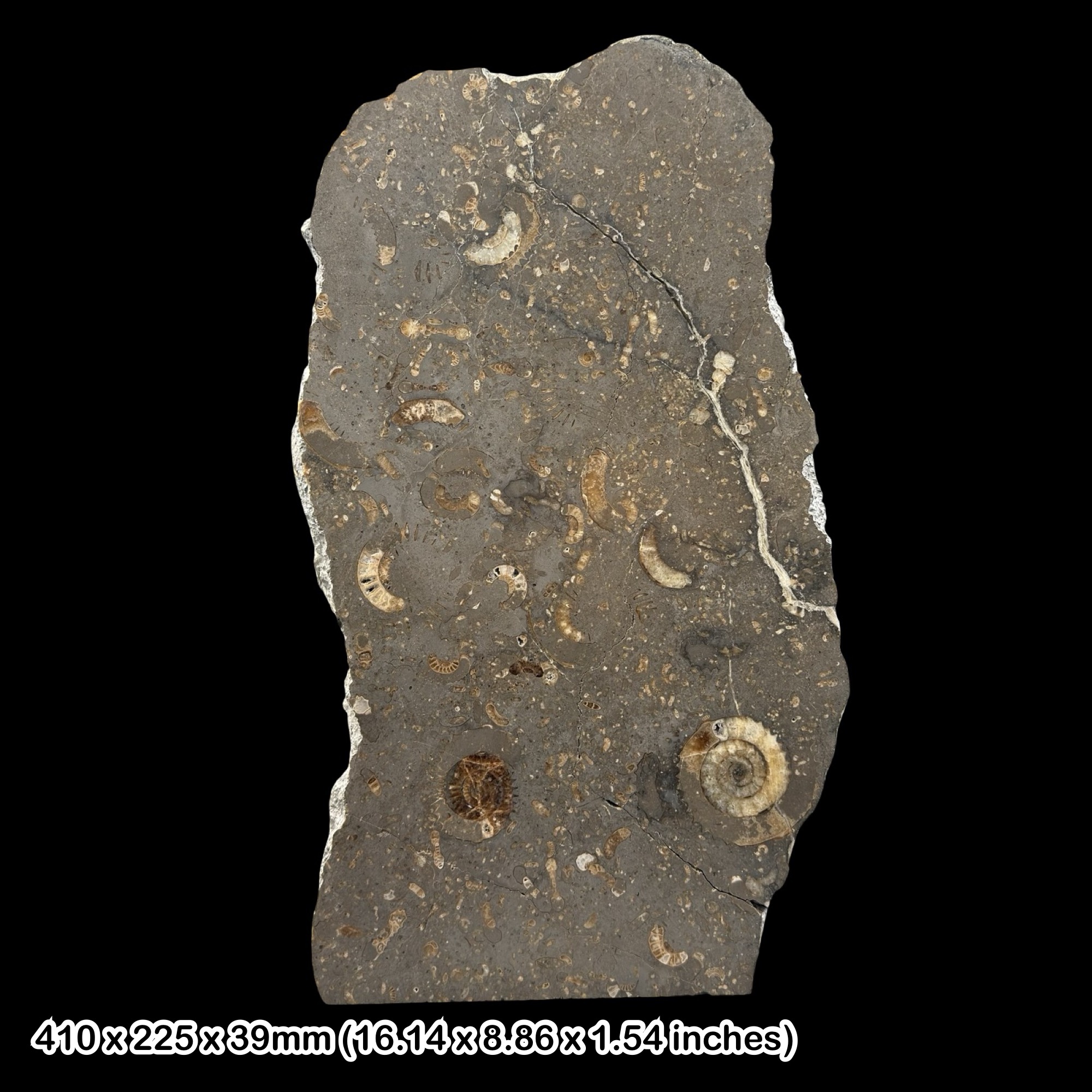
Epidote Crystal Natural Green Epidote Mineral Specimen Display Piece Genuine Epidote Crystal Cluster Collectors Stone UK Seller Gift Mineral
£ 10.80
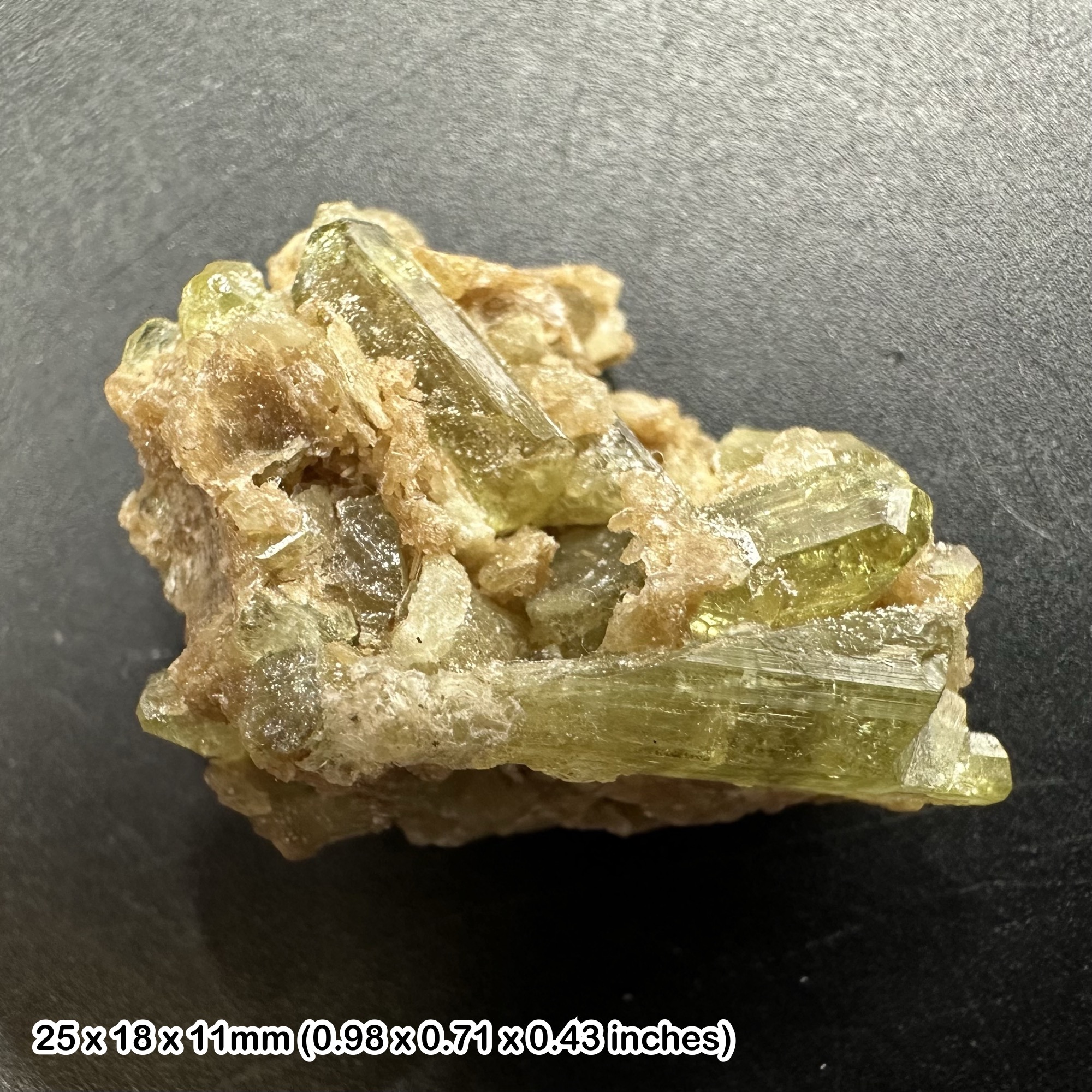
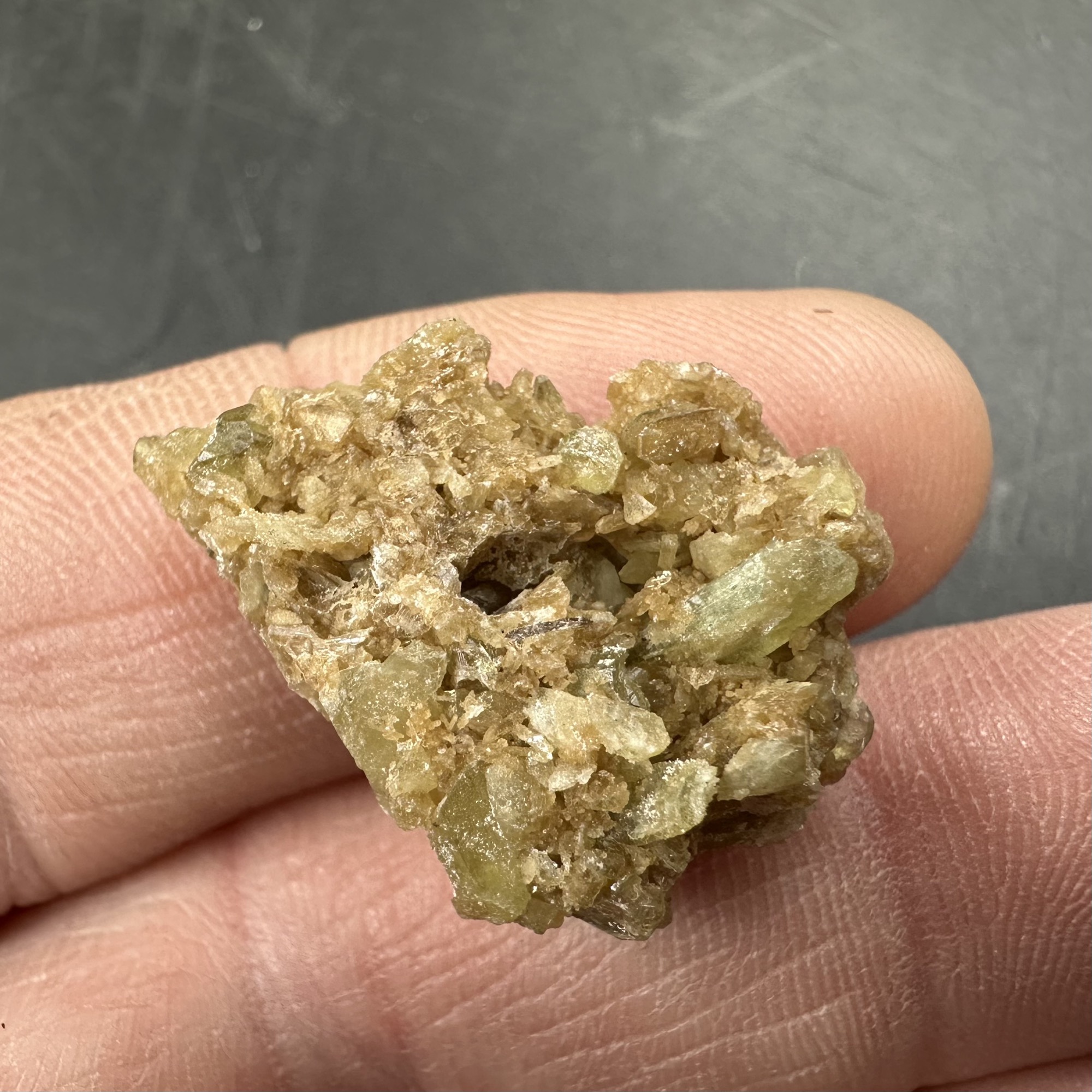
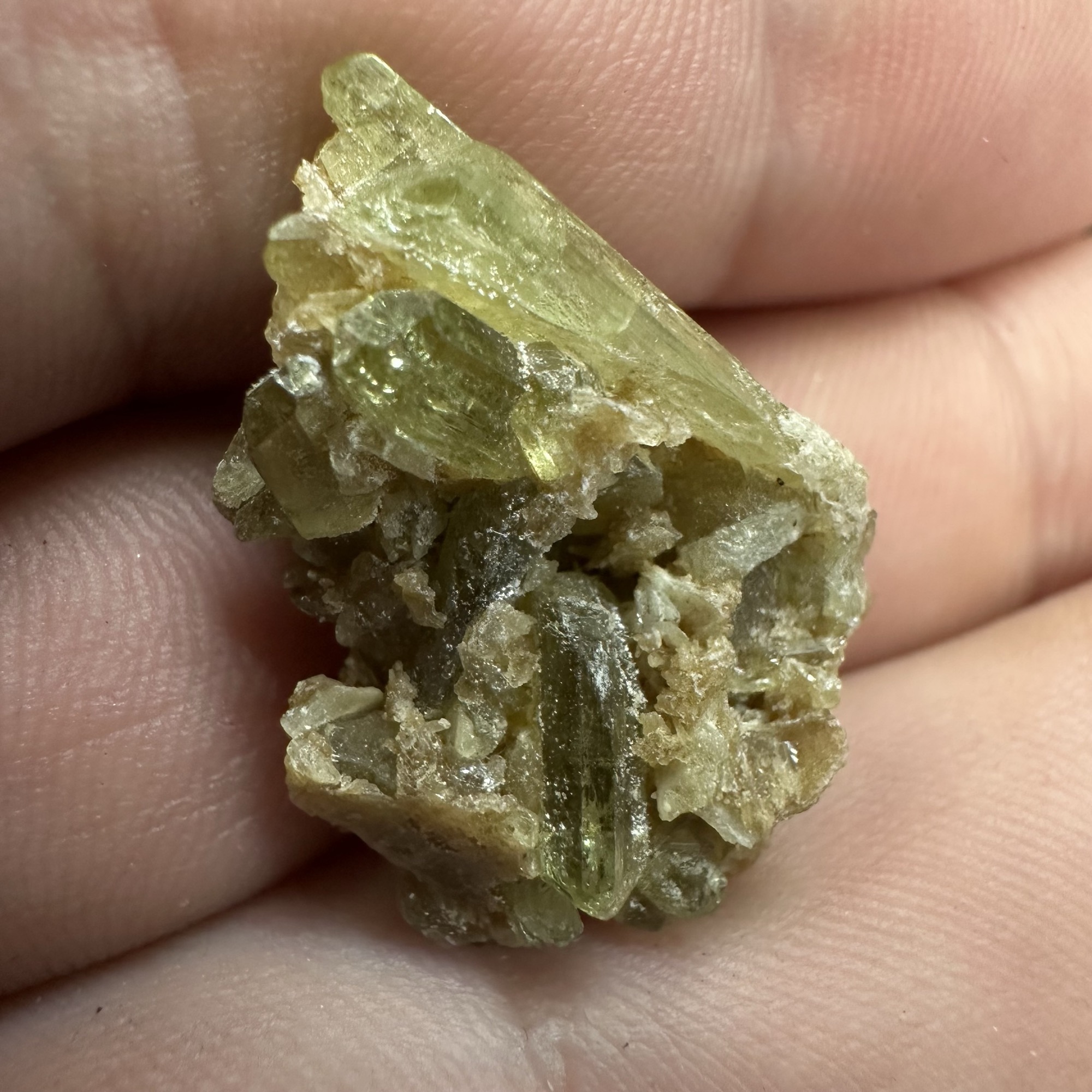
EPIDOTE CRYSTAL – NATURAL GREEN MINERAL SPECIMENThis Epidote crystal is a genuine natural mineral specimen, carefully selected
for its colour, crystal structure, and overall visual appeal. Known for its distinctive green tones and elongated crystal formations, Epidote is a highly recognisable mineral among collectors. The exact specimen shown in the photographs is the one you will receive, ensuring full confidence in your purchase.Each specimen includes a Certificate of Authenticity lifetime guarantee card, confirming its genuine origin. Full sizing details are available in the listing photographs for accurate scale reference. MINERAL COMPOSITION AND CRYSTAL CLASSIFICATIONEpidote is a calcium aluminium iron sorosilicate mineral with the general chemical formula Ca₂(Al,Fe)₃(SiO₄)₃(OH). It belongs to the sorosilicate group, characterised by paired silicate tetrahedra within its crystal structure.Epidote crystallises in the monoclinic crystal system and is often found in well-formed prismatic crystals. It typically exhibits strong elongation along one axis, resulting in slender, columnar forms. With a Mohs hardness of around 6 to 7, Epidote is a moderately durable mineral suitable for both collecting and display. CRYSTAL HABIT, COLOUR AND VISUAL CHARACTERISTICSEpidote crystals are most commonly recognised by their elongated prismatic habit, often forming parallel growths or radiating clusters. These crystals can range from fine needle-like structures to thicker, more robust forms depending on growth conditions.The colour of Epidote is typically green, ranging from pale yellow-green to deep olive or almost black-green shades. This variation is influenced by the iron content within the mineral, with higher iron concentrations producing darker tones.The crystal surfaces often display a vitreous to slightly resinous lustre, reflecting light along the crystal faces and enhancing their natural geometry. Subtle striations along the length of the crystals are common and provide insight into their growth patterns. GEOLOGICAL FORMATION AND ORIGIN ENVIRONMENTEpidote forms in a variety of geological environments, most commonly in metamorphic rocks such as schists and gneisses, as well as in hydrothermal veins. It is frequently associated with regional metamorphism, where heat and pressure alter existing rocks and create new mineral assemblages.It can also develop during the alteration of igneous rocks, particularly through processes such as metasomatism, where chemical परिवर्तन occurs due to fluid interaction. Epidote is often found alongside minerals such as quartz, calcite, actinolite, and feldspar.These geological processes take place over extended timescales, resulting in the well-formed crystals and clusters seen in this specimen. STRUCTURE, TEXTURE AND DISPLAY APPEAL• Elongated prismatic crystal formations• Rich green colour with natural tonal variation• Distinctive crystal habit with strong visual presence• Ideal for mineral collectors, geological study, or displayThe natural structure and colour of Epidote make it a visually engaging specimen, suitable for display in collections, cabinets, or decorative settings.Epidote has been traditionally associated with growth and renewal in symbolic contexts, making it a popular decorative choice while remaining valued primarily for its geological and mineralogical properties. AUTHENTICITY AND PRODUCT DETAILS• Genuine natural Epidote crystal specimen• Includes Certificate of Authenticity lifetime guarantee card• Carefully selected individual piece• Exact specimen shown in photos will be receivedThis Epidote crystal offers a combination of natural crystal structure, colour, and geological significance, making it a distinctive and desirable addition to any mineral collection or display.
for its colour, crystal structure, and overall visual appeal. Known for its distinctive green tones and elongated crystal formations, Epidote is a highly recognisable mineral among collectors. The exact specimen shown in the photographs is the one you will receive, ensuring full confidence in your purchase.Each specimen includes a Certificate of Authenticity lifetime guarantee card, confirming its genuine origin. Full sizing details are available in the listing photographs for accurate scale reference. MINERAL COMPOSITION AND CRYSTAL CLASSIFICATIONEpidote is a calcium aluminium iron sorosilicate mineral with the general chemical formula Ca₂(Al,Fe)₃(SiO₄)₃(OH). It belongs to the sorosilicate group, characterised by paired silicate tetrahedra within its crystal structure.Epidote crystallises in the monoclinic crystal system and is often found in well-formed prismatic crystals. It typically exhibits strong elongation along one axis, resulting in slender, columnar forms. With a Mohs hardness of around 6 to 7, Epidote is a moderately durable mineral suitable for both collecting and display. CRYSTAL HABIT, COLOUR AND VISUAL CHARACTERISTICSEpidote crystals are most commonly recognised by their elongated prismatic habit, often forming parallel growths or radiating clusters. These crystals can range from fine needle-like structures to thicker, more robust forms depending on growth conditions.The colour of Epidote is typically green, ranging from pale yellow-green to deep olive or almost black-green shades. This variation is influenced by the iron content within the mineral, with higher iron concentrations producing darker tones.The crystal surfaces often display a vitreous to slightly resinous lustre, reflecting light along the crystal faces and enhancing their natural geometry. Subtle striations along the length of the crystals are common and provide insight into their growth patterns. GEOLOGICAL FORMATION AND ORIGIN ENVIRONMENTEpidote forms in a variety of geological environments, most commonly in metamorphic rocks such as schists and gneisses, as well as in hydrothermal veins. It is frequently associated with regional metamorphism, where heat and pressure alter existing rocks and create new mineral assemblages.It can also develop during the alteration of igneous rocks, particularly through processes such as metasomatism, where chemical परिवर्तन occurs due to fluid interaction. Epidote is often found alongside minerals such as quartz, calcite, actinolite, and feldspar.These geological processes take place over extended timescales, resulting in the well-formed crystals and clusters seen in this specimen. STRUCTURE, TEXTURE AND DISPLAY APPEAL• Elongated prismatic crystal formations• Rich green colour with natural tonal variation• Distinctive crystal habit with strong visual presence• Ideal for mineral collectors, geological study, or displayThe natural structure and colour of Epidote make it a visually engaging specimen, suitable for display in collections, cabinets, or decorative settings.Epidote has been traditionally associated with growth and renewal in symbolic contexts, making it a popular decorative choice while remaining valued primarily for its geological and mineralogical properties. AUTHENTICITY AND PRODUCT DETAILS• Genuine natural Epidote crystal specimen• Includes Certificate of Authenticity lifetime guarantee card• Carefully selected individual piece• Exact specimen shown in photos will be receivedThis Epidote crystal offers a combination of natural crystal structure, colour, and geological significance, making it a distinctive and desirable addition to any mineral collection or display.
Other Products