Rhynchonella parvirostris Brachiopod Fossil Upper Cretaceous Isle of Wight England UK Greensand Specimen with Certificate
£ 18.00
GENUINE RHYNCHONELLA PARVIROSTRIS BRACHIOPOD FOSSILThis carefully chosen Rhynchonella parvirostris brachiopod fossil is a genuine
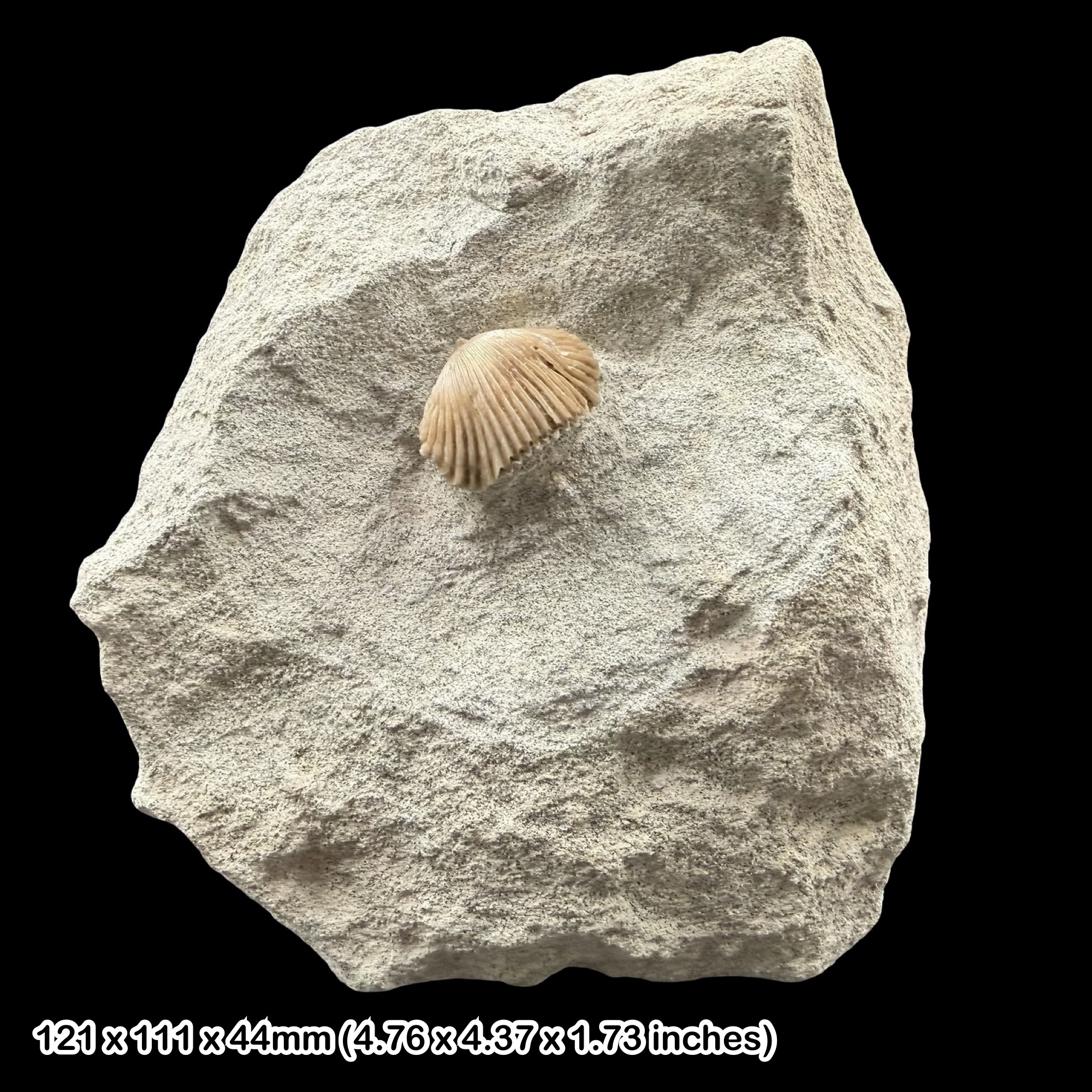
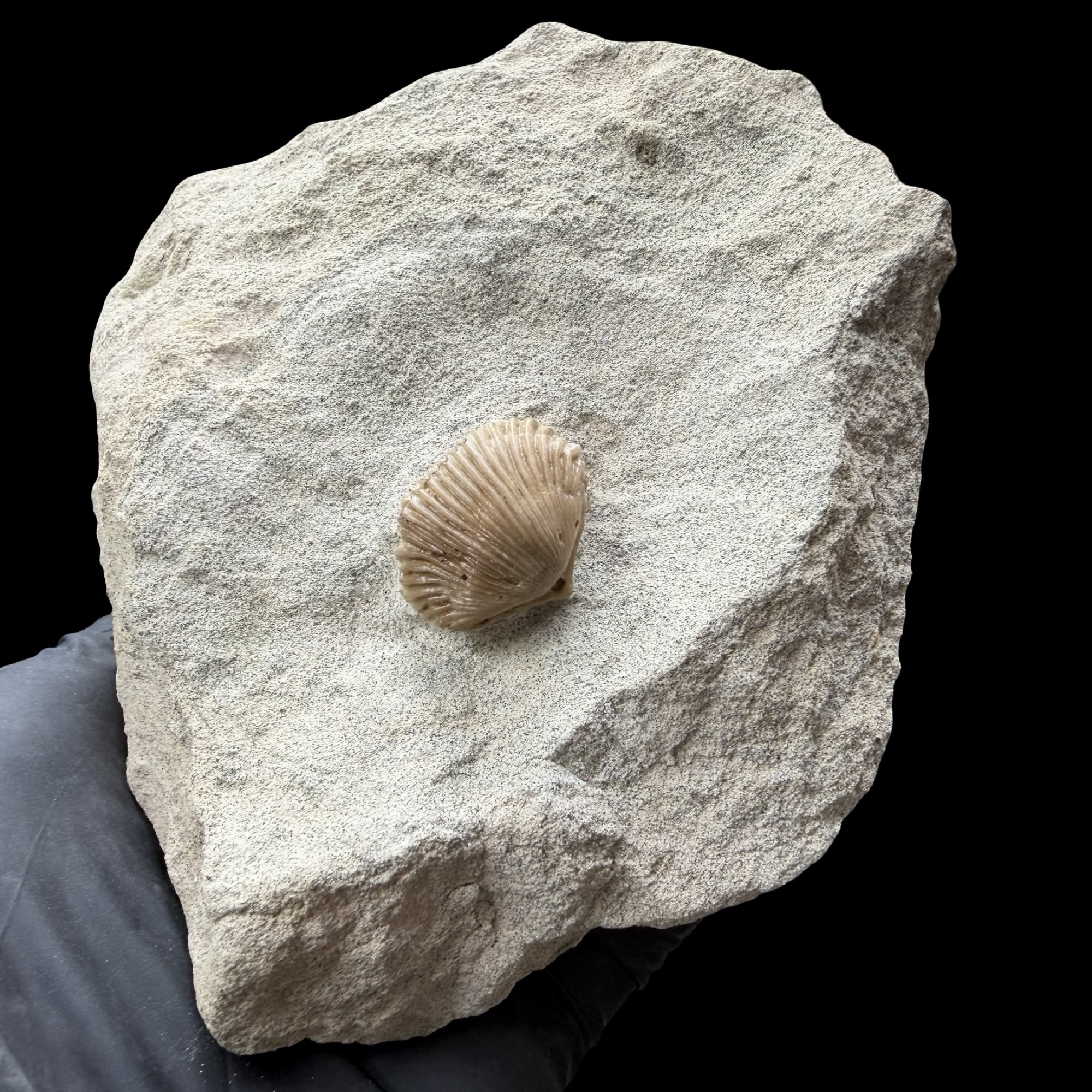
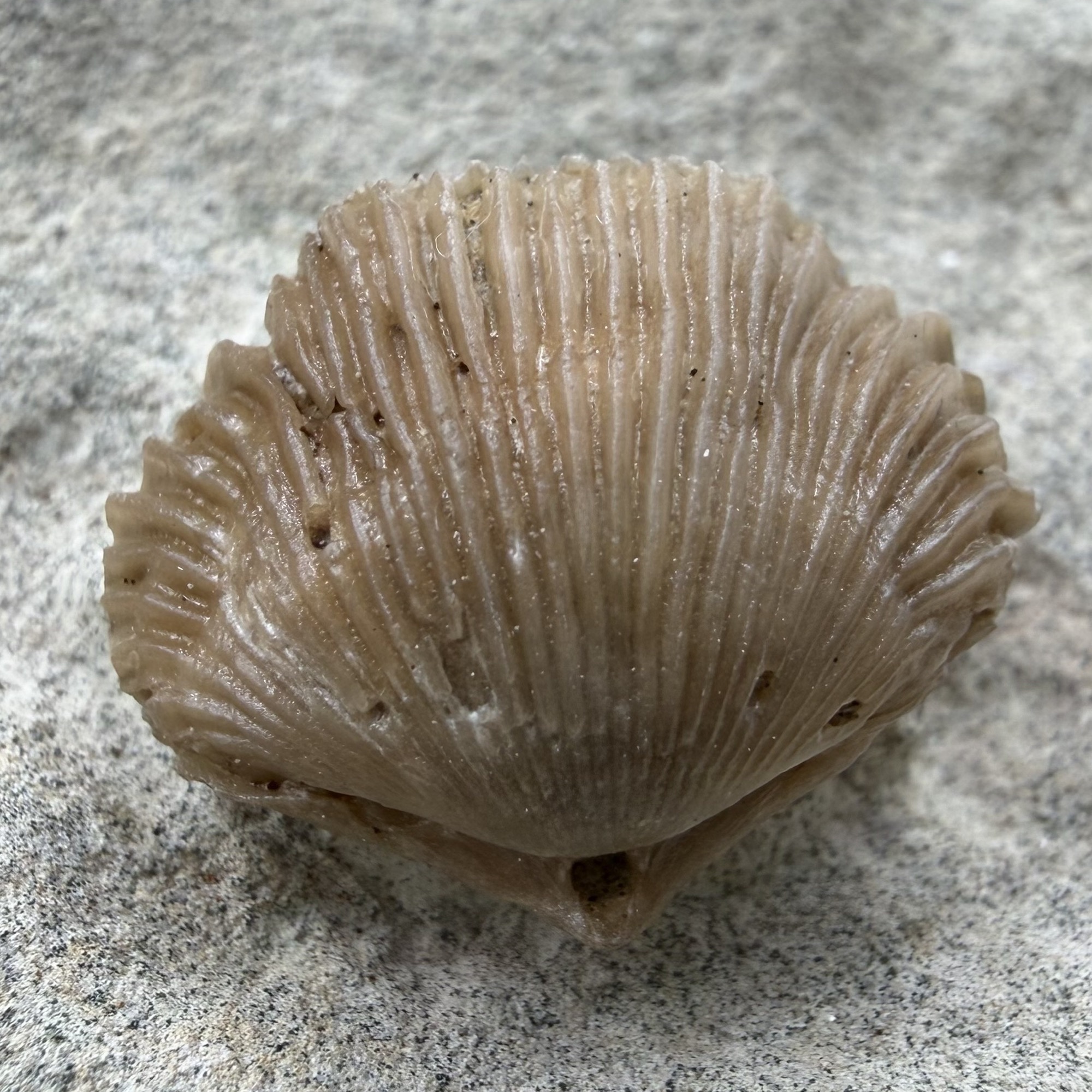
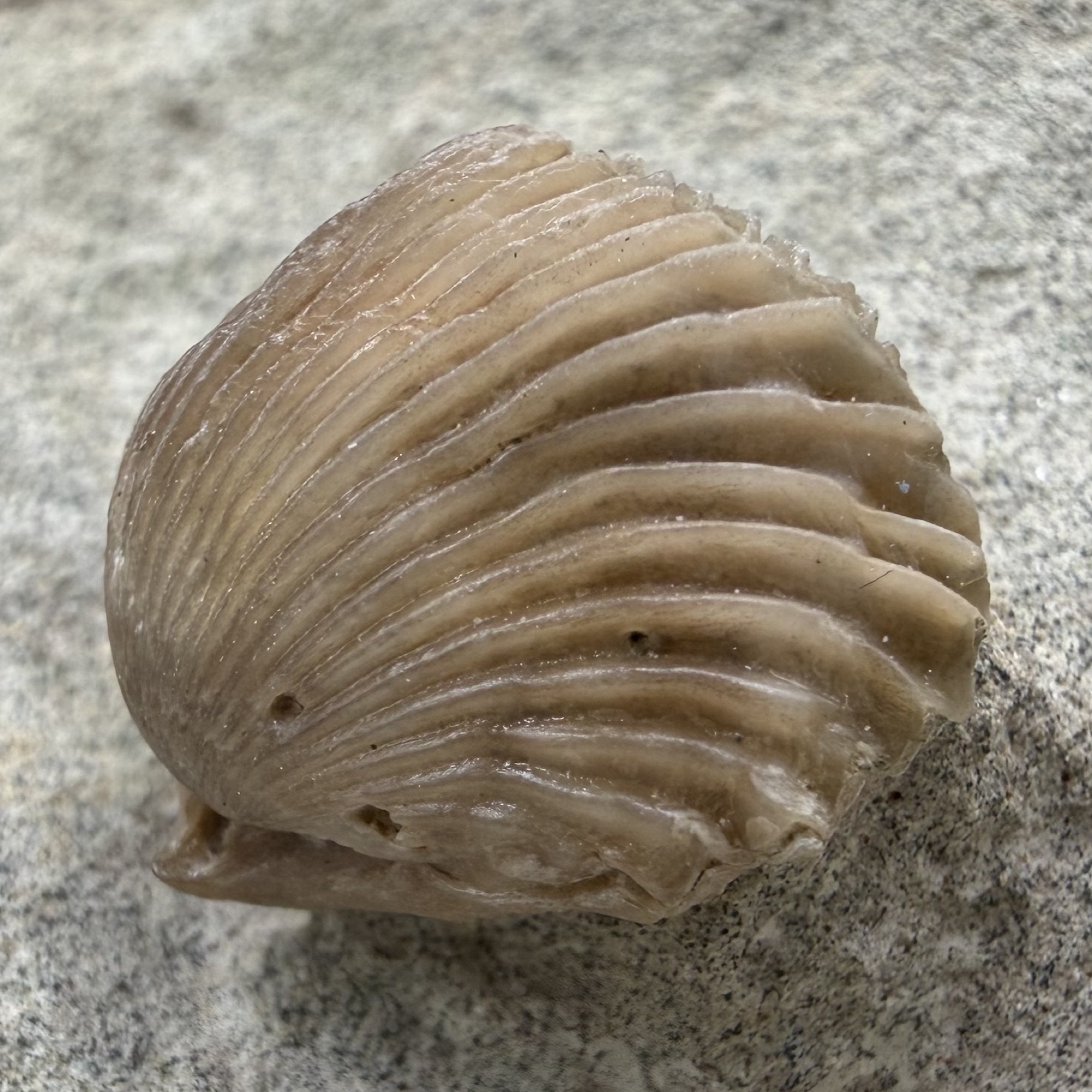
Upper Cretaceous fossil specimen from the Upper Greensand Formation at Rocken End, Isle of Wight, England, UK. It is an attractive British fossil with strong natural history appeal, ideal for collectors of Cretaceous fossils, Isle of Wight fossils, marine invertebrates, brachiopods, geological specimens, and educational display pieces.The photo shows the actual fossil specimen you will receive, allowing you to view the preservation, shape, surface detail, colour, matrix, and overall character before purchase. Full sizing can be seen in the photo. This fossil is a genuine specimen and includes a Certificate of Authenticity lifetime guarantee generic card. DISCOVERED AND PREPARED BY OUR OWN TEAMYour specimen was discovered by our own team members, Alister and Alison, and has been cleaned, prepped, and treated by Alison. This gives the fossil a clear collecting history and trusted provenance, making it a desirable piece for anyone looking for an authentic British fossil rather than a replica or cast.As with all natural fossils, the specimen may show features such as matrix, mineral staining, surface texture, small chips, natural wear, prepared areas, or variations in preservation. These characteristics are part of its genuine geological history and help make each fossil specimen unique. ABOUT RHYNCHONELLA PARVIROSTRISRhynchonella parvirostris is a fossil brachiopod, an ancient marine invertebrate that lived attached to or resting on the seabed. Brachiopods are sometimes mistaken for bivalves, but they are a separate group of animals with a very different internal anatomy. Instead of left and right shells like clams, brachiopods have upper and lower valves, often with a distinctive beak-like area at the rear of the shell.The name parvirostris refers to the small beak or rostrum, a feature associated with the shell form of this species. Rhynchonellid brachiopods are typically recognised by their compact, biconvex shells and strong radial ribbing. These ribs, also known as costae, helped strengthen the shell and give the fossil its attractive sculptured appearance. The shell may show a folded or ridged outline where the valves met, producing the characteristic form valued by fossil collectors.Brachiopods were filter feeders, using a specialised internal feeding structure called a lophophore to draw tiny food particles from seawater. Rhynchonella parvirostris would have lived in a Cretaceous marine environment, forming part of a seabed community alongside other invertebrates such as bivalves, echinoids, gastropods, sponges, and other brachiopods. UPPER GREENSAND FORMATION, ISLE OF WIGHTThis specimen comes from the Upper Greensand Formation at Rocken End on the Isle of Wight. The Upper Greensand is a well-known Cretaceous marine formation, famous for its sandy and often glauconitic sediments. These deposits were laid down in ancient seas during the Cenomanian stage of the Upper Cretaceous, around the time when shallow marine conditions covered parts of southern England.The Isle of Wight is world-famous for its fossil record, and while many collectors know it for dinosaur remains, its marine Cretaceous fossils are also highly collectable. Fossils from the Upper Greensand provide a fascinating view of the ancient seabed environments that existed before the later Chalk seas became widespread across southern Britain. COLLECTABLE BRITISH CRETACEOUS FOSSILThis Rhynchonella parvirostris brachiopod fossil is a desirable specimen for collectors searching for genuine brachiopod fossils, Upper Cretaceous fossils, Isle of Wight fossils, Upper Greensand fossils, British marine fossils, and natural history collectables. Its scientific interest, clear locality, and attractive fossil form make it suitable for fossil cabinets, classroom geology displays, museum-style collections, study specimens, or as a thoughtful gift for a fossil enthusiast.With its authentic Upper Cretaceous age, Rocken End locality, Isle of Wight provenance, Certificate of Authenticity, and discovery by our own team, this fossil is an excellent addition to any collection focused on British fossils, prehistoric marine life, or classic UK geological specimens.
Upper Cretaceous fossil specimen from the Upper Greensand Formation at Rocken End, Isle of Wight, England, UK. It is an attractive British fossil with strong natural history appeal, ideal for collectors of Cretaceous fossils, Isle of Wight fossils, marine invertebrates, brachiopods, geological specimens, and educational display pieces.The photo shows the actual fossil specimen you will receive, allowing you to view the preservation, shape, surface detail, colour, matrix, and overall character before purchase. Full sizing can be seen in the photo. This fossil is a genuine specimen and includes a Certificate of Authenticity lifetime guarantee generic card. DISCOVERED AND PREPARED BY OUR OWN TEAMYour specimen was discovered by our own team members, Alister and Alison, and has been cleaned, prepped, and treated by Alison. This gives the fossil a clear collecting history and trusted provenance, making it a desirable piece for anyone looking for an authentic British fossil rather than a replica or cast.As with all natural fossils, the specimen may show features such as matrix, mineral staining, surface texture, small chips, natural wear, prepared areas, or variations in preservation. These characteristics are part of its genuine geological history and help make each fossil specimen unique. ABOUT RHYNCHONELLA PARVIROSTRISRhynchonella parvirostris is a fossil brachiopod, an ancient marine invertebrate that lived attached to or resting on the seabed. Brachiopods are sometimes mistaken for bivalves, but they are a separate group of animals with a very different internal anatomy. Instead of left and right shells like clams, brachiopods have upper and lower valves, often with a distinctive beak-like area at the rear of the shell.The name parvirostris refers to the small beak or rostrum, a feature associated with the shell form of this species. Rhynchonellid brachiopods are typically recognised by their compact, biconvex shells and strong radial ribbing. These ribs, also known as costae, helped strengthen the shell and give the fossil its attractive sculptured appearance. The shell may show a folded or ridged outline where the valves met, producing the characteristic form valued by fossil collectors.Brachiopods were filter feeders, using a specialised internal feeding structure called a lophophore to draw tiny food particles from seawater. Rhynchonella parvirostris would have lived in a Cretaceous marine environment, forming part of a seabed community alongside other invertebrates such as bivalves, echinoids, gastropods, sponges, and other brachiopods. UPPER GREENSAND FORMATION, ISLE OF WIGHTThis specimen comes from the Upper Greensand Formation at Rocken End on the Isle of Wight. The Upper Greensand is a well-known Cretaceous marine formation, famous for its sandy and often glauconitic sediments. These deposits were laid down in ancient seas during the Cenomanian stage of the Upper Cretaceous, around the time when shallow marine conditions covered parts of southern England.The Isle of Wight is world-famous for its fossil record, and while many collectors know it for dinosaur remains, its marine Cretaceous fossils are also highly collectable. Fossils from the Upper Greensand provide a fascinating view of the ancient seabed environments that existed before the later Chalk seas became widespread across southern Britain. COLLECTABLE BRITISH CRETACEOUS FOSSILThis Rhynchonella parvirostris brachiopod fossil is a desirable specimen for collectors searching for genuine brachiopod fossils, Upper Cretaceous fossils, Isle of Wight fossils, Upper Greensand fossils, British marine fossils, and natural history collectables. Its scientific interest, clear locality, and attractive fossil form make it suitable for fossil cabinets, classroom geology displays, museum-style collections, study specimens, or as a thoughtful gift for a fossil enthusiast.With its authentic Upper Cretaceous age, Rocken End locality, Isle of Wight provenance, Certificate of Authenticity, and discovery by our own team, this fossil is an excellent addition to any collection focused on British fossils, prehistoric marine life, or classic UK geological specimens.