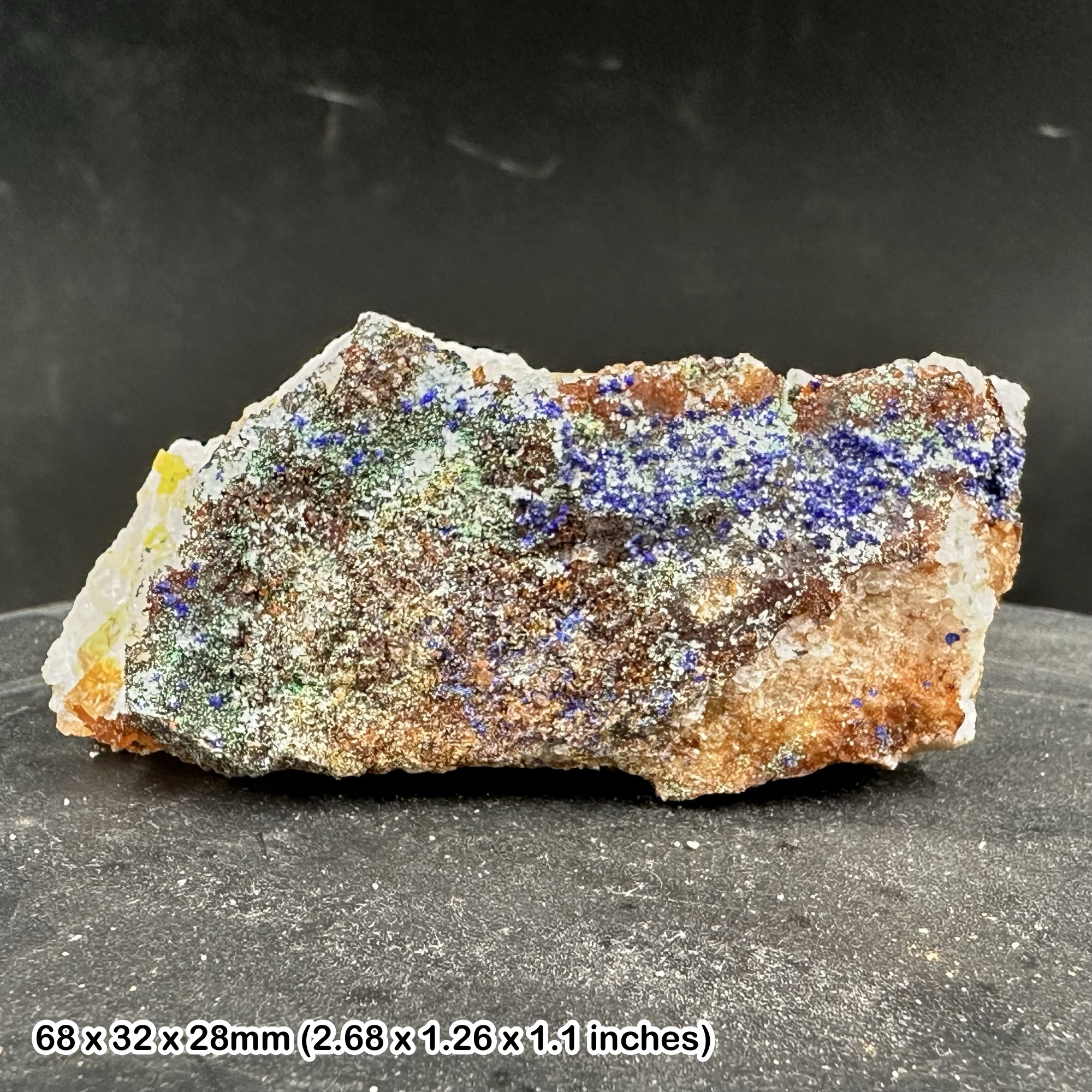
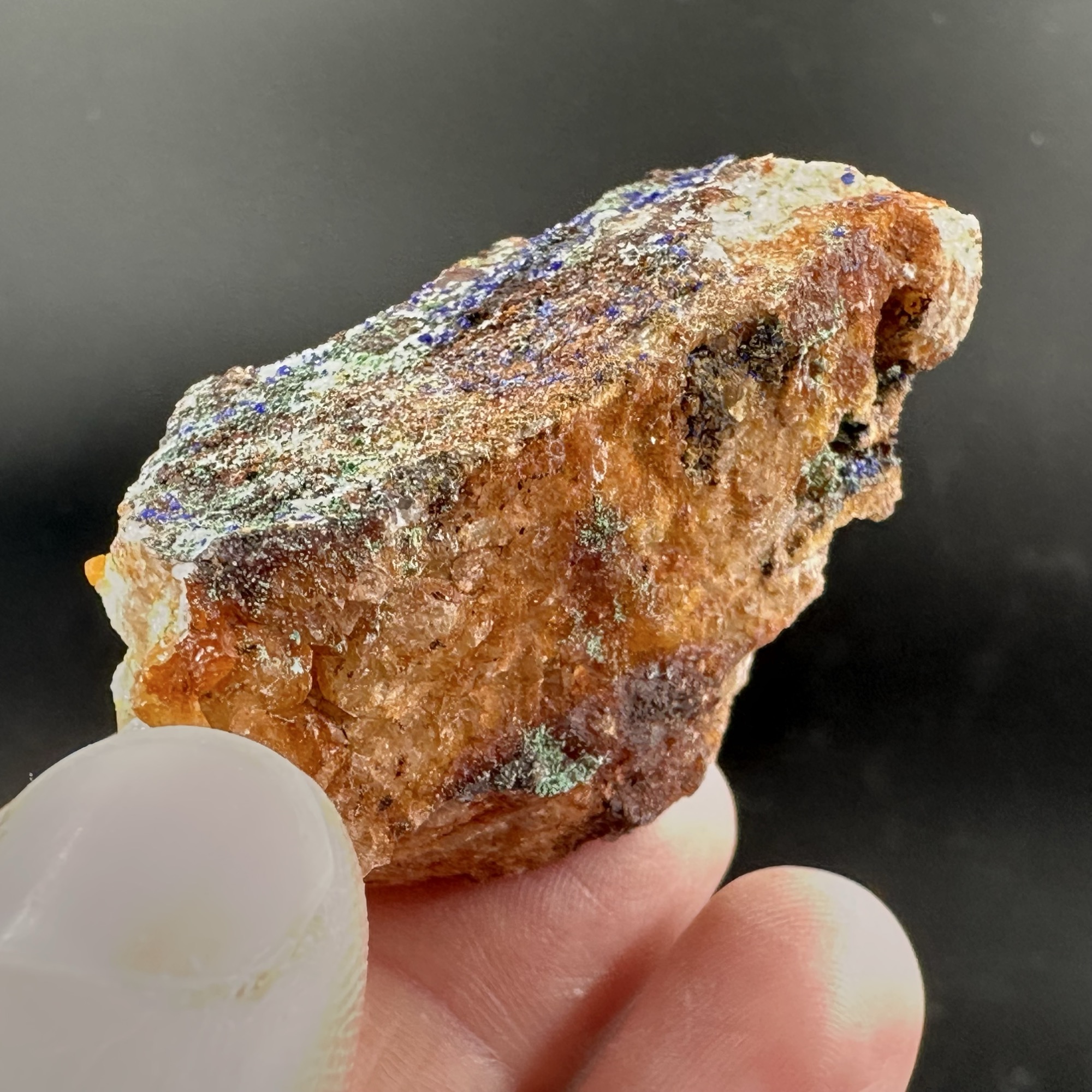
Azurite Small Crystals on Matrix Mineral Specimen Morocco Natural Blue Copper Carbonate Crystal Collectors Stone
£ 1.20
Natural Azurite Small Crystals on Matrix Mineral SpecimenThis genuine Azurite mineral specimen features small deep-blue crystals
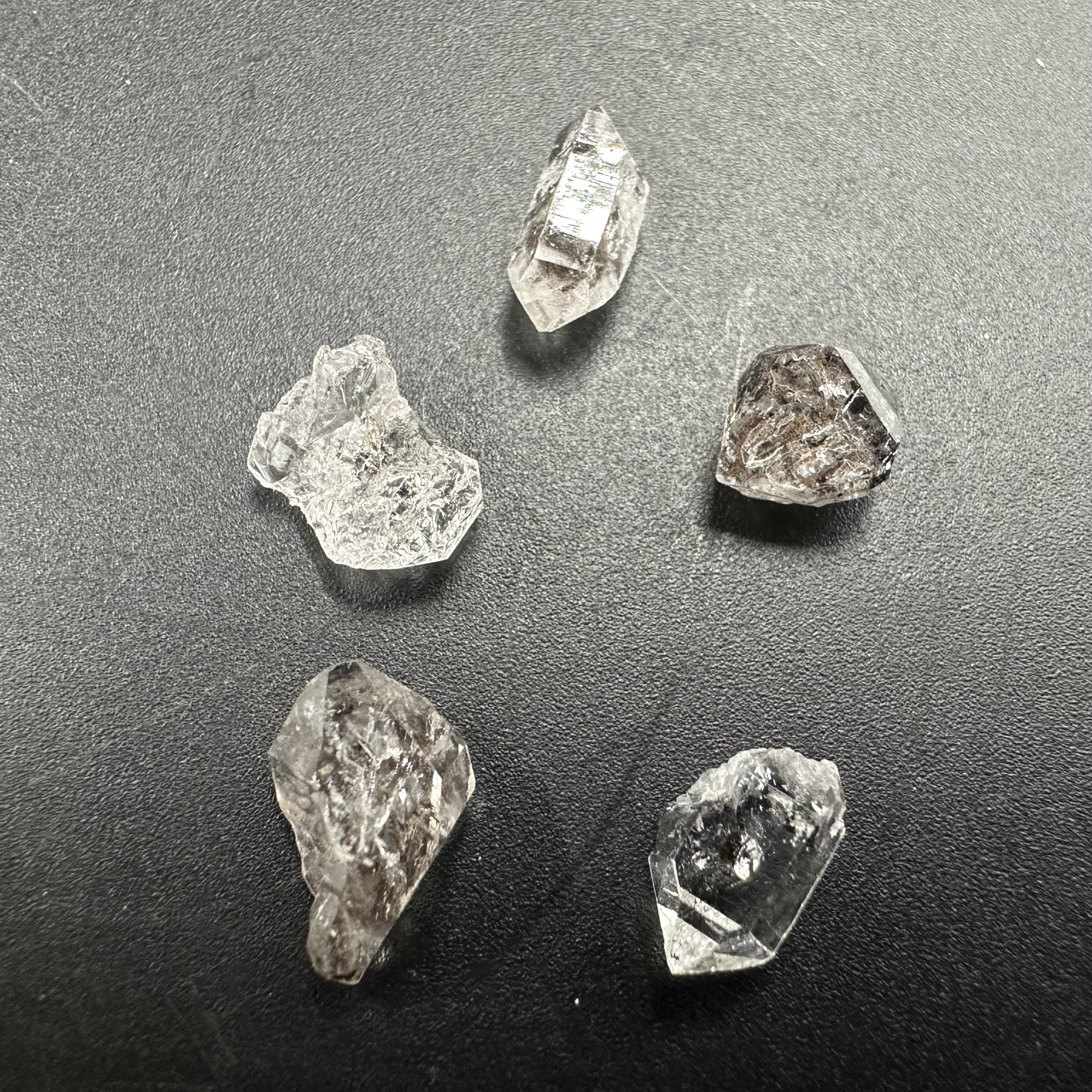
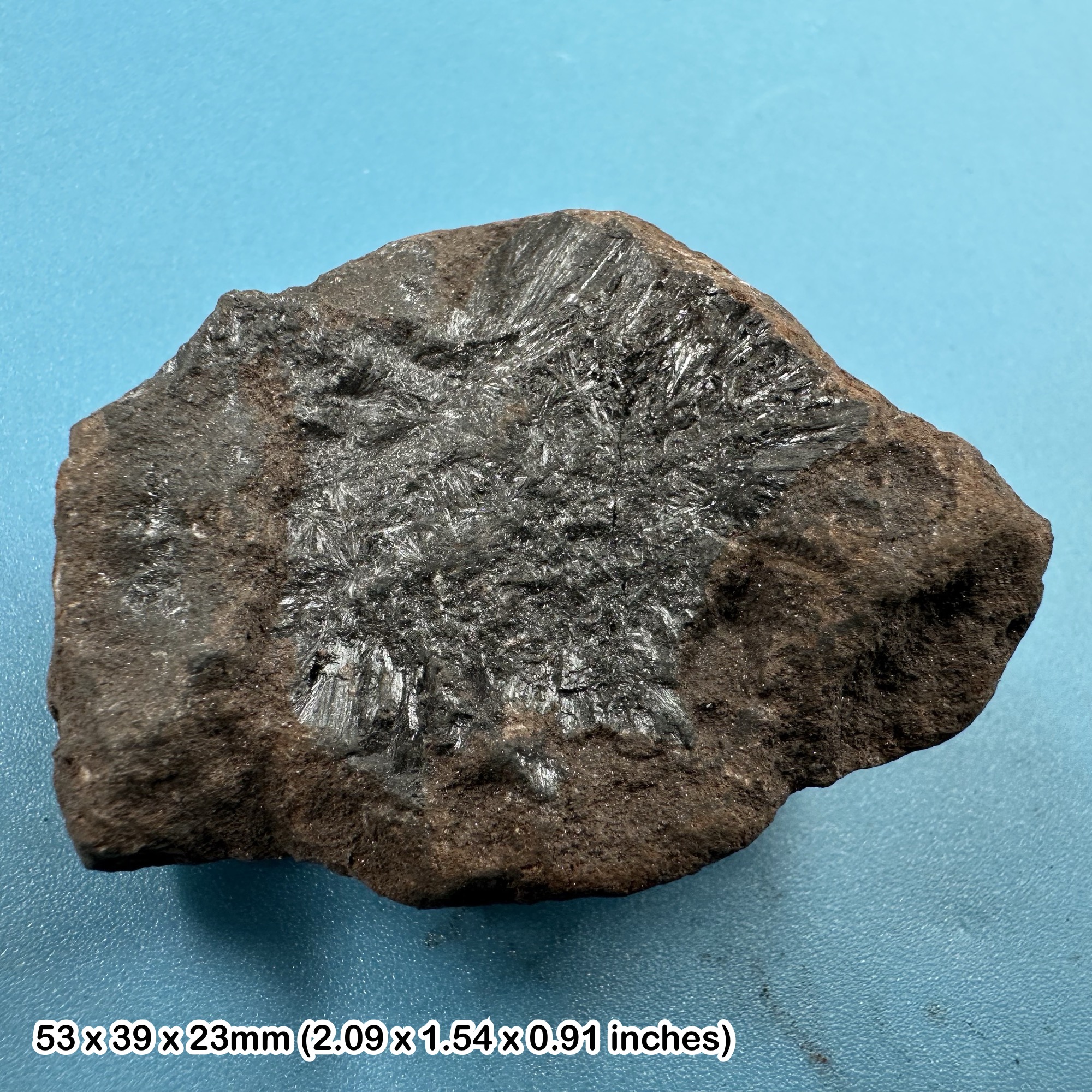
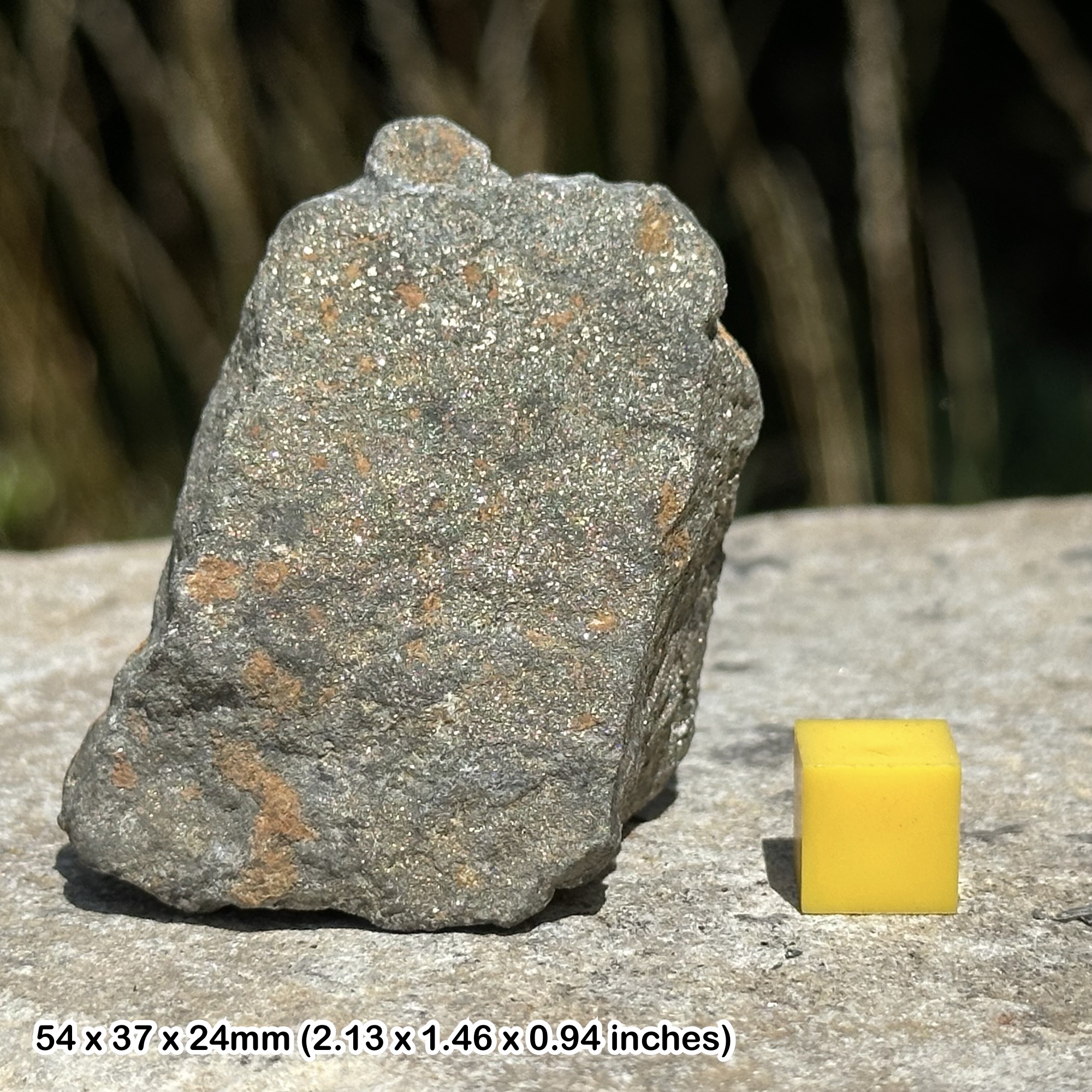
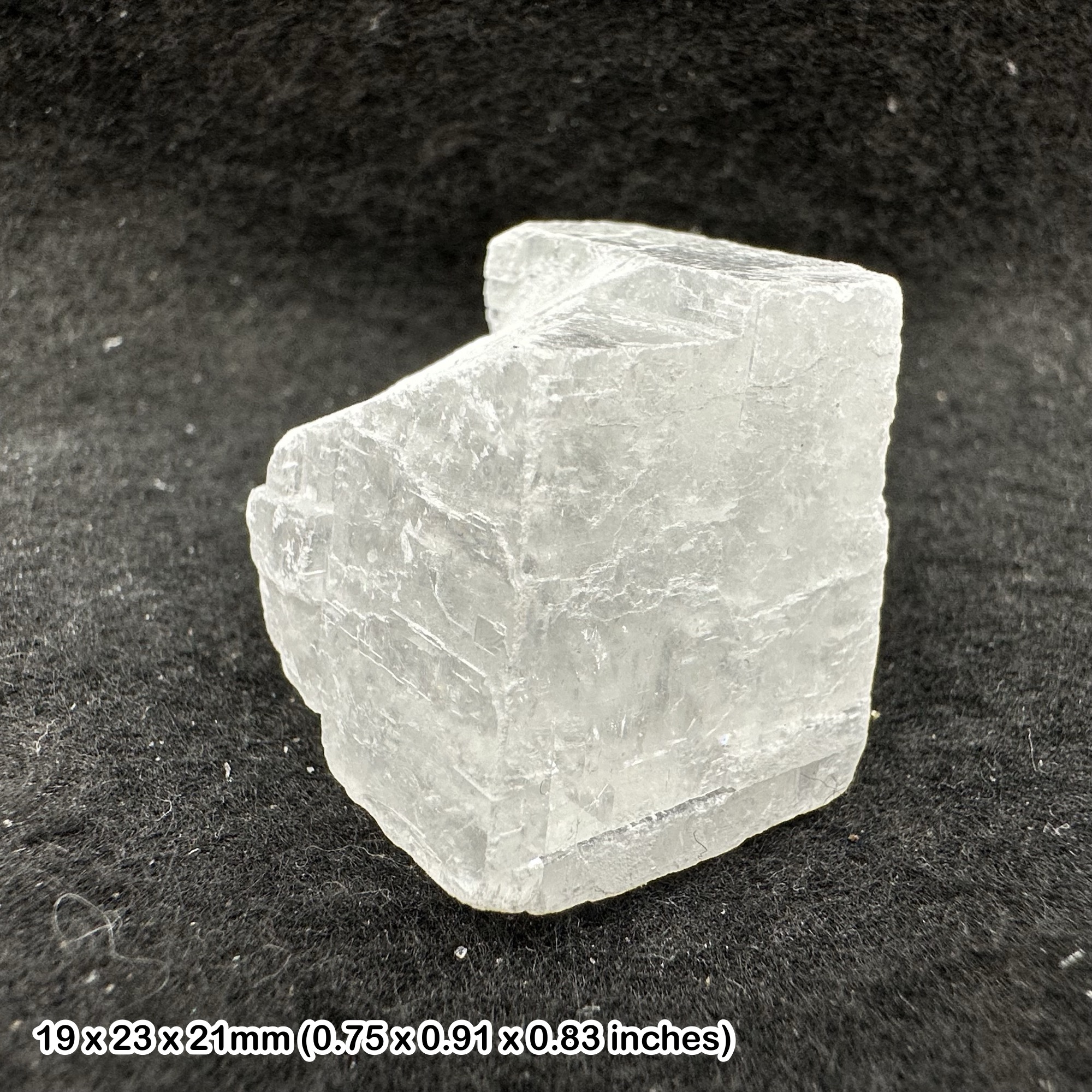
naturally formed on matrix, sourced from Morocco, a region internationally known for its rich copper mineral deposits. The specimen displays the striking colour and crystal habit typical of azurite, with fine crystal growth emerging from the host rock matrix.The photographs in this listing show the exact specimen you will receive, allowing collectors to clearly view the crystal structure, colour saturation, and natural mineral features before purchase. Each piece is carefully selected for its visible crystal formation and overall display quality.The mineral includes a Certificate of Authenticity lifetime guarantee generic card confirming that the specimen is a genuine natural crystal.Full sizing and scale can be seen in the listing photographs.Mineral Type and Scientific ClassificationAzurite is a copper carbonate hydroxide mineral recognised for its vivid deep blue colour and well-defined crystal forms. It forms as a secondary mineral in the oxidised zones of copper ore deposits, where copper-bearing minerals react with carbonate-rich groundwater.Key mineralogical information includes:Mineral Name: AzuriteMineral Class: CarbonatesChemical Formula: Cu₃(CO₃)₂(OH)₂Crystal System: MonoclinicMohs Hardness: Approximately 3.5–4Lustre: Vitreous to sub-adamantineTransparency: Transparent to translucent in crystal formAzurite is closely related to malachite, another copper carbonate mineral. In many deposits the two minerals occur together as part of the oxidation process affecting primary copper ores.Crystal Structure and Visual CharacteristicsAzurite is well known for its rich blue colour, which results from the presence of copper within the mineral’s chemical composition. The intensity of the colour makes it one of the most visually distinctive copper minerals found in nature.Typical characteristics of azurite crystals include:Deep royal blue to indigo colourationVitreous or glass-like lustrePrismatic or tabular crystal formationsSmall crystal clusters growing on matrixOccasional association with malachite or other copper mineralsIn specimens with small crystals on matrix, the azurite forms delicate crystalline clusters that contrast against the surrounding host rock, creating a natural display piece.Geological Formation of AzuriteAzurite develops in the oxidised zones of copper ore deposits, typically near the Earth’s surface where oxygen-rich groundwater interacts with copper-bearing minerals. Through a process of chemical alteration, primary copper sulfides such as chalcopyrite or bornite break down and form secondary copper carbonate minerals.As copper-rich solutions react with carbonate ions present in the surrounding rock or groundwater, azurite crystals begin to form within cavities, fractures, and porous zones of the host rock.Over time these crystals can grow into clusters or drusy coatings on the matrix, producing the crystal-on-matrix specimens often sought by collectors.Moroccan Azurite DepositsMorocco is one of the world’s well-known sources of azurite and other copper minerals. The country hosts several historic copper mining regions, particularly within the Atlas Mountains, where complex mineralisation processes have produced a wide variety of copper carbonate minerals.Azurite from Moroccan localities often forms:Small crystalline clustersDrusy crystal coatings on matrixBotryoidal or massive growthsAssociations with malachite and other secondary copper mineralsThese specimens are widely appreciated by mineral collectors due to their vivid colour and the aesthetic contrast between blue crystals and the surrounding host rock.Mineral Collecting and Geological InterestAzurite specimens are highly regarded among mineral collectors because of their intense colour, distinctive crystal forms, and geological relationship to copper ore deposits.Small crystal clusters on matrix are especially desirable for display because they show the mineral in its natural growth environment rather than as a detached crystal fragment.This type of specimen may be included in:Copper mineral collectionsCarbonate mineral displaysEducational geological collectionsDisplay cabinets featuring colourful mineral specimensThe contrast between the bright blue crystals and the matrix rock makes azurite a visually striking addition to many mineral collections.Cultural and Historical NotesAzurite has been used historically as a pigment in paints and artistic materials due to its naturally vibrant blue colour. Finely ground azurite was once widely used in medieval and Renaissance artwork before synthetic pigments became available.Throughout history, the stone’s rich colour has also led to symbolic interpretations in various cultural traditions. These interpretations reflect historical and artistic uses rather than scientific mineral properties.Authenticity and Exact SpecimenThis specimen consists of genuine natural azurite crystals on matrix sourced from Morocco. The photographs in the listing show the exact piece you will receive, providing a clear view of the crystal structure and mineral surface.Each purchase includes a Certificate of Authenticity lifetime guarantee generic card confirming the authenticity of the mineral specimen.Please refer to the listing photographs for the full size and scale of the piece. The specimen shown is the exact azurite crystal on matrix that will be shipped.
naturally formed on matrix, sourced from Morocco, a region internationally known for its rich copper mineral deposits. The specimen displays the striking colour and crystal habit typical of azurite, with fine crystal growth emerging from the host rock matrix.The photographs in this listing show the exact specimen you will receive, allowing collectors to clearly view the crystal structure, colour saturation, and natural mineral features before purchase. Each piece is carefully selected for its visible crystal formation and overall display quality.The mineral includes a Certificate of Authenticity lifetime guarantee generic card confirming that the specimen is a genuine natural crystal.Full sizing and scale can be seen in the listing photographs.Mineral Type and Scientific ClassificationAzurite is a copper carbonate hydroxide mineral recognised for its vivid deep blue colour and well-defined crystal forms. It forms as a secondary mineral in the oxidised zones of copper ore deposits, where copper-bearing minerals react with carbonate-rich groundwater.Key mineralogical information includes:Mineral Name: AzuriteMineral Class: CarbonatesChemical Formula: Cu₃(CO₃)₂(OH)₂Crystal System: MonoclinicMohs Hardness: Approximately 3.5–4Lustre: Vitreous to sub-adamantineTransparency: Transparent to translucent in crystal formAzurite is closely related to malachite, another copper carbonate mineral. In many deposits the two minerals occur together as part of the oxidation process affecting primary copper ores.Crystal Structure and Visual CharacteristicsAzurite is well known for its rich blue colour, which results from the presence of copper within the mineral’s chemical composition. The intensity of the colour makes it one of the most visually distinctive copper minerals found in nature.Typical characteristics of azurite crystals include:Deep royal blue to indigo colourationVitreous or glass-like lustrePrismatic or tabular crystal formationsSmall crystal clusters growing on matrixOccasional association with malachite or other copper mineralsIn specimens with small crystals on matrix, the azurite forms delicate crystalline clusters that contrast against the surrounding host rock, creating a natural display piece.Geological Formation of AzuriteAzurite develops in the oxidised zones of copper ore deposits, typically near the Earth’s surface where oxygen-rich groundwater interacts with copper-bearing minerals. Through a process of chemical alteration, primary copper sulfides such as chalcopyrite or bornite break down and form secondary copper carbonate minerals.As copper-rich solutions react with carbonate ions present in the surrounding rock or groundwater, azurite crystals begin to form within cavities, fractures, and porous zones of the host rock.Over time these crystals can grow into clusters or drusy coatings on the matrix, producing the crystal-on-matrix specimens often sought by collectors.Moroccan Azurite DepositsMorocco is one of the world’s well-known sources of azurite and other copper minerals. The country hosts several historic copper mining regions, particularly within the Atlas Mountains, where complex mineralisation processes have produced a wide variety of copper carbonate minerals.Azurite from Moroccan localities often forms:Small crystalline clustersDrusy crystal coatings on matrixBotryoidal or massive growthsAssociations with malachite and other secondary copper mineralsThese specimens are widely appreciated by mineral collectors due to their vivid colour and the aesthetic contrast between blue crystals and the surrounding host rock.Mineral Collecting and Geological InterestAzurite specimens are highly regarded among mineral collectors because of their intense colour, distinctive crystal forms, and geological relationship to copper ore deposits.Small crystal clusters on matrix are especially desirable for display because they show the mineral in its natural growth environment rather than as a detached crystal fragment.This type of specimen may be included in:Copper mineral collectionsCarbonate mineral displaysEducational geological collectionsDisplay cabinets featuring colourful mineral specimensThe contrast between the bright blue crystals and the matrix rock makes azurite a visually striking addition to many mineral collections.Cultural and Historical NotesAzurite has been used historically as a pigment in paints and artistic materials due to its naturally vibrant blue colour. Finely ground azurite was once widely used in medieval and Renaissance artwork before synthetic pigments became available.Throughout history, the stone’s rich colour has also led to symbolic interpretations in various cultural traditions. These interpretations reflect historical and artistic uses rather than scientific mineral properties.Authenticity and Exact SpecimenThis specimen consists of genuine natural azurite crystals on matrix sourced from Morocco. The photographs in the listing show the exact piece you will receive, providing a clear view of the crystal structure and mineral surface.Each purchase includes a Certificate of Authenticity lifetime guarantee generic card confirming the authenticity of the mineral specimen.Please refer to the listing photographs for the full size and scale of the piece. The specimen shown is the exact azurite crystal on matrix that will be shipped.
Other Products