RARE Rhabdoceras suessi Fossil Ammonite – Upper Triassic, China – Genuine + COA – Rare Collectable
£ 24.00
Own a rare and scientifically fascinating piece of Earth's history with this
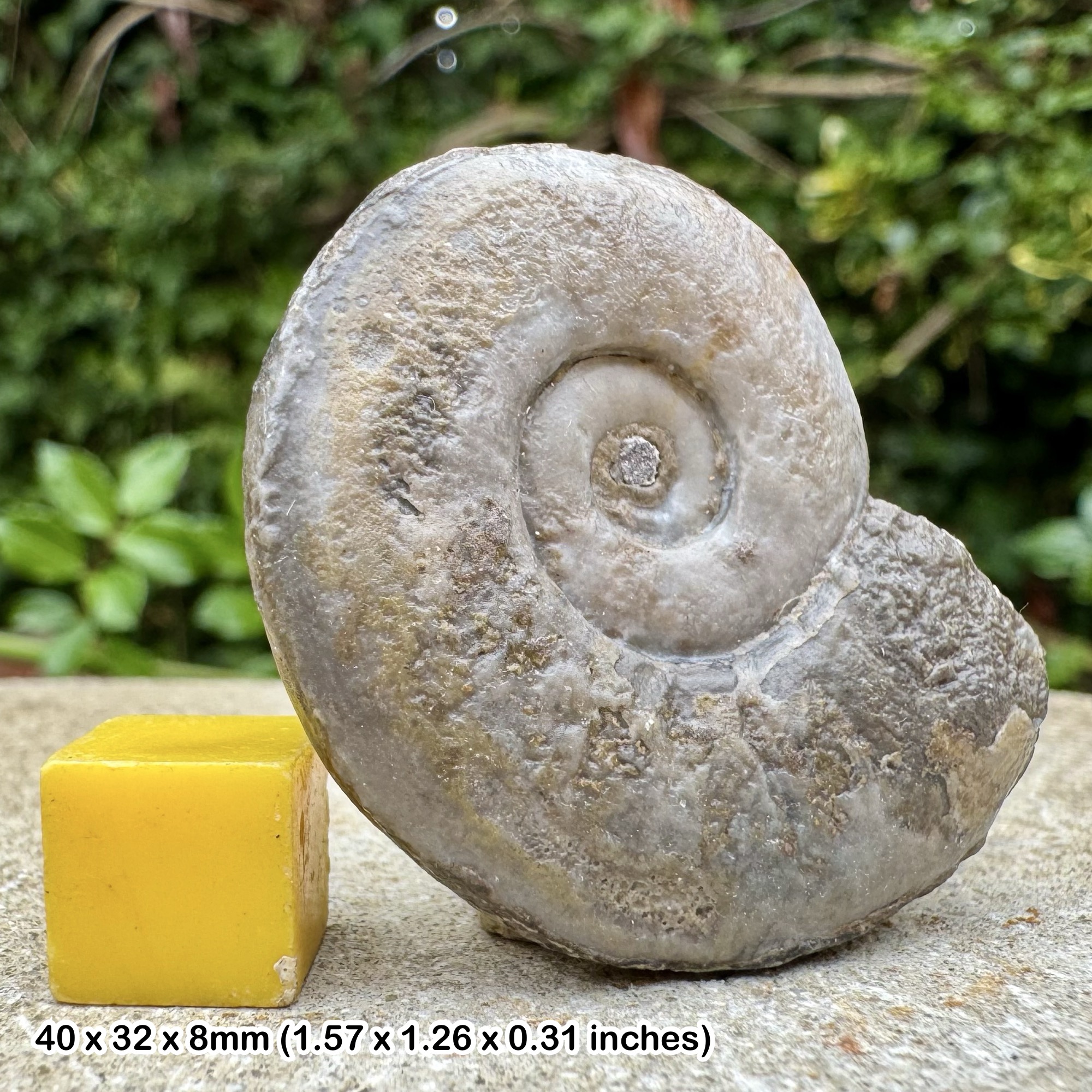
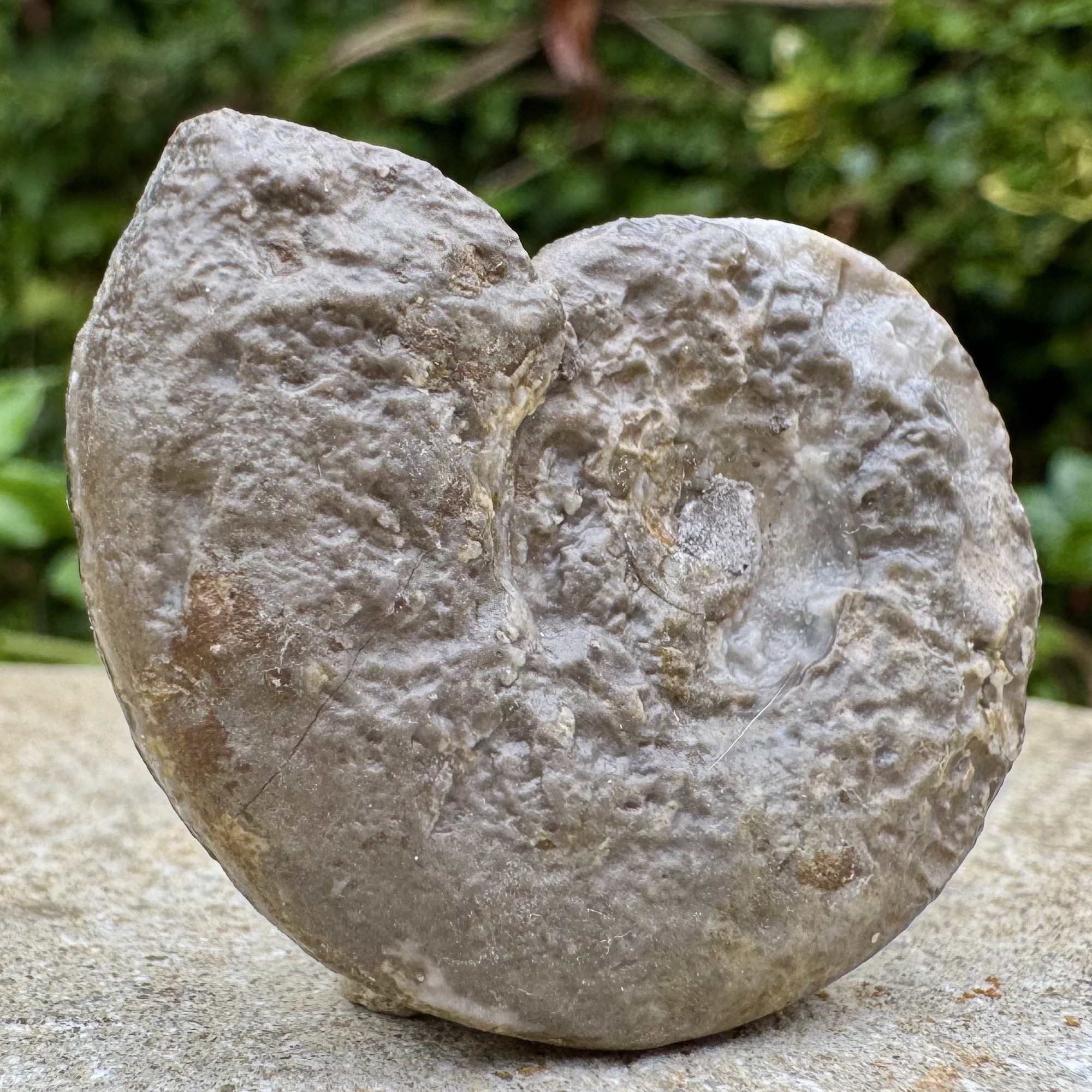
Rhabdoceras suessi Fossil Ammonite, dating to the Upper Triassic Period and originating from China. This beautifully preserved fossil represents an extinct group of early ammonoids and is an extraordinary addition for collectors and enthusiasts alike.Fossil Type & Species:
• Type: Ammonite (extinct marine mollusc)
• Species: Rhabdoceras suessi
• Order: Ceratitida
• Superfamily: Choristocerataceae (tentative)
• Family: RhabdoceratidaeGeological Context:
• Period: Triassic
• Epoch/Stage: Upper Triassic (likely Norian to Rhaetian Stage)
• Depositional Environment: Marine, typically offshore environments where calcareous muds and fine sediments accumulated – favourable for cephalopod fossil preservation.Locality:
• Region: China (exact province or formation not specified)Morphology & Features:
• Typically slender and involute shell
• Fine ribbing along the flanks with minimal tuberculation
• Deeply incised suture lines indicative of evolutionary advancement within Triassic ammonites
• The specimen displays strong lateral compression and narrow whorls, typical for Rhabdoceras genusNotable Details:
• Rhabdoceras suessi is considered rare in the fossil record and is prized among collectors for its diagnostic features and scarcity
• Likely part of a transitional ammonoid fauna leading into more complex Jurassic forms
• Fossil is carefully selected and professionally preparedAuthenticity & Condition:
• All our fossils are 100% genuine specimens
• Supplied with a Certificate of Authenticity
• The exact item shown in the photo is the one you will receive
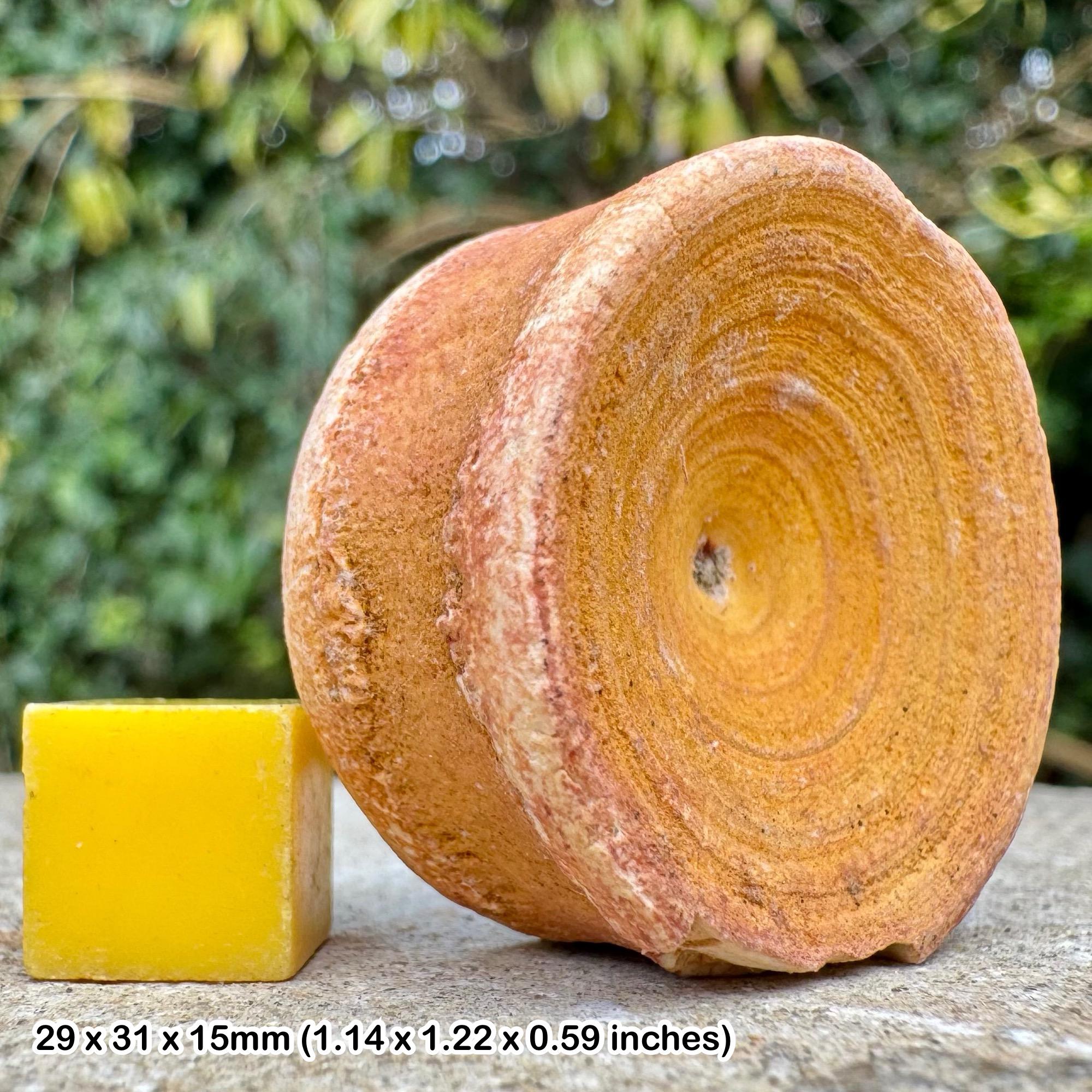
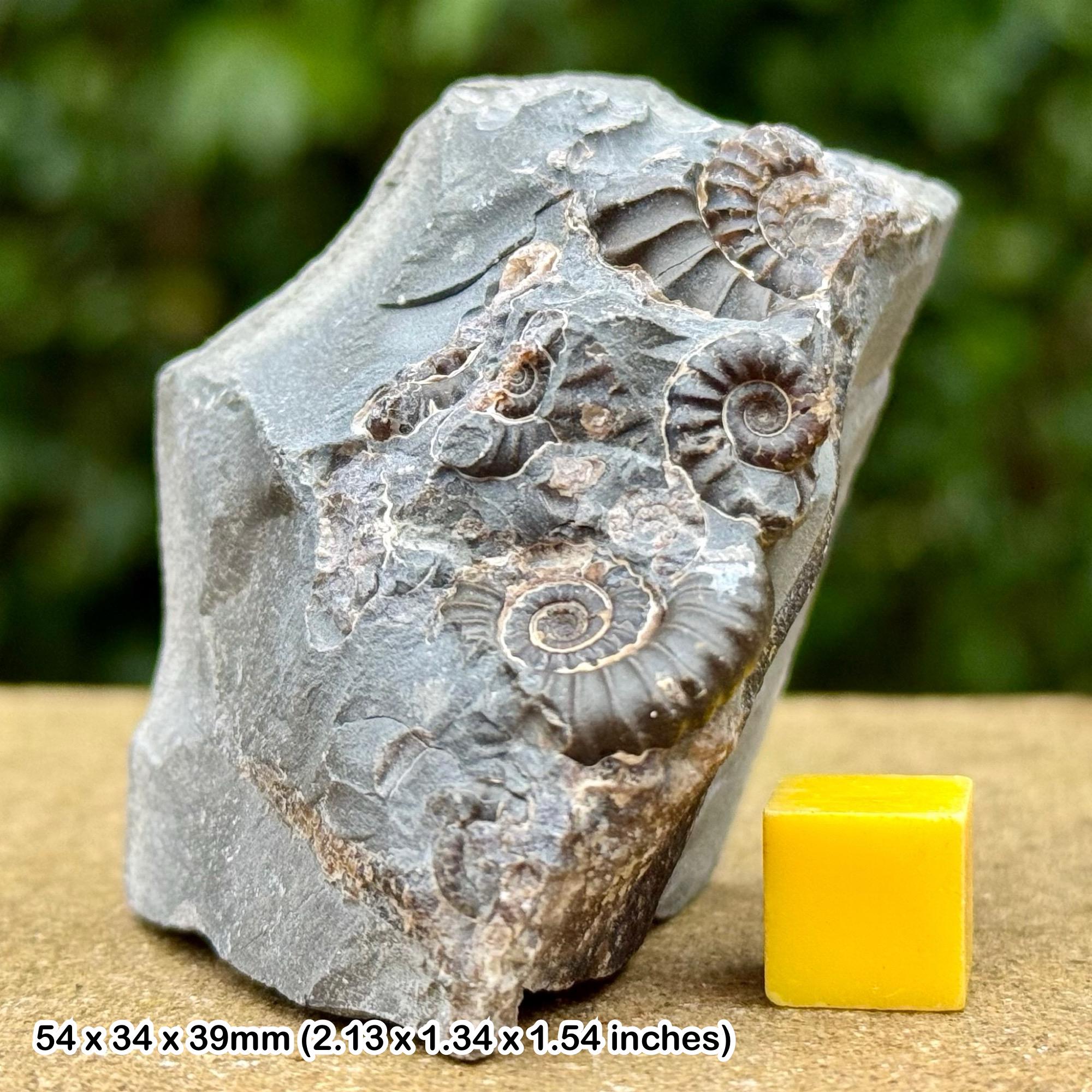
• Scale Rule/Cube: Each square/cube in the photo equals 1cm – please refer to the image for full sizingScientific Notes:
• The species Rhabdoceras suessi was originally described by Mojsisovics in 1882, a renowned Austrian paleontologist known for his Triassic ammonoid research
• The genus is significant in studies of ceratitid evolution in the late Triassic seas This rare fossil offers a unique glimpse into prehistoric marine ecosystems before the dawn of the Jurassic. A fine addition to any collection, museum display, or educational exhibit.
Rhabdoceras suessi Fossil Ammonite, dating to the Upper Triassic Period and originating from China. This beautifully preserved fossil represents an extinct group of early ammonoids and is an extraordinary addition for collectors and enthusiasts alike.Fossil Type & Species:
• Type: Ammonite (extinct marine mollusc)
• Species: Rhabdoceras suessi
• Order: Ceratitida
• Superfamily: Choristocerataceae (tentative)
• Family: RhabdoceratidaeGeological Context:
• Period: Triassic
• Epoch/Stage: Upper Triassic (likely Norian to Rhaetian Stage)
• Depositional Environment: Marine, typically offshore environments where calcareous muds and fine sediments accumulated – favourable for cephalopod fossil preservation.Locality:
• Region: China (exact province or formation not specified)Morphology & Features:
• Typically slender and involute shell
• Fine ribbing along the flanks with minimal tuberculation
• Deeply incised suture lines indicative of evolutionary advancement within Triassic ammonites
• The specimen displays strong lateral compression and narrow whorls, typical for Rhabdoceras genusNotable Details:
• Rhabdoceras suessi is considered rare in the fossil record and is prized among collectors for its diagnostic features and scarcity
• Likely part of a transitional ammonoid fauna leading into more complex Jurassic forms
• Fossil is carefully selected and professionally preparedAuthenticity & Condition:
• All our fossils are 100% genuine specimens
• Supplied with a Certificate of Authenticity
• The exact item shown in the photo is the one you will receive
• Scale Rule/Cube: Each square/cube in the photo equals 1cm – please refer to the image for full sizingScientific Notes:
• The species Rhabdoceras suessi was originally described by Mojsisovics in 1882, a renowned Austrian paleontologist known for his Triassic ammonoid research
• The genus is significant in studies of ceratitid evolution in the late Triassic seas This rare fossil offers a unique glimpse into prehistoric marine ecosystems before the dawn of the Jurassic. A fine addition to any collection, museum display, or educational exhibit.
Other Products