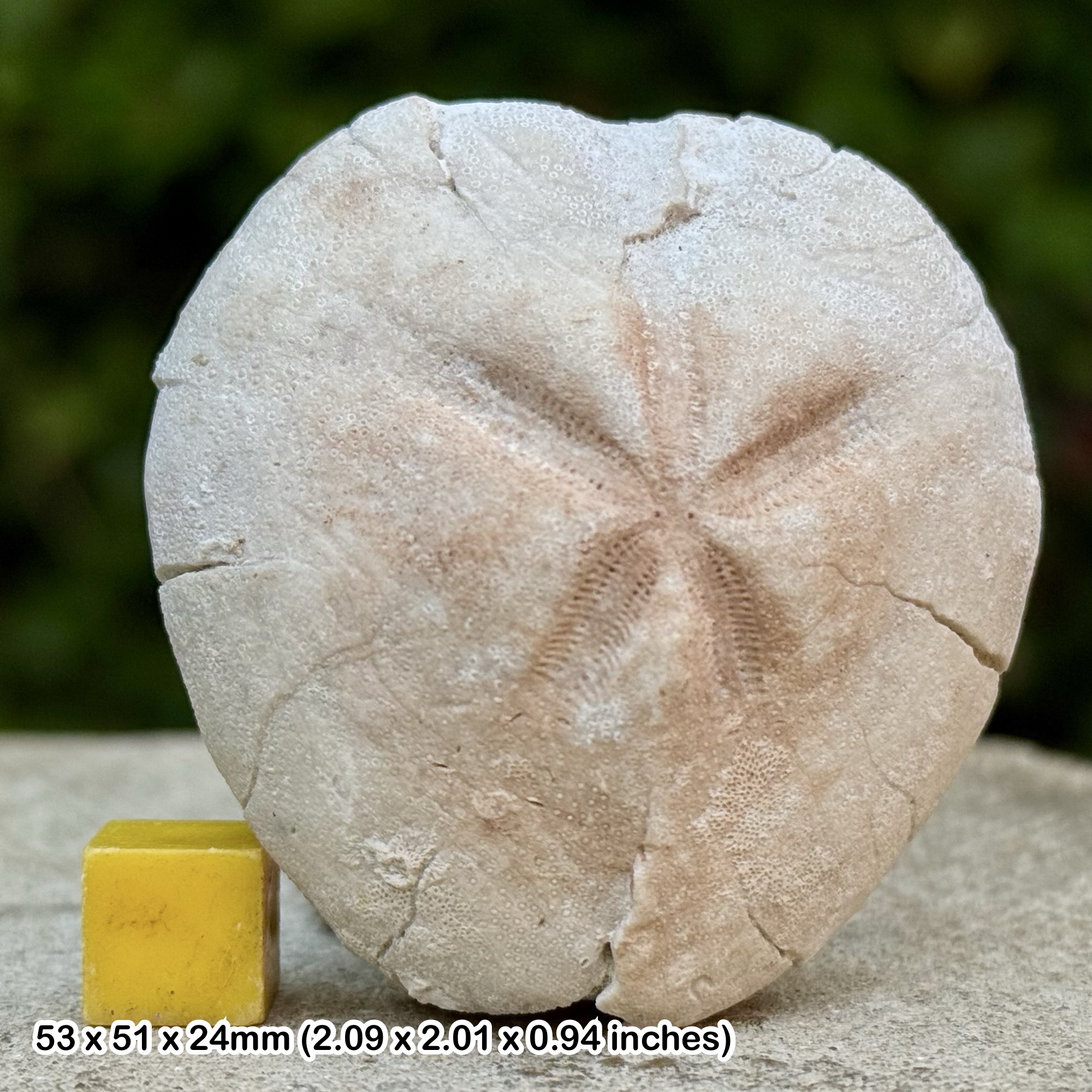
Micraster glyphus Fossil Echinoid Cretaceous Chalk Ramsgate Kent UK Genuine Specimen
£ 36.00
AUTHENTIC MICRASTER GLYPHUS FOSSIL ECHINOIDThis listing is for a genuine Micraster glyphus Fossil Echinoid, originating
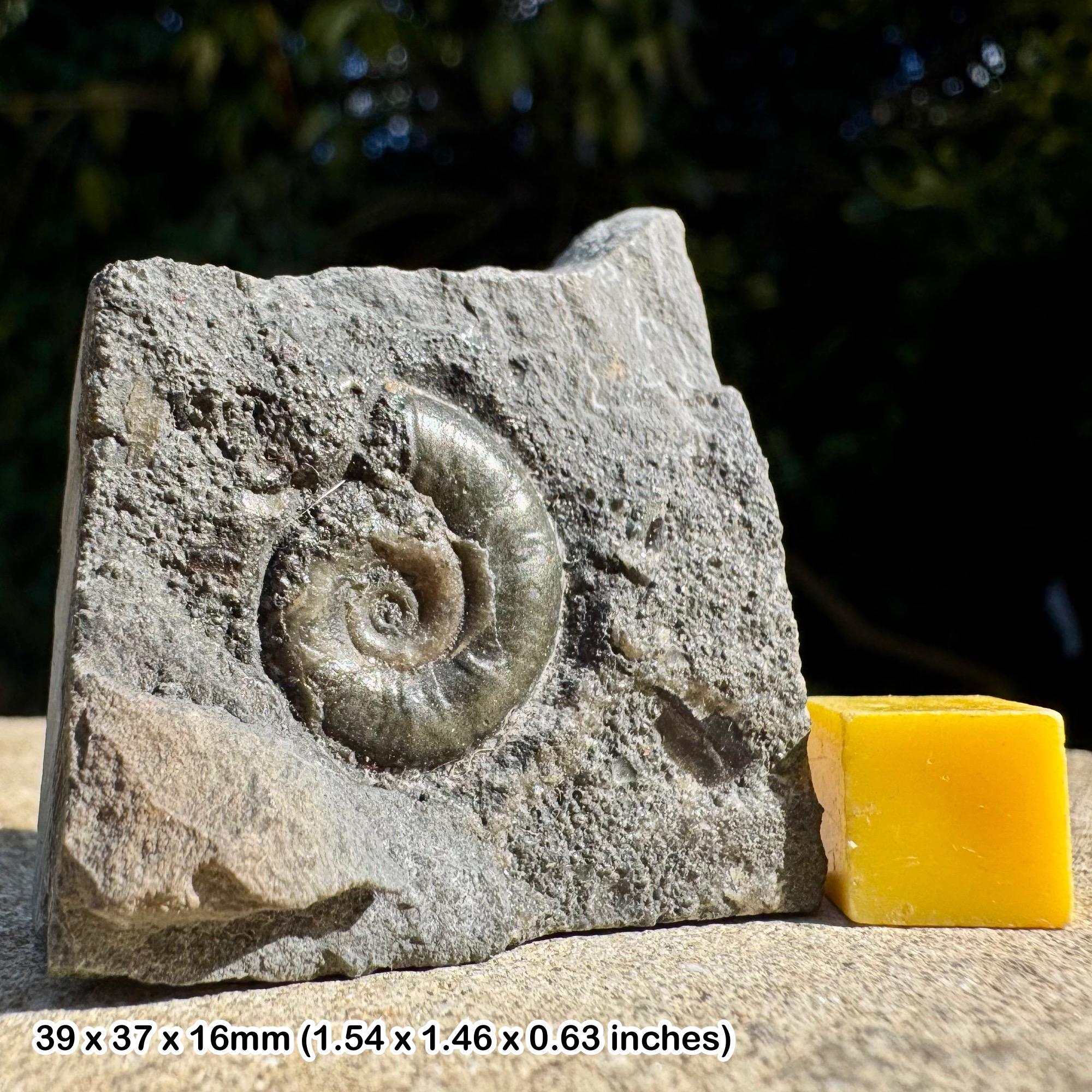
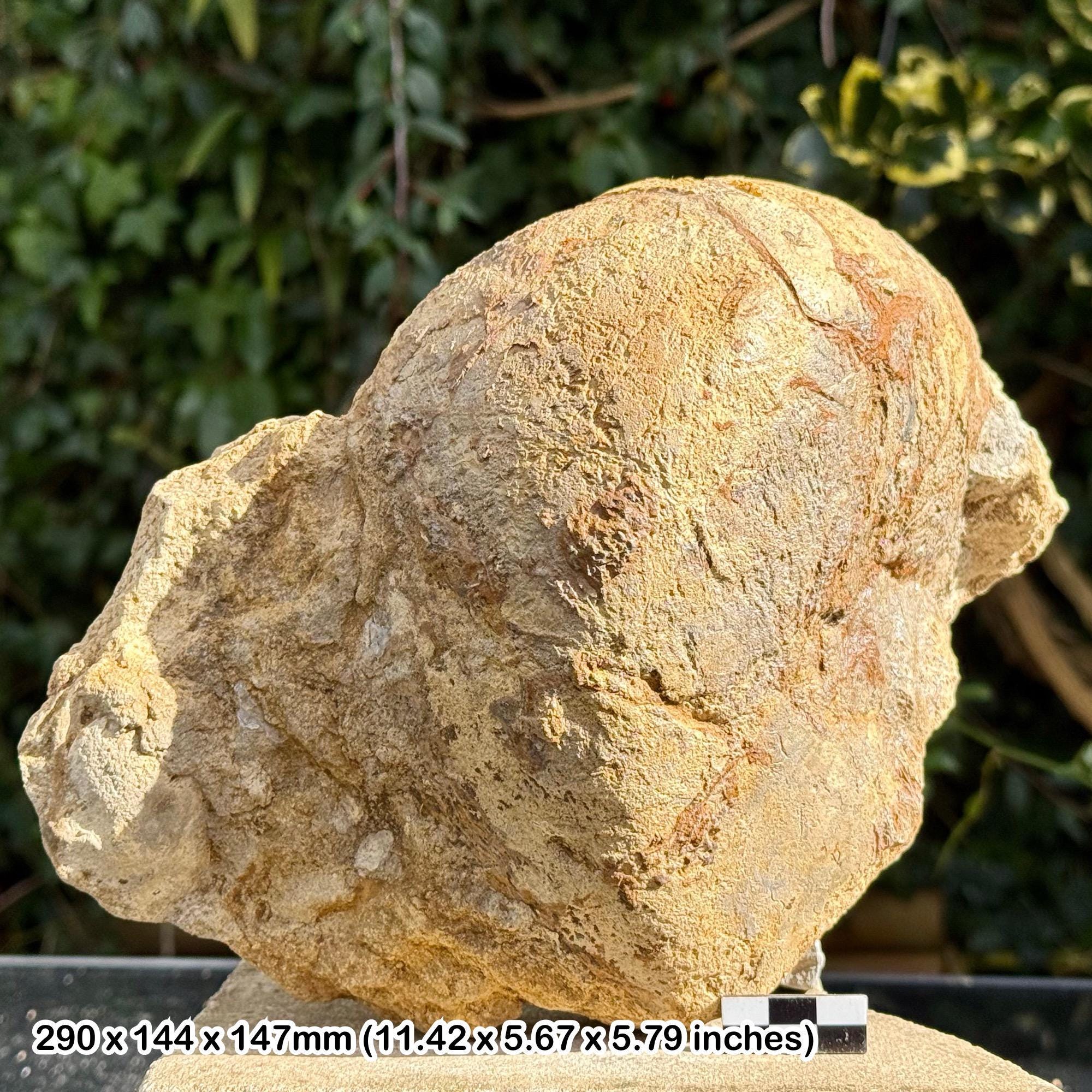
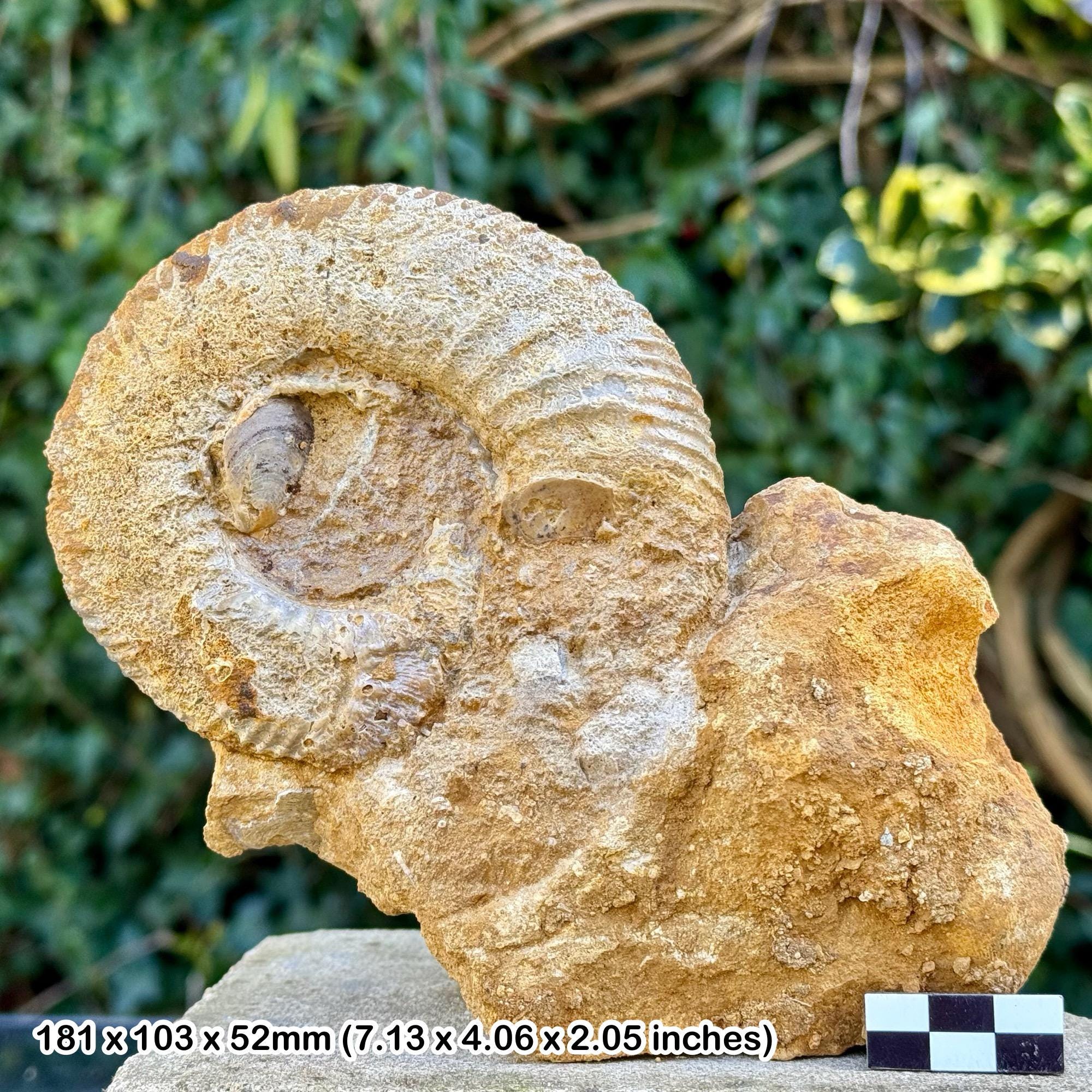
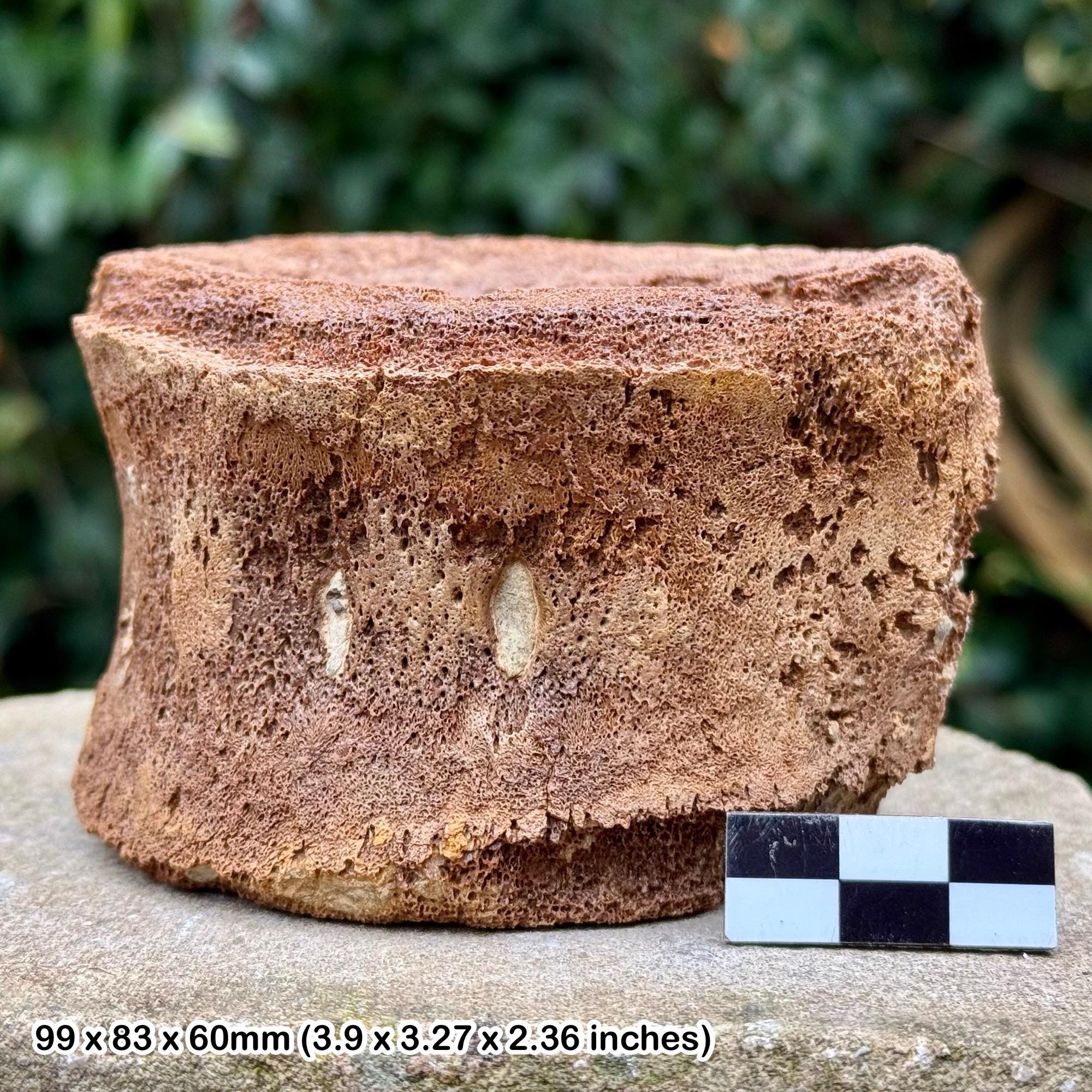
from the Chalk deposits of Ramsgate, Kent, United Kingdom. Dating to the Cretaceous Period, approximately 100–66 million years ago, this specimen provides a fascinating glimpse into the marine life that once thrived in the ancient seas covering much of present-day Europe. The exact specimen shown in the photographs is the one you will receive, with a 1 cm scale cube included for reference. Every fossil comes complete with a Certificate of Authenticity, ensuring its genuineness and provenance. GEOLOGICAL CONTEXTThe fossil comes from the Upper Cretaceous Chalk, a globally significant rock formation formed from microscopic plankton remains deposited on the sea floor during a time of high sea levels and warm climates. The chalk cliffs and deposits of southern England, particularly in Kent, are world-renowned for their abundance of exceptionally preserved fossils, including ammonites, bivalves, and echinoids such as Micraster glyphus. These strata record a flourishing marine ecosystem that thrived in the shallow seas of the Late Cretaceous. SCIENTIFIC CLASSIFICATION
• Kingdom: Animalia
• Phylum: Echinodermata
• Class: Echinoidea
• Order: Spatangoida
• Family: Micrasteridae
• Genus: Micraster
• Species: Micraster glyphus MORPHOLOGICAL FEATURESMicraster glyphus is one of the most distinctive heart-shaped echinoids of the Cretaceous. Its test (shell) displays the characteristic bilateral symmetry, with a slightly elongated, oval shape and a distinct groove running down the anterior side. This indentation is known as the “anterior sulcus,” a functional adaptation thought to aid in feeding and movement as the echinoid burrowed into soft sediments. The upper surface shows a petaloid arrangement of pore pairs, which formed part of the animal’s respiratory system. The intricate details preserved in this specimen highlight the evolutionary sophistication of these echinoids. PALEOECOLOGICAL SIGNIFICANCEEchinoids like Micraster glyphus were infaunal deposit feeders, burrowing into the chalky seabed and feeding on organic matter within the sediment. Their abundance and evolutionary changes over time make them valuable biostratigraphic markers, used by geologists to correlate chalk deposits across wide regions of Europe. The Ramsgate chalk exposures are particularly famous for producing well-preserved examples of Micraster, making this specimen a scientifically significant and collectible fossil. PRESERVATION AND CONDITIONThis specimen retains excellent definition, with its heart-shaped form and surface features well preserved. Subtle details such as the anterior sulcus and test ornamentation can be clearly seen, making it a visually appealing and scientifically valuable piece. The fossil’s preservation within chalk highlights the soft sedimentary environment in which it was originally buried and fossilised. COLLECTOR AND DISPLAY VALUEMicraster glyphus is a highly sought-after echinoid fossil due to its distinctive morphology, abundance in the Cretaceous record, and its role in paleontological studies. This specimen from Ramsgate, Kent, combines scientific importance with aesthetic appeal, making it ideal for both serious fossil collectors and those looking for a unique display piece. Its natural history significance, combined with its striking form, ensures it will be a treasured addition to any collection. AUTHENTICITY GUARANTEEDEach specimen is carefully selected and comes with a Certificate of Authenticity. What you see in the photographs is the exact fossil you will receive, ensuring that every collector can be confident in both the quality and authenticity of their acquisition. This Micraster glyphus fossil offers a direct connection to the Cretaceous seas of England, providing both educational and collectible value.
from the Chalk deposits of Ramsgate, Kent, United Kingdom. Dating to the Cretaceous Period, approximately 100–66 million years ago, this specimen provides a fascinating glimpse into the marine life that once thrived in the ancient seas covering much of present-day Europe. The exact specimen shown in the photographs is the one you will receive, with a 1 cm scale cube included for reference. Every fossil comes complete with a Certificate of Authenticity, ensuring its genuineness and provenance. GEOLOGICAL CONTEXTThe fossil comes from the Upper Cretaceous Chalk, a globally significant rock formation formed from microscopic plankton remains deposited on the sea floor during a time of high sea levels and warm climates. The chalk cliffs and deposits of southern England, particularly in Kent, are world-renowned for their abundance of exceptionally preserved fossils, including ammonites, bivalves, and echinoids such as Micraster glyphus. These strata record a flourishing marine ecosystem that thrived in the shallow seas of the Late Cretaceous. SCIENTIFIC CLASSIFICATION
• Kingdom: Animalia
• Phylum: Echinodermata
• Class: Echinoidea
• Order: Spatangoida
• Family: Micrasteridae
• Genus: Micraster
• Species: Micraster glyphus MORPHOLOGICAL FEATURESMicraster glyphus is one of the most distinctive heart-shaped echinoids of the Cretaceous. Its test (shell) displays the characteristic bilateral symmetry, with a slightly elongated, oval shape and a distinct groove running down the anterior side. This indentation is known as the “anterior sulcus,” a functional adaptation thought to aid in feeding and movement as the echinoid burrowed into soft sediments. The upper surface shows a petaloid arrangement of pore pairs, which formed part of the animal’s respiratory system. The intricate details preserved in this specimen highlight the evolutionary sophistication of these echinoids. PALEOECOLOGICAL SIGNIFICANCEEchinoids like Micraster glyphus were infaunal deposit feeders, burrowing into the chalky seabed and feeding on organic matter within the sediment. Their abundance and evolutionary changes over time make them valuable biostratigraphic markers, used by geologists to correlate chalk deposits across wide regions of Europe. The Ramsgate chalk exposures are particularly famous for producing well-preserved examples of Micraster, making this specimen a scientifically significant and collectible fossil. PRESERVATION AND CONDITIONThis specimen retains excellent definition, with its heart-shaped form and surface features well preserved. Subtle details such as the anterior sulcus and test ornamentation can be clearly seen, making it a visually appealing and scientifically valuable piece. The fossil’s preservation within chalk highlights the soft sedimentary environment in which it was originally buried and fossilised. COLLECTOR AND DISPLAY VALUEMicraster glyphus is a highly sought-after echinoid fossil due to its distinctive morphology, abundance in the Cretaceous record, and its role in paleontological studies. This specimen from Ramsgate, Kent, combines scientific importance with aesthetic appeal, making it ideal for both serious fossil collectors and those looking for a unique display piece. Its natural history significance, combined with its striking form, ensures it will be a treasured addition to any collection. AUTHENTICITY GUARANTEEDEach specimen is carefully selected and comes with a Certificate of Authenticity. What you see in the photographs is the exact fossil you will receive, ensuring that every collector can be confident in both the quality and authenticity of their acquisition. This Micraster glyphus fossil offers a direct connection to the Cretaceous seas of England, providing both educational and collectible value.
Other Products