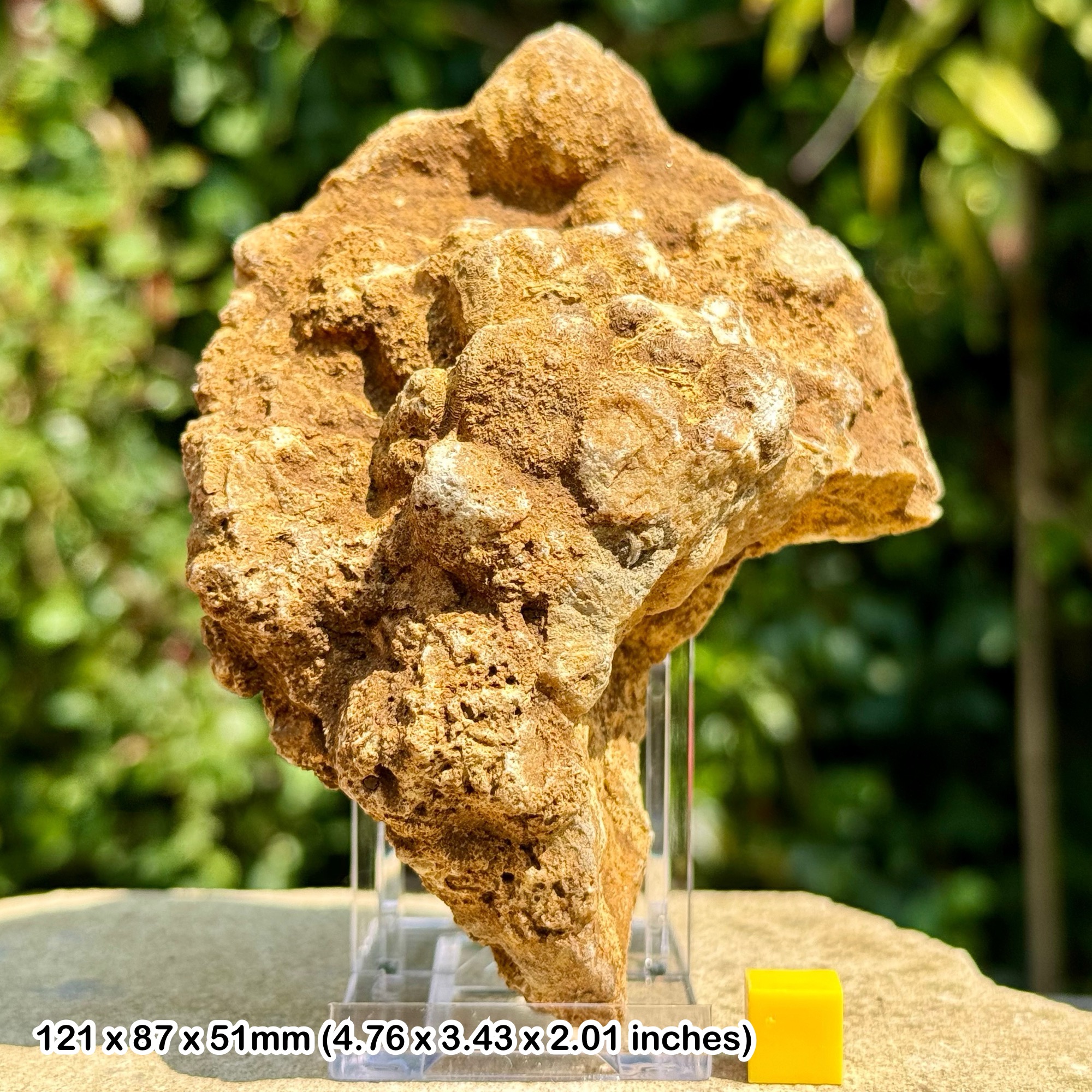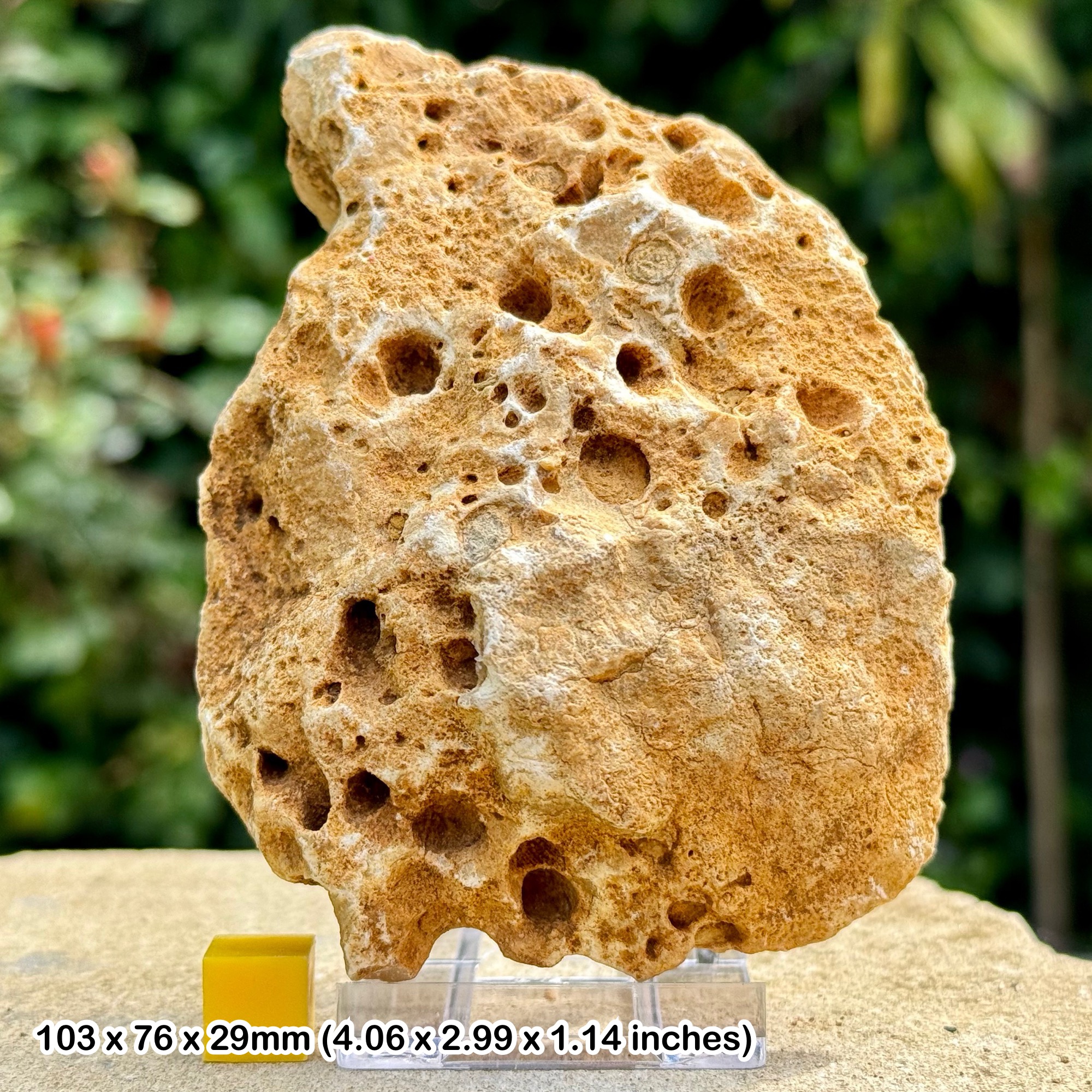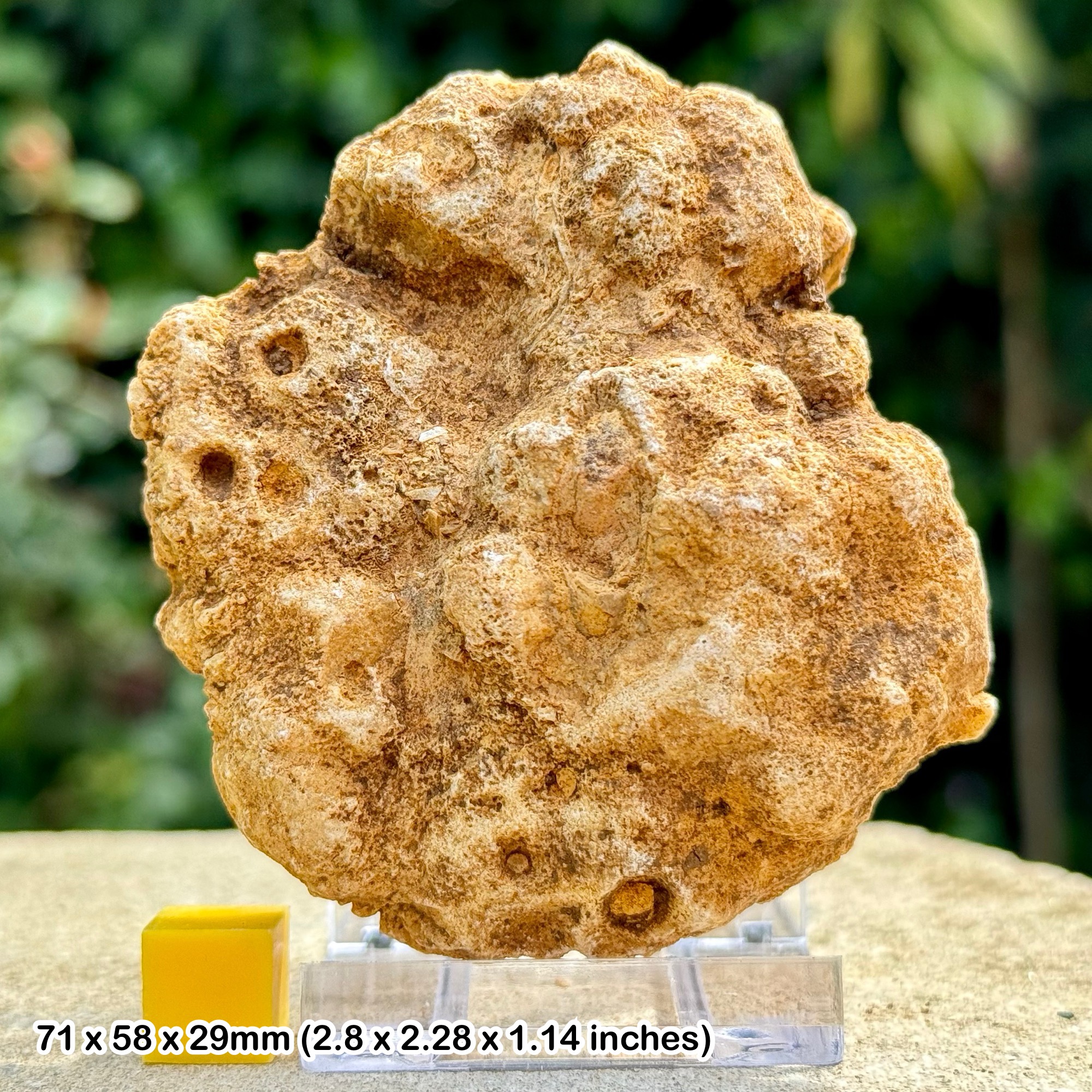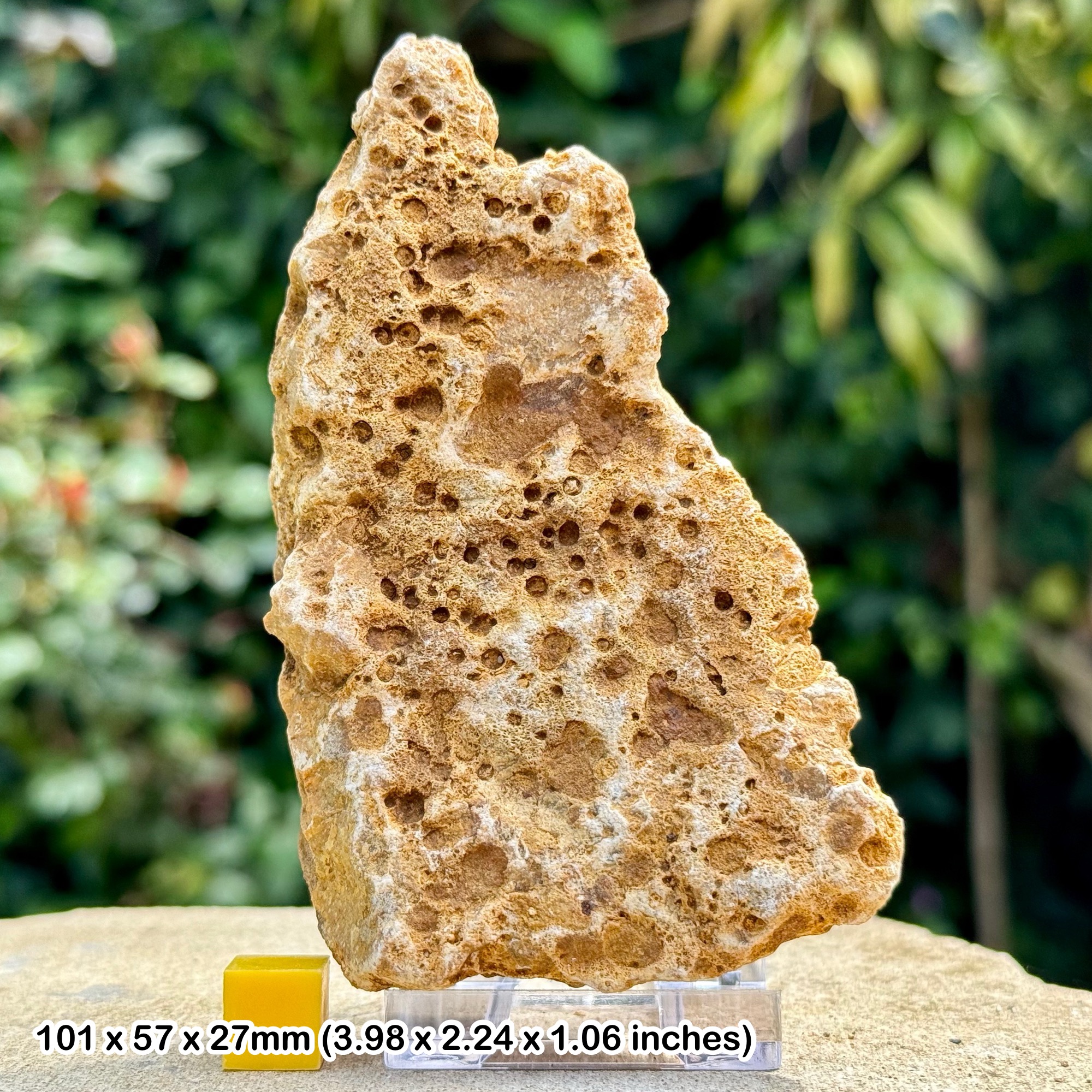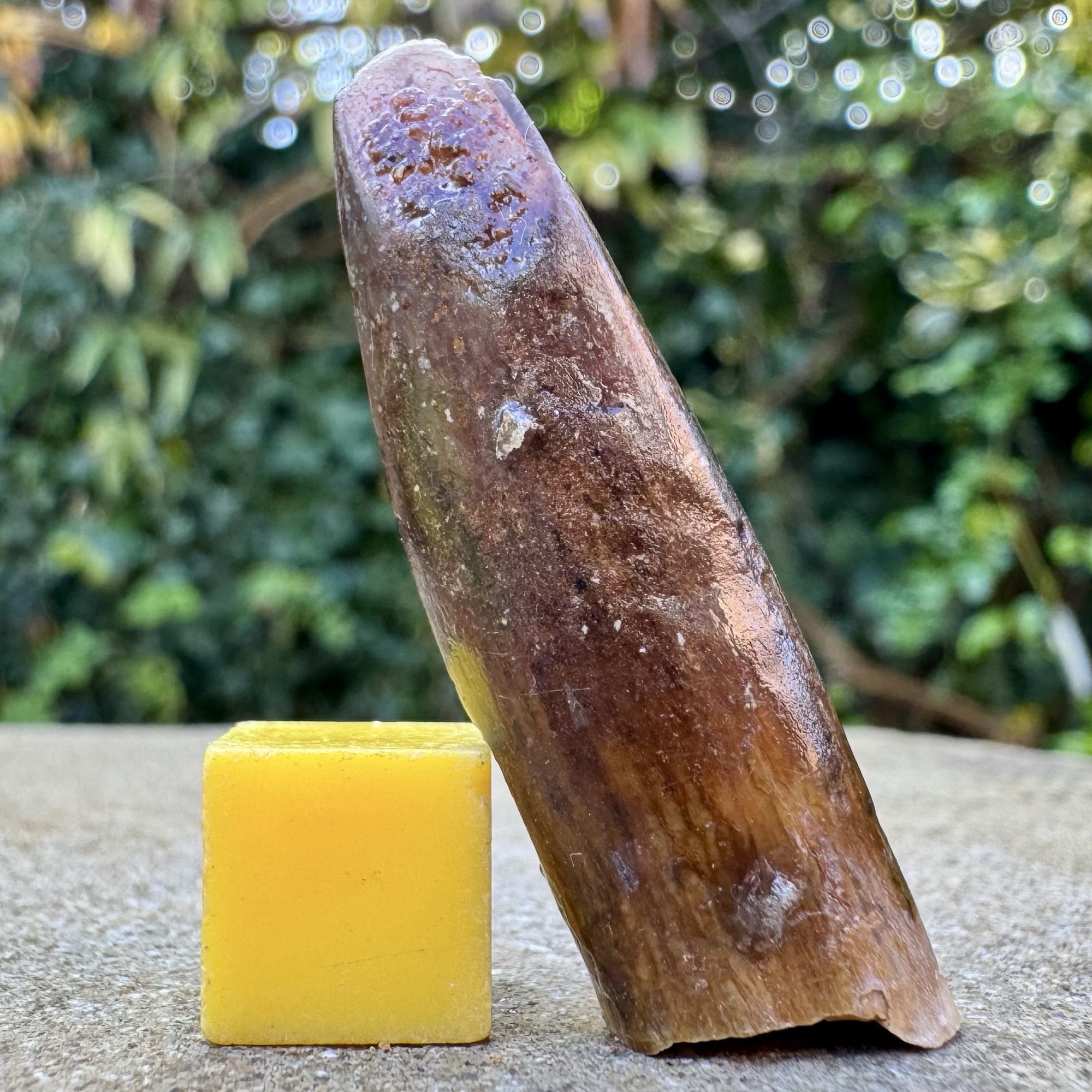
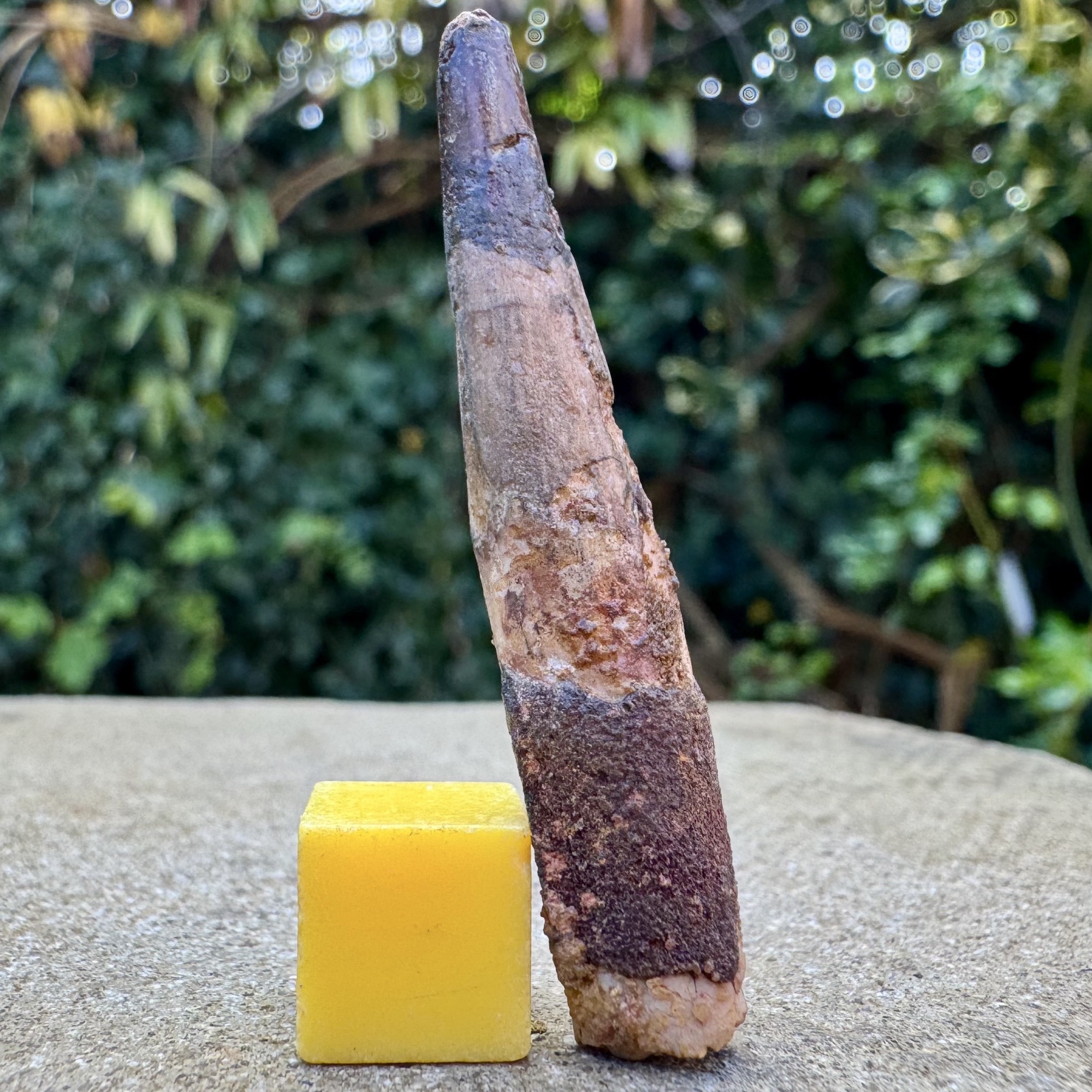
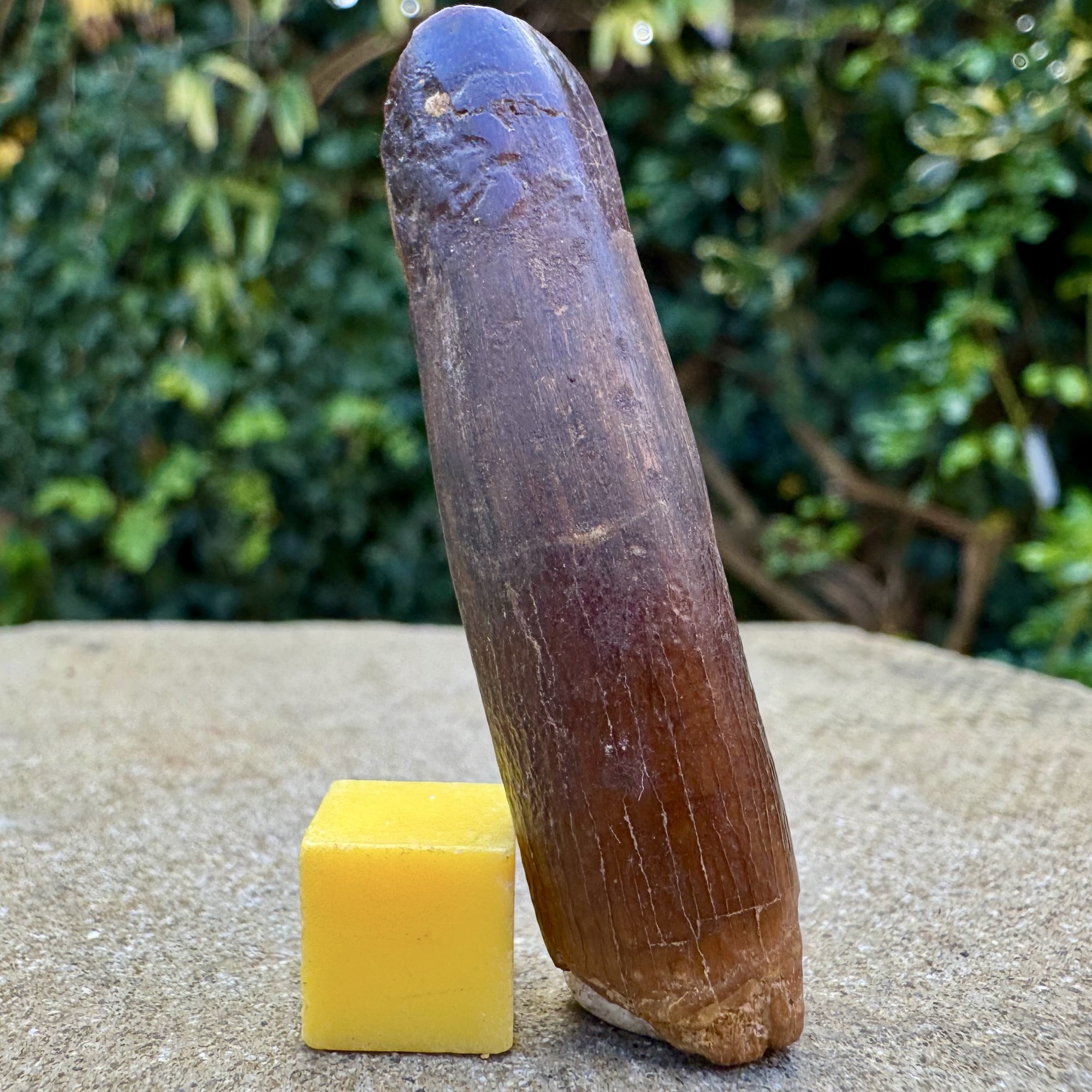
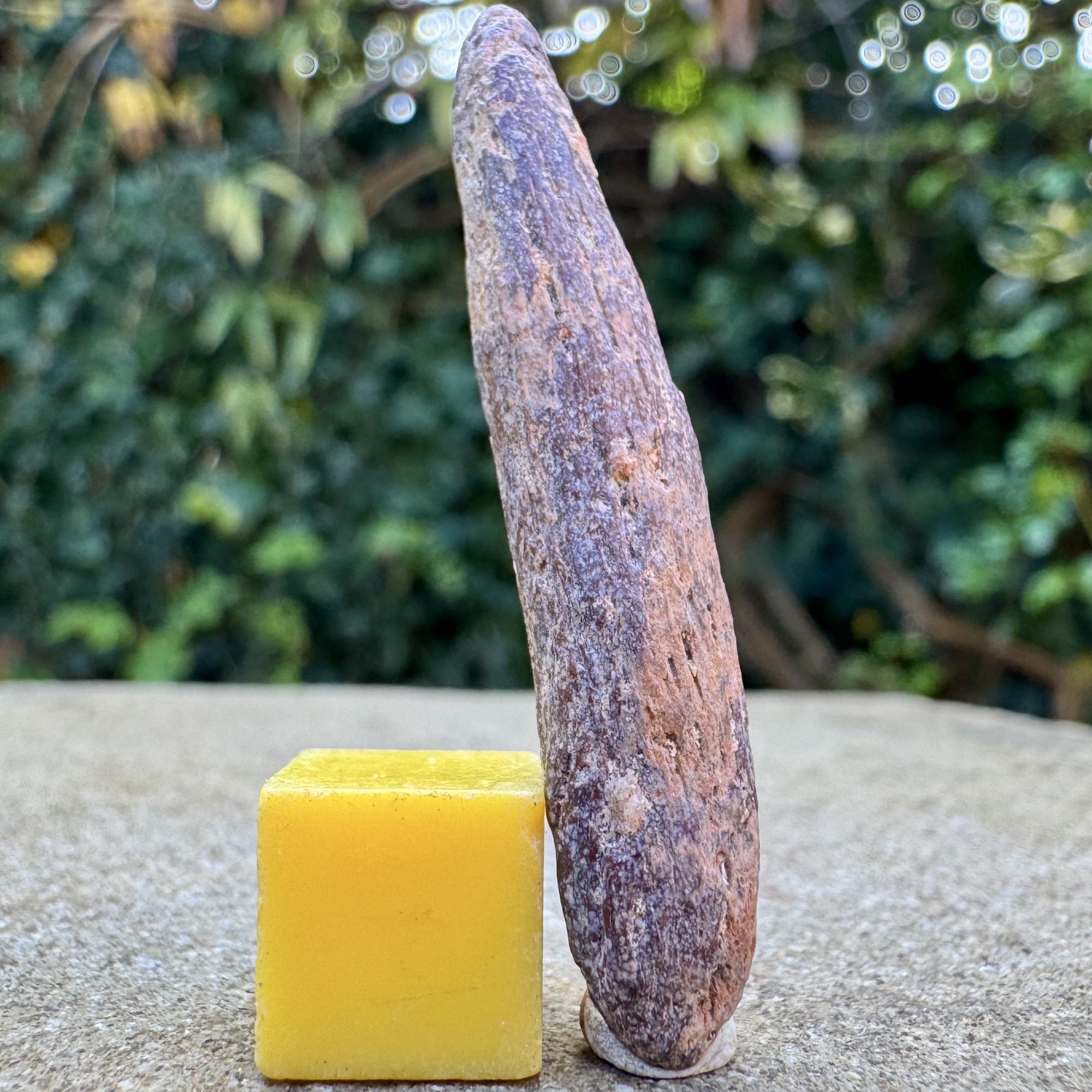
Rebbachisaurus Dinosaur Tooth Fossil Cretaceous Sauropod 35-50mm Specimen
£ 30.00
Rebbachisaurus Dinosaur Tooth Fossil from the Upper CretaceousThis genuine Rebbachisaurus dinosaur tooth fossil dates to the Upper Cretaceous
period, specifically the Cenomanian stage approximately 100–94 million years ago. Representing a large herbivorous sauropod dinosaur, this specimen offers a direct and tangible link to one of the long-necked giants that inhabited ancient ecosystems. The photograph provided shows an example of the actual specimen you will receive, with each tooth carefully selected for quality, preservation, and visual appeal, measuring approximately 35–50mm.Geological Context – Cenomanian Stage, Upper CretaceousDuring the Cenomanian, large regions of North Africa were characterised by extensive river systems, floodplains, and coastal environments linked to the Tethys Ocean. These environments supported a diverse range of life, including massive herbivorous dinosaurs like Rebbachisaurus, as well as carnivorous theropods, crocodilians, and abundant vegetation. The sedimentary deposits from this period, typically sandstones and mudstones, provided ideal conditions for the preservation of fossil remains, particularly durable elements such as teeth.These fossil-bearing deposits are well known for yielding high-quality dinosaur material, offering valuable insights into Cretaceous terrestrial ecosystems.Fossil Type and Taxonomic ClassificationRebbachisaurus belongs to the order Saurischia, within the infraorder Sauropoda, and is classified under the family Rebbachisauridae. This group of diplodocoid sauropods is known for their relatively lightweight skeletal structures and specialised feeding strategies. The genus was first described by paleontologist René Lavocat in 1954 and remains an important representative of North African dinosaur fauna.Teeth from this genus are particularly significant as they provide insight into the feeding behaviour and ecological role of these large herbivores.Morphological Features and Feeding AdaptationsThis tooth exhibits the classic elongated and slender morphology associated with Rebbachisaurus dentition. Slightly curved and tapering toward the tip, it was ideally adapted for cropping and stripping vegetation rather than chewing. Unlike carnivorous dinosaur teeth, it lacks serrations and instead features a smooth enamel surface suited to processing plant material.The size range of 35–50mm makes this a particularly desirable specimen, offering a more substantial example of sauropod dentition. Subtle wear patterns may be present along the surface, indicating repeated use against fibrous plant material and providing further insight into feeding habits.The overall structure reflects an efficient feeding mechanism, allowing these dinosaurs to consume large quantities of vegetation to sustain their massive bodies.Depositional Environment and PreservationThe fossilisation process occurred in sediment-rich environments where remains were rapidly buried by river or floodplain deposits. Over millions of years, mineralisation replaced the original biological material, preserving the tooth in stone while retaining its original form. Teeth are among the most commonly preserved dinosaur fossils due to their density, making them highly durable and ideal for long-term preservation.These conditions have resulted in a fossil that retains both structural integrity and natural detail.Authenticity and Certificate of GuaranteeThis fossil is a genuine specimen and includes a Certificate of Authenticity lifetime guarantee card. Each piece is carefully selected and handled to preserve its natural condition, ensuring you receive a high-quality and authentic fossil suitable for any collection.Ideal for Collectors, Display, and Educational UseA Rebbachisaurus dinosaur tooth fossil is an excellent addition to any fossil or dinosaur collection. Its association with a large herbivorous sauropod from the Cretaceous period makes it both scientifically significant and visually impressive. Whether displayed in a cabinet, study, or educational setting, it offers a meaningful connection to prehistoric life.Size and Specimen InformationEach specimen measures approximately 35–50mm. Please refer to the photograph for general size and quality reference. You will receive a carefully chosen example consistent with the image shown, ensuring a high-quality and authentic addition to your collection.
period, specifically the Cenomanian stage approximately 100–94 million years ago. Representing a large herbivorous sauropod dinosaur, this specimen offers a direct and tangible link to one of the long-necked giants that inhabited ancient ecosystems. The photograph provided shows an example of the actual specimen you will receive, with each tooth carefully selected for quality, preservation, and visual appeal, measuring approximately 35–50mm.Geological Context – Cenomanian Stage, Upper CretaceousDuring the Cenomanian, large regions of North Africa were characterised by extensive river systems, floodplains, and coastal environments linked to the Tethys Ocean. These environments supported a diverse range of life, including massive herbivorous dinosaurs like Rebbachisaurus, as well as carnivorous theropods, crocodilians, and abundant vegetation. The sedimentary deposits from this period, typically sandstones and mudstones, provided ideal conditions for the preservation of fossil remains, particularly durable elements such as teeth.These fossil-bearing deposits are well known for yielding high-quality dinosaur material, offering valuable insights into Cretaceous terrestrial ecosystems.Fossil Type and Taxonomic ClassificationRebbachisaurus belongs to the order Saurischia, within the infraorder Sauropoda, and is classified under the family Rebbachisauridae. This group of diplodocoid sauropods is known for their relatively lightweight skeletal structures and specialised feeding strategies. The genus was first described by paleontologist René Lavocat in 1954 and remains an important representative of North African dinosaur fauna.Teeth from this genus are particularly significant as they provide insight into the feeding behaviour and ecological role of these large herbivores.Morphological Features and Feeding AdaptationsThis tooth exhibits the classic elongated and slender morphology associated with Rebbachisaurus dentition. Slightly curved and tapering toward the tip, it was ideally adapted for cropping and stripping vegetation rather than chewing. Unlike carnivorous dinosaur teeth, it lacks serrations and instead features a smooth enamel surface suited to processing plant material.The size range of 35–50mm makes this a particularly desirable specimen, offering a more substantial example of sauropod dentition. Subtle wear patterns may be present along the surface, indicating repeated use against fibrous plant material and providing further insight into feeding habits.The overall structure reflects an efficient feeding mechanism, allowing these dinosaurs to consume large quantities of vegetation to sustain their massive bodies.Depositional Environment and PreservationThe fossilisation process occurred in sediment-rich environments where remains were rapidly buried by river or floodplain deposits. Over millions of years, mineralisation replaced the original biological material, preserving the tooth in stone while retaining its original form. Teeth are among the most commonly preserved dinosaur fossils due to their density, making them highly durable and ideal for long-term preservation.These conditions have resulted in a fossil that retains both structural integrity and natural detail.Authenticity and Certificate of GuaranteeThis fossil is a genuine specimen and includes a Certificate of Authenticity lifetime guarantee card. Each piece is carefully selected and handled to preserve its natural condition, ensuring you receive a high-quality and authentic fossil suitable for any collection.Ideal for Collectors, Display, and Educational UseA Rebbachisaurus dinosaur tooth fossil is an excellent addition to any fossil or dinosaur collection. Its association with a large herbivorous sauropod from the Cretaceous period makes it both scientifically significant and visually impressive. Whether displayed in a cabinet, study, or educational setting, it offers a meaningful connection to prehistoric life.Size and Specimen InformationEach specimen measures approximately 35–50mm. Please refer to the photograph for general size and quality reference. You will receive a carefully chosen example consistent with the image shown, ensuring a high-quality and authentic addition to your collection.