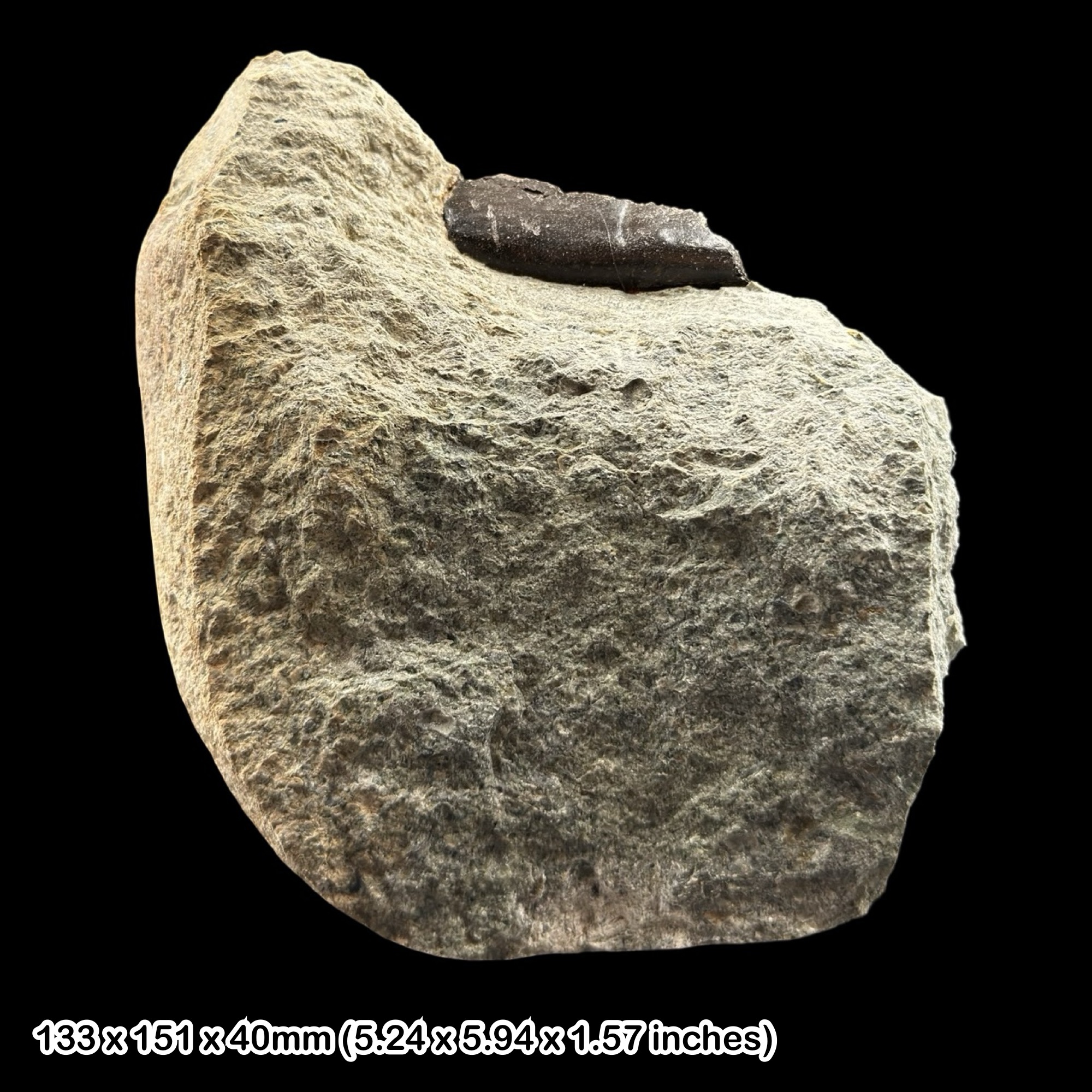
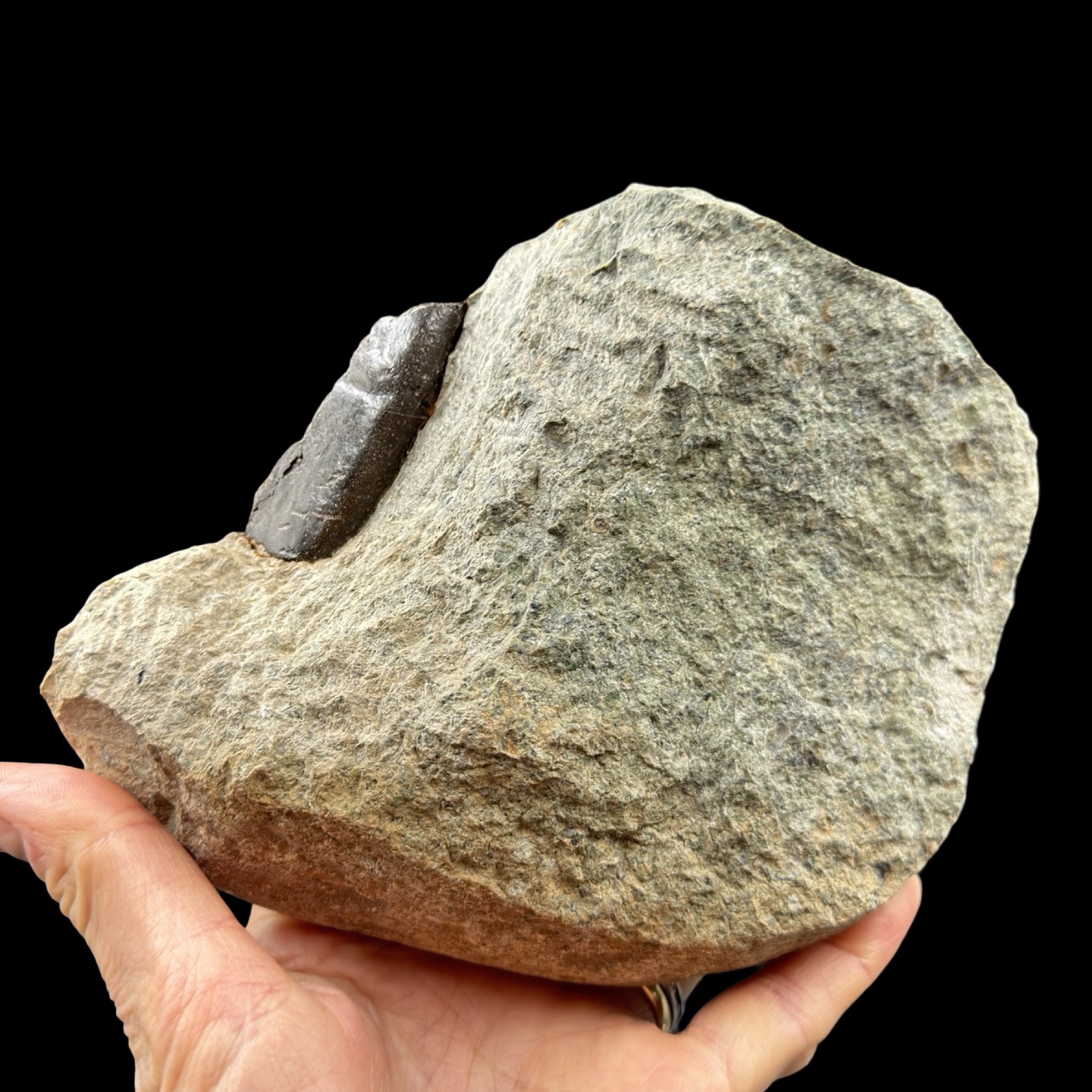
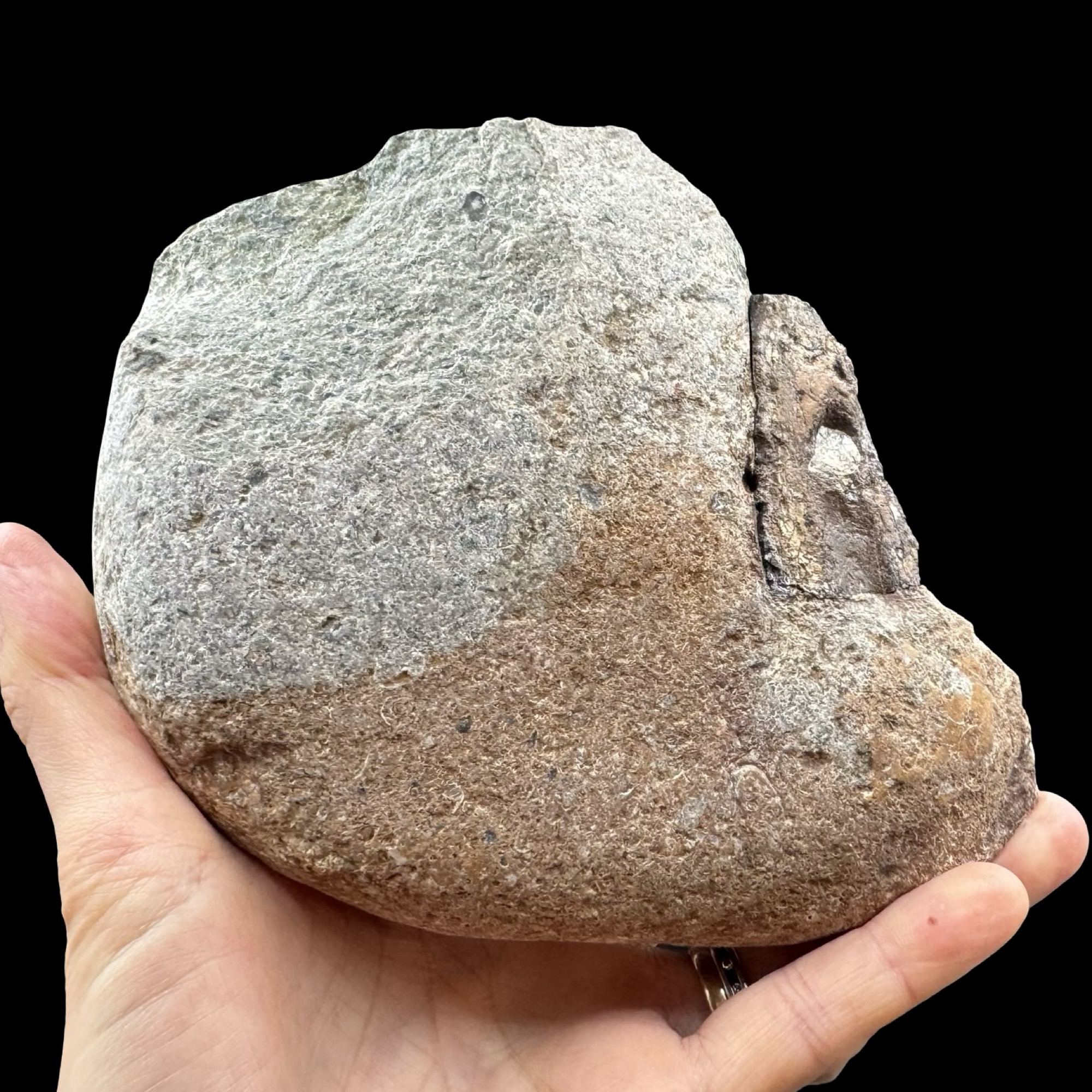
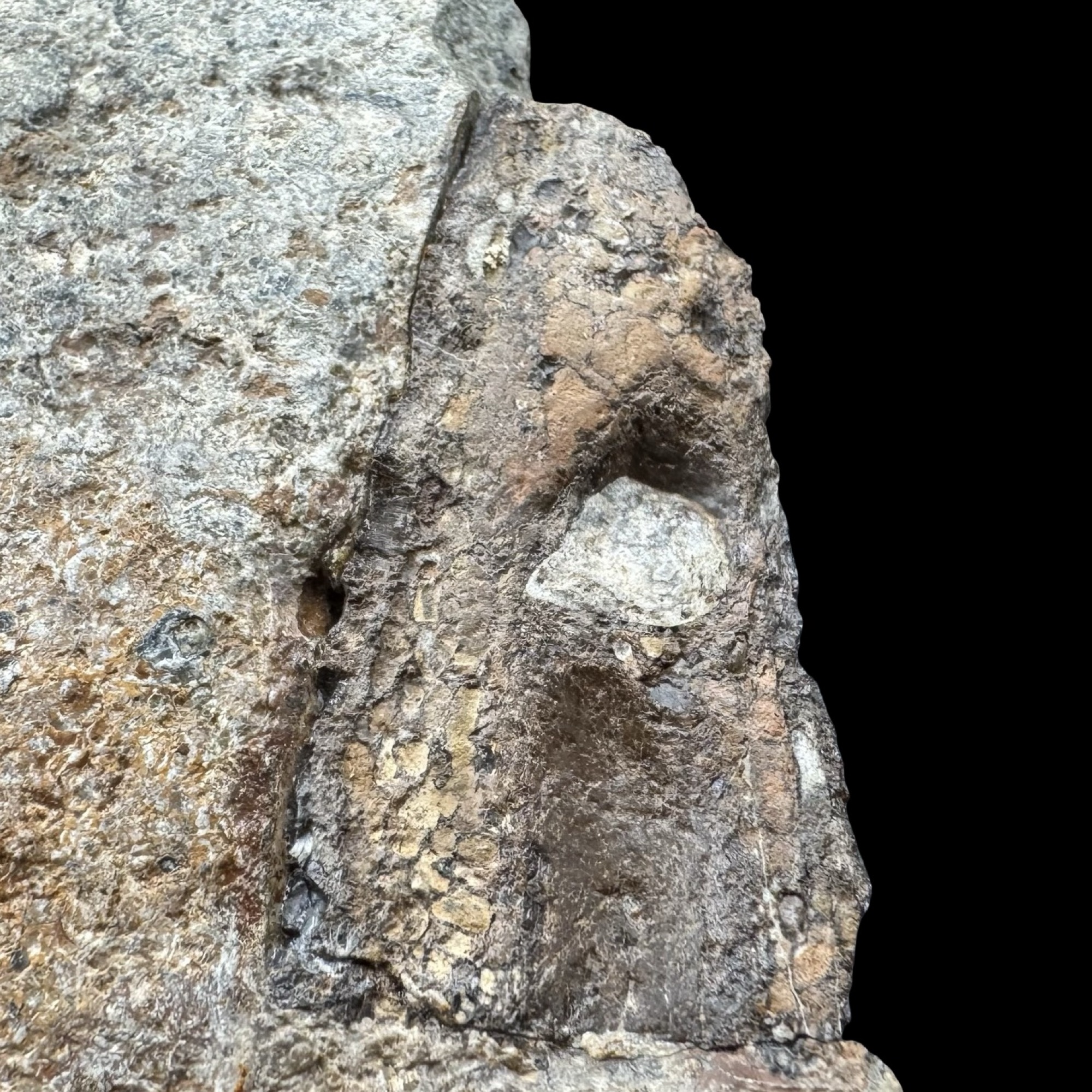
Fossil Turtle Bone Specimen Cretaceous Dorset UK Durlston Bay Swanage Purbeck Beds Durlston Formation Rare Reptile Fossil
£ 60.00
GENUINE FOSSIL TURTLE BONE FROM THE PURBECK COAST OF DORSETOffered here is an authentic fossil turtle bone specimen, collected from the
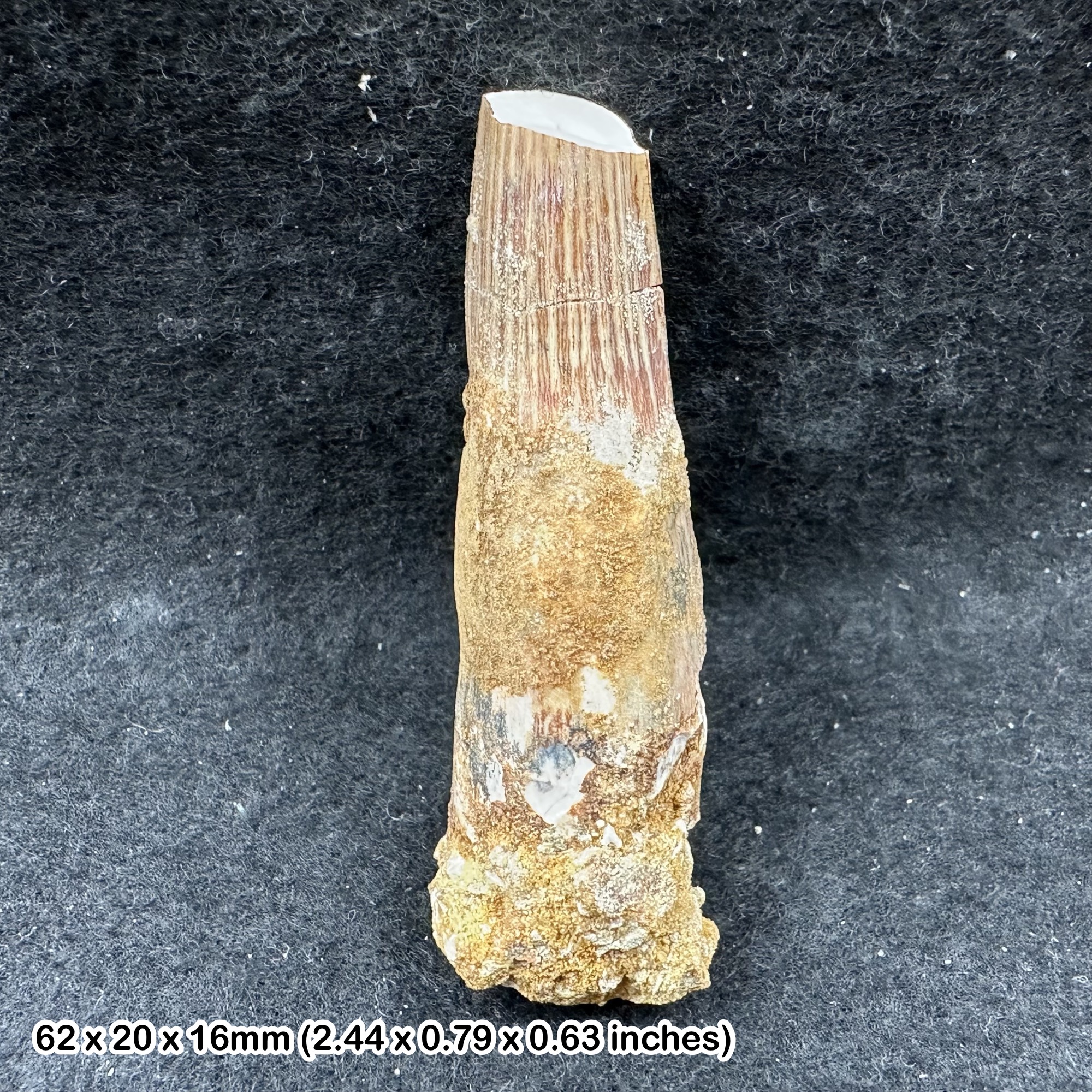
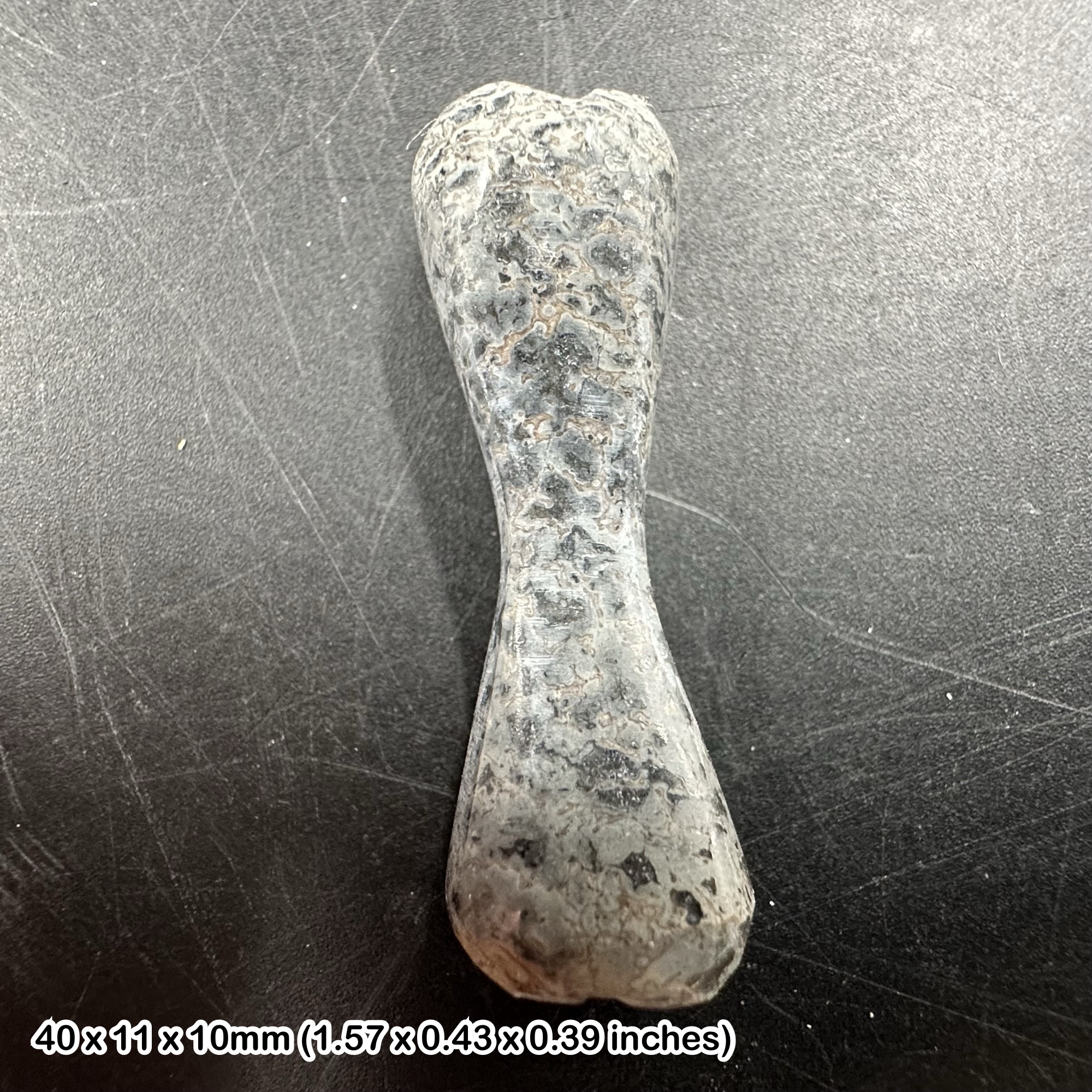
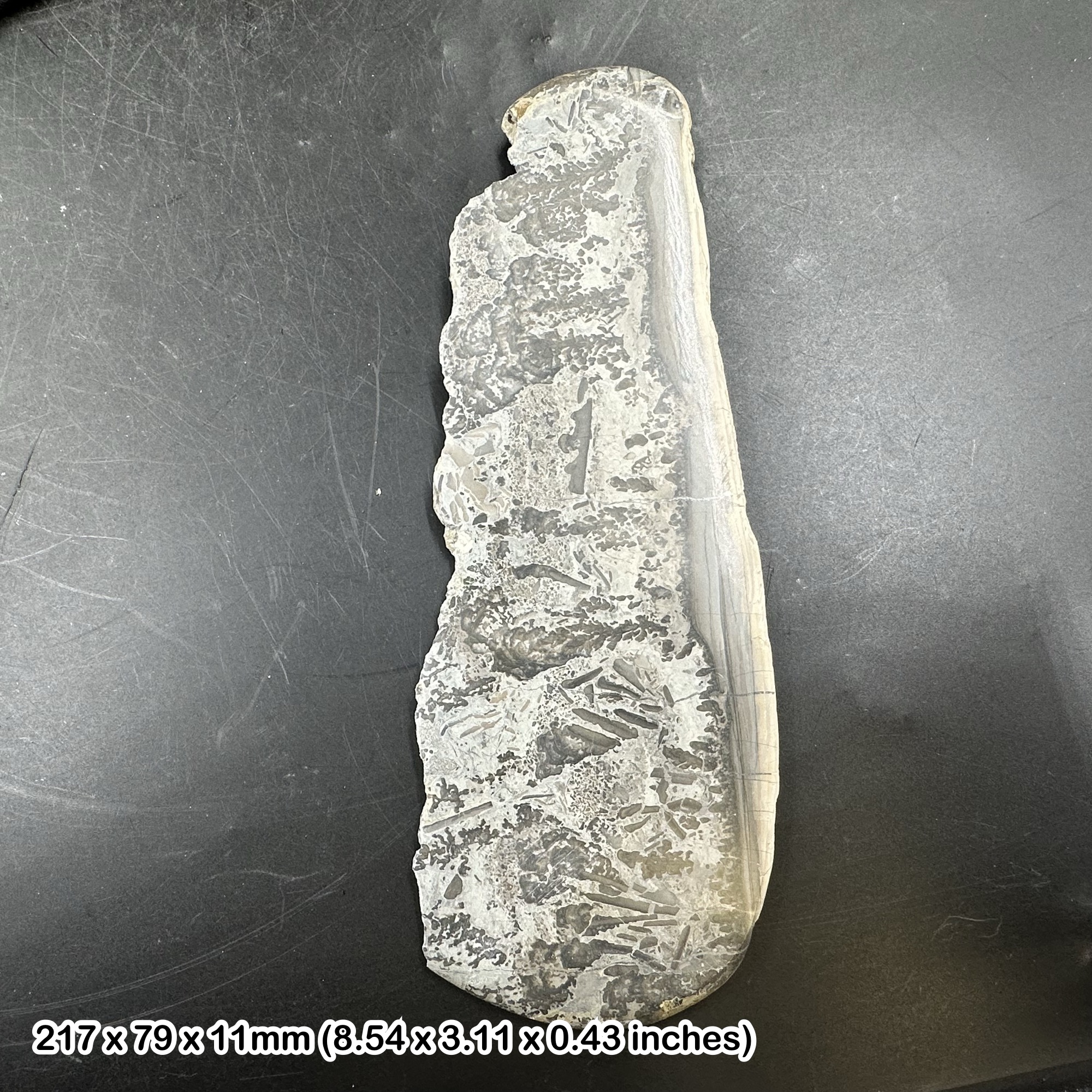
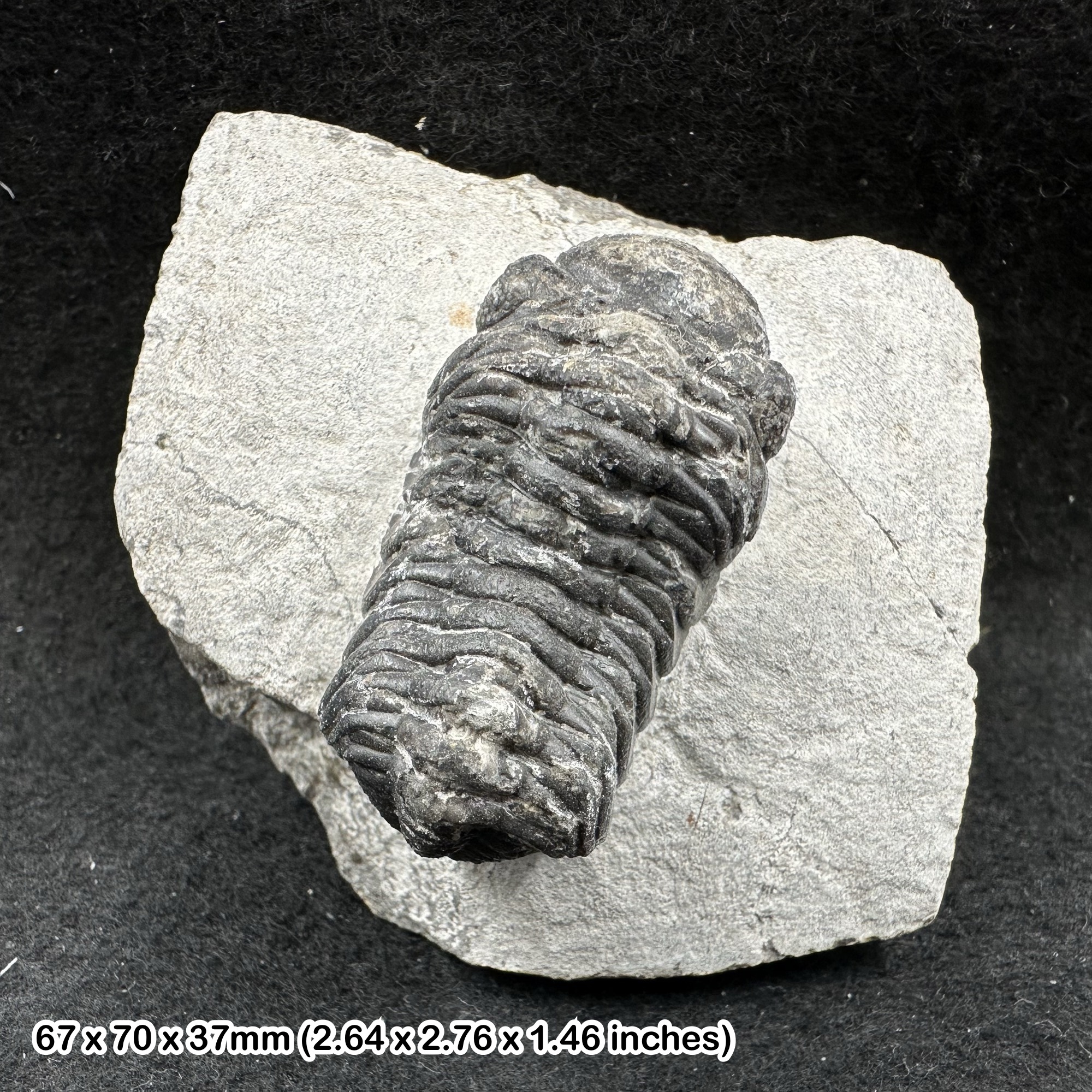
renowned Durlston Formation (Purbeck Beds) at Durlston Bay, Swanage, Dorset, UK. Turtle fossils from the Purbeck succession are highly sought after due to their rarity and their importance in understanding reptile life during the Jurassic–Cretaceous transition.This is a carefully chosen and naturally preserved piece, with the photographs showing the exact fossil you will receive. Full sizing and scale are clearly visible in the images.The specimen was discovered by our own team members, Alister and Alison, on 17 January 2026, and has been professionally cleaned, prepared, and treated by Alison to ensure long-term stability and excellent presentation. It is supplied with a lifetime Certificate of Authenticity on a generic card, confirming it as a genuine fossil specimen. TURTLE FOSSILS OF THE EARLY CRETACEOUSTurtles belong to the Order Testudines, one of the most distinctive reptile groups, characterised by their protective shells and long evolutionary history. By the latest Jurassic and earliest Cretaceous, turtles were already diverse and occupied a wide range of habitats, including freshwater lagoons, coastal environments, and shallow marine settings.Fossil turtle bones from Dorset provide rare evidence of these reptiles living alongside crocodilians, fish, and early mammals in the unique Purbeck ecosystems. MORPHOLOGY AND PRESERVATIONThis fossil represents genuine turtle skeletal material, preserved within its natural matrix. Turtle bones are often recognisable by their dense structure and characteristic surface texture, reflecting their adaptation for supporting the shell and body.The preservation retains authentic anatomical detail, making the specimen valuable not only as a collectible but also as an educational example of reptile palaeontology. Fossil turtle remains are much less common than invertebrate fossils from the same deposits, adding to the desirability of this piece.The specimen has been carefully prepared to highlight the bone while maintaining the integrity of the surrounding rock, ensuring a natural and scientifically meaningful display. GEOLOGICAL SETTING – THE DURLSTON FORMATION, PURBECK BEDSThe Durlston Formation is part of the famous Purbeck Group, dating to the latest Jurassic through earliest Cretaceous. These rocks were deposited in a dynamic environment of:
• Shallow coastal lagoons
• Brackish and freshwater systems
• Periodic marine incursions
• Mudflats and limestone-rich sedimentsDurlston Bay is internationally recognised for producing rare vertebrate fossils, including turtles, crocodilians, and fish. The Purbeck Beds are especially significant because they preserve a transition between marine Jurassic ecosystems and the emerging terrestrial environments of the Early Cretaceous. COLLECTOR AND DISPLAY VALUEFossil turtle bone specimens are prized by collectors for their rarity and their connection to one of Britain’s most famous fossil formations. This piece is ideal for:
• Fossil and vertebrate collectors
• Educational and teaching collections
• Cabinet or shelf display
• Enthusiasts of British Jurassic and Cretaceous reptilesOwning a genuine turtle fossil offers a tangible link to reptiles that lived nearly 145 million years ago, thriving in the lagoonal landscapes of prehistoric Dorset. AUTHENTICITY AND PROVENANCE
• Fossil type: Turtle bone specimen
• Formation: Durlston Formation, Purbeck Beds
• Locality: Durlston Bay, Swanage, Dorset, UK
• Discovery date: 17 January 2026
• Prepared by: Alison
• Certificate: Lifetime Certificate of Authenticity includedThis is a rare opportunity to acquire an authentic British turtle fossil with full provenance, professional preparation, and guaranteed authenticity from one of the most historic fossil localities in the United Kingdom.
renowned Durlston Formation (Purbeck Beds) at Durlston Bay, Swanage, Dorset, UK. Turtle fossils from the Purbeck succession are highly sought after due to their rarity and their importance in understanding reptile life during the Jurassic–Cretaceous transition.This is a carefully chosen and naturally preserved piece, with the photographs showing the exact fossil you will receive. Full sizing and scale are clearly visible in the images.The specimen was discovered by our own team members, Alister and Alison, on 17 January 2026, and has been professionally cleaned, prepared, and treated by Alison to ensure long-term stability and excellent presentation. It is supplied with a lifetime Certificate of Authenticity on a generic card, confirming it as a genuine fossil specimen. TURTLE FOSSILS OF THE EARLY CRETACEOUSTurtles belong to the Order Testudines, one of the most distinctive reptile groups, characterised by their protective shells and long evolutionary history. By the latest Jurassic and earliest Cretaceous, turtles were already diverse and occupied a wide range of habitats, including freshwater lagoons, coastal environments, and shallow marine settings.Fossil turtle bones from Dorset provide rare evidence of these reptiles living alongside crocodilians, fish, and early mammals in the unique Purbeck ecosystems. MORPHOLOGY AND PRESERVATIONThis fossil represents genuine turtle skeletal material, preserved within its natural matrix. Turtle bones are often recognisable by their dense structure and characteristic surface texture, reflecting their adaptation for supporting the shell and body.The preservation retains authentic anatomical detail, making the specimen valuable not only as a collectible but also as an educational example of reptile palaeontology. Fossil turtle remains are much less common than invertebrate fossils from the same deposits, adding to the desirability of this piece.The specimen has been carefully prepared to highlight the bone while maintaining the integrity of the surrounding rock, ensuring a natural and scientifically meaningful display. GEOLOGICAL SETTING – THE DURLSTON FORMATION, PURBECK BEDSThe Durlston Formation is part of the famous Purbeck Group, dating to the latest Jurassic through earliest Cretaceous. These rocks were deposited in a dynamic environment of:
• Shallow coastal lagoons
• Brackish and freshwater systems
• Periodic marine incursions
• Mudflats and limestone-rich sedimentsDurlston Bay is internationally recognised for producing rare vertebrate fossils, including turtles, crocodilians, and fish. The Purbeck Beds are especially significant because they preserve a transition between marine Jurassic ecosystems and the emerging terrestrial environments of the Early Cretaceous. COLLECTOR AND DISPLAY VALUEFossil turtle bone specimens are prized by collectors for their rarity and their connection to one of Britain’s most famous fossil formations. This piece is ideal for:
• Fossil and vertebrate collectors
• Educational and teaching collections
• Cabinet or shelf display
• Enthusiasts of British Jurassic and Cretaceous reptilesOwning a genuine turtle fossil offers a tangible link to reptiles that lived nearly 145 million years ago, thriving in the lagoonal landscapes of prehistoric Dorset. AUTHENTICITY AND PROVENANCE
• Fossil type: Turtle bone specimen
• Formation: Durlston Formation, Purbeck Beds
• Locality: Durlston Bay, Swanage, Dorset, UK
• Discovery date: 17 January 2026
• Prepared by: Alison
• Certificate: Lifetime Certificate of Authenticity includedThis is a rare opportunity to acquire an authentic British turtle fossil with full provenance, professional preparation, and guaranteed authenticity from one of the most historic fossil localities in the United Kingdom.
Other Products