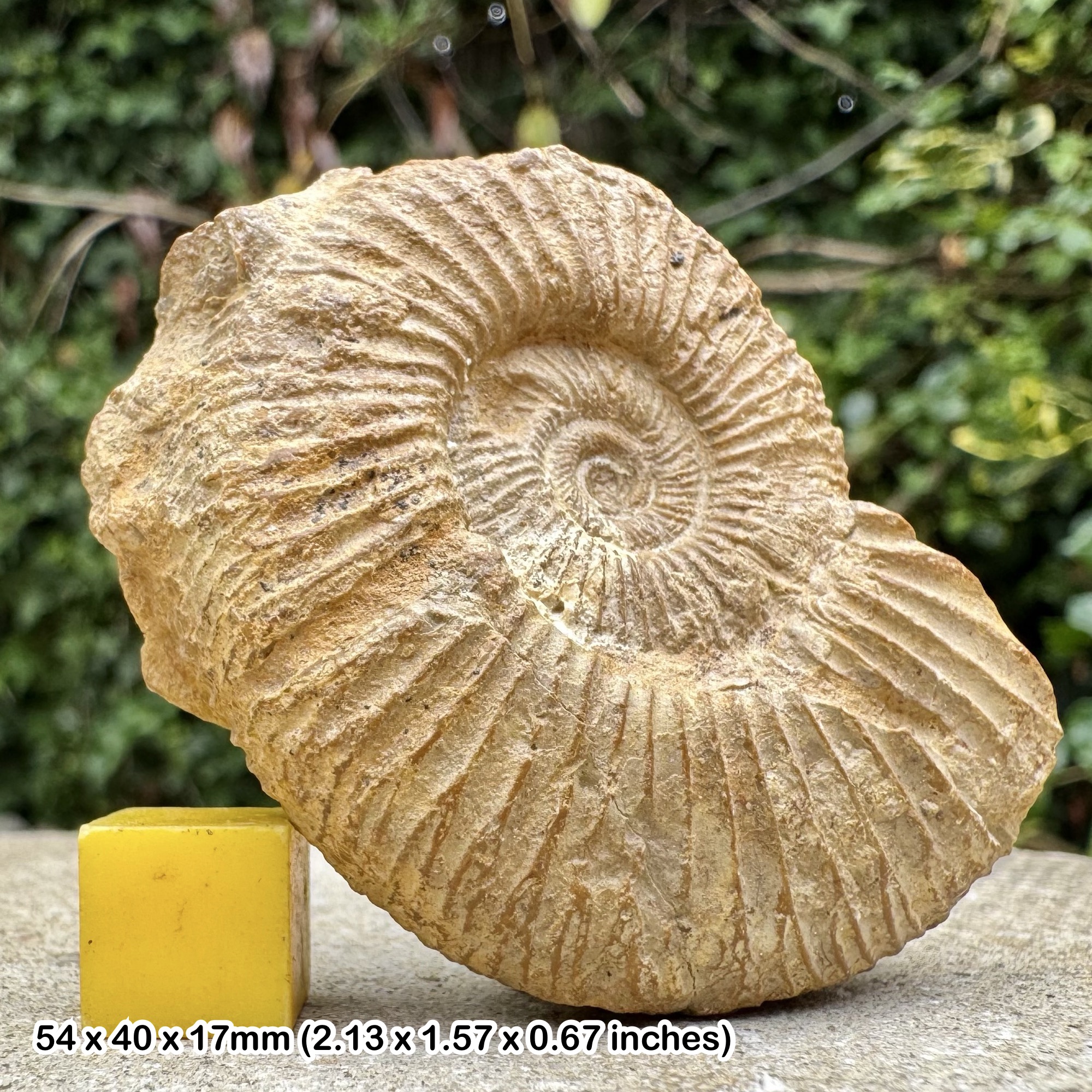
Dichotomoceras antecedens Fossil Ammonite - Oxfordian Jurassic - Tulear Madagascar - Genuine with Certificate
£ 14.40
This listing features a genuine Dichotomoceras antecedens fossil ammonite from
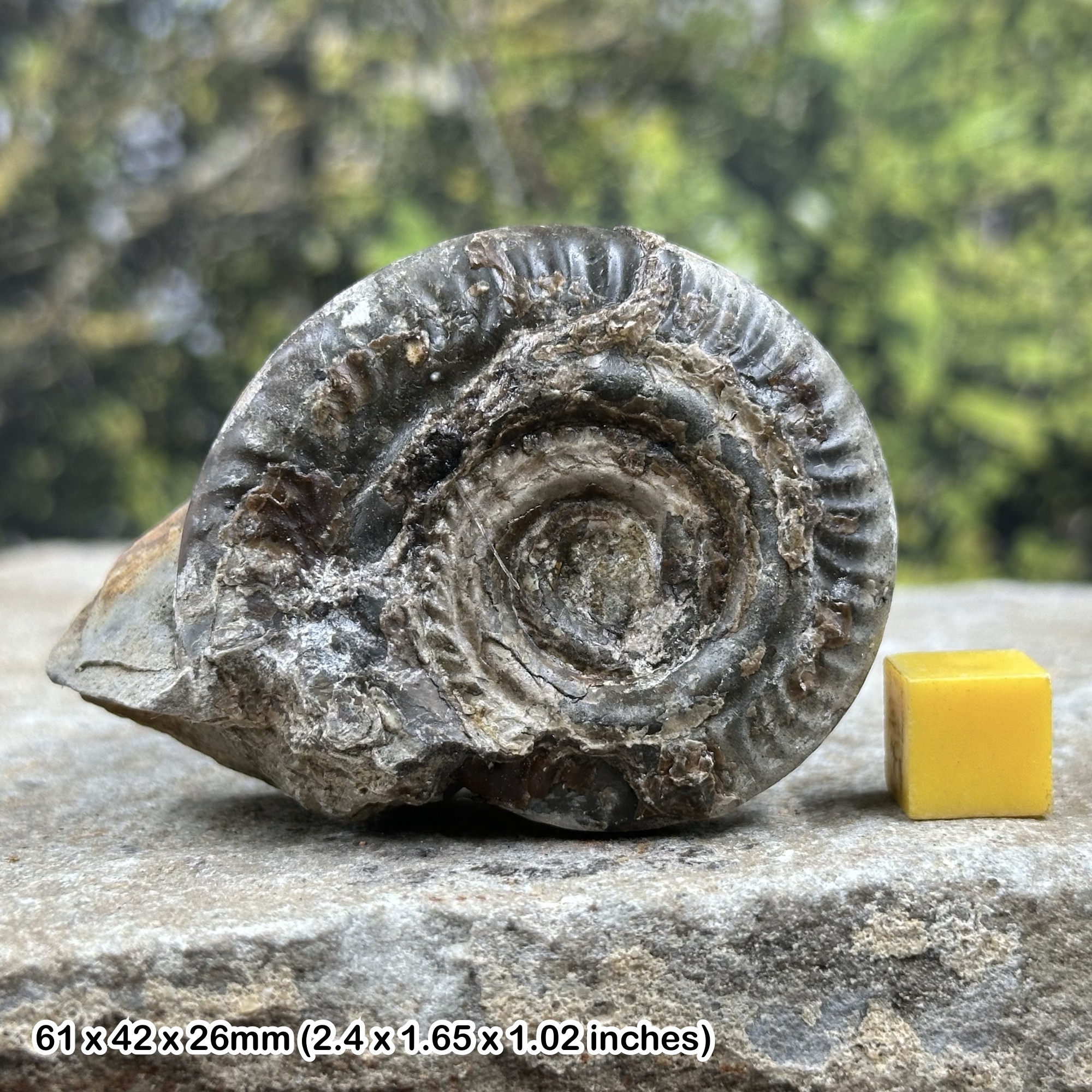
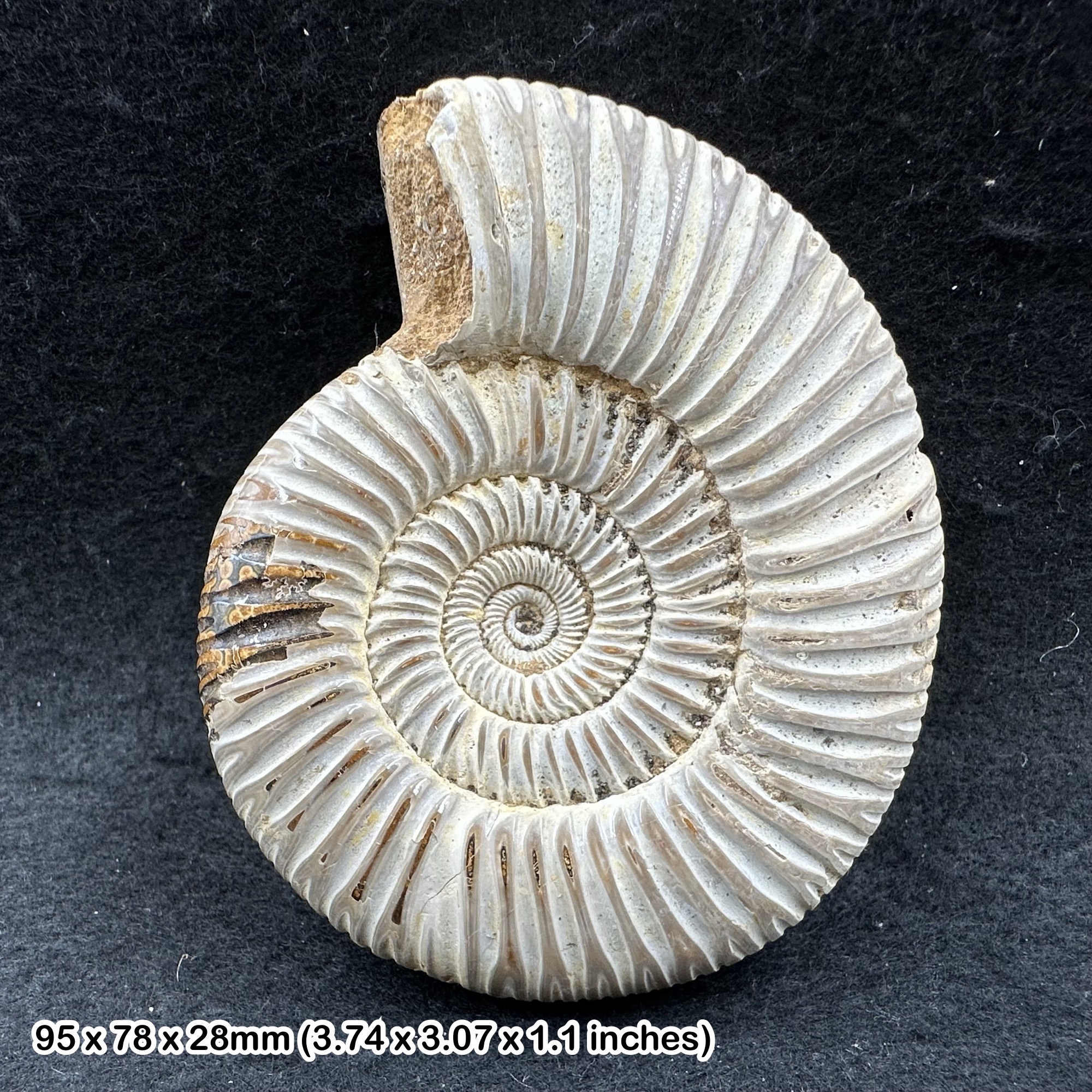
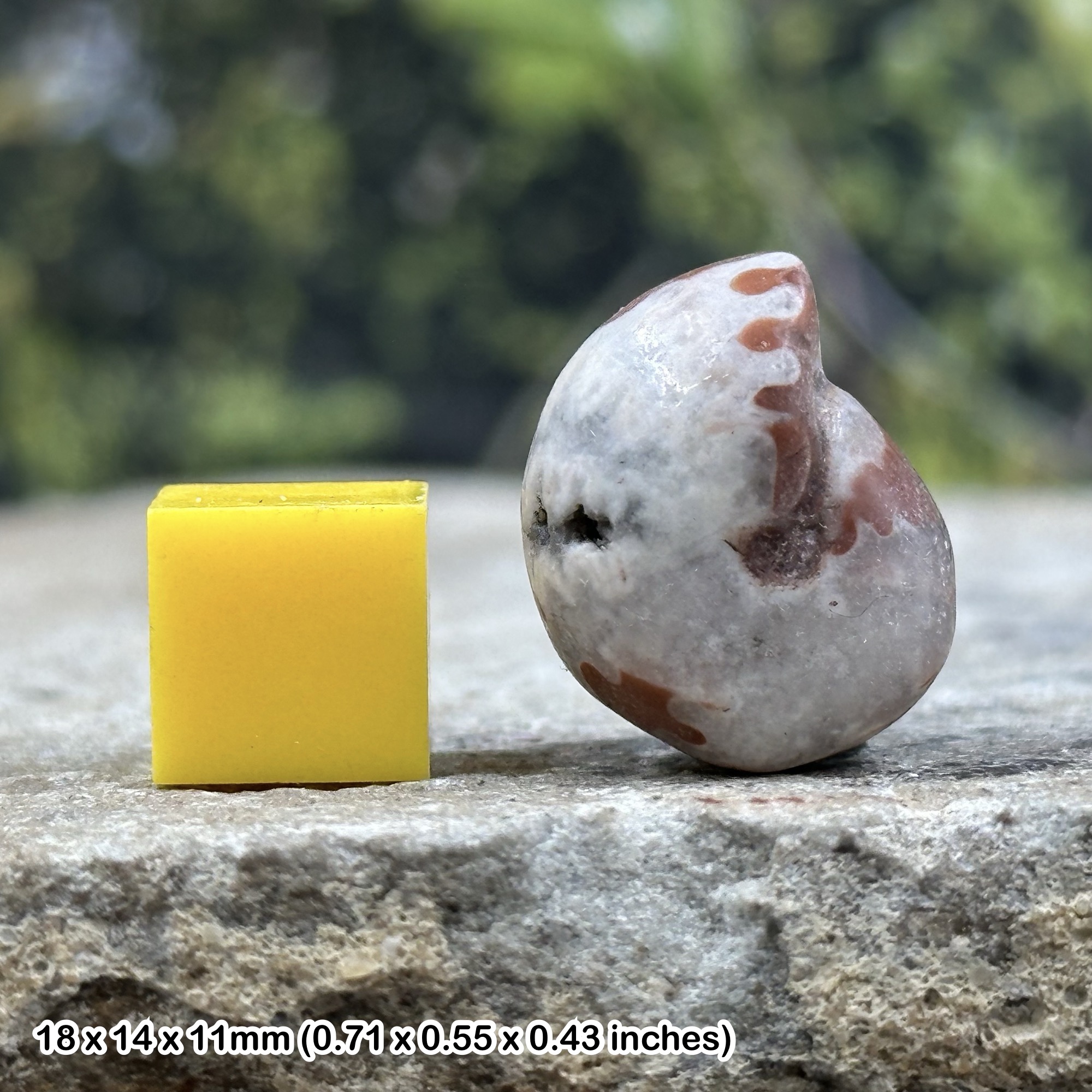
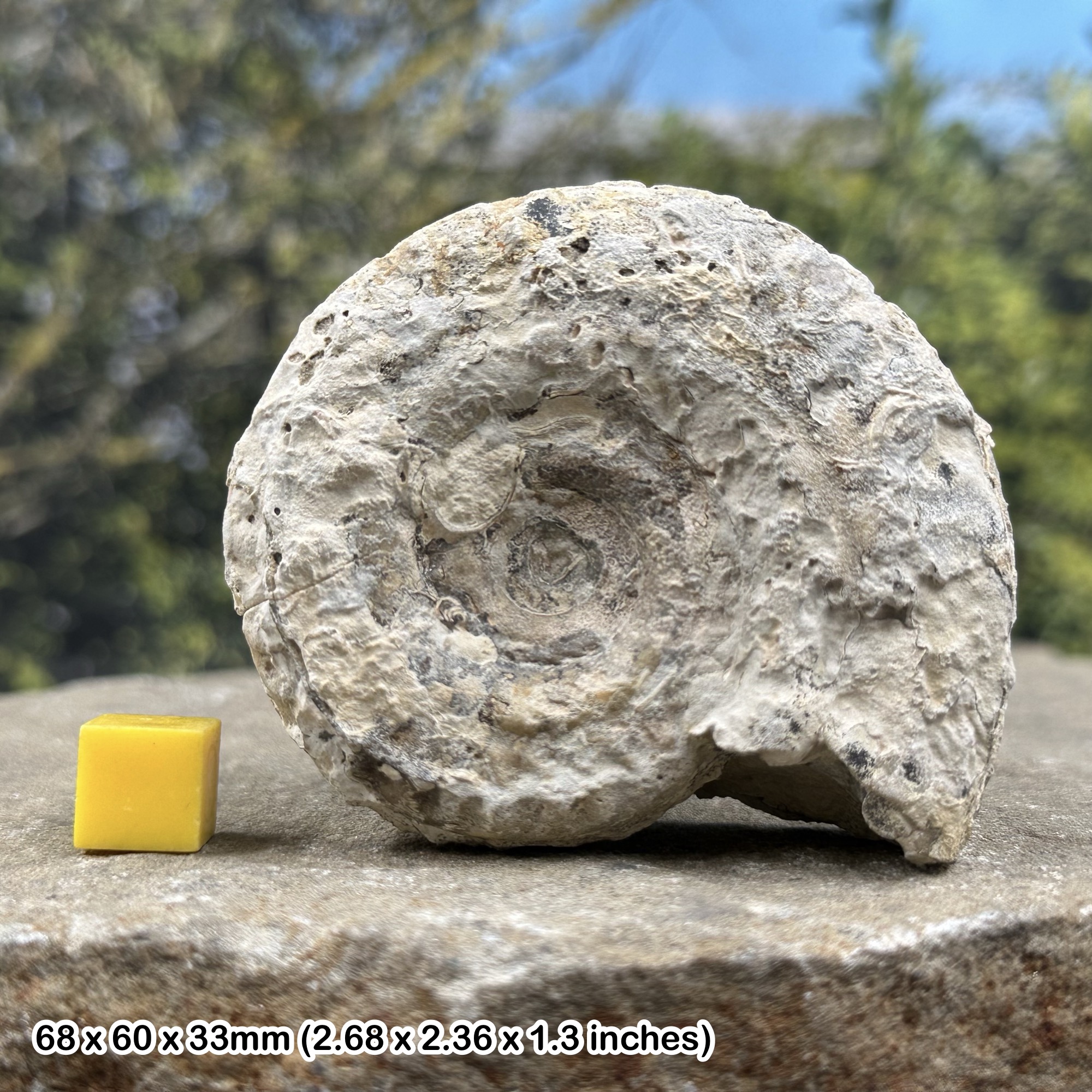
the Oxfordian stage of the Jurassic period, discovered in the Tulear region of Madagascar. The specimen pictured is the exact one you will receive, with a 1cm scale cube shown in the image for accurate sizing.Dichotomoceras antecedens is an extinct species of ammonite belonging to the:
• Family: Perisphinctidae
• Superfamily: Perisphinctoidea
• Order: AmmonitidaThis genus is noted for its evolute shell structure with bifurcating (dichotomous) ribbing—hence the name—producing a visually striking pattern that is highly valued among collectors. The species antecedens is recognised for its transitional morphological features and was first described from Upper Jurassic deposits.Geological Context:
• Age: Oxfordian (Late Jurassic, approx. 163.5 – 157.3 million years ago)
• Formation: Likely derived from limestone nodules or marls within marine sedimentary deposits common in the Tulear Basin
• Depositional Environment: Shallow marine, warm epicontinental sea setting with high biodiversityMorphology Features:
• Evolute coiling (whorls not overlapping)
• Fine and regular bifurcating ribs
• Typically discoidal shape with prominent ribbingNotable Info: The Oxfordian ammonite faunas of Madagascar are renowned for their diversity and excellent preservation. Dichotomoceras antecedens is one of the more diagnostic species, often used in biostratigraphic correlations across Gondwanan and European Jurassic deposits.Who Formally Identified the Species: First described and named by Spath (1925), a key figure in Jurassic ammonite taxonomy.Why Buy From Us?
• 100% genuine and natural fossil specimen
• Supplied with a Certificate of Authenticity
• Exact fossil shown in the photo – no substitutes
• Professionally cleaned and carefully selectedAdd a striking piece of prehistory to your fossil collection with this well-preserved Dichotomoceras antecedens ammonite. Its rich history and classic Oxfordian origin make it a scientifically and aesthetically significant specimen.
the Oxfordian stage of the Jurassic period, discovered in the Tulear region of Madagascar. The specimen pictured is the exact one you will receive, with a 1cm scale cube shown in the image for accurate sizing.Dichotomoceras antecedens is an extinct species of ammonite belonging to the:
• Family: Perisphinctidae
• Superfamily: Perisphinctoidea
• Order: AmmonitidaThis genus is noted for its evolute shell structure with bifurcating (dichotomous) ribbing—hence the name—producing a visually striking pattern that is highly valued among collectors. The species antecedens is recognised for its transitional morphological features and was first described from Upper Jurassic deposits.Geological Context:
• Age: Oxfordian (Late Jurassic, approx. 163.5 – 157.3 million years ago)
• Formation: Likely derived from limestone nodules or marls within marine sedimentary deposits common in the Tulear Basin
• Depositional Environment: Shallow marine, warm epicontinental sea setting with high biodiversityMorphology Features:
• Evolute coiling (whorls not overlapping)
• Fine and regular bifurcating ribs
• Typically discoidal shape with prominent ribbingNotable Info: The Oxfordian ammonite faunas of Madagascar are renowned for their diversity and excellent preservation. Dichotomoceras antecedens is one of the more diagnostic species, often used in biostratigraphic correlations across Gondwanan and European Jurassic deposits.Who Formally Identified the Species: First described and named by Spath (1925), a key figure in Jurassic ammonite taxonomy.Why Buy From Us?
• 100% genuine and natural fossil specimen
• Supplied with a Certificate of Authenticity
• Exact fossil shown in the photo – no substitutes
• Professionally cleaned and carefully selectedAdd a striking piece of prehistory to your fossil collection with this well-preserved Dichotomoceras antecedens ammonite. Its rich history and classic Oxfordian origin make it a scientifically and aesthetically significant specimen.
Other Products