Sigillaria Bark Fossil Carboniferous Coal Measures Radstock Somerset UK Fossil Plant Lycopsid Tree Impression Rare Display Specimen
£ 36.00
Sigillaria Bark Fossil – Carboniferous Plant Fossil from Somerset, UKThis genuine Sigillaria bark fossil originates from the Carboniferous Coal
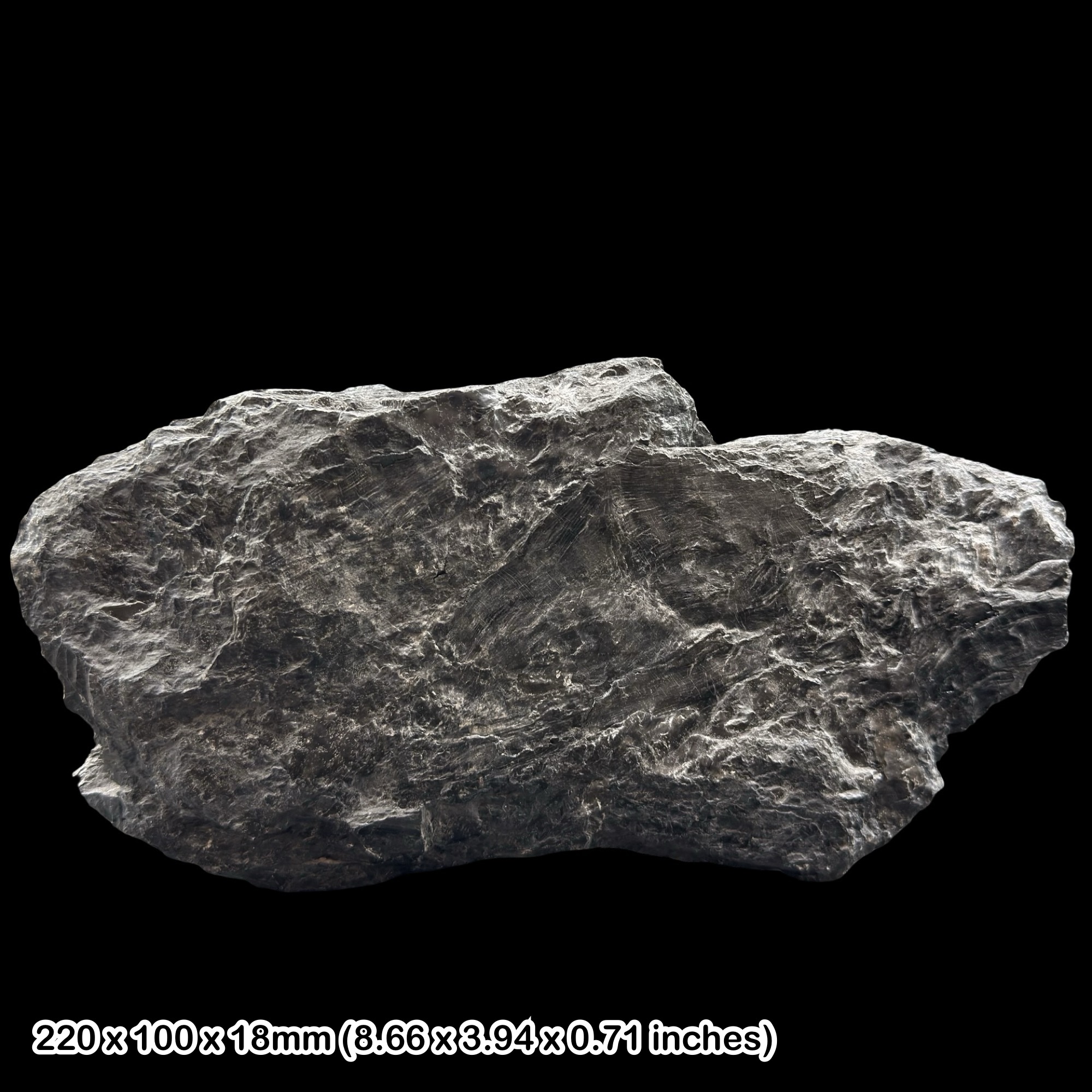
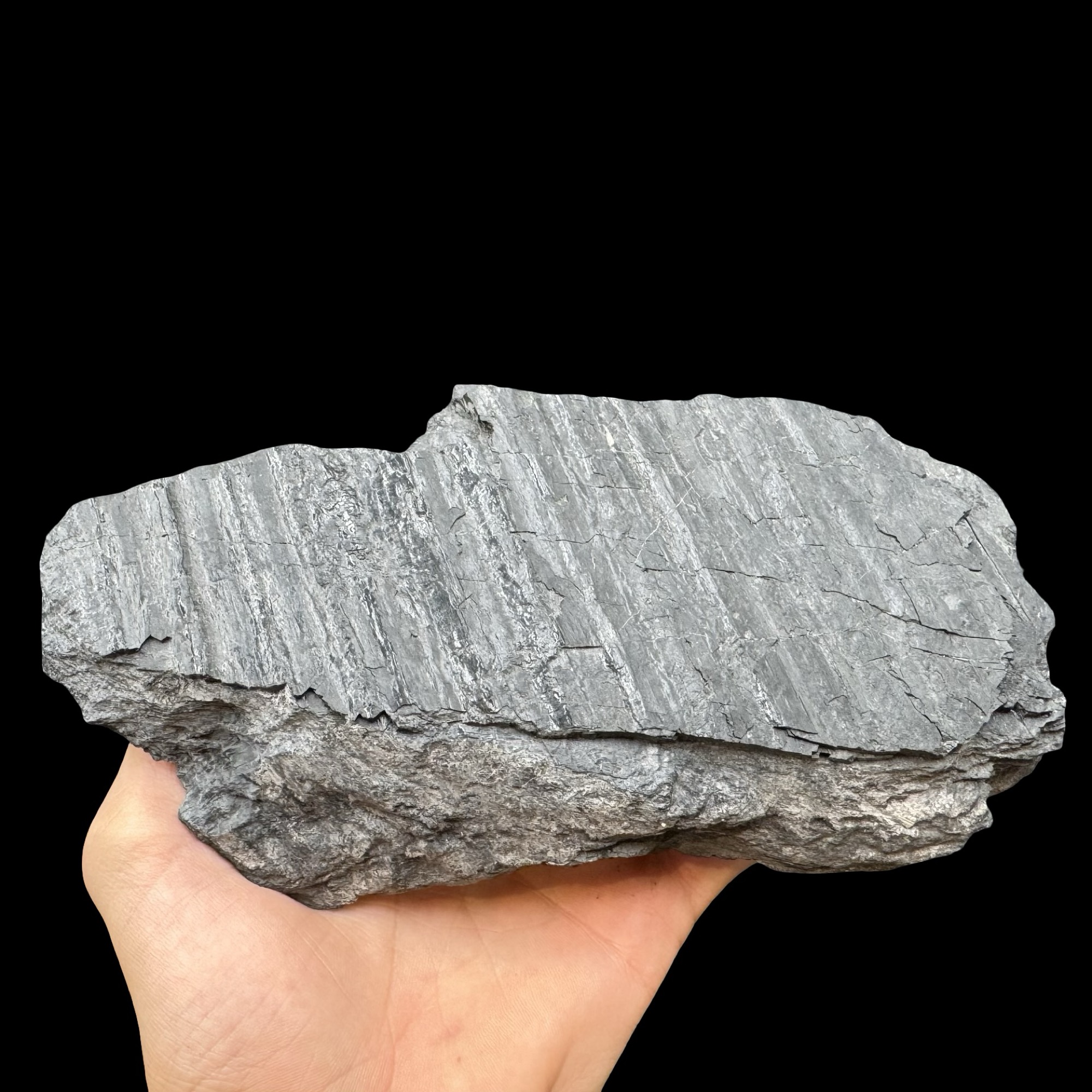
Measures of Radstock, Somerset, UK, and represents a fascinating fragment of ancient prehistoric forest life. Preserved with characteristic surface patterning, this specimen captures the distinctive bark texture of one of the dominant tree-like plants of the Carboniferous period. The fossil shown in the photographs is the exact specimen you will receive, carefully selected for its clarity, preservation, and display quality.Geological Age & FormationDating to the Carboniferous period, approximately 300–320 million years ago, this fossil comes from the Coal Measures deposits of Somerset. These sediments were formed in vast tropical swamp environments that once covered much of what is now the United Kingdom. The conditions in these swampy lowlands were ideal for preserving plant material, eventually forming the coal seams that made this region historically significant.Taxonomy & Classification
• Division: Lycopodiophyta
• Order: Lepidodendrales
• Family: Sigillariaceae
• Genus: SigillariaSigillaria was a giant lycopsid plant, related to modern club mosses but growing to tree-like proportions, often reaching heights of over 20 metres. It was first described and named in the early 19th century, with its distinctive bark patterns making it one of the most recognisable Carboniferous fossils.Morphology & Notable FeaturesThis specimen displays the classic bark pattern of Sigillaria, characterised by vertical rows of elongated leaf scar impressions. These scars, often appearing as oval or diamond-shaped markings, were left where leaves once attached to the trunk. The regular, repeating pattern gives the fossil a striking and recognisable texture.Unlike some related lycopsids, Sigillaria typically shows more vertically aligned scar patterns rather than spiral arrangements. This structured appearance makes it particularly attractive for collectors and ideal for educational purposes, as it clearly demonstrates the growth structure of ancient vascular plants.Depositional EnvironmentSigillaria thrived in humid, swampy environments during the Carboniferous, forming dense forests alongside other giant plants such as Lepidodendron and Calamites. These ecosystems were rich in organic material, and periodic flooding and sedimentation rapidly buried plant remains. Over millions of years, this led to exceptional fossil preservation and the formation of coal deposits.The fossilisation process often preserved bark impressions in fine-grained sediments, allowing intricate surface details like those seen on this specimen to survive.Discovery & Expert PreparationThis fossil was discovered by our dedicated team members, Alister and Alison, in Somerset. After recovery, it was carefully cleaned, stabilised, and prepared by Alison to enhance the visibility of the bark pattern while preserving its natural condition. The preparation ensures that the fossil is both durable and visually appealing for display.Authenticity & ProvenanceThis is a genuine Sigillaria fossil and includes a Certificate of Authenticity with a lifetime guarantee. All specimens are responsibly sourced and professionally prepared, providing collectors with confidence in their purchase.Display & CollectabilitySigillaria bark fossils are highly sought after due to their distinctive appearance and their importance in understanding Carboniferous ecosystems. This specimen is ideal for fossil collectors, educators, or anyone interested in prehistoric plant life. Its bold patterning makes it a striking display piece, suitable for cabinets, offices, or study collections.Condition & SizingPlease refer to the photographs for full sizing and condition details, as they form part of the description. The fossil is a carefully chosen piece, and the images accurately represent the exact specimen you will receive.
Measures of Radstock, Somerset, UK, and represents a fascinating fragment of ancient prehistoric forest life. Preserved with characteristic surface patterning, this specimen captures the distinctive bark texture of one of the dominant tree-like plants of the Carboniferous period. The fossil shown in the photographs is the exact specimen you will receive, carefully selected for its clarity, preservation, and display quality.Geological Age & FormationDating to the Carboniferous period, approximately 300–320 million years ago, this fossil comes from the Coal Measures deposits of Somerset. These sediments were formed in vast tropical swamp environments that once covered much of what is now the United Kingdom. The conditions in these swampy lowlands were ideal for preserving plant material, eventually forming the coal seams that made this region historically significant.Taxonomy & Classification
• Division: Lycopodiophyta
• Order: Lepidodendrales
• Family: Sigillariaceae
• Genus: SigillariaSigillaria was a giant lycopsid plant, related to modern club mosses but growing to tree-like proportions, often reaching heights of over 20 metres. It was first described and named in the early 19th century, with its distinctive bark patterns making it one of the most recognisable Carboniferous fossils.Morphology & Notable FeaturesThis specimen displays the classic bark pattern of Sigillaria, characterised by vertical rows of elongated leaf scar impressions. These scars, often appearing as oval or diamond-shaped markings, were left where leaves once attached to the trunk. The regular, repeating pattern gives the fossil a striking and recognisable texture.Unlike some related lycopsids, Sigillaria typically shows more vertically aligned scar patterns rather than spiral arrangements. This structured appearance makes it particularly attractive for collectors and ideal for educational purposes, as it clearly demonstrates the growth structure of ancient vascular plants.Depositional EnvironmentSigillaria thrived in humid, swampy environments during the Carboniferous, forming dense forests alongside other giant plants such as Lepidodendron and Calamites. These ecosystems were rich in organic material, and periodic flooding and sedimentation rapidly buried plant remains. Over millions of years, this led to exceptional fossil preservation and the formation of coal deposits.The fossilisation process often preserved bark impressions in fine-grained sediments, allowing intricate surface details like those seen on this specimen to survive.Discovery & Expert PreparationThis fossil was discovered by our dedicated team members, Alister and Alison, in Somerset. After recovery, it was carefully cleaned, stabilised, and prepared by Alison to enhance the visibility of the bark pattern while preserving its natural condition. The preparation ensures that the fossil is both durable and visually appealing for display.Authenticity & ProvenanceThis is a genuine Sigillaria fossil and includes a Certificate of Authenticity with a lifetime guarantee. All specimens are responsibly sourced and professionally prepared, providing collectors with confidence in their purchase.Display & CollectabilitySigillaria bark fossils are highly sought after due to their distinctive appearance and their importance in understanding Carboniferous ecosystems. This specimen is ideal for fossil collectors, educators, or anyone interested in prehistoric plant life. Its bold patterning makes it a striking display piece, suitable for cabinets, offices, or study collections.Condition & SizingPlease refer to the photographs for full sizing and condition details, as they form part of the description. The fossil is a carefully chosen piece, and the images accurately represent the exact specimen you will receive.
Other Products