Fossil Liosphinctes plicatilis Ammonite – Upper Oxfordian Jurassic – Normandy France – Certified Genuine Specimen
£ 14.40
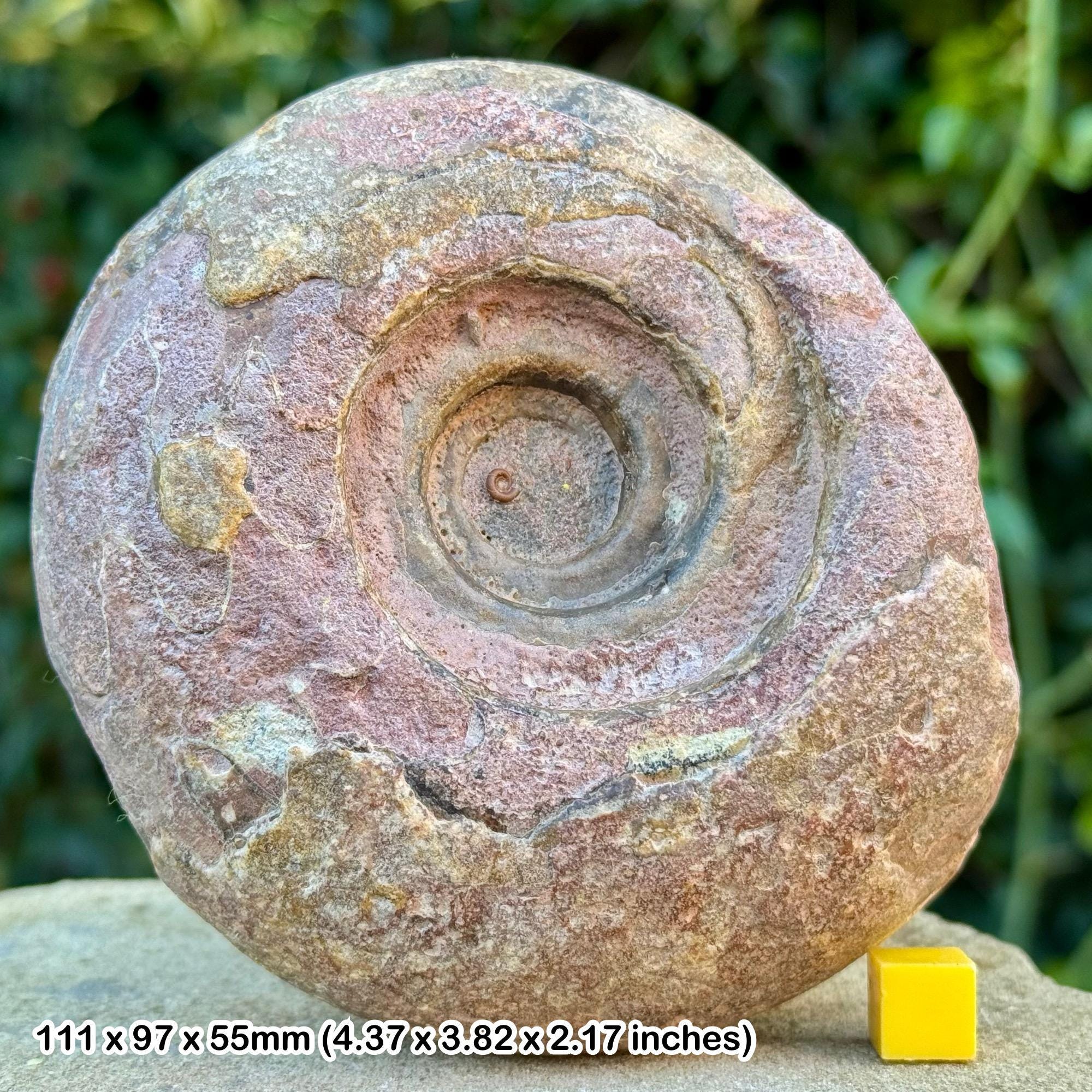
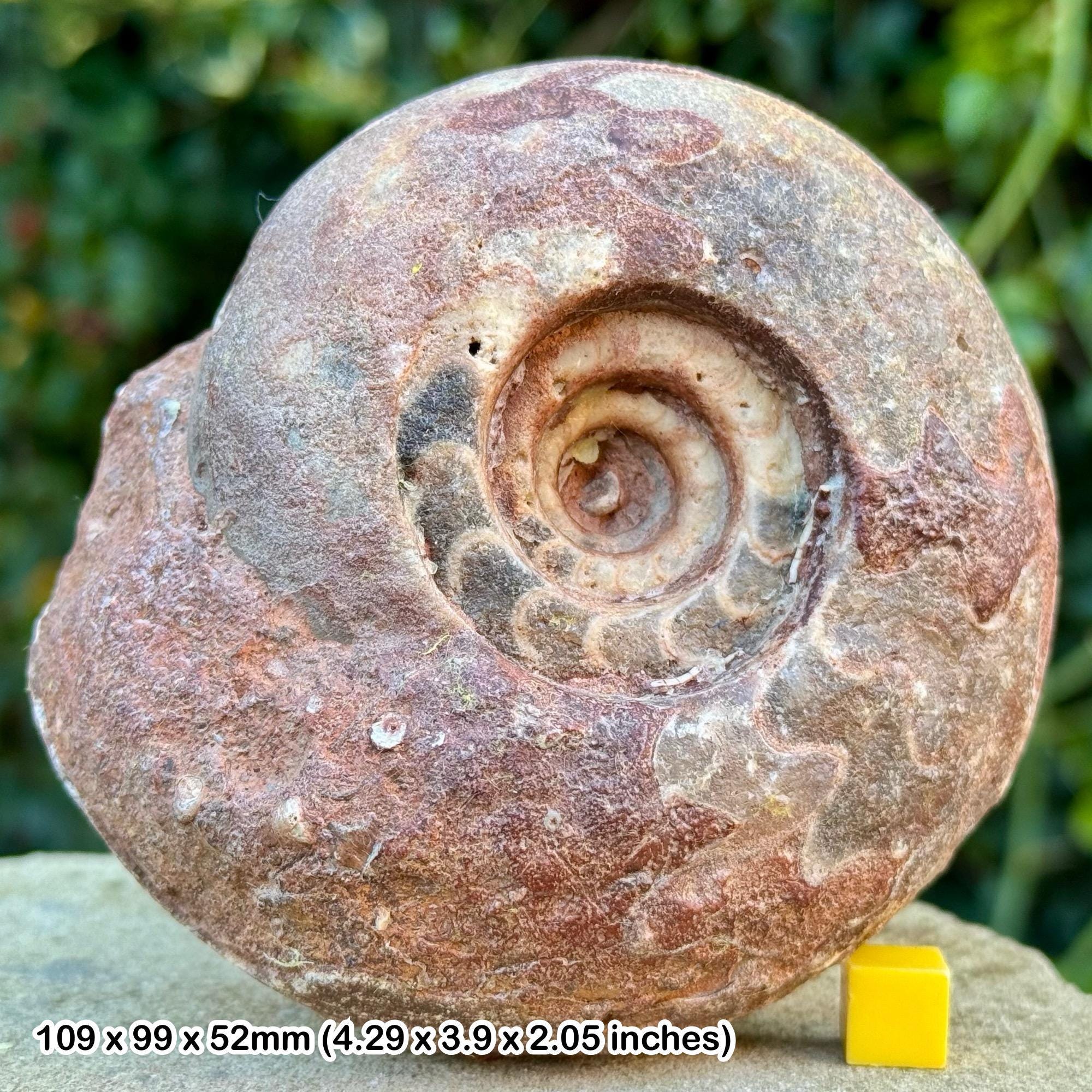
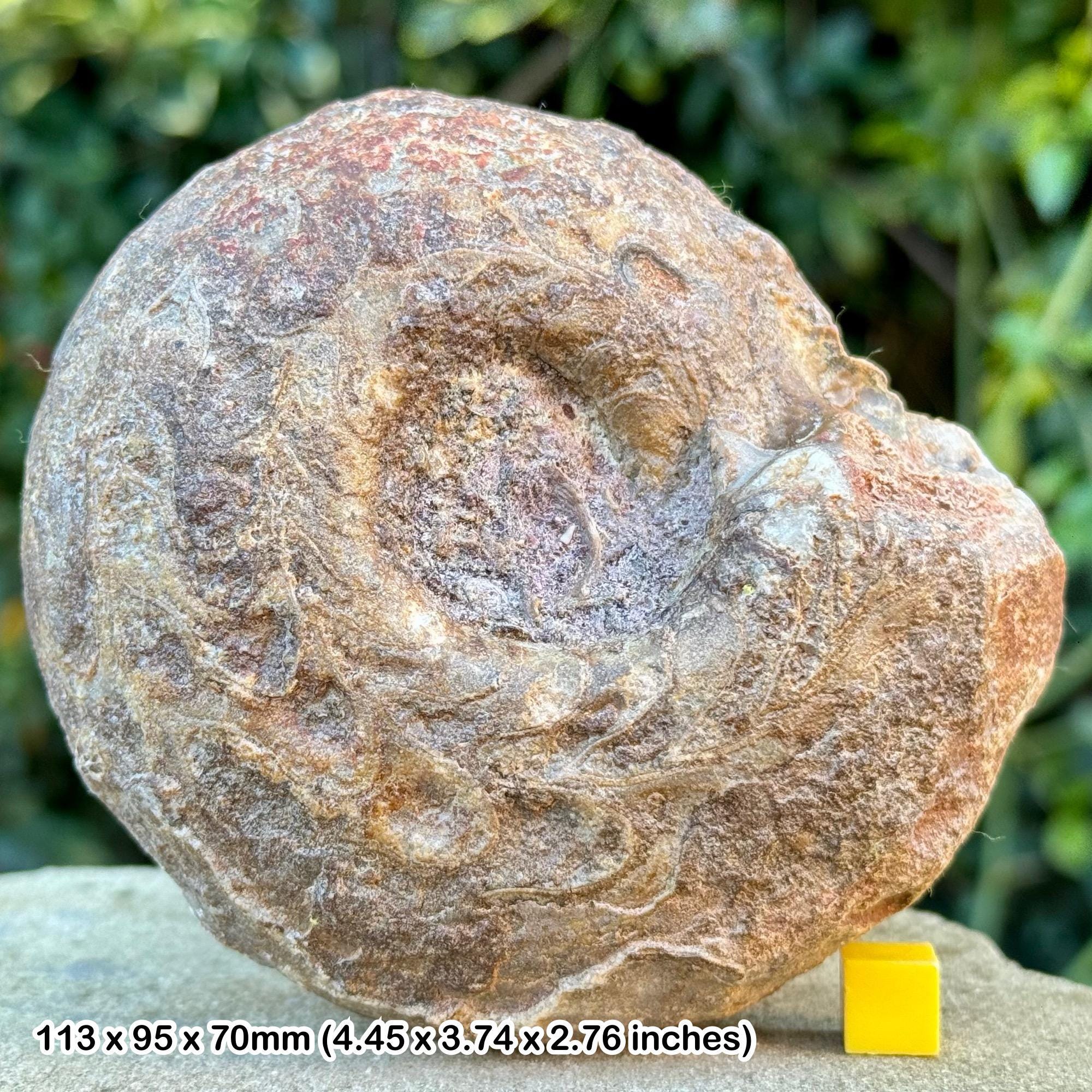
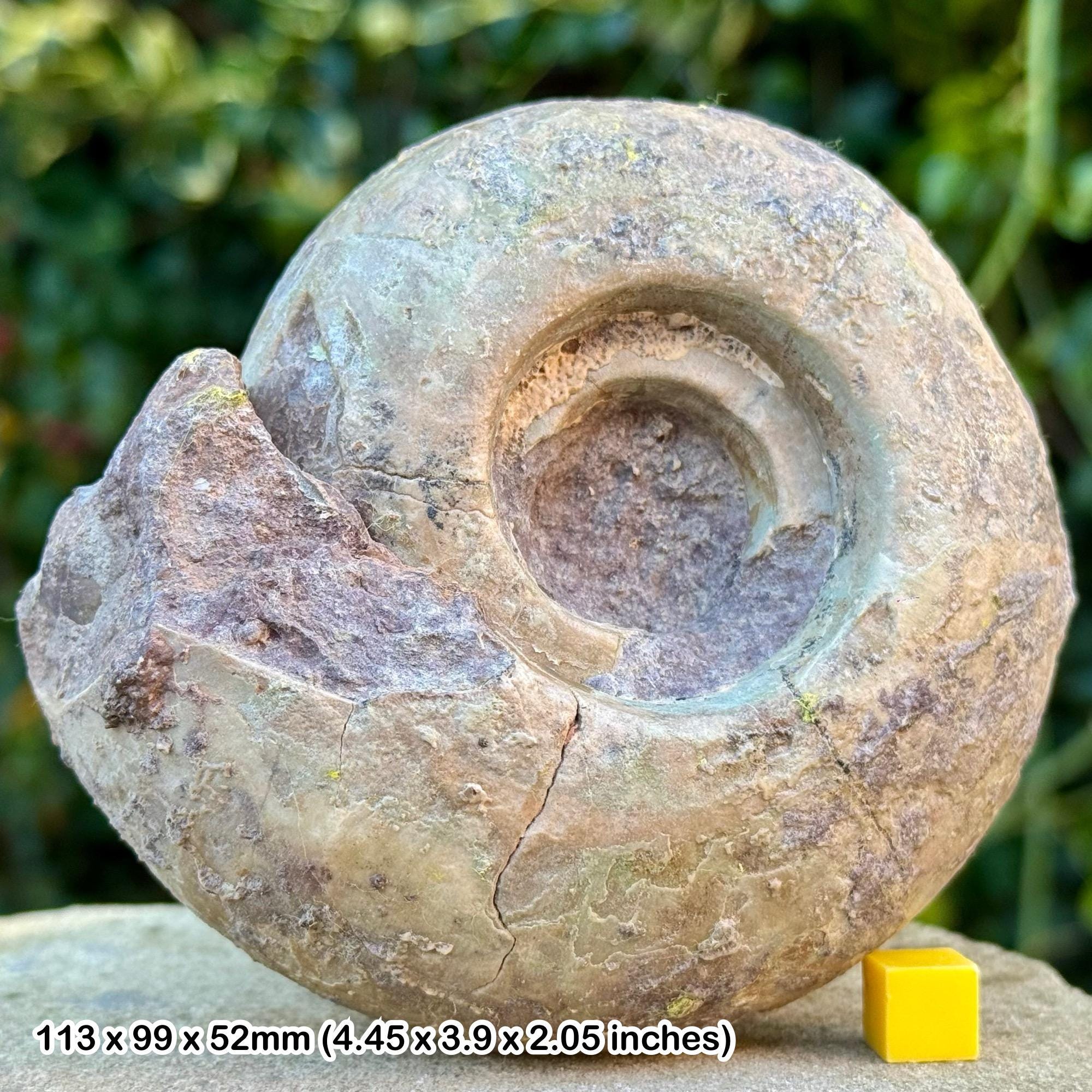
RARE Fossil Liosphinctes plicatilis AmmoniteUpper Oxfordian, Jurassic – Normandy, FranceA genuine Liosphinctes plicatilis ammonite fossil from the Upper Oxfordian stage
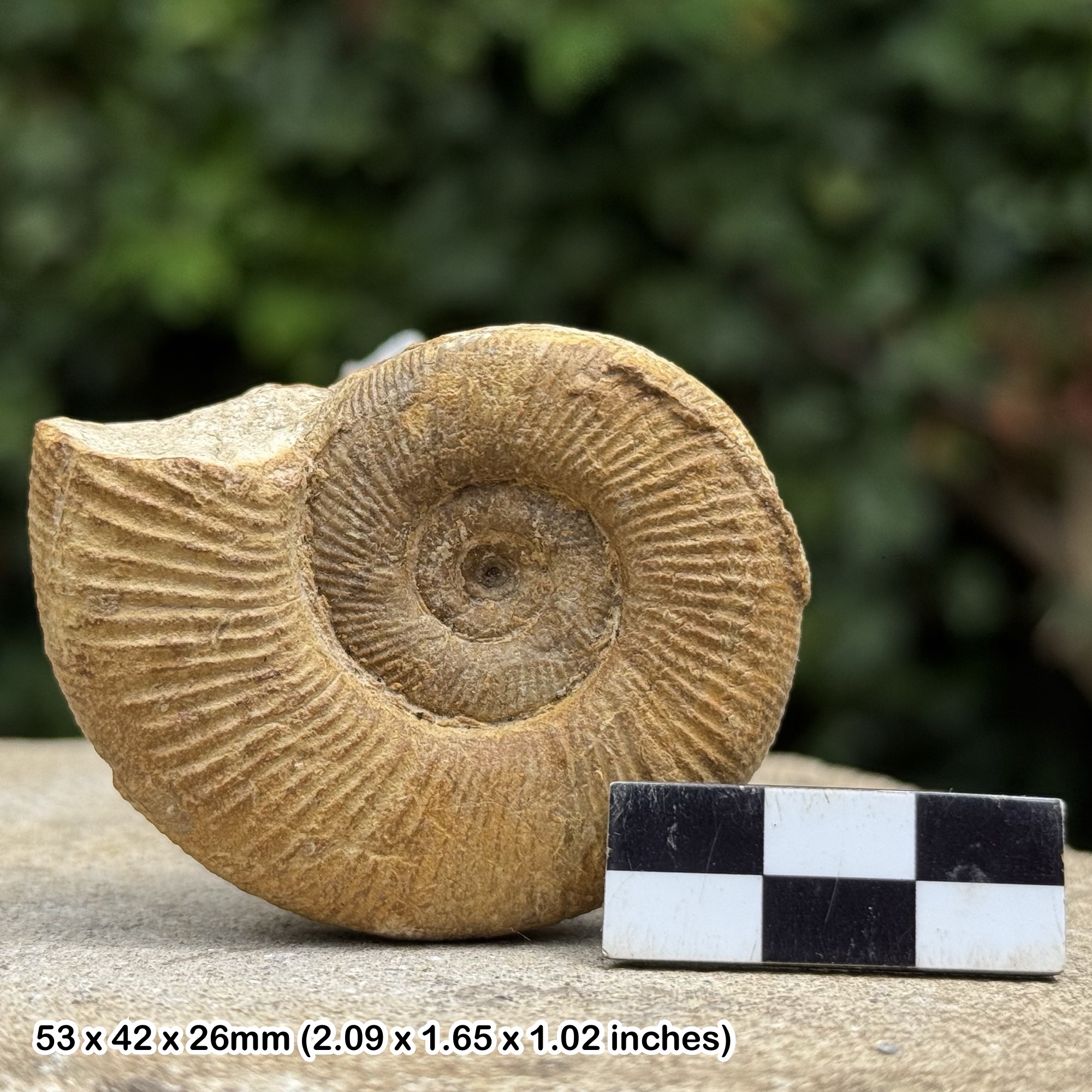
of the Late Jurassic, collected from the fossil-rich marine deposits of Normandy, France. This beautifully preserved specimen features the characteristic ribbing and shell architecture of the Liosphinctes genus and serves as a fine example of Jurassic cephalopods.
• All of our Fossils are 100% Genuine Specimens
• Comes with a Certificate of Authenticity
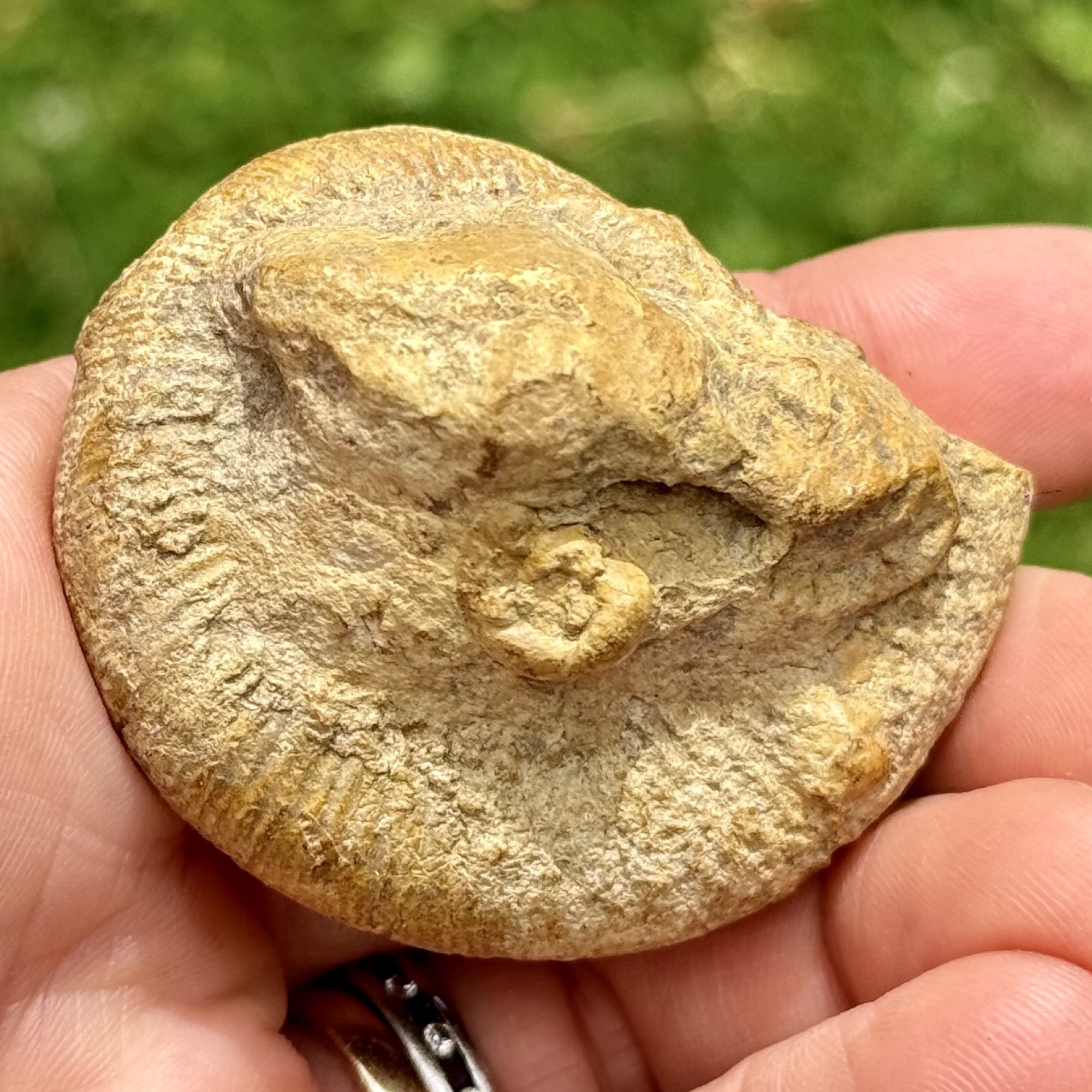
• The photo shows the exact specimen you will receive
• Scale Rule Squares / Cube = 1cm — for full sizing, please see the photoGeology & Stratigraphy
• Location: Normandy, France
• Geological Period: Jurassic
• Epoch: Late Jurassic
• Stage: Upper Oxfordian
• Biozone: plicatilis Zone (named after this species and widely used in stratigraphic correlation)
• Depositional Environment:
• Epicontinental shallow marine basin
• Likely deposited in calm, low-energy carbonate-rich sediments
• Fine-grained limestone and marl matrixFossil Type & Morphology
• Fossil Type: Ammonite (Extinct Marine Cephalopod)
• Species: Liosphinctes plicatilis
• Order: Ammonitida
• Superfamily: Perisphinctoidea
• Family: Perisphinctidae
• Shell Features:
• Planispiral coiling with moderate involution
• Prominent bifurcating ribs, often fine and dense
• Rounded venter with no keel
• Strong radial ornamentation—ideal for visual display and morphological study
• Typical of nektonic organisms adapted to open marine environmentsScientific Relevance
• Liosphinctes plicatilis is an index fossil for the Upper Oxfordian and is critical in correlating strata across European Jurassic basins
• Frequently studied in relation to ammonite evolution, oceanic anoxic events, and paleobiogeography
• First formally described in the 19th century and used widely in biostratigraphyWhat’s Included
• One Liosphinctes plicatilis ammonite fossil from Normandy
• Certificate of Authenticity
• Secure and protective packagingPerfect For
• Serious fossil collectors
• Academic or educational use
• Museum-quality display
• Gifts for geology or palaeontology enthusiasts
of the Late Jurassic, collected from the fossil-rich marine deposits of Normandy, France. This beautifully preserved specimen features the characteristic ribbing and shell architecture of the Liosphinctes genus and serves as a fine example of Jurassic cephalopods.
• All of our Fossils are 100% Genuine Specimens
• Comes with a Certificate of Authenticity
• The photo shows the exact specimen you will receive
• Scale Rule Squares / Cube = 1cm — for full sizing, please see the photoGeology & Stratigraphy
• Location: Normandy, France
• Geological Period: Jurassic
• Epoch: Late Jurassic
• Stage: Upper Oxfordian
• Biozone: plicatilis Zone (named after this species and widely used in stratigraphic correlation)
• Depositional Environment:
• Epicontinental shallow marine basin
• Likely deposited in calm, low-energy carbonate-rich sediments
• Fine-grained limestone and marl matrixFossil Type & Morphology
• Fossil Type: Ammonite (Extinct Marine Cephalopod)
• Species: Liosphinctes plicatilis
• Order: Ammonitida
• Superfamily: Perisphinctoidea
• Family: Perisphinctidae
• Shell Features:
• Planispiral coiling with moderate involution
• Prominent bifurcating ribs, often fine and dense
• Rounded venter with no keel
• Strong radial ornamentation—ideal for visual display and morphological study
• Typical of nektonic organisms adapted to open marine environmentsScientific Relevance
• Liosphinctes plicatilis is an index fossil for the Upper Oxfordian and is critical in correlating strata across European Jurassic basins
• Frequently studied in relation to ammonite evolution, oceanic anoxic events, and paleobiogeography
• First formally described in the 19th century and used widely in biostratigraphyWhat’s Included
• One Liosphinctes plicatilis ammonite fossil from Normandy
• Certificate of Authenticity
• Secure and protective packagingPerfect For
• Serious fossil collectors
• Academic or educational use
• Museum-quality display
• Gifts for geology or palaeontology enthusiasts
Other Products