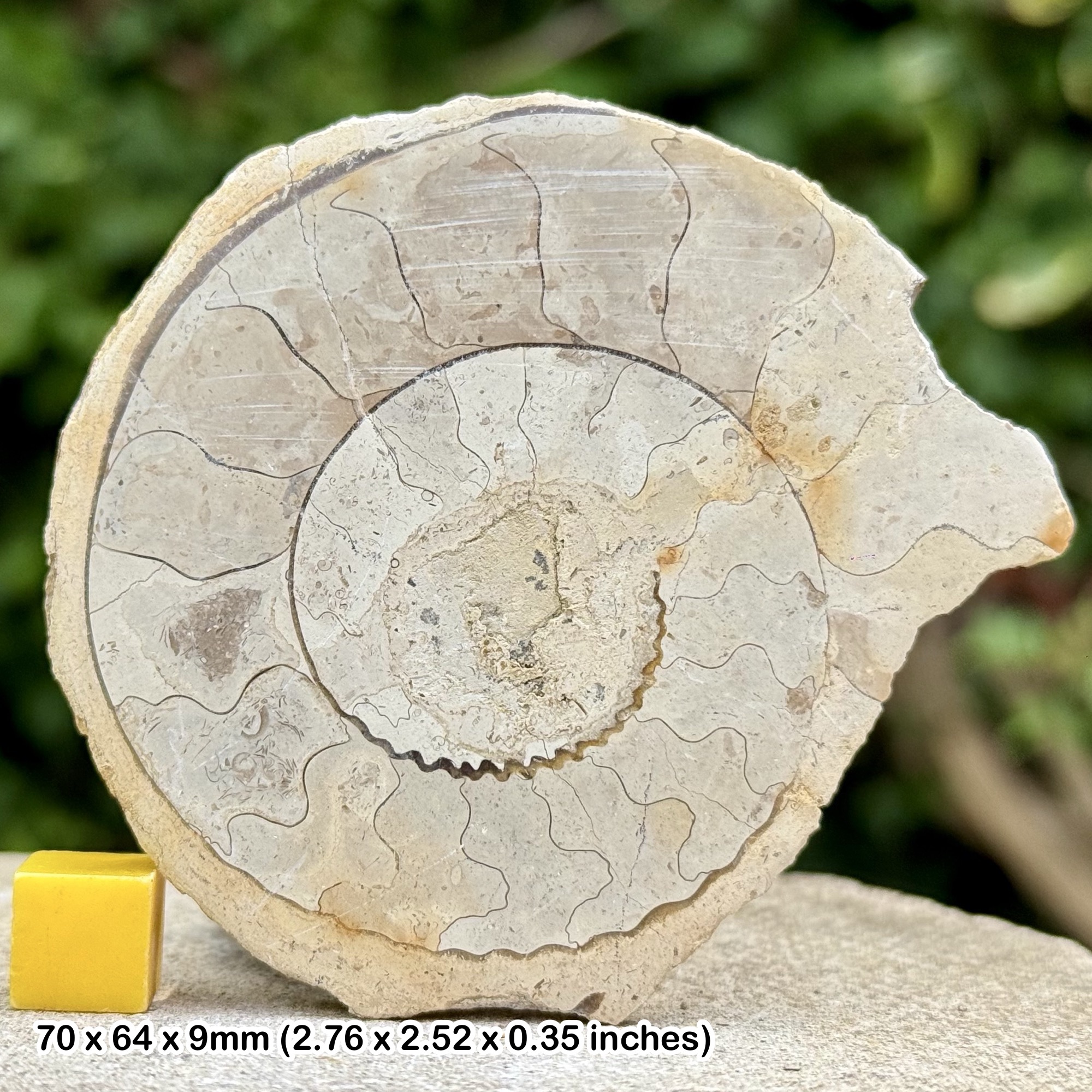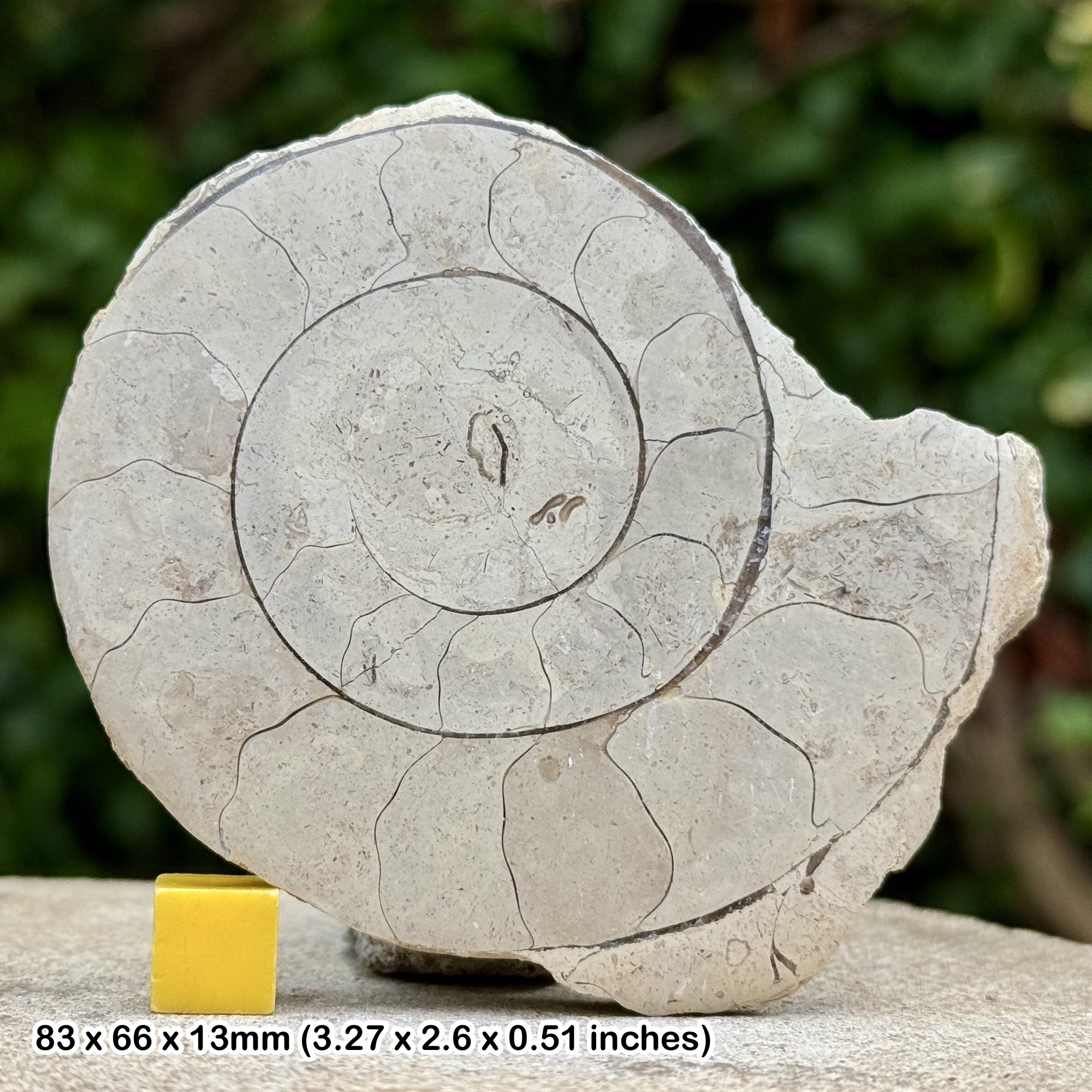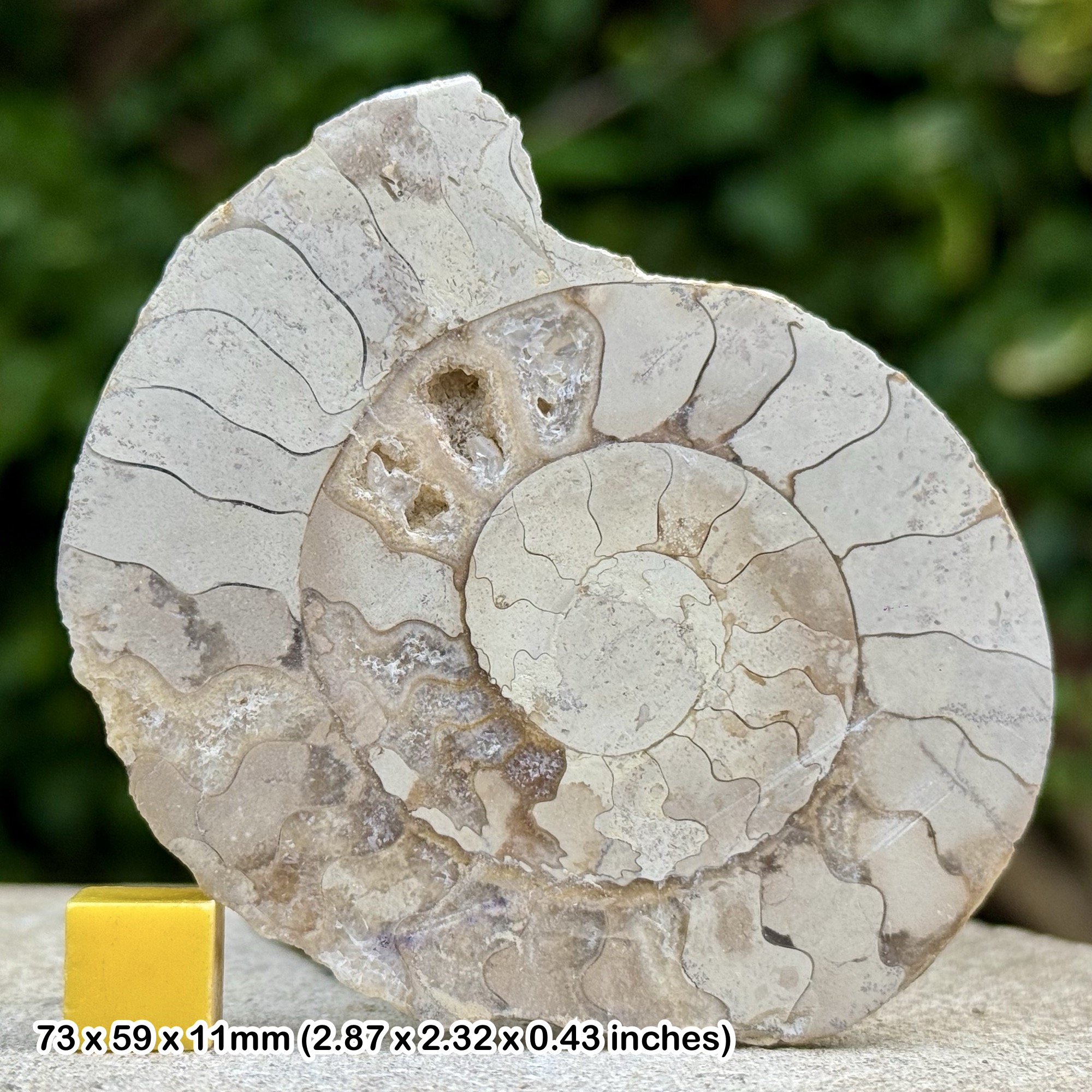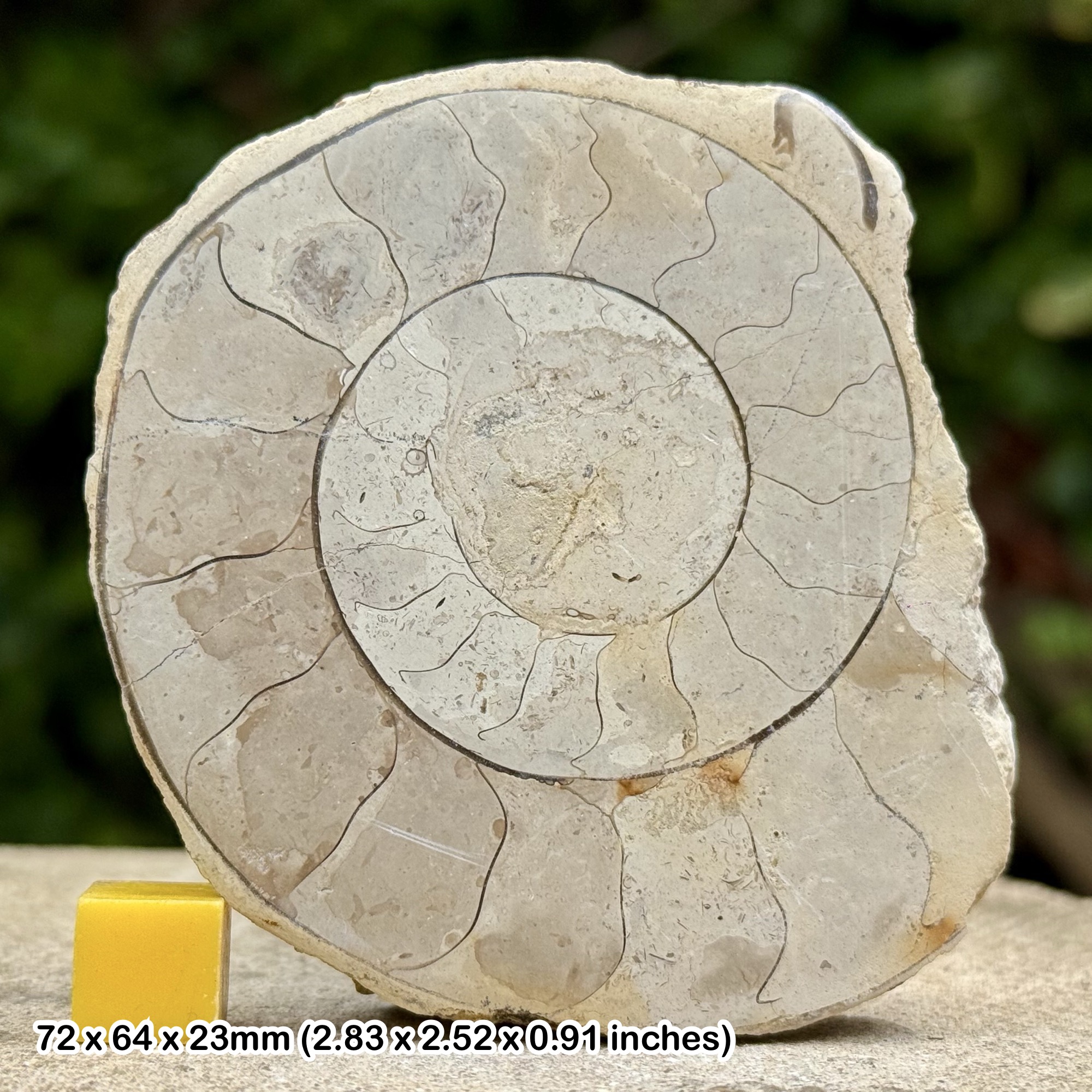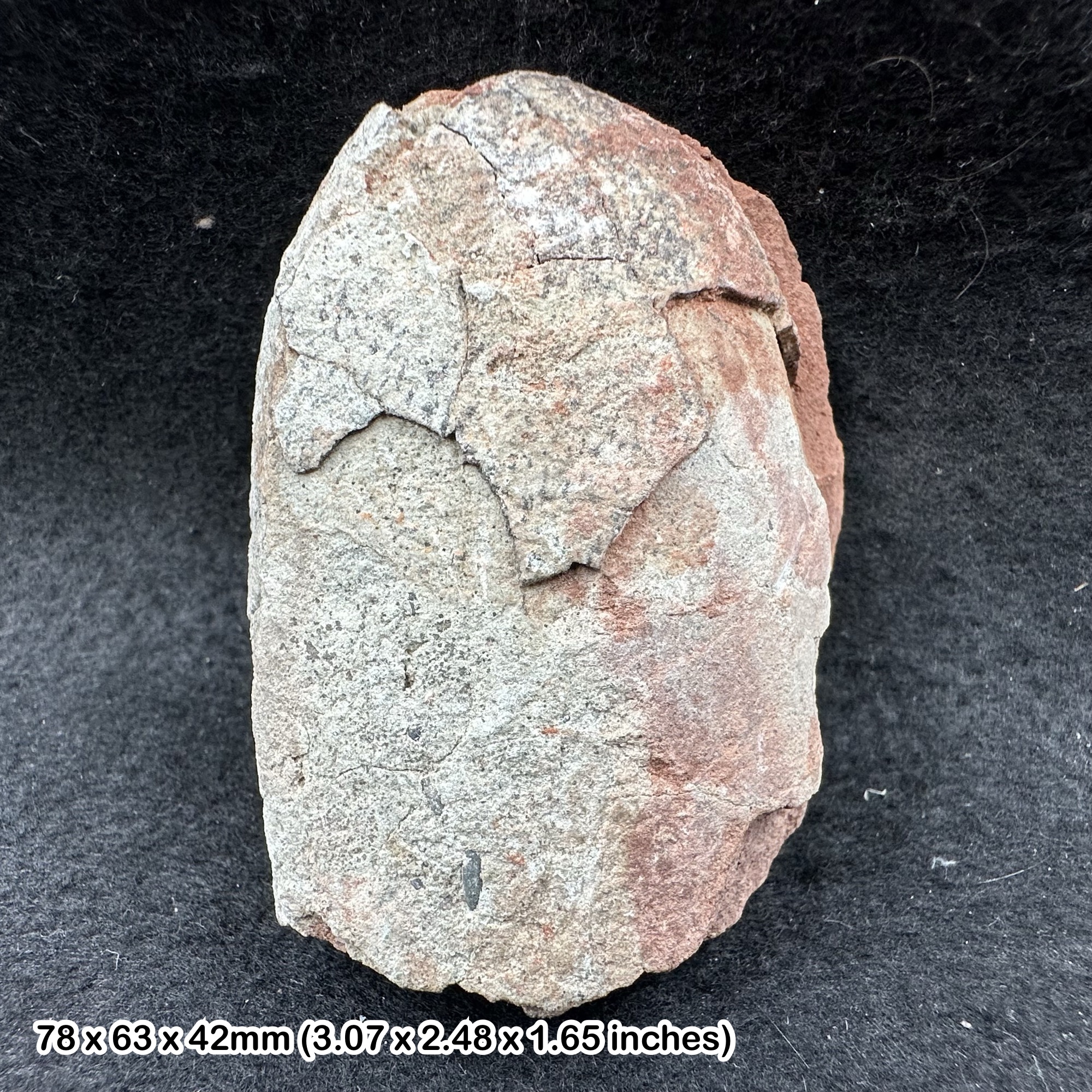
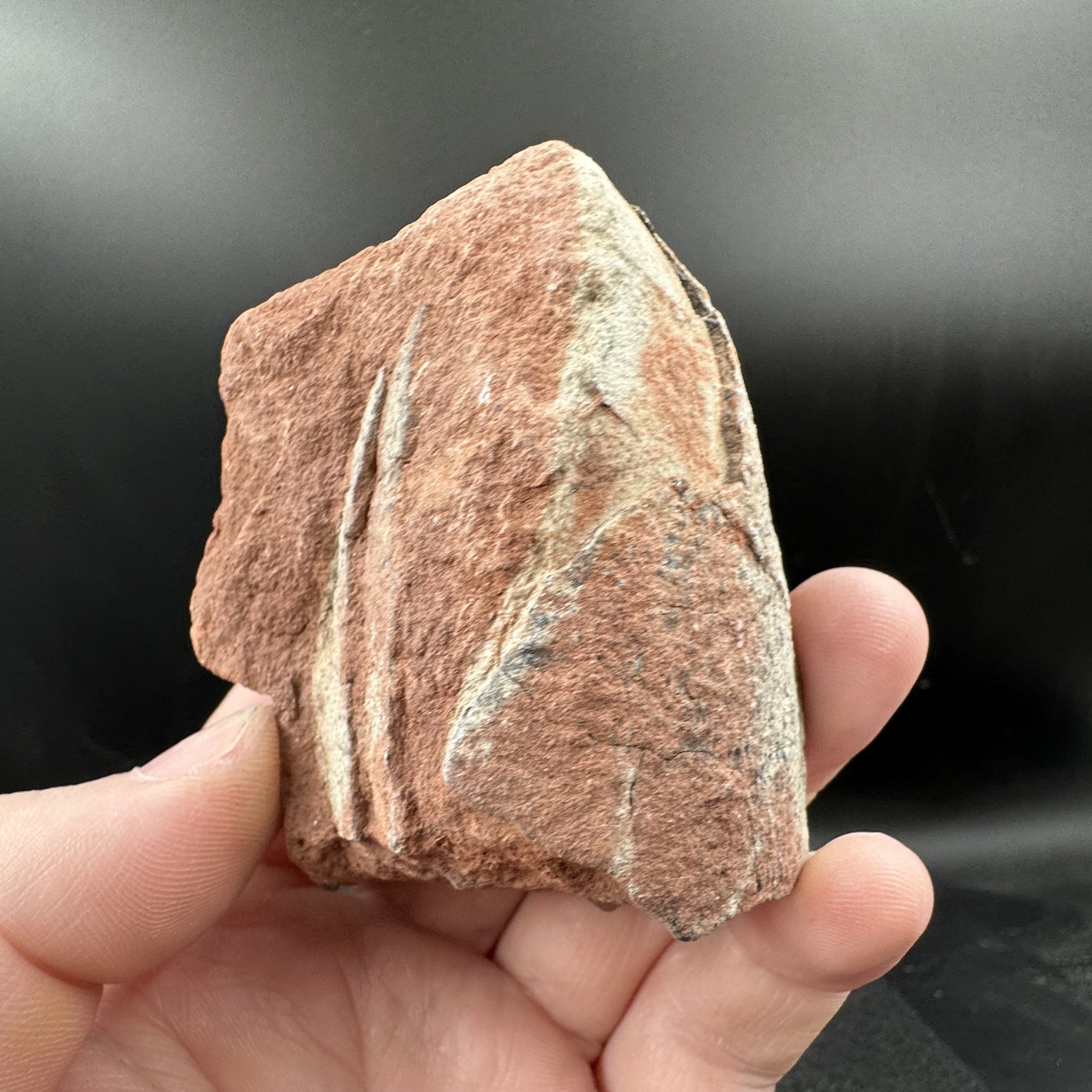
Rare Oviraptor Dinosaur Egg Fossil Cretaceous China Nanxiong Formation COA Premium Genuine Ganzhou Specimen
£ 360.00
Rare Genuine Oviraptor Dinosaur Egg FossilThis listing is for a rare genuine Oviraptor dinosaur egg fossil from Ganzhou,
China, from the Nanxiong Formation, dating to the Cretaceous Period. This is a carefully chosen fossil specimen with strong natural history appeal, ideal for collectors of dinosaur eggs, Cretaceous fossils, Chinese dinosaur fossils, theropod dinosaur material, fossil eggshell specimens, and rare prehistoric display pieces.The fossil shown in the photographs is the actual specimen you will receive. Full sizing and scale can be seen in the listing photos. This fossil is supplied with a fully hand-signed Premium Certificate of Authenticity, providing reassurance that the specimen is genuine and carefully selected for collectors.Fossil Type and Dinosaur AssociationOviraptor dinosaur eggs are among the most famous and collectable dinosaur egg fossils. Oviraptor and closely related oviraptorosaur dinosaurs were feathered theropods that lived during the Late Cretaceous and are especially associated with eggs, nests, and brooding behaviour. Fossil discoveries have shown that oviraptorosaurs laid elongated eggs, often arranged in organised nest patterns, and some specimens preserve adults positioned over nests in a posture strongly linked with incubation or nest guarding.The name Oviraptor means “egg thief”, a historical name given after early discoveries were misinterpreted as an animal stealing eggs. Later research showed that many of these dinosaurs were likely protecting or brooding their own eggs rather than raiding nests. This makes Oviraptor-related egg fossils especially interesting, as they connect directly with dinosaur reproduction, nesting behaviour, and parental care.Nanxiong Formation, Ganzhou, ChinaThis specimen comes from the Nanxiong Formation of Ganzhou, China, a region internationally known for Late Cretaceous dinosaur eggs and oviraptorosaur fossils. Ganzhou and the wider Jiangxi region have produced important dinosaur egg material, nesting horizons, and remains of oviraptorid dinosaurs, making this one of the most notable areas in the world for the study of dinosaur reproduction.The Nanxiong Formation is a Cretaceous sedimentary unit famous for preserving terrestrial dinosaur fossils, eggs, eggshell layers, and associated vertebrate remains. Fossils from this formation provide valuable insight into dinosaur nesting environments in Asia near the end of the Mesozoic Era. Oviraptorid and oviraptorosaur fossils from this region are particularly well known because of their close relationship with fossil egg discoveries.Geology and Depositional EnvironmentDuring the Cretaceous Period, the environment represented by the Nanxiong Formation was a continental landscape shaped by rivers, floodplains, seasonal water systems, and lowland sedimentary basins. Layers of sandstone, siltstone, mudstone, and red-bed deposits record changing conditions across ancient terrestrial habitats.Dinosaur eggs were typically preserved when nests or egg-bearing sediments were buried by fine sediment, sometimes during floodplain events or periods of rapid deposition. Over millions of years, mineral-rich groundwater moved through the buried material, allowing the eggshell and surrounding sediment to become fossilised. The preservation of dinosaur eggs is especially delicate compared with many bone fossils, making genuine specimens highly desirable and scientifically fascinating.Egg Morphology and Fossil FeaturesOviraptor-related dinosaur eggs are usually recognised by their elongated form, structured shell layers, and distinctive eggshell texture. Many oviraptorosaur eggs are associated with elongated or oval shapes, and the shell surface may show natural ornamentation, pores, ridges, or subtle texture depending on preservation. The eggshell structure helped protect the developing embryo while allowing gas exchange during incubation.As a genuine fossil specimen, this egg may show natural cracks, repaired areas, sediment infill, mineral staining, shell texture, surface wear, and irregularities consistent with fossilisation and ancient burial. These features are part of the fossil’s natural character and help show its geological age and authenticity. The specimen has been selected for its collectable appeal and its connection to one of the most iconic types of dinosaur fossil.Premium Certificate of AuthenticityThis fossil is a genuine specimen and includes a fully hand-signed Premium Certificate of Authenticity. The certificate provides an important guarantee for collectors and confirms that the item is an authentic fossil specimen rather than a modern replica or cast.Collectable Dinosaur Egg Display SpecimenA rare Oviraptor dinosaur egg fossil from the Nanxiong Formation is a highly desirable addition to any fossil collection. It combines a famous dinosaur association, a classic Chinese Cretaceous locality, strong scientific interest, and exceptional display appeal. This fossil is well suited for dinosaur enthusiasts, fossil collectors, educational displays, natural history collections, and anyone looking for an authentic piece of prehistoric reproductive history from the age of dinosaurs.
China, from the Nanxiong Formation, dating to the Cretaceous Period. This is a carefully chosen fossil specimen with strong natural history appeal, ideal for collectors of dinosaur eggs, Cretaceous fossils, Chinese dinosaur fossils, theropod dinosaur material, fossil eggshell specimens, and rare prehistoric display pieces.The fossil shown in the photographs is the actual specimen you will receive. Full sizing and scale can be seen in the listing photos. This fossil is supplied with a fully hand-signed Premium Certificate of Authenticity, providing reassurance that the specimen is genuine and carefully selected for collectors.Fossil Type and Dinosaur AssociationOviraptor dinosaur eggs are among the most famous and collectable dinosaur egg fossils. Oviraptor and closely related oviraptorosaur dinosaurs were feathered theropods that lived during the Late Cretaceous and are especially associated with eggs, nests, and brooding behaviour. Fossil discoveries have shown that oviraptorosaurs laid elongated eggs, often arranged in organised nest patterns, and some specimens preserve adults positioned over nests in a posture strongly linked with incubation or nest guarding.The name Oviraptor means “egg thief”, a historical name given after early discoveries were misinterpreted as an animal stealing eggs. Later research showed that many of these dinosaurs were likely protecting or brooding their own eggs rather than raiding nests. This makes Oviraptor-related egg fossils especially interesting, as they connect directly with dinosaur reproduction, nesting behaviour, and parental care.Nanxiong Formation, Ganzhou, ChinaThis specimen comes from the Nanxiong Formation of Ganzhou, China, a region internationally known for Late Cretaceous dinosaur eggs and oviraptorosaur fossils. Ganzhou and the wider Jiangxi region have produced important dinosaur egg material, nesting horizons, and remains of oviraptorid dinosaurs, making this one of the most notable areas in the world for the study of dinosaur reproduction.The Nanxiong Formation is a Cretaceous sedimentary unit famous for preserving terrestrial dinosaur fossils, eggs, eggshell layers, and associated vertebrate remains. Fossils from this formation provide valuable insight into dinosaur nesting environments in Asia near the end of the Mesozoic Era. Oviraptorid and oviraptorosaur fossils from this region are particularly well known because of their close relationship with fossil egg discoveries.Geology and Depositional EnvironmentDuring the Cretaceous Period, the environment represented by the Nanxiong Formation was a continental landscape shaped by rivers, floodplains, seasonal water systems, and lowland sedimentary basins. Layers of sandstone, siltstone, mudstone, and red-bed deposits record changing conditions across ancient terrestrial habitats.Dinosaur eggs were typically preserved when nests or egg-bearing sediments were buried by fine sediment, sometimes during floodplain events or periods of rapid deposition. Over millions of years, mineral-rich groundwater moved through the buried material, allowing the eggshell and surrounding sediment to become fossilised. The preservation of dinosaur eggs is especially delicate compared with many bone fossils, making genuine specimens highly desirable and scientifically fascinating.Egg Morphology and Fossil FeaturesOviraptor-related dinosaur eggs are usually recognised by their elongated form, structured shell layers, and distinctive eggshell texture. Many oviraptorosaur eggs are associated with elongated or oval shapes, and the shell surface may show natural ornamentation, pores, ridges, or subtle texture depending on preservation. The eggshell structure helped protect the developing embryo while allowing gas exchange during incubation.As a genuine fossil specimen, this egg may show natural cracks, repaired areas, sediment infill, mineral staining, shell texture, surface wear, and irregularities consistent with fossilisation and ancient burial. These features are part of the fossil’s natural character and help show its geological age and authenticity. The specimen has been selected for its collectable appeal and its connection to one of the most iconic types of dinosaur fossil.Premium Certificate of AuthenticityThis fossil is a genuine specimen and includes a fully hand-signed Premium Certificate of Authenticity. The certificate provides an important guarantee for collectors and confirms that the item is an authentic fossil specimen rather than a modern replica or cast.Collectable Dinosaur Egg Display SpecimenA rare Oviraptor dinosaur egg fossil from the Nanxiong Formation is a highly desirable addition to any fossil collection. It combines a famous dinosaur association, a classic Chinese Cretaceous locality, strong scientific interest, and exceptional display appeal. This fossil is well suited for dinosaur enthusiasts, fossil collectors, educational displays, natural history collections, and anyone looking for an authentic piece of prehistoric reproductive history from the age of dinosaurs.
Other Products