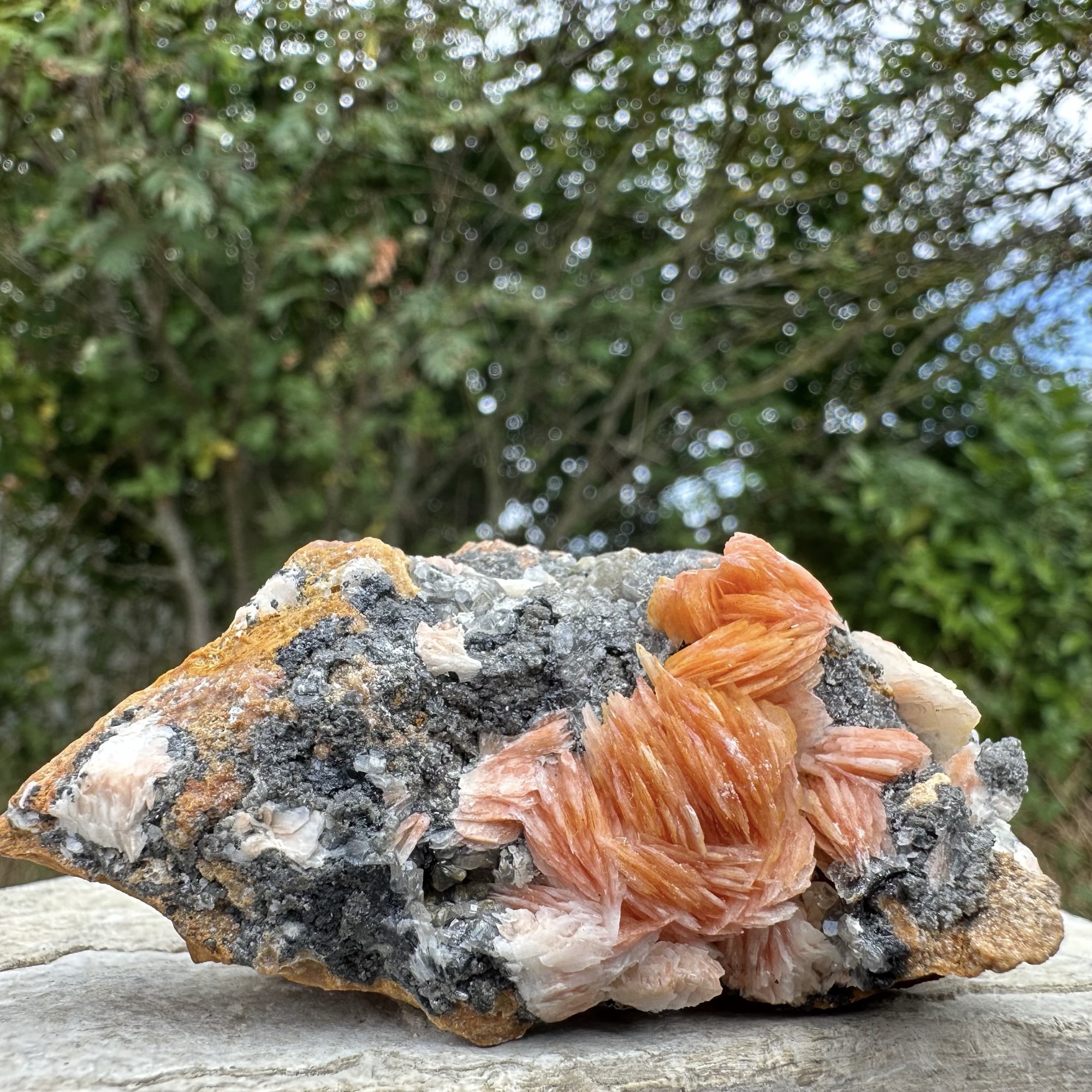
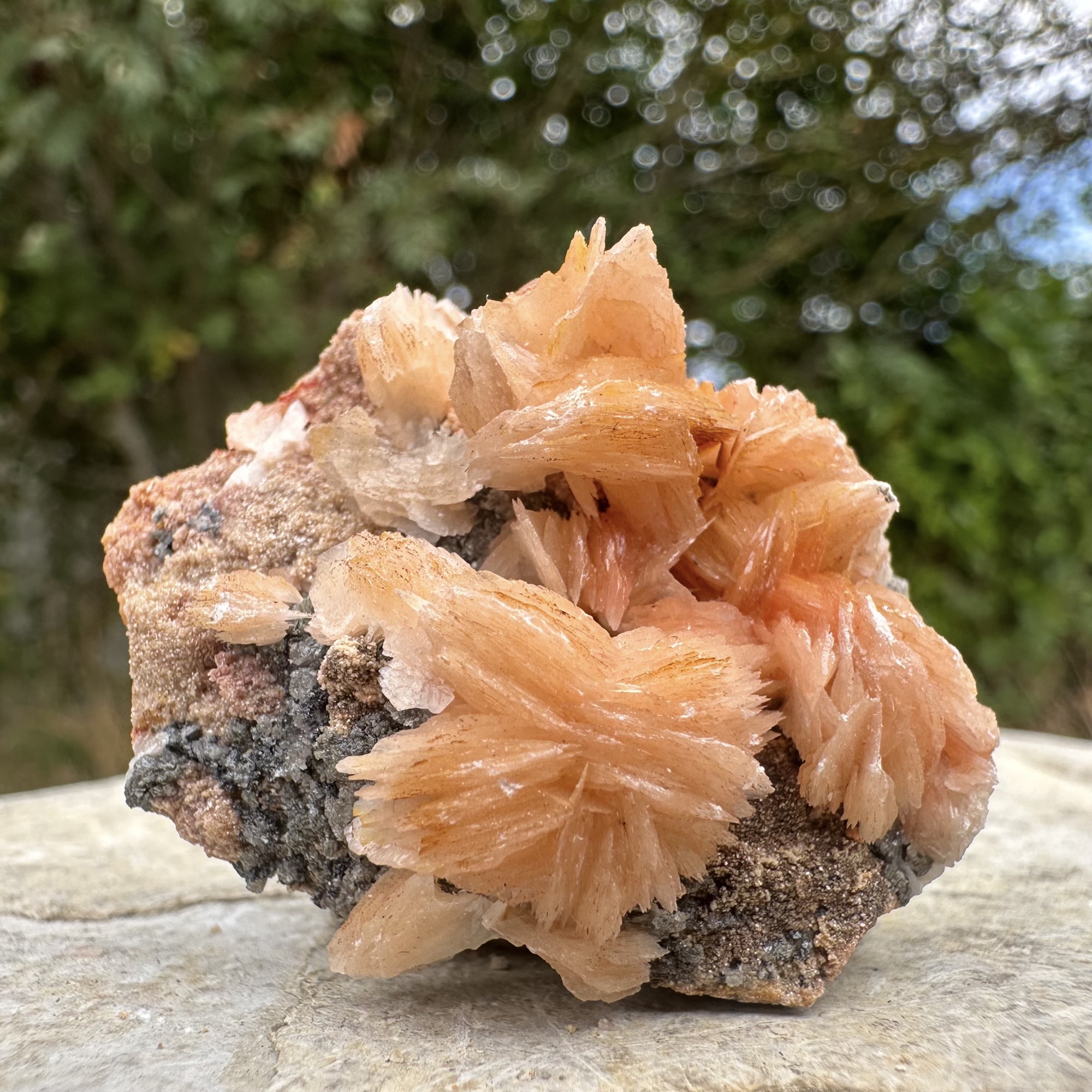
Cerussite Galena Dolomite Mineral Specimen Natural Crystal Cluster Genuine Lead Carbonate and Sulfide Display Piece 25-55mm with Certificate
£ 1.44
CERUSSITE, GALENA AND DOLOMITE MINERAL SPECIMEN (25–55MM)This genuine Cerussite, Galena and Dolomite mineral specimen is a striking
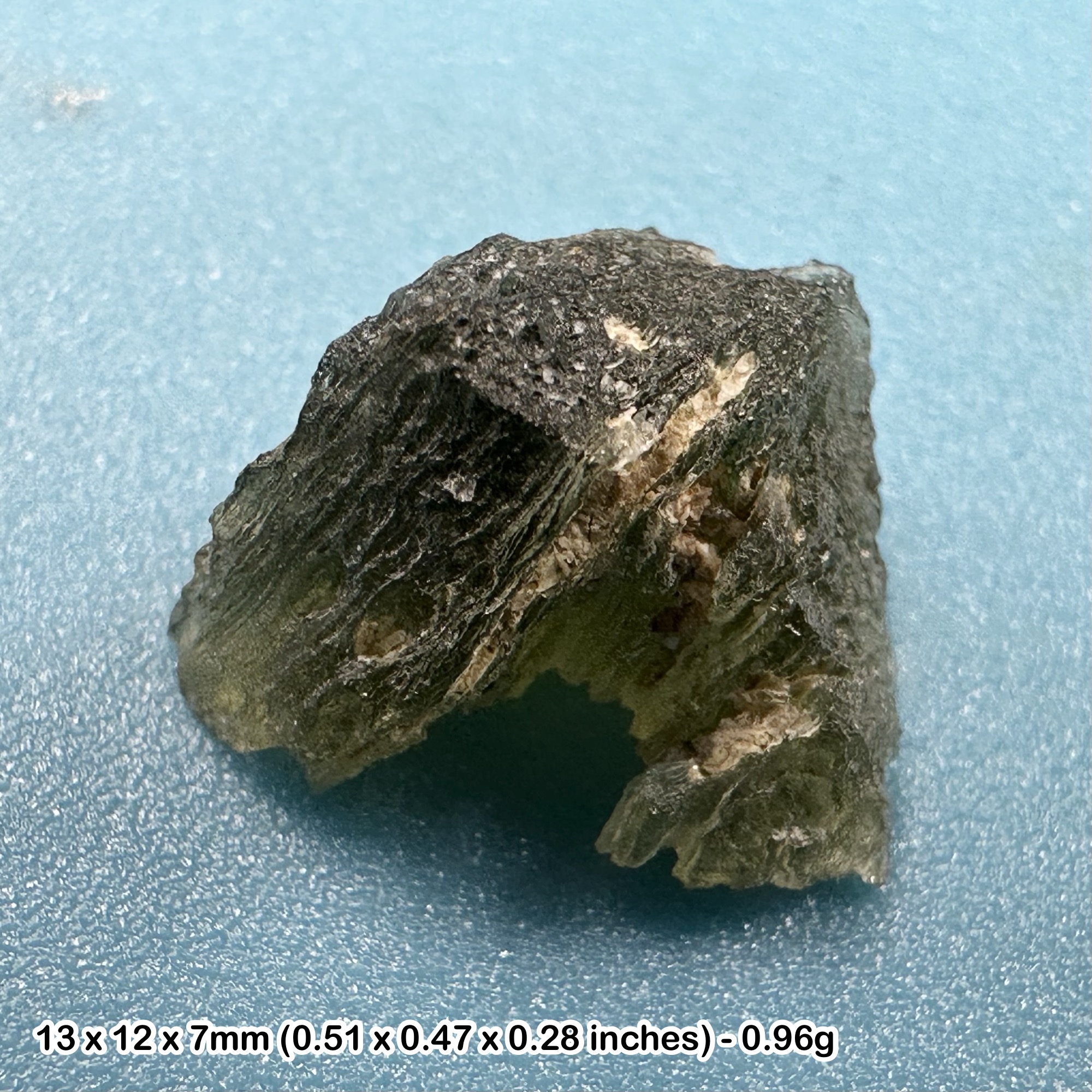
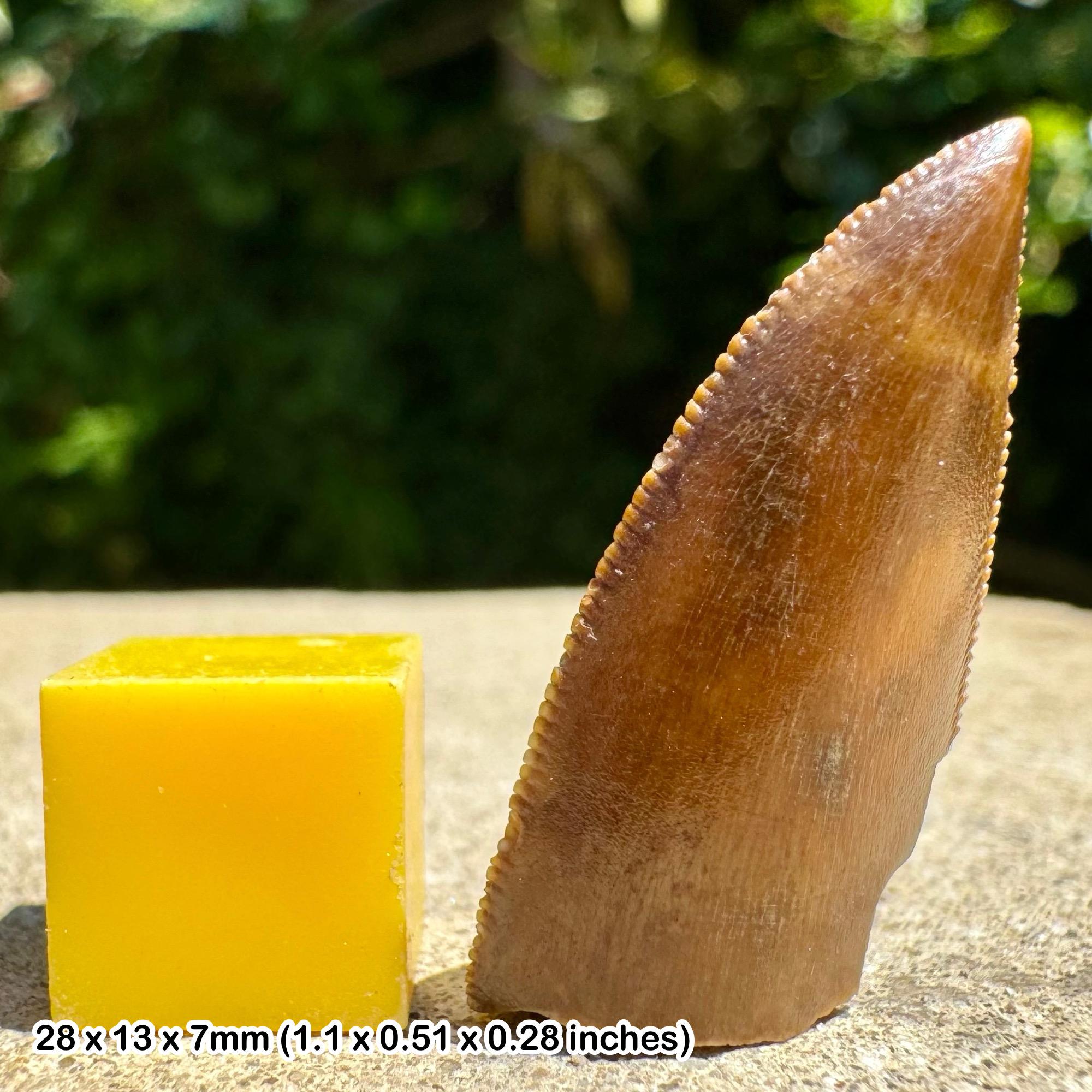
natural crystal combination showcasing three distinct mineral species in one collectible piece. Measuring approximately 25–55mm (please see photos for full sizing and scale), this specimen offers excellent contrast between metallic sulfide, translucent carbonate crystals, and pale host matrix.The photograph shows an example of the actual specimen you will receive. Each piece is carefully chosen for crystal definition, mineral balance, and overall display quality.This crystal is a genuine specimen and includes a Certificate of Authenticity lifetime guarantee generic card. MINERAL SPECIES & SCIENTIFIC CLASSIFICATION CERUSSITE – LEAD CARBONATECerussite is a secondary lead carbonate mineral with the chemical formula:PbCO₃It crystallises in the orthorhombic crystal system and is known for forming prismatic, tabular, or reticulated crystal groups. Cerussite often develops as an oxidation product of galena in lead-rich ore deposits.Key characteristics include:
• Colour: Colourless, white, grey, or slightly smoky
• Lustre: Adamantine to vitreous
• Transparency: Transparent to translucent
• Hardness: 3–3.5 on the Mohs scaleCerussite crystals can show twinning and complex intergrowth patterns, which add visual interest and collector appeal. GALENA – LEAD SULFIDEGalena (PbS) is the primary ore of lead and crystallises in the isometric (cubic) crystal system. It is famous for its bright metallic lustre and cubic crystal habit.Key properties include:
• Colour: Lead-grey metallic
• Lustre: Bright metallic
• Hardness: 2.5 on the Mohs scale
• Crystal habit: Cubic or octahedral formsGalena often forms the primary mineral within hydrothermal lead deposits and serves as the parent mineral from which cerussite develops through oxidation. DOLOMITE – CALCIUM MAGNESIUM CARBONATEDolomite (CaMg(CO₃)₂) crystallises in the trigonal crystal system and commonly appears as rhombohedral crystals or granular masses. In this specimen, dolomite may form the pale matrix or host rock supporting the cerussite and galena.Dolomite characteristics include:
• Colour: White, cream, pale grey or pinkish tones
• Lustre: Vitreous to pearly
• Hardness: 3.5–4 on the Mohs scale GEOLOGICAL FORMATION & MINERAL ASSOCIATIONThis mineral association forms in hydrothermal lead-zinc ore deposits. Galena crystallises first from mineral-rich fluids circulating through fractures in carbonate host rocks such as limestone or dolostone. Over time, exposure to oxygen-rich groundwater alters portions of the galena into cerussite, producing attractive secondary crystal growth.Dolomite often serves as the surrounding matrix or host rock, forming in marine sedimentary environments before being mineralised by hydrothermal activity.The coexistence of primary sulfide (galena) and secondary carbonate (cerussite) minerals makes this combination scientifically interesting and visually dynamic. APPEARANCE & DISPLAY QUALITIESThis specimen features:
• Metallic cubic or granular galena
• Bright, often translucent cerussite crystals
• Pale dolomite matrix providing contrast
• Natural crystal textures and structural detailThe interplay between reflective metallic surfaces and lighter crystalline carbonates creates strong visual depth. Crystal faces may show natural growth patterns, twinning, or intergrowth typical of these mineral species.Each specimen within the 25–55mm size range is unique due to variations in crystal placement, oxidation patterns, and mineral balance. COLLECTING & EDUCATIONAL VALUECerussite, galena and dolomite combinations are popular with:
• Mineral collectors
• Ore deposit enthusiasts
• Crystallography students
• Educational geology displays
• Cabinet-sized specimen collectorsCerussite is traditionally associated in spiritual contexts with clarity and transformation, though this listing focuses on its mineralogical significance and geological formation.The contrast between primary and secondary mineral growth provides an excellent study example of oxidation processes within ore systems. AUTHENTICITY & CERTIFICATE INCLUDEDThis is a genuine mineral specimen featuring cerussite, galena and dolomite. The photo shows an example of the actual specimen you will receive, selected within the stated 25–55mm size range.Your purchase includes a Certificate of Authenticity lifetime guarantee generic card. Please refer to the listing photographs for sizing and presentation details.A classic lead ore mineral association combining metallic and crystalline forms, this specimen offers both scientific interest and striking natural beauty for any serious mineral collection.
natural crystal combination showcasing three distinct mineral species in one collectible piece. Measuring approximately 25–55mm (please see photos for full sizing and scale), this specimen offers excellent contrast between metallic sulfide, translucent carbonate crystals, and pale host matrix.The photograph shows an example of the actual specimen you will receive. Each piece is carefully chosen for crystal definition, mineral balance, and overall display quality.This crystal is a genuine specimen and includes a Certificate of Authenticity lifetime guarantee generic card. MINERAL SPECIES & SCIENTIFIC CLASSIFICATION CERUSSITE – LEAD CARBONATECerussite is a secondary lead carbonate mineral with the chemical formula:PbCO₃It crystallises in the orthorhombic crystal system and is known for forming prismatic, tabular, or reticulated crystal groups. Cerussite often develops as an oxidation product of galena in lead-rich ore deposits.Key characteristics include:
• Colour: Colourless, white, grey, or slightly smoky
• Lustre: Adamantine to vitreous
• Transparency: Transparent to translucent
• Hardness: 3–3.5 on the Mohs scaleCerussite crystals can show twinning and complex intergrowth patterns, which add visual interest and collector appeal. GALENA – LEAD SULFIDEGalena (PbS) is the primary ore of lead and crystallises in the isometric (cubic) crystal system. It is famous for its bright metallic lustre and cubic crystal habit.Key properties include:
• Colour: Lead-grey metallic
• Lustre: Bright metallic
• Hardness: 2.5 on the Mohs scale
• Crystal habit: Cubic or octahedral formsGalena often forms the primary mineral within hydrothermal lead deposits and serves as the parent mineral from which cerussite develops through oxidation. DOLOMITE – CALCIUM MAGNESIUM CARBONATEDolomite (CaMg(CO₃)₂) crystallises in the trigonal crystal system and commonly appears as rhombohedral crystals or granular masses. In this specimen, dolomite may form the pale matrix or host rock supporting the cerussite and galena.Dolomite characteristics include:
• Colour: White, cream, pale grey or pinkish tones
• Lustre: Vitreous to pearly
• Hardness: 3.5–4 on the Mohs scale GEOLOGICAL FORMATION & MINERAL ASSOCIATIONThis mineral association forms in hydrothermal lead-zinc ore deposits. Galena crystallises first from mineral-rich fluids circulating through fractures in carbonate host rocks such as limestone or dolostone. Over time, exposure to oxygen-rich groundwater alters portions of the galena into cerussite, producing attractive secondary crystal growth.Dolomite often serves as the surrounding matrix or host rock, forming in marine sedimentary environments before being mineralised by hydrothermal activity.The coexistence of primary sulfide (galena) and secondary carbonate (cerussite) minerals makes this combination scientifically interesting and visually dynamic. APPEARANCE & DISPLAY QUALITIESThis specimen features:
• Metallic cubic or granular galena
• Bright, often translucent cerussite crystals
• Pale dolomite matrix providing contrast
• Natural crystal textures and structural detailThe interplay between reflective metallic surfaces and lighter crystalline carbonates creates strong visual depth. Crystal faces may show natural growth patterns, twinning, or intergrowth typical of these mineral species.Each specimen within the 25–55mm size range is unique due to variations in crystal placement, oxidation patterns, and mineral balance. COLLECTING & EDUCATIONAL VALUECerussite, galena and dolomite combinations are popular with:
• Mineral collectors
• Ore deposit enthusiasts
• Crystallography students
• Educational geology displays
• Cabinet-sized specimen collectorsCerussite is traditionally associated in spiritual contexts with clarity and transformation, though this listing focuses on its mineralogical significance and geological formation.The contrast between primary and secondary mineral growth provides an excellent study example of oxidation processes within ore systems. AUTHENTICITY & CERTIFICATE INCLUDEDThis is a genuine mineral specimen featuring cerussite, galena and dolomite. The photo shows an example of the actual specimen you will receive, selected within the stated 25–55mm size range.Your purchase includes a Certificate of Authenticity lifetime guarantee generic card. Please refer to the listing photographs for sizing and presentation details.A classic lead ore mineral association combining metallic and crystalline forms, this specimen offers both scientific interest and striking natural beauty for any serious mineral collection.
Other Products