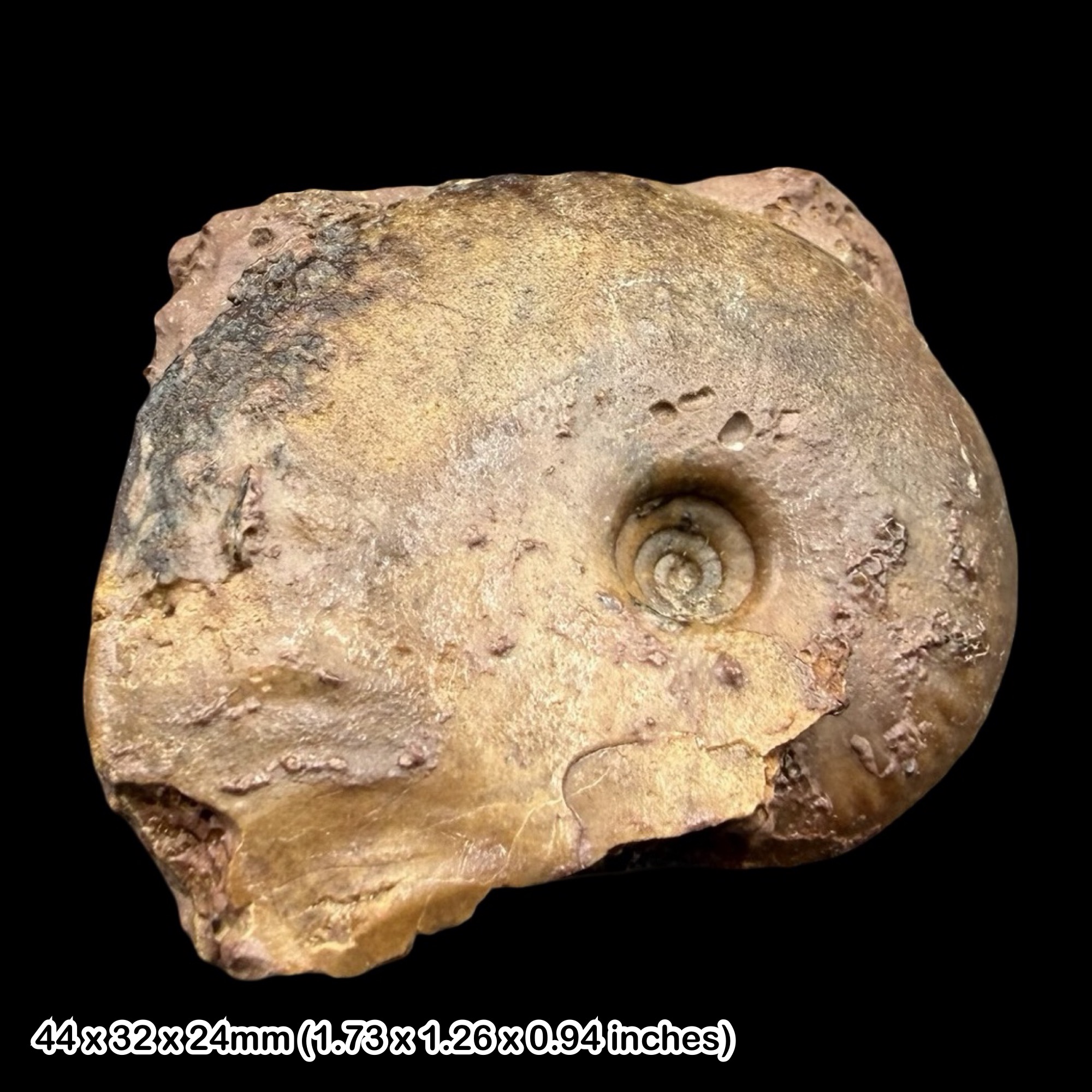
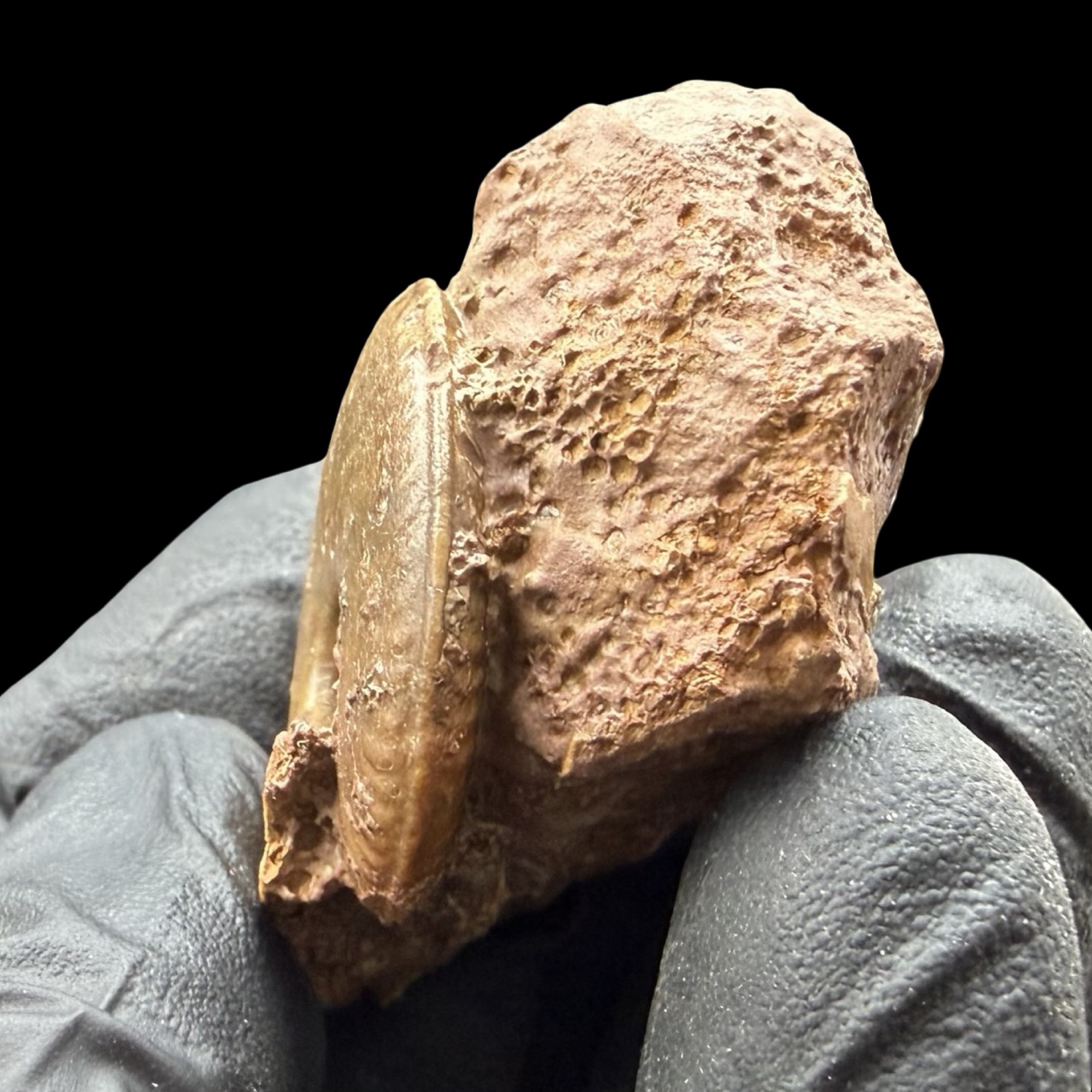
Oecotraustes Claviger Ammonite Fossil Germany Genuine COA Jurassic Specimen Bajocian Sengenthal Neumarkt Bavaria Collector Fossil
£ 14.40
GENUINE OECOTRAUSTES CLAVIGER AMMONITE FOSSILThis listing is for a genuine Oecotraustes claviger ammonite fossil from the
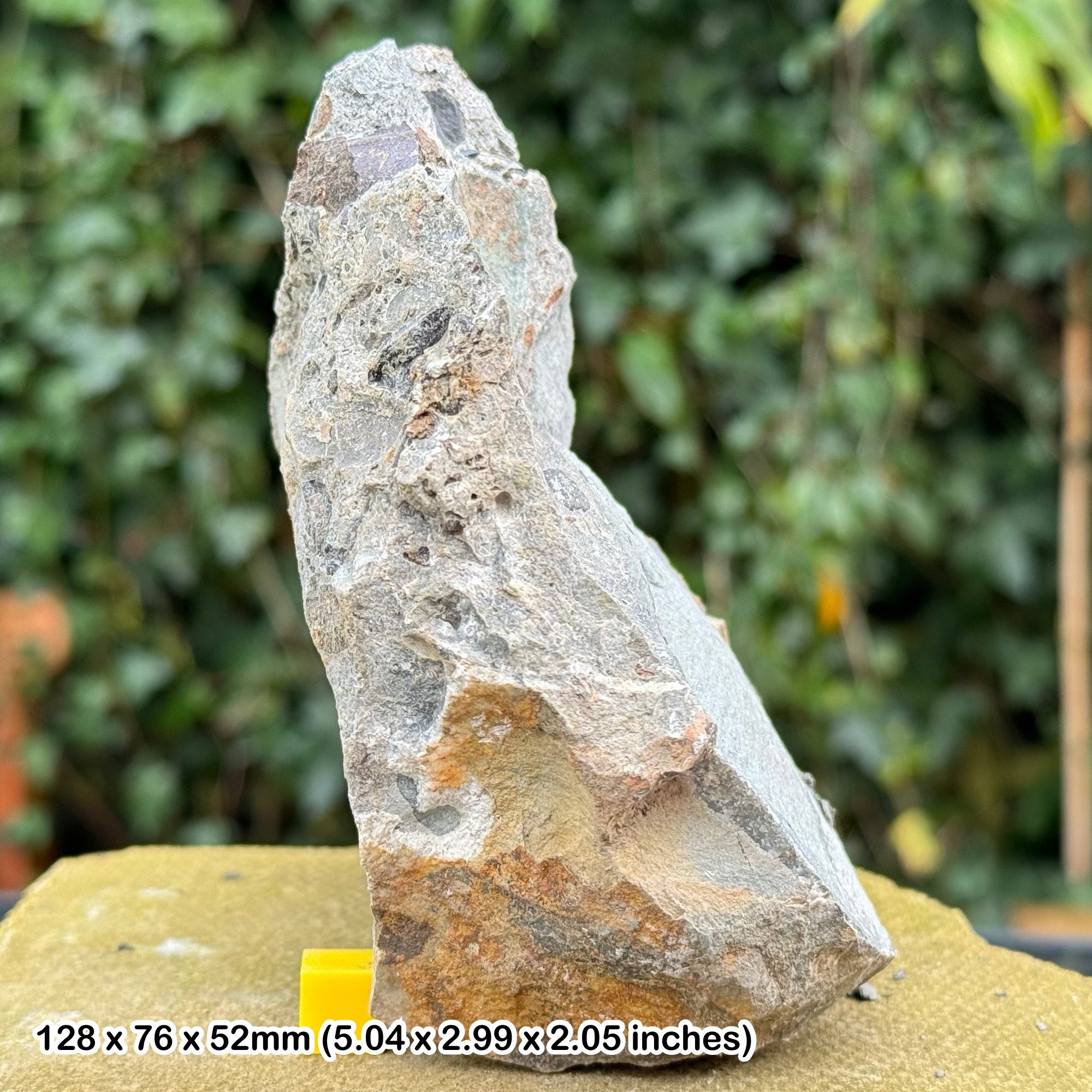
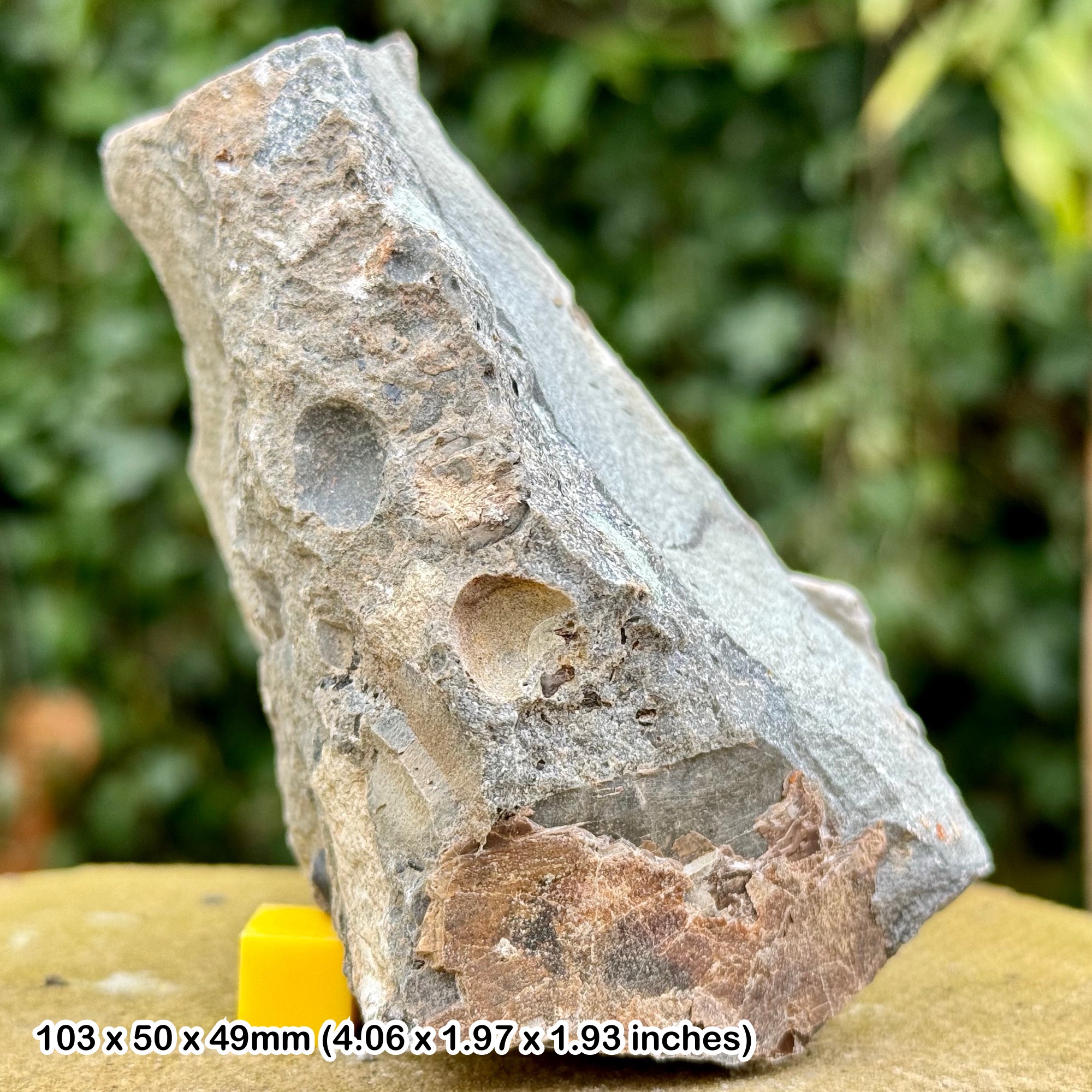
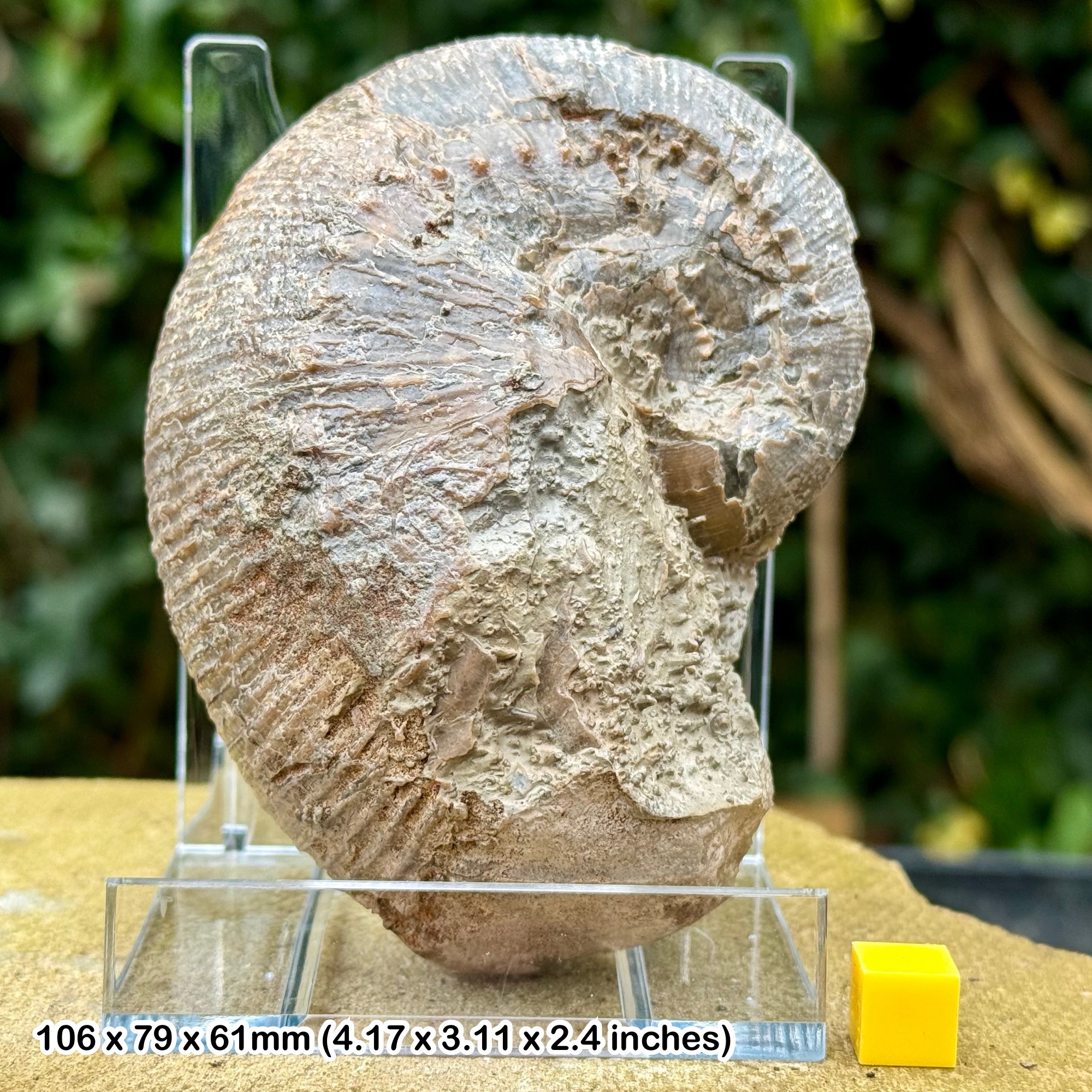
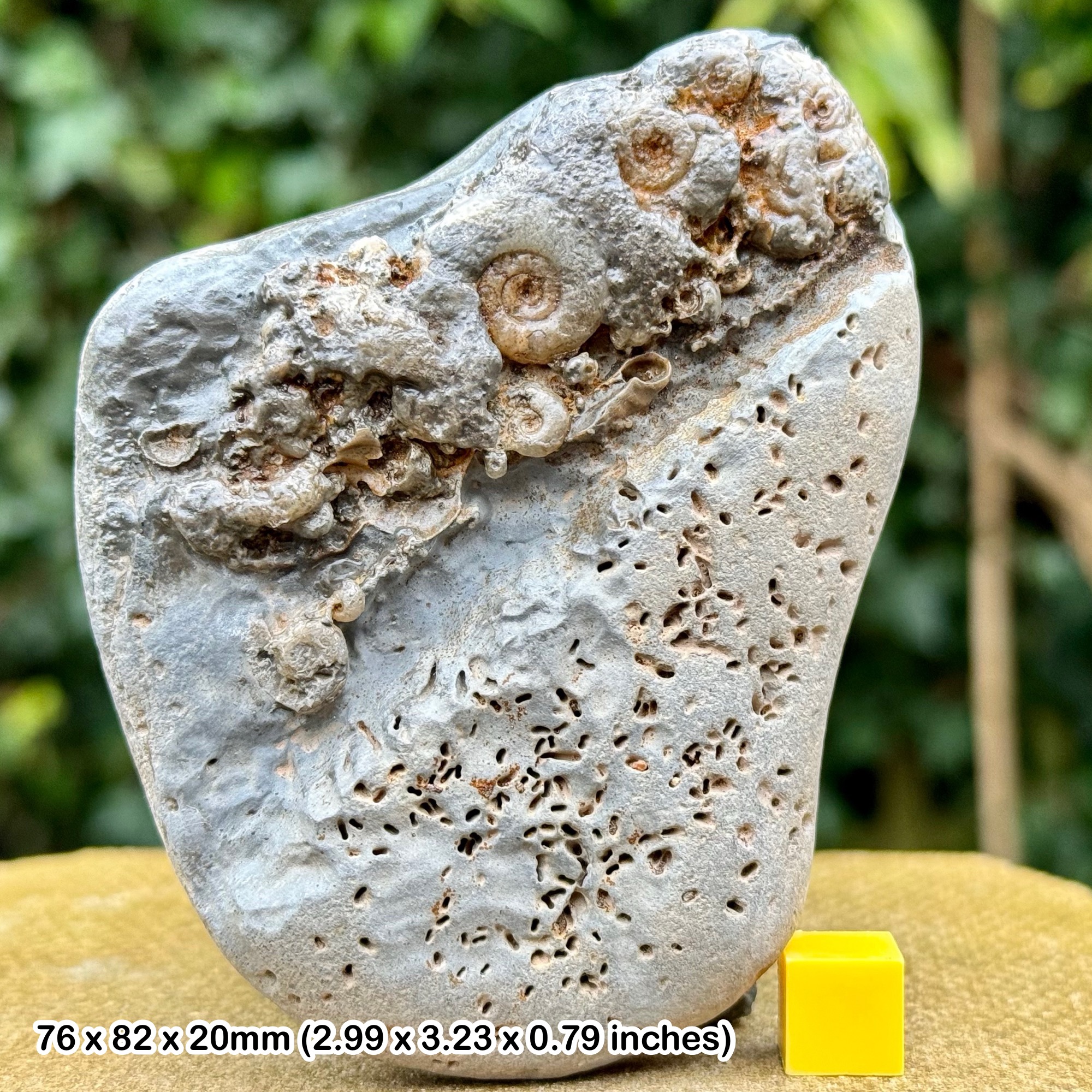
Middle Jurassic, Bajocian Stage, collected from Sengenthal, Neumarkt, Bavaria, Germany. This carefully chosen fossil specimen has been selected for its natural fossil character, geological interest, and classic European Jurassic display appeal. The photograph shows the actual specimen you will receive, so please refer to the photo for the full sizing, proportions, preservation, colour, surface texture, matrix, and overall condition of this individual fossil.This fossil is supplied with a Certificate of Authenticity lifetime guarantee generic card, giving confidence that the specimen is a genuine fossil and not a modern replica.SPECIES AND FOSSIL TYPEOecotraustes claviger is an extinct ammonite species, a marine cephalopod that lived in ancient seas during the Jurassic Period. Ammonites were related to modern squid, cuttlefish, octopus, and nautilus, but they lived within coiled, chambered shells. The living animal occupied the final outer body chamber, while the earlier internal chambers helped regulate buoyancy, allowing the ammonite to move through the water column.This fossil belongs to the ammonite order Ammonitida, one of the major ammonite groups of the Jurassic and Cretaceous. Ammonites such as Oecotraustes claviger are highly collectable because they combine natural spiral beauty with strong palaeontological importance. Their shell forms changed rapidly through geological time, making ammonites valuable fossils for dating and comparing Jurassic marine rock layers.MIDDLE JURASSIC BAJOCIAN AGEThis specimen dates from the Bajocian Stage of the Middle Jurassic, approximately 170 to 168 million years old. The Bajocian was an important interval in ammonite evolution, with many distinctive genera and species developing in warm marine environments across Europe. During this time, the seas supported a rich ecosystem of ammonites, belemnites, bivalves, brachiopods, gastropods, echinoids, fish, and other marine animals.The Bajocian is especially important to fossil collectors and geologists because ammonites from this stage are often used in biostratigraphy. Their evolving shell shapes, rib patterns, whorl profiles, and suture details help divide Middle Jurassic rocks into finer time intervals, giving fossils like this both collector appeal and scientific interest.SENGENTHAL AND BAVARIAN GEOLOGYThis fossil comes from Sengenthal, near Neumarkt in Bavaria, Germany, a region known for fossil-bearing Jurassic sediments. During the Middle Jurassic, the area that is now Bavaria was very different from the modern landscape. It formed part of a marine setting connected to the wider European Jurassic seas, where carbonate-rich muds, clays, marls, and other marine sediments accumulated on the sea floor.These deposits preserved the shells of ammonites and other sea life after death. Once buried, the shells were affected by mineral-rich groundwater, pressure, and slow geological change. Over millions of years, these natural processes transformed the remains into fossils, while later uplift and erosion exposed the fossil-bearing layers.MORPHOLOGY AND NATURAL FEATURESOecotraustes claviger is appreciated for its compact coiled ammonite form and distinctive Jurassic cephalopod character. Like other ammonites, the shell grew in a planispiral coil, with each whorl recording a stage of growth. Important features in ammonite identification include whorl shape, umbilicus width, shell compression, ornamentation, body chamber form, chamber divisions, and suture pattern.The species name claviger is associated with club-like or strengthened ornament, giving this ammonite particular interest where such features are preserved. Depending on the individual specimen, visible details may include natural shell curvature, fine ribbing, growth lines, chamber traces, mineralisation, matrix, colour variation, or surface texture. Natural wear, small cracks, matrix, preparation marks, and mineral changes are normal in genuine fossils and help show the long geological history of the piece.ANCIENT JURASSIC MARINE LIFEDuring life, this Oecotraustes claviger ammonite would have been part of a diverse Middle Jurassic marine ecosystem. Ammonites were active swimming cephalopods, using their chambered shells to control buoyancy and maintain stability in the water. They likely fed on small marine organisms or scavenged available food, while also forming part of the food chain for larger predators such as fish and marine reptiles.The coiled shell was both protective and functional, allowing the animal to grow while preserving balance and movement in the sea. After death, the shell settled onto the sea floor, became buried by sediment, and began the long process of fossilisation that preserved it for millions of years.COLLECTOR DISPLAY AND AUTHENTICITYThis Oecotraustes claviger ammonite fossil from Bavaria, Germany is ideal for fossil collectors, natural history enthusiasts, geology students, educational displays, cabinet collections, and anyone interested in genuine Jurassic fossils. It is especially suitable for collectors of ammonites, fossil cephalopods, German fossils, Middle Jurassic specimens, Bajocian fossils, and scientifically interesting marine invertebrates.The fossil shown in the photograph is the actual specimen you will receive. Please check the photo carefully for full sizing and condition details, including preservation, colour, matrix, visible morphology, natural surface texture, and overall fossil character.INCLUDED WITH THIS SPECIMENYour fossil will be supplied as a genuine specimen with a Certificate of Authenticity lifetime guarantee generic card. This makes it suitable for personal collecting, educational use, natural history display, geology teaching, or as a thoughtful gift for fossil lovers, palaeontology enthusiasts, students, teachers, and collectors of ancient marine specimens.
Middle Jurassic, Bajocian Stage, collected from Sengenthal, Neumarkt, Bavaria, Germany. This carefully chosen fossil specimen has been selected for its natural fossil character, geological interest, and classic European Jurassic display appeal. The photograph shows the actual specimen you will receive, so please refer to the photo for the full sizing, proportions, preservation, colour, surface texture, matrix, and overall condition of this individual fossil.This fossil is supplied with a Certificate of Authenticity lifetime guarantee generic card, giving confidence that the specimen is a genuine fossil and not a modern replica.SPECIES AND FOSSIL TYPEOecotraustes claviger is an extinct ammonite species, a marine cephalopod that lived in ancient seas during the Jurassic Period. Ammonites were related to modern squid, cuttlefish, octopus, and nautilus, but they lived within coiled, chambered shells. The living animal occupied the final outer body chamber, while the earlier internal chambers helped regulate buoyancy, allowing the ammonite to move through the water column.This fossil belongs to the ammonite order Ammonitida, one of the major ammonite groups of the Jurassic and Cretaceous. Ammonites such as Oecotraustes claviger are highly collectable because they combine natural spiral beauty with strong palaeontological importance. Their shell forms changed rapidly through geological time, making ammonites valuable fossils for dating and comparing Jurassic marine rock layers.MIDDLE JURASSIC BAJOCIAN AGEThis specimen dates from the Bajocian Stage of the Middle Jurassic, approximately 170 to 168 million years old. The Bajocian was an important interval in ammonite evolution, with many distinctive genera and species developing in warm marine environments across Europe. During this time, the seas supported a rich ecosystem of ammonites, belemnites, bivalves, brachiopods, gastropods, echinoids, fish, and other marine animals.The Bajocian is especially important to fossil collectors and geologists because ammonites from this stage are often used in biostratigraphy. Their evolving shell shapes, rib patterns, whorl profiles, and suture details help divide Middle Jurassic rocks into finer time intervals, giving fossils like this both collector appeal and scientific interest.SENGENTHAL AND BAVARIAN GEOLOGYThis fossil comes from Sengenthal, near Neumarkt in Bavaria, Germany, a region known for fossil-bearing Jurassic sediments. During the Middle Jurassic, the area that is now Bavaria was very different from the modern landscape. It formed part of a marine setting connected to the wider European Jurassic seas, where carbonate-rich muds, clays, marls, and other marine sediments accumulated on the sea floor.These deposits preserved the shells of ammonites and other sea life after death. Once buried, the shells were affected by mineral-rich groundwater, pressure, and slow geological change. Over millions of years, these natural processes transformed the remains into fossils, while later uplift and erosion exposed the fossil-bearing layers.MORPHOLOGY AND NATURAL FEATURESOecotraustes claviger is appreciated for its compact coiled ammonite form and distinctive Jurassic cephalopod character. Like other ammonites, the shell grew in a planispiral coil, with each whorl recording a stage of growth. Important features in ammonite identification include whorl shape, umbilicus width, shell compression, ornamentation, body chamber form, chamber divisions, and suture pattern.The species name claviger is associated with club-like or strengthened ornament, giving this ammonite particular interest where such features are preserved. Depending on the individual specimen, visible details may include natural shell curvature, fine ribbing, growth lines, chamber traces, mineralisation, matrix, colour variation, or surface texture. Natural wear, small cracks, matrix, preparation marks, and mineral changes are normal in genuine fossils and help show the long geological history of the piece.ANCIENT JURASSIC MARINE LIFEDuring life, this Oecotraustes claviger ammonite would have been part of a diverse Middle Jurassic marine ecosystem. Ammonites were active swimming cephalopods, using their chambered shells to control buoyancy and maintain stability in the water. They likely fed on small marine organisms or scavenged available food, while also forming part of the food chain for larger predators such as fish and marine reptiles.The coiled shell was both protective and functional, allowing the animal to grow while preserving balance and movement in the sea. After death, the shell settled onto the sea floor, became buried by sediment, and began the long process of fossilisation that preserved it for millions of years.COLLECTOR DISPLAY AND AUTHENTICITYThis Oecotraustes claviger ammonite fossil from Bavaria, Germany is ideal for fossil collectors, natural history enthusiasts, geology students, educational displays, cabinet collections, and anyone interested in genuine Jurassic fossils. It is especially suitable for collectors of ammonites, fossil cephalopods, German fossils, Middle Jurassic specimens, Bajocian fossils, and scientifically interesting marine invertebrates.The fossil shown in the photograph is the actual specimen you will receive. Please check the photo carefully for full sizing and condition details, including preservation, colour, matrix, visible morphology, natural surface texture, and overall fossil character.INCLUDED WITH THIS SPECIMENYour fossil will be supplied as a genuine specimen with a Certificate of Authenticity lifetime guarantee generic card. This makes it suitable for personal collecting, educational use, natural history display, geology teaching, or as a thoughtful gift for fossil lovers, palaeontology enthusiasts, students, teachers, and collectors of ancient marine specimens.
Other Products