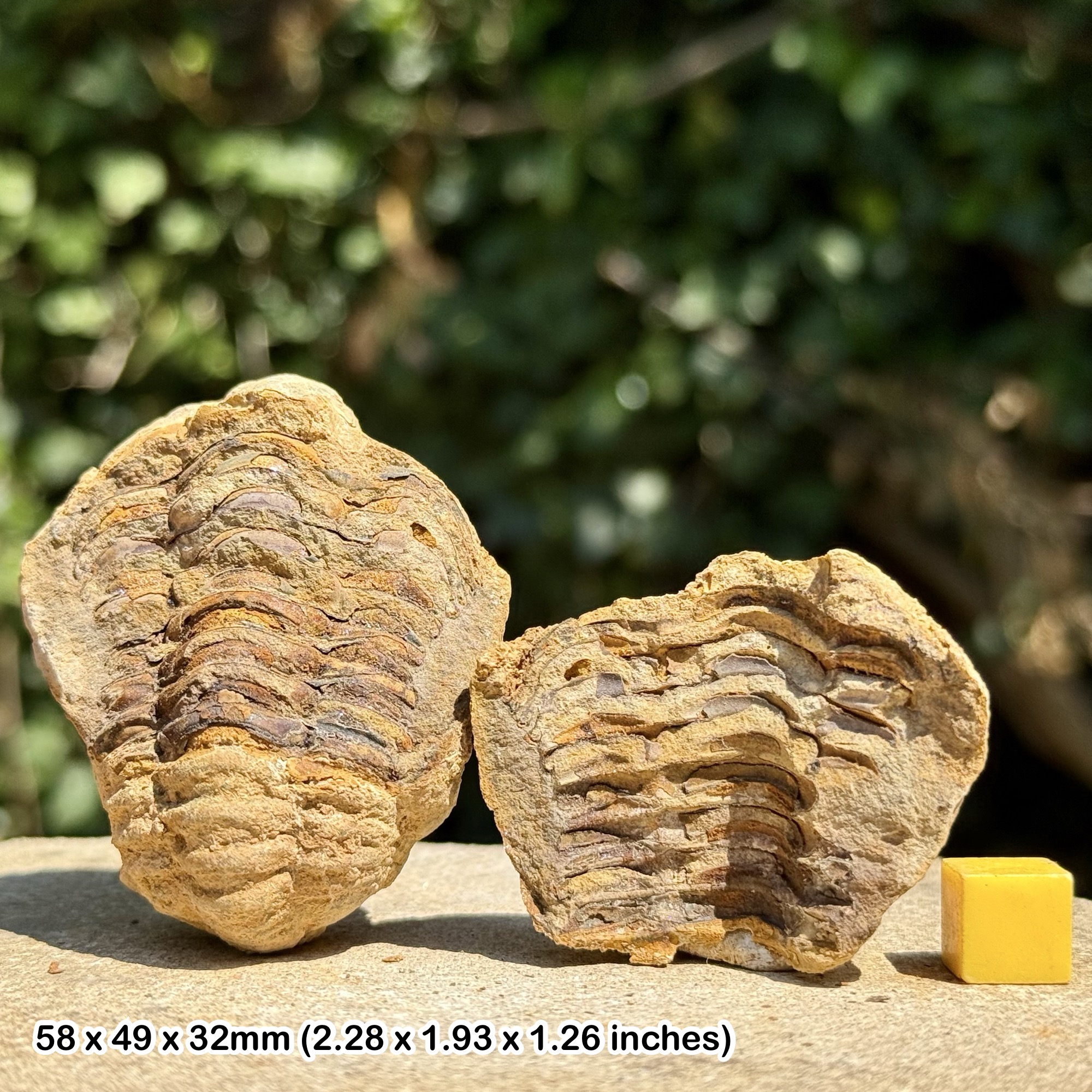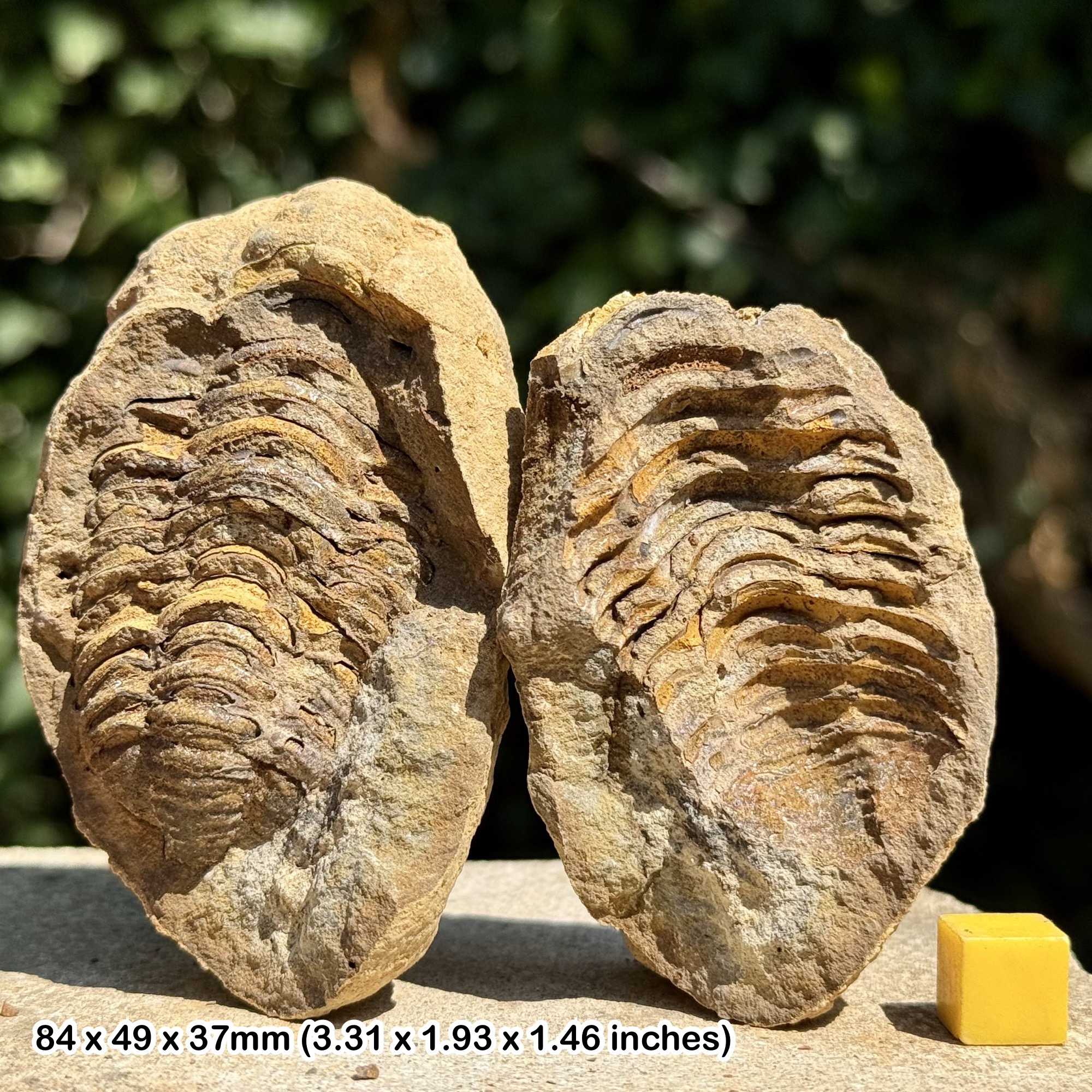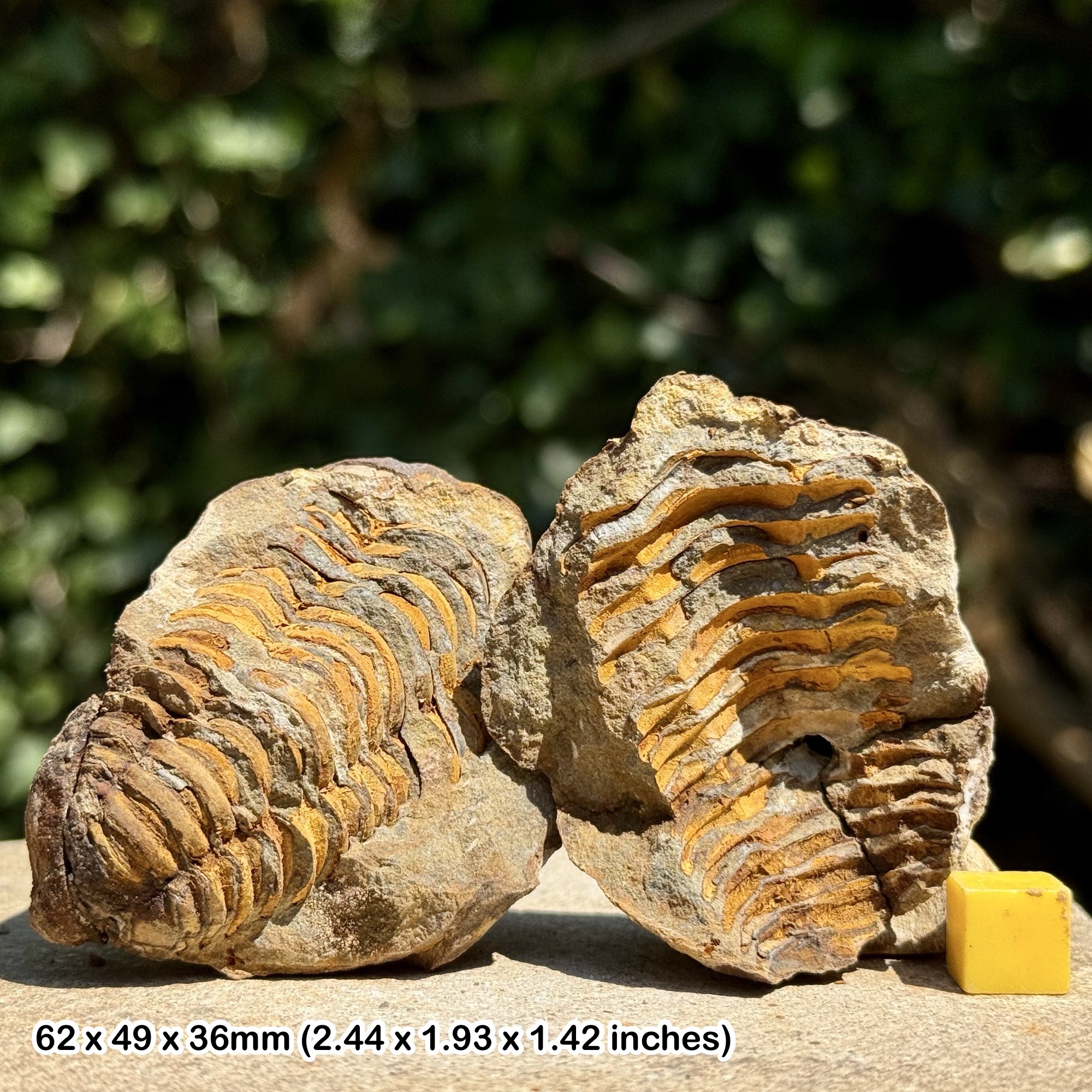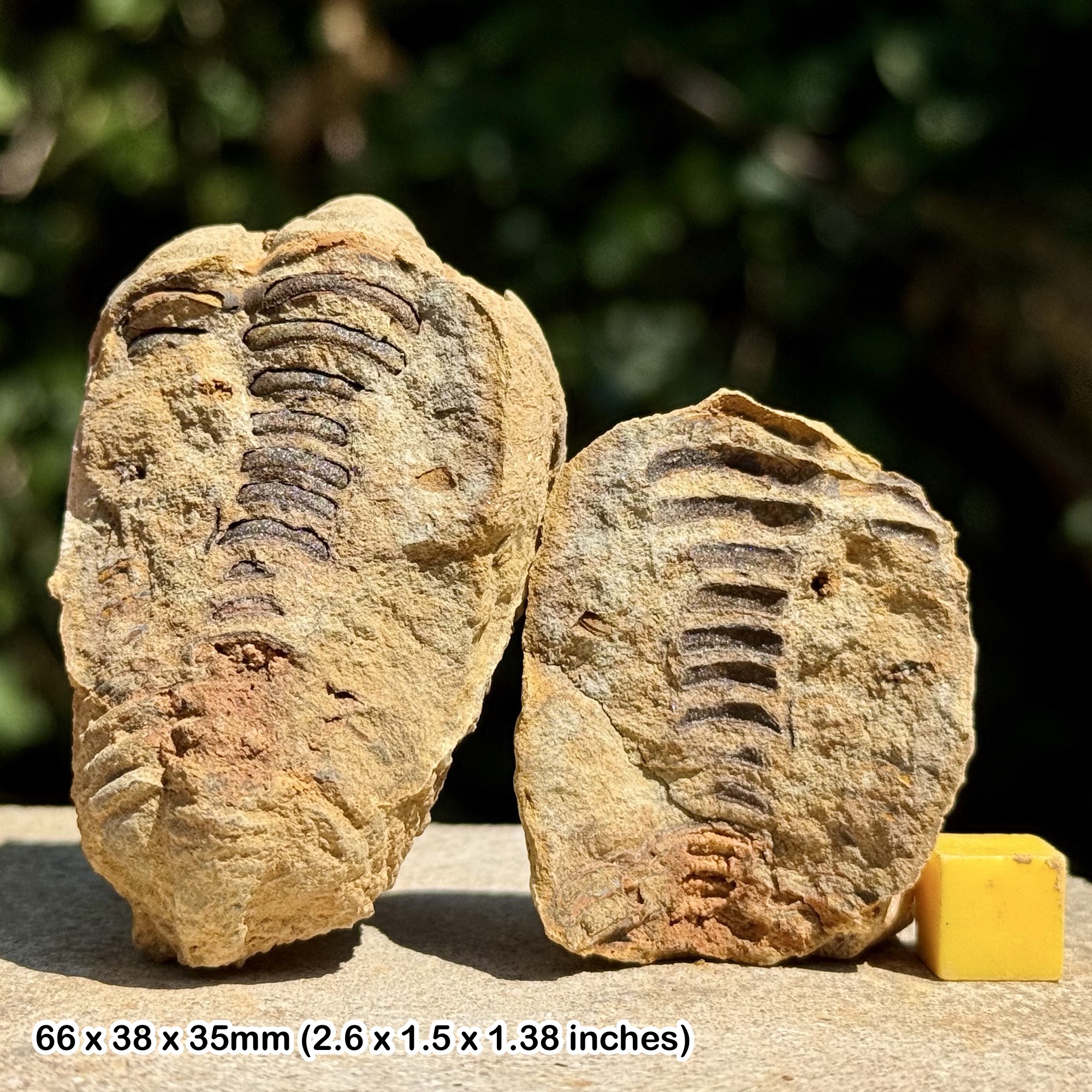
Pseudopecten dentatus Fossil Bivalve Jurassic Robin Hoods Bay Yorkshire UK COA Genuine Pliensbachian Shell Specimen
£ 48.00
GENUINE PSEUDOPECTEN DENTATUS FOSSIL BIVALVEThis listing is for a genuine Pseudopecten dentatus fossil bivalve from the
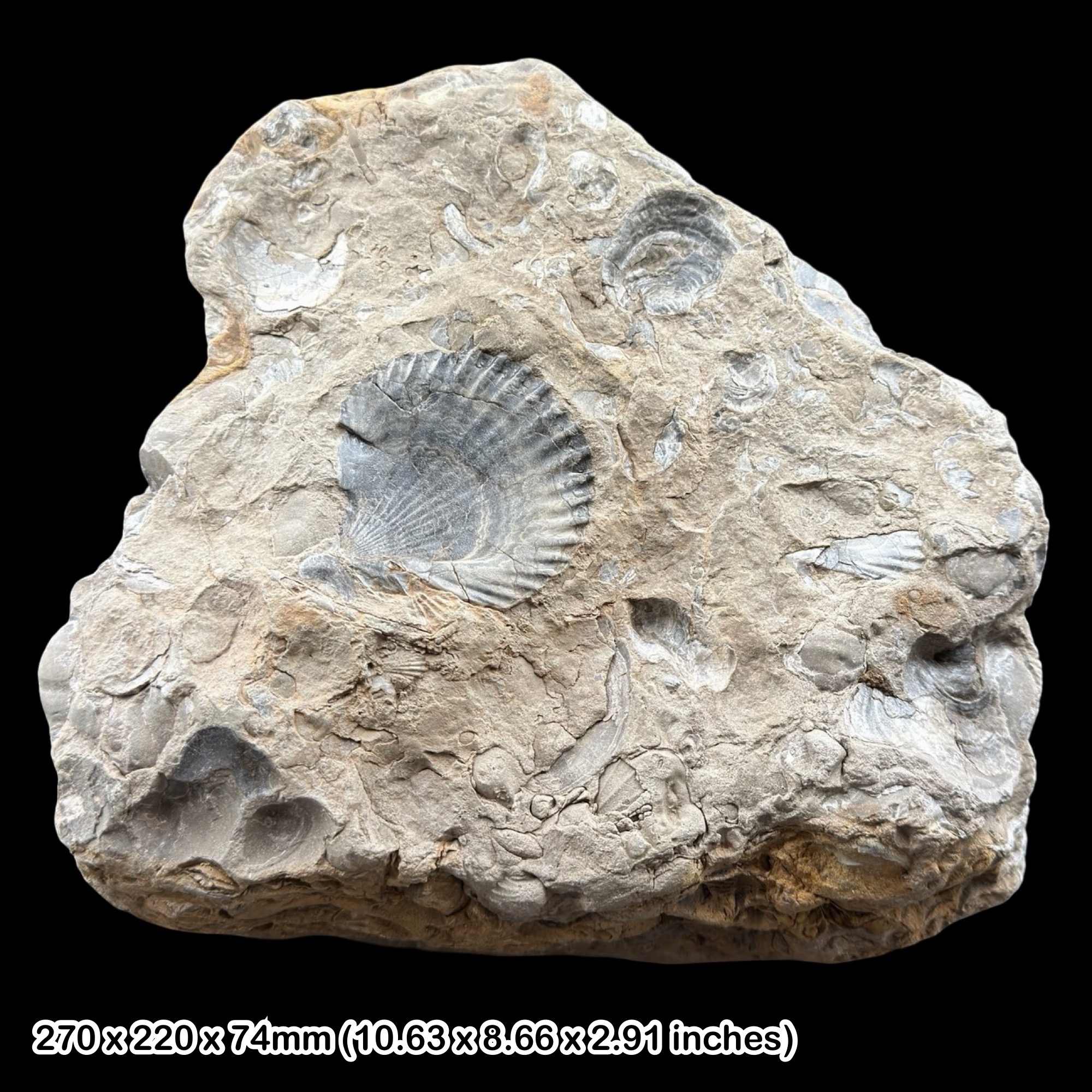
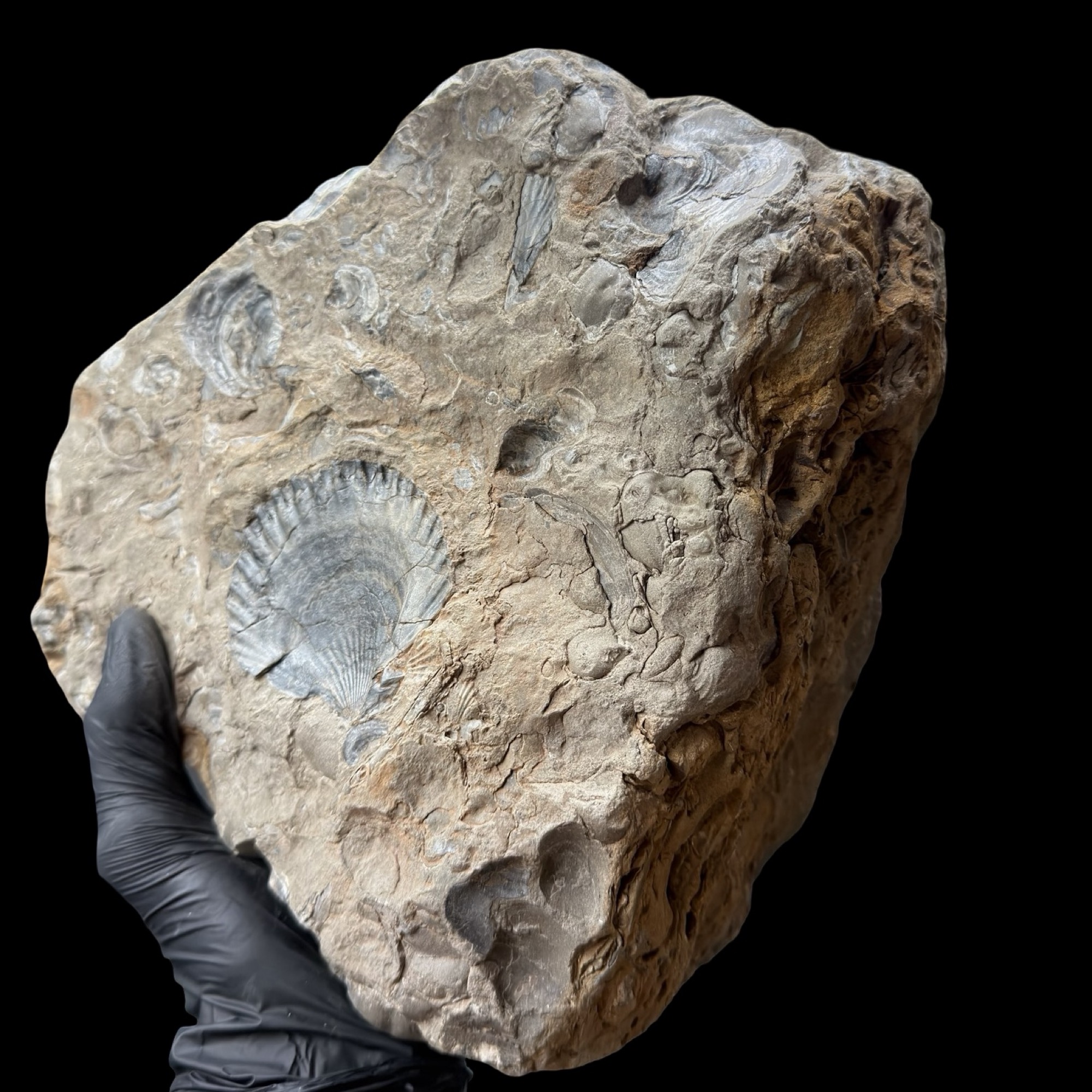
Pliensbachian stage of the Jurassic, collected from Robin Hoods Bay, Yorkshire, UK. It is a carefully chosen fossil specimen and includes a Certificate of Authenticity lifetime guarantee generic card. The photo shows the actual fossil you will receive, so you can view the natural shape, preservation, surface detail and overall display character of this individual specimen before purchase. Full sizing details can be seen in the photo.Your specimen was discovered by our own team members, Alister and Alison, and has been cleaned, prepped and treated by Alison. This gives the fossil a clear collecting history from discovery through to preparation, making it an appealing choice for collectors who value genuine provenance and properly presented British fossils. SPECIES INFORMATION AND FOSSIL SHELL DETAILPseudopecten dentatus is a Jurassic marine bivalve with a scallop-like shell form. Bivalves are molluscs with two hinged shell valves, and fossil examples provide an excellent record of ancient seabed environments. Pseudopecten is known for its attractive ribbed shell ornament, with radiating ribs extending from the hinge area towards the outer shell margin. These ribs gave the shell strength and created the distinctive textured appearance that makes this species popular with fossil collectors.The species name dentatus refers to a toothed or dentate character, a term often used in natural history naming where a specimen shows tooth-like features or margins. Depending on preservation, examples of Pseudopecten dentatus may show clear shell ribbing, valve outline, hinge area, growth lines, and natural Jurassic matrix. These features make the fossil suitable for close study as well as display. PLIENSBACHIAN JURASSIC AGEThis fossil comes from the Pliensbachian stage of the Early Jurassic, a period dating to roughly 190 to 183 million years ago. During this time, much of what is now the Yorkshire coast was covered by shallow to moderately deep marine environments. Fine sediments accumulated on the seabed, preserving shells, ammonites, belemnites, marine reptile remains and other fossils within the Lower Jurassic sequence.Pseudopecten dentatus would have lived as part of this marine ecosystem, alongside many other invertebrates in the Jurassic seas. Fossil bivalves such as this are important because they help represent the broader ecology of ancient marine habitats, not just the more commonly collected ammonites. They are excellent additions to collections focused on Jurassic life, British fossils, marine palaeontology, fossil shells or Yorkshire coastal geology. ROBIN HOODS BAY, YORKSHIRE FOSSIL LOCALITYRobin Hoods Bay is one of the classic fossil collecting locations on the Yorkshire coast, well known for its Jurassic cliffs, foreshore exposures and fossil-rich sedimentary rocks. The area forms part of the wider Cleveland Basin succession, where marine mudstones, shales and limestones preserve a detailed record of Early Jurassic life. Fossils from this coast are highly collectable because of the strong locality association and the long history of palaeontological interest in the region.A fossil from Robin Hoods Bay carries excellent British locality appeal. The coastal geology of Yorkshire is especially valued by collectors, educators and natural history enthusiasts because it provides a clear window into the ancient Jurassic marine world. This Pseudopecten dentatus bivalve is therefore a desirable specimen for anyone building a collection of UK fossils, Lower Jurassic marine fossils or classic Yorkshire coast material. PREPARATION, AUTHENTICITY AND COLLECTABLE APPEALThis fossil has been cleaned, prepped and treated by Alison to help present the specimen clearly while retaining its natural character. Preparation is especially important with Jurassic coastal fossils, as careful work helps reveal the fossil’s form and surface detail while preserving the surrounding geological context where present.The specimen is ideal for fossil collectors, natural history displays, educational collections, geology cabinets, study sets, decorative fossil displays or as a thoughtful gift for someone interested in British palaeontology. Its named species, Jurassic age, Robin Hoods Bay origin and genuine team-discovered provenance make it a strong addition to a carefully documented fossil collection.A Certificate of Authenticity lifetime guarantee generic card is included with this fossil, confirming that it is a genuine specimen. The fossil shown in the photo is the exact piece you will receive.
Pliensbachian stage of the Jurassic, collected from Robin Hoods Bay, Yorkshire, UK. It is a carefully chosen fossil specimen and includes a Certificate of Authenticity lifetime guarantee generic card. The photo shows the actual fossil you will receive, so you can view the natural shape, preservation, surface detail and overall display character of this individual specimen before purchase. Full sizing details can be seen in the photo.Your specimen was discovered by our own team members, Alister and Alison, and has been cleaned, prepped and treated by Alison. This gives the fossil a clear collecting history from discovery through to preparation, making it an appealing choice for collectors who value genuine provenance and properly presented British fossils. SPECIES INFORMATION AND FOSSIL SHELL DETAILPseudopecten dentatus is a Jurassic marine bivalve with a scallop-like shell form. Bivalves are molluscs with two hinged shell valves, and fossil examples provide an excellent record of ancient seabed environments. Pseudopecten is known for its attractive ribbed shell ornament, with radiating ribs extending from the hinge area towards the outer shell margin. These ribs gave the shell strength and created the distinctive textured appearance that makes this species popular with fossil collectors.The species name dentatus refers to a toothed or dentate character, a term often used in natural history naming where a specimen shows tooth-like features or margins. Depending on preservation, examples of Pseudopecten dentatus may show clear shell ribbing, valve outline, hinge area, growth lines, and natural Jurassic matrix. These features make the fossil suitable for close study as well as display. PLIENSBACHIAN JURASSIC AGEThis fossil comes from the Pliensbachian stage of the Early Jurassic, a period dating to roughly 190 to 183 million years ago. During this time, much of what is now the Yorkshire coast was covered by shallow to moderately deep marine environments. Fine sediments accumulated on the seabed, preserving shells, ammonites, belemnites, marine reptile remains and other fossils within the Lower Jurassic sequence.Pseudopecten dentatus would have lived as part of this marine ecosystem, alongside many other invertebrates in the Jurassic seas. Fossil bivalves such as this are important because they help represent the broader ecology of ancient marine habitats, not just the more commonly collected ammonites. They are excellent additions to collections focused on Jurassic life, British fossils, marine palaeontology, fossil shells or Yorkshire coastal geology. ROBIN HOODS BAY, YORKSHIRE FOSSIL LOCALITYRobin Hoods Bay is one of the classic fossil collecting locations on the Yorkshire coast, well known for its Jurassic cliffs, foreshore exposures and fossil-rich sedimentary rocks. The area forms part of the wider Cleveland Basin succession, where marine mudstones, shales and limestones preserve a detailed record of Early Jurassic life. Fossils from this coast are highly collectable because of the strong locality association and the long history of palaeontological interest in the region.A fossil from Robin Hoods Bay carries excellent British locality appeal. The coastal geology of Yorkshire is especially valued by collectors, educators and natural history enthusiasts because it provides a clear window into the ancient Jurassic marine world. This Pseudopecten dentatus bivalve is therefore a desirable specimen for anyone building a collection of UK fossils, Lower Jurassic marine fossils or classic Yorkshire coast material. PREPARATION, AUTHENTICITY AND COLLECTABLE APPEALThis fossil has been cleaned, prepped and treated by Alison to help present the specimen clearly while retaining its natural character. Preparation is especially important with Jurassic coastal fossils, as careful work helps reveal the fossil’s form and surface detail while preserving the surrounding geological context where present.The specimen is ideal for fossil collectors, natural history displays, educational collections, geology cabinets, study sets, decorative fossil displays or as a thoughtful gift for someone interested in British palaeontology. Its named species, Jurassic age, Robin Hoods Bay origin and genuine team-discovered provenance make it a strong addition to a carefully documented fossil collection.A Certificate of Authenticity lifetime guarantee generic card is included with this fossil, confirming that it is a genuine specimen. The fossil shown in the photo is the exact piece you will receive.
Other Products