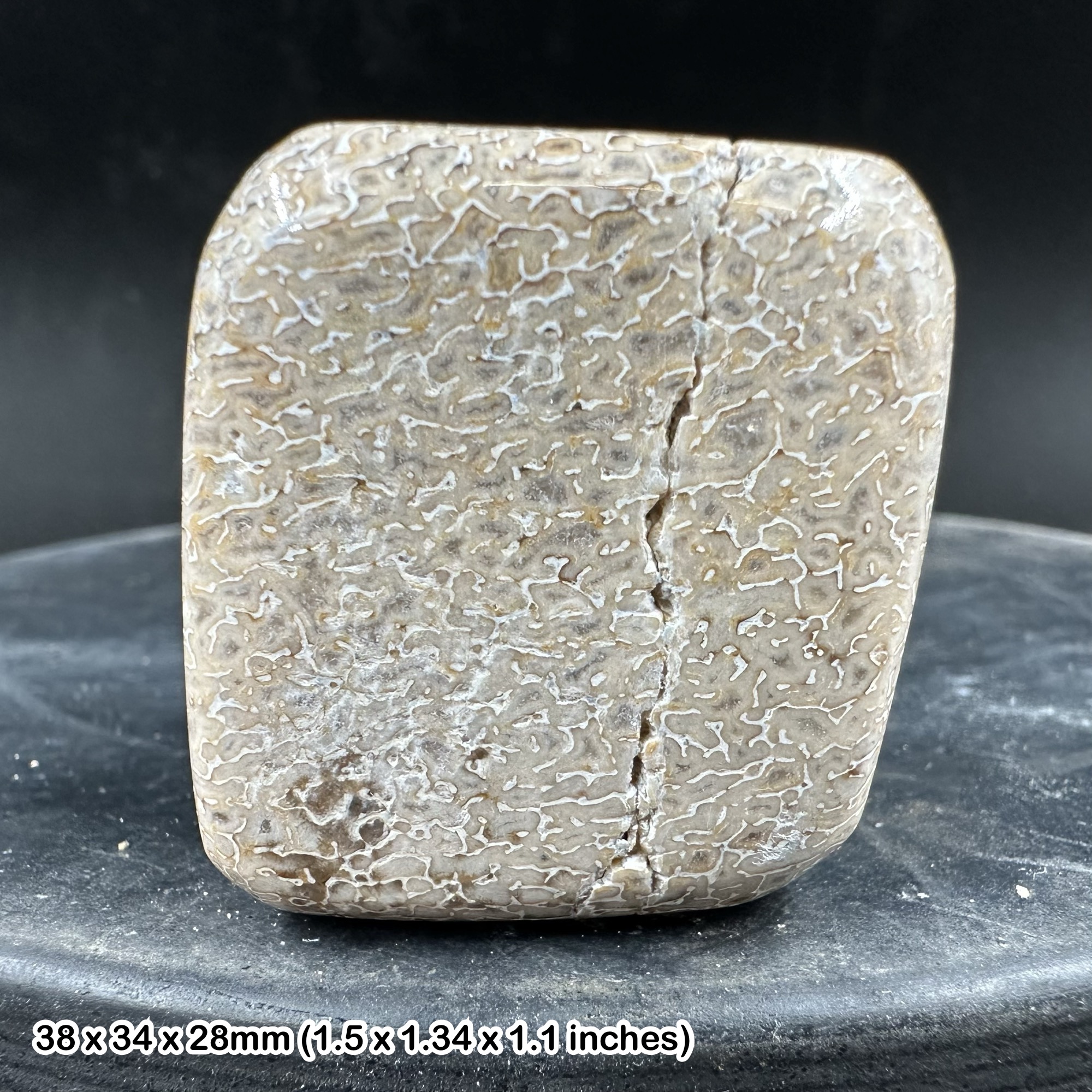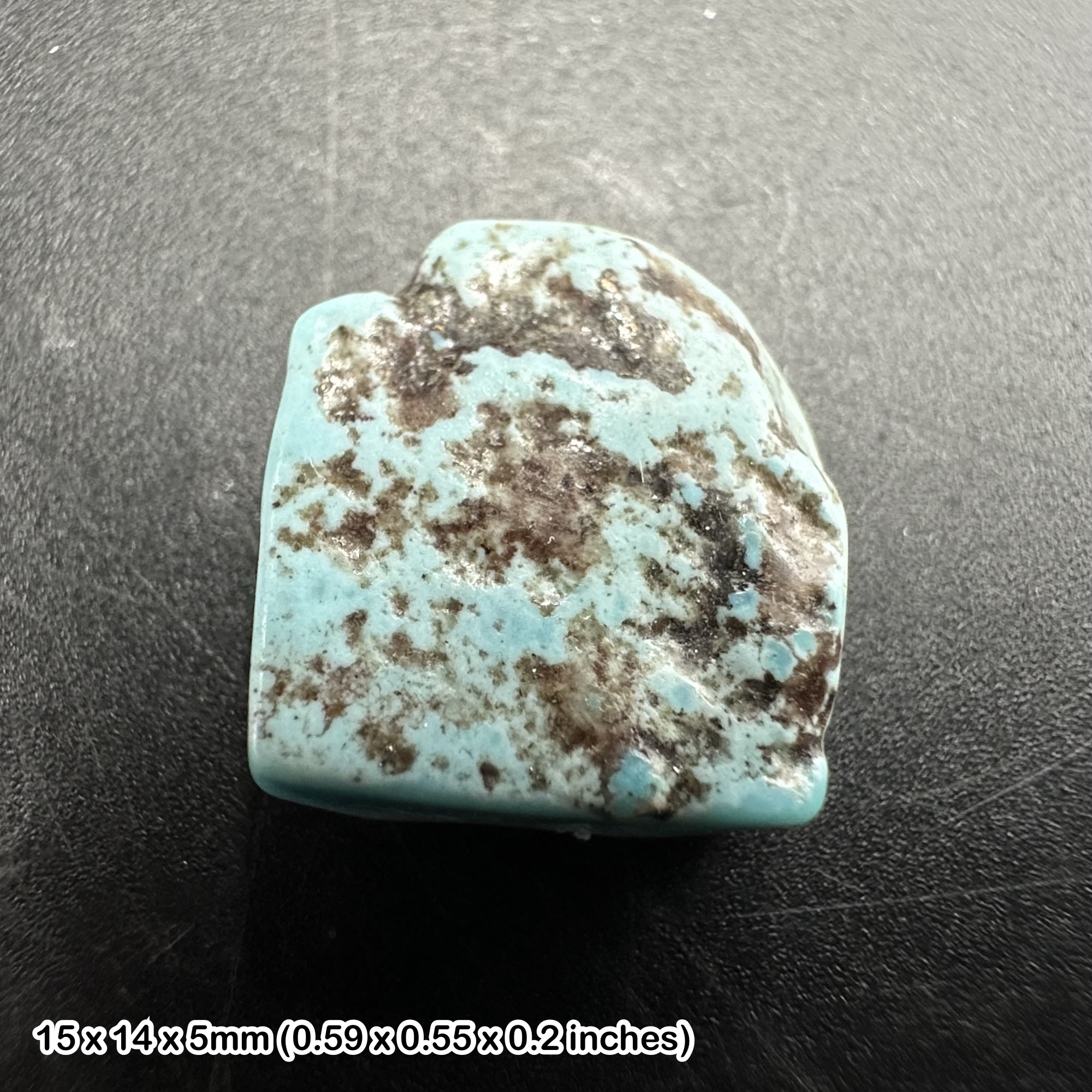
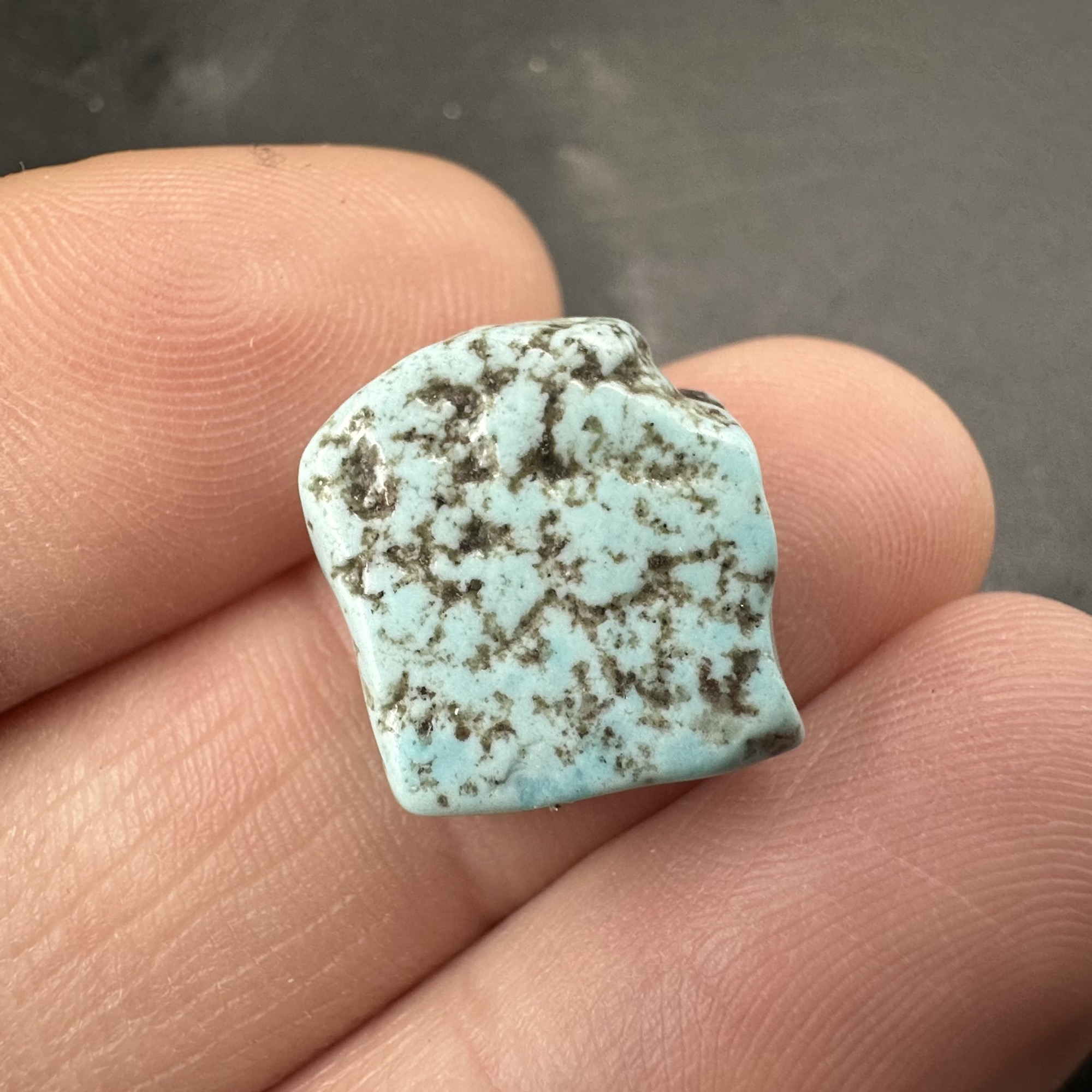
Turquoise Nugget Mineral Specimen South Africa Natural Blue Copper Phosphate Collectors Stone Display Crystal
£ 14.40
NATURAL TURQUOISE NUGGET MINERAL SPECIMEN FROM SOUTH AFRICAThis natural Turquoise Nugget mineral specimen from South Africa showcases the
distinctive blue to blue-green colouration that has made turquoise one of the most recognised and historically valued phosphate minerals. Formed through complex geological processes involving copper-bearing mineral deposits, turquoise is appreciated by collectors for its vibrant colour, unique patterns, and geological significance.This nugget displays the natural structure and colour variations typical of turquoise specimens. The photographs in the listing show the actual specimen you will receive, allowing collectors and buyers to clearly view the natural mineral surface, colour tones, and overall character before purchase.Each piece has been carefully selected for its mineral quality and natural appearance, making it suitable for display in a mineral collection, geological cabinet, or natural history display.This crystal is a genuine specimen and includes a Certificate of Authenticity lifetime guarantee generic card, confirming the authenticity of the mineral specimen.Full sizing details are available in the listing photographs. MINERAL IDENTIFICATION AND CHEMICAL COMPOSITIONTurquoise is a hydrated copper aluminium phosphate mineral with the chemical formula CuAl₆(PO₄)₄(OH)₈·4H₂O. It belongs to the phosphate mineral group, which forms through chemical interactions involving phosphorus-bearing solutions within mineral deposits.Turquoise typically crystallises in the triclinic crystal system, although well-formed crystals are extremely rare. Most turquoise occurs in massive, nodular, or vein-like formations, which is why specimens are commonly found as nuggets or irregular mineral masses.Typical physical properties include:
• Mineral Type: Hydrated copper aluminium phosphate
• Crystal System: Triclinic
• Hardness: Approximately 5 to 6 on the Mohs scale
• Lustre: Waxy to subvitreous
• Transparency: OpaqueThe presence of copper within the mineral structure is responsible for turquoise’s characteristic blue coloration, while variations in iron or other trace elements can influence green or blue-green tones. COLOUR, TEXTURE AND NATURAL CHARACTERISTICSTurquoise is well known for its distinctive colour range and unique surface textures. Natural specimens may show subtle variations across the stone due to mineral composition and geological formation conditions.Typical colour characteristics include:
• Sky blue or robin’s egg blue tones
• Blue-green or greenish turquoise hues
• Natural matrix patterns where the turquoise forms within host rockSome turquoise nuggets display visible host rock matrix patterns formed by minerals such as limonite, quartz, or iron oxides. These patterns are natural features created during mineral formation and often enhance the visual character of the specimen.The waxy lustre and smooth surface texture are typical features of turquoise mineral specimens. GEOLOGICAL FORMATION OF TURQUOISETurquoise forms as a secondary mineral through the chemical alteration of copper-rich rocks in arid environments. The process typically occurs when groundwater containing dissolved copper and phosphorus reacts with aluminium-bearing minerals within host rocks.These reactions take place within fractures, cavities, or porous rock layers, gradually depositing turquoise mineral material over time. As mineral-rich solutions move through the rock, turquoise develops as nodules, veins, or compact masses.Turquoise is commonly associated with minerals such as:
• Limonite
• Quartz
• Chalcopyrite
• Malachite
• AzuriteThese minerals often occur together within copper-bearing geological deposits. TURQUOISE LOCALITIES IN SOUTH AFRICASouth Africa hosts several copper-bearing geological environments capable of producing turquoise mineralisation. Turquoise from these regions may occur within altered volcanic or sedimentary rock formations where copper mineralisation has undergone chemical weathering.Specimens from South African deposits often display rich colour variations and natural nugget formations shaped by the geological processes that formed them.Because turquoise forms under very specific conditions, each deposit produces material with its own distinctive colour tones and matrix patterns. NUGGET FORM AND NATURAL MINERAL STRUCTUREA turquoise nugget is a naturally formed compact mass of the mineral, shaped through geological weathering and mineral deposition processes. These nuggets often retain the natural surface texture of the host environment where the turquoise developed.Unlike faceted gemstones, mineral nuggets preserve the natural mineral structure and geological character of the stone. This makes them particularly appealing to mineral collectors who appreciate specimens in their natural form.The nugget shape allows the colour and matrix features to be clearly visible, highlighting the mineral’s natural origin. MINERAL COLLECTING AND DISPLAY APPEALTurquoise remains one of the most visually recognisable minerals due to its distinctive blue coloration and geological rarity in certain regions.Collectors often value turquoise nuggets for:
• Their natural formation and colour
• Distinctive mineral composition
• Historical significance in mineral collecting
• Attractive natural patterns and texturesThis specimen is well suited for:
• Mineral and crystal collections
• Geological study collections
• Natural history displays
• Desk or shelf display pieces
• Gifts for mineral collectors or geology enthusiastsIts vibrant colour makes it a standout piece when displayed alongside other minerals. CULTURAL AND TRADITIONAL ASSOCIATIONSThroughout history, turquoise has been traditionally associated in various cultures with symbolism connected to protection, travel, or spiritual reflection. These associations are part of cultural traditions rather than scientific interpretations.Many collectors today value turquoise primarily for its geological formation, distinctive colour, and long-standing place in mineral collections. AUTHENTICITY AND SPECIMEN GUARANTEEThis Turquoise Nugget mineral specimen from South Africa has been carefully selected as a genuine natural mineral specimen.
• The listing photographs show the actual specimen you will receive.
• The item includes a Certificate of Authenticity lifetime guarantee generic card.
• Selected for its natural colour, mineral character, and display quality.With its rich blue colour and natural nugget form, this turquoise specimen provides a striking example of copper phosphate mineral formation and makes an appealing addition to any mineral collection or geological display.Specimen: Turquoise Nugget Type: Mineral/Crystal Location: Africa Scale cube=1cm: Full sizing please see photo
•
•The image shows the actual specimen you will receive
•
•
•
•Please note the following: 1) This items picture will change once we update the listing to a new replacement specimen after this specific item has been sold, this action will cause the picture in your purchase history to also change to the new image. 2) The picture will also change if you've had the item in your basket for a while and someone else buys it during that period (having items stored in your basket does not remove that listing from the view of other customers, meaning it will still be active). 3) We would suggest saving, or taking a screenshot of the items image as soon as you have purchased it for your own records of comparison for once the item has been received in the post. We also keep a record of every image we upload.
distinctive blue to blue-green colouration that has made turquoise one of the most recognised and historically valued phosphate minerals. Formed through complex geological processes involving copper-bearing mineral deposits, turquoise is appreciated by collectors for its vibrant colour, unique patterns, and geological significance.This nugget displays the natural structure and colour variations typical of turquoise specimens. The photographs in the listing show the actual specimen you will receive, allowing collectors and buyers to clearly view the natural mineral surface, colour tones, and overall character before purchase.Each piece has been carefully selected for its mineral quality and natural appearance, making it suitable for display in a mineral collection, geological cabinet, or natural history display.This crystal is a genuine specimen and includes a Certificate of Authenticity lifetime guarantee generic card, confirming the authenticity of the mineral specimen.Full sizing details are available in the listing photographs. MINERAL IDENTIFICATION AND CHEMICAL COMPOSITIONTurquoise is a hydrated copper aluminium phosphate mineral with the chemical formula CuAl₆(PO₄)₄(OH)₈·4H₂O. It belongs to the phosphate mineral group, which forms through chemical interactions involving phosphorus-bearing solutions within mineral deposits.Turquoise typically crystallises in the triclinic crystal system, although well-formed crystals are extremely rare. Most turquoise occurs in massive, nodular, or vein-like formations, which is why specimens are commonly found as nuggets or irregular mineral masses.Typical physical properties include:
• Mineral Type: Hydrated copper aluminium phosphate
• Crystal System: Triclinic
• Hardness: Approximately 5 to 6 on the Mohs scale
• Lustre: Waxy to subvitreous
• Transparency: OpaqueThe presence of copper within the mineral structure is responsible for turquoise’s characteristic blue coloration, while variations in iron or other trace elements can influence green or blue-green tones. COLOUR, TEXTURE AND NATURAL CHARACTERISTICSTurquoise is well known for its distinctive colour range and unique surface textures. Natural specimens may show subtle variations across the stone due to mineral composition and geological formation conditions.Typical colour characteristics include:
• Sky blue or robin’s egg blue tones
• Blue-green or greenish turquoise hues
• Natural matrix patterns where the turquoise forms within host rockSome turquoise nuggets display visible host rock matrix patterns formed by minerals such as limonite, quartz, or iron oxides. These patterns are natural features created during mineral formation and often enhance the visual character of the specimen.The waxy lustre and smooth surface texture are typical features of turquoise mineral specimens. GEOLOGICAL FORMATION OF TURQUOISETurquoise forms as a secondary mineral through the chemical alteration of copper-rich rocks in arid environments. The process typically occurs when groundwater containing dissolved copper and phosphorus reacts with aluminium-bearing minerals within host rocks.These reactions take place within fractures, cavities, or porous rock layers, gradually depositing turquoise mineral material over time. As mineral-rich solutions move through the rock, turquoise develops as nodules, veins, or compact masses.Turquoise is commonly associated with minerals such as:
• Limonite
• Quartz
• Chalcopyrite
• Malachite
• AzuriteThese minerals often occur together within copper-bearing geological deposits. TURQUOISE LOCALITIES IN SOUTH AFRICASouth Africa hosts several copper-bearing geological environments capable of producing turquoise mineralisation. Turquoise from these regions may occur within altered volcanic or sedimentary rock formations where copper mineralisation has undergone chemical weathering.Specimens from South African deposits often display rich colour variations and natural nugget formations shaped by the geological processes that formed them.Because turquoise forms under very specific conditions, each deposit produces material with its own distinctive colour tones and matrix patterns. NUGGET FORM AND NATURAL MINERAL STRUCTUREA turquoise nugget is a naturally formed compact mass of the mineral, shaped through geological weathering and mineral deposition processes. These nuggets often retain the natural surface texture of the host environment where the turquoise developed.Unlike faceted gemstones, mineral nuggets preserve the natural mineral structure and geological character of the stone. This makes them particularly appealing to mineral collectors who appreciate specimens in their natural form.The nugget shape allows the colour and matrix features to be clearly visible, highlighting the mineral’s natural origin. MINERAL COLLECTING AND DISPLAY APPEALTurquoise remains one of the most visually recognisable minerals due to its distinctive blue coloration and geological rarity in certain regions.Collectors often value turquoise nuggets for:
• Their natural formation and colour
• Distinctive mineral composition
• Historical significance in mineral collecting
• Attractive natural patterns and texturesThis specimen is well suited for:
• Mineral and crystal collections
• Geological study collections
• Natural history displays
• Desk or shelf display pieces
• Gifts for mineral collectors or geology enthusiastsIts vibrant colour makes it a standout piece when displayed alongside other minerals. CULTURAL AND TRADITIONAL ASSOCIATIONSThroughout history, turquoise has been traditionally associated in various cultures with symbolism connected to protection, travel, or spiritual reflection. These associations are part of cultural traditions rather than scientific interpretations.Many collectors today value turquoise primarily for its geological formation, distinctive colour, and long-standing place in mineral collections. AUTHENTICITY AND SPECIMEN GUARANTEEThis Turquoise Nugget mineral specimen from South Africa has been carefully selected as a genuine natural mineral specimen.
• The listing photographs show the actual specimen you will receive.
• The item includes a Certificate of Authenticity lifetime guarantee generic card.
• Selected for its natural colour, mineral character, and display quality.With its rich blue colour and natural nugget form, this turquoise specimen provides a striking example of copper phosphate mineral formation and makes an appealing addition to any mineral collection or geological display.Specimen: Turquoise Nugget Type: Mineral/Crystal Location: Africa Scale cube=1cm: Full sizing please see photo
•
•The image shows the actual specimen you will receive
•
•
•
•Please note the following: 1) This items picture will change once we update the listing to a new replacement specimen after this specific item has been sold, this action will cause the picture in your purchase history to also change to the new image. 2) The picture will also change if you've had the item in your basket for a while and someone else buys it during that period (having items stored in your basket does not remove that listing from the view of other customers, meaning it will still be active). 3) We would suggest saving, or taking a screenshot of the items image as soon as you have purchased it for your own records of comparison for once the item has been received in the post. We also keep a record of every image we upload.
Other Products