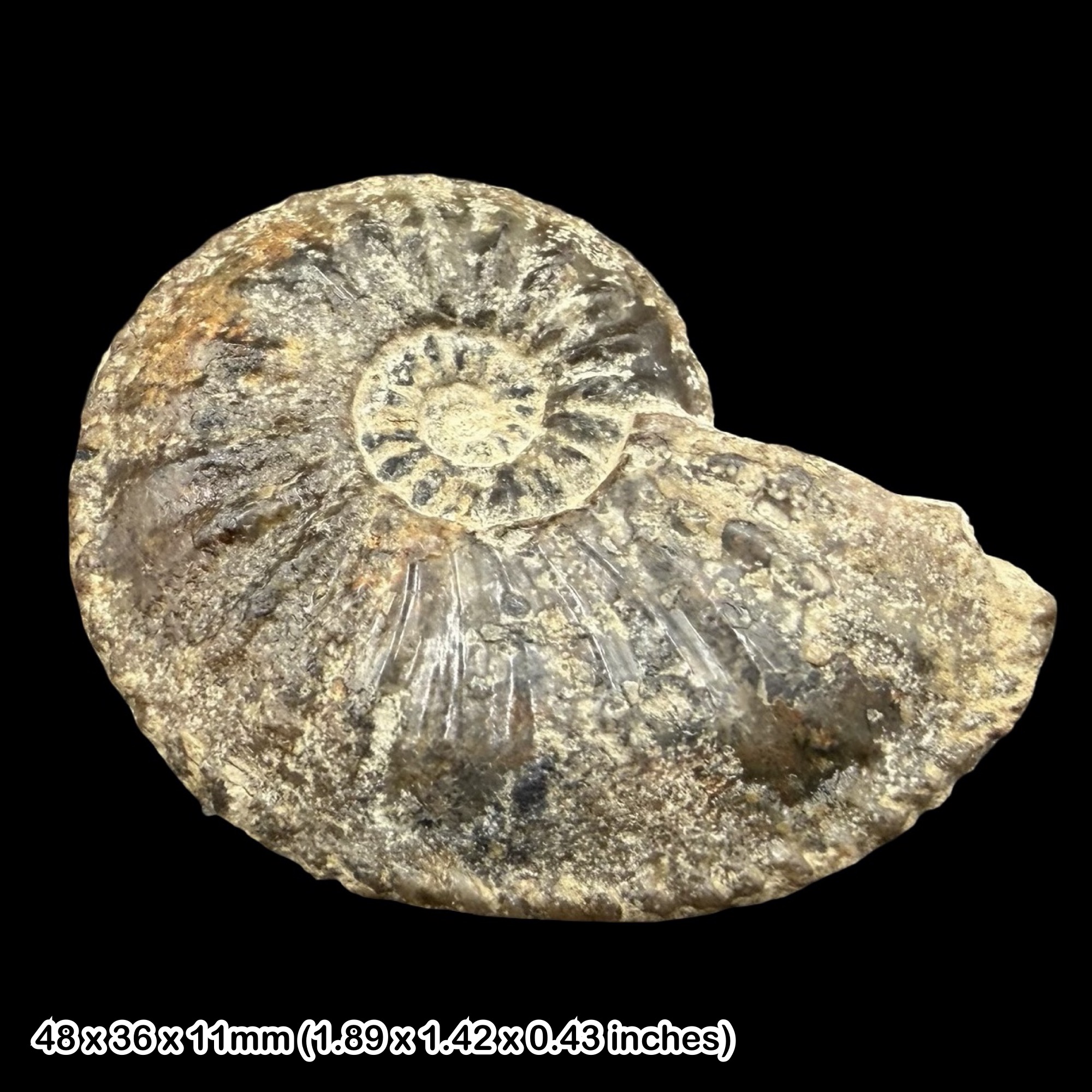
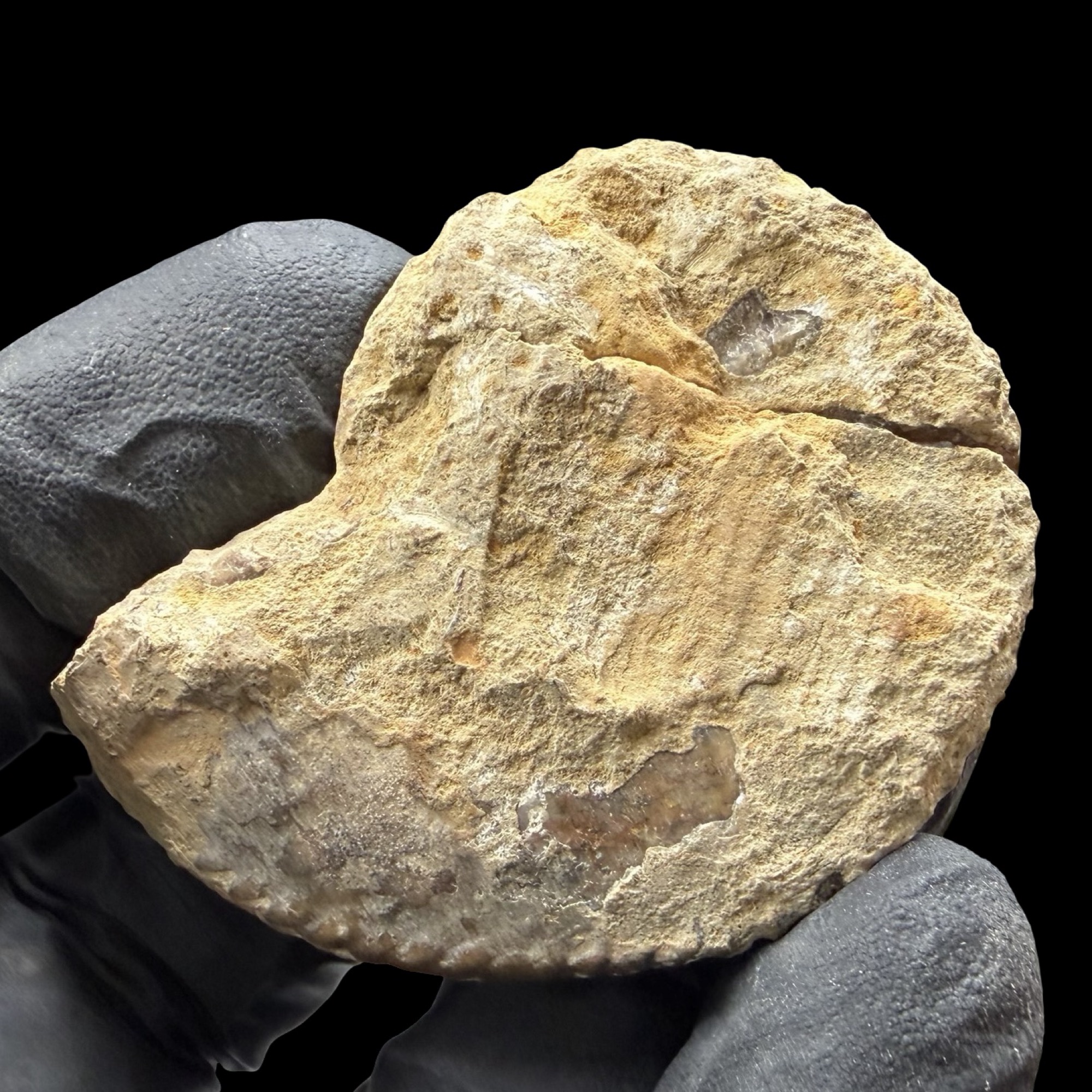
Amaltheus bifurcus Ammonite Fossil Lower Jurassic UK COA Genuine Specimen Staithes North Yorkshire Pliensbachian Collector Fossil
£ 14.40
Genuine Amaltheus bifurcus Ammonite Fossil from Staithes, North YorkshireThis Amaltheus bifurcus ammonite fossil is a genuine Lower Jurassic specimen
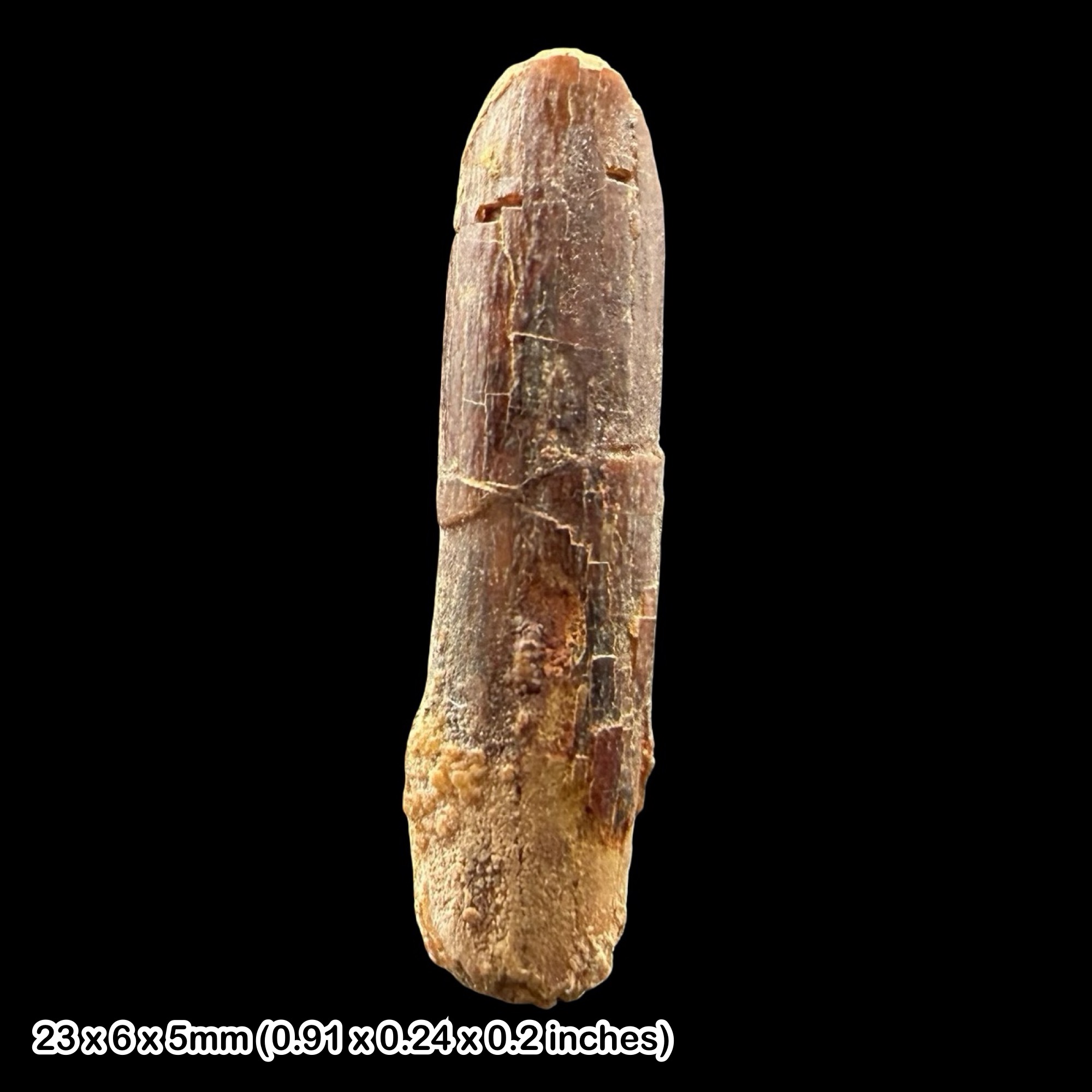
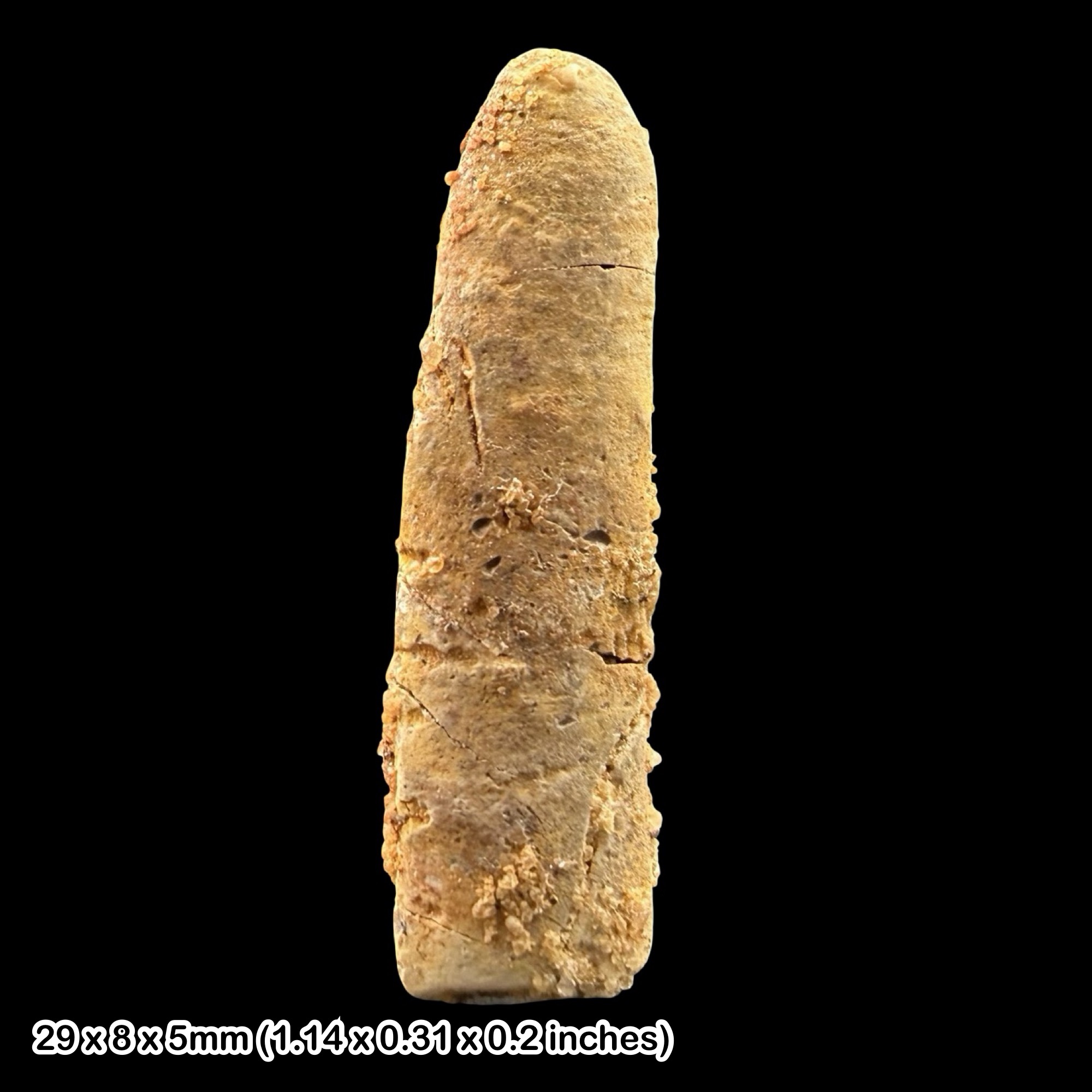
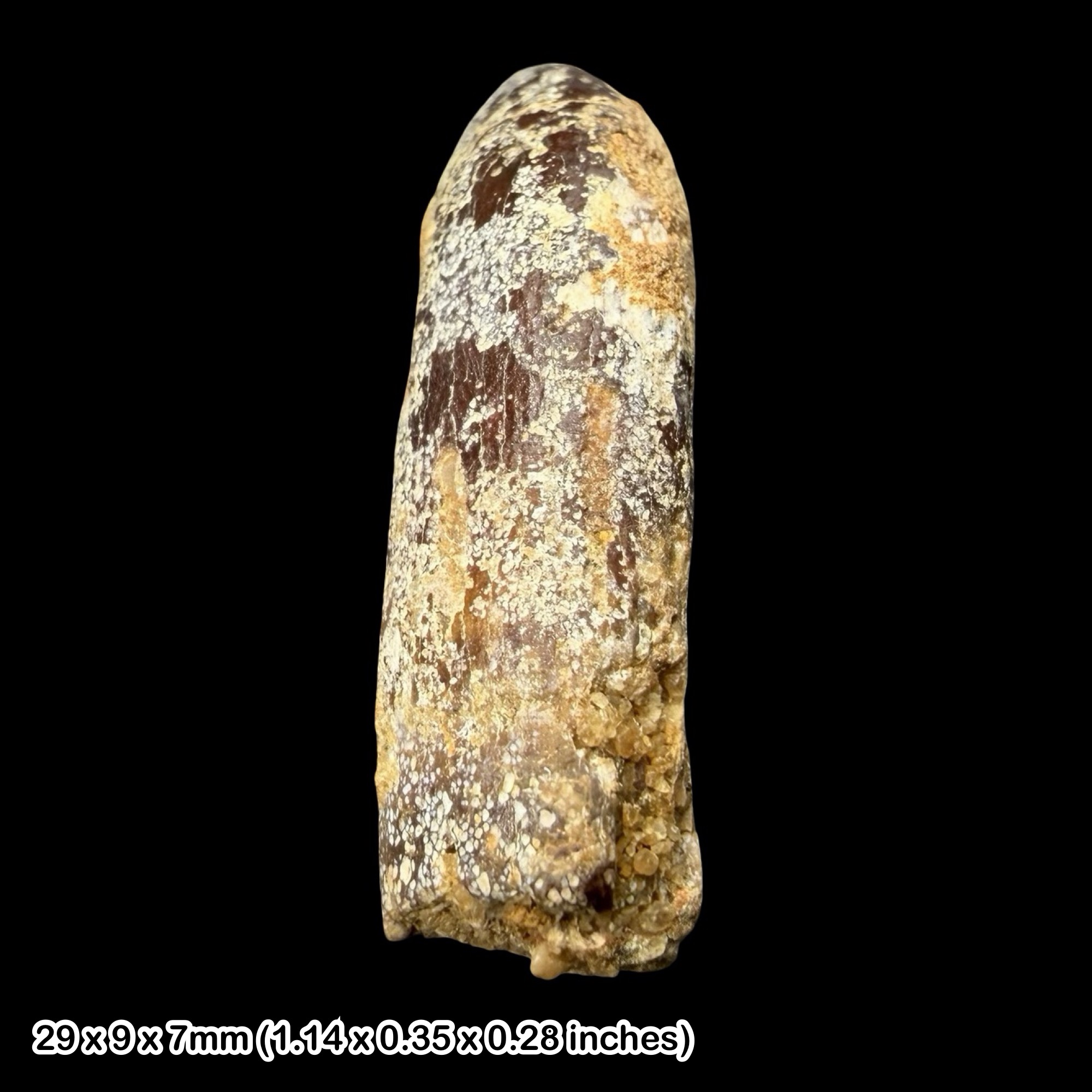
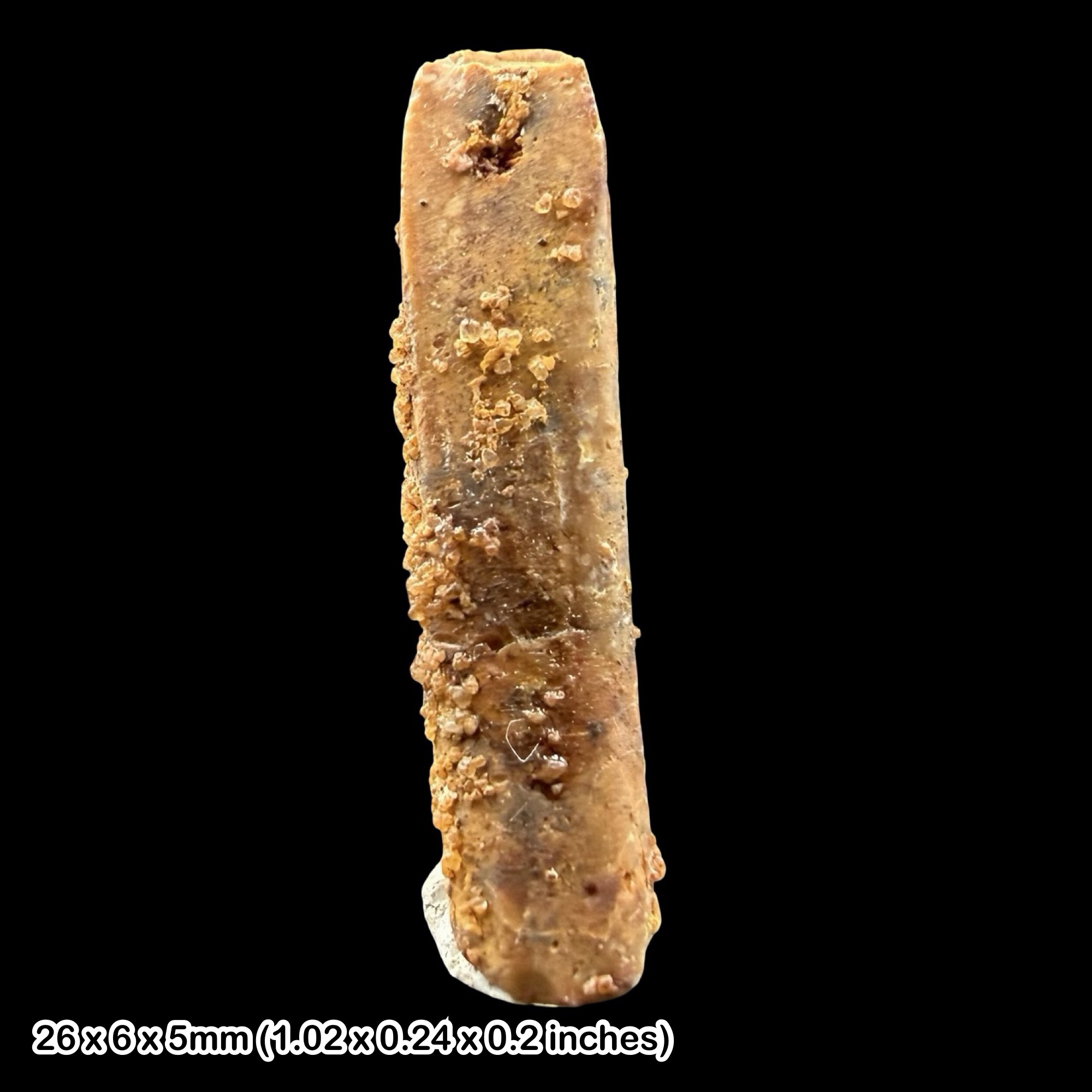
from Staithes, North Yorkshire, UK. Dating from the Pliensbachian Stage, this fossil represents a classic marine cephalopod from the ancient seas that once covered the Yorkshire Coast. It is a carefully chosen fossil with strong geological interest, attractive display appeal and a desirable British Jurassic locality.The photograph shows the actual fossil you will receive, making this an individual specimen rather than a stock image or representative example. For full sizing and visible condition, please see the listing photo. This fossil includes a Certificate of Authenticity lifetime guarantee generic card.Fossil Type and Species InterestAmaltheus bifurcus is an ammonite, an extinct marine cephalopod related to modern squid, cuttlefish and nautilus. Ammonites lived inside coiled external shells divided into a series of internal chambers. These chambers helped the animal regulate buoyancy in the water column, while the soft-bodied animal occupied the final living chamber at the front of the shell.Amaltheus is one of the most recognisable Lower Jurassic ammonite genera. Many specimens show a compressed, elegant shell form with strong ribbing and a distinctive keel around the outer edge of the whorl. This keel gives Amaltheus ammonites a sharp, streamlined appearance, while the ribbing adds texture and visual character across the shell surface.The species Amaltheus bifurcus is associated with the family Amaltheidae, within the ammonite order Ammonitida. Amaltheid ammonites are important in Lower Jurassic palaeontology because they are useful for comparing and dating marine rock layers. Their distinctive forms, rapid evolution and widespread distribution make them valuable index fossils for understanding Jurassic geology.Geology, Age and Pliensbachian SettingThis fossil comes from the Lower Jurassic, specifically the Pliensbachian Stage. During this time, much of what is now Britain was covered by warm to temperate marine waters. The ancient sea supported a rich ecosystem of ammonites, belemnites, bivalves, brachiopods, crinoids, fish and marine reptiles.The Yorkshire Coast is famous for its Jurassic sedimentary rocks, especially the fossil-bearing marine mudstones, shales and ironstone-rich beds exposed around localities such as Staithes, Whitby and Robin Hood’s Bay. These deposits formed on an ancient seabed where fine sediments gradually accumulated, burying shells and other remains. Over millions of years, these remains became mineralised and preserved as fossils.Staithes is a classic fossil collecting locality in North Yorkshire and is particularly well known for Lower Jurassic ammonites. Fossils from this coastline are popular with collectors because they combine historic British geology, attractive preservation and strong links to the marine life of the Early Jurassic.Authenticity and PresentationThis Amaltheus bifurcus ammonite fossil is a genuine specimen selected for its natural character, geological interest and display quality. It is supplied exactly as shown in the listing photograph, so the fossil pictured is the actual piece you will receive.The included Certificate of Authenticity lifetime guarantee generic card provides reassurance for collectors, educators, gift buyers and natural history enthusiasts. This makes the fossil suitable for a serious fossil collection, educational use or display in a cabinet, study, classroom, office or geology-themed room.Display, Collecting and Educational ValueThis Amaltheus bifurcus ammonite is ideal for collectors of British fossils, Jurassic ammonites, Lower Jurassic cephalopods and natural history specimens. Its Pliensbachian age, Staithes locality and distinctive ribbed, keeled shell form give it excellent appeal as both a display fossil and an educational specimen.As a genuine Lower Jurassic ammonite from North Yorkshire, this fossil offers a direct connection to the ancient marine world that existed millions of years ago. It would make an excellent fossil gift, collector’s item, teaching specimen or display piece for anyone interested in ammonites, cephalopods, palaeontology, British geology and the fossil-rich marine deposits of the Jurassic Coast of Yorkshire.
from Staithes, North Yorkshire, UK. Dating from the Pliensbachian Stage, this fossil represents a classic marine cephalopod from the ancient seas that once covered the Yorkshire Coast. It is a carefully chosen fossil with strong geological interest, attractive display appeal and a desirable British Jurassic locality.The photograph shows the actual fossil you will receive, making this an individual specimen rather than a stock image or representative example. For full sizing and visible condition, please see the listing photo. This fossil includes a Certificate of Authenticity lifetime guarantee generic card.Fossil Type and Species InterestAmaltheus bifurcus is an ammonite, an extinct marine cephalopod related to modern squid, cuttlefish and nautilus. Ammonites lived inside coiled external shells divided into a series of internal chambers. These chambers helped the animal regulate buoyancy in the water column, while the soft-bodied animal occupied the final living chamber at the front of the shell.Amaltheus is one of the most recognisable Lower Jurassic ammonite genera. Many specimens show a compressed, elegant shell form with strong ribbing and a distinctive keel around the outer edge of the whorl. This keel gives Amaltheus ammonites a sharp, streamlined appearance, while the ribbing adds texture and visual character across the shell surface.The species Amaltheus bifurcus is associated with the family Amaltheidae, within the ammonite order Ammonitida. Amaltheid ammonites are important in Lower Jurassic palaeontology because they are useful for comparing and dating marine rock layers. Their distinctive forms, rapid evolution and widespread distribution make them valuable index fossils for understanding Jurassic geology.Geology, Age and Pliensbachian SettingThis fossil comes from the Lower Jurassic, specifically the Pliensbachian Stage. During this time, much of what is now Britain was covered by warm to temperate marine waters. The ancient sea supported a rich ecosystem of ammonites, belemnites, bivalves, brachiopods, crinoids, fish and marine reptiles.The Yorkshire Coast is famous for its Jurassic sedimentary rocks, especially the fossil-bearing marine mudstones, shales and ironstone-rich beds exposed around localities such as Staithes, Whitby and Robin Hood’s Bay. These deposits formed on an ancient seabed where fine sediments gradually accumulated, burying shells and other remains. Over millions of years, these remains became mineralised and preserved as fossils.Staithes is a classic fossil collecting locality in North Yorkshire and is particularly well known for Lower Jurassic ammonites. Fossils from this coastline are popular with collectors because they combine historic British geology, attractive preservation and strong links to the marine life of the Early Jurassic.Authenticity and PresentationThis Amaltheus bifurcus ammonite fossil is a genuine specimen selected for its natural character, geological interest and display quality. It is supplied exactly as shown in the listing photograph, so the fossil pictured is the actual piece you will receive.The included Certificate of Authenticity lifetime guarantee generic card provides reassurance for collectors, educators, gift buyers and natural history enthusiasts. This makes the fossil suitable for a serious fossil collection, educational use or display in a cabinet, study, classroom, office or geology-themed room.Display, Collecting and Educational ValueThis Amaltheus bifurcus ammonite is ideal for collectors of British fossils, Jurassic ammonites, Lower Jurassic cephalopods and natural history specimens. Its Pliensbachian age, Staithes locality and distinctive ribbed, keeled shell form give it excellent appeal as both a display fossil and an educational specimen.As a genuine Lower Jurassic ammonite from North Yorkshire, this fossil offers a direct connection to the ancient marine world that existed millions of years ago. It would make an excellent fossil gift, collector’s item, teaching specimen or display piece for anyone interested in ammonites, cephalopods, palaeontology, British geology and the fossil-rich marine deposits of the Jurassic Coast of Yorkshire.