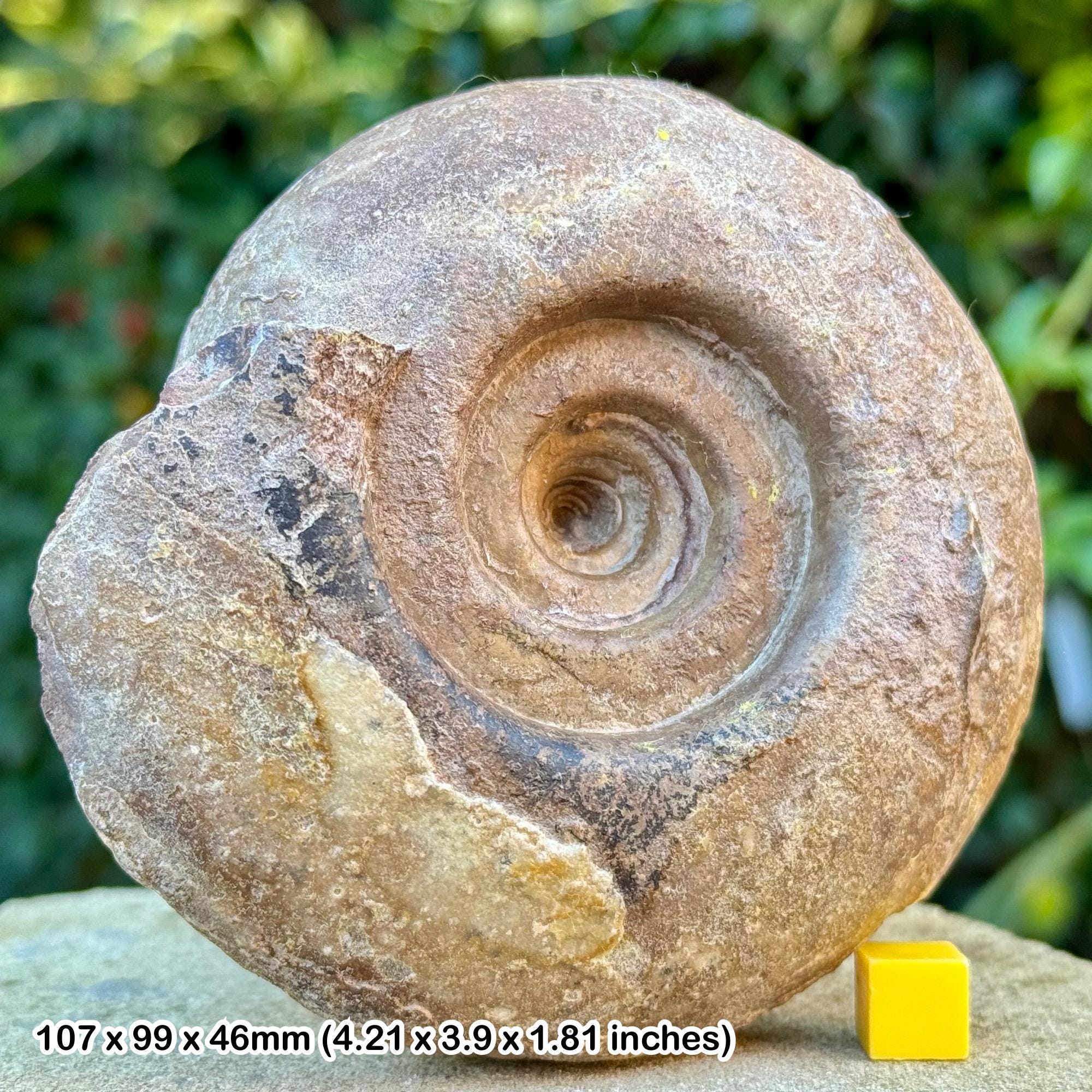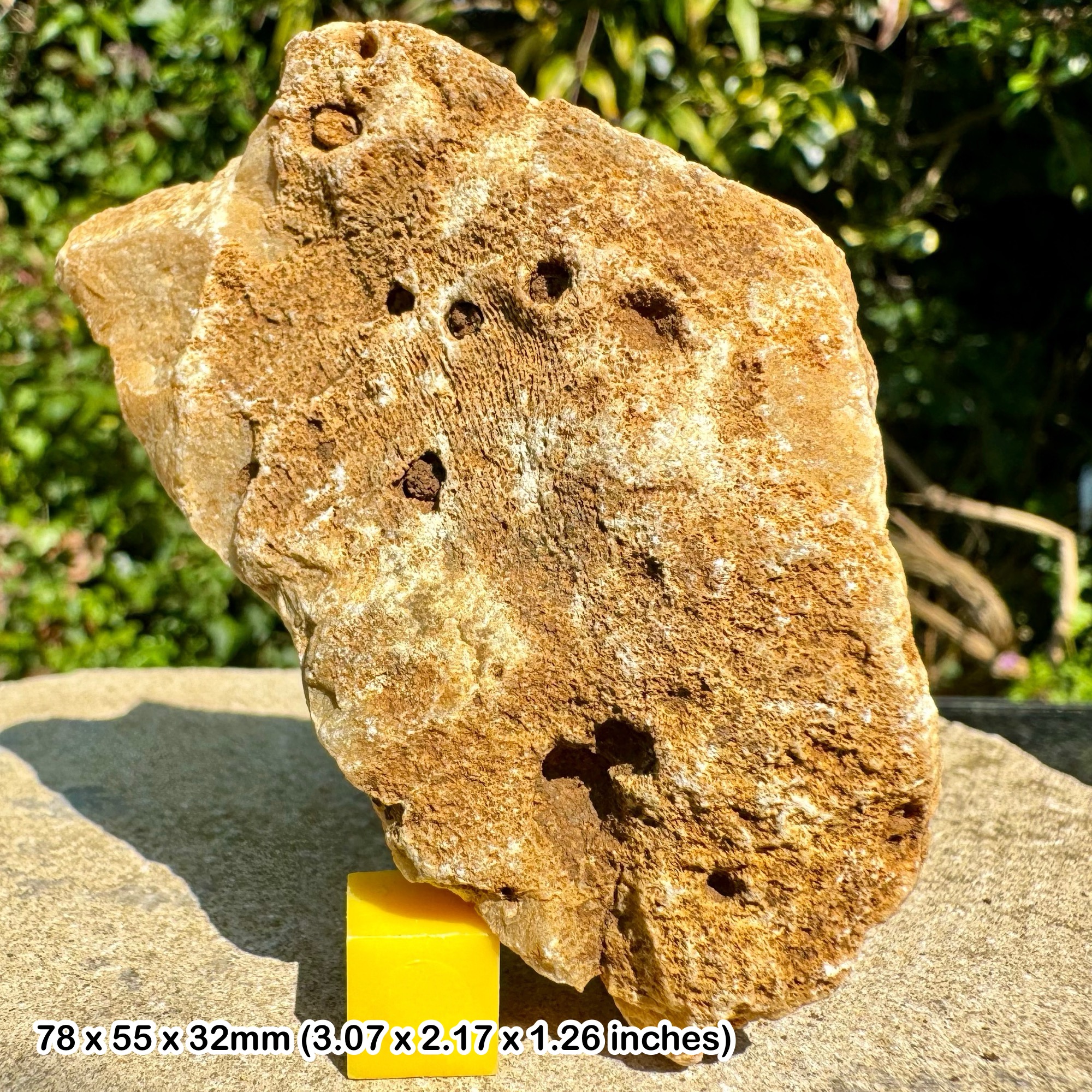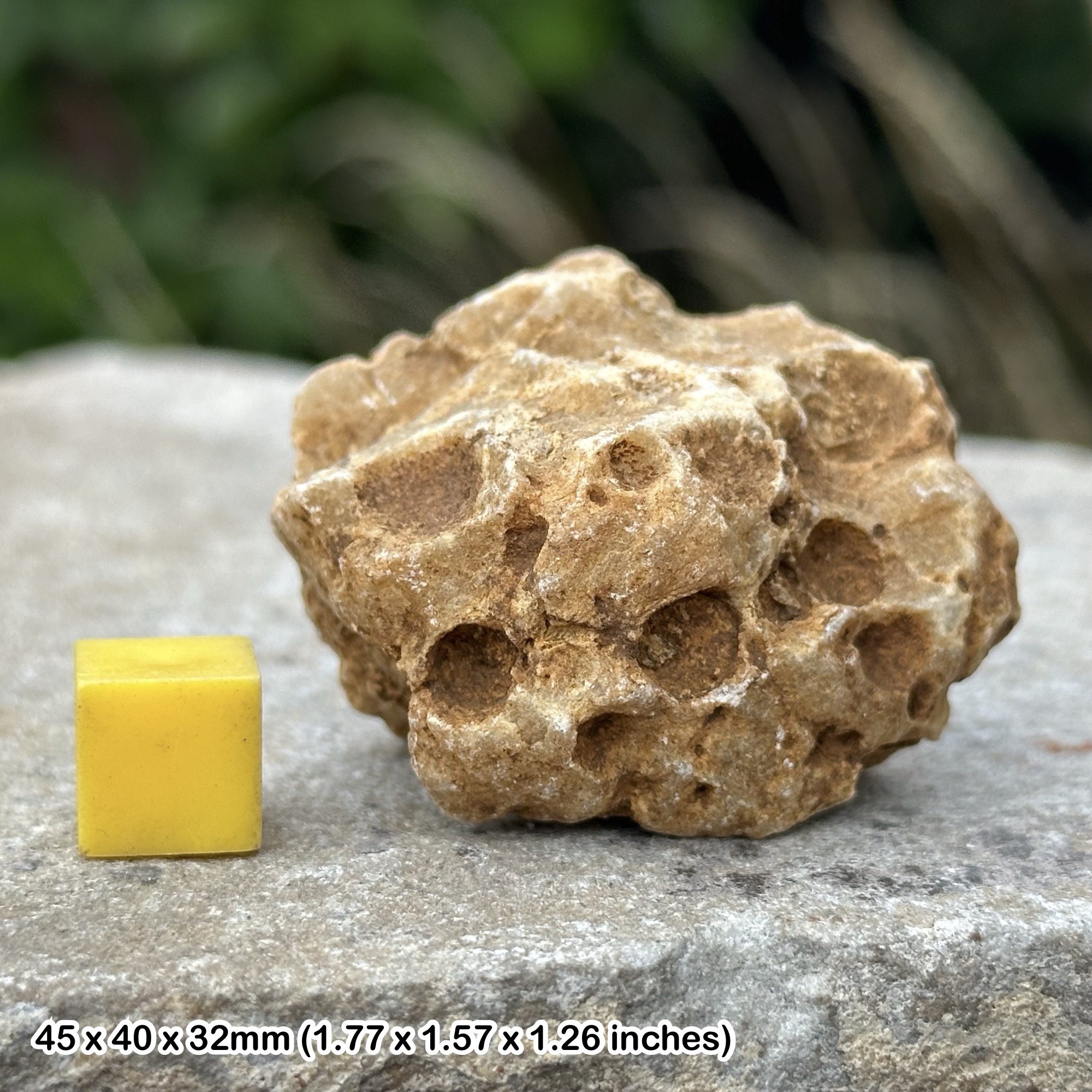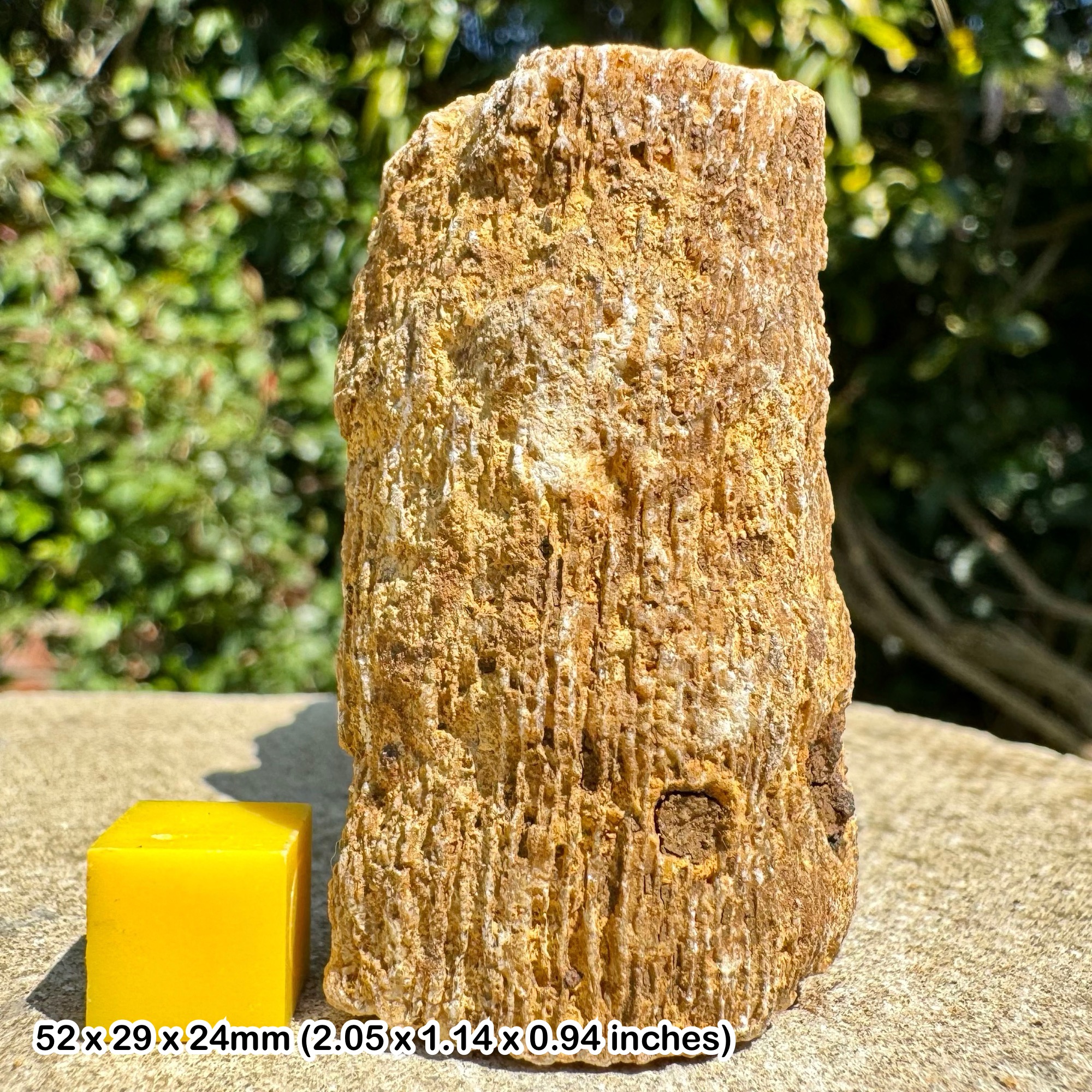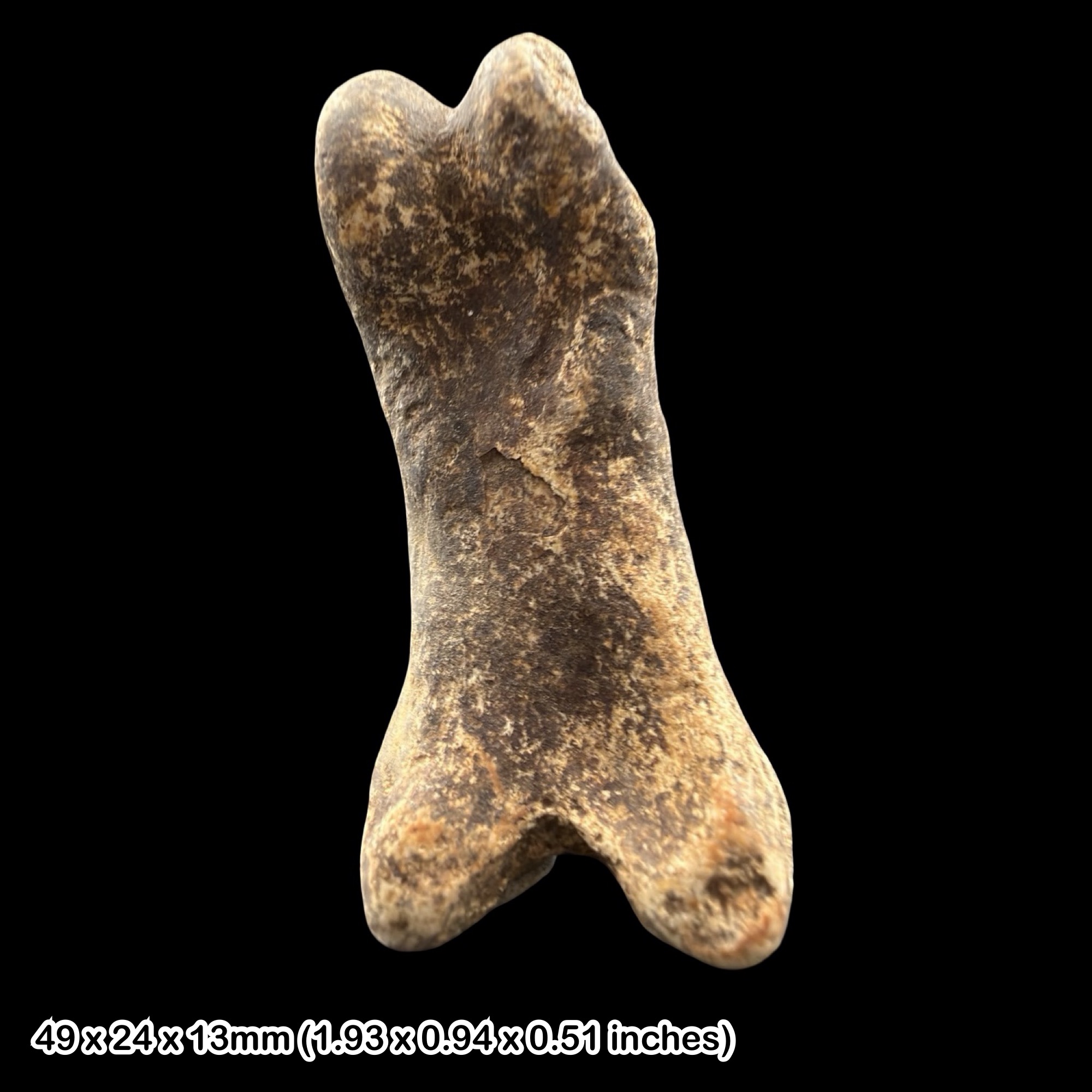
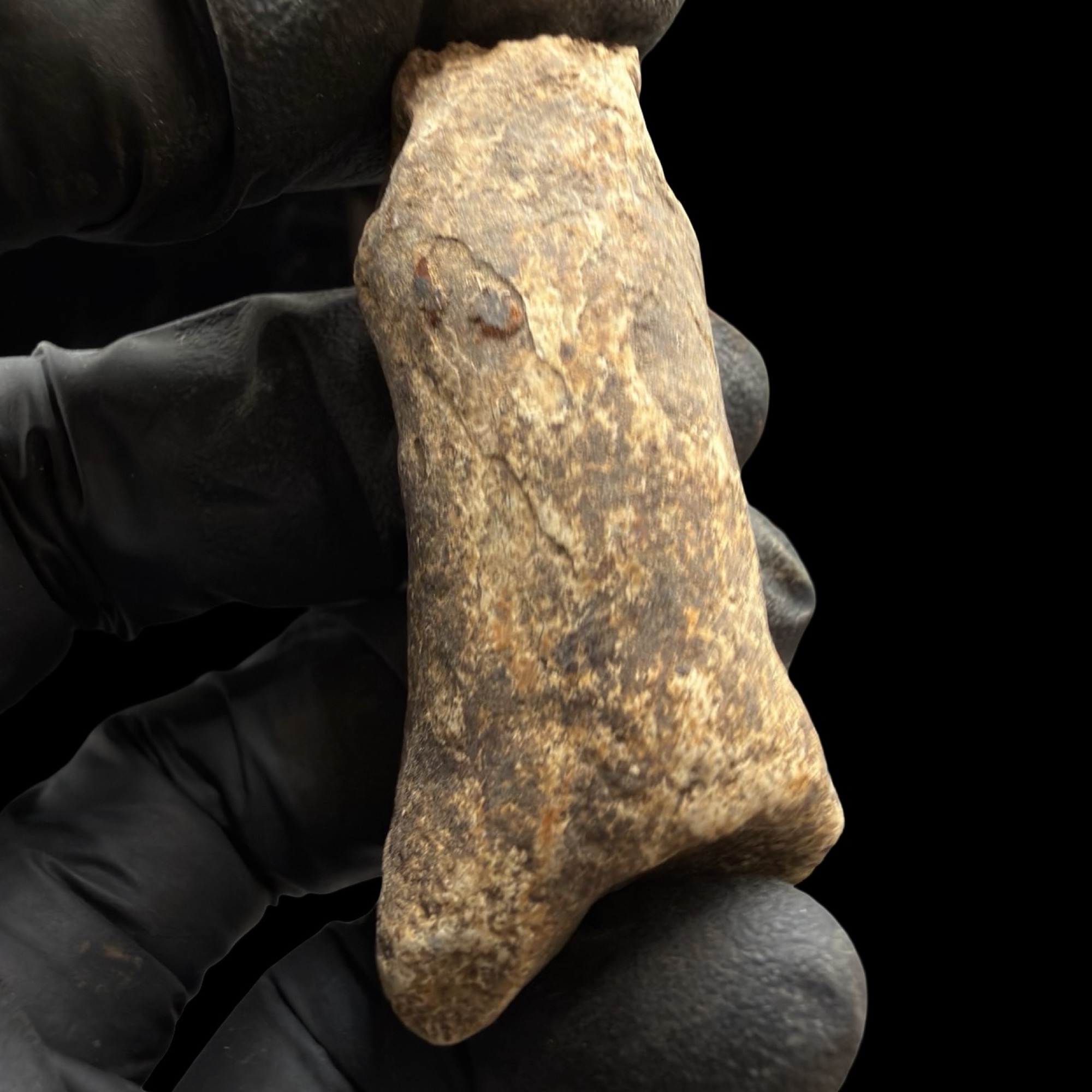
Fossil Cave Bear Bone Pleistocene UK Genuine Specimen Certificate Authenticity Westbury Mendip Rare Collector Display
£ 36.00
Fossil Cave Bear Bone – Pleistocene Cave Deposit, Somerset UKThis authentic fossil Cave Bear bone originates from the Comerian Cave Deposits
at Westbury-sub-Mendip, Somerset, United Kingdom. Dating to the Lower Middle Pleistocene, this specimen represents an extraordinary piece of Ice Age history, offering a direct connection to one of Europe’s most iconic extinct mammals.Recovered from a well-known palaeontological site, this fossil has been carefully selected, cleaned, and stabilised to preserve its natural structure and detail. The exact specimen shown in the photographs is the one you will receive, making this a unique and highly collectible example of genuine Pleistocene fauna.Geological Context and Cave DepositsThe Westbury-sub-Mendip cave system is one of the most important Quaternary fossil localities in Britain. The Comerian deposits are part of a complex cave infill sequence formed during the Pleistocene epoch, a time marked by repeated glacial and interglacial cycles.These cave systems acted as natural traps and shelters, where bones accumulated through a combination of natural deaths, predator activity, and sediment infill. Over time, mineral-rich waters permeated the deposits, gradually fossilising the remains and preserving them for hundreds of thousands of years.The Lower Middle Pleistocene age of this specimen places it within a dynamic climatic period when large mammals adapted to changing environments across Europe.Species Overview and ClassificationCave bears belong to the genus Ursus, with species such as Ursus spelaeus being among the most well-known Ice Age mammals. These bears were significantly larger than modern brown bears and were widespread across Europe during the Pleistocene.They are classified within the order Carnivora and the family Ursidae, although isotopic evidence suggests many cave bears had a largely herbivorous diet, feeding on vegetation within their environment. Their remains are commonly found in cave systems, where they likely hibernated and sometimes died.Morphology and Bone CharacteristicsThis fossil bone fragment displays the dense structure typical of large mammalian skeletal material. The surface may show natural texturing, mineralisation patterns, and subtle signs of age-related wear, all contributing to its authenticity and scientific interest.Cave bear bones are often robust, reflecting the large size and strength of these animals. Even fragmentary remains provide valuable insight into their anatomy and biology. The fossilisation process has replaced original organic material with minerals, giving the bone its distinctive weight, colour, and preservation.The natural patina and mineral tones enhance the visual appeal of the specimen, making it both an educational artefact and a striking display piece.Depositional Environment and PreservationThe cave environment played a crucial role in the preservation of this specimen. Stable conditions within the cave, combined with protective sediment layers, allowed the bone to remain undisturbed for thousands of years.Mineral-rich groundwater contributed to the fossilisation process, gradually replacing organic components and preserving the structure in fine detail. The result is a well-preserved fossil that retains its original form while displaying the effects of geological time.Authenticity and ProvenanceThis fossil is a genuine specimen and includes a Certificate of Authenticity lifetime guarantee card, ensuring confidence in its origin and identification. It has been responsibly sourced and carefully handled to maintain its integrity, providing full assurance for collectors.Full sizing details can be confirmed via the accompanying photographs, allowing you to appreciate the scale and physical presence of this Ice Age fossil.Collector Appeal and Display ValueCave bear fossils are highly sought after due to their connection to the Ice Age and their significance within European palaeontology. Specimens from British cave deposits are particularly desirable, offering a rare opportunity to own a piece of the UK’s prehistoric past.This fossil bone is ideal for collectors of vertebrate fossils, Ice Age material, or British geological specimens. Whether displayed in a cabinet, study, or educational setting, it provides a powerful and tangible link to the ancient mammals that once roamed the landscapes of Pleistocene Britain.
at Westbury-sub-Mendip, Somerset, United Kingdom. Dating to the Lower Middle Pleistocene, this specimen represents an extraordinary piece of Ice Age history, offering a direct connection to one of Europe’s most iconic extinct mammals.Recovered from a well-known palaeontological site, this fossil has been carefully selected, cleaned, and stabilised to preserve its natural structure and detail. The exact specimen shown in the photographs is the one you will receive, making this a unique and highly collectible example of genuine Pleistocene fauna.Geological Context and Cave DepositsThe Westbury-sub-Mendip cave system is one of the most important Quaternary fossil localities in Britain. The Comerian deposits are part of a complex cave infill sequence formed during the Pleistocene epoch, a time marked by repeated glacial and interglacial cycles.These cave systems acted as natural traps and shelters, where bones accumulated through a combination of natural deaths, predator activity, and sediment infill. Over time, mineral-rich waters permeated the deposits, gradually fossilising the remains and preserving them for hundreds of thousands of years.The Lower Middle Pleistocene age of this specimen places it within a dynamic climatic period when large mammals adapted to changing environments across Europe.Species Overview and ClassificationCave bears belong to the genus Ursus, with species such as Ursus spelaeus being among the most well-known Ice Age mammals. These bears were significantly larger than modern brown bears and were widespread across Europe during the Pleistocene.They are classified within the order Carnivora and the family Ursidae, although isotopic evidence suggests many cave bears had a largely herbivorous diet, feeding on vegetation within their environment. Their remains are commonly found in cave systems, where they likely hibernated and sometimes died.Morphology and Bone CharacteristicsThis fossil bone fragment displays the dense structure typical of large mammalian skeletal material. The surface may show natural texturing, mineralisation patterns, and subtle signs of age-related wear, all contributing to its authenticity and scientific interest.Cave bear bones are often robust, reflecting the large size and strength of these animals. Even fragmentary remains provide valuable insight into their anatomy and biology. The fossilisation process has replaced original organic material with minerals, giving the bone its distinctive weight, colour, and preservation.The natural patina and mineral tones enhance the visual appeal of the specimen, making it both an educational artefact and a striking display piece.Depositional Environment and PreservationThe cave environment played a crucial role in the preservation of this specimen. Stable conditions within the cave, combined with protective sediment layers, allowed the bone to remain undisturbed for thousands of years.Mineral-rich groundwater contributed to the fossilisation process, gradually replacing organic components and preserving the structure in fine detail. The result is a well-preserved fossil that retains its original form while displaying the effects of geological time.Authenticity and ProvenanceThis fossil is a genuine specimen and includes a Certificate of Authenticity lifetime guarantee card, ensuring confidence in its origin and identification. It has been responsibly sourced and carefully handled to maintain its integrity, providing full assurance for collectors.Full sizing details can be confirmed via the accompanying photographs, allowing you to appreciate the scale and physical presence of this Ice Age fossil.Collector Appeal and Display ValueCave bear fossils are highly sought after due to their connection to the Ice Age and their significance within European palaeontology. Specimens from British cave deposits are particularly desirable, offering a rare opportunity to own a piece of the UK’s prehistoric past.This fossil bone is ideal for collectors of vertebrate fossils, Ice Age material, or British geological specimens. Whether displayed in a cabinet, study, or educational setting, it provides a powerful and tangible link to the ancient mammals that once roamed the landscapes of Pleistocene Britain.
Other Products