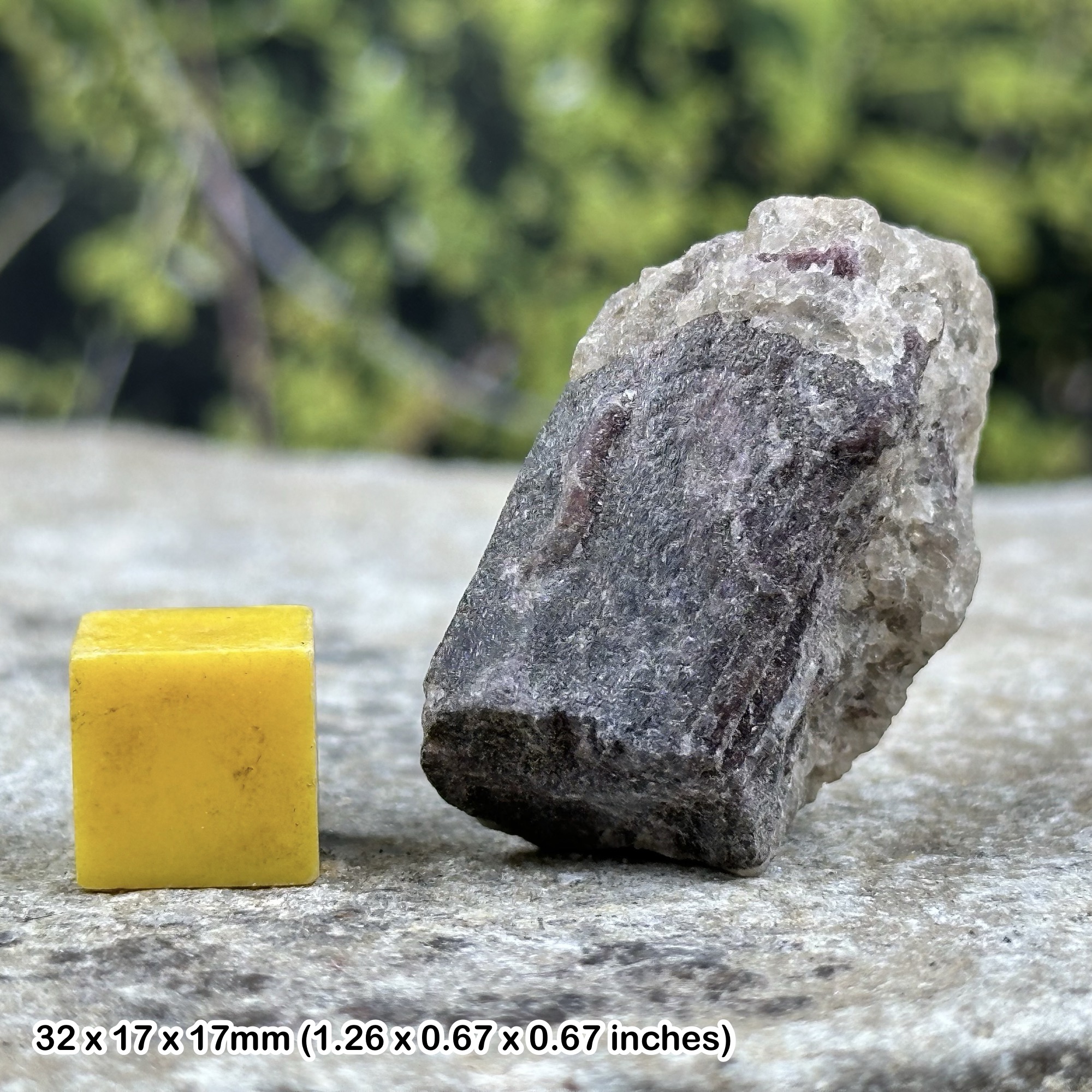
Mauve Tourmaline Crystal Mineral Specimen Brazil Natural Tourmaline Stone
£ 15.60
GENUINE MAUVE TOURMALINE MINERAL SPECIMEN FROM BRAZILThis Mauve Tourmaline mineral specimen is a natural crystal sourced from Brazil,
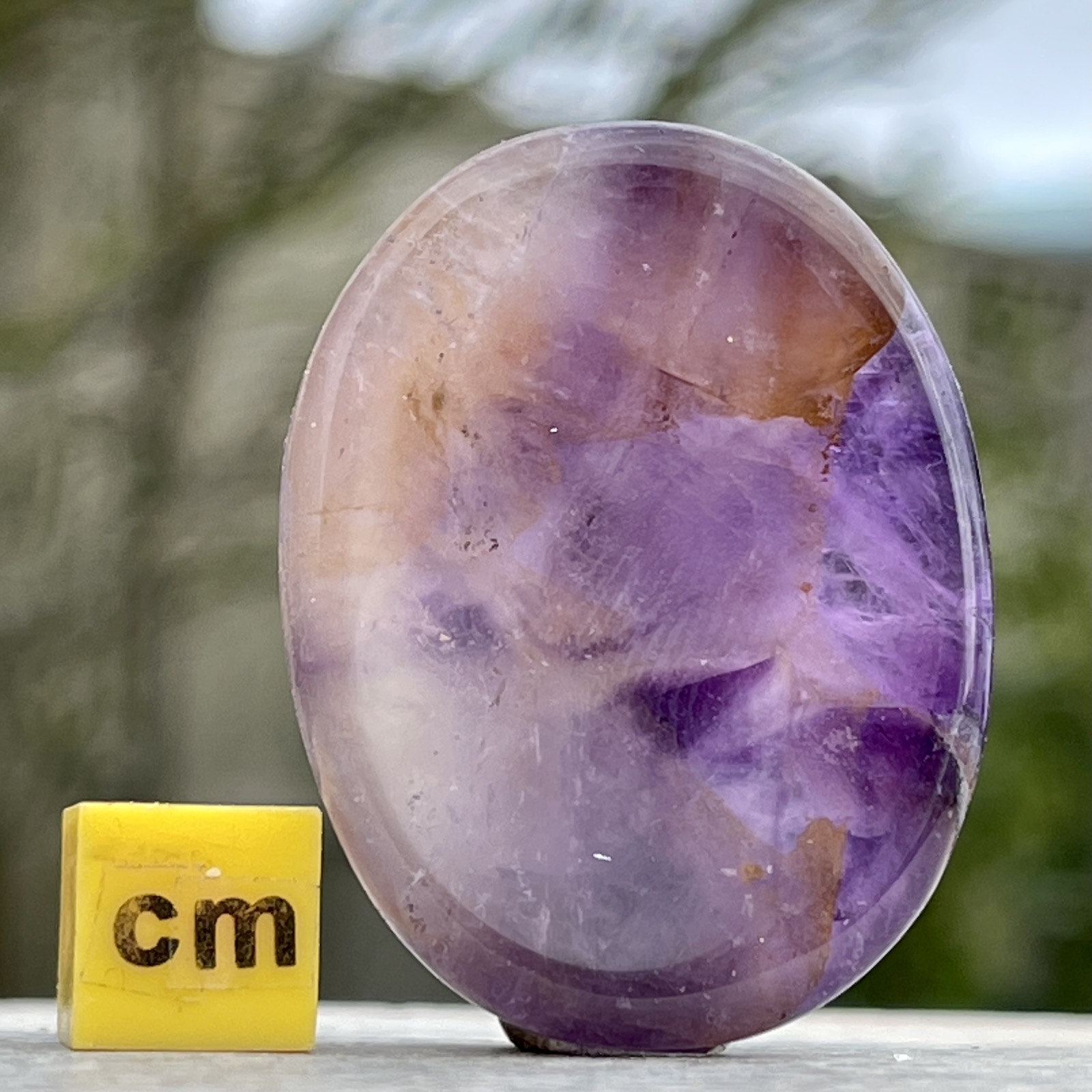
a region internationally recognised for producing exceptional tourmaline crystals from granitic pegmatite deposits. The specimen displays attractive mauve to soft purple tones, highlighting the distinctive colour diversity found within the tourmaline mineral group.Each crystal is carefully chosen for its colour, structure, and mineral character, ensuring that the natural crystal form and internal features are clearly visible. The photograph included in the listing shows the exact specimen you will receive, allowing collectors and enthusiasts to examine the natural crystal prior to purchase.This crystal includes a Certificate of Authenticity lifetime guarantee generic card, confirming that the specimen is a genuine natural mineral.Tourmaline crystals are highly valued in mineral collections due to their unique crystal structure, wide colour range, and geological formation within rare-element pegmatite deposits. MINERAL SPECIES AND CRYSTAL CLASSIFICATIONTourmaline is a complex boron silicate mineral group containing a wide variety of chemical compositions. The general chemical formula for tourmaline can be expressed as:XY₃Z₆(T₆O₁₈)(BO₃)₃V₃WThis complex structure allows numerous elements to substitute within the crystal lattice, including aluminium, iron, magnesium, lithium, sodium, and manganese. These substitutions are responsible for the wide colour variations found in tourmaline crystals.Key mineralogical properties include:
• Mineral Group: Tourmaline
• Mineral Class: Boron silicate
• Crystal System: Trigonal
• Hardness: 7–7.5 on the Mohs scale
• Lustre: Vitreous
• Transparency: Transparent to opaque depending on specimenThe mauve or purplish tones seen in some tourmaline crystals are often associated with lithium-rich varieties such as elbaite, though colour variation can occur depending on trace elements present during formation. GEOLOGICAL FORMATION OF TOURMALINETourmaline crystals typically form within granitic pegmatites, which are coarse-grained igneous rocks formed during the final stages of magma crystallisation. Pegmatites are well known for producing rare minerals enriched with elements such as lithium, boron, cesium, and tantalum.During the cooling process, mineral-rich fluids circulate through cavities and fractures in the rock, allowing crystals to grow slowly under stable conditions. These environments enable the development of well-formed crystals with distinctive striations and colour zoning.Tourmaline is commonly found associated with minerals such as:
• Quartz
• Feldspar
• Lepidolite
• Spodumene
• BerylBrazil is one of the most important global sources of high-quality tourmaline, particularly from pegmatite regions in Minas Gerais, where numerous colourful varieties have been discovered. NATURAL COLOUR AND CRYSTAL CHARACTERISTICSTourmaline is one of the most colour-diverse mineral groups known in geology. The mauve tones seen in this specimen fall within the pink to violet range of tourmaline colours and are produced by trace elements within the crystal lattice.Common visual characteristics of tourmaline crystals include:
• Elongated prismatic crystal shape
• Vertical striations along crystal faces
• Distinct colour zoning or banding in some specimens
• Vitreous surface lustreThe colour of tourmaline can vary depending on the trace elements present during formation. In many cases, crystals may show subtle colour variations from core to edge due to changes in the mineral-rich fluids that formed them.These characteristics make tourmaline particularly interesting for mineral collectors who appreciate natural crystal growth patterns. BRAZILIAN TOURMALINE DEPOSITSBrazil has long been recognised as one of the world’s most significant sources of tourmaline crystals. The pegmatite fields of Minas Gerais have produced a remarkable variety of colours and crystal forms.These pegmatites formed hundreds of millions of years ago during tectonic and magmatic activity that allowed mineral-rich fluids to concentrate rare elements necessary for tourmaline crystallisation.Brazilian tourmaline specimens are especially valued because they often exhibit:
• Strong crystal definition
• Vibrant natural colours
• Well-preserved growth striations
• High-quality mineral specimens suitable for collecting SPECIMEN DETAILS AND AUTHENTICITYThis mauve tourmaline crystal is a genuine natural mineral specimen sourced from Brazil and selected for its visual character and geological interest.Product details:
• Mineral: Tourmaline
• Colour: Mauve to soft purple tones
• Origin: Brazil
• Mineral Group: Boron silicate
• Crystal System: Trigonal
• Hardness: 7–7.5 MohsBecause this specimen formed naturally, each crystal displays unique structural features, colour distribution, and growth patterns.The listing photograph shows the exact specimen you will receive, providing full transparency for collectors and buyers.Included with the crystal is a Certificate of Authenticity lifetime guarantee generic card, confirming the authenticity of the mineral specimen. IDEAL FOR MINERAL COLLECTORS AND GEOLOGICAL DISPLAYSTourmaline is one of the most fascinating mineral groups due to its complex chemistry, wide colour range, and association with rare-element pegmatite deposits.This specimen is suitable for:
• Mineral and crystal collectors
• Geological specimen collections
• Decorative natural mineral displays
• Educational geology collections
• Unique mineral gift itemsWith its Brazilian origin, natural crystal formation, and distinctive mauve colour, this Tourmaline mineral specimen represents an attractive example of a classic pegmatite mineral valued by collectors and geology enthusiasts worldwide.
a region internationally recognised for producing exceptional tourmaline crystals from granitic pegmatite deposits. The specimen displays attractive mauve to soft purple tones, highlighting the distinctive colour diversity found within the tourmaline mineral group.Each crystal is carefully chosen for its colour, structure, and mineral character, ensuring that the natural crystal form and internal features are clearly visible. The photograph included in the listing shows the exact specimen you will receive, allowing collectors and enthusiasts to examine the natural crystal prior to purchase.This crystal includes a Certificate of Authenticity lifetime guarantee generic card, confirming that the specimen is a genuine natural mineral.Tourmaline crystals are highly valued in mineral collections due to their unique crystal structure, wide colour range, and geological formation within rare-element pegmatite deposits. MINERAL SPECIES AND CRYSTAL CLASSIFICATIONTourmaline is a complex boron silicate mineral group containing a wide variety of chemical compositions. The general chemical formula for tourmaline can be expressed as:XY₃Z₆(T₆O₁₈)(BO₃)₃V₃WThis complex structure allows numerous elements to substitute within the crystal lattice, including aluminium, iron, magnesium, lithium, sodium, and manganese. These substitutions are responsible for the wide colour variations found in tourmaline crystals.Key mineralogical properties include:
• Mineral Group: Tourmaline
• Mineral Class: Boron silicate
• Crystal System: Trigonal
• Hardness: 7–7.5 on the Mohs scale
• Lustre: Vitreous
• Transparency: Transparent to opaque depending on specimenThe mauve or purplish tones seen in some tourmaline crystals are often associated with lithium-rich varieties such as elbaite, though colour variation can occur depending on trace elements present during formation. GEOLOGICAL FORMATION OF TOURMALINETourmaline crystals typically form within granitic pegmatites, which are coarse-grained igneous rocks formed during the final stages of magma crystallisation. Pegmatites are well known for producing rare minerals enriched with elements such as lithium, boron, cesium, and tantalum.During the cooling process, mineral-rich fluids circulate through cavities and fractures in the rock, allowing crystals to grow slowly under stable conditions. These environments enable the development of well-formed crystals with distinctive striations and colour zoning.Tourmaline is commonly found associated with minerals such as:
• Quartz
• Feldspar
• Lepidolite
• Spodumene
• BerylBrazil is one of the most important global sources of high-quality tourmaline, particularly from pegmatite regions in Minas Gerais, where numerous colourful varieties have been discovered. NATURAL COLOUR AND CRYSTAL CHARACTERISTICSTourmaline is one of the most colour-diverse mineral groups known in geology. The mauve tones seen in this specimen fall within the pink to violet range of tourmaline colours and are produced by trace elements within the crystal lattice.Common visual characteristics of tourmaline crystals include:
• Elongated prismatic crystal shape
• Vertical striations along crystal faces
• Distinct colour zoning or banding in some specimens
• Vitreous surface lustreThe colour of tourmaline can vary depending on the trace elements present during formation. In many cases, crystals may show subtle colour variations from core to edge due to changes in the mineral-rich fluids that formed them.These characteristics make tourmaline particularly interesting for mineral collectors who appreciate natural crystal growth patterns. BRAZILIAN TOURMALINE DEPOSITSBrazil has long been recognised as one of the world’s most significant sources of tourmaline crystals. The pegmatite fields of Minas Gerais have produced a remarkable variety of colours and crystal forms.These pegmatites formed hundreds of millions of years ago during tectonic and magmatic activity that allowed mineral-rich fluids to concentrate rare elements necessary for tourmaline crystallisation.Brazilian tourmaline specimens are especially valued because they often exhibit:
• Strong crystal definition
• Vibrant natural colours
• Well-preserved growth striations
• High-quality mineral specimens suitable for collecting SPECIMEN DETAILS AND AUTHENTICITYThis mauve tourmaline crystal is a genuine natural mineral specimen sourced from Brazil and selected for its visual character and geological interest.Product details:
• Mineral: Tourmaline
• Colour: Mauve to soft purple tones
• Origin: Brazil
• Mineral Group: Boron silicate
• Crystal System: Trigonal
• Hardness: 7–7.5 MohsBecause this specimen formed naturally, each crystal displays unique structural features, colour distribution, and growth patterns.The listing photograph shows the exact specimen you will receive, providing full transparency for collectors and buyers.Included with the crystal is a Certificate of Authenticity lifetime guarantee generic card, confirming the authenticity of the mineral specimen. IDEAL FOR MINERAL COLLECTORS AND GEOLOGICAL DISPLAYSTourmaline is one of the most fascinating mineral groups due to its complex chemistry, wide colour range, and association with rare-element pegmatite deposits.This specimen is suitable for:
• Mineral and crystal collectors
• Geological specimen collections
• Decorative natural mineral displays
• Educational geology collections
• Unique mineral gift itemsWith its Brazilian origin, natural crystal formation, and distinctive mauve colour, this Tourmaline mineral specimen represents an attractive example of a classic pegmatite mineral valued by collectors and geology enthusiasts worldwide.