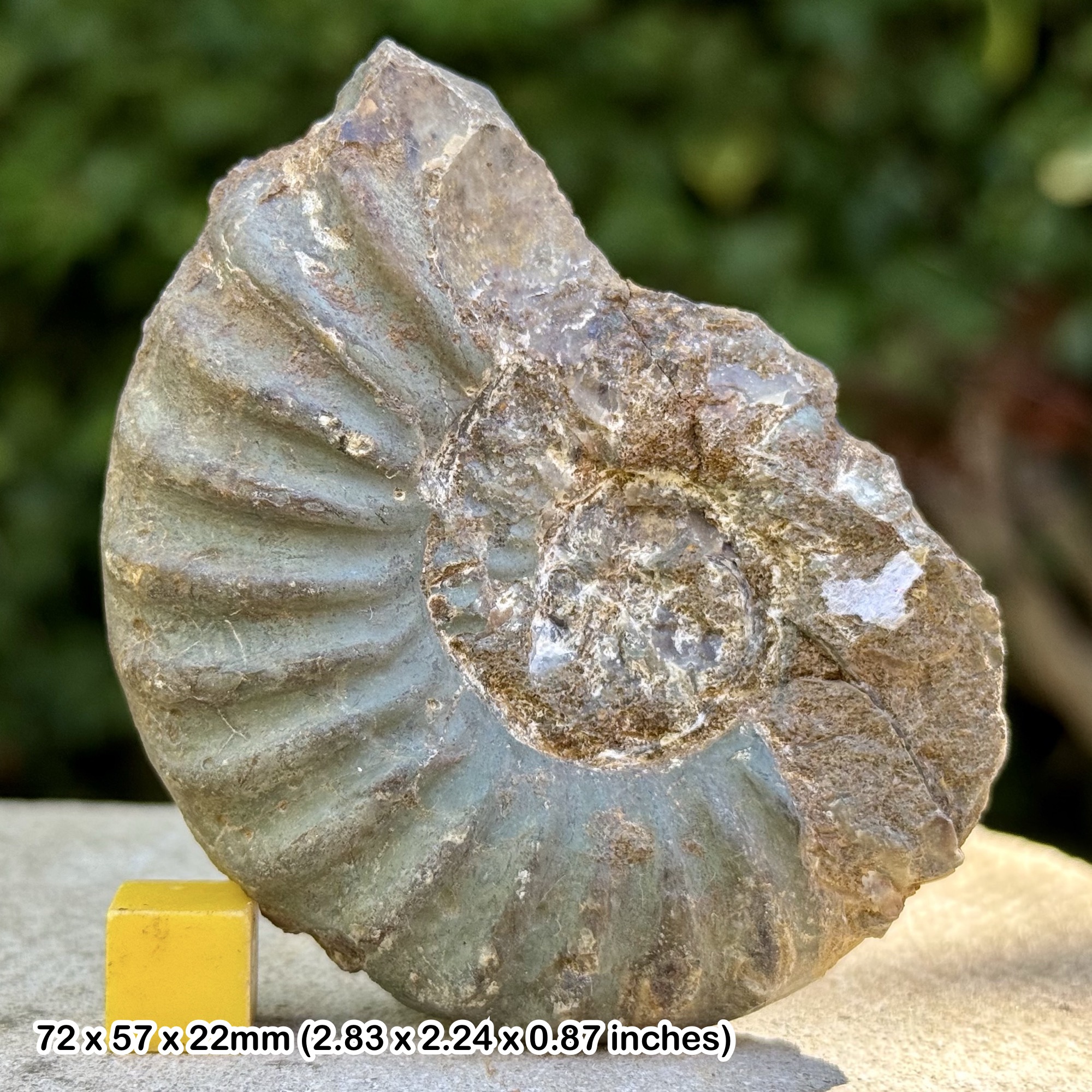
Aegastroceras simili Ammonite Fossil Jurassic UK Authentic Specimen with Certificate COA
£ 24.00
AEGASTROCERAS SIMILI AMMONITE FOSSILThis listing offers a fine specimen of Aegastroceras simili, a beautifully
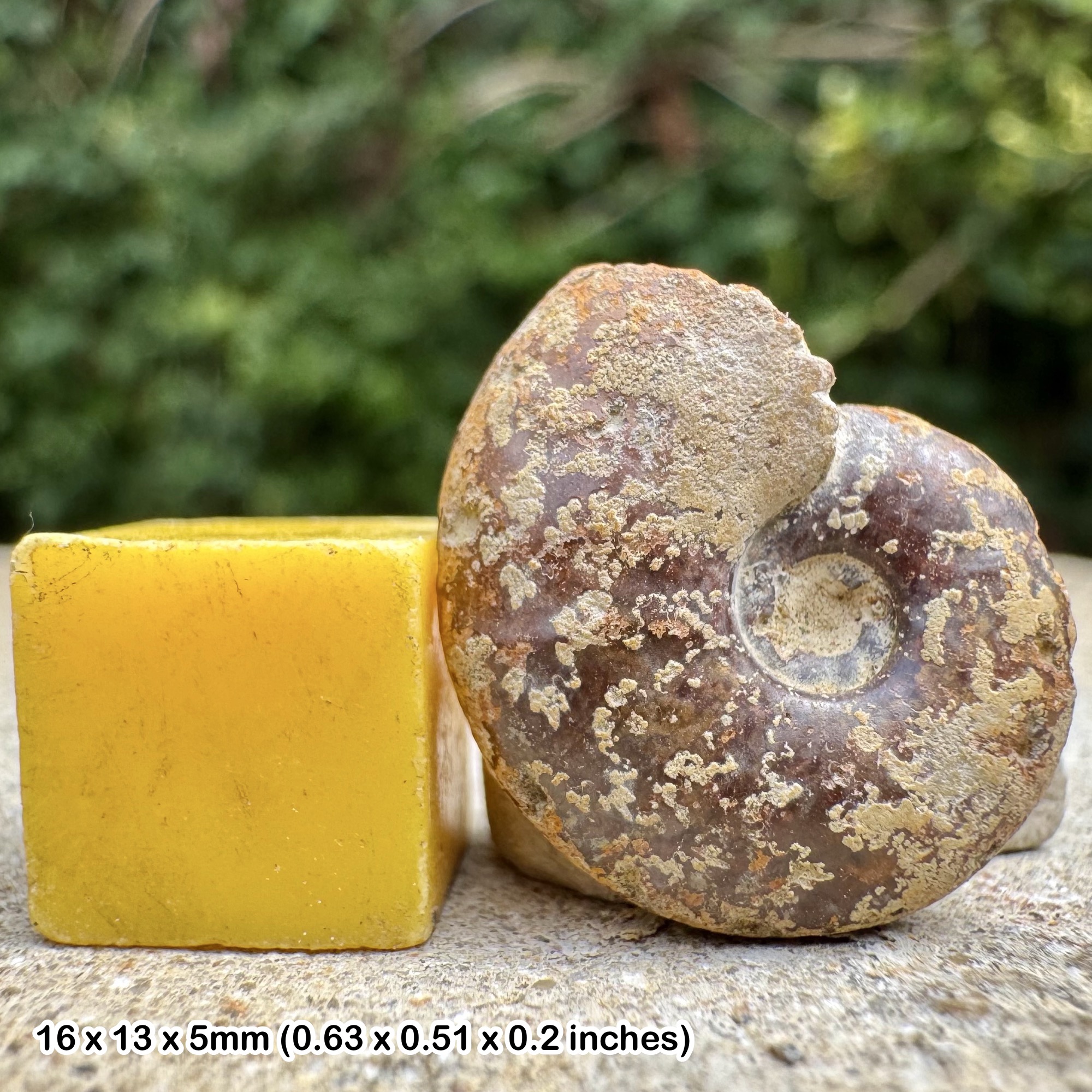
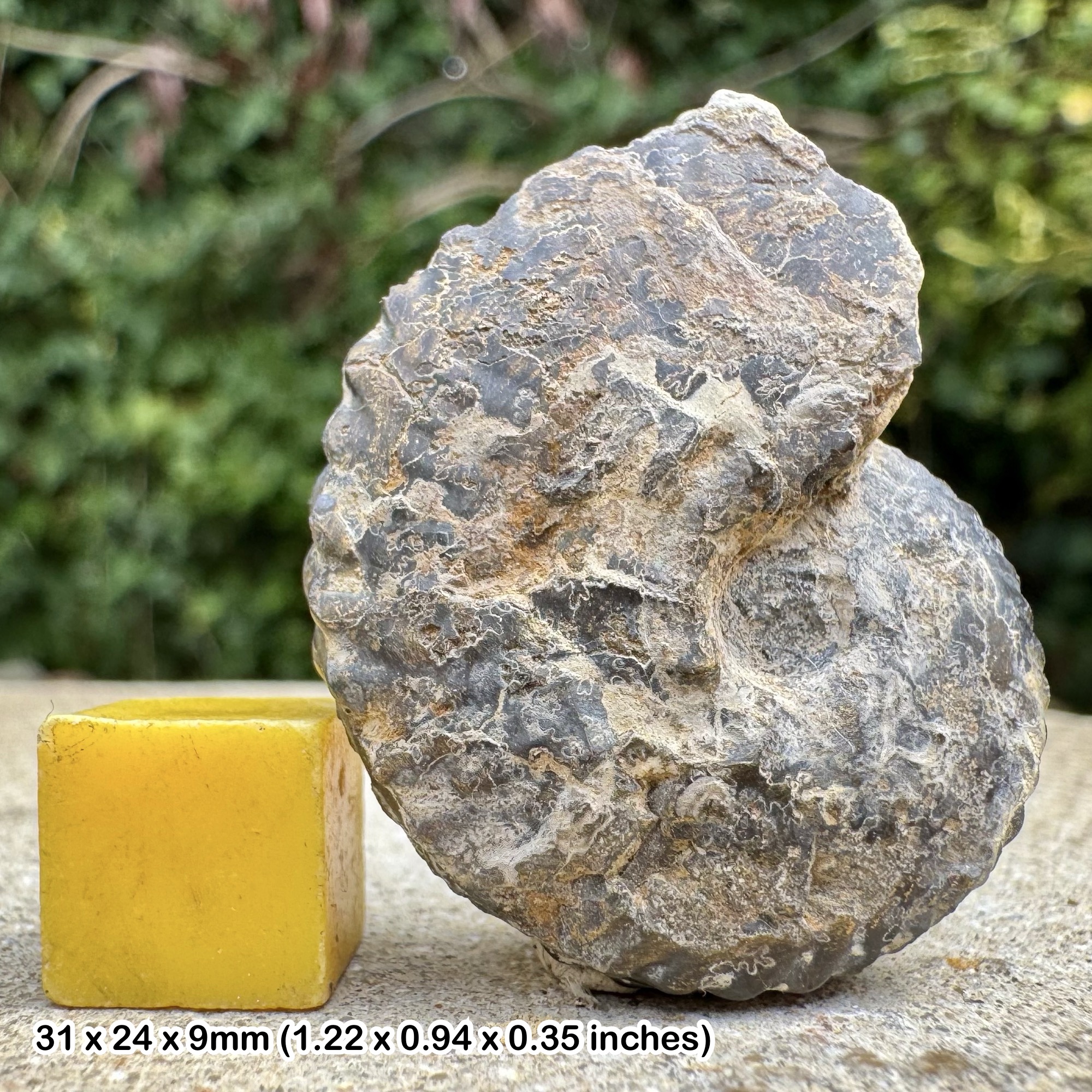
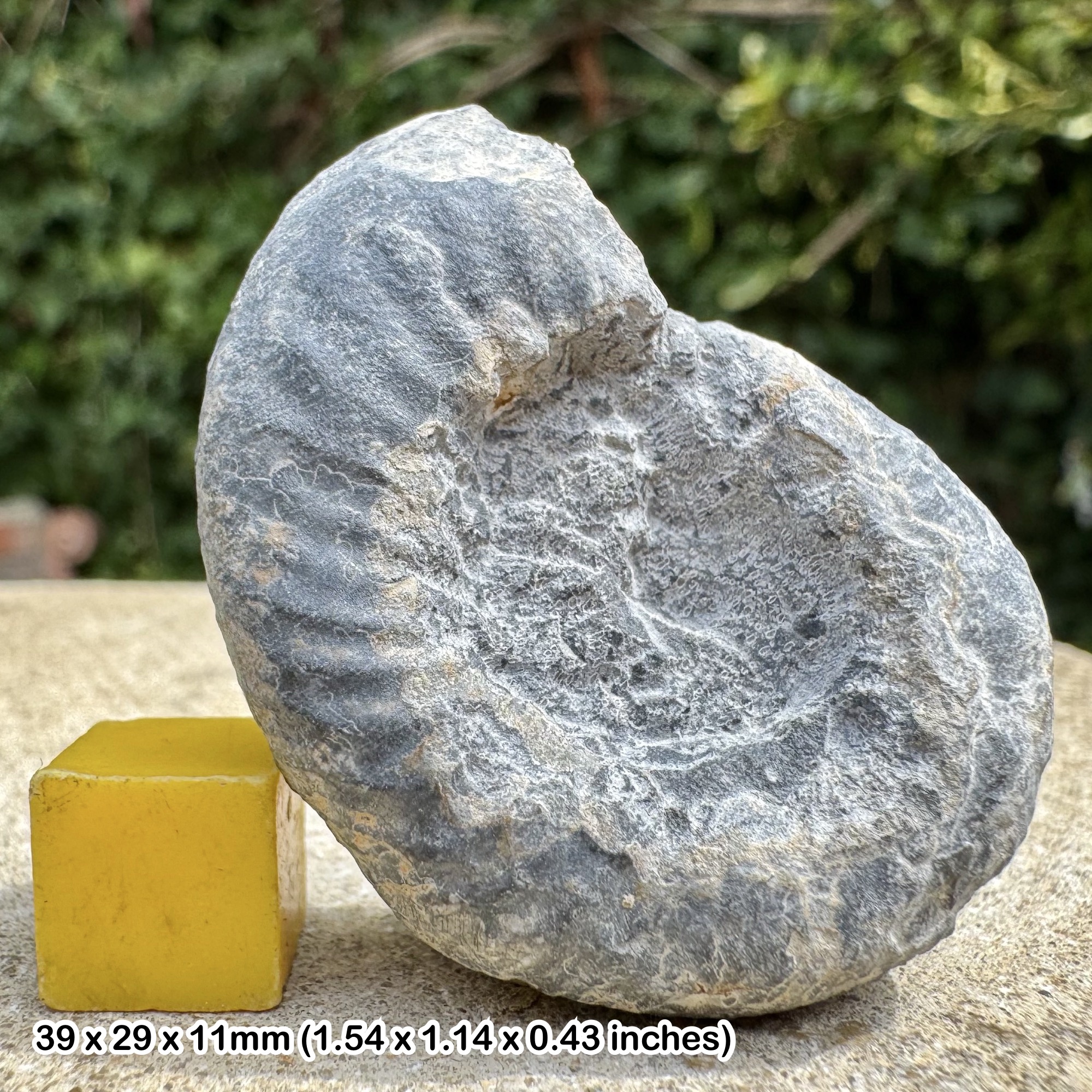
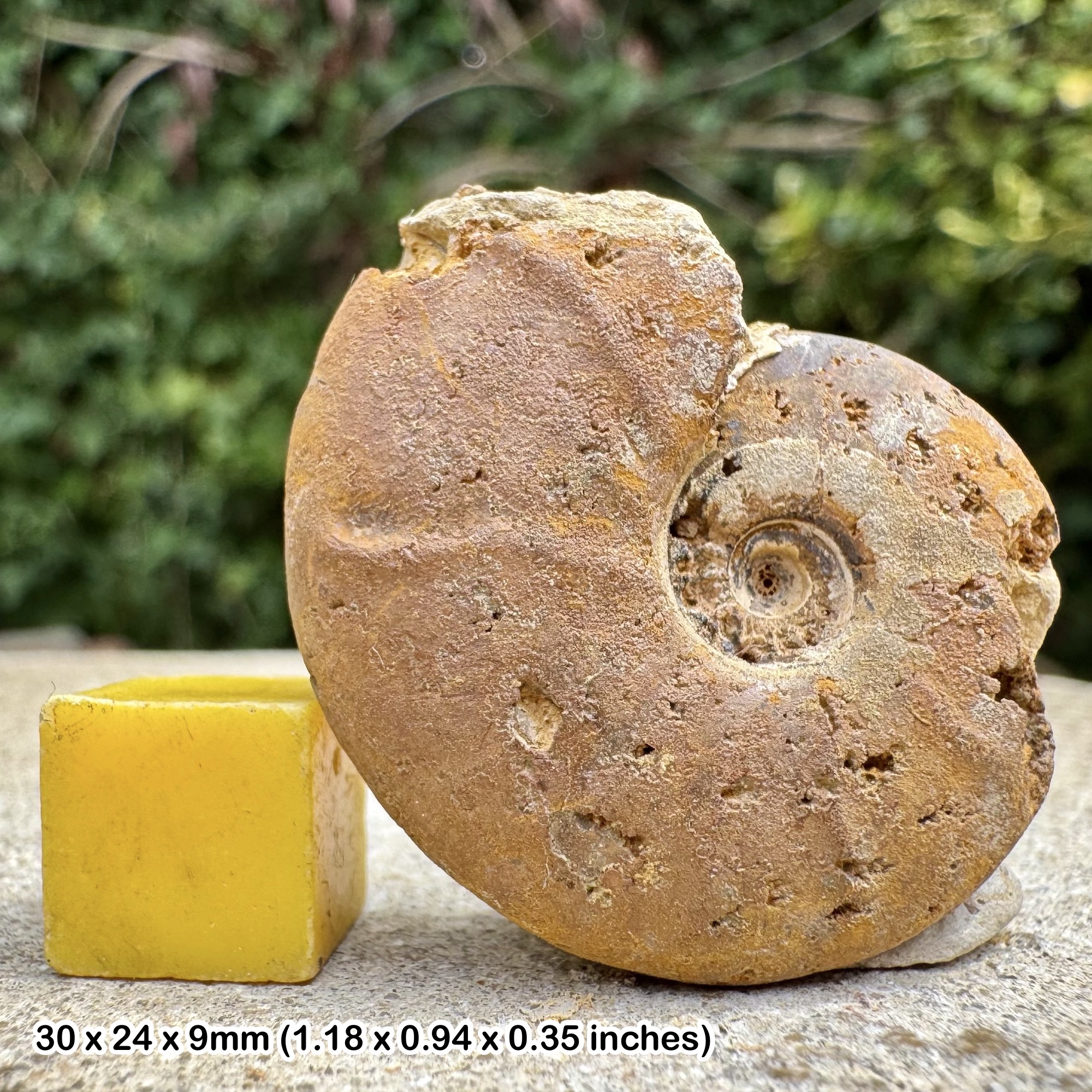
preserved ammonite from the Lower Lias, Lower Jurassic, discovered at Conesby Quarry, Scunthorpe, North Lincolnshire, United Kingdom. The fossil is dated to the Obtusum Zone and Jamesoni Zone, approximately 196–190 million years old. The exact specimen in the photographs is the one you will receive, with a 1 cm scale cube included for accurate size reference. As with all of our items, this fossil is guaranteed genuine and will be supplied with a Certificate of Authenticity. GEOLOGICAL CONTEXT – LOWER LIAS OF SCUNTHORPEThe fossil was found in the Frodingham Ironstone Formation, an important part of the Lower Lias Group. This unit is a classic Lower Jurassic deposit, consisting largely of fossil-rich ironstones and limestones, formed in shallow marine conditions along the margins of the early Jurassic seas.The Jamesoni Zone, part of the Lower Lias, is especially well known for its abundance and diversity of ammonites. These ammonites are of major scientific value as they allow precise subdivision of the Jurassic timescale, enabling geologists to correlate strata across wide geographic areas. The Scunthorpe quarries, such as Conesby, have long been significant collecting sites, producing ammonites, bivalves, belemnites, and marine reptile remains. SPECIES OVERVIEW – AEGASTROCERAS SIMILIThe specimen belongs to the genus Aegastroceras, order Ammonitida, superfamily Psiloceratoidea, and family Arietitidae. Aegastroceras simili is a diagnostic ammonite of the Lower Jurassic, noted for its distinctive shell features and importance in biostratigraphy.Its shell is typically evolute, with relatively compressed whorls and clearly defined ribbing that extends across the flanks. The ribs may curve gently forward as they approach the venter, giving the ammonite a subtle but elegant appearance. These features make it instantly recognisable to specialists and collectors alike. PALEONTOLOGICAL IMPORTANCEThe importance of Aegastroceras simili lies in its restricted stratigraphic range. It is a characteristic ammonite of the Jamesoni Zone, making it an excellent index fossil for dating Lower Jurassic rocks. Index fossils are critical for biostratigraphy, allowing geologists to define biozones that can be recognised across Europe.The morphology of this ammonite reflects evolutionary developments within the Arietitidae, particularly the persistence of strong ribbing and shell reinforcement that may have helped with buoyancy control and resistance to predation. This fossil thus provides insights into both ammonite evolution and Early Jurassic marine ecology. COLLECTOR’S AND EDUCATIONAL VALUEThis Aegastroceras simili fossil is highly desirable for collectors focusing on British ammonites or Jurassic fossils. Its provenance from Conesby Quarry in Scunthorpe adds further significance, as this locality is both scientifically important and historically well-known among fossil hunters.For teaching and learning, this ammonite makes an excellent example of how paleontologists use fossils to subdivide Earth’s history into biozones. Its distinctive ribbing and elegant form also make it an impressive display specimen, combining educational value with natural beauty. GUARANTEE OF AUTHENTICITY
• 100% genuine Aegastroceras simili ammonite fossil
• Supplied with a Certificate of Authenticity
• The exact specimen photographed is the one you will receiveThis is a rare opportunity to acquire a scientifically valuable and visually striking Aegastroceras simili Ammonite Fossil from the Jamesoni Zone of the Lower Jurassic, Conesby Quarry, Scunthorpe, United Kingdom. A classic fossil from one of Britain’s most important Jurassic localities.
preserved ammonite from the Lower Lias, Lower Jurassic, discovered at Conesby Quarry, Scunthorpe, North Lincolnshire, United Kingdom. The fossil is dated to the Obtusum Zone and Jamesoni Zone, approximately 196–190 million years old. The exact specimen in the photographs is the one you will receive, with a 1 cm scale cube included for accurate size reference. As with all of our items, this fossil is guaranteed genuine and will be supplied with a Certificate of Authenticity. GEOLOGICAL CONTEXT – LOWER LIAS OF SCUNTHORPEThe fossil was found in the Frodingham Ironstone Formation, an important part of the Lower Lias Group. This unit is a classic Lower Jurassic deposit, consisting largely of fossil-rich ironstones and limestones, formed in shallow marine conditions along the margins of the early Jurassic seas.The Jamesoni Zone, part of the Lower Lias, is especially well known for its abundance and diversity of ammonites. These ammonites are of major scientific value as they allow precise subdivision of the Jurassic timescale, enabling geologists to correlate strata across wide geographic areas. The Scunthorpe quarries, such as Conesby, have long been significant collecting sites, producing ammonites, bivalves, belemnites, and marine reptile remains. SPECIES OVERVIEW – AEGASTROCERAS SIMILIThe specimen belongs to the genus Aegastroceras, order Ammonitida, superfamily Psiloceratoidea, and family Arietitidae. Aegastroceras simili is a diagnostic ammonite of the Lower Jurassic, noted for its distinctive shell features and importance in biostratigraphy.Its shell is typically evolute, with relatively compressed whorls and clearly defined ribbing that extends across the flanks. The ribs may curve gently forward as they approach the venter, giving the ammonite a subtle but elegant appearance. These features make it instantly recognisable to specialists and collectors alike. PALEONTOLOGICAL IMPORTANCEThe importance of Aegastroceras simili lies in its restricted stratigraphic range. It is a characteristic ammonite of the Jamesoni Zone, making it an excellent index fossil for dating Lower Jurassic rocks. Index fossils are critical for biostratigraphy, allowing geologists to define biozones that can be recognised across Europe.The morphology of this ammonite reflects evolutionary developments within the Arietitidae, particularly the persistence of strong ribbing and shell reinforcement that may have helped with buoyancy control and resistance to predation. This fossil thus provides insights into both ammonite evolution and Early Jurassic marine ecology. COLLECTOR’S AND EDUCATIONAL VALUEThis Aegastroceras simili fossil is highly desirable for collectors focusing on British ammonites or Jurassic fossils. Its provenance from Conesby Quarry in Scunthorpe adds further significance, as this locality is both scientifically important and historically well-known among fossil hunters.For teaching and learning, this ammonite makes an excellent example of how paleontologists use fossils to subdivide Earth’s history into biozones. Its distinctive ribbing and elegant form also make it an impressive display specimen, combining educational value with natural beauty. GUARANTEE OF AUTHENTICITY
• 100% genuine Aegastroceras simili ammonite fossil
• Supplied with a Certificate of Authenticity
• The exact specimen photographed is the one you will receiveThis is a rare opportunity to acquire a scientifically valuable and visually striking Aegastroceras simili Ammonite Fossil from the Jamesoni Zone of the Lower Jurassic, Conesby Quarry, Scunthorpe, United Kingdom. A classic fossil from one of Britain’s most important Jurassic localities.
Other Products