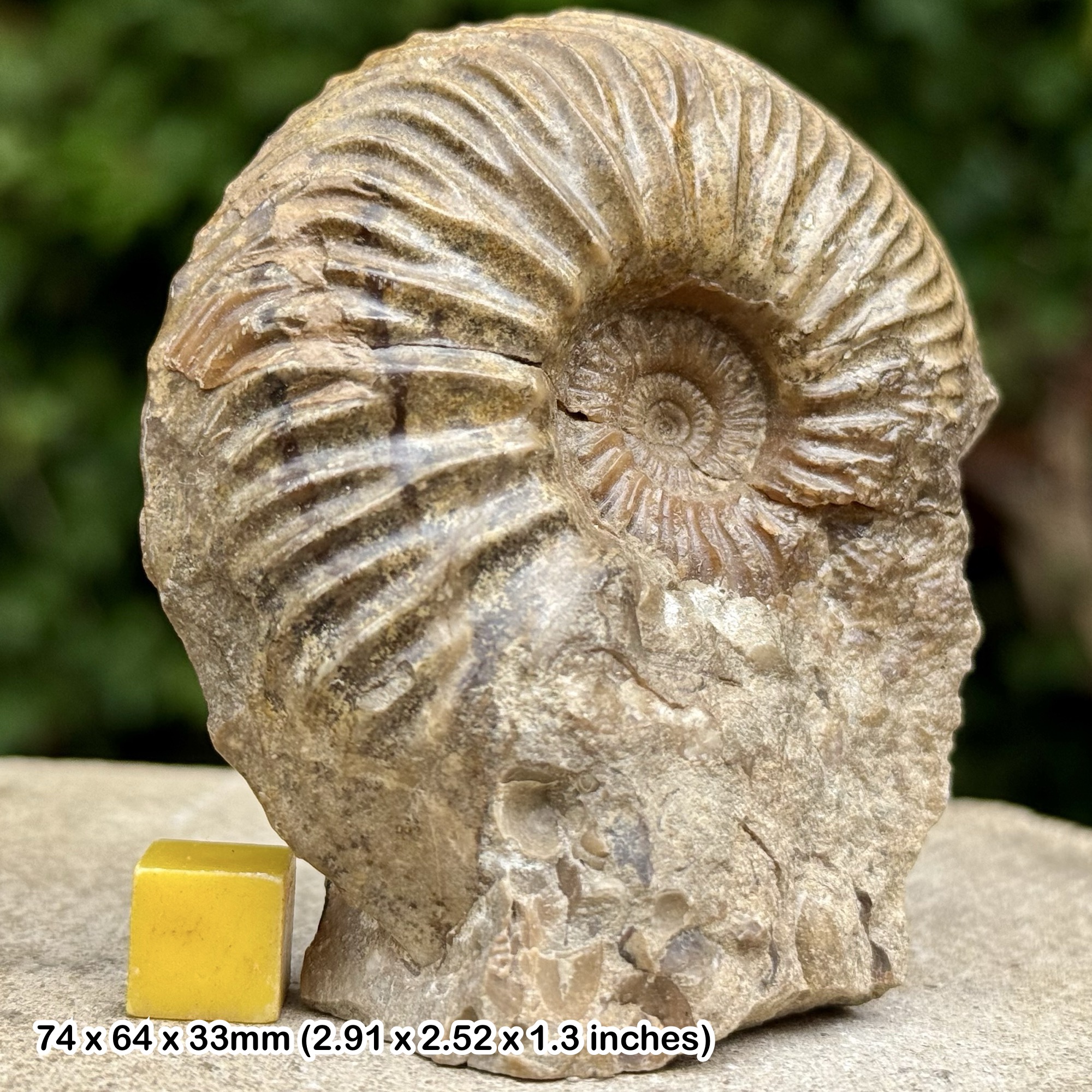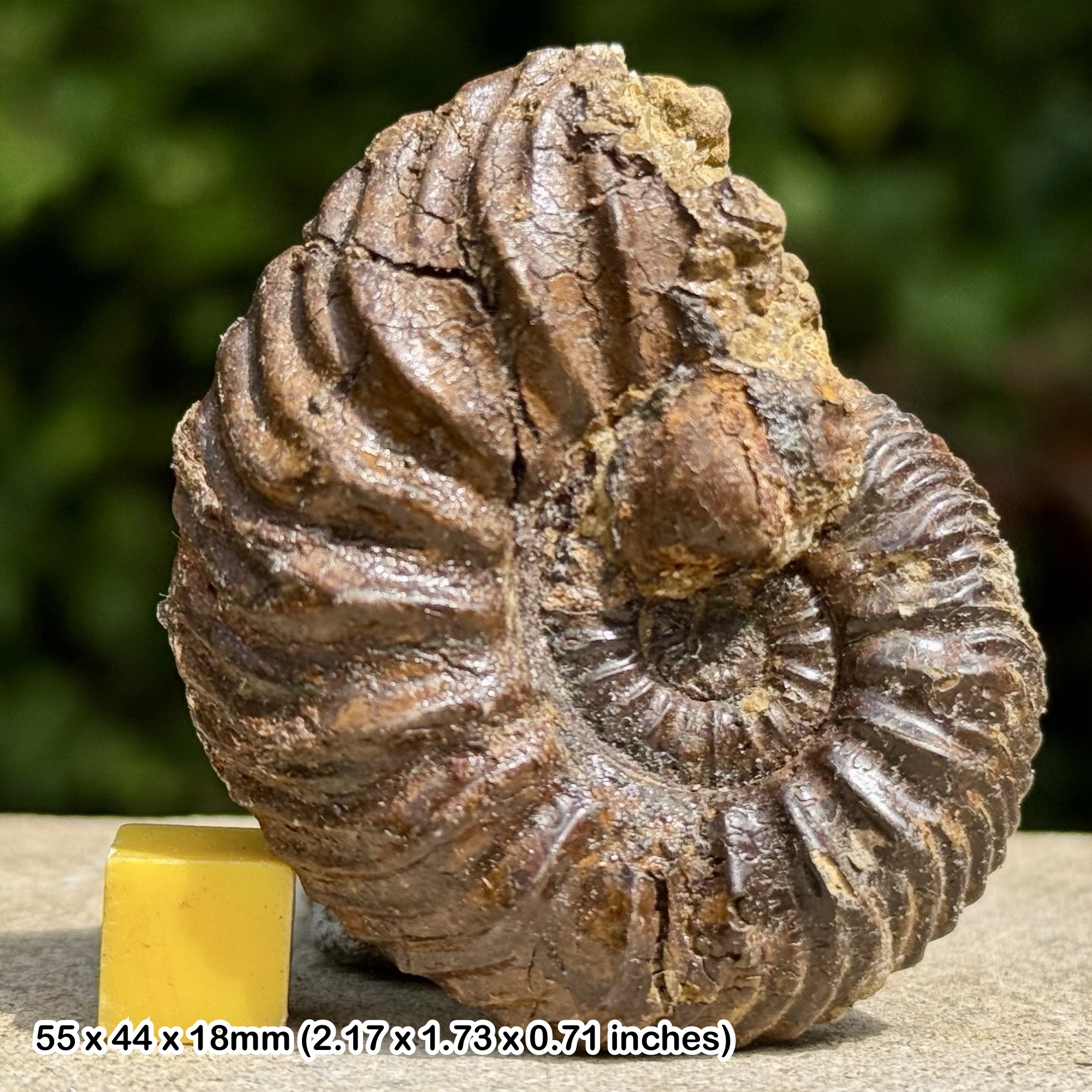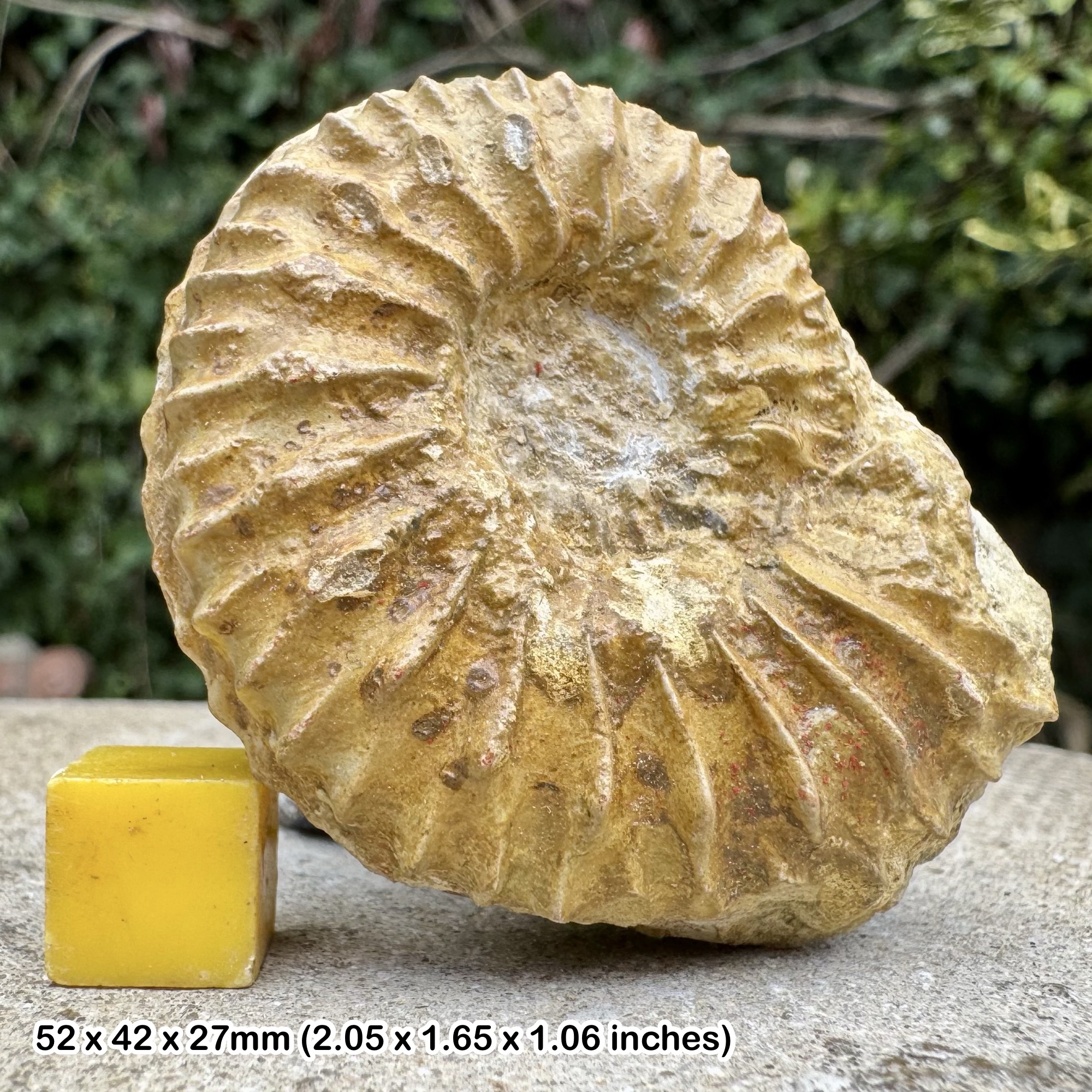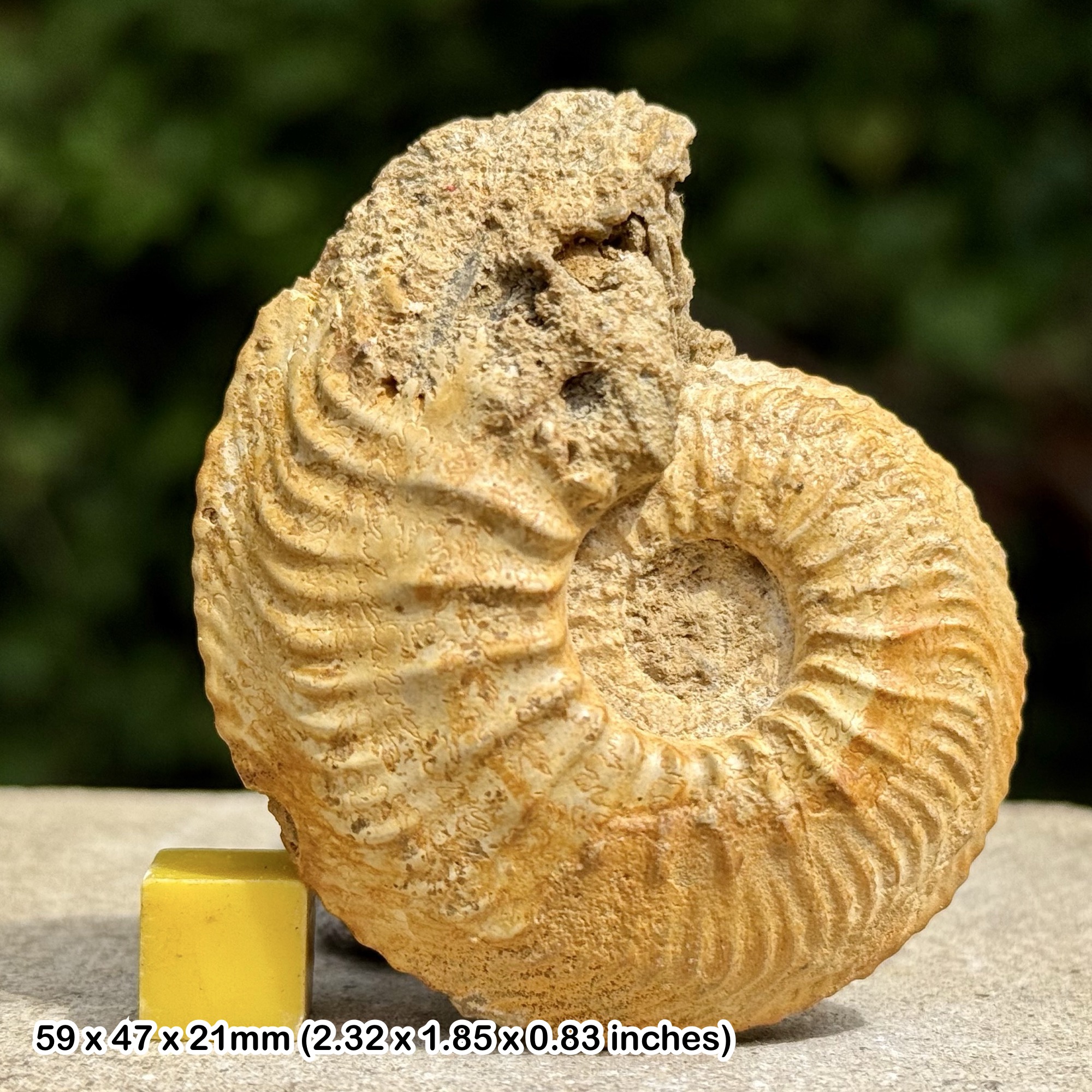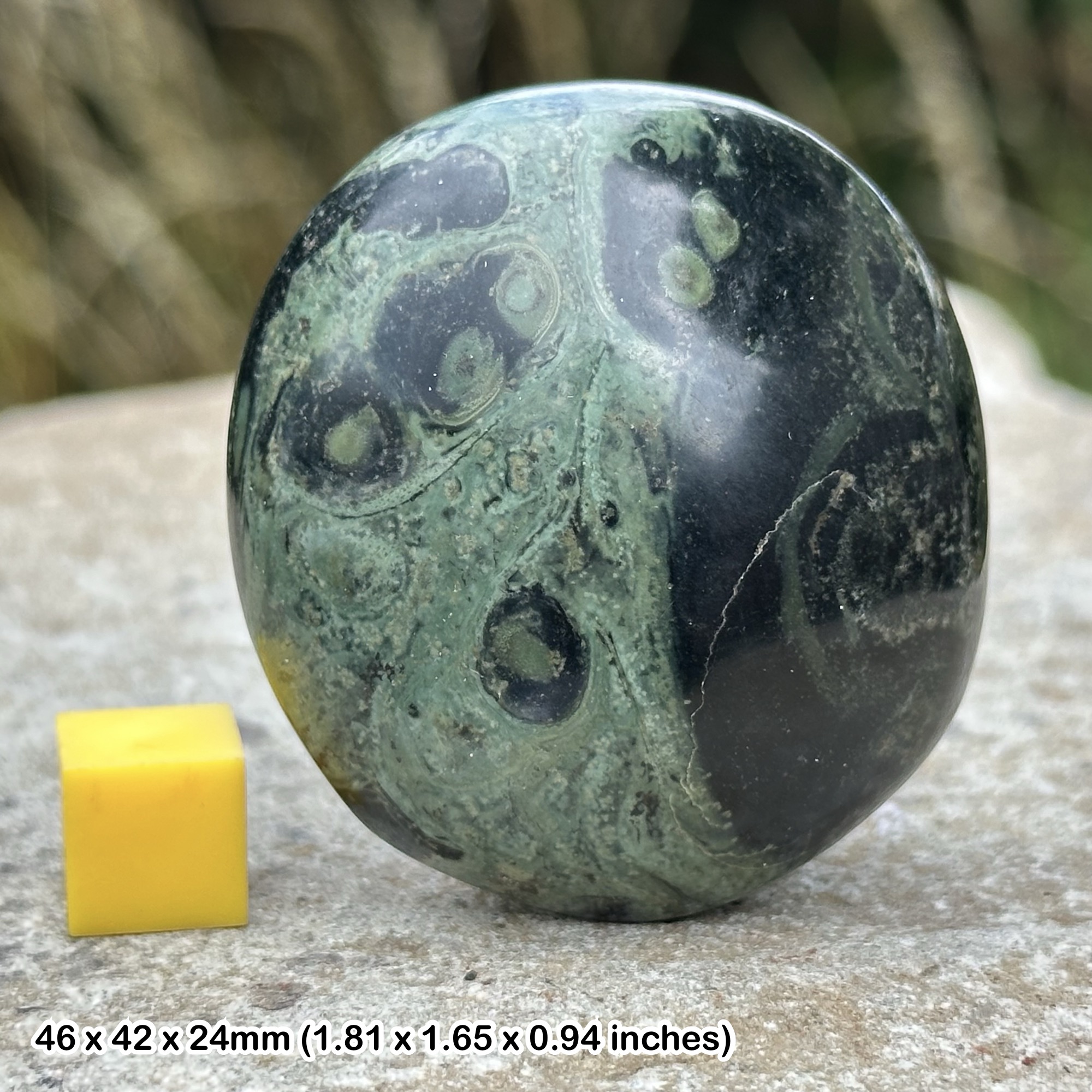
Kambaba Jasper Pebble Madagascar Polished Stromatolite Stone Natural Green Fossil
£ 7.50
KAMBABA JASPER PEBBLE FROM MADAGASCARThis polished Kambaba Jasper pebble is a distinctive natural stone sourced from
Madagascar, recognised for its deep green and black swirling patterns that resemble circular or orb-like formations across the surface. Carefully shaped and polished into a smooth pebble form, this specimen highlights the natural patterning that makes Kambaba Jasper one of the most visually unique decorative stones found in the mineral trade.Each piece displays its own individual combination of dark green tones, black matrix, and rounded pattern formations that formed over immense geological time. The pebble has been polished to reveal the natural structure of the stone while maintaining its organic character.The photographs in this listing show the exact specimen you will receive, allowing collectors and buyers to view the precise patterning and finish before purchase.This crystal is a genuine specimen and includes a Certificate of Authenticity lifetime guarantee generic card.Please refer to the listing photographs for full sizing and scale. GEOLOGICAL IDENTITY AND CLASSIFICATIONKambaba Jasper, sometimes also referred to as Crocodile Jasper due to its distinctive patterns, is not a true jasper in the strict geological sense. Instead, it is generally recognised as a stromatolitic sedimentary rock composed largely of microcrystalline quartz and fossilised microbial structures.Key geological characteristics include:
• Rock Type: Stromatolitic fossil rock
• Composition: Microcrystalline quartz (chalcedony) with fossil structures
• Mineral Class: Silicate-based sedimentary formation
• Texture: Dense and fine-grained
• Hardness: Typically around 6.5–7 on the Mohs scale due to silica content
• Lustre: Waxy to vitreous when polishedThe stone’s striking circular patterns are believed to be associated with ancient stromatolite formations—layered structures created by early microbial life in shallow marine environments. FORMATION OF STROMATOLITE STRUCTURESStromatolites are among the oldest known fossilised biological structures on Earth, formed by communities of cyanobacteria (microbial organisms) that trapped and bound sediment grains in shallow water environments.Over time, these microbial mats built up layered structures that gradually hardened into rock. Silica-rich fluids later replaced or cemented these structures, resulting in the distinctive fossilised formations preserved within the stone.The circular or orb-like patterns visible in Kambaba Jasper represent the preserved cross-sections of these ancient microbial growth structures. These patterns developed through:
• Layered microbial sediment accumulation
• Mineralisation and silica replacement
• Long-term geological compression and metamorphism
• Subsequent erosion and exposure of the rockThe result is a highly distinctive fossil-bearing stone with natural patterning rarely seen in other materials. COLOURATION AND NATURAL PATTERNINGKambaba Jasper is recognised for its deep green background colour contrasted with dark circular patterns and black mineral matrix. The green tones are typically associated with mineral inclusions within the silica-rich rock.Typical colour features include:
• Dark forest green tones
• Olive green variations
• Black or charcoal circular patterning
• Subtle concentric formations resembling orbsWhen polished, the surface reveals the full complexity of these natural patterns, often giving the stone a textured visual appearance despite its smooth finish.Because the stone formed through natural sedimentary and fossilisation processes, no two pieces display identical patterns. MADAGASCAR MINERAL LOCALITYMadagascar is internationally known for producing a wide range of mineral specimens and decorative stones. The island’s unique geological history includes ancient crustal formations, metamorphic terrains, and sedimentary deposits that host a variety of rare mineral and fossil materials.Kambaba Jasper deposits from Madagascar are among the most recognised sources of this material in the global mineral market. The stone is typically extracted from ancient rock formations where stromatolitic structures have been preserved and later exposed.Once collected, the material is cut and polished into decorative forms such as pebbles, palm stones, spheres, and display pieces. POLISHED PEBBLE FINISHThis specimen has been shaped into a smooth polished pebble form, a style that enhances both the natural patterns and tactile feel of the stone.The polishing process involves: 1. Cutting raw rock material into manageable shapes 2. Gradual grinding to refine the form 3. Multiple stages of fine polishing to reveal colour and patternsThe final finish highlights the natural fossil structures while creating a smooth surface suitable for display or collecting. COLLECTING, DECORATIVE USE AND SYMBOLIC TRADITIONSKambaba Jasper pebbles are widely appreciated for their unusual fossil patterns and rich natural colour contrast. Their distinctive appearance makes them popular among mineral collectors, fossil enthusiasts, and decorative stone collectors.They may be used for:
• Mineral and fossil collections
• Decorative natural stone displays
• Collector cabinets and geological study collections
• Unique natural gifts for mineral enthusiastsIn some traditions, stones such as Kambaba Jasper are traditionally associated with spiritual symbolism or reflective practices, though these interpretations are cultural beliefs rather than scientific claims. AUTHENTIC NATURAL MINERAL SPECIMENThis Kambaba Jasper Pebble from Madagascar is a genuine natural specimen selected for its distinctive fossil patterning and polished finish.The piece includes a Certificate of Authenticity lifetime guarantee generic card confirming the authenticity of the stone.Please review the photographs carefully for full sizing and scale, as the images show the exact specimen you will receive.
Madagascar, recognised for its deep green and black swirling patterns that resemble circular or orb-like formations across the surface. Carefully shaped and polished into a smooth pebble form, this specimen highlights the natural patterning that makes Kambaba Jasper one of the most visually unique decorative stones found in the mineral trade.Each piece displays its own individual combination of dark green tones, black matrix, and rounded pattern formations that formed over immense geological time. The pebble has been polished to reveal the natural structure of the stone while maintaining its organic character.The photographs in this listing show the exact specimen you will receive, allowing collectors and buyers to view the precise patterning and finish before purchase.This crystal is a genuine specimen and includes a Certificate of Authenticity lifetime guarantee generic card.Please refer to the listing photographs for full sizing and scale. GEOLOGICAL IDENTITY AND CLASSIFICATIONKambaba Jasper, sometimes also referred to as Crocodile Jasper due to its distinctive patterns, is not a true jasper in the strict geological sense. Instead, it is generally recognised as a stromatolitic sedimentary rock composed largely of microcrystalline quartz and fossilised microbial structures.Key geological characteristics include:
• Rock Type: Stromatolitic fossil rock
• Composition: Microcrystalline quartz (chalcedony) with fossil structures
• Mineral Class: Silicate-based sedimentary formation
• Texture: Dense and fine-grained
• Hardness: Typically around 6.5–7 on the Mohs scale due to silica content
• Lustre: Waxy to vitreous when polishedThe stone’s striking circular patterns are believed to be associated with ancient stromatolite formations—layered structures created by early microbial life in shallow marine environments. FORMATION OF STROMATOLITE STRUCTURESStromatolites are among the oldest known fossilised biological structures on Earth, formed by communities of cyanobacteria (microbial organisms) that trapped and bound sediment grains in shallow water environments.Over time, these microbial mats built up layered structures that gradually hardened into rock. Silica-rich fluids later replaced or cemented these structures, resulting in the distinctive fossilised formations preserved within the stone.The circular or orb-like patterns visible in Kambaba Jasper represent the preserved cross-sections of these ancient microbial growth structures. These patterns developed through:
• Layered microbial sediment accumulation
• Mineralisation and silica replacement
• Long-term geological compression and metamorphism
• Subsequent erosion and exposure of the rockThe result is a highly distinctive fossil-bearing stone with natural patterning rarely seen in other materials. COLOURATION AND NATURAL PATTERNINGKambaba Jasper is recognised for its deep green background colour contrasted with dark circular patterns and black mineral matrix. The green tones are typically associated with mineral inclusions within the silica-rich rock.Typical colour features include:
• Dark forest green tones
• Olive green variations
• Black or charcoal circular patterning
• Subtle concentric formations resembling orbsWhen polished, the surface reveals the full complexity of these natural patterns, often giving the stone a textured visual appearance despite its smooth finish.Because the stone formed through natural sedimentary and fossilisation processes, no two pieces display identical patterns. MADAGASCAR MINERAL LOCALITYMadagascar is internationally known for producing a wide range of mineral specimens and decorative stones. The island’s unique geological history includes ancient crustal formations, metamorphic terrains, and sedimentary deposits that host a variety of rare mineral and fossil materials.Kambaba Jasper deposits from Madagascar are among the most recognised sources of this material in the global mineral market. The stone is typically extracted from ancient rock formations where stromatolitic structures have been preserved and later exposed.Once collected, the material is cut and polished into decorative forms such as pebbles, palm stones, spheres, and display pieces. POLISHED PEBBLE FINISHThis specimen has been shaped into a smooth polished pebble form, a style that enhances both the natural patterns and tactile feel of the stone.The polishing process involves: 1. Cutting raw rock material into manageable shapes 2. Gradual grinding to refine the form 3. Multiple stages of fine polishing to reveal colour and patternsThe final finish highlights the natural fossil structures while creating a smooth surface suitable for display or collecting. COLLECTING, DECORATIVE USE AND SYMBOLIC TRADITIONSKambaba Jasper pebbles are widely appreciated for their unusual fossil patterns and rich natural colour contrast. Their distinctive appearance makes them popular among mineral collectors, fossil enthusiasts, and decorative stone collectors.They may be used for:
• Mineral and fossil collections
• Decorative natural stone displays
• Collector cabinets and geological study collections
• Unique natural gifts for mineral enthusiastsIn some traditions, stones such as Kambaba Jasper are traditionally associated with spiritual symbolism or reflective practices, though these interpretations are cultural beliefs rather than scientific claims. AUTHENTIC NATURAL MINERAL SPECIMENThis Kambaba Jasper Pebble from Madagascar is a genuine natural specimen selected for its distinctive fossil patterning and polished finish.The piece includes a Certificate of Authenticity lifetime guarantee generic card confirming the authenticity of the stone.Please review the photographs carefully for full sizing and scale, as the images show the exact specimen you will receive.
Other Products