Choffatia subbakeriae Ammonite Fossil Jurassic France Genuine COA Callovian Rare Pas-de-Jeu Thouars Vienne Collectable
£ 12.60
GENUINE CHOFFATIA SUBBAKERIAE AMMONITE FOSSILThis listing is for a genuine Choffatia subbakeriae ammonite fossil from
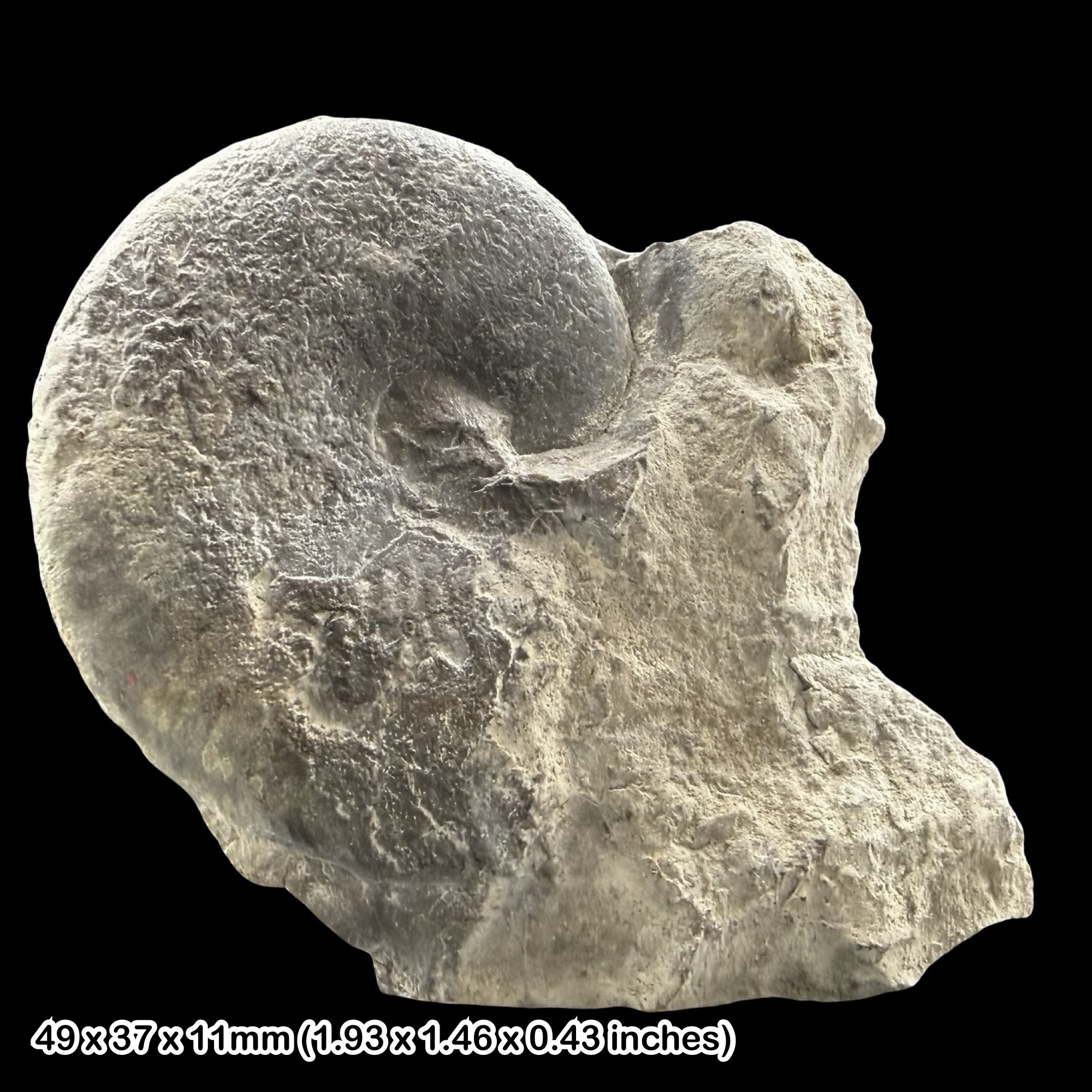
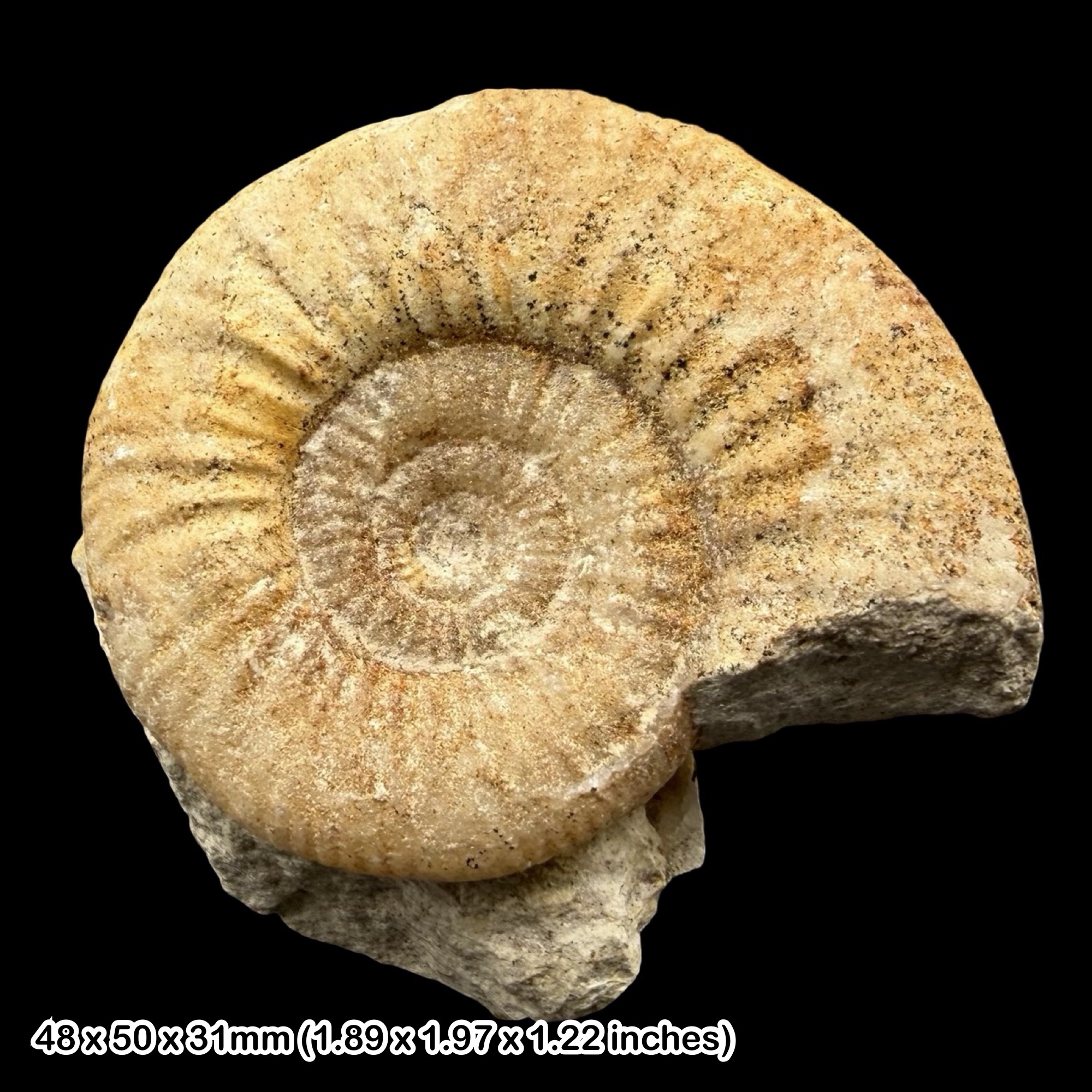
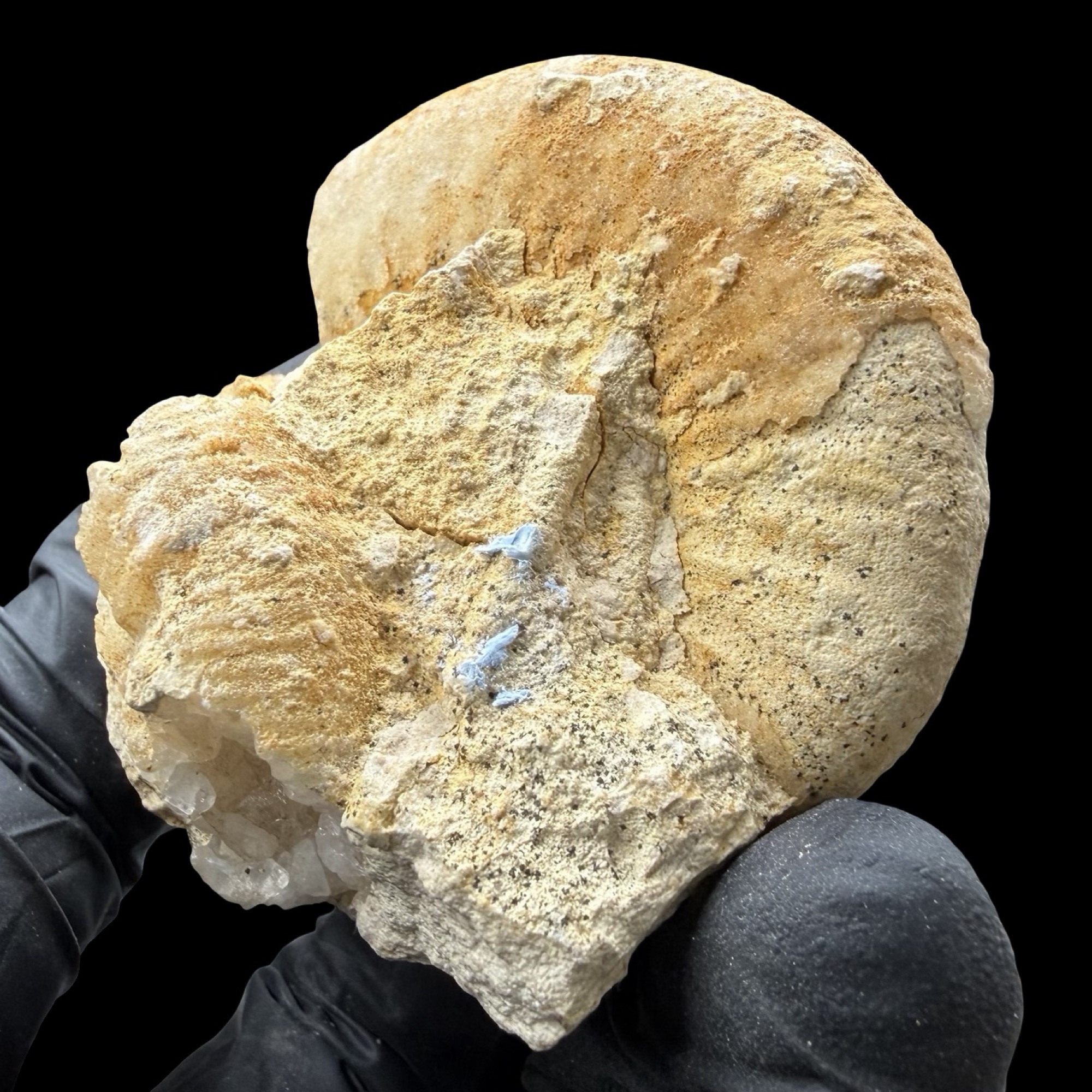
Pas-de-Jeu, Thouars, Vienne, France. Dating to the Middle Jurassic, Callovian Stage, this carefully chosen specimen represents an authentic marine cephalopod from the warm Jurassic seas of western Europe. The photograph shows the actual fossil you will receive, allowing you to view its natural preservation, shell form, surface detail, colour, matrix and overall character before purchase.This fossil is supplied with a Certificate of Authenticity lifetime guarantee generic card, confirming that it is a genuine specimen. Full sizing details can be seen in the photo. FOSSIL TYPE AND SPECIESChoffatia subbakeriae is an ammonite, an extinct shelled marine cephalopod related to modern squid, octopus and cuttlefish. Ammonites are among the most collectable fossils from the Jurassic Period, admired for their spiral shells and valued scientifically because many species are useful for dating and correlating ancient rock layers.The ammonite shell was divided internally into chambers. The living animal occupied the final body chamber, while earlier chambers helped regulate buoyancy as it moved through the water column. As the ammonite grew, new chambers were added, producing the distinctive coiled form seen in fossil specimens today.Choffatia is a perisphinctid ammonite, a group well known for evolute coiling and ribbed shell ornament. These ammonites often display visible whorls, strong ribbing and branching rib patterns, giving them excellent visual appeal when preserved. The genus is placed within the order Ammonitida, the superfamily Perisphinctoidea and the family Perisphinctidae, a major Jurassic ammonite group with strong importance in Middle and Late Jurassic biostratigraphy. MIDDLE JURASSIC CALLOVIAN AGEThis specimen dates from the Callovian Stage of the Middle Jurassic, approximately 166 to 163 million years old. During this time, much of western Europe was covered by shallow epicontinental seas. These seas supported a rich marine ecosystem containing ammonites, belemnites, bivalves, brachiopods, gastropods, crinoids, fish and marine reptiles.The Callovian was a period of great ammonite diversity. Ammonites evolved rapidly and spread widely through Jurassic seas, making them particularly useful to geologists and palaeontologists. Fossils such as Choffatia subbakeriae are therefore valued not only as attractive natural history specimens, but also as representatives of a specific interval in Jurassic marine history. PAS-DE-JEU, THOUARS, VIENNE LOCALITYThis fossil comes from Pas-de-Jeu, near Thouars in the Vienne department of France, an area associated with important Jurassic marine deposits. The wider Thouars region is well known in European geology for fossil-bearing Jurassic strata and has produced a variety of ammonites and other marine fossils.A fossil from this locality has excellent collection appeal because it combines a named species, a precise French locality and a clear Middle Jurassic age. French Jurassic ammonites are highly sought after by collectors because they provide a strong comparison with British, German and other European ammonite faunas from the same period. AMMONITE MORPHOLOGY AND NATURAL FEATURESChoffatia subbakeriae ammonites are valued for their classic coiled shell form and perisphinctid-style ribbing. Depending on preservation, visible features may include an open spiral shell, curved ribs, branching rib patterns, whorl detail, chamber traces, natural matrix, mineralisation and surface texture. These features reflect the original shell structure of the animal and the geological processes that preserved it over millions of years.As with all genuine fossils, each specimen is unique. Natural variations in colour, matrix, surface preservation, edge detail, compression, mineral staining and fossilisation are part of the fossil’s individual character. This makes the piece a distinctive example of ancient Jurassic marine life rather than a manufactured or mass-produced display item. COLLECTING AND DISPLAY APPEALThis Choffatia subbakeriae ammonite fossil is ideal for collectors of Jurassic ammonites, French fossils, Callovian fossils, Perisphinctidae ammonites, European fossils and natural history display specimens. It would make an excellent addition to a fossil cabinet, geology collection, educational display, school teaching set or natural history gift.The fossil has been carefully chosen and photographed so the buyer can clearly see the actual specimen being supplied. Its appeal comes from the combination of genuine authenticity, named species, Middle Jurassic age, classic ammonite form and desirable French locality. AUTHENTICITY AND PRESENTATIONThis is a 100% genuine fossil specimen and includes a Certificate of Authenticity lifetime guarantee generic card. The listing photograph shows the actual specimen you will receive, and full sizing can be checked from the photo. The fossil is suitable for display, study, collecting or gifting.
Pas-de-Jeu, Thouars, Vienne, France. Dating to the Middle Jurassic, Callovian Stage, this carefully chosen specimen represents an authentic marine cephalopod from the warm Jurassic seas of western Europe. The photograph shows the actual fossil you will receive, allowing you to view its natural preservation, shell form, surface detail, colour, matrix and overall character before purchase.This fossil is supplied with a Certificate of Authenticity lifetime guarantee generic card, confirming that it is a genuine specimen. Full sizing details can be seen in the photo. FOSSIL TYPE AND SPECIESChoffatia subbakeriae is an ammonite, an extinct shelled marine cephalopod related to modern squid, octopus and cuttlefish. Ammonites are among the most collectable fossils from the Jurassic Period, admired for their spiral shells and valued scientifically because many species are useful for dating and correlating ancient rock layers.The ammonite shell was divided internally into chambers. The living animal occupied the final body chamber, while earlier chambers helped regulate buoyancy as it moved through the water column. As the ammonite grew, new chambers were added, producing the distinctive coiled form seen in fossil specimens today.Choffatia is a perisphinctid ammonite, a group well known for evolute coiling and ribbed shell ornament. These ammonites often display visible whorls, strong ribbing and branching rib patterns, giving them excellent visual appeal when preserved. The genus is placed within the order Ammonitida, the superfamily Perisphinctoidea and the family Perisphinctidae, a major Jurassic ammonite group with strong importance in Middle and Late Jurassic biostratigraphy. MIDDLE JURASSIC CALLOVIAN AGEThis specimen dates from the Callovian Stage of the Middle Jurassic, approximately 166 to 163 million years old. During this time, much of western Europe was covered by shallow epicontinental seas. These seas supported a rich marine ecosystem containing ammonites, belemnites, bivalves, brachiopods, gastropods, crinoids, fish and marine reptiles.The Callovian was a period of great ammonite diversity. Ammonites evolved rapidly and spread widely through Jurassic seas, making them particularly useful to geologists and palaeontologists. Fossils such as Choffatia subbakeriae are therefore valued not only as attractive natural history specimens, but also as representatives of a specific interval in Jurassic marine history. PAS-DE-JEU, THOUARS, VIENNE LOCALITYThis fossil comes from Pas-de-Jeu, near Thouars in the Vienne department of France, an area associated with important Jurassic marine deposits. The wider Thouars region is well known in European geology for fossil-bearing Jurassic strata and has produced a variety of ammonites and other marine fossils.A fossil from this locality has excellent collection appeal because it combines a named species, a precise French locality and a clear Middle Jurassic age. French Jurassic ammonites are highly sought after by collectors because they provide a strong comparison with British, German and other European ammonite faunas from the same period. AMMONITE MORPHOLOGY AND NATURAL FEATURESChoffatia subbakeriae ammonites are valued for their classic coiled shell form and perisphinctid-style ribbing. Depending on preservation, visible features may include an open spiral shell, curved ribs, branching rib patterns, whorl detail, chamber traces, natural matrix, mineralisation and surface texture. These features reflect the original shell structure of the animal and the geological processes that preserved it over millions of years.As with all genuine fossils, each specimen is unique. Natural variations in colour, matrix, surface preservation, edge detail, compression, mineral staining and fossilisation are part of the fossil’s individual character. This makes the piece a distinctive example of ancient Jurassic marine life rather than a manufactured or mass-produced display item. COLLECTING AND DISPLAY APPEALThis Choffatia subbakeriae ammonite fossil is ideal for collectors of Jurassic ammonites, French fossils, Callovian fossils, Perisphinctidae ammonites, European fossils and natural history display specimens. It would make an excellent addition to a fossil cabinet, geology collection, educational display, school teaching set or natural history gift.The fossil has been carefully chosen and photographed so the buyer can clearly see the actual specimen being supplied. Its appeal comes from the combination of genuine authenticity, named species, Middle Jurassic age, classic ammonite form and desirable French locality. AUTHENTICITY AND PRESENTATIONThis is a 100% genuine fossil specimen and includes a Certificate of Authenticity lifetime guarantee generic card. The listing photograph shows the actual specimen you will receive, and full sizing can be checked from the photo. The fossil is suitable for display, study, collecting or gifting.
Other Products