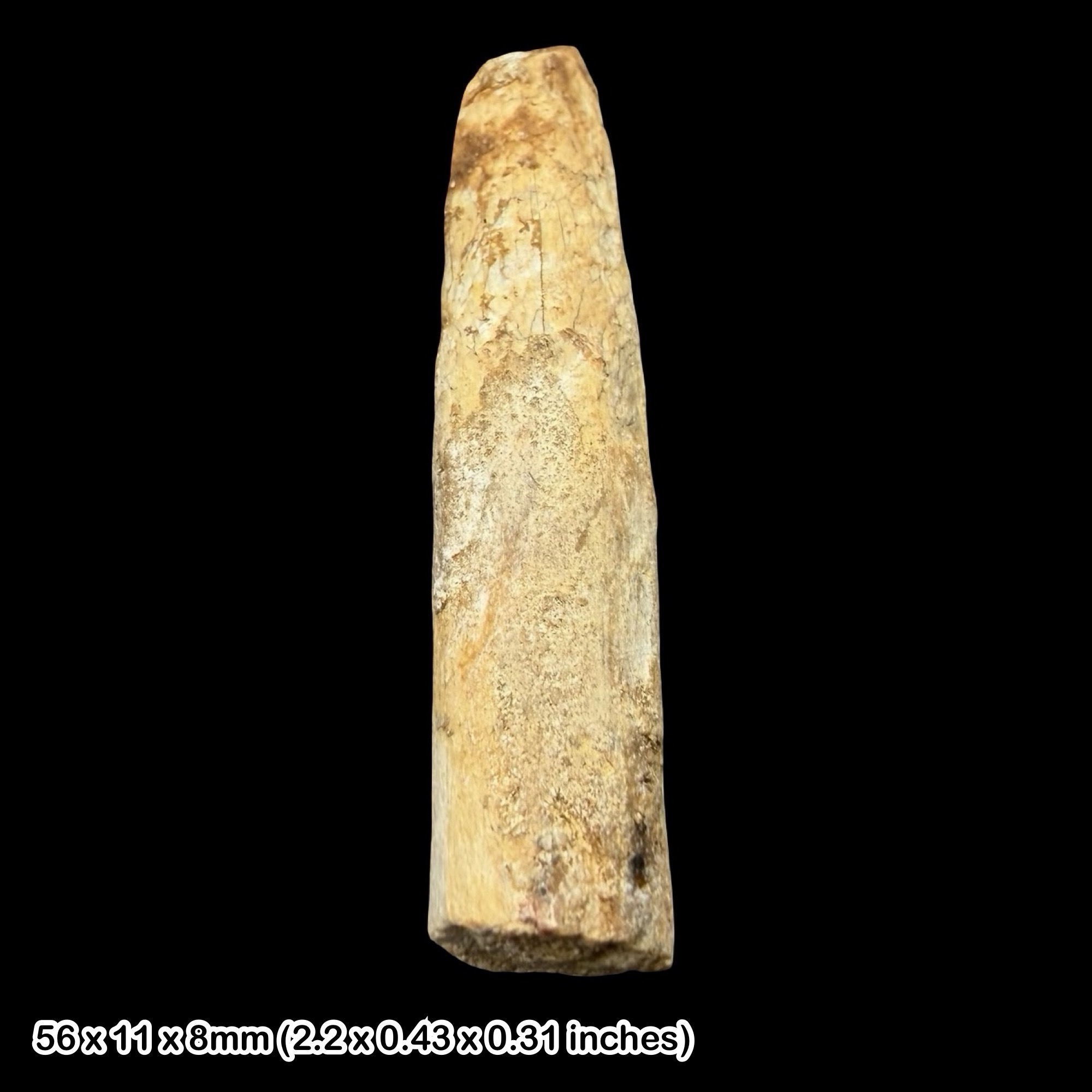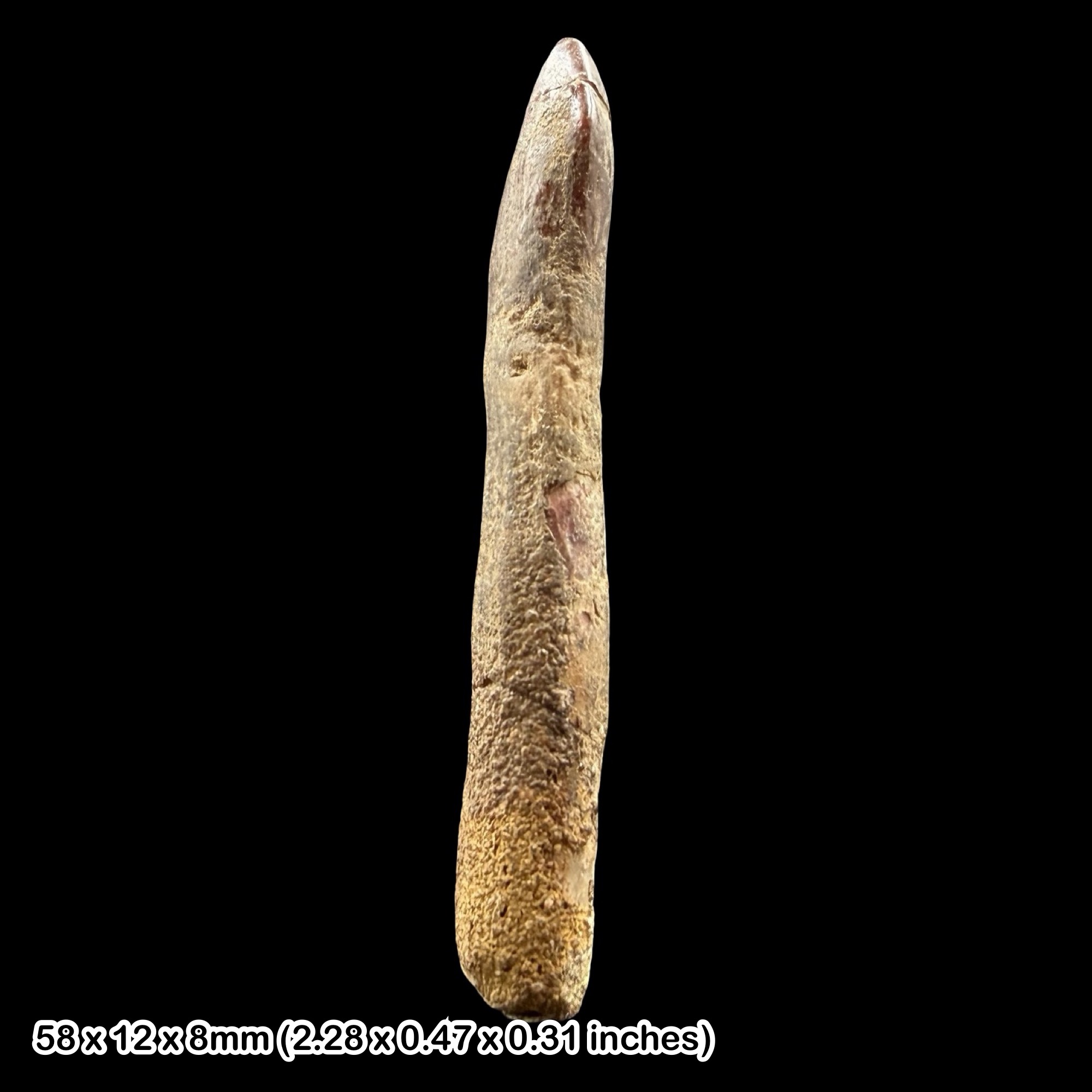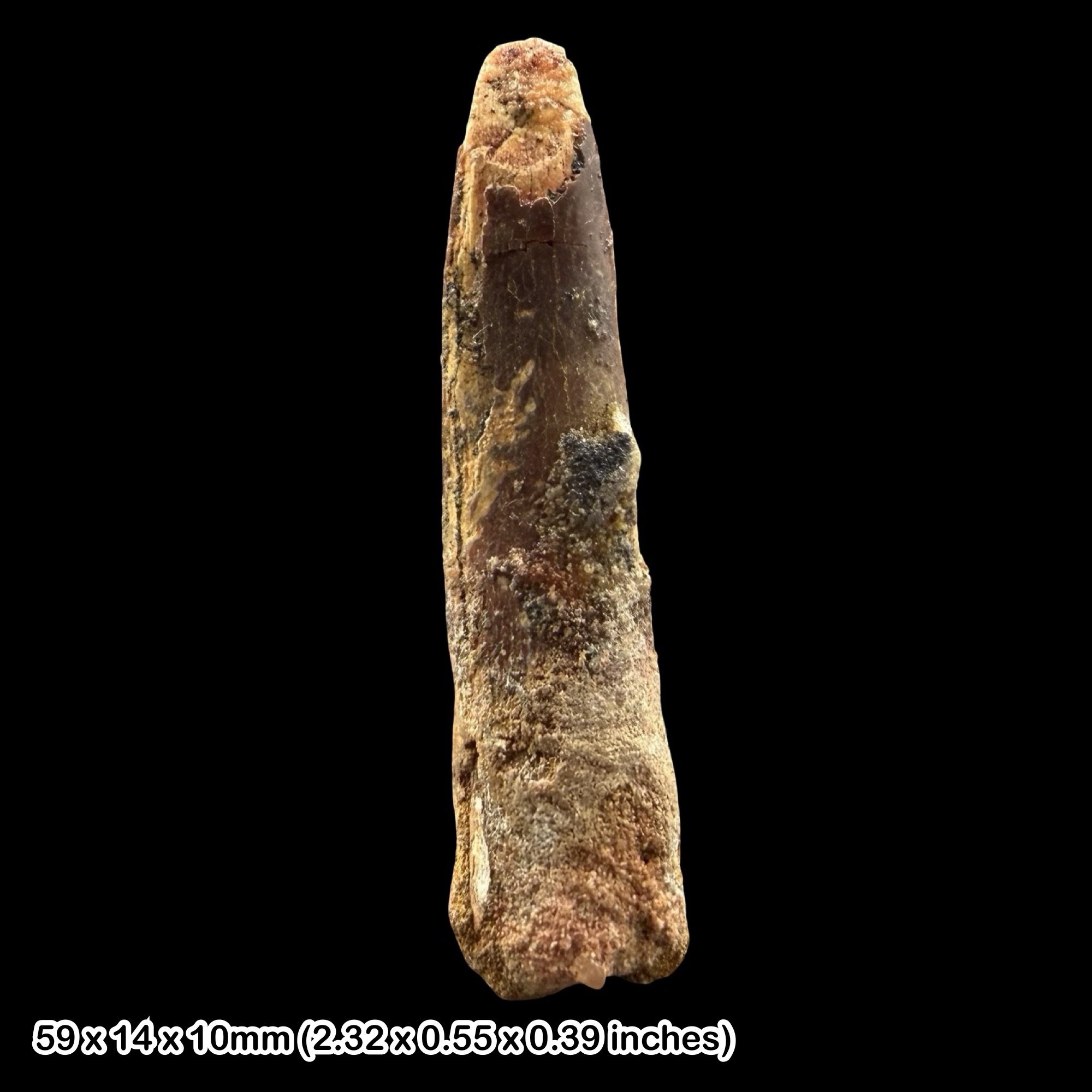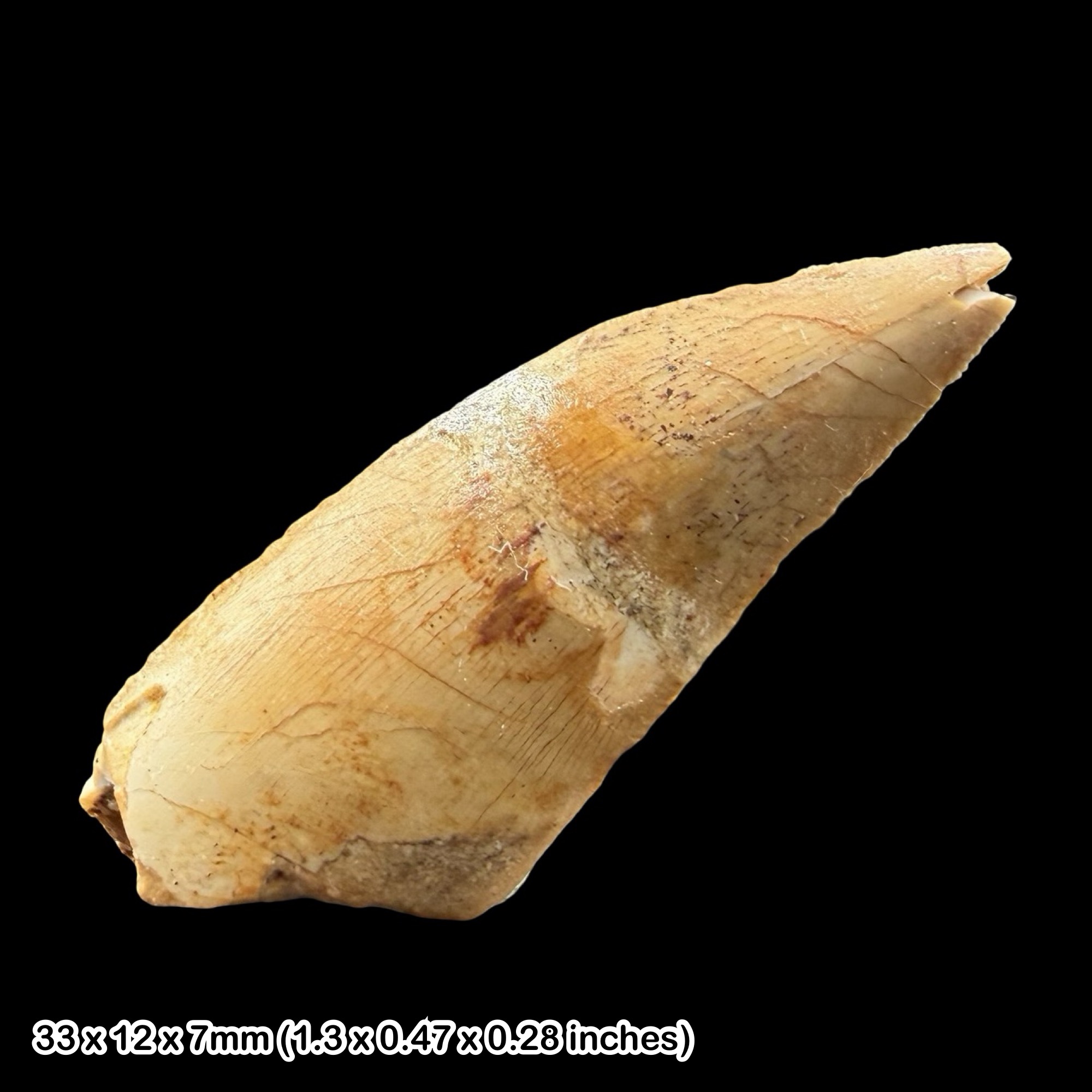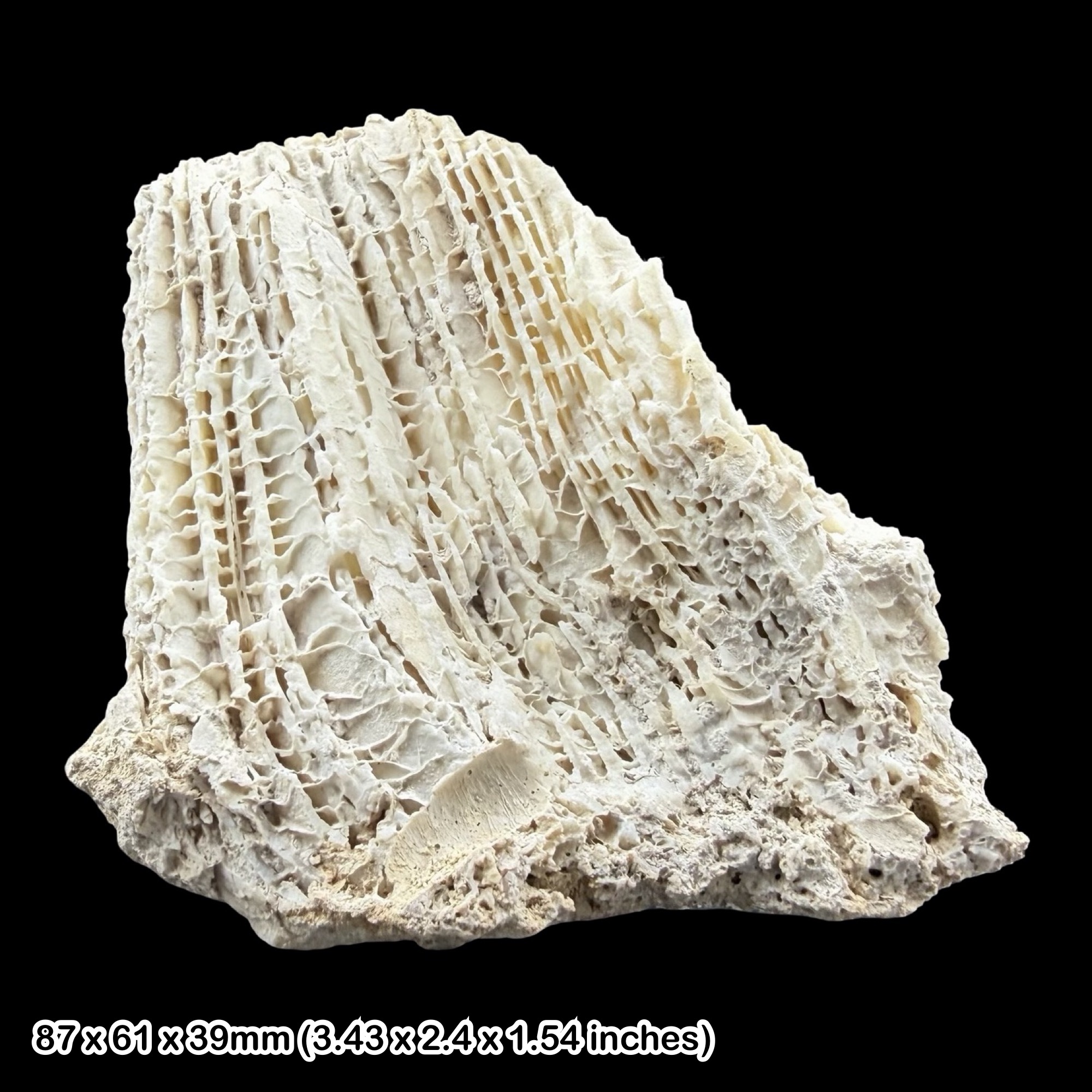
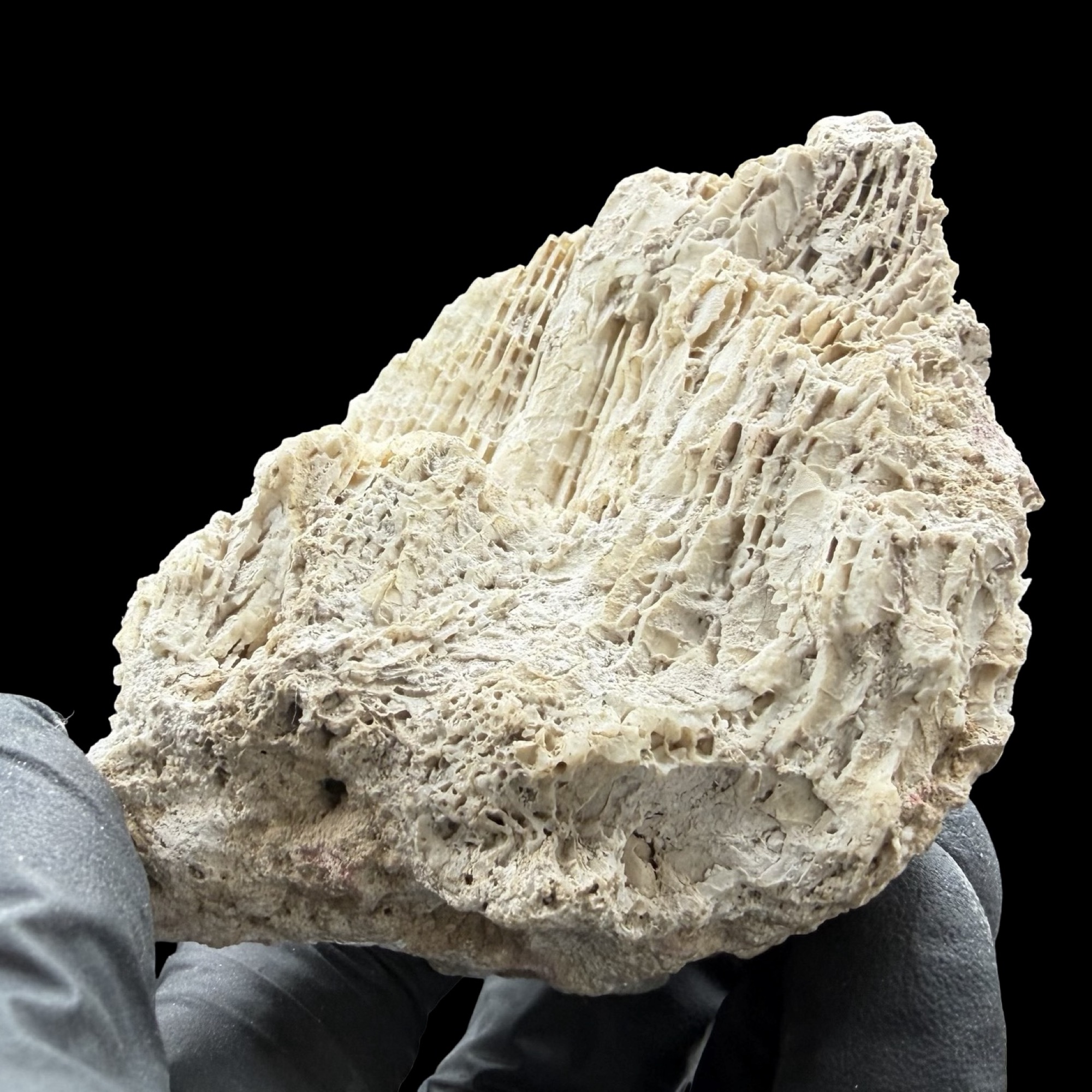
Calceola sandalina Fossil Coral Devonian Morocco Genuine Rugose Coral Specimen Collectable Fossil Display
£ 18.00
GENUINE CALCEOLA SANDALINA FOSSIL CORAL FROM MOROCCOThis genuine Calceola sandalina fossil coral is a carefully selected Devonian
fossil specimen from S’Mara, Morocco. The exact fossil shown in the photographs is the specimen you will receive, making this an ideal addition for fossil collectors, palaeontology enthusiasts, geological displays, and natural history collections.Every fossil includes a Certificate of Authenticity lifetime guarantee generic card confirming that the specimen is completely genuine. Please refer to the photographs for full sizing and scale.Calceola sandalina is one of the most recognisable fossil corals from the Devonian Period due to its unusual curved shape and distinctive operculum structure, which earned it the nickname “slipper coral” or “sandal coral.” Its highly unusual morphology makes it especially popular among collectors seeking distinctive and scientifically important fossil specimens. ABOUT CALCEOLA SANDALINACalceola sandalina is an extinct species of rugose coral, belonging to the class Anthozoa and order Rugosa. Rugose corals, commonly referred to as horn corals, flourished throughout the Palaeozoic Era before becoming extinct during the Permian mass extinction approximately 252 million years ago.Unlike colonial corals, Calceola sandalina was a solitary rugose coral with a highly specialised cup-shaped corallum. The fossil is especially notable for its curved, slipper-like form and hinged operculum, a lid-like skeletal feature rarely seen in fossil corals. This unusual adaptation has made the species one of the most recognisable Devonian coral fossils worldwide.The skeleton was originally composed primarily of calcite and featured strong internal septa radiating inward from the coral wall. These structures are often preserved in fossil specimens and can sometimes be observed externally or within weathered cross-sections. GEOLOGICAL AGE AND DEPOSITIONAL ENVIRONMENTThis fossil dates to the Devonian Period, often referred to as the “Age of Fishes,” approximately 419 to 359 million years ago. During this time, warm shallow tropical seas covered large regions of what is now North Africa, creating ideal conditions for coral reefs and marine biodiversity to flourish.The Devonian marine sediments of Morocco are internationally recognised for producing exceptionally preserved fossil material, including trilobites, brachiopods, crinoids, orthoconic nautiloids, and rugose corals such as Calceola sandalina. These fossil-bearing limestones and marine sedimentary deposits formed within shallow carbonate shelf environments rich in marine life.Calceola sandalina inhabited these warm seabeds where it lived attached or partially embedded within soft marine substrates. Its robust calcitic skeleton enabled exceptional fossil preservation over hundreds of millions of years through mineralisation and sediment burial processes. FOSSIL FEATURES AND PRESERVATIONThis specimen displays the characteristic curved “slipper” profile associated with Calceola sandalina, making it instantly recognisable among Devonian fossil corals. Depending on preservation, specimens may reveal fine growth lines, septal structures, natural weathering textures, and portions of the coral cup morphology.Natural colouration may range through shades of grey, cream, beige, brown, or darker mineralised tones depending on the surrounding sediment and fossilisation conditions. Surface textures and mineral deposits formed during fossilisation contribute to the individuality and authenticity of each specimen.As a genuine fossil, every example is completely unique and preserves part of an ancient marine ecosystem that existed hundreds of millions of years before the dinosaurs. IDEAL FOR FOSSIL COLLECTORS AND GEOLOGICAL DISPLAYSCalceola sandalina fossils are highly collectable due to their unusual morphology, scientific interest, and strong visual appeal. Their distinctive shape makes them excellent display pieces for collectors of all experience levels.This fossil is ideal for:
• Fossil and coral collections
• Devonian fossil collections
• Geological and palaeontological displays
• Educational study collections
• Natural history cabinets
• Interior décor and curiosity displays
• Gifts for fossil enthusiasts and collectorsThe specimen provides an excellent example of Devonian marine life and represents a fascinating extinct coral lineage from the ancient Palaeozoic oceans. GENUINE DEVONIAN FOSSIL SPECIMENThis Calceola sandalina fossil coral from S’Mara, Morocco is a genuine carefully chosen specimen selected for overall preservation, visual appeal, and collectability. The exact fossil shown in the photographs is the specimen you will receive.Every fossil supplied by us is 100% genuine and includes a Certificate of Authenticity lifetime guarantee generic card, providing confidence in the authenticity and geological origin of this remarkable Devonian coral fossil.
fossil specimen from S’Mara, Morocco. The exact fossil shown in the photographs is the specimen you will receive, making this an ideal addition for fossil collectors, palaeontology enthusiasts, geological displays, and natural history collections.Every fossil includes a Certificate of Authenticity lifetime guarantee generic card confirming that the specimen is completely genuine. Please refer to the photographs for full sizing and scale.Calceola sandalina is one of the most recognisable fossil corals from the Devonian Period due to its unusual curved shape and distinctive operculum structure, which earned it the nickname “slipper coral” or “sandal coral.” Its highly unusual morphology makes it especially popular among collectors seeking distinctive and scientifically important fossil specimens. ABOUT CALCEOLA SANDALINACalceola sandalina is an extinct species of rugose coral, belonging to the class Anthozoa and order Rugosa. Rugose corals, commonly referred to as horn corals, flourished throughout the Palaeozoic Era before becoming extinct during the Permian mass extinction approximately 252 million years ago.Unlike colonial corals, Calceola sandalina was a solitary rugose coral with a highly specialised cup-shaped corallum. The fossil is especially notable for its curved, slipper-like form and hinged operculum, a lid-like skeletal feature rarely seen in fossil corals. This unusual adaptation has made the species one of the most recognisable Devonian coral fossils worldwide.The skeleton was originally composed primarily of calcite and featured strong internal septa radiating inward from the coral wall. These structures are often preserved in fossil specimens and can sometimes be observed externally or within weathered cross-sections. GEOLOGICAL AGE AND DEPOSITIONAL ENVIRONMENTThis fossil dates to the Devonian Period, often referred to as the “Age of Fishes,” approximately 419 to 359 million years ago. During this time, warm shallow tropical seas covered large regions of what is now North Africa, creating ideal conditions for coral reefs and marine biodiversity to flourish.The Devonian marine sediments of Morocco are internationally recognised for producing exceptionally preserved fossil material, including trilobites, brachiopods, crinoids, orthoconic nautiloids, and rugose corals such as Calceola sandalina. These fossil-bearing limestones and marine sedimentary deposits formed within shallow carbonate shelf environments rich in marine life.Calceola sandalina inhabited these warm seabeds where it lived attached or partially embedded within soft marine substrates. Its robust calcitic skeleton enabled exceptional fossil preservation over hundreds of millions of years through mineralisation and sediment burial processes. FOSSIL FEATURES AND PRESERVATIONThis specimen displays the characteristic curved “slipper” profile associated with Calceola sandalina, making it instantly recognisable among Devonian fossil corals. Depending on preservation, specimens may reveal fine growth lines, septal structures, natural weathering textures, and portions of the coral cup morphology.Natural colouration may range through shades of grey, cream, beige, brown, or darker mineralised tones depending on the surrounding sediment and fossilisation conditions. Surface textures and mineral deposits formed during fossilisation contribute to the individuality and authenticity of each specimen.As a genuine fossil, every example is completely unique and preserves part of an ancient marine ecosystem that existed hundreds of millions of years before the dinosaurs. IDEAL FOR FOSSIL COLLECTORS AND GEOLOGICAL DISPLAYSCalceola sandalina fossils are highly collectable due to their unusual morphology, scientific interest, and strong visual appeal. Their distinctive shape makes them excellent display pieces for collectors of all experience levels.This fossil is ideal for:
• Fossil and coral collections
• Devonian fossil collections
• Geological and palaeontological displays
• Educational study collections
• Natural history cabinets
• Interior décor and curiosity displays
• Gifts for fossil enthusiasts and collectorsThe specimen provides an excellent example of Devonian marine life and represents a fascinating extinct coral lineage from the ancient Palaeozoic oceans. GENUINE DEVONIAN FOSSIL SPECIMENThis Calceola sandalina fossil coral from S’Mara, Morocco is a genuine carefully chosen specimen selected for overall preservation, visual appeal, and collectability. The exact fossil shown in the photographs is the specimen you will receive.Every fossil supplied by us is 100% genuine and includes a Certificate of Authenticity lifetime guarantee generic card, providing confidence in the authenticity and geological origin of this remarkable Devonian coral fossil.