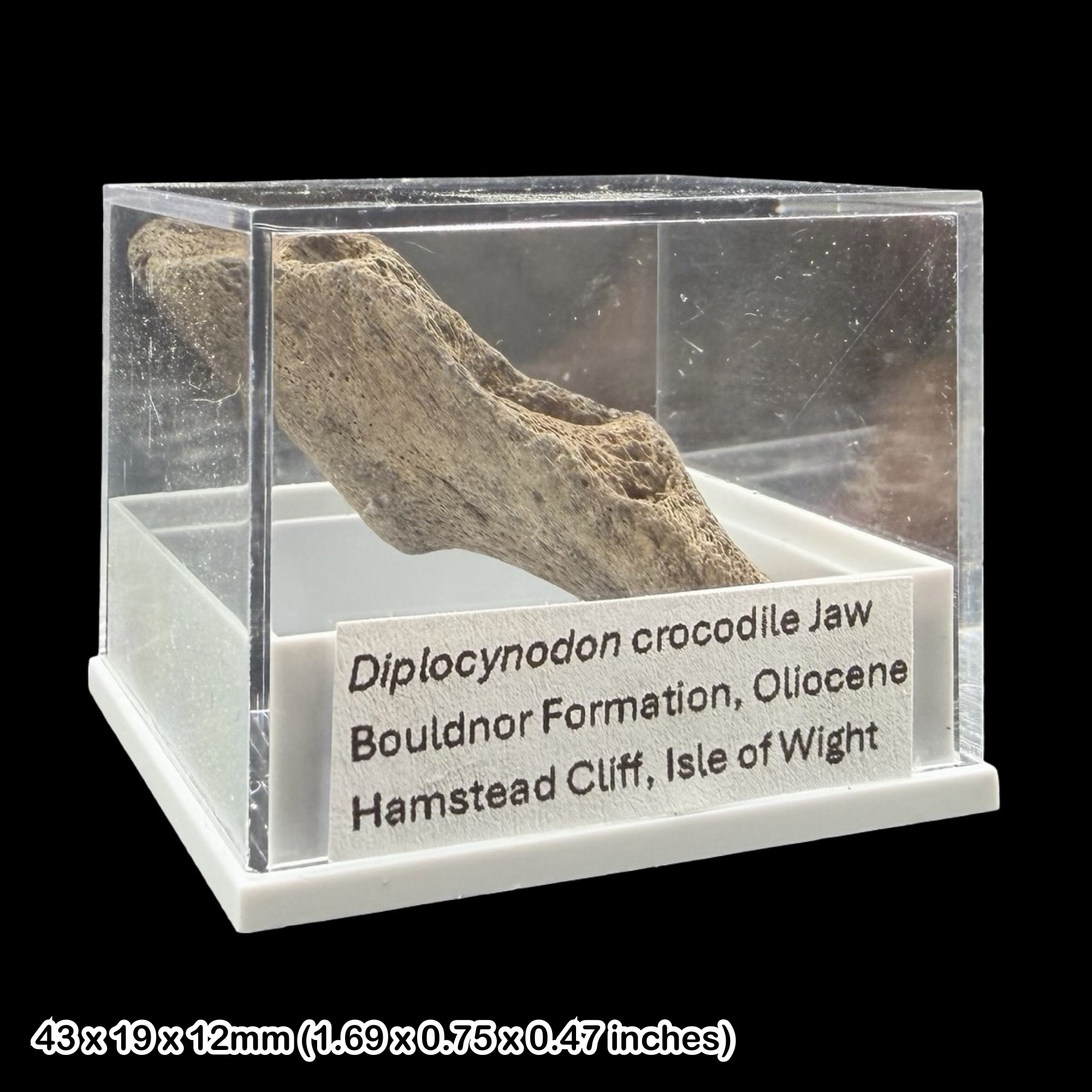
Diplocynodon Crocodile Jaw Fossil Oligocene Isle of Wight Hamstead Cliff UK Authentic Specimen Certified Rare Vertebrate
£ 156.00
Diplocynodon Crocodile Jaw Section Fossil – Genuine Oligocene SpecimenThis impressive Diplocynodon crocodile jaw section fossil originates from the
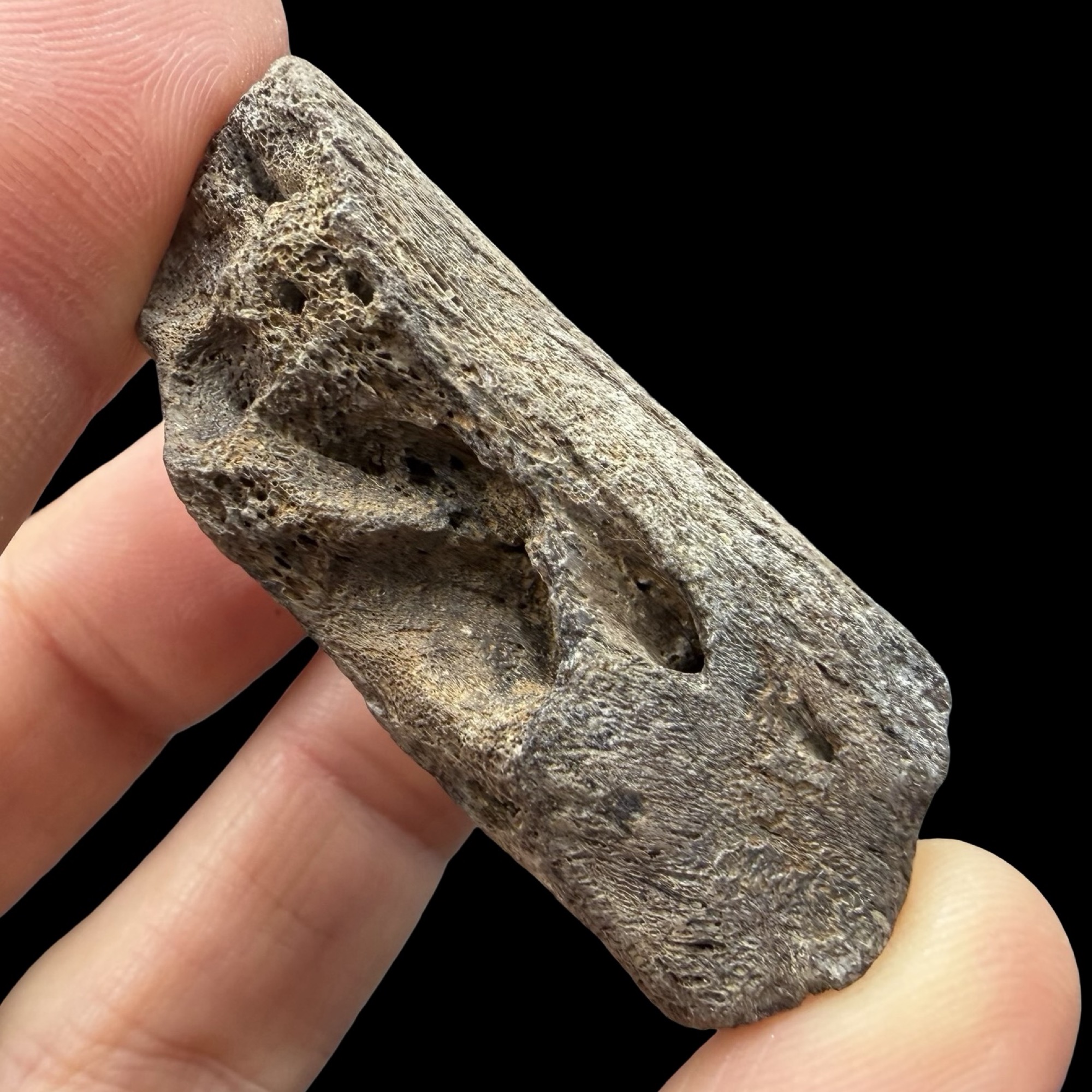
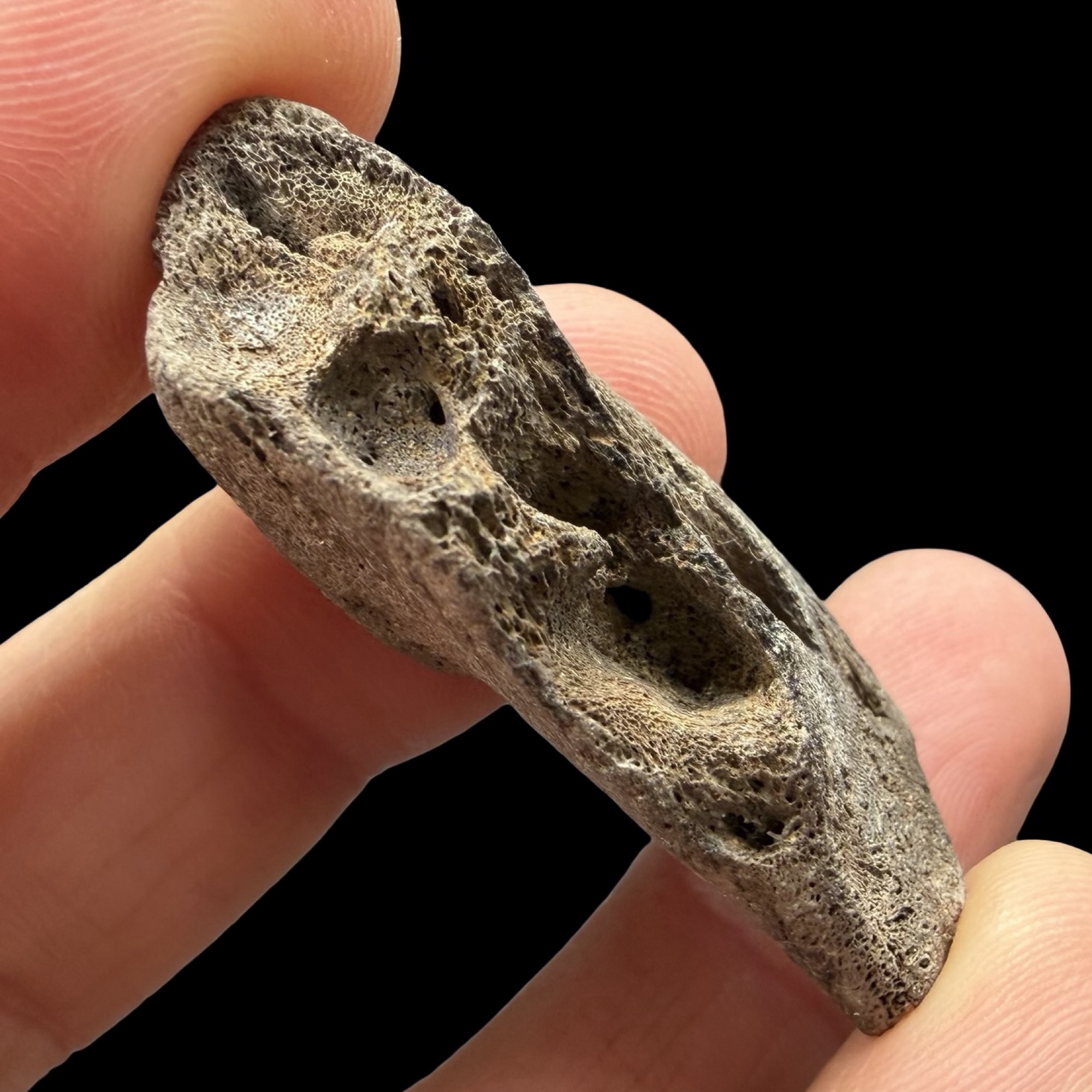
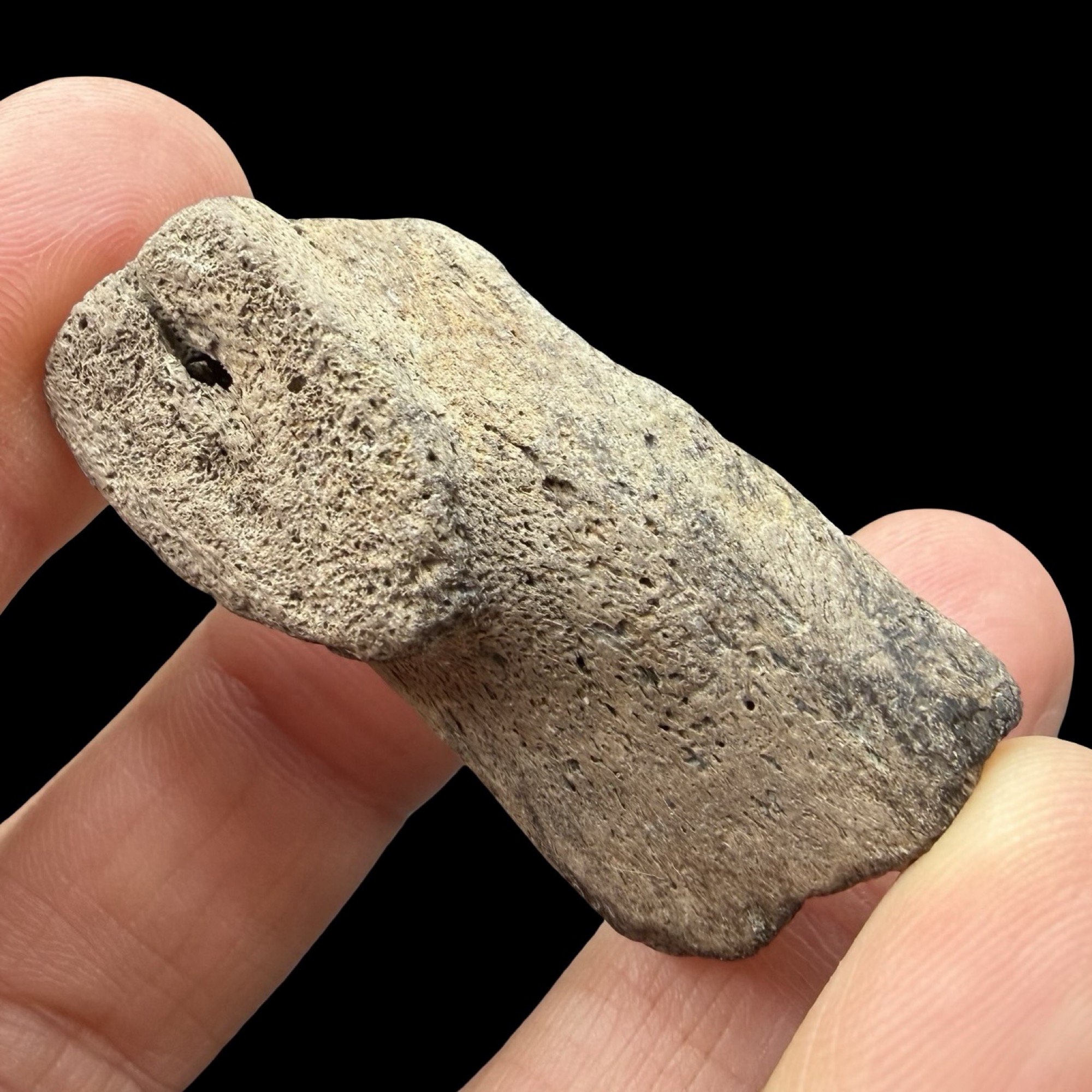
Bouldnor Formation at Hamstead Cliff on the Isle of Wight, one of the UK’s most productive Oligocene fossil sites. The specimen shown in the photographs is the exact fossil you will receive, carefully selected for its preservation and visual appeal. This is a genuine fossil and includes a Certificate of Authenticity with a lifetime guarantee, ensuring complete confidence in its origin and authenticity.Discovery and Expert PreparationYour fossil was discovered by our dedicated team members, Alister and Alison, providing full provenance from field discovery through to preparation. After recovery, the specimen was professionally cleaned, stabilised, and prepared by Alison, preserving delicate structural details while enhancing the clarity of the fossil. This careful process ensures that the natural morphology of the jaw section remains intact and clearly visible.Geological Context – Bouldnor Formation, Oligocene EpochThe Bouldnor Formation dates to the Oligocene epoch, approximately 23 to 34 million years ago, a period marked by warm climates and extensive freshwater and estuarine environments in what is now southern England. Hamstead Cliff is particularly well known for its diverse vertebrate fossil assemblage, including crocodilians, turtles, and early mammals. The low-energy depositional environment of lagoons, river channels, and floodplains provided ideal conditions for preserving skeletal material such as jaw bones.About Diplocynodon – Early Alligatoroid CrocodilianDiplocynodon is an extinct genus of alligatoroid crocodilians within the family Alligatoridae and order Crocodylia. These semi-aquatic reptiles were widespread across Europe during the Paleogene period and are considered important for understanding the early evolution of modern crocodilians. Diplocynodon species were generally smaller than many modern crocodiles, with relatively broad snouts and strong jaws adapted for capturing prey in freshwater habitats such as rivers and wetlands.Jaw Morphology and Notable FeaturesThis jaw section fossil provides a fascinating glimpse into the feeding apparatus of Diplocynodon. The preserved bone structure may include tooth sockets (alveoli), portions of the jawline, and subtle surface textures that reflect muscle attachment points and vascular structures. These features highlight the strength and functionality of the crocodile’s bite, offering insight into its predatory lifestyle. The fossilisation process has retained natural textures and mineralisation, adding both scientific and aesthetic value.Collector Appeal and Scientific InterestCrocodilian jaw fossils from the Bouldnor Formation are highly sought after due to their relative rarity and the insight they provide into prehistoric ecosystems. This specimen represents a tangible piece of Britain’s ancient fauna, making it an excellent addition to any fossil collection. Its combination of identifiable morphology, professional preparation, and clear provenance enhances its appeal for collectors, educators, and enthusiasts of vertebrate palaeontology.Authenticity, Provenance and Display QualityThis fossil has been carefully chosen for its quality, authenticity, and display potential. Its natural form and preserved detail make it a striking and educational piece, suitable for display in a collection, office, or study. Full sizing can be confirmed via the provided photographs, ensuring transparency before purchase. Each specimen is entirely unique, preserving a fragment of an ancient crocodilian that once inhabited the waterways of Oligocene Britain.
Bouldnor Formation at Hamstead Cliff on the Isle of Wight, one of the UK’s most productive Oligocene fossil sites. The specimen shown in the photographs is the exact fossil you will receive, carefully selected for its preservation and visual appeal. This is a genuine fossil and includes a Certificate of Authenticity with a lifetime guarantee, ensuring complete confidence in its origin and authenticity.Discovery and Expert PreparationYour fossil was discovered by our dedicated team members, Alister and Alison, providing full provenance from field discovery through to preparation. After recovery, the specimen was professionally cleaned, stabilised, and prepared by Alison, preserving delicate structural details while enhancing the clarity of the fossil. This careful process ensures that the natural morphology of the jaw section remains intact and clearly visible.Geological Context – Bouldnor Formation, Oligocene EpochThe Bouldnor Formation dates to the Oligocene epoch, approximately 23 to 34 million years ago, a period marked by warm climates and extensive freshwater and estuarine environments in what is now southern England. Hamstead Cliff is particularly well known for its diverse vertebrate fossil assemblage, including crocodilians, turtles, and early mammals. The low-energy depositional environment of lagoons, river channels, and floodplains provided ideal conditions for preserving skeletal material such as jaw bones.About Diplocynodon – Early Alligatoroid CrocodilianDiplocynodon is an extinct genus of alligatoroid crocodilians within the family Alligatoridae and order Crocodylia. These semi-aquatic reptiles were widespread across Europe during the Paleogene period and are considered important for understanding the early evolution of modern crocodilians. Diplocynodon species were generally smaller than many modern crocodiles, with relatively broad snouts and strong jaws adapted for capturing prey in freshwater habitats such as rivers and wetlands.Jaw Morphology and Notable FeaturesThis jaw section fossil provides a fascinating glimpse into the feeding apparatus of Diplocynodon. The preserved bone structure may include tooth sockets (alveoli), portions of the jawline, and subtle surface textures that reflect muscle attachment points and vascular structures. These features highlight the strength and functionality of the crocodile’s bite, offering insight into its predatory lifestyle. The fossilisation process has retained natural textures and mineralisation, adding both scientific and aesthetic value.Collector Appeal and Scientific InterestCrocodilian jaw fossils from the Bouldnor Formation are highly sought after due to their relative rarity and the insight they provide into prehistoric ecosystems. This specimen represents a tangible piece of Britain’s ancient fauna, making it an excellent addition to any fossil collection. Its combination of identifiable morphology, professional preparation, and clear provenance enhances its appeal for collectors, educators, and enthusiasts of vertebrate palaeontology.Authenticity, Provenance and Display QualityThis fossil has been carefully chosen for its quality, authenticity, and display potential. Its natural form and preserved detail make it a striking and educational piece, suitable for display in a collection, office, or study. Full sizing can be confirmed via the provided photographs, ensuring transparency before purchase. Each specimen is entirely unique, preserving a fragment of an ancient crocodilian that once inhabited the waterways of Oligocene Britain.