Fossil Goniatite Ordovician Morocco Genuine Display Specimen With COA Collectable Palaeozoic Cephalopod Natural History Fossil
£ 12.60
GENUINE FOSSIL GONIATITE FROM MOROCCOThis listing is for a genuine fossil goniatite specimen from the Ordovician of
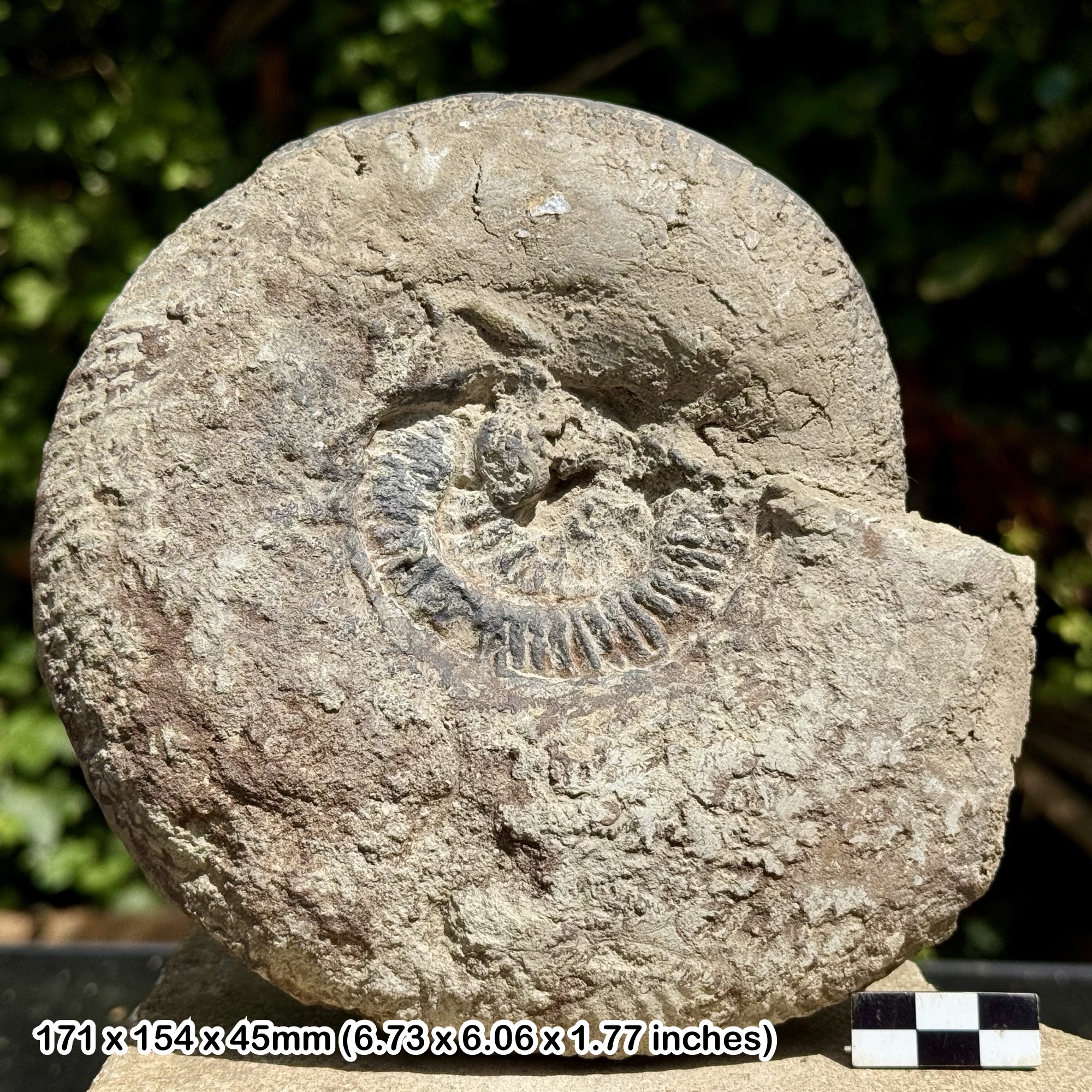
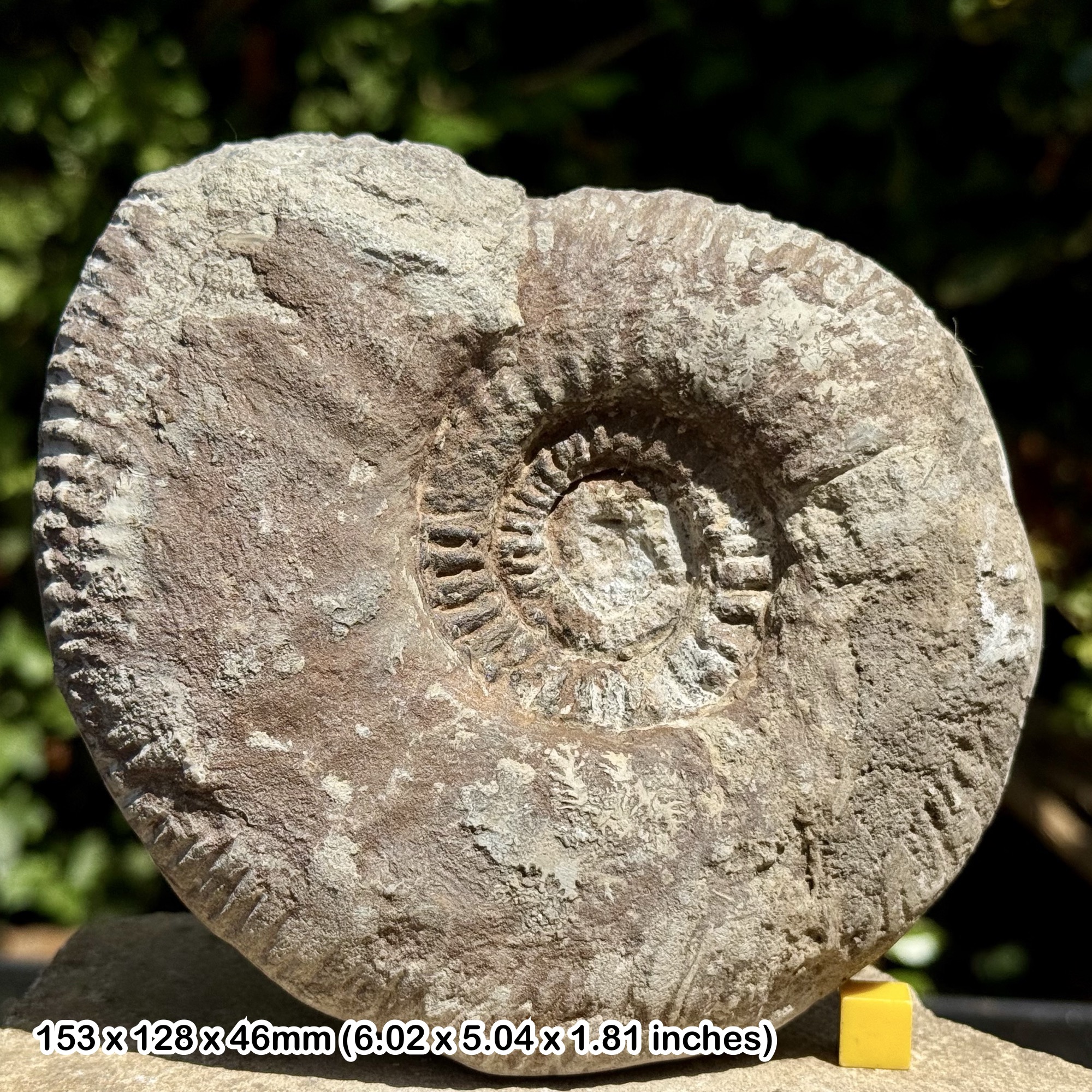
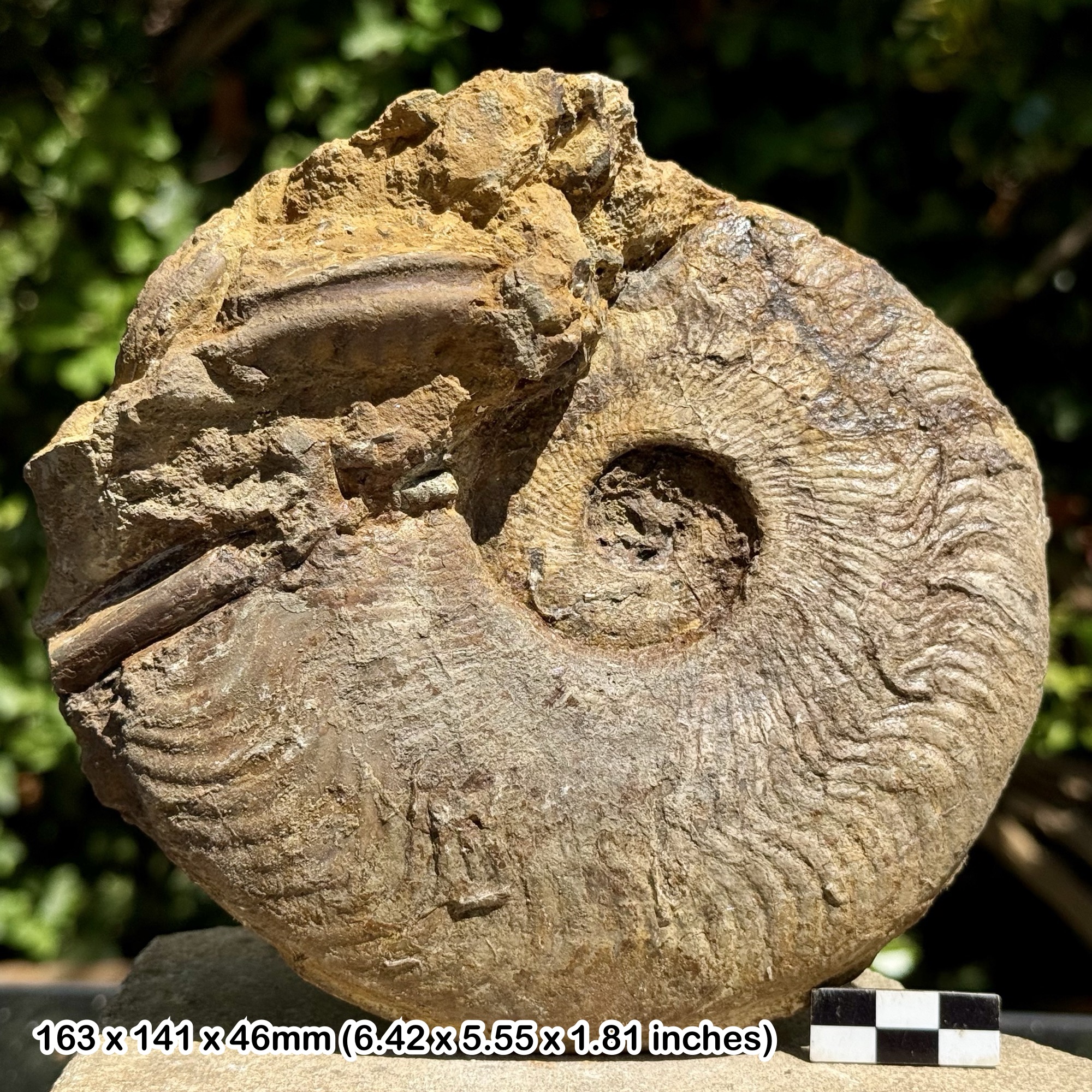
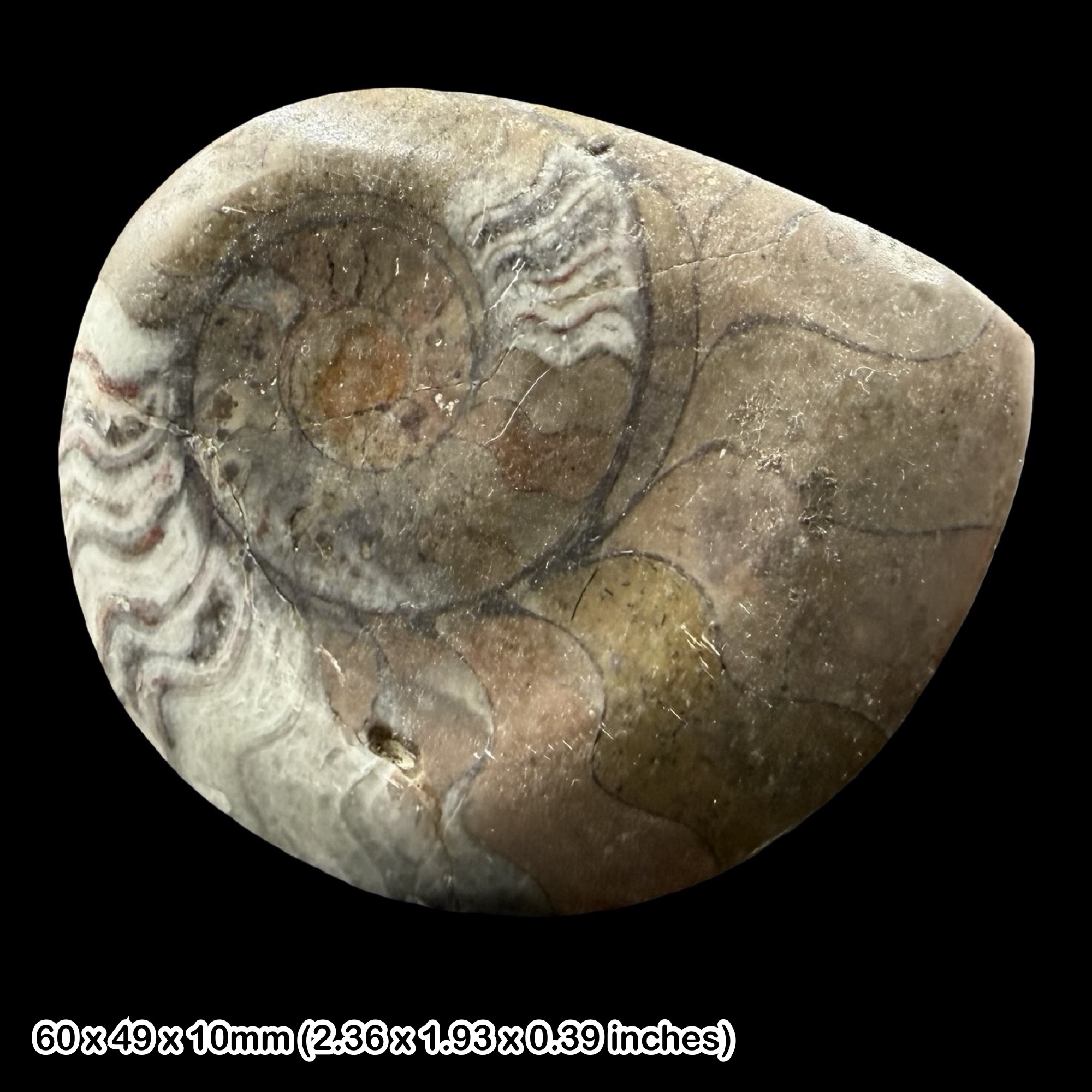
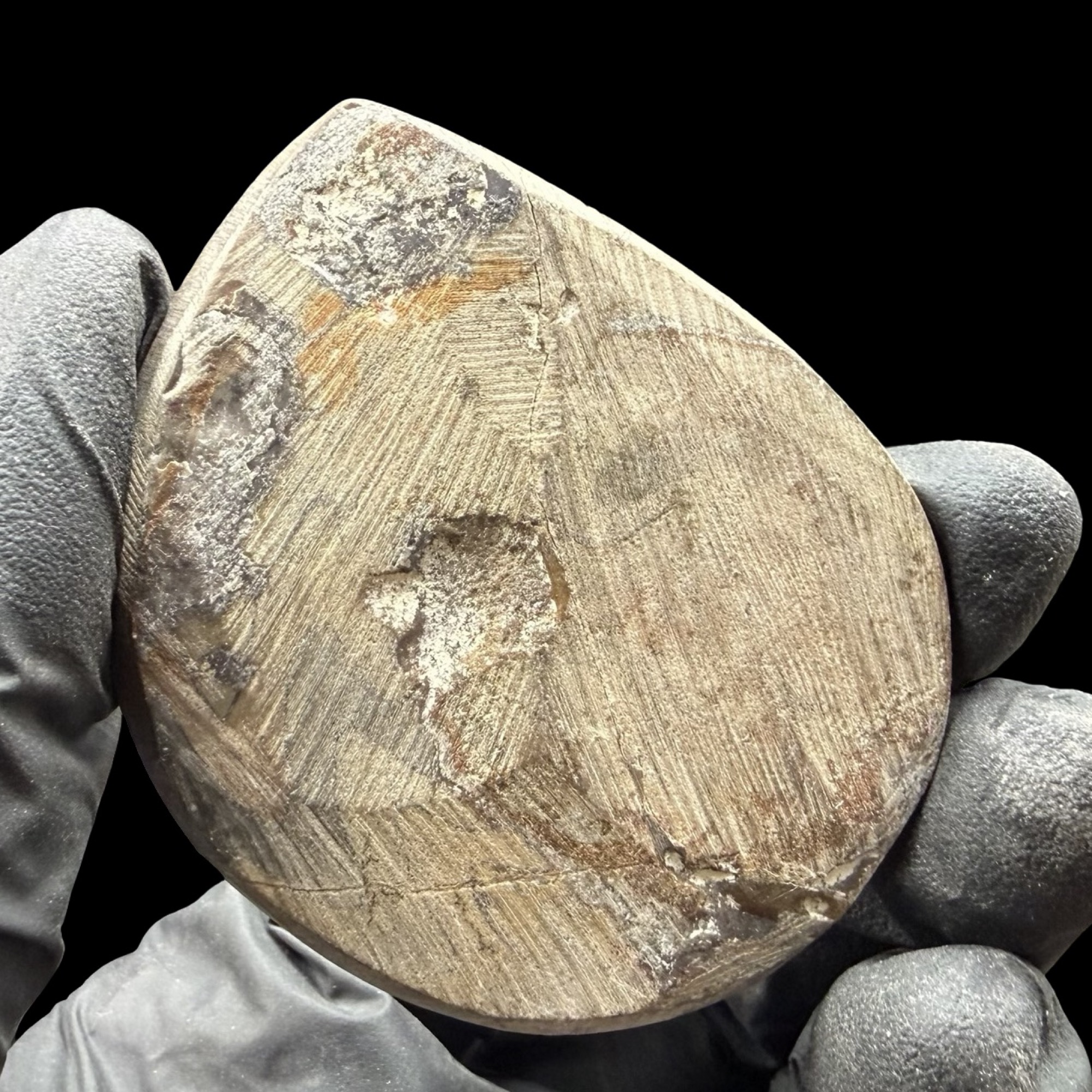
Morocco. This is a carefully chosen fossil piece, selected for its natural character, display appeal, and strong connection to ancient Palaeozoic marine life. The photograph shows the actual specimen you will receive, allowing you to view the fossil’s preservation, colour, surface detail, matrix, and overall appearance before purchase. For full sizing, please see the photo.This fossil is supplied with a Certificate of Authenticity lifetime guarantee generic card, confirming that it is a genuine fossil specimen. FOSSIL TYPE AND ANCIENT CEPHALOPOD INTERESTGoniatite fossils are highly collectable because they represent ancient marine cephalopods, the wider group that also includes ammonites, nautiloids, squid, cuttlefish, and octopus. These animals lived in the seas long before humans, mammals, flowering plants, or dinosaurs existed. Their coiled shells and chambered structure make them among the most visually recognisable marine fossils.Cephalopods used chambered shells to help control buoyancy in the water column. The animal lived in the final body chamber, while earlier chambers helped regulate its position in the sea. This gave these creatures an important advantage as active marine animals, allowing them to move through ancient oceans while hunting, scavenging, or avoiding predators.This specimen is a fascinating example of a Palaeozoic fossil cephalopod, making it ideal for collectors interested in early marine life, prehistoric shells, Moroccan fossils, and natural history display pieces. ORDOVICIAN GEOLOGICAL AGEThis fossil is from the Ordovician Period, one of the major periods of the Palaeozoic Era, dating to approximately 485 to 444 million years ago. The Ordovician was a remarkable time in Earth history, when marine life expanded and diversified across ancient oceans. Most complex life was still found in the seas, and marine ecosystems included trilobites, brachiopods, early cephalopods, graptolites, echinoderms, corals, and other invertebrates.During this time, North Africa formed part of the ancient supercontinent Gondwana. What is now Morocco contained marine environments where sediments accumulated on ancient sea floors. Over hundreds of millions of years, burial, mineral-rich groundwater, compaction, and natural geological processes transformed the remains of marine life into the fossils collected today. MOROCCO FOSSIL LOCALITYMorocco is world-famous for its Palaeozoic fossil deposits and is especially well known for trilobites, cephalopods, orthocones, goniatite-style fossils, and other ancient marine specimens. Fossils from Morocco are popular with collectors because they provide a striking record of marine life from deep geological time.A fossil from Morocco offers a direct connection to ancient seas that once covered parts of North Africa. These deposits preserve evidence of marine ecosystems that existed hundreds of millions of years before the modern world. This makes the specimen especially suitable for fossil collections, educational displays, geology teaching, and natural history cabinets. NATURAL FEATURES AND PRESERVATIONThis fossil may show a naturally coiled shell form, chamber-like structure, mineralisation, matrix attachment, surface texture, colour variation, or weathered areas depending on the individual specimen. These natural characteristics are part of the fossil’s geological history and help make each piece unique.As with all genuine fossils, the specimen may display natural features such as small chips, ancient wear, repaired-looking natural lines, mineral staining, partial preservation, or irregularities in the surrounding rock. These are normal for authentic fossil material and reflect the long process of fossilisation. The photograph shows the exact fossil being offered, so all visible details can be inspected before purchase. COLLECTABLE PALAEOZOIC DISPLAY SPECIMENThis fossil goniatite from Morocco is ideal for fossil collectors, geology students, educational collections, natural history displays, school teaching resources, or anyone interested in genuine prehistoric marine life. Its combination of Palaeozoic age, Moroccan origin, cephalopod interest, and attractive fossil form makes it a strong addition to any fossil cabinet or display collection.The specimen comes exactly as shown in the photo and includes a Certificate of Authenticity lifetime guarantee generic card, making it a reliable choice for collectors seeking a genuine fossil goniatite, Moroccan fossil, Ordovician specimen, Palaeozoic cephalopod fossil, or authentic natural history display piece.
Morocco. This is a carefully chosen fossil piece, selected for its natural character, display appeal, and strong connection to ancient Palaeozoic marine life. The photograph shows the actual specimen you will receive, allowing you to view the fossil’s preservation, colour, surface detail, matrix, and overall appearance before purchase. For full sizing, please see the photo.This fossil is supplied with a Certificate of Authenticity lifetime guarantee generic card, confirming that it is a genuine fossil specimen. FOSSIL TYPE AND ANCIENT CEPHALOPOD INTERESTGoniatite fossils are highly collectable because they represent ancient marine cephalopods, the wider group that also includes ammonites, nautiloids, squid, cuttlefish, and octopus. These animals lived in the seas long before humans, mammals, flowering plants, or dinosaurs existed. Their coiled shells and chambered structure make them among the most visually recognisable marine fossils.Cephalopods used chambered shells to help control buoyancy in the water column. The animal lived in the final body chamber, while earlier chambers helped regulate its position in the sea. This gave these creatures an important advantage as active marine animals, allowing them to move through ancient oceans while hunting, scavenging, or avoiding predators.This specimen is a fascinating example of a Palaeozoic fossil cephalopod, making it ideal for collectors interested in early marine life, prehistoric shells, Moroccan fossils, and natural history display pieces. ORDOVICIAN GEOLOGICAL AGEThis fossil is from the Ordovician Period, one of the major periods of the Palaeozoic Era, dating to approximately 485 to 444 million years ago. The Ordovician was a remarkable time in Earth history, when marine life expanded and diversified across ancient oceans. Most complex life was still found in the seas, and marine ecosystems included trilobites, brachiopods, early cephalopods, graptolites, echinoderms, corals, and other invertebrates.During this time, North Africa formed part of the ancient supercontinent Gondwana. What is now Morocco contained marine environments where sediments accumulated on ancient sea floors. Over hundreds of millions of years, burial, mineral-rich groundwater, compaction, and natural geological processes transformed the remains of marine life into the fossils collected today. MOROCCO FOSSIL LOCALITYMorocco is world-famous for its Palaeozoic fossil deposits and is especially well known for trilobites, cephalopods, orthocones, goniatite-style fossils, and other ancient marine specimens. Fossils from Morocco are popular with collectors because they provide a striking record of marine life from deep geological time.A fossil from Morocco offers a direct connection to ancient seas that once covered parts of North Africa. These deposits preserve evidence of marine ecosystems that existed hundreds of millions of years before the modern world. This makes the specimen especially suitable for fossil collections, educational displays, geology teaching, and natural history cabinets. NATURAL FEATURES AND PRESERVATIONThis fossil may show a naturally coiled shell form, chamber-like structure, mineralisation, matrix attachment, surface texture, colour variation, or weathered areas depending on the individual specimen. These natural characteristics are part of the fossil’s geological history and help make each piece unique.As with all genuine fossils, the specimen may display natural features such as small chips, ancient wear, repaired-looking natural lines, mineral staining, partial preservation, or irregularities in the surrounding rock. These are normal for authentic fossil material and reflect the long process of fossilisation. The photograph shows the exact fossil being offered, so all visible details can be inspected before purchase. COLLECTABLE PALAEOZOIC DISPLAY SPECIMENThis fossil goniatite from Morocco is ideal for fossil collectors, geology students, educational collections, natural history displays, school teaching resources, or anyone interested in genuine prehistoric marine life. Its combination of Palaeozoic age, Moroccan origin, cephalopod interest, and attractive fossil form makes it a strong addition to any fossil cabinet or display collection.The specimen comes exactly as shown in the photo and includes a Certificate of Authenticity lifetime guarantee generic card, making it a reliable choice for collectors seeking a genuine fossil goniatite, Moroccan fossil, Ordovician specimen, Palaeozoic cephalopod fossil, or authentic natural history display piece.
Other Products