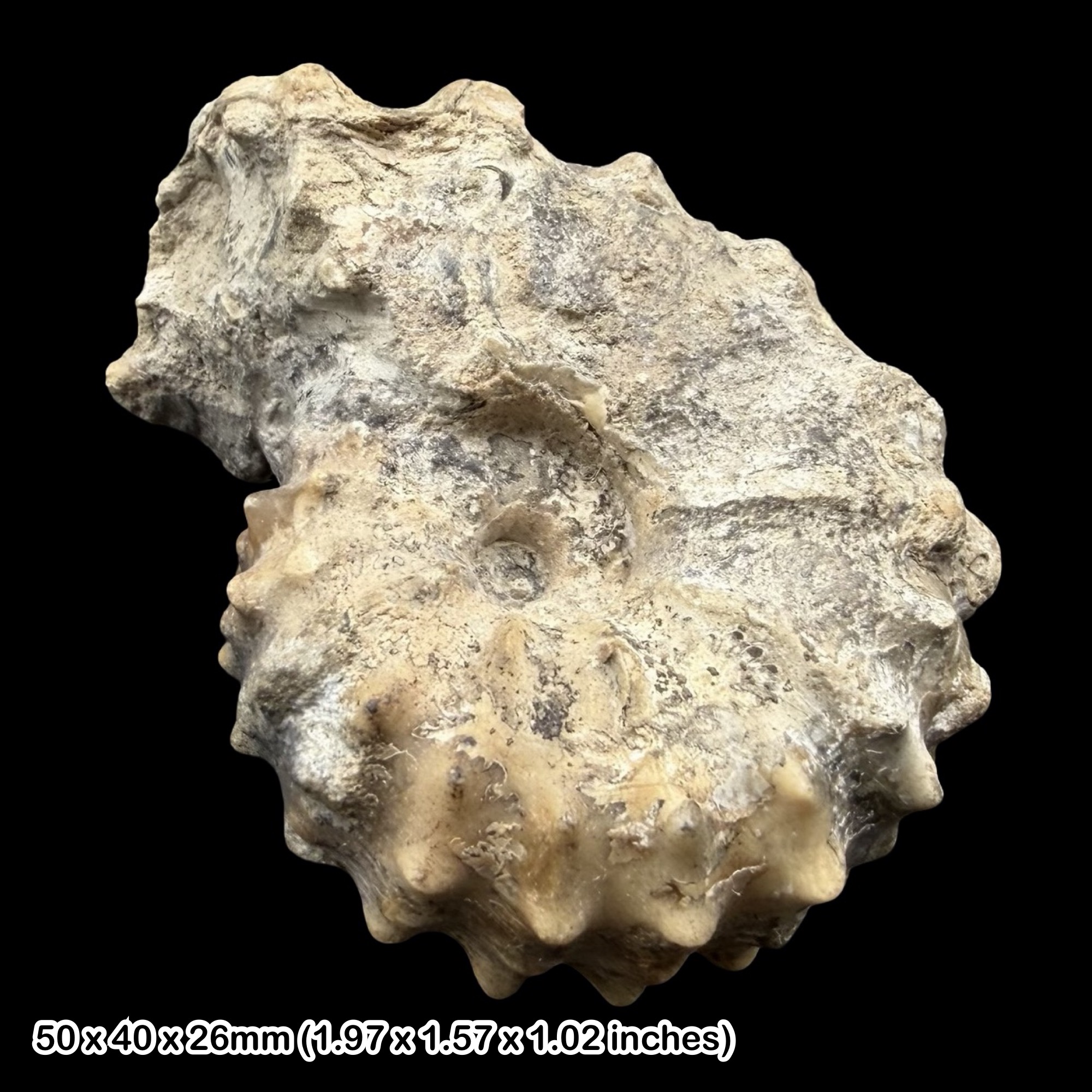
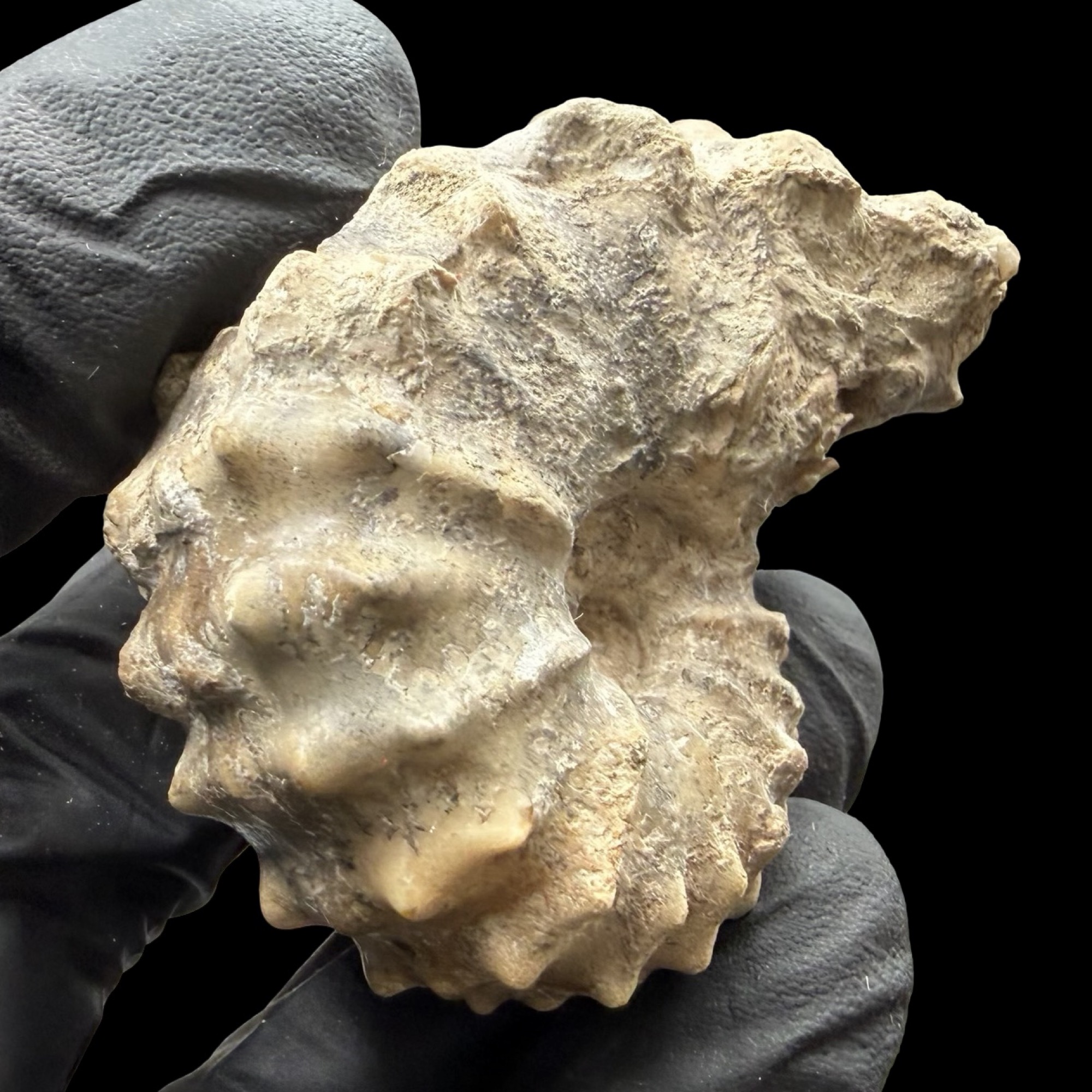
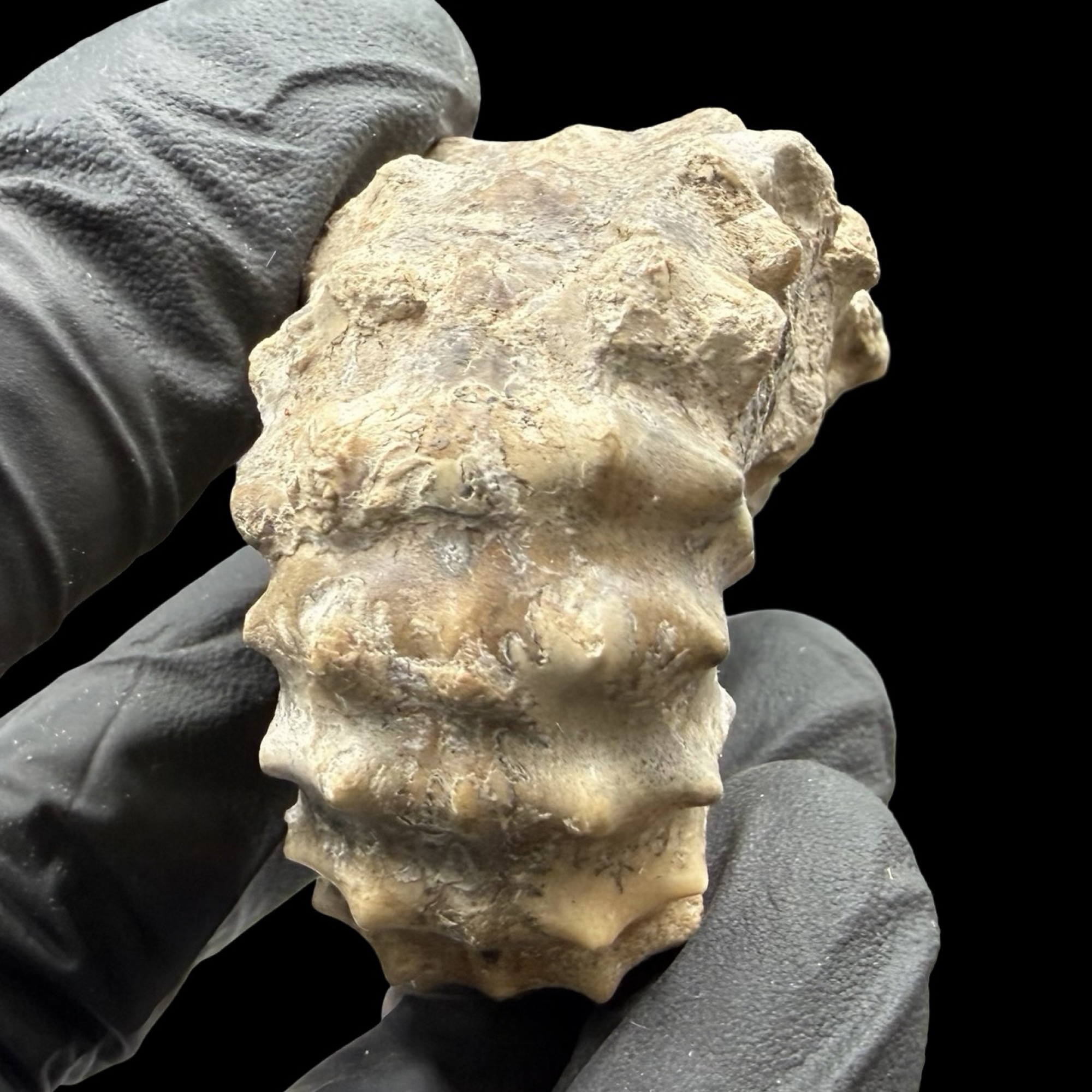
Cunningtoniceras diadema Ammonite Fossil Cenomanian Texas USA Genuine COA, Upper Cretaceous Rare Marine Collectable
£ 14.40
Genuine Cunningtoniceras diadema Ammonite FossilThis listing is for a genuine Cunningtoniceras diadema ammonite fossil from
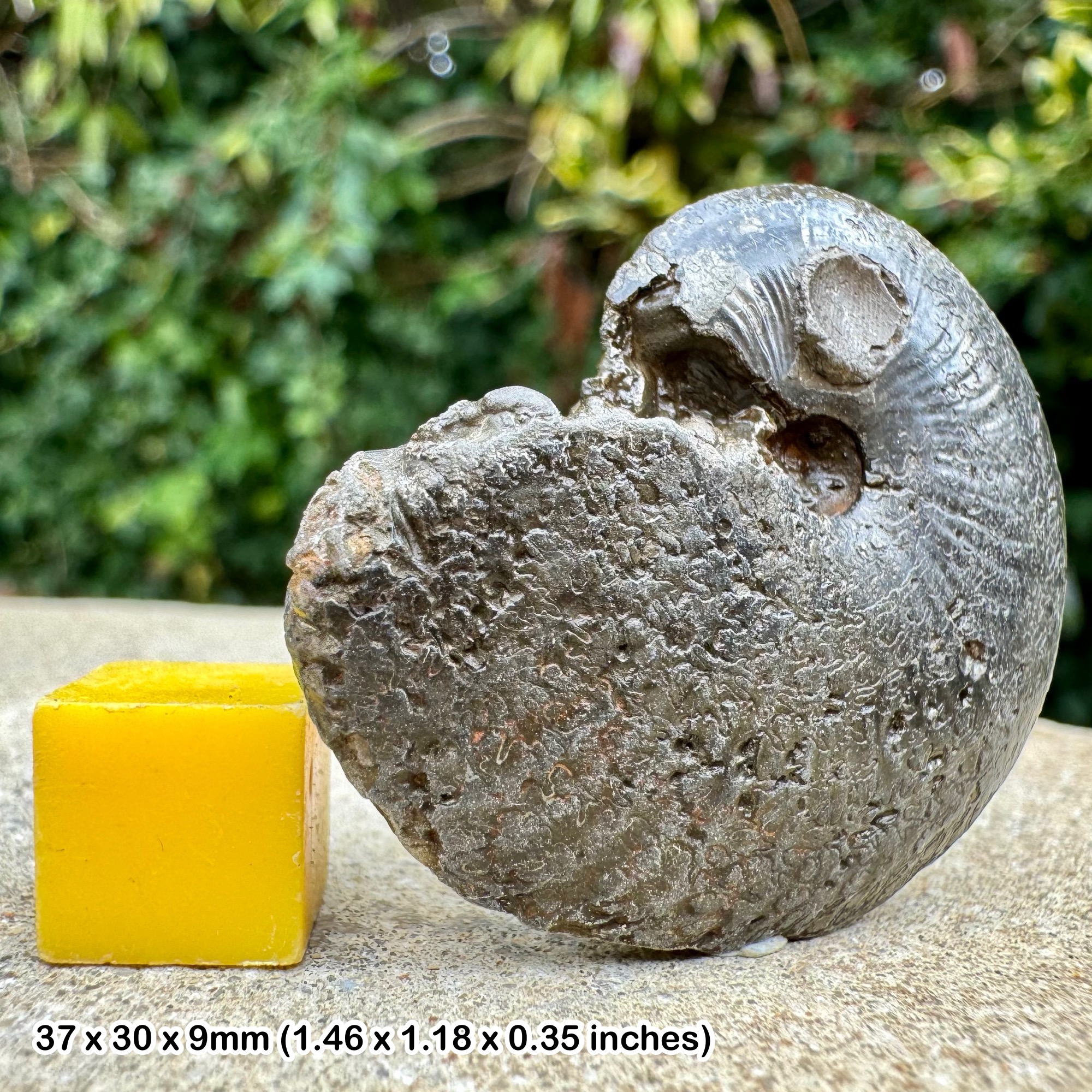
Texas, USA, dating to the Upper Cretaceous, Cenomanian stage. This carefully chosen fossil is an authentic natural specimen and includes a Certificate of Authenticity lifetime guarantee generic card. The photograph shows the actual fossil you will receive, so the piece pictured is the exact specimen supplied. Full sizing details can be seen in the photo.This is an excellent fossil for collectors of Cretaceous ammonites, Texas fossils, marine cephalopods, prehistoric sea life, natural history specimens, and educational geology displays. Cunningtoniceras is a striking ammonite genus, appreciated for its bold shell ornamentation and its connection to the warm Cretaceous seas that once covered large parts of North America.Species and Fossil TypeCunningtoniceras diadema is an ammonite, an extinct marine cephalopod related to modern squid, cuttlefish, octopus, and nautilus. Ammonites had coiled, chambered shells, with the living animal occupying the outer body chamber. The inner chambers were used for buoyancy control, allowing the animal to move through the water column of ancient seas.Cunningtoniceras belongs to the acanthoceratid ammonites, a major Cretaceous ammonite group known for strong shell sculpture, prominent ribbing, tubercles, and robust whorl shapes. These features make many acanthoceratids highly attractive to collectors, as the shell often has a dramatic three-dimensional appearance. The species Cunningtoniceras diadema is particularly associated with a bold, ornamented shell form, and the name diadema evokes the crown-like effect produced by strong ribs and tubercles around the coiled shell.Upper Cretaceous Cenomanian AgeThis fossil dates to the Cenomanian stage of the Upper Cretaceous Period. The Cenomanian was a time of high global sea levels, warm climates, and widespread shallow marine environments. Ammonites were highly diverse during this stage and are especially useful fossils for dating and correlating marine rock layers because they evolved rapidly and were widely distributed.During the Cenomanian, many parts of what is now Texas were influenced by marine waters connected to the Western Interior Seaway and the Gulf region. These seas supported rich ecosystems containing ammonites, bivalves, gastropods, echinoids, fish, marine reptiles, and other marine organisms. Fossils from this period provide a direct link to a time when much of central North America was covered or bordered by warm Cretaceous seas.Texas Cretaceous Fossil LocalityTexas is famous for its Cretaceous fossil deposits, including limestones, marls, and marine sediments that preserve ammonites and other ancient sea life. Fossils from Texas are popular with collectors because they combine strong geological interest with attractive preservation and classic North American provenance.A Cunningtoniceras diadema ammonite from Texas represents a genuine piece of this prehistoric marine environment. After the ammonite died, its shell settled onto the sea floor and was gradually buried by sediment. Over millions of years, mineralisation replaced or filled the original shell material, preserving the fossil as a lasting record of Cretaceous ocean life.Morphology and Collectable FeaturesCunningtoniceras ammonites are admired for their bold and distinctive morphology. Depending on preservation, specimens may show strong ribs, raised tubercles or nodes, a visible umbilicus, defined whorl structure, natural shell texture, and mineralised detail. These sculptural features give the fossil excellent display appeal and make it stand out among smoother ammonite types.As a genuine natural fossil, this specimen may show normal signs of age and preservation, including surface texture, matrix attachment, mineral replacement, small chips, repairs, weathering, compression, or natural colour variation. These features are typical of authentic fossils and form part of the individual character of the specimen. This is not a modern replica, cast, or decorative imitation.Provenance and AuthenticityFossil type: AmmoniteSpecies: Cunningtoniceras diademaAge: Upper Cretaceous, CenomanianLocality: Texas, USAOrder: AmmonitidaFamily: AcanthoceratidaeCertificate: Includes a Certificate of Authenticity lifetime guarantee generic cardSpecimen shown: The photo shows the actual fossil you will receiveSize: Full sizing shown in the photoThis Cunningtoniceras diadema ammonite fossil is a carefully selected genuine specimen with strong appeal for collectors of Cretaceous fossils, Texas fossils, ammonites, marine cephalopods, and prehistoric natural history. Its Cenomanian age, bold ornamentation, North American provenance, and included Certificate of Authenticity make it a desirable addition to any fossil collection, display cabinet, teaching set, or geology-themed gift.
Texas, USA, dating to the Upper Cretaceous, Cenomanian stage. This carefully chosen fossil is an authentic natural specimen and includes a Certificate of Authenticity lifetime guarantee generic card. The photograph shows the actual fossil you will receive, so the piece pictured is the exact specimen supplied. Full sizing details can be seen in the photo.This is an excellent fossil for collectors of Cretaceous ammonites, Texas fossils, marine cephalopods, prehistoric sea life, natural history specimens, and educational geology displays. Cunningtoniceras is a striking ammonite genus, appreciated for its bold shell ornamentation and its connection to the warm Cretaceous seas that once covered large parts of North America.Species and Fossil TypeCunningtoniceras diadema is an ammonite, an extinct marine cephalopod related to modern squid, cuttlefish, octopus, and nautilus. Ammonites had coiled, chambered shells, with the living animal occupying the outer body chamber. The inner chambers were used for buoyancy control, allowing the animal to move through the water column of ancient seas.Cunningtoniceras belongs to the acanthoceratid ammonites, a major Cretaceous ammonite group known for strong shell sculpture, prominent ribbing, tubercles, and robust whorl shapes. These features make many acanthoceratids highly attractive to collectors, as the shell often has a dramatic three-dimensional appearance. The species Cunningtoniceras diadema is particularly associated with a bold, ornamented shell form, and the name diadema evokes the crown-like effect produced by strong ribs and tubercles around the coiled shell.Upper Cretaceous Cenomanian AgeThis fossil dates to the Cenomanian stage of the Upper Cretaceous Period. The Cenomanian was a time of high global sea levels, warm climates, and widespread shallow marine environments. Ammonites were highly diverse during this stage and are especially useful fossils for dating and correlating marine rock layers because they evolved rapidly and were widely distributed.During the Cenomanian, many parts of what is now Texas were influenced by marine waters connected to the Western Interior Seaway and the Gulf region. These seas supported rich ecosystems containing ammonites, bivalves, gastropods, echinoids, fish, marine reptiles, and other marine organisms. Fossils from this period provide a direct link to a time when much of central North America was covered or bordered by warm Cretaceous seas.Texas Cretaceous Fossil LocalityTexas is famous for its Cretaceous fossil deposits, including limestones, marls, and marine sediments that preserve ammonites and other ancient sea life. Fossils from Texas are popular with collectors because they combine strong geological interest with attractive preservation and classic North American provenance.A Cunningtoniceras diadema ammonite from Texas represents a genuine piece of this prehistoric marine environment. After the ammonite died, its shell settled onto the sea floor and was gradually buried by sediment. Over millions of years, mineralisation replaced or filled the original shell material, preserving the fossil as a lasting record of Cretaceous ocean life.Morphology and Collectable FeaturesCunningtoniceras ammonites are admired for their bold and distinctive morphology. Depending on preservation, specimens may show strong ribs, raised tubercles or nodes, a visible umbilicus, defined whorl structure, natural shell texture, and mineralised detail. These sculptural features give the fossil excellent display appeal and make it stand out among smoother ammonite types.As a genuine natural fossil, this specimen may show normal signs of age and preservation, including surface texture, matrix attachment, mineral replacement, small chips, repairs, weathering, compression, or natural colour variation. These features are typical of authentic fossils and form part of the individual character of the specimen. This is not a modern replica, cast, or decorative imitation.Provenance and AuthenticityFossil type: AmmoniteSpecies: Cunningtoniceras diademaAge: Upper Cretaceous, CenomanianLocality: Texas, USAOrder: AmmonitidaFamily: AcanthoceratidaeCertificate: Includes a Certificate of Authenticity lifetime guarantee generic cardSpecimen shown: The photo shows the actual fossil you will receiveSize: Full sizing shown in the photoThis Cunningtoniceras diadema ammonite fossil is a carefully selected genuine specimen with strong appeal for collectors of Cretaceous fossils, Texas fossils, ammonites, marine cephalopods, and prehistoric natural history. Its Cenomanian age, bold ornamentation, North American provenance, and included Certificate of Authenticity make it a desirable addition to any fossil collection, display cabinet, teaching set, or geology-themed gift.
Other Products