RARE Plesiocorys (Sternotaxis) Fossil Chalk Echinoid - Cretaceous - Sussex, England | Genuine Sea Urchin Fossil | COA
£ 18.00
This listing offers a RARE Fossil Chalk Echinoid – Plesiocorys (formerly
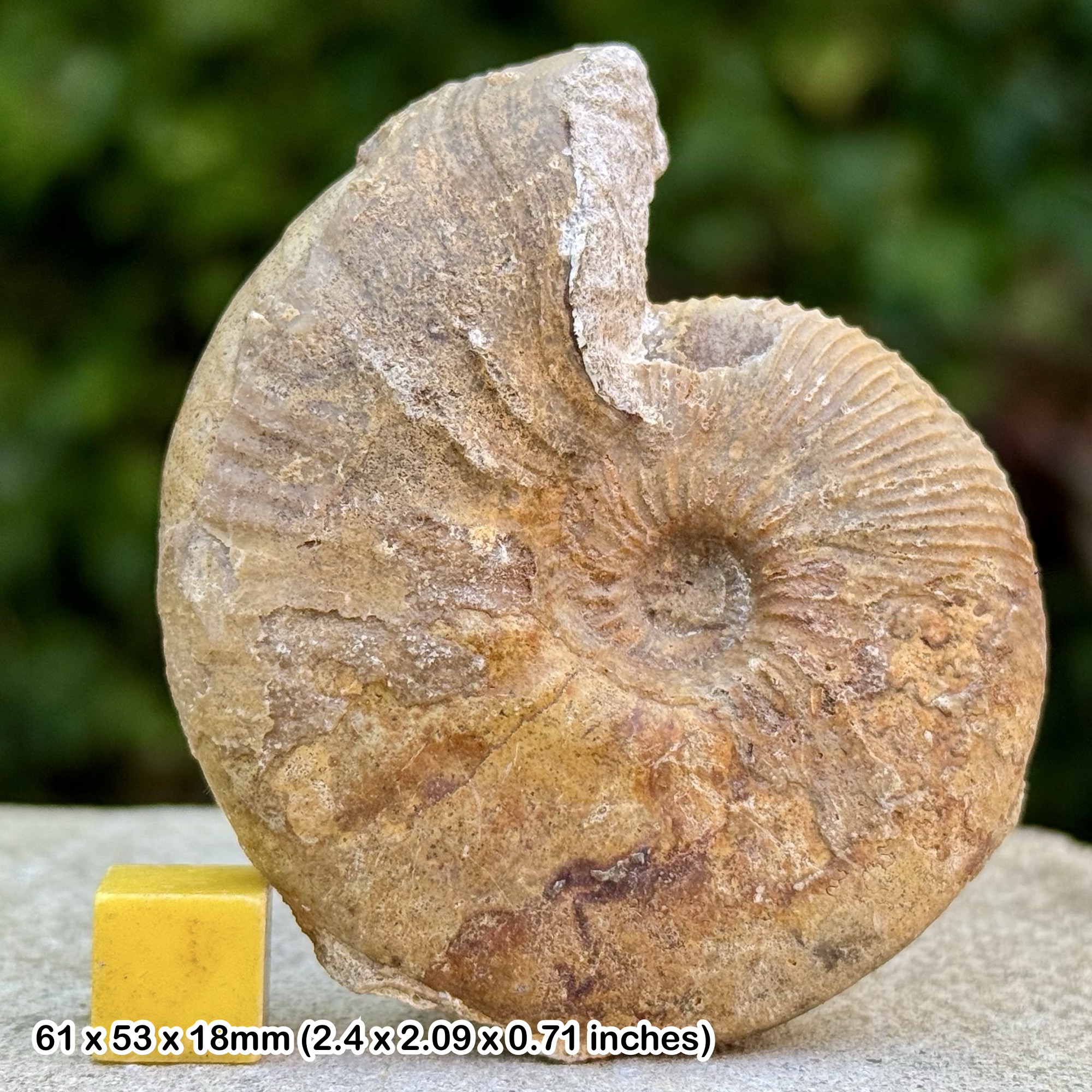
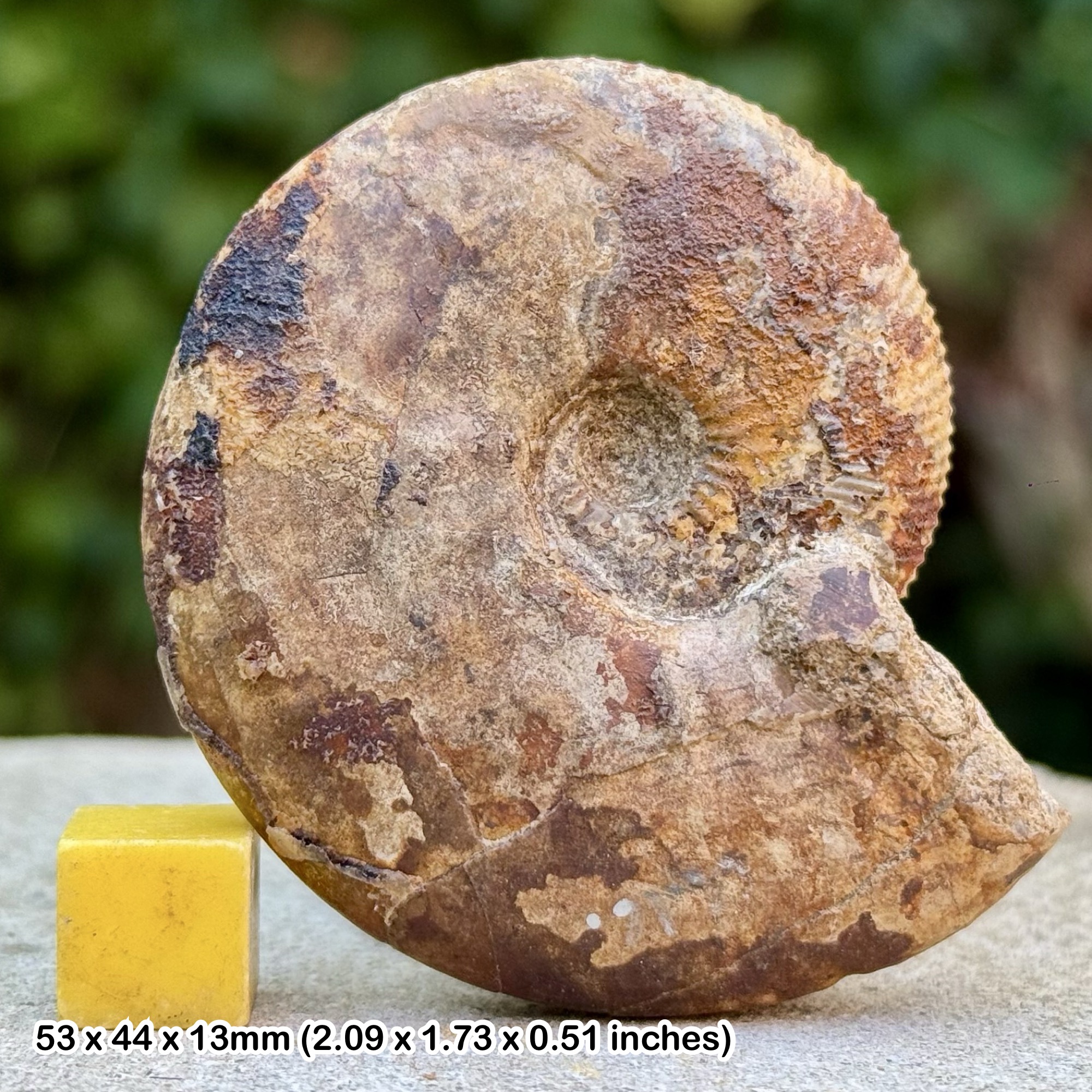
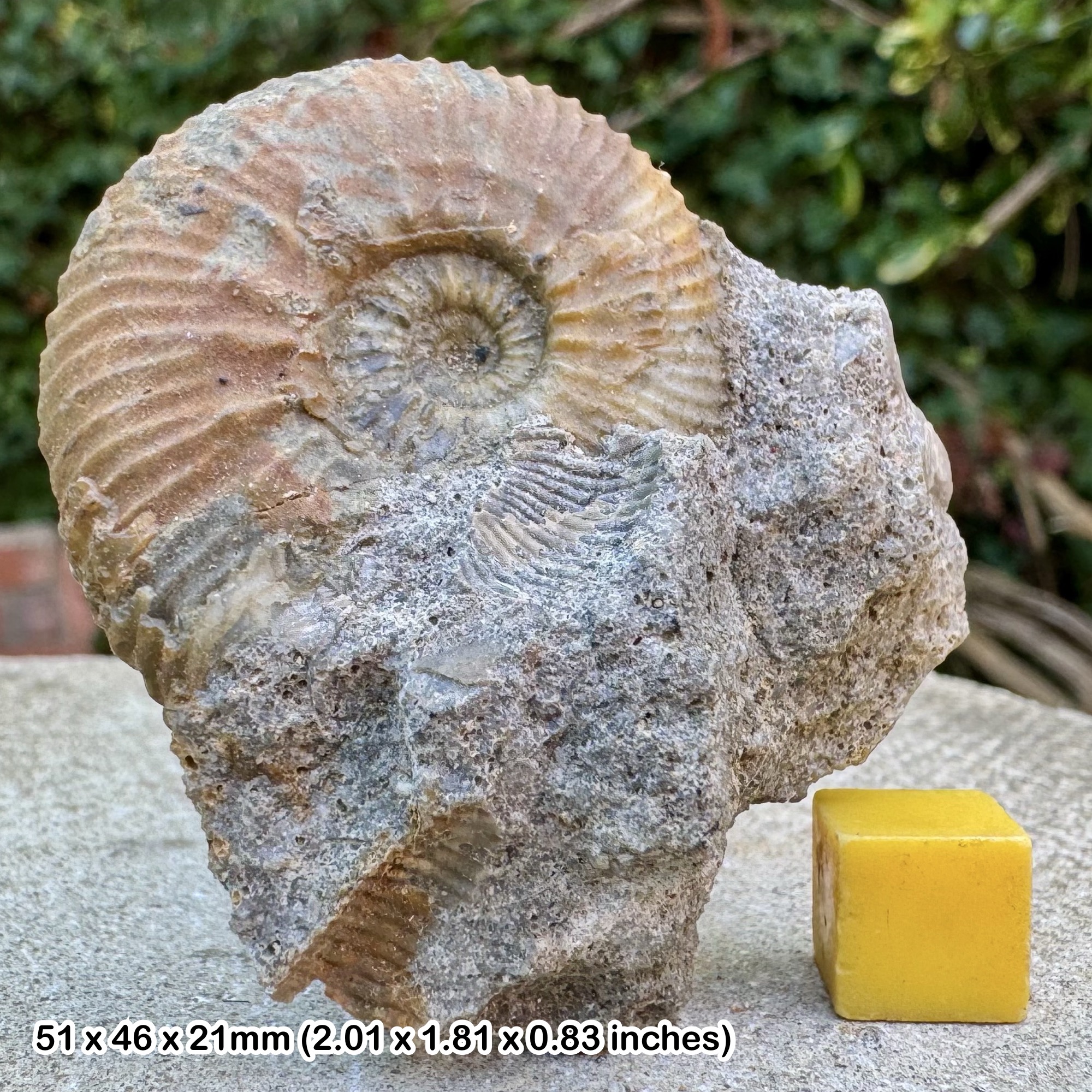
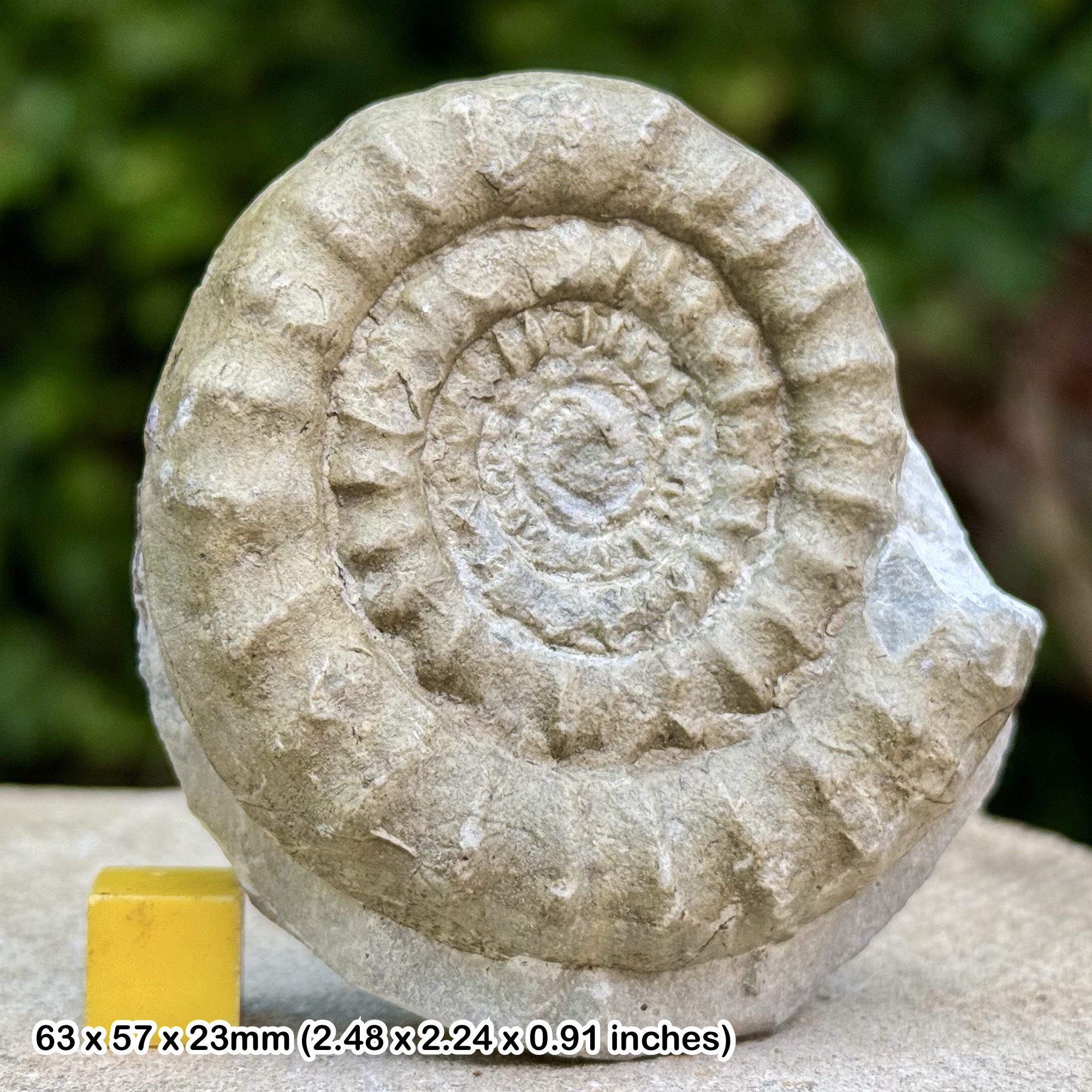
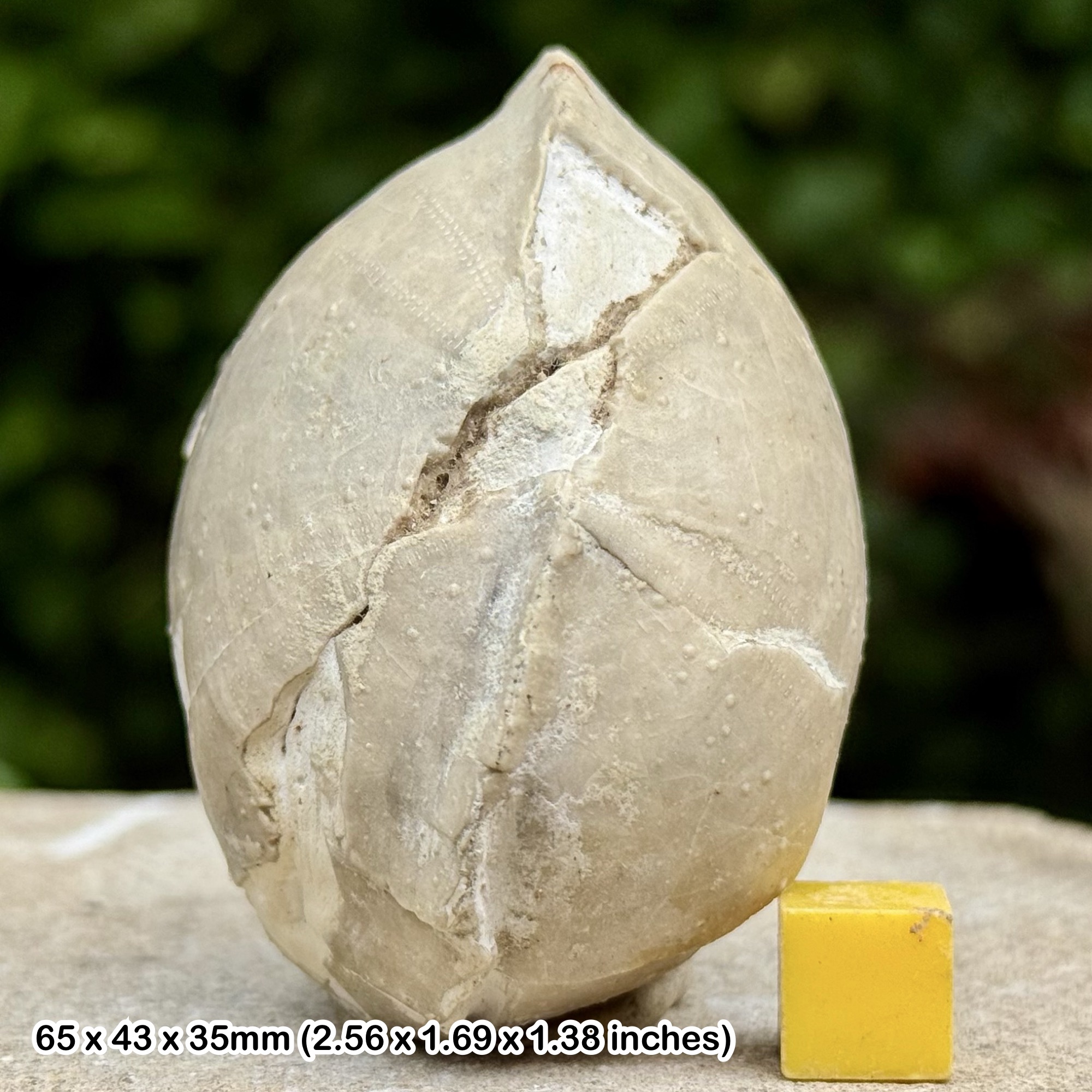
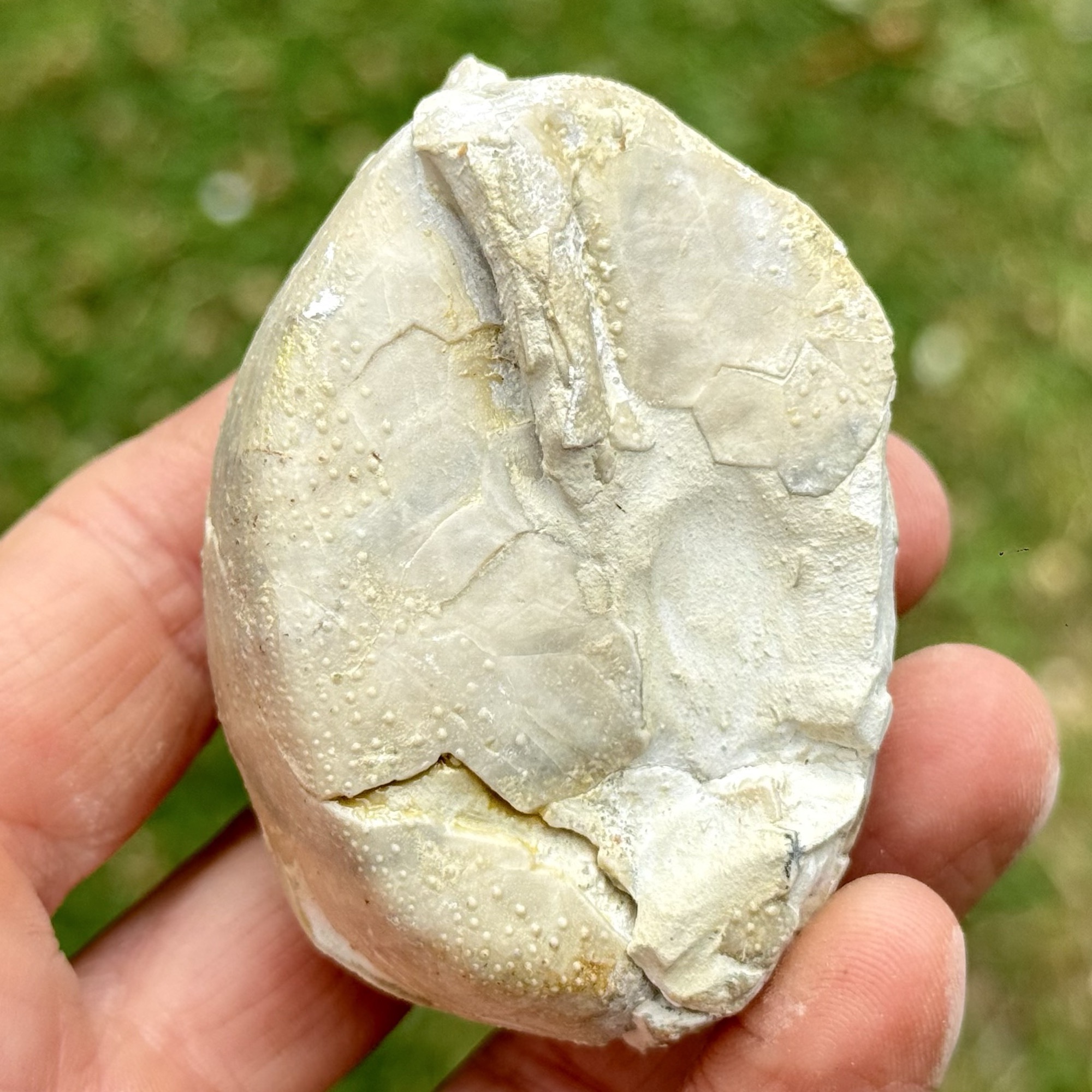
Sternotaxis), a beautifully preserved specimen discovered in the Cretaceous chalk deposits of Sussex, England. This is a superb example of an infaunal sea urchin from the iconic white chalk seas of southern Britain.As with all our fossils, this is a 100% genuine specimen, carefully hand-selected and accompanied by a Certificate of Authenticity. The actual fossil shown in the photographs is the one you will receive. Please refer to the scale photo (each square/cube = 1cm) for full sizing.FOSSIL OVERVIEW:
• Genus: Plesiocorys (previously referred to as Sternotaxis)
• Common Name: Fossil Sea Urchin / Chalk Echinoid
• Geological Period: Late Cretaceous
• Stage: Likely Santonian–Campanian (~86–72 million years ago)
• Formation: Upper Chalk Formation
• Location: Sussex, England, UK
• Preservation Type: Test in white chalk matrixGEOLOGICAL & DEPOSITIONAL ENVIRONMENT:The chalk formations of Sussex were laid down in the Late Cretaceous in a warm, shallow, epicontinental sea, teeming with calcareous plankton (especially coccolithophores). This fine-grained calcium carbonate mud slowly accumulated to form the thick chalk sequences of southern England.Plesiocorys echinoids are typical of these chalk beds, often found in quiet, low-energy marine environments ideal for preserving delicate echinoderm tests. These conditions supported a rich diversity of marine life including ammonites, bivalves, brachiopods, and a wide variety of echinoids.TAXONOMY & CLASSIFICATION:
• Phylum: Echinodermata
• Class: Echinoidea
• Order: Holasteroida
• Superfamily: Holasteroidea
• Family: Holasteridae
• Genus: Plesiocorys (formerly Sternotaxis)
• Species: UndeterminedMORPHOLOGICAL FEATURES:Plesiocorys is a distinct genus within the Holasteridae, with features including:
• A subovate to slightly domed test
• A broad anterior sulcus (groove)
• Bilateral symmetry with a sunken peristome (mouth)
• Posteriorly placed periproct (anus)
• Petaloid ambulacra on the aboral surfaceThese features suggest a burrowing (infaunal) lifestyle, likely living beneath the seafloor and feeding as a deposit feeder.NOTABLE INFORMATION:
• A rarer member of the chalk echinoid fauna
• Represents the transition of nomenclature from Sternotaxis to Plesiocorys, reflecting updated scientific classification
• Excellent preservation in natural chalk matrix
• A highly collectible fossil for palaeontology enthusiasts, educators, and display Why Buy From Us?
• All fossils are 100% genuine specimens
• Includes a Certificate of Authenticity
• You receive the exact fossil shown in the listing photos
• Safe packaging and fast dispatchCapture a rare and scientifically fascinating moment in Earth’s marine history with this Plesiocorys echinoid from the Cretaceous chalk of Sussex – a beautiful addition to any fossil collection or educational display.
Sternotaxis), a beautifully preserved specimen discovered in the Cretaceous chalk deposits of Sussex, England. This is a superb example of an infaunal sea urchin from the iconic white chalk seas of southern Britain.As with all our fossils, this is a 100% genuine specimen, carefully hand-selected and accompanied by a Certificate of Authenticity. The actual fossil shown in the photographs is the one you will receive. Please refer to the scale photo (each square/cube = 1cm) for full sizing.FOSSIL OVERVIEW:
• Genus: Plesiocorys (previously referred to as Sternotaxis)
• Common Name: Fossil Sea Urchin / Chalk Echinoid
• Geological Period: Late Cretaceous
• Stage: Likely Santonian–Campanian (~86–72 million years ago)
• Formation: Upper Chalk Formation
• Location: Sussex, England, UK
• Preservation Type: Test in white chalk matrixGEOLOGICAL & DEPOSITIONAL ENVIRONMENT:The chalk formations of Sussex were laid down in the Late Cretaceous in a warm, shallow, epicontinental sea, teeming with calcareous plankton (especially coccolithophores). This fine-grained calcium carbonate mud slowly accumulated to form the thick chalk sequences of southern England.Plesiocorys echinoids are typical of these chalk beds, often found in quiet, low-energy marine environments ideal for preserving delicate echinoderm tests. These conditions supported a rich diversity of marine life including ammonites, bivalves, brachiopods, and a wide variety of echinoids.TAXONOMY & CLASSIFICATION:
• Phylum: Echinodermata
• Class: Echinoidea
• Order: Holasteroida
• Superfamily: Holasteroidea
• Family: Holasteridae
• Genus: Plesiocorys (formerly Sternotaxis)
• Species: UndeterminedMORPHOLOGICAL FEATURES:Plesiocorys is a distinct genus within the Holasteridae, with features including:
• A subovate to slightly domed test
• A broad anterior sulcus (groove)
• Bilateral symmetry with a sunken peristome (mouth)
• Posteriorly placed periproct (anus)
• Petaloid ambulacra on the aboral surfaceThese features suggest a burrowing (infaunal) lifestyle, likely living beneath the seafloor and feeding as a deposit feeder.NOTABLE INFORMATION:
• A rarer member of the chalk echinoid fauna
• Represents the transition of nomenclature from Sternotaxis to Plesiocorys, reflecting updated scientific classification
• Excellent preservation in natural chalk matrix
• A highly collectible fossil for palaeontology enthusiasts, educators, and display Why Buy From Us?
• All fossils are 100% genuine specimens
• Includes a Certificate of Authenticity
• You receive the exact fossil shown in the listing photos
• Safe packaging and fast dispatchCapture a rare and scientifically fascinating moment in Earth’s marine history with this Plesiocorys echinoid from the Cretaceous chalk of Sussex – a beautiful addition to any fossil collection or educational display.