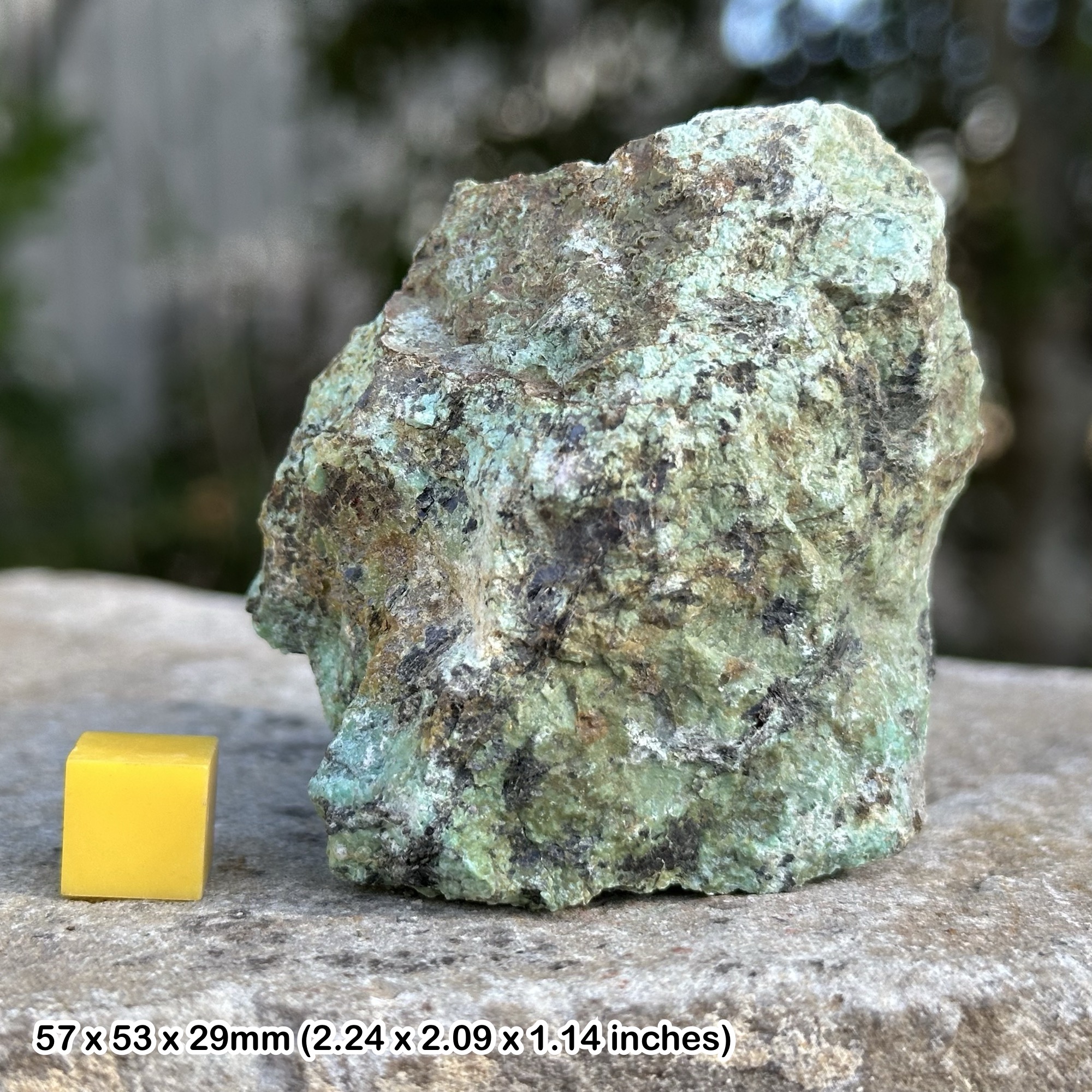
Turquoise Crystal South Africa Natural Turquoise Mineral Specimen Blue Green Stone Collectible Display Piece
£ 14.40
Natural Turquoise – Mineral Specimen from South AfricaThis natural Turquoise specimen from South Africa is a carefully selected
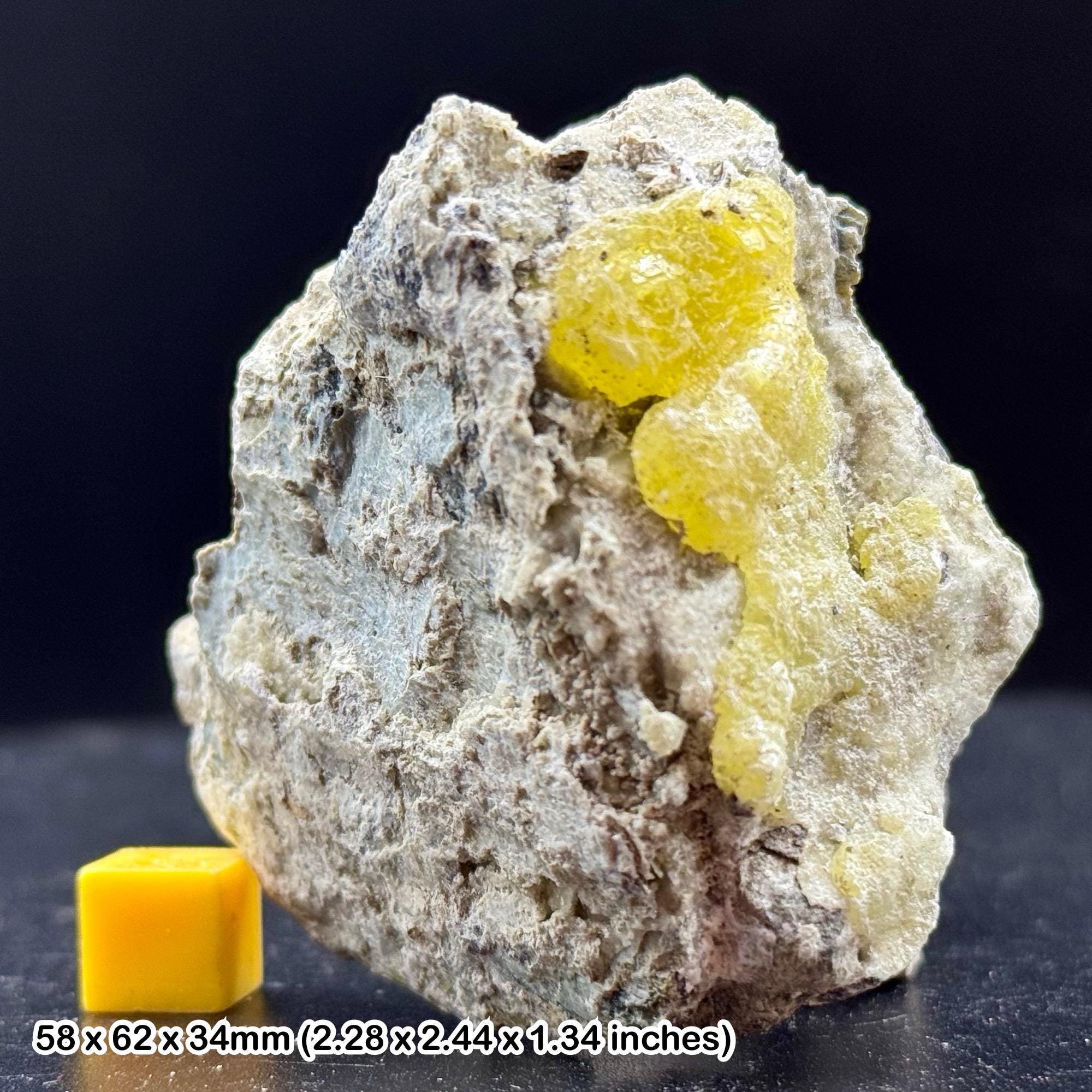
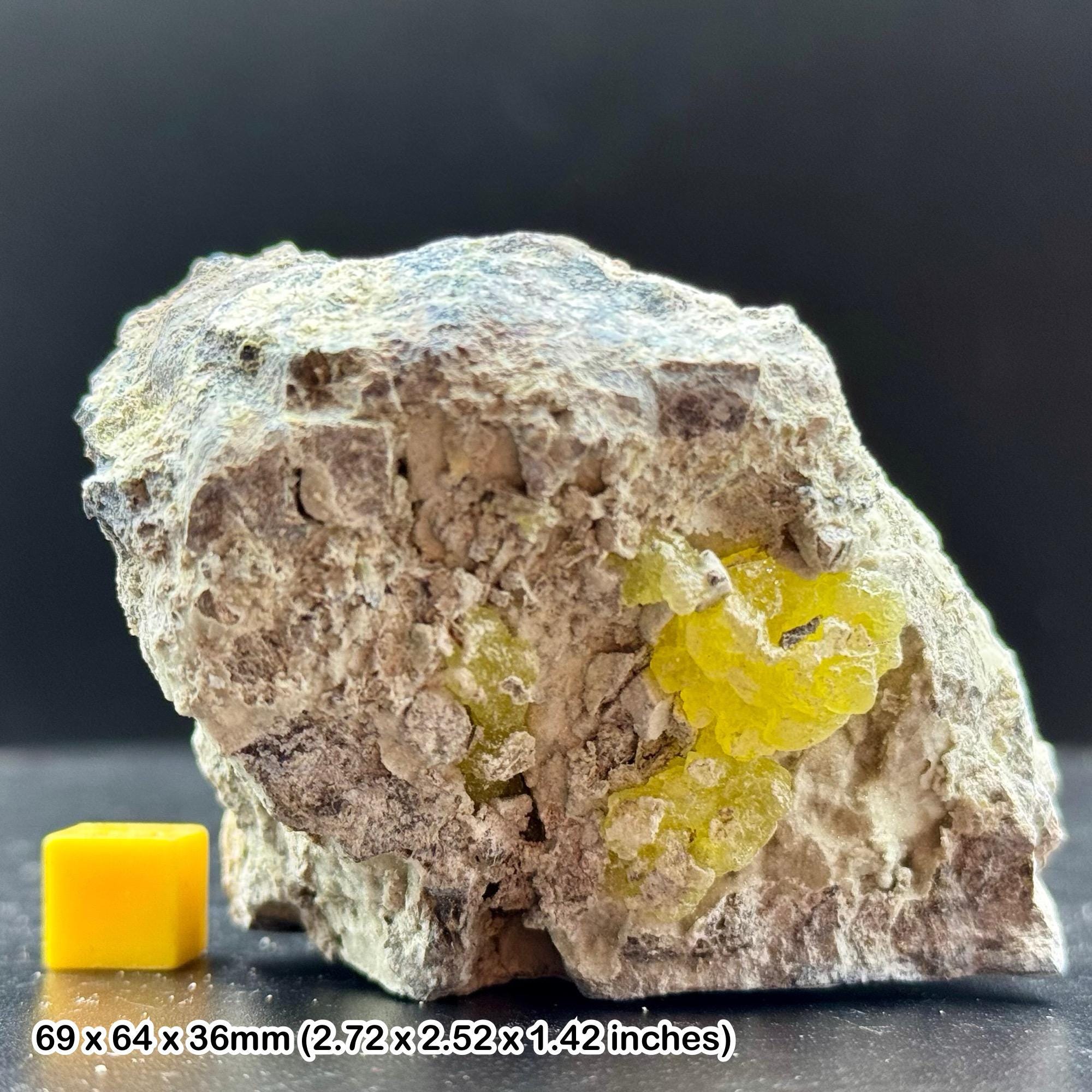
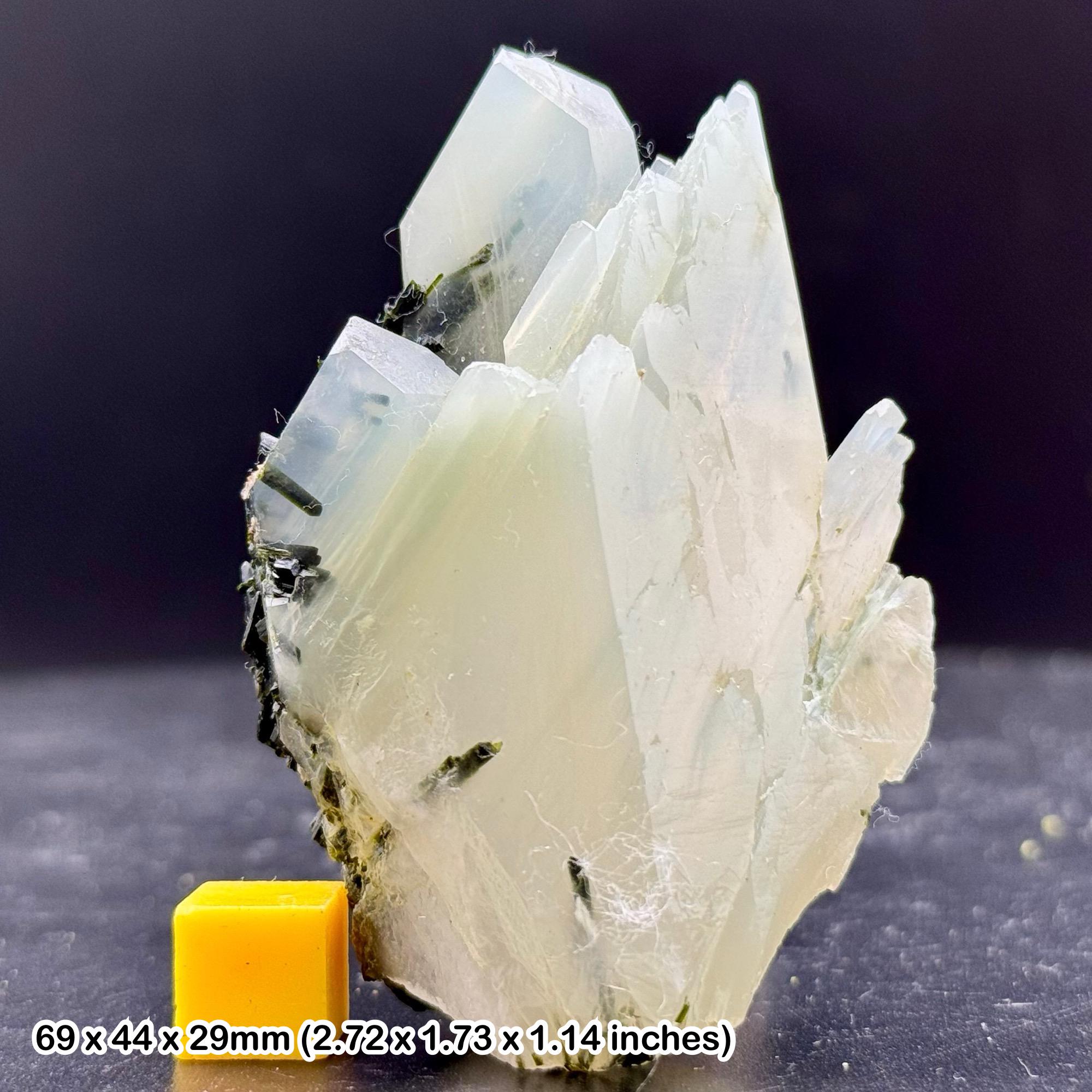
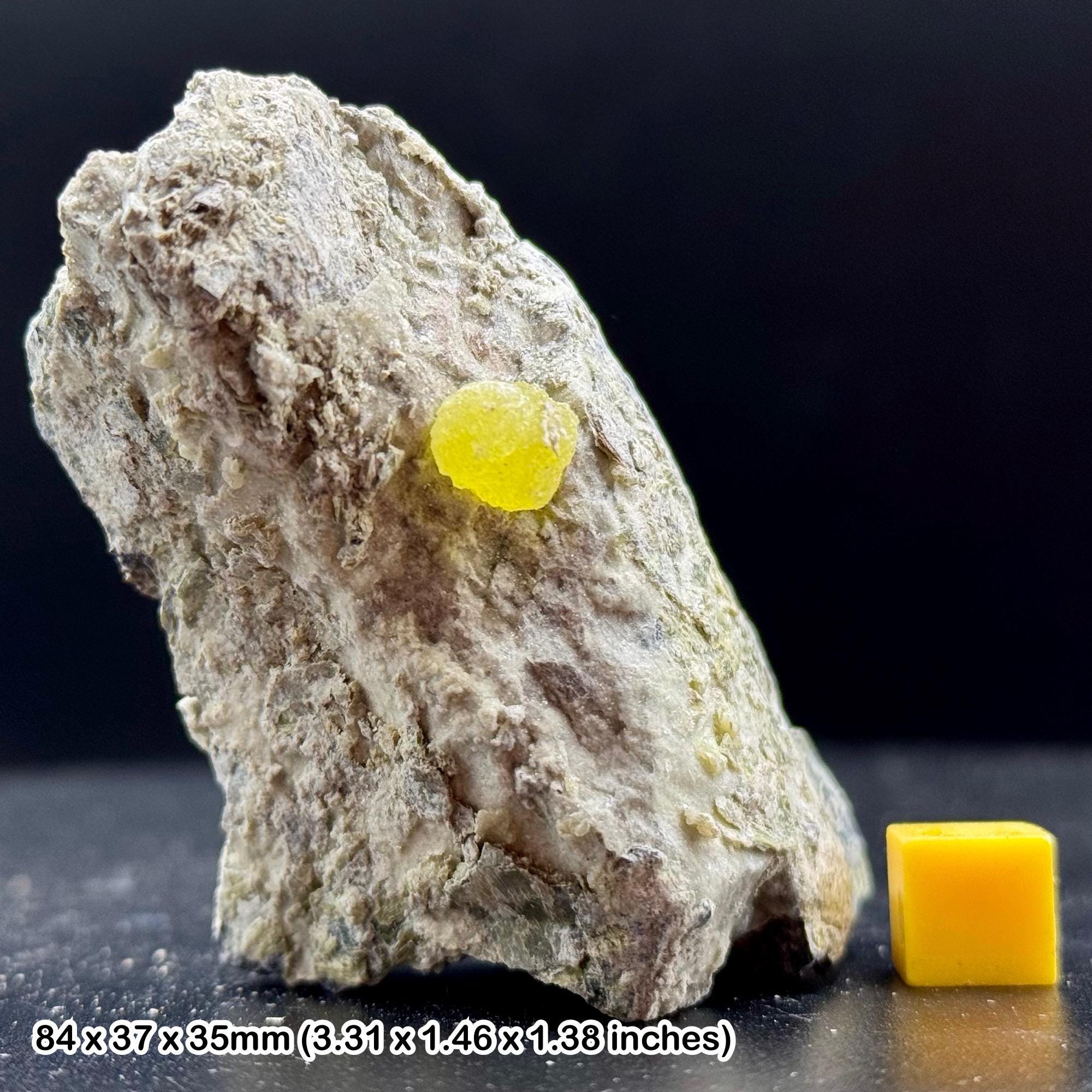
mineral piece known for its distinctive blue to green colouration and unique matrix patterns. The exact specimen shown in the photo is the one you will receive, ensuring accuracy in both appearance and quality. Each piece is naturally formed, displaying individual characteristics that make it a one-of-a-kind mineral example.Mineral Type & CompositionTurquoise is a hydrated copper aluminium phosphate mineral with the chemical formula CuAl₆(PO₄)₄(OH)₈·4H₂O. It crystallises in the triclinic crystal system, although it is rarely found as well-formed crystals and more commonly occurs as nodules, veins, or compact masses. Its colour is primarily influenced by copper content, which gives rise to its characteristic blue tones, while iron can introduce greenish hues.Geological Formation & OccurrenceTurquoise forms in arid environments through secondary mineralisation processes. It develops when copper-rich groundwater interacts with aluminium and phosphate-bearing host rocks, often in weathered volcanic or sedimentary formations. Over time, mineral-rich solutions deposit Turquoise within fractures, cavities, or as replacements of pre-existing material. South African Turquoise is known for its natural variation in colour and matrix, reflecting the geological conditions of the region.Appearance, Colour & Matrix PatternsThis specimen displays the classic blue to green tones associated with Turquoise, often accompanied by natural matrix patterns. The matrix may consist of host rock remnants or mineral inclusions, creating intricate web-like or mottled designs across the surface. These patterns are highly valued for their natural aesthetic and ensure that no two specimens are identical. The surface may range from slightly matte to gently polished, depending on the piece.Physical Properties & TextureTurquoise has a relatively moderate hardness of 5–6 on the Mohs scale, making it suitable for display and careful handling. It typically exhibits a waxy to sub-vitreous lustre. Due to its natural formation, minor surface irregularities, inclusions, or variations in texture are expected and contribute to the authenticity of the specimen.Collecting, Display & Decorative UseTurquoise has been valued for centuries as both a decorative stone and a collectible mineral due to its vibrant colour and geological significance. This South African specimen is ideal for display in mineral collections, cabinets, or as a standalone decorative piece. Its natural colour contrasts and matrix patterns make it visually engaging under a variety of lighting conditions.Symbolism & Traditional AssociationsIn non-medical contexts, Turquoise is traditionally associated with protection and balance in various cultural and spiritual practices. It is also widely appreciated purely for its natural beauty and historical significance as a gemstone and ornamental material.Authenticity & GuaranteeThis crystal is a genuine specimen and includes a Certificate of Authenticity lifetime guarantee generic card. Each piece is carefully chosen to ensure authenticity, quality, and presentation.Additional Information
• Mineral: Turquoise (Copper Aluminium Phosphate)
• Chemical Formula: CuAl₆(PO₄)₄(OH)₈·4H₂O
• Crystal System: Triclinic
• Locality: South Africa
• Form: Natural mineral specimen
• Specimen: Exact piece shown in photo
• Natural variations in colour, matrix, and texture are expectedThis Turquoise specimen from South Africa offers a combination of geological significance and natural visual appeal, making it an excellent addition to any mineral collection or display.
mineral piece known for its distinctive blue to green colouration and unique matrix patterns. The exact specimen shown in the photo is the one you will receive, ensuring accuracy in both appearance and quality. Each piece is naturally formed, displaying individual characteristics that make it a one-of-a-kind mineral example.Mineral Type & CompositionTurquoise is a hydrated copper aluminium phosphate mineral with the chemical formula CuAl₆(PO₄)₄(OH)₈·4H₂O. It crystallises in the triclinic crystal system, although it is rarely found as well-formed crystals and more commonly occurs as nodules, veins, or compact masses. Its colour is primarily influenced by copper content, which gives rise to its characteristic blue tones, while iron can introduce greenish hues.Geological Formation & OccurrenceTurquoise forms in arid environments through secondary mineralisation processes. It develops when copper-rich groundwater interacts with aluminium and phosphate-bearing host rocks, often in weathered volcanic or sedimentary formations. Over time, mineral-rich solutions deposit Turquoise within fractures, cavities, or as replacements of pre-existing material. South African Turquoise is known for its natural variation in colour and matrix, reflecting the geological conditions of the region.Appearance, Colour & Matrix PatternsThis specimen displays the classic blue to green tones associated with Turquoise, often accompanied by natural matrix patterns. The matrix may consist of host rock remnants or mineral inclusions, creating intricate web-like or mottled designs across the surface. These patterns are highly valued for their natural aesthetic and ensure that no two specimens are identical. The surface may range from slightly matte to gently polished, depending on the piece.Physical Properties & TextureTurquoise has a relatively moderate hardness of 5–6 on the Mohs scale, making it suitable for display and careful handling. It typically exhibits a waxy to sub-vitreous lustre. Due to its natural formation, minor surface irregularities, inclusions, or variations in texture are expected and contribute to the authenticity of the specimen.Collecting, Display & Decorative UseTurquoise has been valued for centuries as both a decorative stone and a collectible mineral due to its vibrant colour and geological significance. This South African specimen is ideal for display in mineral collections, cabinets, or as a standalone decorative piece. Its natural colour contrasts and matrix patterns make it visually engaging under a variety of lighting conditions.Symbolism & Traditional AssociationsIn non-medical contexts, Turquoise is traditionally associated with protection and balance in various cultural and spiritual practices. It is also widely appreciated purely for its natural beauty and historical significance as a gemstone and ornamental material.Authenticity & GuaranteeThis crystal is a genuine specimen and includes a Certificate of Authenticity lifetime guarantee generic card. Each piece is carefully chosen to ensure authenticity, quality, and presentation.Additional Information
• Mineral: Turquoise (Copper Aluminium Phosphate)
• Chemical Formula: CuAl₆(PO₄)₄(OH)₈·4H₂O
• Crystal System: Triclinic
• Locality: South Africa
• Form: Natural mineral specimen
• Specimen: Exact piece shown in photo
• Natural variations in colour, matrix, and texture are expectedThis Turquoise specimen from South Africa offers a combination of geological significance and natural visual appeal, making it an excellent addition to any mineral collection or display.