Cotteswoldia Aalensis Ammonite Fossil Lower Jurassic France Genuine COA Specimen Upper Toarcian La Fessy Saint Quentin Fallavier
£ 12.60
GENUINE COTTESWOLDIA AALENSIS AMMONITE FOSSILThis listing is for a genuine Cotteswoldia aalensis ammonite fossil from the
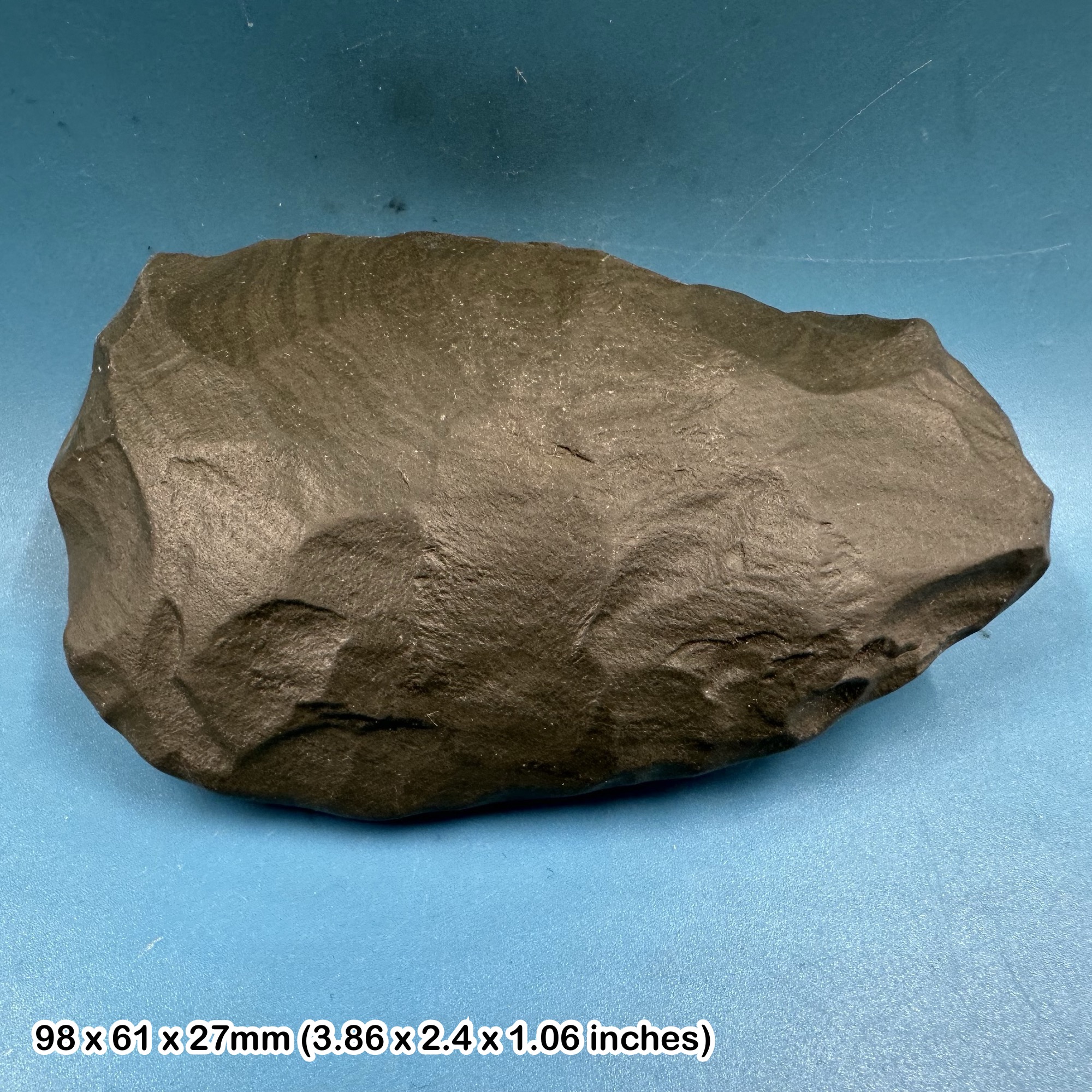
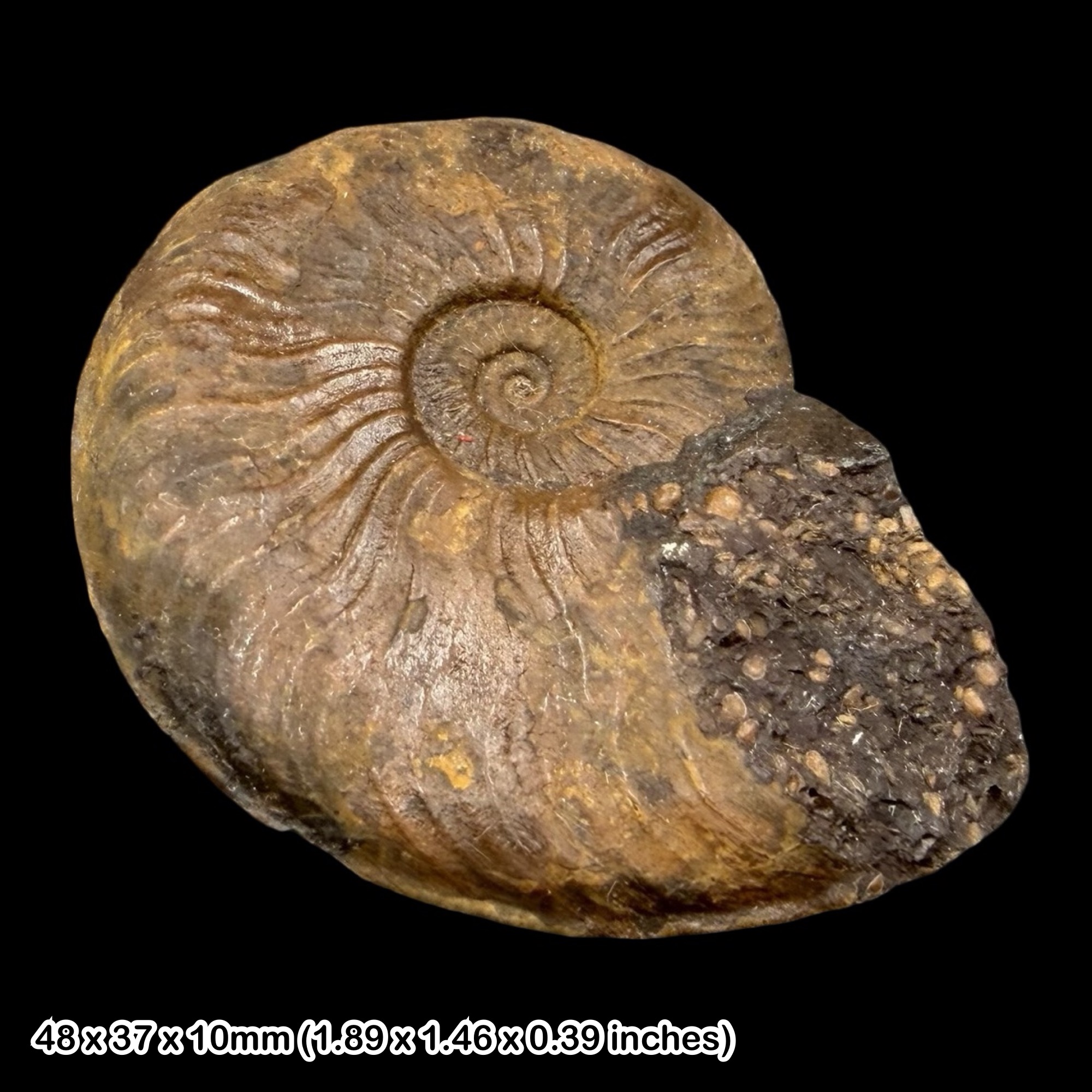
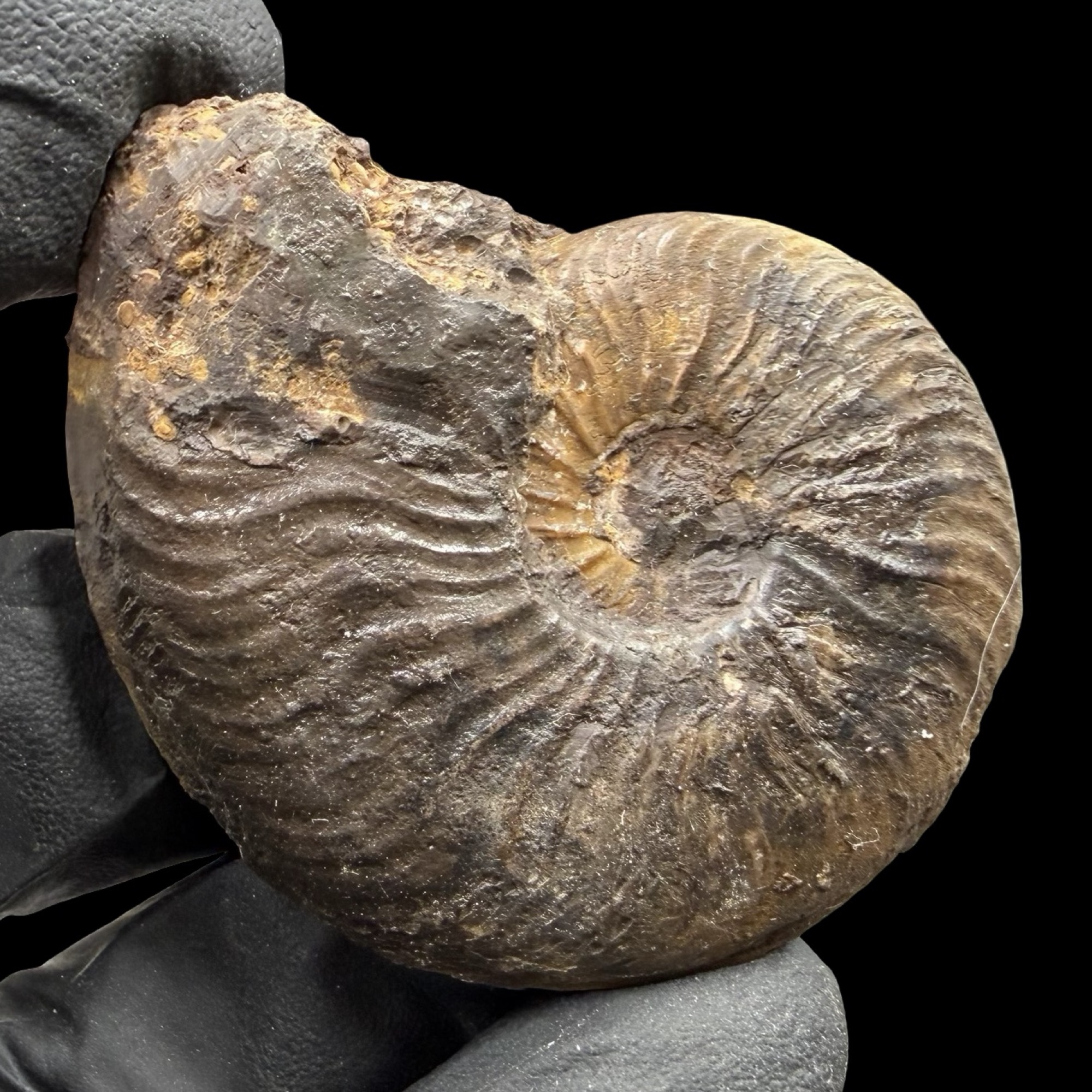
Lower Jurassic, Upper Toarcian deposits of La Fessy, Saint-Quentin-Fallavier, Rhône, France. This is a carefully chosen fossil specimen, selected for its natural fossil character, display appeal, and scientific interest. The photograph shows the actual specimen you will receive, so please refer to the photo for the full sizing, proportions, preservation, colour, and overall appearance of this individual piece.This fossil is supplied with a Certificate of Authenticity lifetime guarantee generic card, giving confidence that the specimen is a genuine fossil and not a modern replica.SPECIES AND FOSSIL TYPECotteswoldia aalensis is an ammonite species from the late part of the Early Jurassic Period. Ammonites were extinct marine cephalopods, related to modern squid, cuttlefish, octopus, and nautilus. They lived inside coiled shells divided into internal chambers, using the outer body chamber for the living animal while earlier chambers helped control buoyancy in the ancient sea.This specimen represents a classic ammonite fossil, valued by collectors for its spiral shell form, geological age, and connection to the Jurassic seas of Europe. Ammonites such as Cotteswoldia are especially important fossils because many species evolved quickly and were widely distributed, making them useful for dating and correlating Jurassic rock layers.GEOLOGICAL AGE AND LOCATIONThis fossil comes from the Lower Jurassic, Upper Toarcian, placing it at approximately the later part of the Toarcian Stage. The Toarcian is a well-known interval of Early Jurassic time, famous for diverse ammonite faunas and marine sedimentary deposits across Europe.The locality, La Fessy, Saint-Quentin-Fallavier, Rhône, France, sits within a region known for Jurassic sedimentary rocks formed when much of western Europe was covered by warm, shallow to moderately deep epicontinental seas. These ancient marine environments preserved ammonites, bivalves, belemnites, and other sea life in fine-grained sediments that later hardened into fossil-bearing rock.SCIENTIFIC INTEREST AND MORPHOLOGYCotteswoldia ammonites are typically recognised by their planispiral, coiled shell form, with ribbing and whorl development that reflect the growth of the animal through life. In ammonites, features such as rib strength, whorl shape, shell compression, umbilicus width, and suture pattern are important for classification. These details make each specimen interesting not only as a decorative fossil, but also as a small piece of palaeontological evidence from the Jurassic marine world.The species name aalensis is associated with the Aalenian transition interval in ammonite biostratigraphy, and fossils of this general group are linked with late Toarcian ammonite zones used by geologists to understand the final part of the Early Jurassic. As with many ammonites, its value lies in both its natural beauty and its usefulness as an index fossil group for dating ancient marine strata.NATURAL JURASSIC MARINE FOSSILDuring the life of this ammonite, the area that is now France was part of a much different landscape. Instead of modern land, towns, and rivers, the region was influenced by Jurassic seas rich in marine organisms. Ammonites swam through these waters as active predators or scavengers, using their tentacles to capture small prey while their coiled shells provided protection and buoyancy control.After death, the shell settled onto the sea floor, where it was gradually buried by sediment. Over millions of years, mineral-rich groundwater and geological pressure transformed the remains into a fossil. The result is a genuine ancient marine specimen that has survived from the Jurassic Period to the present day.COLLECTOR DISPLAY AND AUTHENTICITYThis Cotteswoldia aalensis ammonite fossil is ideal for fossil collectors, natural history enthusiasts, geology students, educational displays, cabinet collections, and anyone interested in genuine Jurassic fossils. It would make an excellent addition to a fossil collection focused on ammonites, European Jurassic fossils, French fossils, marine invertebrates, or scientifically interesting display pieces.The fossil shown in the photograph is the exact specimen supplied. Please check the photo carefully for full sizing and condition details, as natural fossils vary in shape, matrix, preservation, colour, surface texture, and completeness. This individuality is part of what makes fossil collecting so appealing: every specimen is a unique survivor from deep geological time.INCLUDED WITH THIS SPECIMENYour fossil will be supplied as a genuine specimen with a Certificate of Authenticity lifetime guarantee generic card. This makes it suitable both for personal collecting and as a thoughtful educational gift for fossil lovers, geology enthusiasts, students, teachers, and collectors of natural history specimens.
Lower Jurassic, Upper Toarcian deposits of La Fessy, Saint-Quentin-Fallavier, Rhône, France. This is a carefully chosen fossil specimen, selected for its natural fossil character, display appeal, and scientific interest. The photograph shows the actual specimen you will receive, so please refer to the photo for the full sizing, proportions, preservation, colour, and overall appearance of this individual piece.This fossil is supplied with a Certificate of Authenticity lifetime guarantee generic card, giving confidence that the specimen is a genuine fossil and not a modern replica.SPECIES AND FOSSIL TYPECotteswoldia aalensis is an ammonite species from the late part of the Early Jurassic Period. Ammonites were extinct marine cephalopods, related to modern squid, cuttlefish, octopus, and nautilus. They lived inside coiled shells divided into internal chambers, using the outer body chamber for the living animal while earlier chambers helped control buoyancy in the ancient sea.This specimen represents a classic ammonite fossil, valued by collectors for its spiral shell form, geological age, and connection to the Jurassic seas of Europe. Ammonites such as Cotteswoldia are especially important fossils because many species evolved quickly and were widely distributed, making them useful for dating and correlating Jurassic rock layers.GEOLOGICAL AGE AND LOCATIONThis fossil comes from the Lower Jurassic, Upper Toarcian, placing it at approximately the later part of the Toarcian Stage. The Toarcian is a well-known interval of Early Jurassic time, famous for diverse ammonite faunas and marine sedimentary deposits across Europe.The locality, La Fessy, Saint-Quentin-Fallavier, Rhône, France, sits within a region known for Jurassic sedimentary rocks formed when much of western Europe was covered by warm, shallow to moderately deep epicontinental seas. These ancient marine environments preserved ammonites, bivalves, belemnites, and other sea life in fine-grained sediments that later hardened into fossil-bearing rock.SCIENTIFIC INTEREST AND MORPHOLOGYCotteswoldia ammonites are typically recognised by their planispiral, coiled shell form, with ribbing and whorl development that reflect the growth of the animal through life. In ammonites, features such as rib strength, whorl shape, shell compression, umbilicus width, and suture pattern are important for classification. These details make each specimen interesting not only as a decorative fossil, but also as a small piece of palaeontological evidence from the Jurassic marine world.The species name aalensis is associated with the Aalenian transition interval in ammonite biostratigraphy, and fossils of this general group are linked with late Toarcian ammonite zones used by geologists to understand the final part of the Early Jurassic. As with many ammonites, its value lies in both its natural beauty and its usefulness as an index fossil group for dating ancient marine strata.NATURAL JURASSIC MARINE FOSSILDuring the life of this ammonite, the area that is now France was part of a much different landscape. Instead of modern land, towns, and rivers, the region was influenced by Jurassic seas rich in marine organisms. Ammonites swam through these waters as active predators or scavengers, using their tentacles to capture small prey while their coiled shells provided protection and buoyancy control.After death, the shell settled onto the sea floor, where it was gradually buried by sediment. Over millions of years, mineral-rich groundwater and geological pressure transformed the remains into a fossil. The result is a genuine ancient marine specimen that has survived from the Jurassic Period to the present day.COLLECTOR DISPLAY AND AUTHENTICITYThis Cotteswoldia aalensis ammonite fossil is ideal for fossil collectors, natural history enthusiasts, geology students, educational displays, cabinet collections, and anyone interested in genuine Jurassic fossils. It would make an excellent addition to a fossil collection focused on ammonites, European Jurassic fossils, French fossils, marine invertebrates, or scientifically interesting display pieces.The fossil shown in the photograph is the exact specimen supplied. Please check the photo carefully for full sizing and condition details, as natural fossils vary in shape, matrix, preservation, colour, surface texture, and completeness. This individuality is part of what makes fossil collecting so appealing: every specimen is a unique survivor from deep geological time.INCLUDED WITH THIS SPECIMENYour fossil will be supplied as a genuine specimen with a Certificate of Authenticity lifetime guarantee generic card. This makes it suitable both for personal collecting and as a thoughtful educational gift for fossil lovers, geology enthusiasts, students, teachers, and collectors of natural history specimens.
Other Products