Rare Pseudothurmancia angulicostata Ammonite Fossil from Barremian Cretaceous Drome Region France Authentic Specimen
£ 14.40
GEOLOGICAL CONTEXT AND PROVENANCEThis rare specimen is a genuine Pseudothurmancia angulicostata ammonite fossil
from the Barremian Stage of the Early Cretaceous Period, dating to approximately 129 – 125 million years ago. It was discovered in the Drôme region of southeastern France, a locality celebrated for its exceptional fossil deposits from the Lower Cretaceous. The Drôme exposures provide palaeontologists with invaluable insights into the Tethyan marine ecosystems that flourished during this period, where ammonites thrived in abundance.The Barremian Stage is an important interval in Earth’s geological record, marked by significant evolutionary diversification among ammonites and other marine invertebrates. Fossils from this period are used to establish precise biozones that help correlate sedimentary layers across Europe, North Africa, and the wider Tethyan realm. FOSSIL TYPE AND SPECIES INFORMATIONPseudothurmancia angulicostata is an ammonite belonging to the Order Ammonitida, Superfamily Desmoceratoidea, and Family Desmoceratidae. Members of this group are characterised by distinctive ribbing and coiling styles, features that make them valuable for identification and biostratigraphic use.This species, angulicostata, is particularly significant because of its sharply angled ribbing, which gives the shell its name and provides a striking morphological distinction. Its occurrence in Barremian strata allows it to serve as a reliable index fossil, making it useful for refining the stratigraphic framework of the Early Cretaceous. MORPHOLOGICAL FEATURES AND IDENTIFICATIONThe specimen displays the characteristic angular ribbing that defines Pseudothurmancia angulicostata. The ribs are strong and angular, crossing the flanks and extending towards the venter, producing a bold and sculptural appearance. The whorls are tightly coiled, giving the ammonite a compact yet elegant form.These morphological traits served both functional and ecological roles. The ribbing likely added strength to the shell, protecting the animal from water pressure and predators, while also enhancing hydrodynamic efficiency. The chambered shell structure, as with all ammonites, allowed the animal to control buoyancy, enabling it to move actively within the water column. DEPOSITIONAL ENVIRONMENTDuring the Barremian, the Drôme region was submerged beneath warm, shallow seas linked to the ancient Tethys Ocean. Sediments of limestone and marl accumulated on the seafloor, creating excellent conditions for the preservation of ammonite shells. This environment supported a diverse marine ecosystem, with ammonites like Pseudothurmancia angulicostata forming an essential part of the food chain.As nektonic predators, these ammonites fed on smaller invertebrates and planktonic organisms while also serving as prey for larger marine reptiles. Their wide distribution and abundance made them ecologically significant, and their fossils remain key indicators of Cretaceous marine life. COLLECTOR APPEAL AND AUTHENTICITYThis Pseudothurmancia angulicostata ammonite is a rare and scientifically important specimen from the Barremian seas of France. Its angular ribbing and compact form make it an eye-catching fossil, while its provenance adds value for collectors seeking specimens from significant geological localities.
• 100% Genuine Specimen – All fossils we supply are authentic and come with a Certificate of Authenticity.
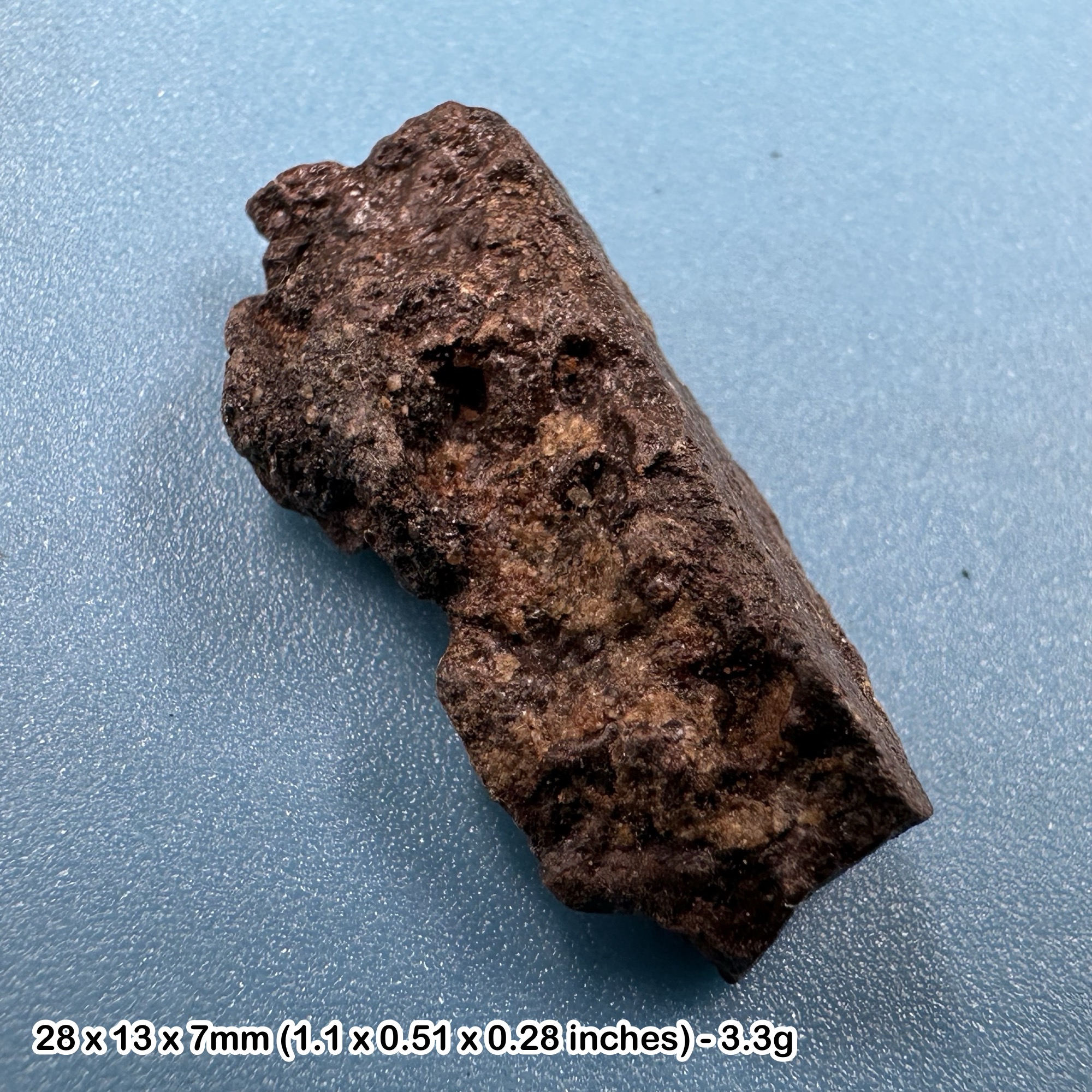
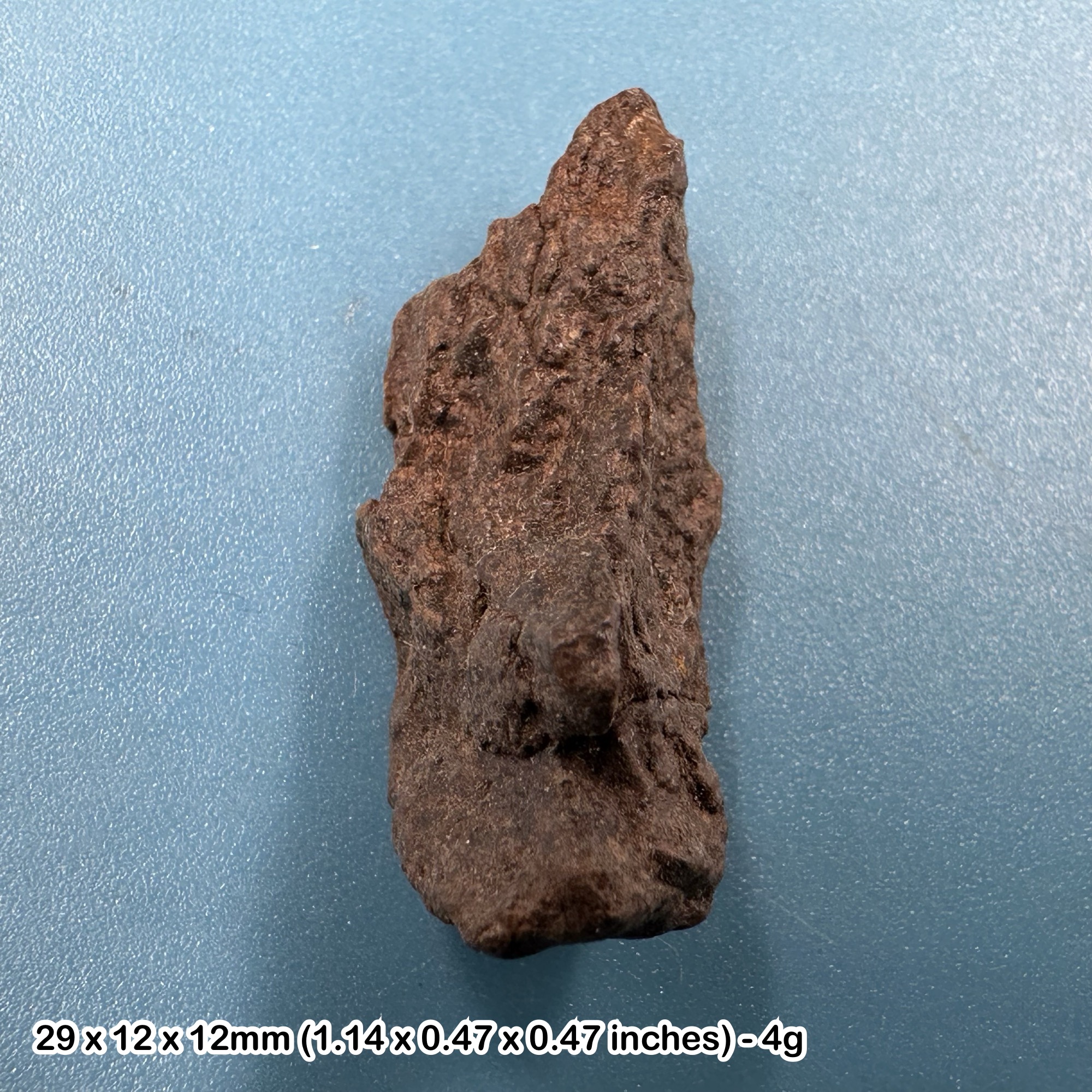
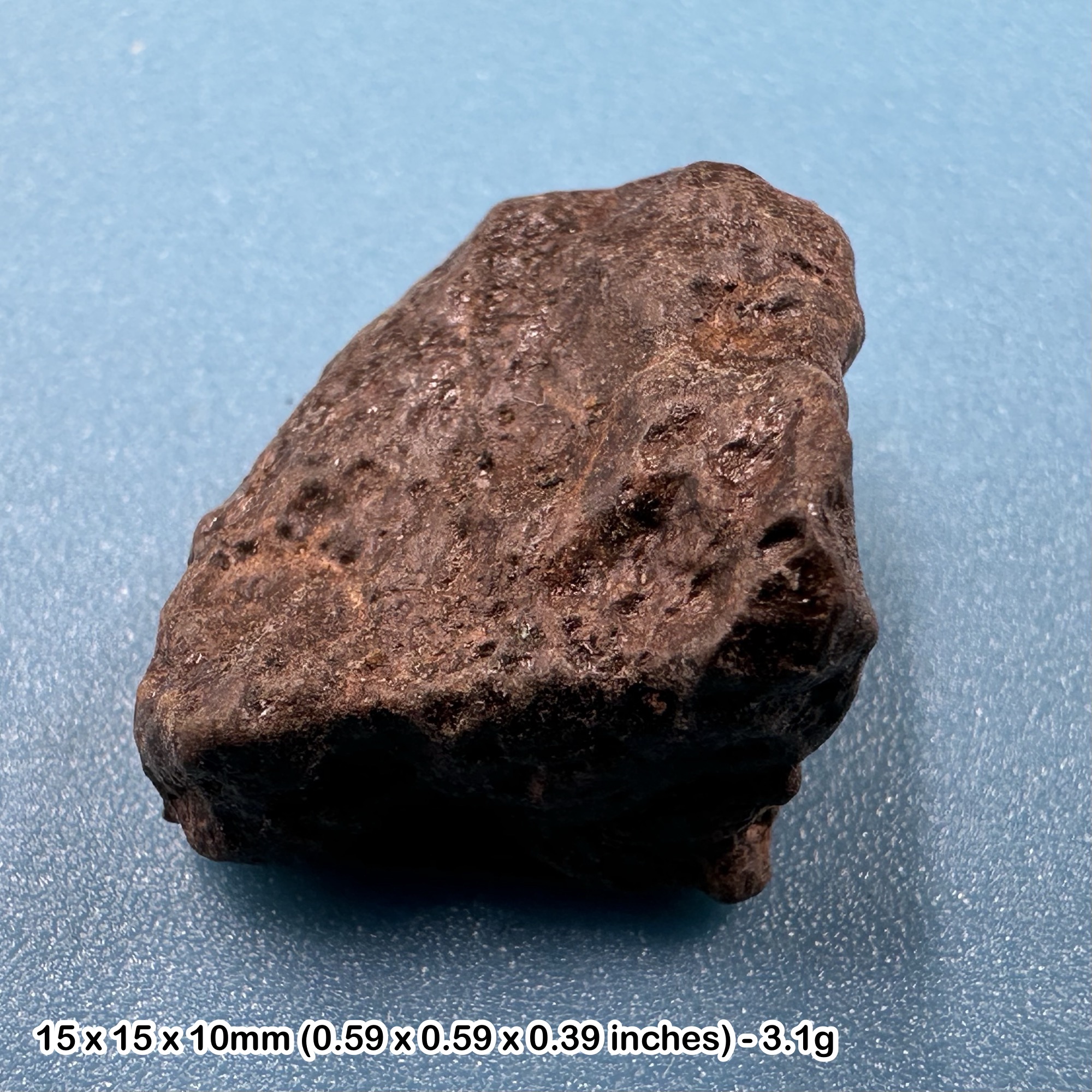
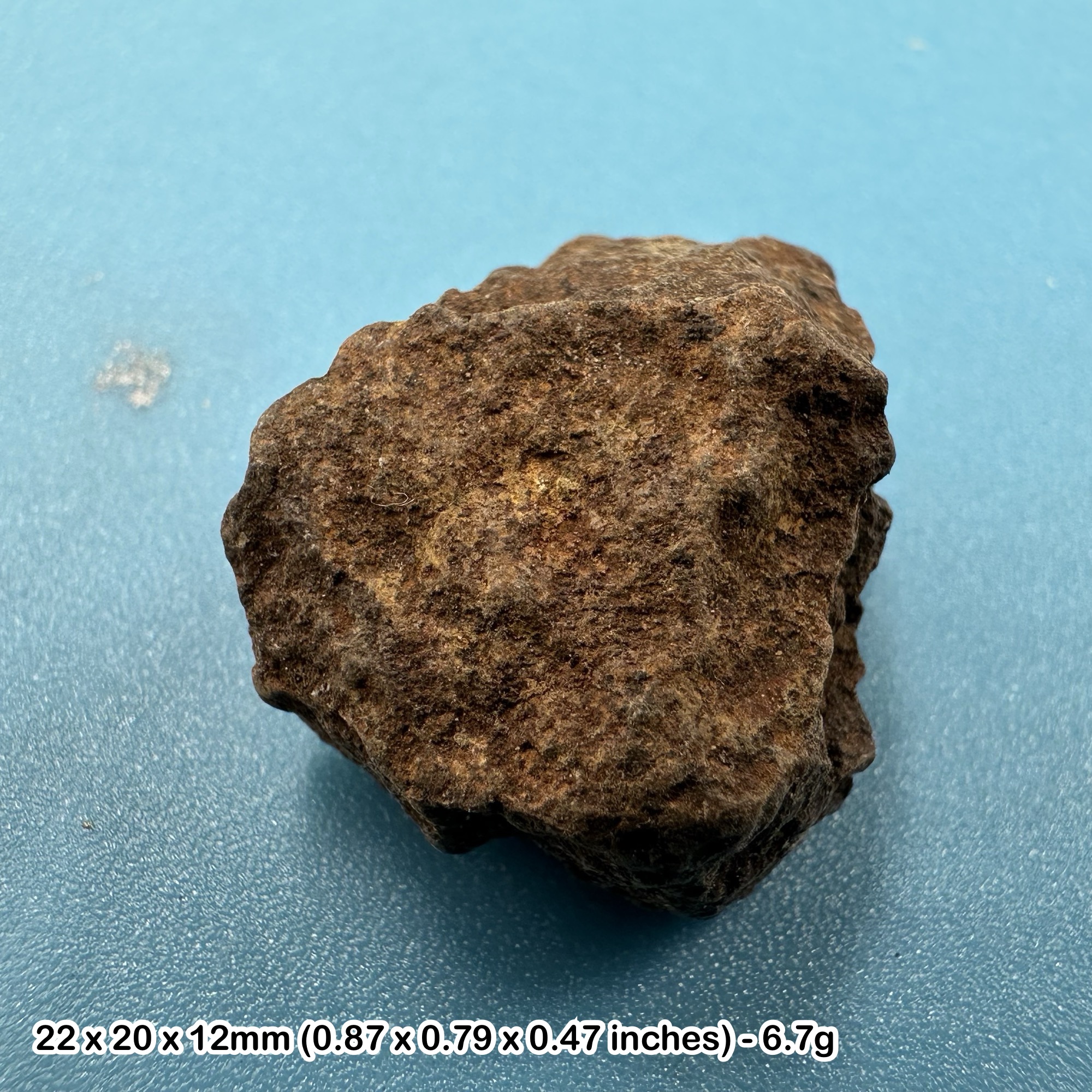
• Exact Fossil Shown – The photographs provided depict the actual ammonite you will receive.
• Scale Reference – Scale rule squares / cube = 1 cm. Please refer to the images for accurate sizing.This carefully chosen ammonite connects directly to the Early Cretaceous ecosystems of the Tethys Ocean. As both a scientifically valuable reference fossil and a striking collector’s piece, Pseudothurmancia angulicostata is a superb addition to any natural history collection.
from the Barremian Stage of the Early Cretaceous Period, dating to approximately 129 – 125 million years ago. It was discovered in the Drôme region of southeastern France, a locality celebrated for its exceptional fossil deposits from the Lower Cretaceous. The Drôme exposures provide palaeontologists with invaluable insights into the Tethyan marine ecosystems that flourished during this period, where ammonites thrived in abundance.The Barremian Stage is an important interval in Earth’s geological record, marked by significant evolutionary diversification among ammonites and other marine invertebrates. Fossils from this period are used to establish precise biozones that help correlate sedimentary layers across Europe, North Africa, and the wider Tethyan realm. FOSSIL TYPE AND SPECIES INFORMATIONPseudothurmancia angulicostata is an ammonite belonging to the Order Ammonitida, Superfamily Desmoceratoidea, and Family Desmoceratidae. Members of this group are characterised by distinctive ribbing and coiling styles, features that make them valuable for identification and biostratigraphic use.This species, angulicostata, is particularly significant because of its sharply angled ribbing, which gives the shell its name and provides a striking morphological distinction. Its occurrence in Barremian strata allows it to serve as a reliable index fossil, making it useful for refining the stratigraphic framework of the Early Cretaceous. MORPHOLOGICAL FEATURES AND IDENTIFICATIONThe specimen displays the characteristic angular ribbing that defines Pseudothurmancia angulicostata. The ribs are strong and angular, crossing the flanks and extending towards the venter, producing a bold and sculptural appearance. The whorls are tightly coiled, giving the ammonite a compact yet elegant form.These morphological traits served both functional and ecological roles. The ribbing likely added strength to the shell, protecting the animal from water pressure and predators, while also enhancing hydrodynamic efficiency. The chambered shell structure, as with all ammonites, allowed the animal to control buoyancy, enabling it to move actively within the water column. DEPOSITIONAL ENVIRONMENTDuring the Barremian, the Drôme region was submerged beneath warm, shallow seas linked to the ancient Tethys Ocean. Sediments of limestone and marl accumulated on the seafloor, creating excellent conditions for the preservation of ammonite shells. This environment supported a diverse marine ecosystem, with ammonites like Pseudothurmancia angulicostata forming an essential part of the food chain.As nektonic predators, these ammonites fed on smaller invertebrates and planktonic organisms while also serving as prey for larger marine reptiles. Their wide distribution and abundance made them ecologically significant, and their fossils remain key indicators of Cretaceous marine life. COLLECTOR APPEAL AND AUTHENTICITYThis Pseudothurmancia angulicostata ammonite is a rare and scientifically important specimen from the Barremian seas of France. Its angular ribbing and compact form make it an eye-catching fossil, while its provenance adds value for collectors seeking specimens from significant geological localities.
• 100% Genuine Specimen – All fossils we supply are authentic and come with a Certificate of Authenticity.
• Exact Fossil Shown – The photographs provided depict the actual ammonite you will receive.
• Scale Reference – Scale rule squares / cube = 1 cm. Please refer to the images for accurate sizing.This carefully chosen ammonite connects directly to the Early Cretaceous ecosystems of the Tethys Ocean. As both a scientifically valuable reference fossil and a striking collector’s piece, Pseudothurmancia angulicostata is a superb addition to any natural history collection.