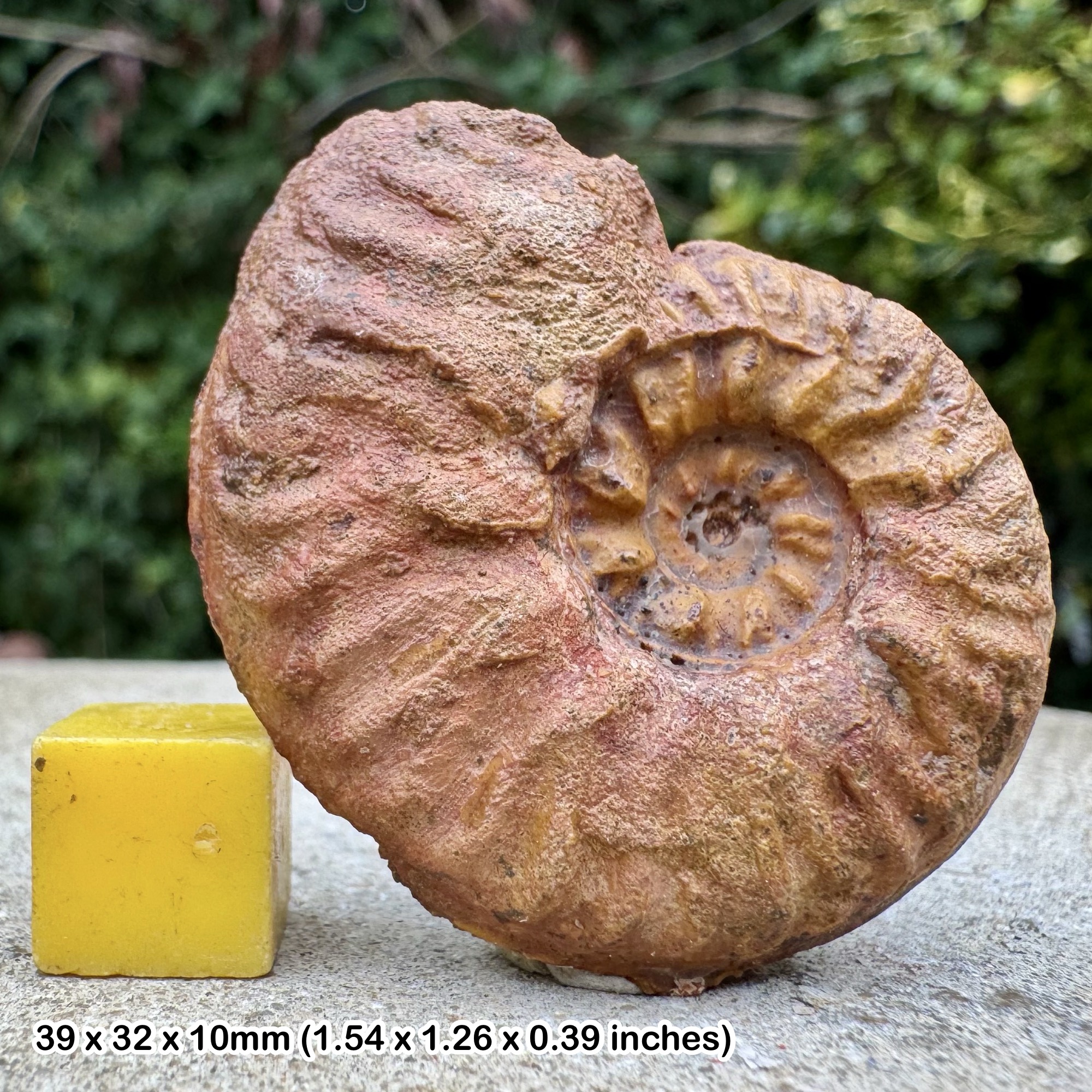
Rare Leioceras uncinatum Ammonite Fossil, Aalenian Stage Jurassic, Authentic Rhone Valley France Collectors Piece with COA
£ 12.60
AUTHENTIC JURASSIC AMMONITE FOSSILThis listing presents a genuine Leioceras uncinatum Ammonite Fossil from the
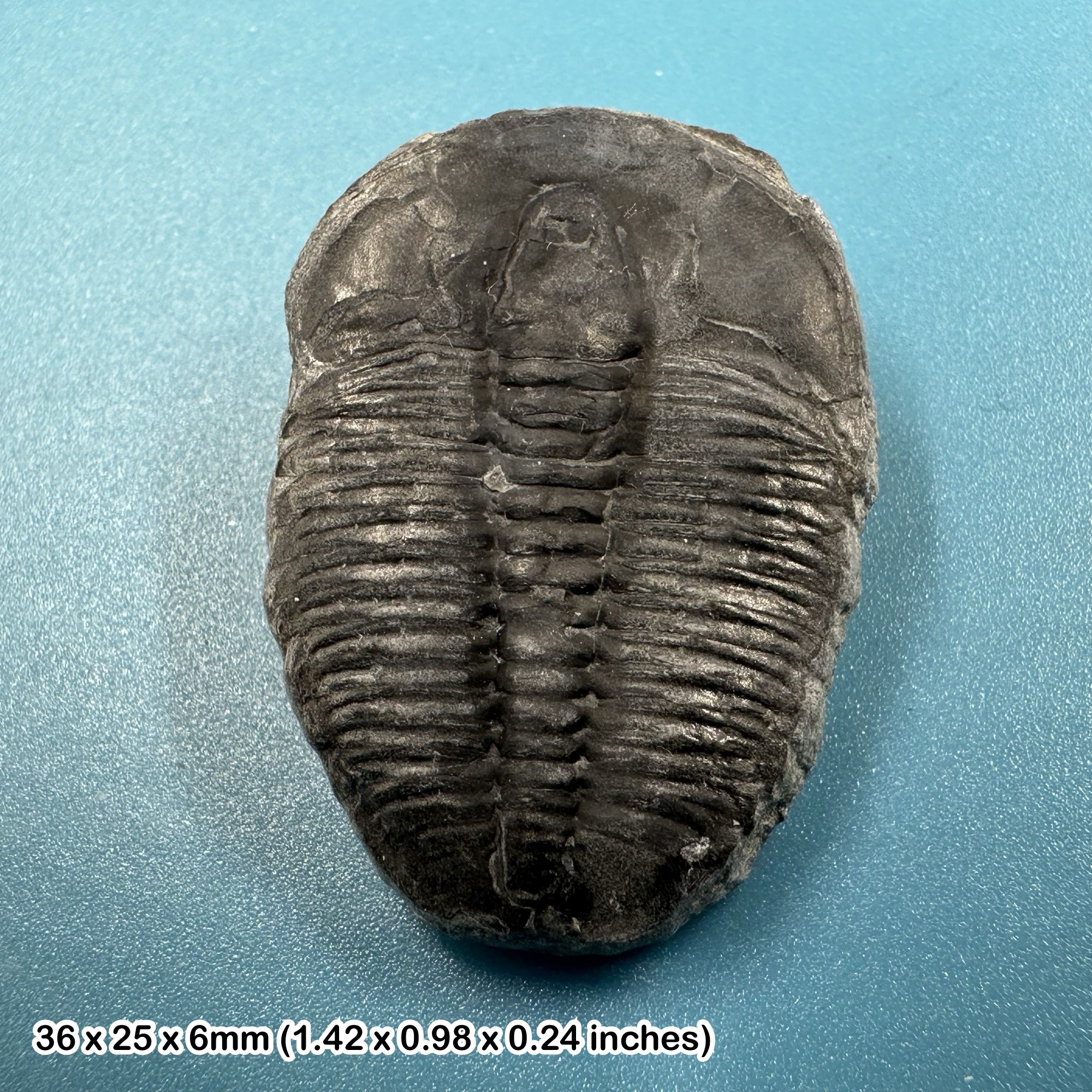
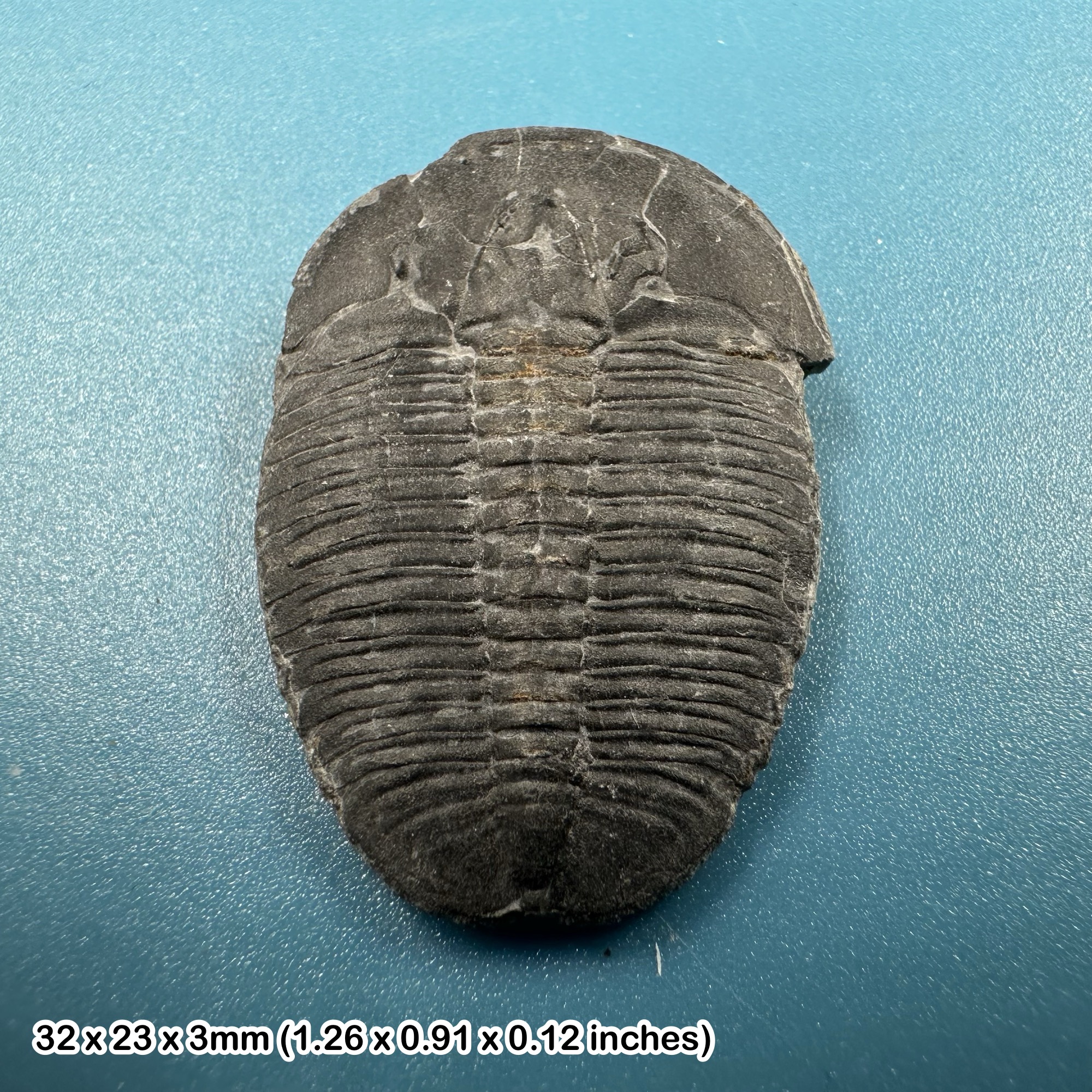
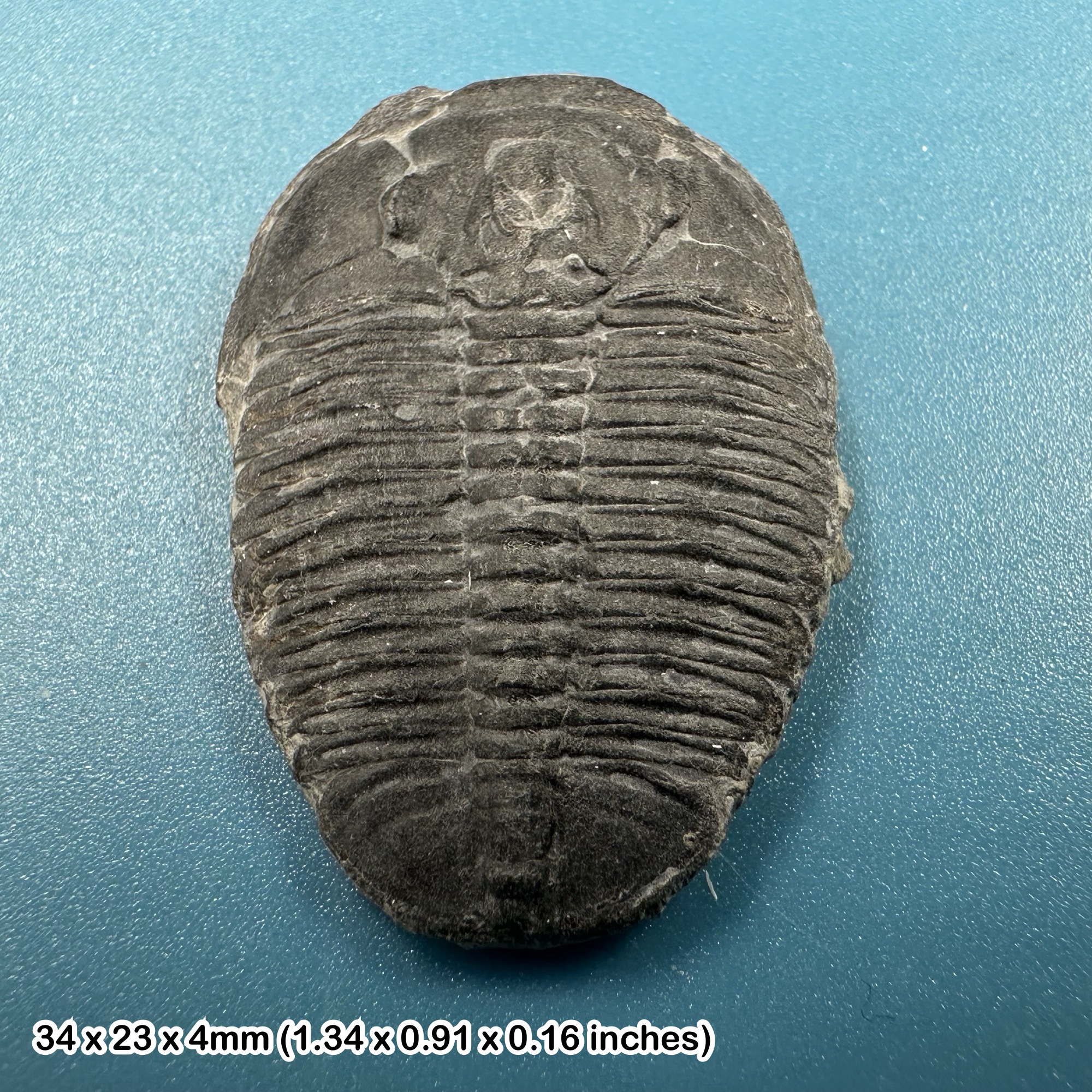
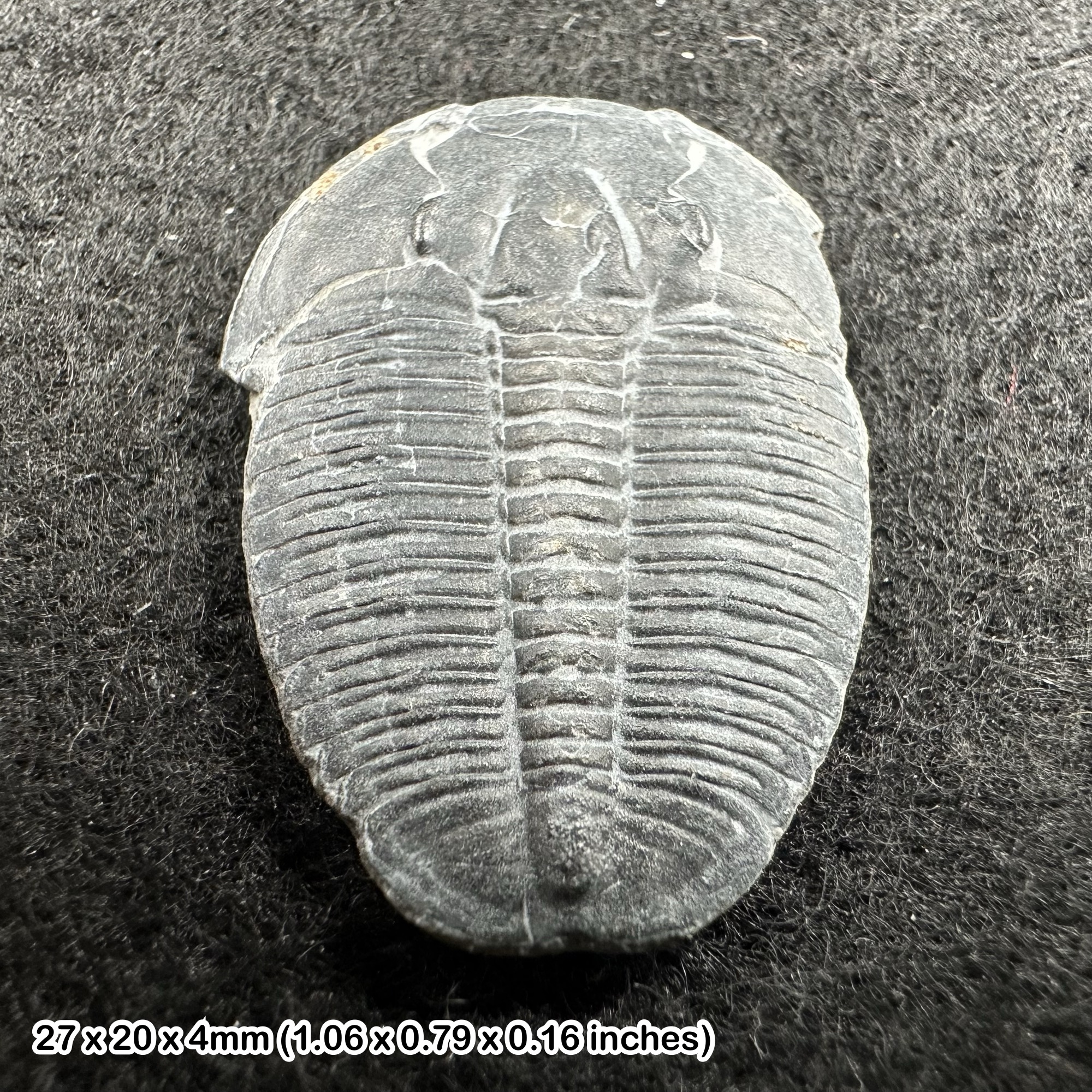
Aalenian Stage of the Middle Jurassic, discovered in the Rhone Valley, France. Ammonites are extinct marine cephalopods within the subclass Ammonoidea, related to squid and cuttlefish. Their iconic coiled shells with intricate chamber divisions make them some of the most important and widely collected fossils. This specimen has been carefully chosen for its preservation and detail, and the photographs provided show the exact ammonite you will receive. A 1 cm scale cube is included for precise size reference. GEOLOGICAL CONTEXT – AALENIAN, JURASSICThe Aalenian Stage, dating to approximately 174–170 million years ago, represents the earliest interval of the Middle Jurassic. It was a time when shallow seas covered much of Europe, allowing ammonites to flourish in abundance. The Rhone Valley of France is especially well known for its fossil-rich strata, where limestones and marls preserve ammonites and other marine life in remarkable condition.Ammonites from the Aalenian are of particular importance in paleontology because they act as index fossils. Their rapid evolutionary changes and widespread distribution enable scientists to subdivide the Jurassic period into highly precise biozones. Fossils such as Leioceras uncinatum are central to defining these zones and correlating rock sequences across Europe. SPECIES PROFILE – LEIOCERAS UNCINATUMThe species Leioceras uncinatum belongs to the family Graphoceratidae, within the superfamily Hildoceratoidea and order Ammonitida. This genus is particularly associated with the Aalenian Stage and is often used to identify key ammonite zones.Key identifying features of Leioceras uncinatum include:
• A relatively small to medium-sized, compressed shell.
• A smooth to finely ribbed surface, with fewer prominent ridges compared to earlier Jurassic ammonites.
• A distinct keel along the venter, giving the shell a sharp-edged profile.
• Involute coiling, with inner whorls largely concealed by later growth.
• Complex suture patterns marking the internal chamber divisions.These characteristics make Leioceras uncinatum a distinctive ammonite and a key marker fossil for the Middle Jurassic Aalenian biozones. PALEOENVIRONMENT AND SCIENTIFIC IMPORTANCEDuring the Aalenian, the Rhone Valley region of France lay beneath warm, shallow seas. Ammonites like Leioceras uncinatum lived as nektonic predators, swimming actively in the water column and preying on smaller marine invertebrates. Upon death, their shells sank to the seabed and were rapidly buried in sediment, allowing them to fossilise over millions of years.The scientific importance of Leioceras uncinatum lies in its role as a biozonal index species. Its restricted stratigraphic range enables precise dating of rocks and correlation of strata between regions. For collectors, this ammonite is a prized specimen, representing both the evolutionary story of Jurassic ammonites and a tangible piece of geological history from the Aalenian seas of France. 100% GENUINE WITH CERTIFICATE OF AUTHENTICITYAll of our fossils are guaranteed 100% genuine specimens and are supplied with a Certificate of Authenticity. This ammonite is not a replica or cast but an authentic fossil from the Jurassic period, preserved for over 170 million years. A COLLECTOR’S AND DISPLAY FOSSILThis Leioceras uncinatum ammonite fossil from the Aalenian Stage of the Rhone Valley, France is a superb addition to any fossil collection. Its clean coiling, historical significance, and geological provenance make it ideal for collectors, educational use, or display as a unique piece of natural history.Scale Rule Squares / Cube = 1 cm. Please see listing photos for the full sizing of this exact specimen.
Aalenian Stage of the Middle Jurassic, discovered in the Rhone Valley, France. Ammonites are extinct marine cephalopods within the subclass Ammonoidea, related to squid and cuttlefish. Their iconic coiled shells with intricate chamber divisions make them some of the most important and widely collected fossils. This specimen has been carefully chosen for its preservation and detail, and the photographs provided show the exact ammonite you will receive. A 1 cm scale cube is included for precise size reference. GEOLOGICAL CONTEXT – AALENIAN, JURASSICThe Aalenian Stage, dating to approximately 174–170 million years ago, represents the earliest interval of the Middle Jurassic. It was a time when shallow seas covered much of Europe, allowing ammonites to flourish in abundance. The Rhone Valley of France is especially well known for its fossil-rich strata, where limestones and marls preserve ammonites and other marine life in remarkable condition.Ammonites from the Aalenian are of particular importance in paleontology because they act as index fossils. Their rapid evolutionary changes and widespread distribution enable scientists to subdivide the Jurassic period into highly precise biozones. Fossils such as Leioceras uncinatum are central to defining these zones and correlating rock sequences across Europe. SPECIES PROFILE – LEIOCERAS UNCINATUMThe species Leioceras uncinatum belongs to the family Graphoceratidae, within the superfamily Hildoceratoidea and order Ammonitida. This genus is particularly associated with the Aalenian Stage and is often used to identify key ammonite zones.Key identifying features of Leioceras uncinatum include:
• A relatively small to medium-sized, compressed shell.
• A smooth to finely ribbed surface, with fewer prominent ridges compared to earlier Jurassic ammonites.
• A distinct keel along the venter, giving the shell a sharp-edged profile.
• Involute coiling, with inner whorls largely concealed by later growth.
• Complex suture patterns marking the internal chamber divisions.These characteristics make Leioceras uncinatum a distinctive ammonite and a key marker fossil for the Middle Jurassic Aalenian biozones. PALEOENVIRONMENT AND SCIENTIFIC IMPORTANCEDuring the Aalenian, the Rhone Valley region of France lay beneath warm, shallow seas. Ammonites like Leioceras uncinatum lived as nektonic predators, swimming actively in the water column and preying on smaller marine invertebrates. Upon death, their shells sank to the seabed and were rapidly buried in sediment, allowing them to fossilise over millions of years.The scientific importance of Leioceras uncinatum lies in its role as a biozonal index species. Its restricted stratigraphic range enables precise dating of rocks and correlation of strata between regions. For collectors, this ammonite is a prized specimen, representing both the evolutionary story of Jurassic ammonites and a tangible piece of geological history from the Aalenian seas of France. 100% GENUINE WITH CERTIFICATE OF AUTHENTICITYAll of our fossils are guaranteed 100% genuine specimens and are supplied with a Certificate of Authenticity. This ammonite is not a replica or cast but an authentic fossil from the Jurassic period, preserved for over 170 million years. A COLLECTOR’S AND DISPLAY FOSSILThis Leioceras uncinatum ammonite fossil from the Aalenian Stage of the Rhone Valley, France is a superb addition to any fossil collection. Its clean coiling, historical significance, and geological provenance make it ideal for collectors, educational use, or display as a unique piece of natural history.Scale Rule Squares / Cube = 1 cm. Please see listing photos for the full sizing of this exact specimen.