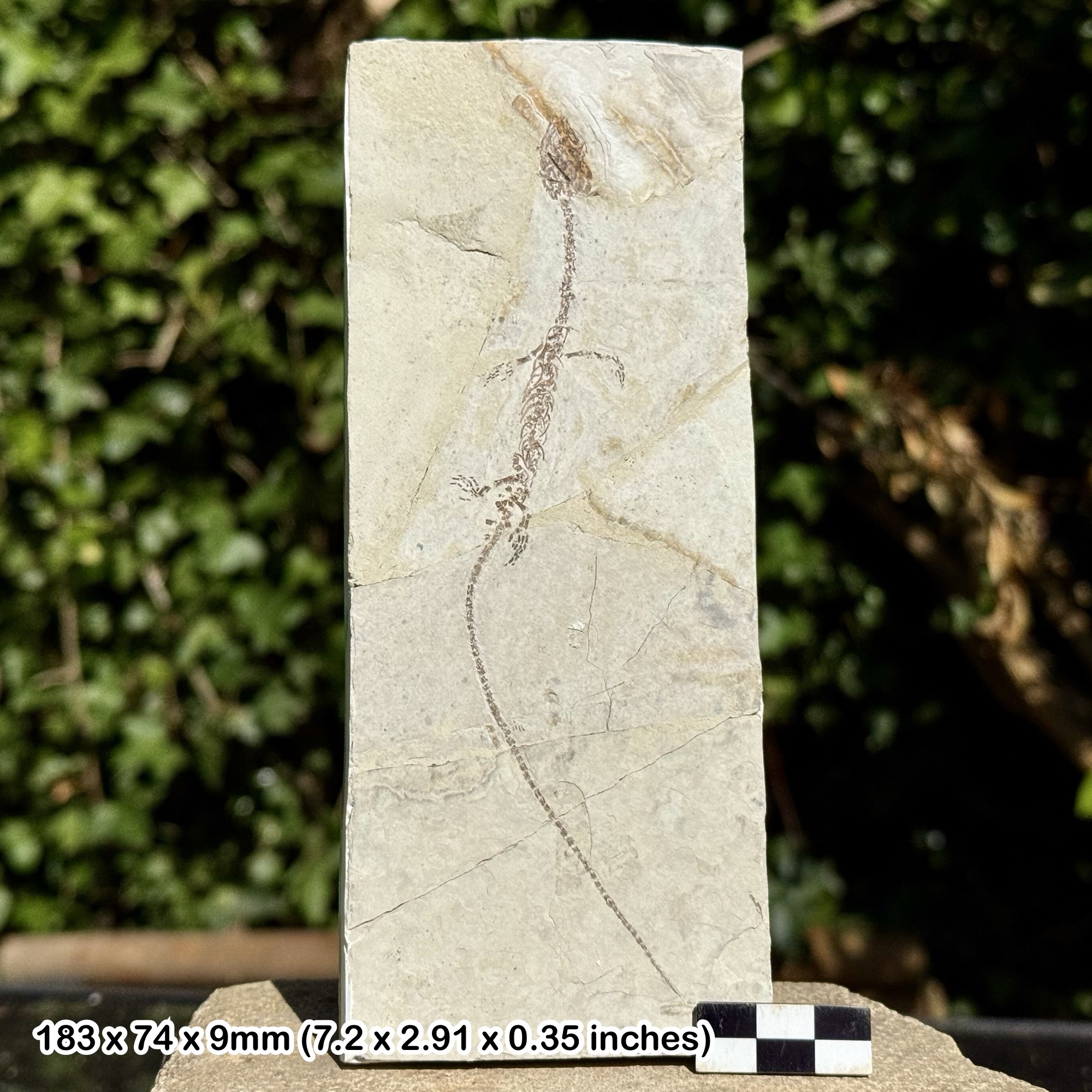
RARE Hyphalosaurus lingyuanensis Fossil – Lower Cretaceous Reptile, Jehol Biota, Liaoning China
£ 960.00
A rare and exquisitely preserved fossil of Hyphalosaurus lingyuanensis, a
long-necked aquatic reptile from the Lower Cretaceous of Liaoning Province, China. This specimen is part of the world-famous Jehol Biota, a Lagerstätte known for its exceptional preservation of vertebrates, invertebrates, and plants in volcanic lake deposits.Hyphalosaurus lingyuanensis belongs to the extinct order Choristodera, a group of semi-aquatic reptiles that thrived during the Mesozoic. This species is easily recognised by its elongated neck, streamlined body, and adaptations for life in freshwater lakes.Fossil Type: Aquatic Reptile Fossil (Choristodere)Species: Hyphalosaurus lingyuanensisGeological Age: Lower Cretaceous – Aptian Stage (~125–120 million years ago)Formation: Yixian or Jiufotang Formation, Liaoning Province, ChinaDepositional Environment: These fossils were deposited in ancient lake beds rich in volcanic ash, where low-oxygen and rapid sedimentation helped preserve detailed skeletons, including skin impressions in some cases. This unique setting has made Liaoning a hotspot for Early Cretaceous fossil discoveries.Morphological Features:
• Exceptionally long neck with over 20 cervical vertebrae
• Slender, paddle-like limbs for swimming
• Small head with sharp teeth, indicating piscivorous diet
• Complete or partial articulated skeleton possibleNotable:
• Rare and iconic Jehol Biota reptile
• Provides insight into the evolution of aquatic reptiles
• Specimen discovered in world-renowned fossil beds of China
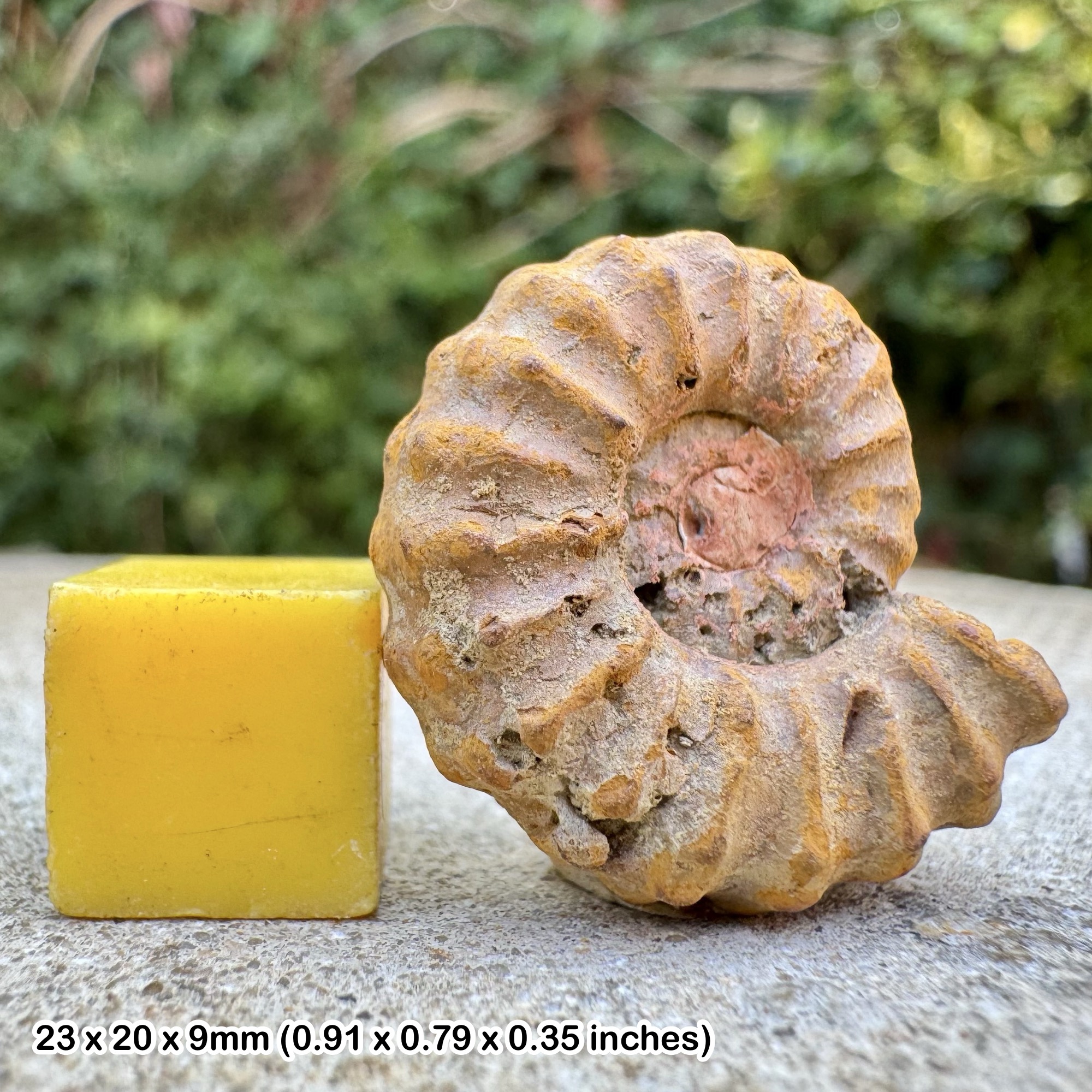
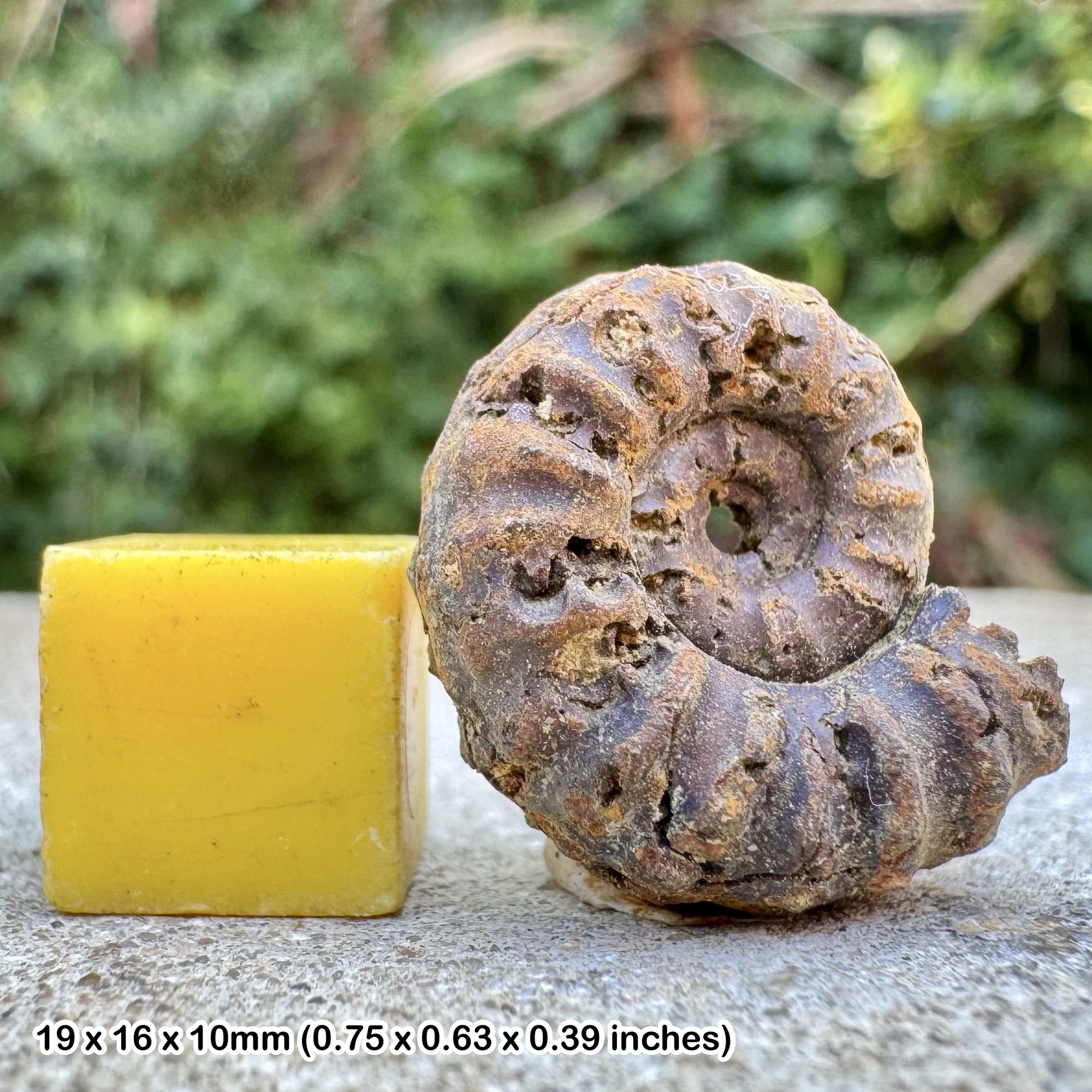
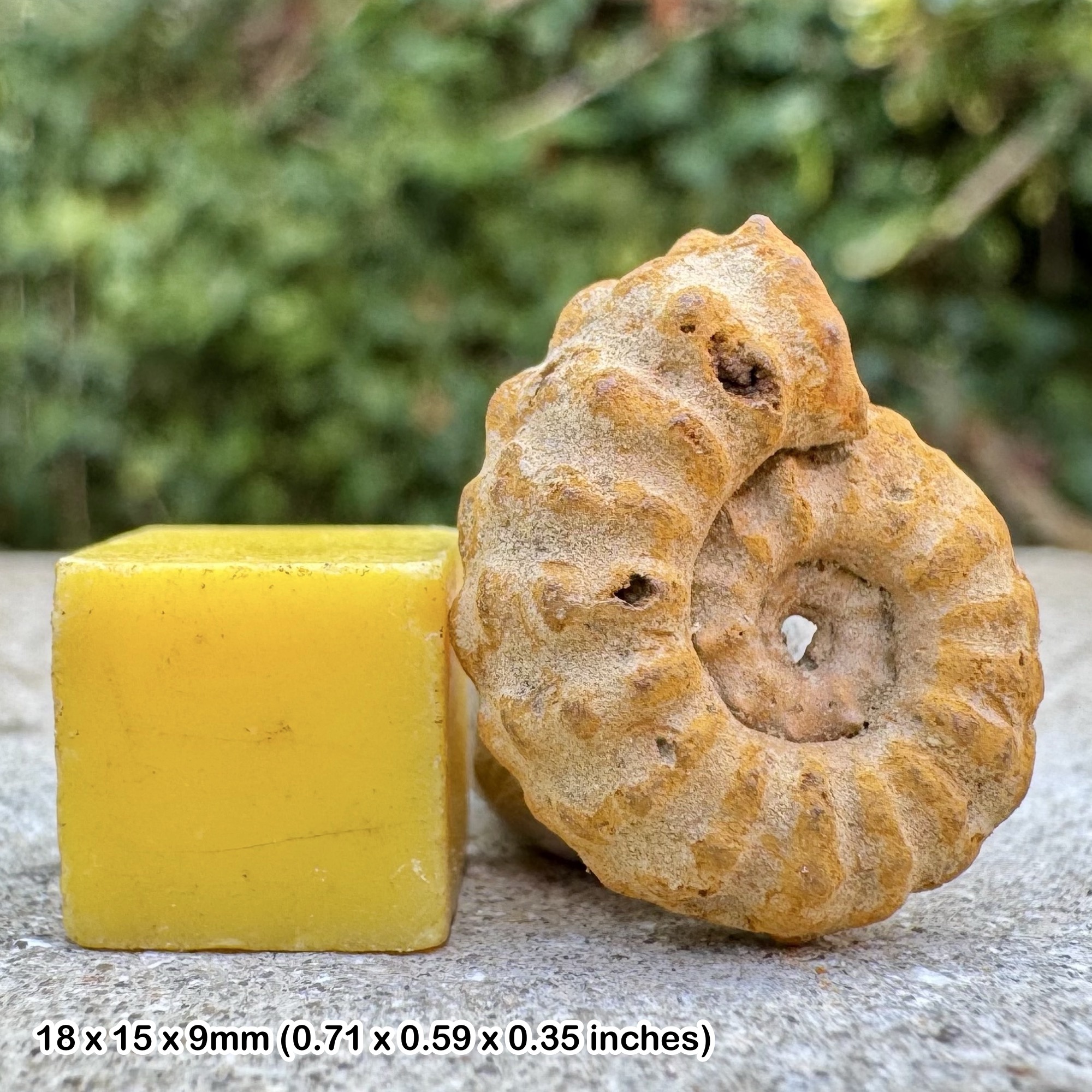
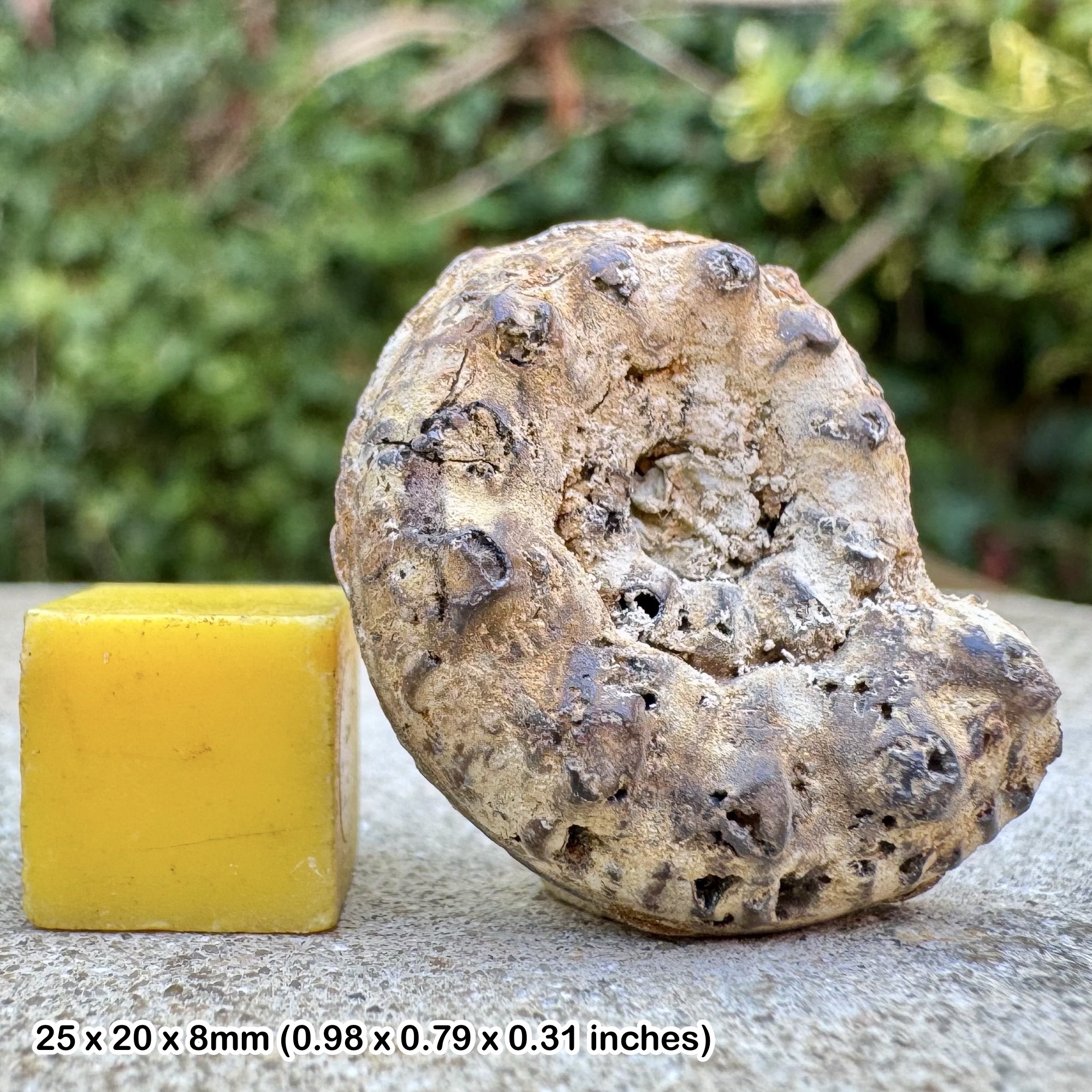
• The photo shows the exact specimen you will receiveAuthenticity: All of our fossils are 100% genuine natural specimens and come with a Certificate of Authenticity. Please refer to the photo and 1cm scale cube for precise sizing. This Hyphalosaurus lingyuanensis fossil is a scientifically valuable and visually striking piece from the Lower Cretaceous of Liaoning—perfect for advanced collectors, institutions, or palaeontology enthusiasts seeking a rare aquatic reptile specimen.
long-necked aquatic reptile from the Lower Cretaceous of Liaoning Province, China. This specimen is part of the world-famous Jehol Biota, a Lagerstätte known for its exceptional preservation of vertebrates, invertebrates, and plants in volcanic lake deposits.Hyphalosaurus lingyuanensis belongs to the extinct order Choristodera, a group of semi-aquatic reptiles that thrived during the Mesozoic. This species is easily recognised by its elongated neck, streamlined body, and adaptations for life in freshwater lakes.Fossil Type: Aquatic Reptile Fossil (Choristodere)Species: Hyphalosaurus lingyuanensisGeological Age: Lower Cretaceous – Aptian Stage (~125–120 million years ago)Formation: Yixian or Jiufotang Formation, Liaoning Province, ChinaDepositional Environment: These fossils were deposited in ancient lake beds rich in volcanic ash, where low-oxygen and rapid sedimentation helped preserve detailed skeletons, including skin impressions in some cases. This unique setting has made Liaoning a hotspot for Early Cretaceous fossil discoveries.Morphological Features:
• Exceptionally long neck with over 20 cervical vertebrae
• Slender, paddle-like limbs for swimming
• Small head with sharp teeth, indicating piscivorous diet
• Complete or partial articulated skeleton possibleNotable:
• Rare and iconic Jehol Biota reptile
• Provides insight into the evolution of aquatic reptiles
• Specimen discovered in world-renowned fossil beds of China
• The photo shows the exact specimen you will receiveAuthenticity: All of our fossils are 100% genuine natural specimens and come with a Certificate of Authenticity. Please refer to the photo and 1cm scale cube for precise sizing. This Hyphalosaurus lingyuanensis fossil is a scientifically valuable and visually striking piece from the Lower Cretaceous of Liaoning—perfect for advanced collectors, institutions, or palaeontology enthusiasts seeking a rare aquatic reptile specimen.