Raspailiceras cassida Ammonite Fossil Cretaceous France Genuine COA Barremian Drôme Lower Cretaceous Collector Display Specimen
£ 12.60
Genuine Raspailiceras cassida Ammonite FossilThis listing is for a genuine Raspailiceras cassida ammonite fossil from the
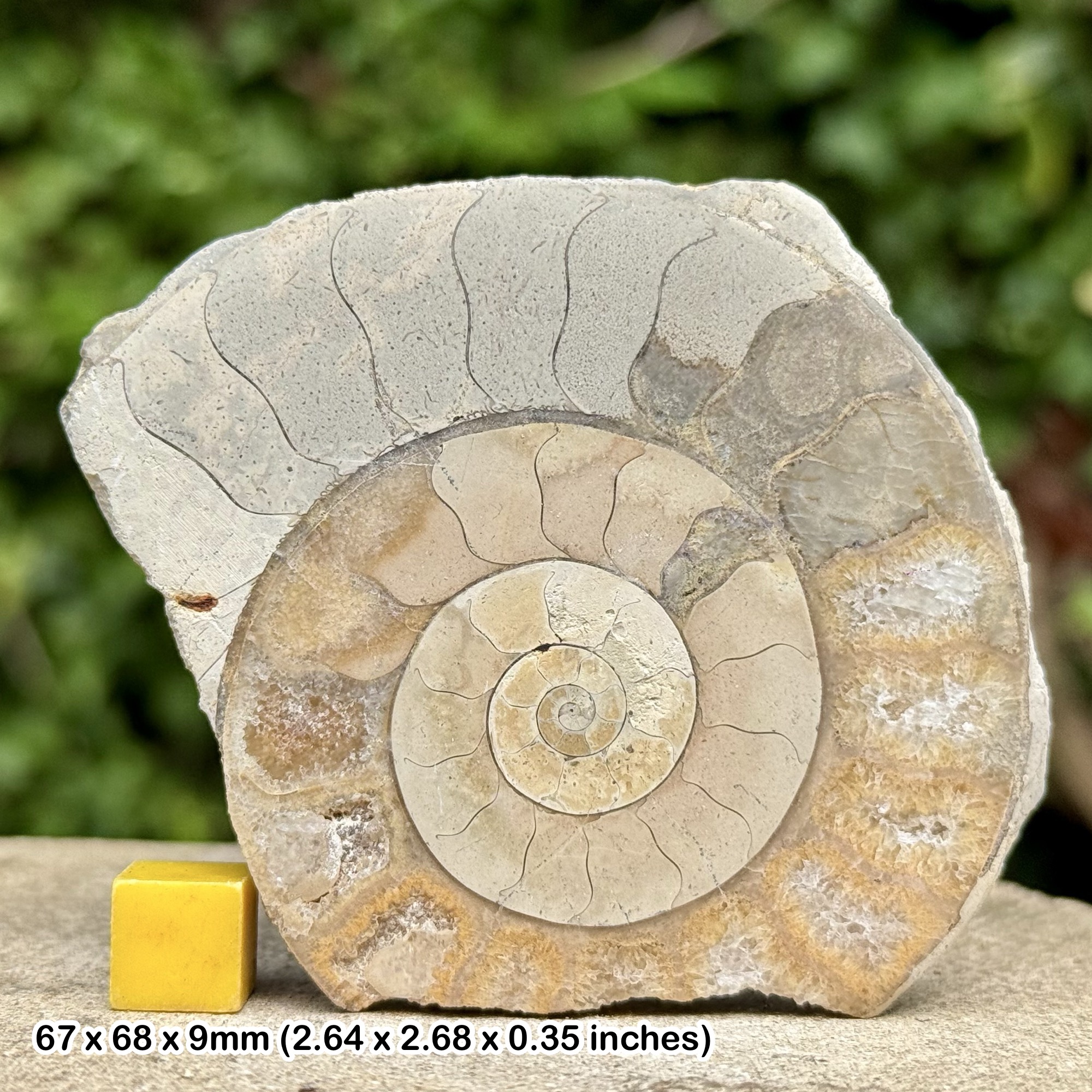
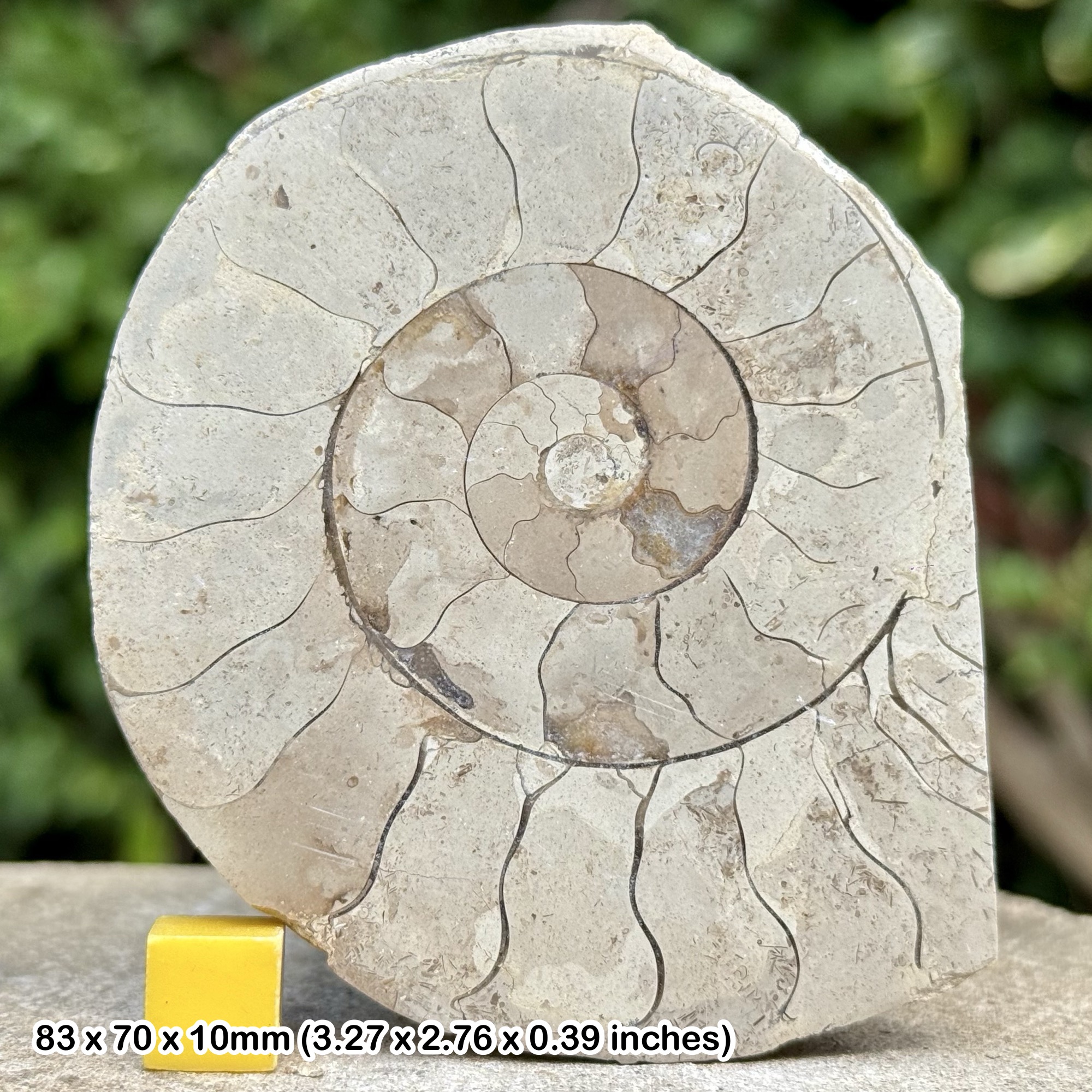
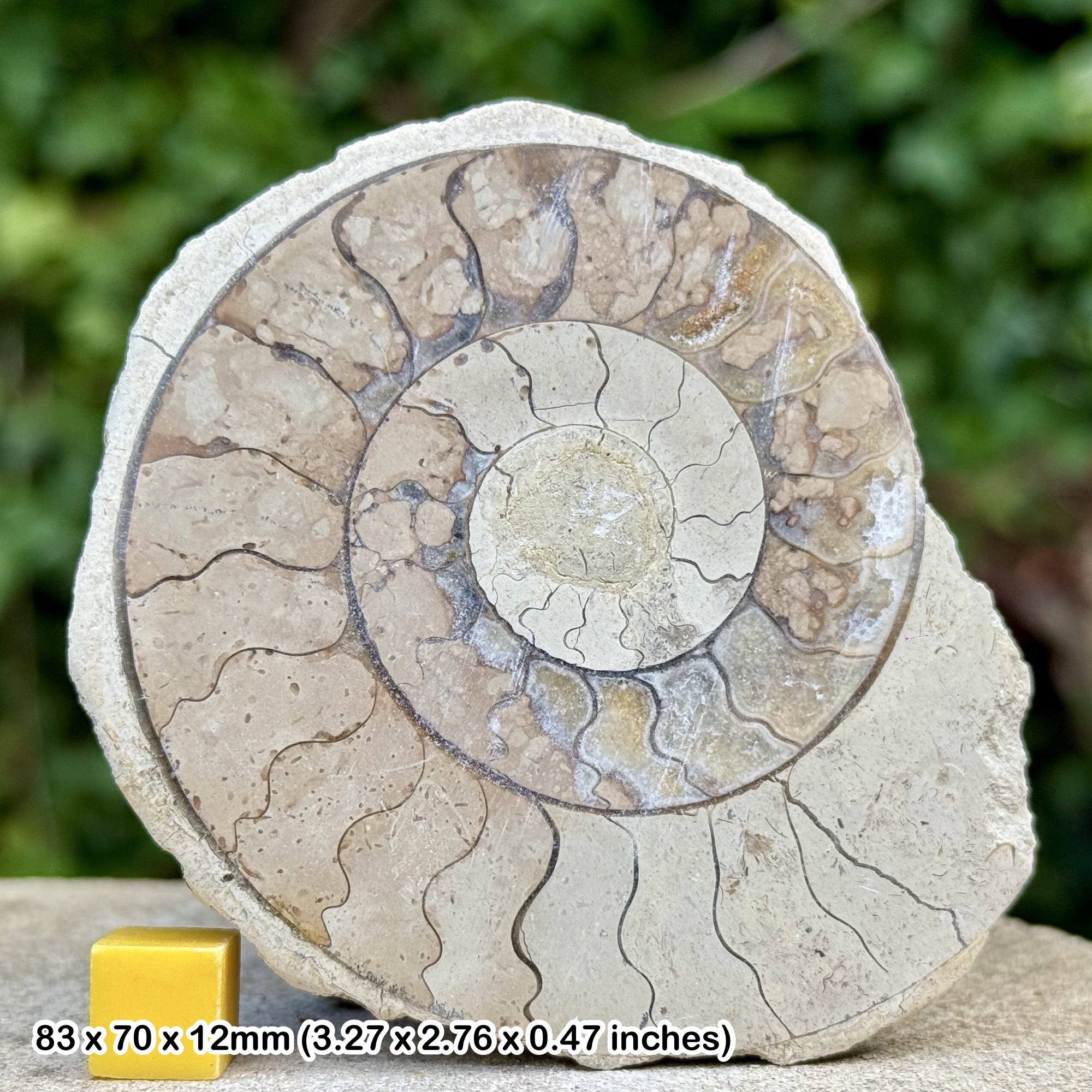
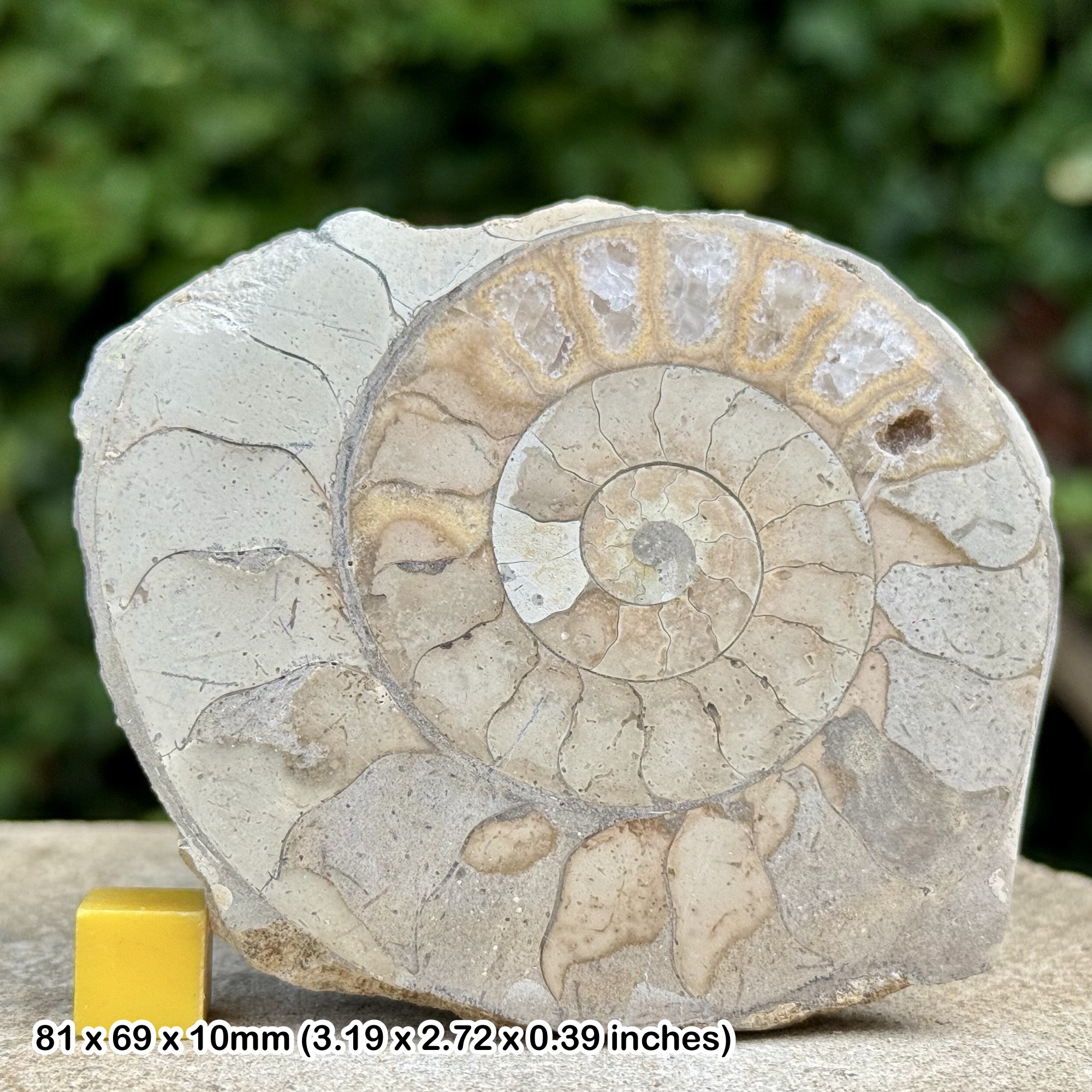
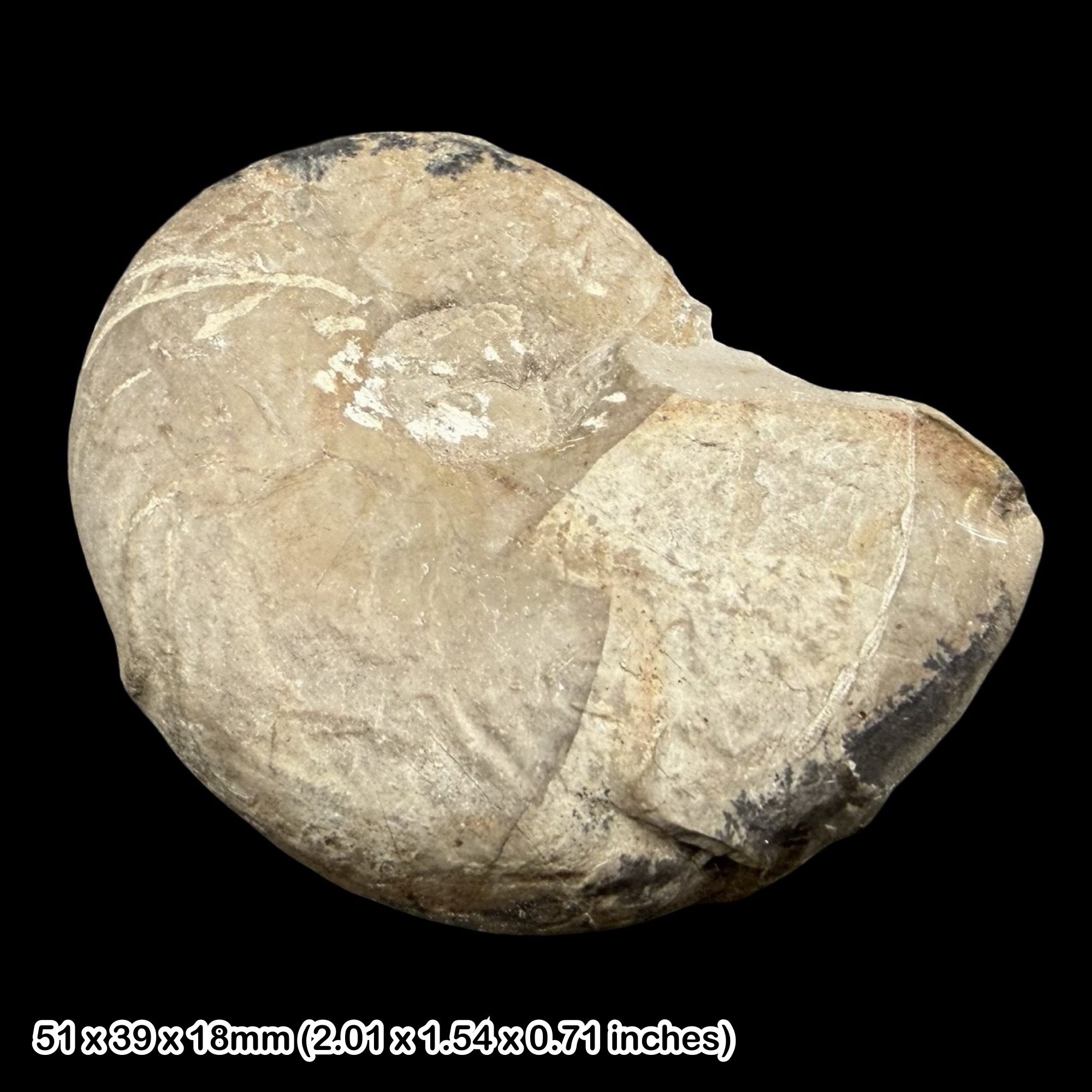
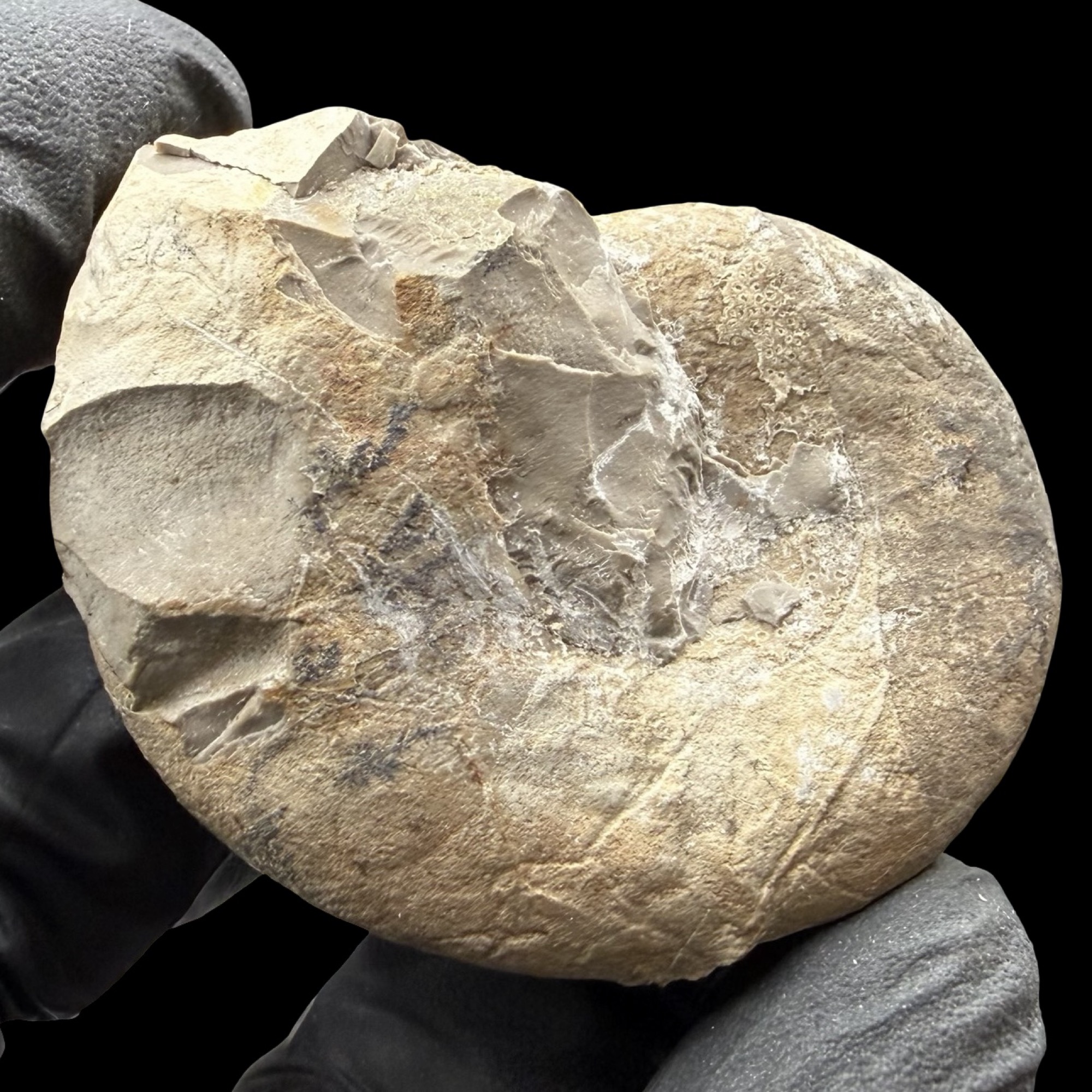
Lower Cretaceous, Barremian stage, collected from Drôme, Auvergne-Rhône-Alpes, France. This is a carefully chosen fossil specimen, and the photograph shows the actual fossil you will receive. For full sizing and scale, please see the photo provided.This fossil is supplied with a Certificate of Authenticity lifetime guarantee generic card, making it an excellent choice for fossil collectors, ammonite enthusiasts, geology students, educational collections, display cabinets, natural history gifts, and anyone interested in authentic Cretaceous marine fossils.Lower Cretaceous Age and French LocalityThis ammonite dates from the Barremian stage of the Lower Cretaceous, approximately 129 to 125 million years old. The Barremian was an important interval in Early Cretaceous marine history, when ammonites were highly diverse and widely distributed through ancient seas. These fossils are especially useful to palaeontologists because ammonites evolved quickly and can help identify and compare rock layers of similar age.The specimen comes from Drôme in the Auvergne-Rhône-Alpes region of southeastern France, an area well known for Lower Cretaceous marine deposits. During the Barremian, this part of France lay within a warm marine setting influenced by the ancient Tethys Ocean. Fine marine sediments accumulated on the seabed, preserving ammonites and other sea life as fossils over millions of years. The region is particularly associated with classic French Cretaceous ammonite faunas, making this a desirable locality for collectors of European fossils.Fossil Type and Scientific ClassificationRaspailiceras cassida is an extinct ammonite species, belonging to a group of marine cephalopods related to modern squid, cuttlefish, octopus, and the living nautilus. Ammonites had coiled, chambered shells and were among the most successful marine animals of the Mesozoic Era.This species was originally described by Raspail in 1830. Raspailiceras is commonly treated within the ammonite group connected with Barremites, and is placed within the Order Ammonitida, Superfamily Desmoceratoidea, and Family Barremitidae. These ammonites form part of the rich Lower Cretaceous ammonoid lineages that are especially characteristic of Tethyan marine deposits.Shell Form and MorphologyRaspailiceras cassida has the classic coiled ammonite form that makes these fossils so popular with collectors. Members of this group are generally known for involute to moderately involute shells, meaning the outer whorl wraps over much of the earlier shell growth. The whorl shape may be rounded to compressed, giving the shell a strong, balanced profile.Typical features associated with this ammonite group can include smooth to finely ornamented shell surfaces, subtle growth lines, weak ribbing or lirae, and constrictions that may appear straight, sinuous, or slightly curved across the shell. These features are not only attractive visually, but also scientifically important, as ammonite shell shape, whorl section, ornament, and suture pattern are key features used in fossil identification.Like all ammonites, Raspailiceras cassida originally had a shell divided into internal chambers. The living animal occupied the final body chamber, while the older chambers helped regulate buoyancy. This allowed the ammonite to move through the water column in the Early Cretaceous sea, feeding, avoiding predators, and forming part of a complex marine ecosystem.Barremian Marine EnvironmentDuring the Barremian, the seas of southeastern France supported a wide range of marine life. Ammonites such as Raspailiceras cassida lived alongside belemnites, bivalves, gastropods, echinoids, crustaceans, fish, and marine reptiles. The environment would have included open marine conditions with sediment-rich seabeds, where shells could settle after death and become buried before fossilisation.The Drôme region is highly appealing to fossil collectors because it preserves evidence of these ancient Cretaceous marine habitats. Each ammonite fossil from this area represents a real remnant of a prehistoric sea that existed long before modern Europe took shape.Authenticity and Collector AppealThis Raspailiceras cassida ammonite fossil from Drôme, France is a genuine specimen with strong collector appeal thanks to its named species, Barremian age, classic Lower Cretaceous origin, and attractive European locality. It is ideal for anyone building a collection of ammonites, French fossils, Cretaceous fossils, cephalopods, or natural history display pieces.As a natural fossil, the specimen may show matrix, mineralisation, surface texture, natural wear, preparation marks, and preservation features that reflect its geological history. These details are part of its authenticity and individual character. The photo shows the actual fossil supplied, and the specimen comes with a Certificate of Authenticity lifetime guarantee generic card for added confidence.
Lower Cretaceous, Barremian stage, collected from Drôme, Auvergne-Rhône-Alpes, France. This is a carefully chosen fossil specimen, and the photograph shows the actual fossil you will receive. For full sizing and scale, please see the photo provided.This fossil is supplied with a Certificate of Authenticity lifetime guarantee generic card, making it an excellent choice for fossil collectors, ammonite enthusiasts, geology students, educational collections, display cabinets, natural history gifts, and anyone interested in authentic Cretaceous marine fossils.Lower Cretaceous Age and French LocalityThis ammonite dates from the Barremian stage of the Lower Cretaceous, approximately 129 to 125 million years old. The Barremian was an important interval in Early Cretaceous marine history, when ammonites were highly diverse and widely distributed through ancient seas. These fossils are especially useful to palaeontologists because ammonites evolved quickly and can help identify and compare rock layers of similar age.The specimen comes from Drôme in the Auvergne-Rhône-Alpes region of southeastern France, an area well known for Lower Cretaceous marine deposits. During the Barremian, this part of France lay within a warm marine setting influenced by the ancient Tethys Ocean. Fine marine sediments accumulated on the seabed, preserving ammonites and other sea life as fossils over millions of years. The region is particularly associated with classic French Cretaceous ammonite faunas, making this a desirable locality for collectors of European fossils.Fossil Type and Scientific ClassificationRaspailiceras cassida is an extinct ammonite species, belonging to a group of marine cephalopods related to modern squid, cuttlefish, octopus, and the living nautilus. Ammonites had coiled, chambered shells and were among the most successful marine animals of the Mesozoic Era.This species was originally described by Raspail in 1830. Raspailiceras is commonly treated within the ammonite group connected with Barremites, and is placed within the Order Ammonitida, Superfamily Desmoceratoidea, and Family Barremitidae. These ammonites form part of the rich Lower Cretaceous ammonoid lineages that are especially characteristic of Tethyan marine deposits.Shell Form and MorphologyRaspailiceras cassida has the classic coiled ammonite form that makes these fossils so popular with collectors. Members of this group are generally known for involute to moderately involute shells, meaning the outer whorl wraps over much of the earlier shell growth. The whorl shape may be rounded to compressed, giving the shell a strong, balanced profile.Typical features associated with this ammonite group can include smooth to finely ornamented shell surfaces, subtle growth lines, weak ribbing or lirae, and constrictions that may appear straight, sinuous, or slightly curved across the shell. These features are not only attractive visually, but also scientifically important, as ammonite shell shape, whorl section, ornament, and suture pattern are key features used in fossil identification.Like all ammonites, Raspailiceras cassida originally had a shell divided into internal chambers. The living animal occupied the final body chamber, while the older chambers helped regulate buoyancy. This allowed the ammonite to move through the water column in the Early Cretaceous sea, feeding, avoiding predators, and forming part of a complex marine ecosystem.Barremian Marine EnvironmentDuring the Barremian, the seas of southeastern France supported a wide range of marine life. Ammonites such as Raspailiceras cassida lived alongside belemnites, bivalves, gastropods, echinoids, crustaceans, fish, and marine reptiles. The environment would have included open marine conditions with sediment-rich seabeds, where shells could settle after death and become buried before fossilisation.The Drôme region is highly appealing to fossil collectors because it preserves evidence of these ancient Cretaceous marine habitats. Each ammonite fossil from this area represents a real remnant of a prehistoric sea that existed long before modern Europe took shape.Authenticity and Collector AppealThis Raspailiceras cassida ammonite fossil from Drôme, France is a genuine specimen with strong collector appeal thanks to its named species, Barremian age, classic Lower Cretaceous origin, and attractive European locality. It is ideal for anyone building a collection of ammonites, French fossils, Cretaceous fossils, cephalopods, or natural history display pieces.As a natural fossil, the specimen may show matrix, mineralisation, surface texture, natural wear, preparation marks, and preservation features that reflect its geological history. These details are part of its authenticity and individual character. The photo shows the actual fossil supplied, and the specimen comes with a Certificate of Authenticity lifetime guarantee generic card for added confidence.
Other Products