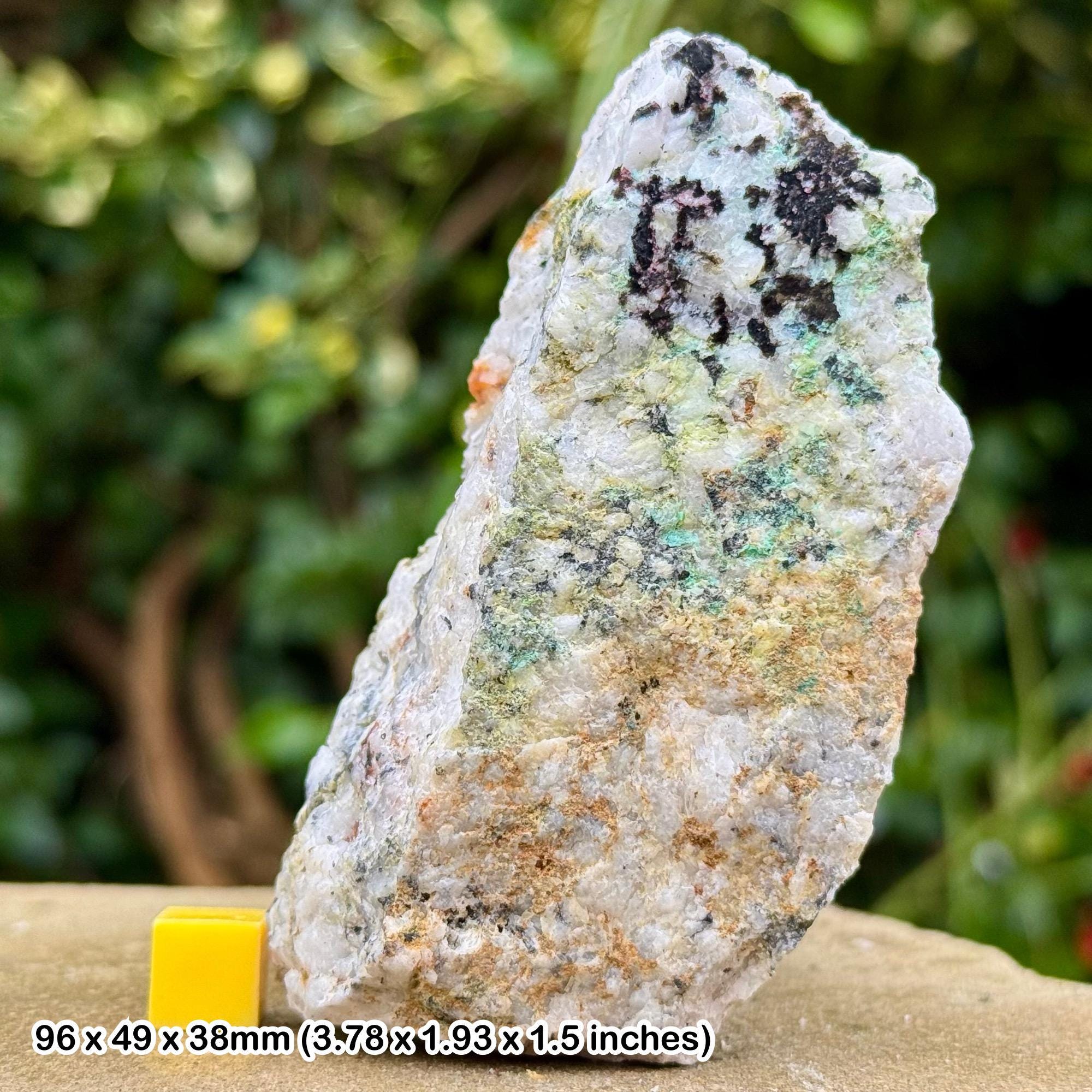
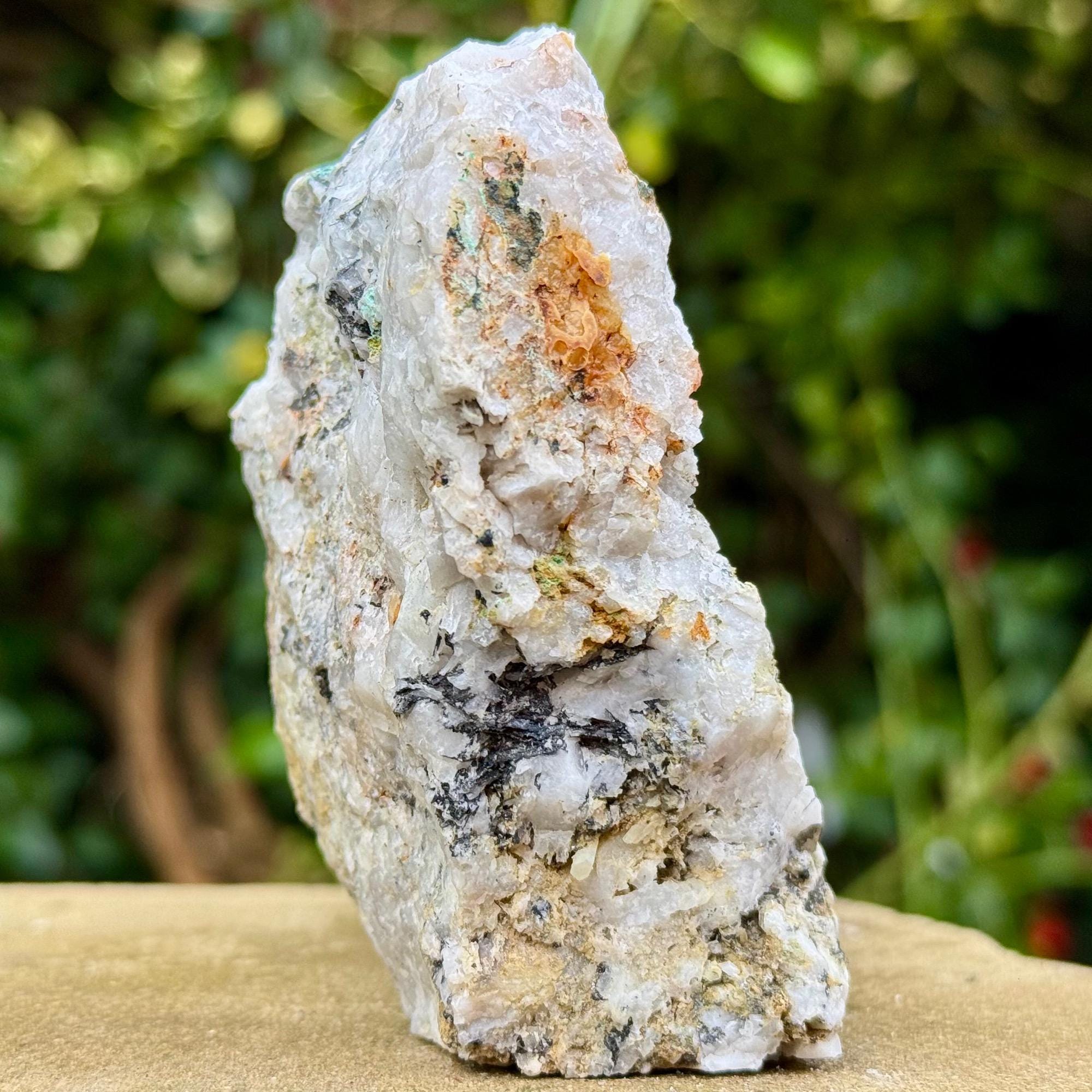
Tourmaline and Cuprite Wheal Gorland Cornwall Genuine Mineral Specimen with Certificate of Authenticity
£ 64.80
GENUINE TOURMALINE AND CUPRITE – WHEAL GORLAND, ST DAY, CORNWALL, UKThis Tourmaline and Cuprite specimen from Wheal Gorland, St Day, Cornwall,
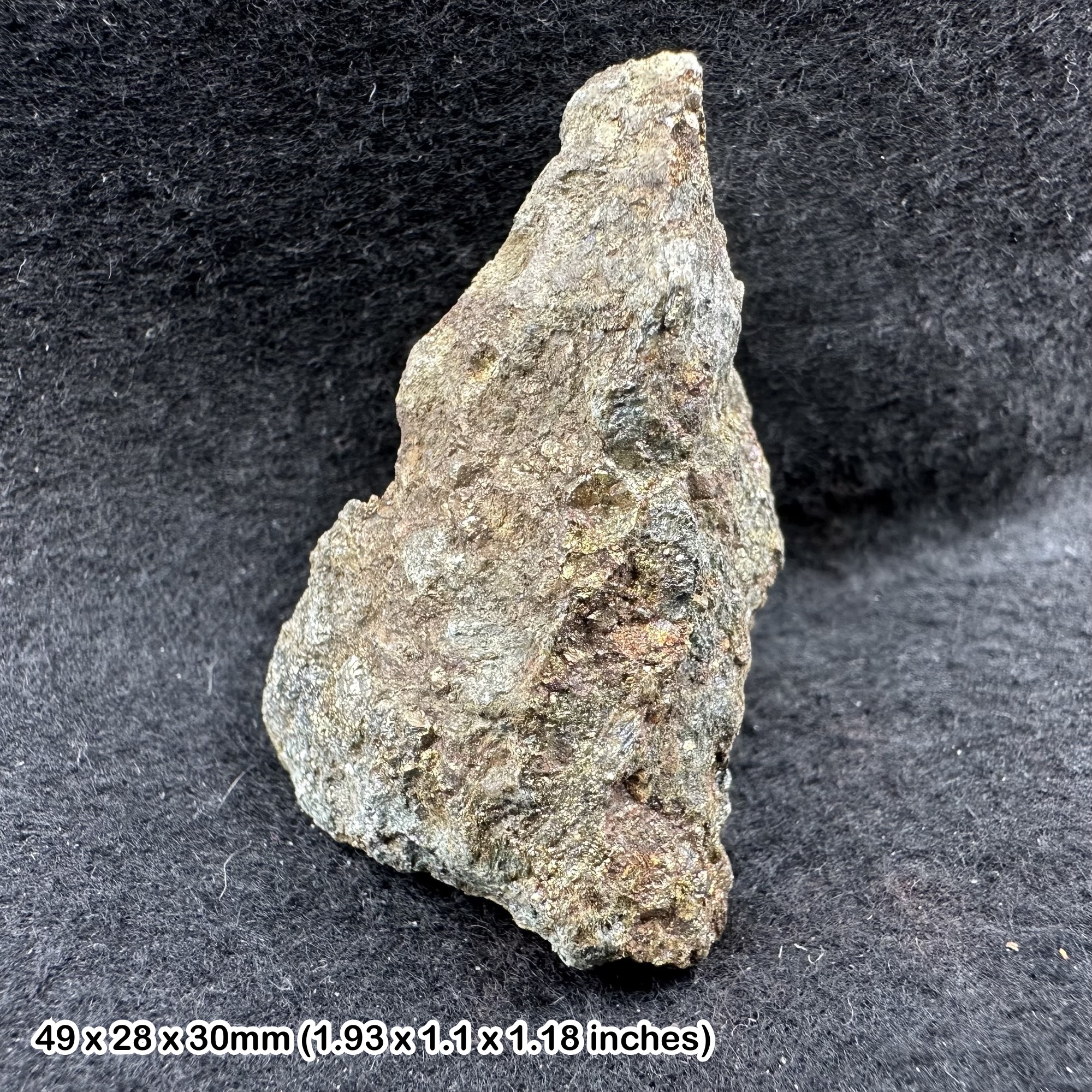
England, UK, is a genuine and carefully selected example of classic Cornish mineralisation. The photograph provided shows the exact specimen you will receive. Please refer to the images for full sizing details and accurate scale.This crystal specimen includes a Certificate of Authenticity lifetime guarantee generic card confirming its genuine origin and mineral identification. MINERAL & GEOLOGICAL CLASSIFICATION – TOURMALINETourmaline is a complex borosilicate mineral group with a general chemical formula that varies depending on composition, commonly expressed as (Na,Ca)(Mg,Fe,Al,Li)₃Al₆(BO₃)₃Si₆O₁₈(OH)₄. It crystallises in the trigonal crystal system.Mineral Group: Tourmaline (Borosilicate)Crystal System: TrigonalHardness: 7–7.5 on the Mohs scaleLustre: VitreousTypical Habit: Elongated prismatic crystals with striated facesCornish tourmaline is often found as dark prismatic crystals, typically black (schorl variety), formed in association with granite-related hydrothermal systems. The elongated crystal form and vertical striations along prism faces are distinctive identifying features. MINERAL & GEOLOGICAL CLASSIFICATION – CUPRITECuprite is a copper oxide mineral with the chemical formula Cu₂O. It belongs to the oxide mineral group and crystallises in the isometric (cubic) crystal system.Mineral Name: CupriteChemical Formula: Cu₂OMineral Group: OxideCrystal System: IsometricHardness: 3.5–4 on the Mohs scaleLustre: Adamantine to sub-metallicColour: Deep red to reddish-brownCuprite often forms well-defined cubic or octahedral crystals, or as massive and granular aggregates. Its deep red colour is natural and results from its copper oxide composition. In some specimens, cuprite may display a dark metallic sheen or subtle internal translucency in thinner crystal edges. GEOLOGICAL SETTING – WHEAL GORLAND, CORNWALLWheal Gorland, located near St Day in Cornwall, is internationally recognised for its rich secondary mineral assemblages and historic copper mining activity. The deposit is associated with the Cornubian granite intrusions emplaced during the late Carboniferous to early Permian periods.Tourmaline formed during earlier stages of hydrothermal mineralisation, often crystallising directly from boron-rich fluids linked to granite emplacement. Cuprite formed later within the oxidised zone of copper-bearing deposits as primary copper sulfides were altered by circulating oxygenated groundwater.This sequential mineral formation reflects multiple geological stages:
• Granite intrusion and hydrothermal fluid circulation
• Primary copper mineral deposition
• Oxidation and formation of secondary copper oxidesAssociated minerals from Wheal Gorland may include chalcopyrite, arsenopyrite, quartz and various secondary copper minerals, contributing to the locality’s mineral diversity. CRYSTAL CHARACTERISTICS & NOTABLE TRAITSThis specimen may display:
• Elongated, striated tourmaline prisms
• Deep red cuprite crystals or masses
• Strong visual contrast between dark silicate and red oxide
• Natural matrix attachmentTourmaline crystals may appear sharply defined with characteristic vertical striations. Cuprite may occur as bright red cubic crystals or as granular coatings within fractures.Natural surface textures, minor oxidation features and matrix variations are part of the specimen’s geological character and confirm authenticity. GEOLOGICAL IMPORTANCE & COLLECTIBILITYWheal Gorland is a renowned Cornish locality valued by collectors worldwide. The association of tourmaline and cuprite represents both primary hydrothermal silicate formation and secondary copper oxidation processes within one specimen.Such mineral combinations provide insight into the complex geological history of Cornwall’s granite-related mining districts. Specimens from named mines such as Wheal Gorland carry documented locality value and are highly desirable additions to mineral cabinets.This piece is suitable for mineral collectors, regional British collections and educational geological displays. As a genuine natural specimen, it displays unique structural and colour characteristics shaped by its formation environment. The photograph shows the exact specimen you will receive. AUTHENTICITY & PRESENTATIONThis Tourmaline and Cuprite specimen from Wheal Gorland has been carefully chosen for mineral quality and locality significance. Included with your purchase is a Certificate of Authenticity lifetime guarantee generic card confirming its genuine origin from St Day, Cornwall, England, UK.Combining granite-related borosilicate formation with classic copper oxide mineralisation, this specimen offers mineral authenticity, regional geological importance and strong collector appeal in one carefully selected piece.
England, UK, is a genuine and carefully selected example of classic Cornish mineralisation. The photograph provided shows the exact specimen you will receive. Please refer to the images for full sizing details and accurate scale.This crystal specimen includes a Certificate of Authenticity lifetime guarantee generic card confirming its genuine origin and mineral identification. MINERAL & GEOLOGICAL CLASSIFICATION – TOURMALINETourmaline is a complex borosilicate mineral group with a general chemical formula that varies depending on composition, commonly expressed as (Na,Ca)(Mg,Fe,Al,Li)₃Al₆(BO₃)₃Si₆O₁₈(OH)₄. It crystallises in the trigonal crystal system.Mineral Group: Tourmaline (Borosilicate)Crystal System: TrigonalHardness: 7–7.5 on the Mohs scaleLustre: VitreousTypical Habit: Elongated prismatic crystals with striated facesCornish tourmaline is often found as dark prismatic crystals, typically black (schorl variety), formed in association with granite-related hydrothermal systems. The elongated crystal form and vertical striations along prism faces are distinctive identifying features. MINERAL & GEOLOGICAL CLASSIFICATION – CUPRITECuprite is a copper oxide mineral with the chemical formula Cu₂O. It belongs to the oxide mineral group and crystallises in the isometric (cubic) crystal system.Mineral Name: CupriteChemical Formula: Cu₂OMineral Group: OxideCrystal System: IsometricHardness: 3.5–4 on the Mohs scaleLustre: Adamantine to sub-metallicColour: Deep red to reddish-brownCuprite often forms well-defined cubic or octahedral crystals, or as massive and granular aggregates. Its deep red colour is natural and results from its copper oxide composition. In some specimens, cuprite may display a dark metallic sheen or subtle internal translucency in thinner crystal edges. GEOLOGICAL SETTING – WHEAL GORLAND, CORNWALLWheal Gorland, located near St Day in Cornwall, is internationally recognised for its rich secondary mineral assemblages and historic copper mining activity. The deposit is associated with the Cornubian granite intrusions emplaced during the late Carboniferous to early Permian periods.Tourmaline formed during earlier stages of hydrothermal mineralisation, often crystallising directly from boron-rich fluids linked to granite emplacement. Cuprite formed later within the oxidised zone of copper-bearing deposits as primary copper sulfides were altered by circulating oxygenated groundwater.This sequential mineral formation reflects multiple geological stages:
• Granite intrusion and hydrothermal fluid circulation
• Primary copper mineral deposition
• Oxidation and formation of secondary copper oxidesAssociated minerals from Wheal Gorland may include chalcopyrite, arsenopyrite, quartz and various secondary copper minerals, contributing to the locality’s mineral diversity. CRYSTAL CHARACTERISTICS & NOTABLE TRAITSThis specimen may display:
• Elongated, striated tourmaline prisms
• Deep red cuprite crystals or masses
• Strong visual contrast between dark silicate and red oxide
• Natural matrix attachmentTourmaline crystals may appear sharply defined with characteristic vertical striations. Cuprite may occur as bright red cubic crystals or as granular coatings within fractures.Natural surface textures, minor oxidation features and matrix variations are part of the specimen’s geological character and confirm authenticity. GEOLOGICAL IMPORTANCE & COLLECTIBILITYWheal Gorland is a renowned Cornish locality valued by collectors worldwide. The association of tourmaline and cuprite represents both primary hydrothermal silicate formation and secondary copper oxidation processes within one specimen.Such mineral combinations provide insight into the complex geological history of Cornwall’s granite-related mining districts. Specimens from named mines such as Wheal Gorland carry documented locality value and are highly desirable additions to mineral cabinets.This piece is suitable for mineral collectors, regional British collections and educational geological displays. As a genuine natural specimen, it displays unique structural and colour characteristics shaped by its formation environment. The photograph shows the exact specimen you will receive. AUTHENTICITY & PRESENTATIONThis Tourmaline and Cuprite specimen from Wheal Gorland has been carefully chosen for mineral quality and locality significance. Included with your purchase is a Certificate of Authenticity lifetime guarantee generic card confirming its genuine origin from St Day, Cornwall, England, UK.Combining granite-related borosilicate formation with classic copper oxide mineralisation, this specimen offers mineral authenticity, regional geological importance and strong collector appeal in one carefully selected piece.
Other Products