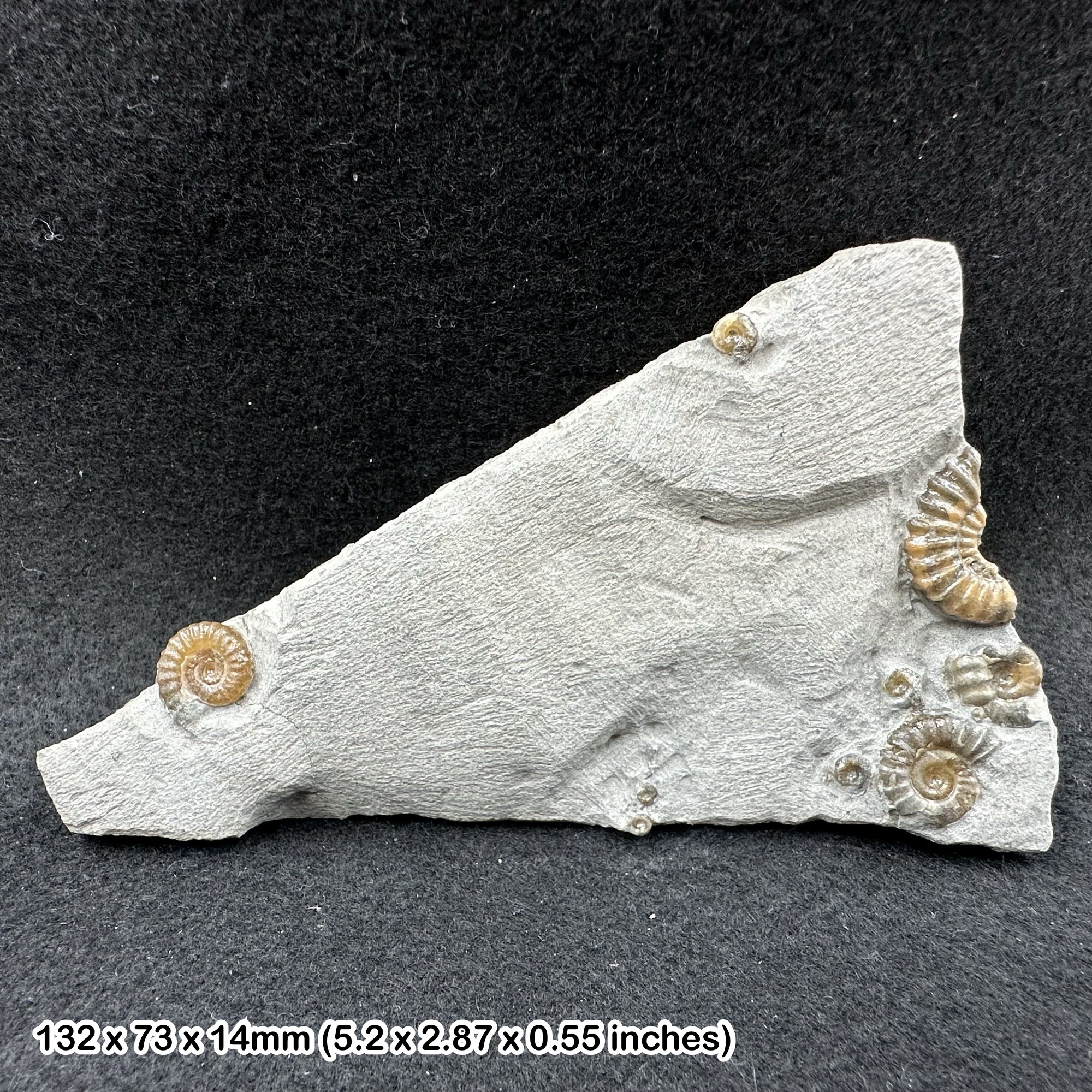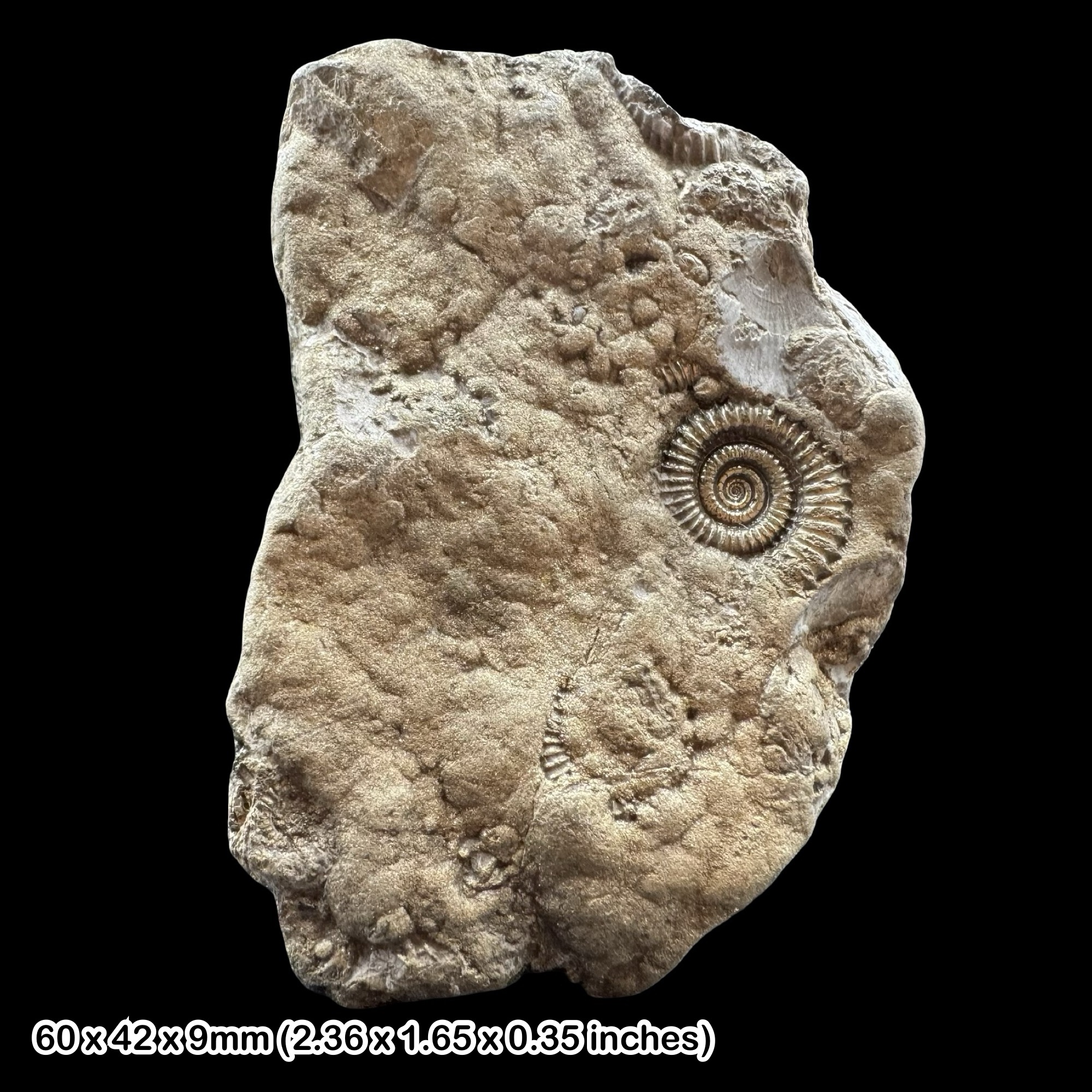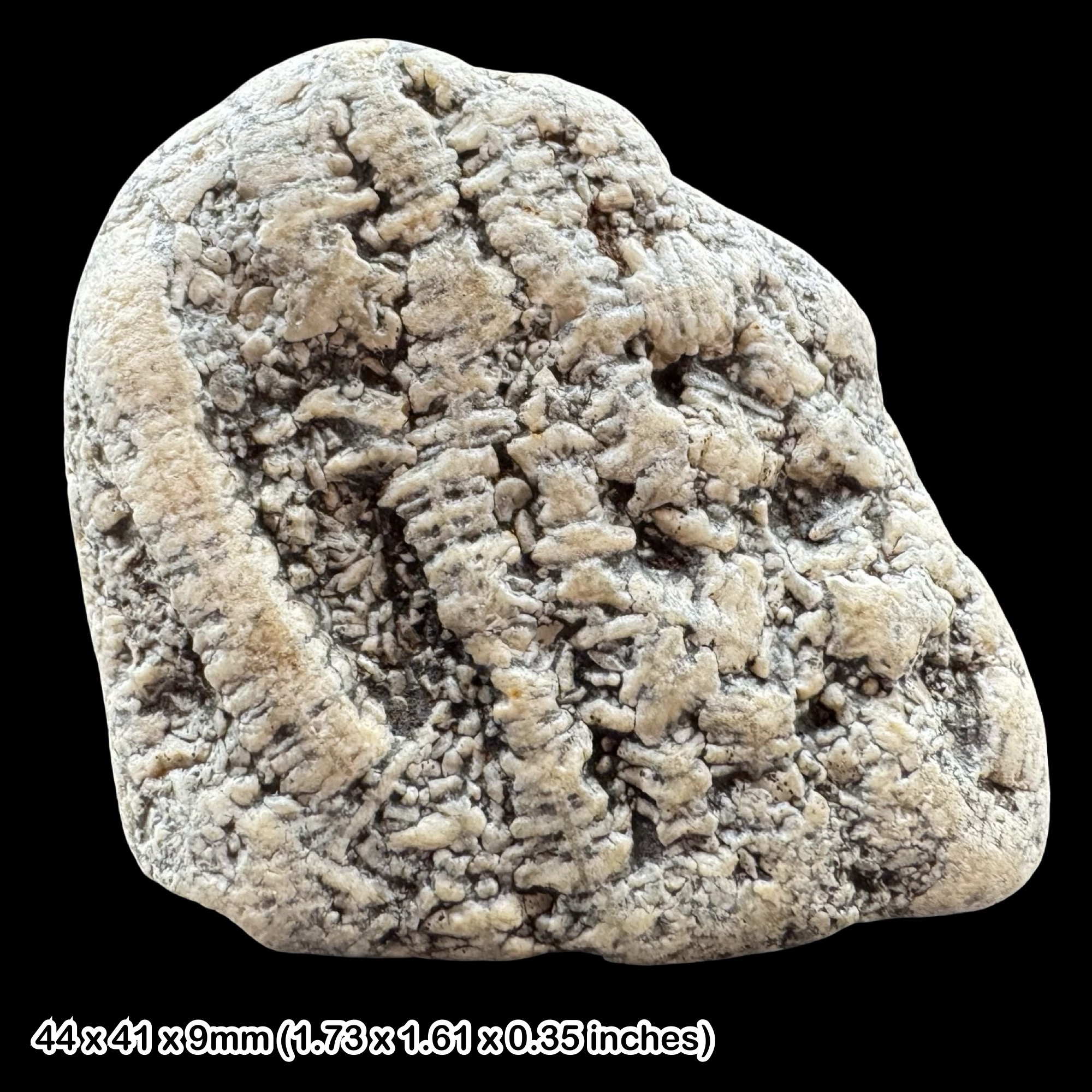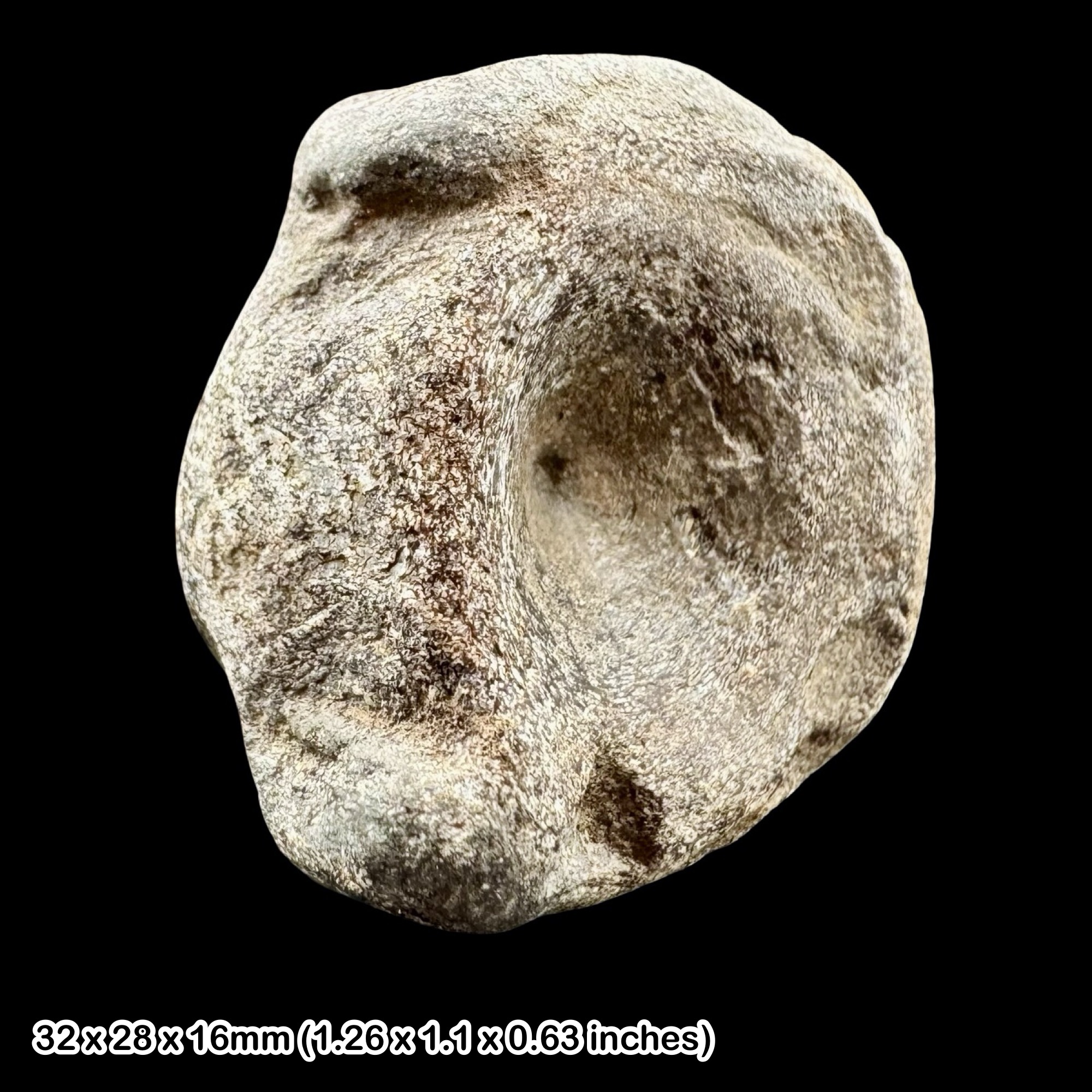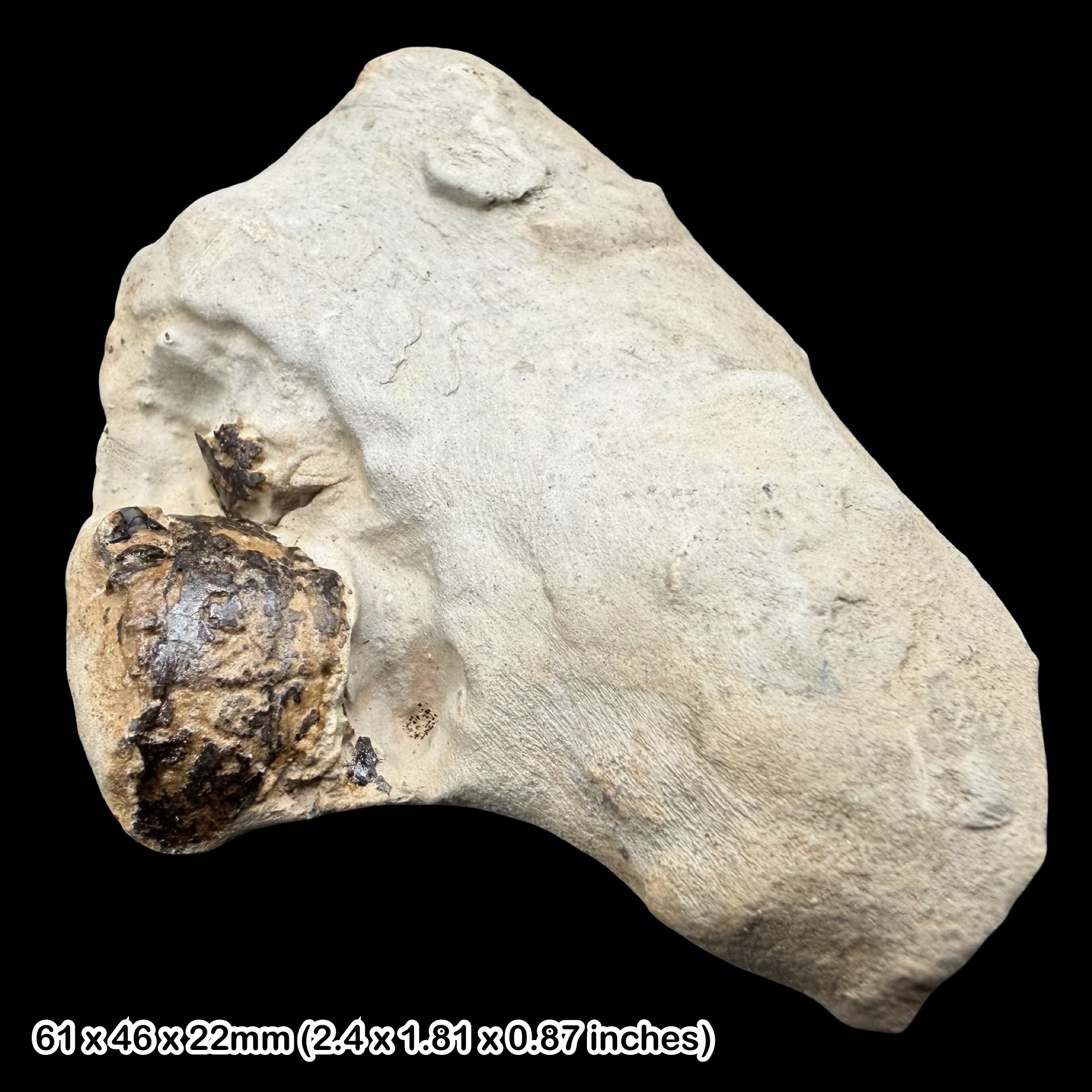
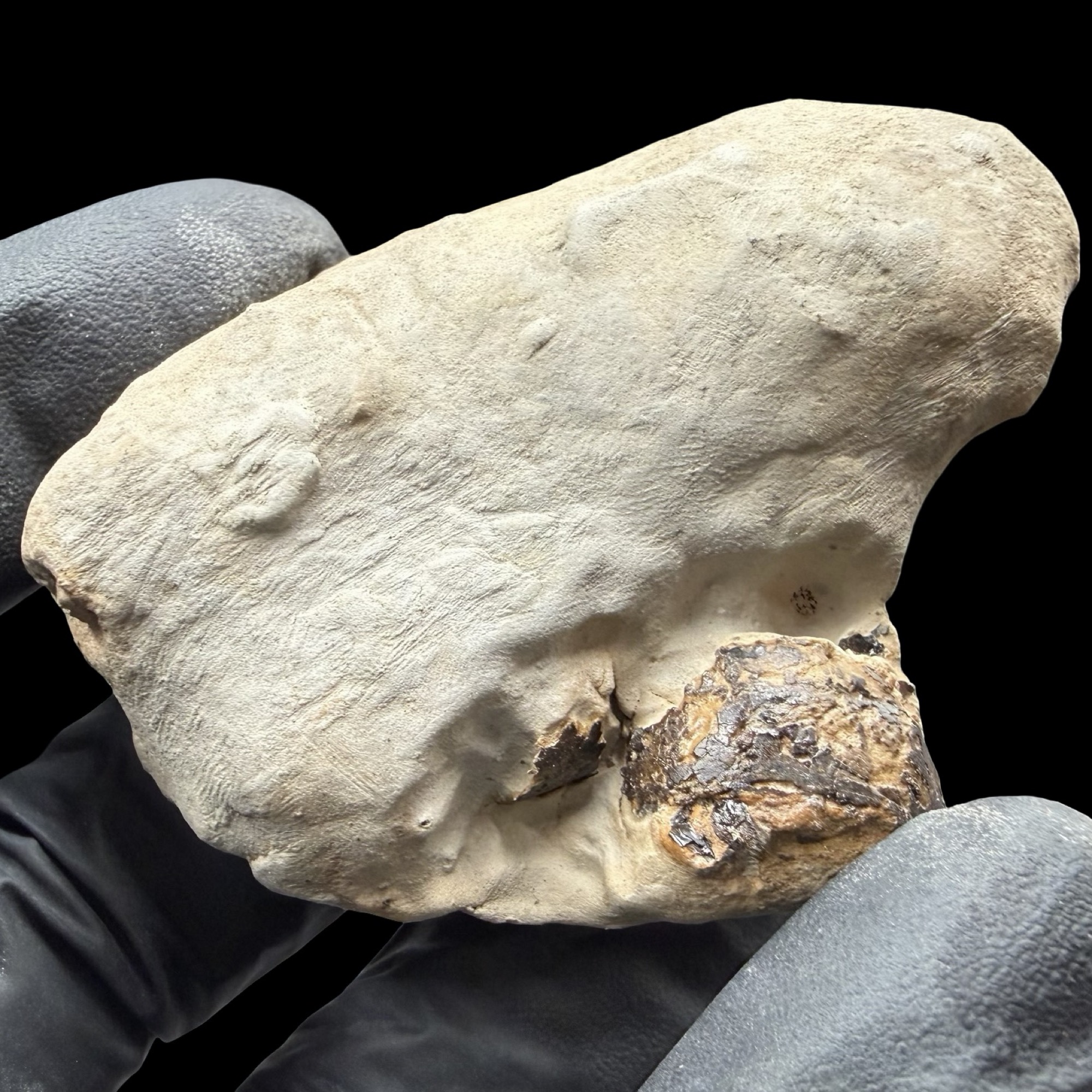
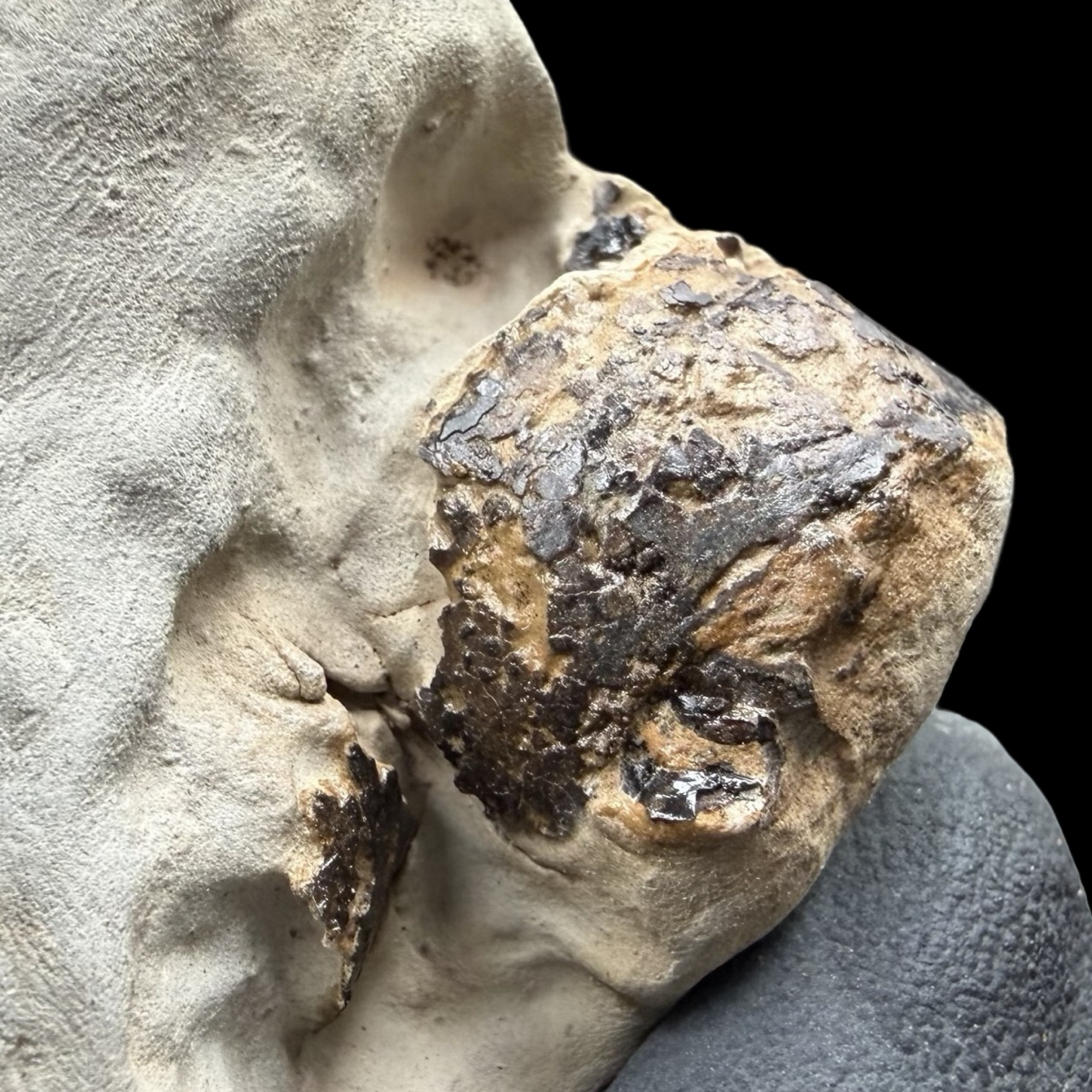
Meyeria magna Fossil Lobster Isle of Wight Cretaceous Genuine Specimen Certificate Authenticity Lower Greensand Rare Collector Display
£ 18.00
Meyeria magna Fossil Lobster – Lower Cretaceous Isle of Wight DiscoveryThis exceptional fossil specimen of the British lobster Meyeria magna originates
from the Lower Greensand deposits at Whale Chine, Atherfield, on the Isle of Wight. Dating to the Lower Aptian stage of the Early Cretaceous period, approximately 120 million years ago, this fossil represents a rare and highly sought-after example of preserved crustacean life from ancient marine environments.Discovered by our experienced team members, Alister and Alison, this specimen has been carefully cleaned, expertly prepared, and stabilised by Alison to reveal its natural structure while preserving its delicate features. The fossil shown in the photographs is the exact specimen you will receive, making it a unique and valuable addition to any collection.Geological Context and Depositional EnvironmentThe Lower Greensand Group represents a sequence of shallow marine sediments deposited during a time of rising sea levels across southern England. At Whale Chine, these deposits are particularly well known for preserving a diverse range of marine fossils, including crustaceans, molluscs, and vertebrate remains.The depositional environment consisted of nearshore marine conditions with periodic influxes of sediment. Rapid burial events played a crucial role in preserving delicate organisms such as lobsters, which would otherwise decay quickly. Fine sands and silts provided the ideal conditions to capture detailed anatomical features within the fossil record.Taxonomy and ClassificationMeyeria magna belongs to the order Decapoda, a group of crustaceans that includes modern lobsters, crabs, and shrimp. It is part of the family Mecochiridae, an extinct group of long-bodied, lobster-like crustaceans that were widespread during the Jurassic and Cretaceous periods.This genus is particularly notable for its elongated form and well-developed appendages, representing an important stage in the evolutionary history of decapod crustaceans.Morphology and Anatomical FeaturesThis specimen displays characteristic features of Meyeria magna, including an elongated carapace and segmented abdomen. The body structure is often preserved with remarkable clarity, showing distinct segmentation and the outline of appendages such as walking legs and antennae.The carapace may exhibit fine surface texture, while the abdominal segments are typically well defined, reflecting the natural articulation of the organism. In well-preserved examples, the overall body plan is clearly visible, offering valuable insight into the morphology and lifestyle of this ancient crustacean.The fossil’s natural mineralisation enhances contrast across the specimen, highlighting structural details and making it an impressive display piece.Preservation and PreparationFossil lobsters are relatively rare due to the fragile nature of their exoskeletons, making this specimen particularly desirable. Alison’s careful preparation has revealed the fossil while maintaining its integrity, ensuring that fine details are preserved without overworking the matrix.The balance between exposed fossil and surrounding rock provides both visual appeal and geological context. Full sizing details can be confirmed through the accompanying photographs.Authenticity and ProvenanceThis fossil is a genuine specimen and includes a Certificate of Authenticity lifetime guarantee card, ensuring complete confidence in its origin and identification. Each specimen is responsibly sourced and handled directly by our team, offering full traceability from discovery through to preparation.Collector Appeal and Display ValueFossil crustaceans from the Isle of Wight are highly prized for their rarity and scientific importance. Meyeria magna is particularly sought after due to its distinctive form and the quality of preservation often achieved in Lower Greensand deposits.This specimen is ideal for collectors of Cretaceous fossils, marine life, or rare invertebrates. Its detailed preservation and strong provenance make it a standout addition to any collection, whether displayed in a cabinet, study, or gallery. It offers a fascinating and tangible connection to the rich marine ecosystems of the Early Cretaceous seas.
from the Lower Greensand deposits at Whale Chine, Atherfield, on the Isle of Wight. Dating to the Lower Aptian stage of the Early Cretaceous period, approximately 120 million years ago, this fossil represents a rare and highly sought-after example of preserved crustacean life from ancient marine environments.Discovered by our experienced team members, Alister and Alison, this specimen has been carefully cleaned, expertly prepared, and stabilised by Alison to reveal its natural structure while preserving its delicate features. The fossil shown in the photographs is the exact specimen you will receive, making it a unique and valuable addition to any collection.Geological Context and Depositional EnvironmentThe Lower Greensand Group represents a sequence of shallow marine sediments deposited during a time of rising sea levels across southern England. At Whale Chine, these deposits are particularly well known for preserving a diverse range of marine fossils, including crustaceans, molluscs, and vertebrate remains.The depositional environment consisted of nearshore marine conditions with periodic influxes of sediment. Rapid burial events played a crucial role in preserving delicate organisms such as lobsters, which would otherwise decay quickly. Fine sands and silts provided the ideal conditions to capture detailed anatomical features within the fossil record.Taxonomy and ClassificationMeyeria magna belongs to the order Decapoda, a group of crustaceans that includes modern lobsters, crabs, and shrimp. It is part of the family Mecochiridae, an extinct group of long-bodied, lobster-like crustaceans that were widespread during the Jurassic and Cretaceous periods.This genus is particularly notable for its elongated form and well-developed appendages, representing an important stage in the evolutionary history of decapod crustaceans.Morphology and Anatomical FeaturesThis specimen displays characteristic features of Meyeria magna, including an elongated carapace and segmented abdomen. The body structure is often preserved with remarkable clarity, showing distinct segmentation and the outline of appendages such as walking legs and antennae.The carapace may exhibit fine surface texture, while the abdominal segments are typically well defined, reflecting the natural articulation of the organism. In well-preserved examples, the overall body plan is clearly visible, offering valuable insight into the morphology and lifestyle of this ancient crustacean.The fossil’s natural mineralisation enhances contrast across the specimen, highlighting structural details and making it an impressive display piece.Preservation and PreparationFossil lobsters are relatively rare due to the fragile nature of their exoskeletons, making this specimen particularly desirable. Alison’s careful preparation has revealed the fossil while maintaining its integrity, ensuring that fine details are preserved without overworking the matrix.The balance between exposed fossil and surrounding rock provides both visual appeal and geological context. Full sizing details can be confirmed through the accompanying photographs.Authenticity and ProvenanceThis fossil is a genuine specimen and includes a Certificate of Authenticity lifetime guarantee card, ensuring complete confidence in its origin and identification. Each specimen is responsibly sourced and handled directly by our team, offering full traceability from discovery through to preparation.Collector Appeal and Display ValueFossil crustaceans from the Isle of Wight are highly prized for their rarity and scientific importance. Meyeria magna is particularly sought after due to its distinctive form and the quality of preservation often achieved in Lower Greensand deposits.This specimen is ideal for collectors of Cretaceous fossils, marine life, or rare invertebrates. Its detailed preservation and strong provenance make it a standout addition to any collection, whether displayed in a cabinet, study, or gallery. It offers a fascinating and tangible connection to the rich marine ecosystems of the Early Cretaceous seas.
Other Products