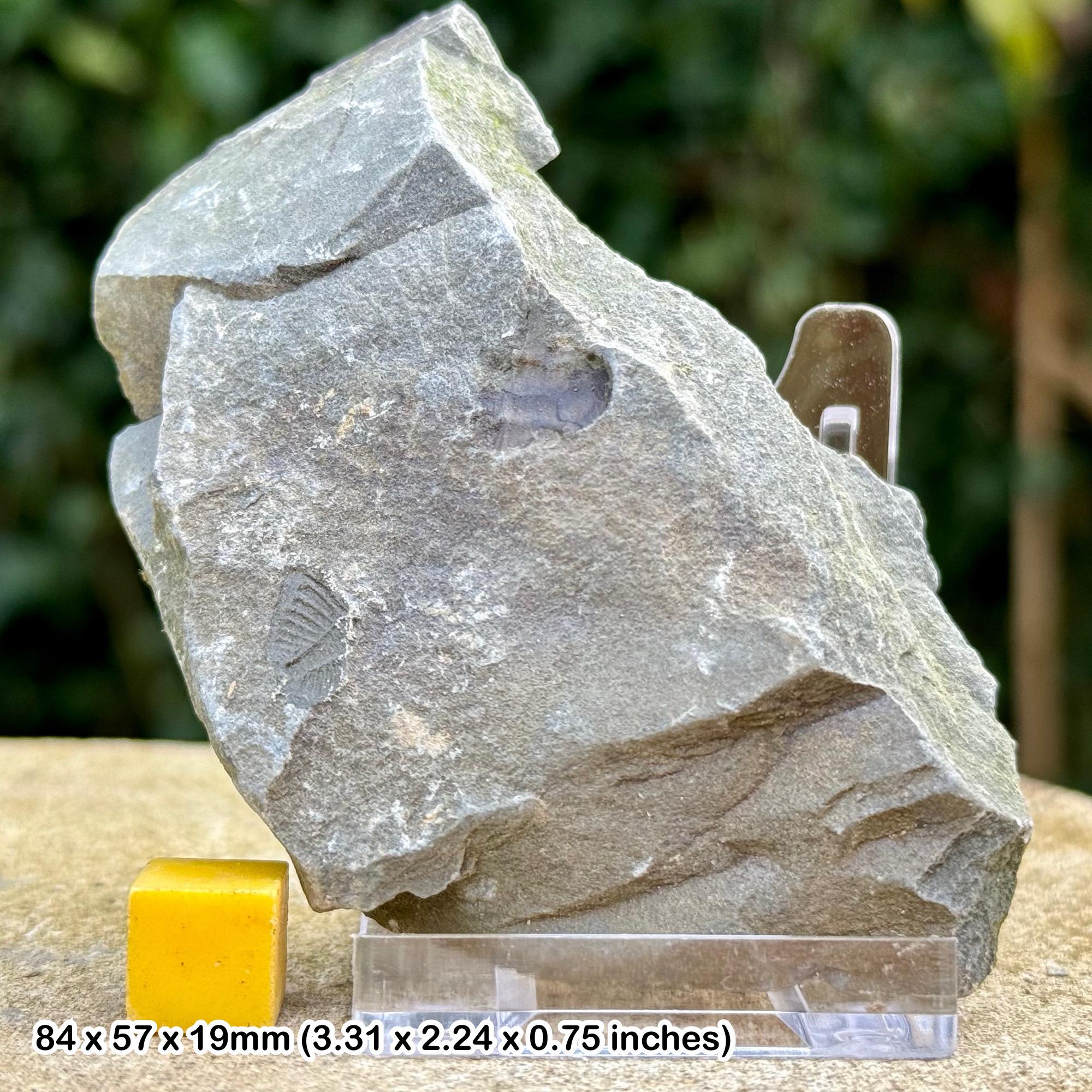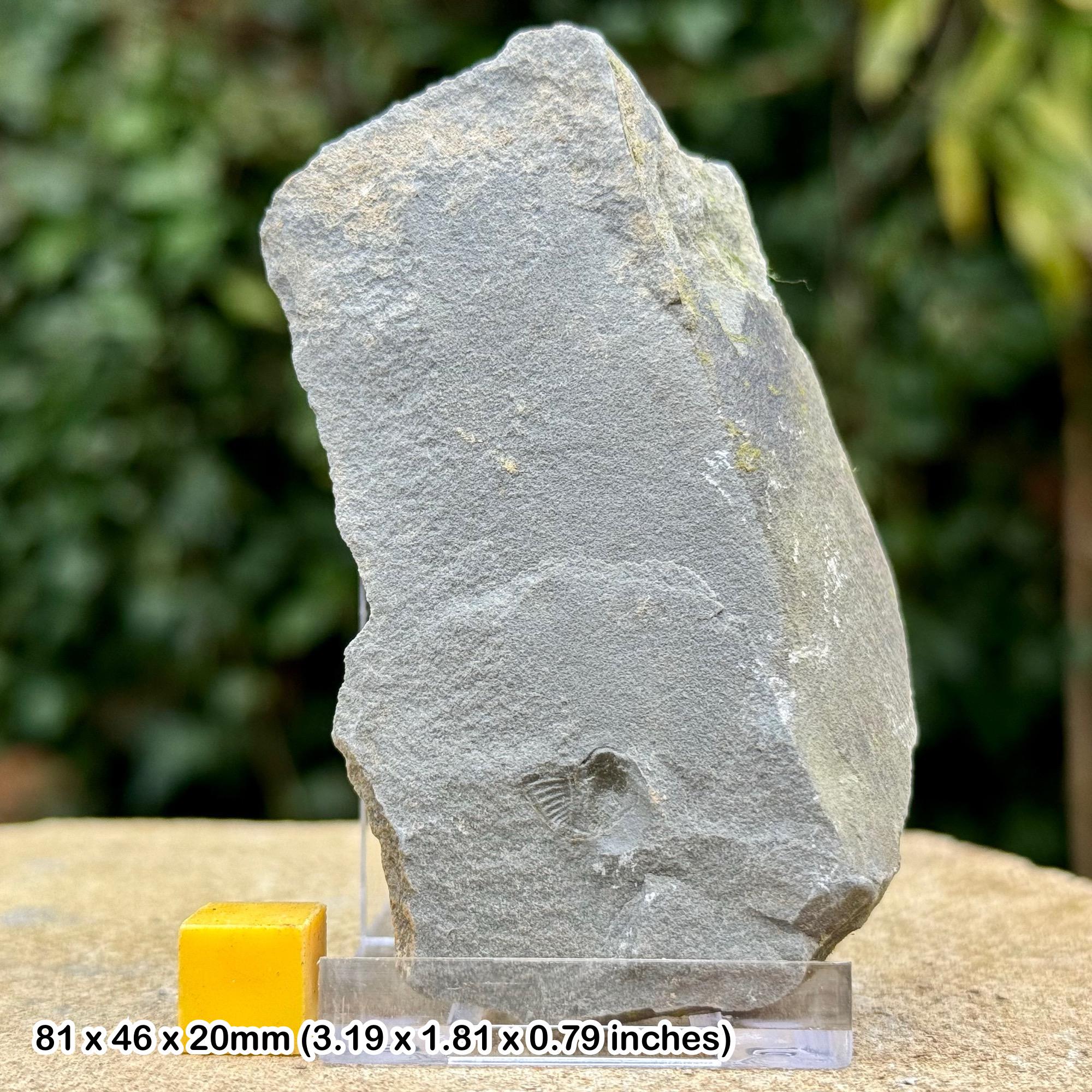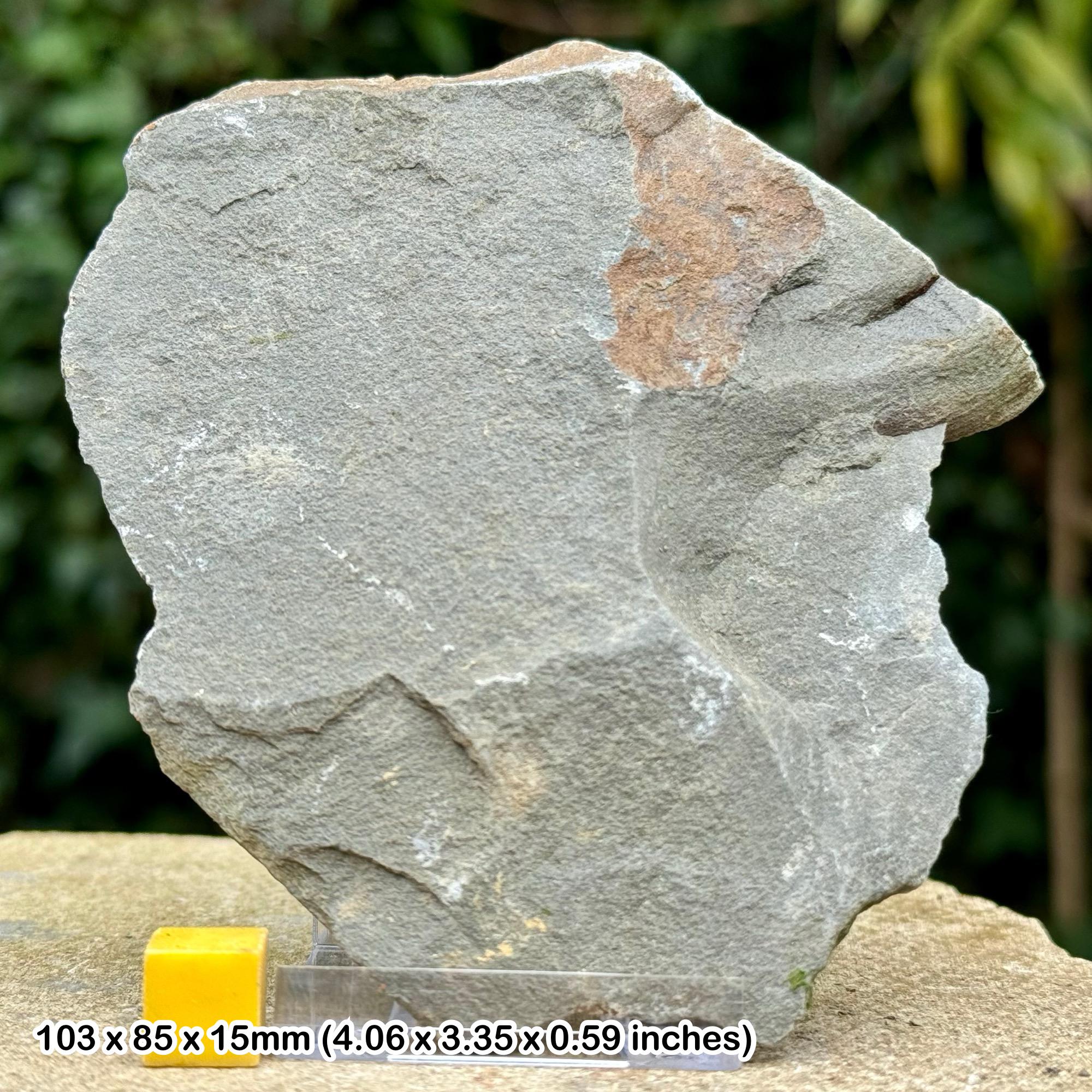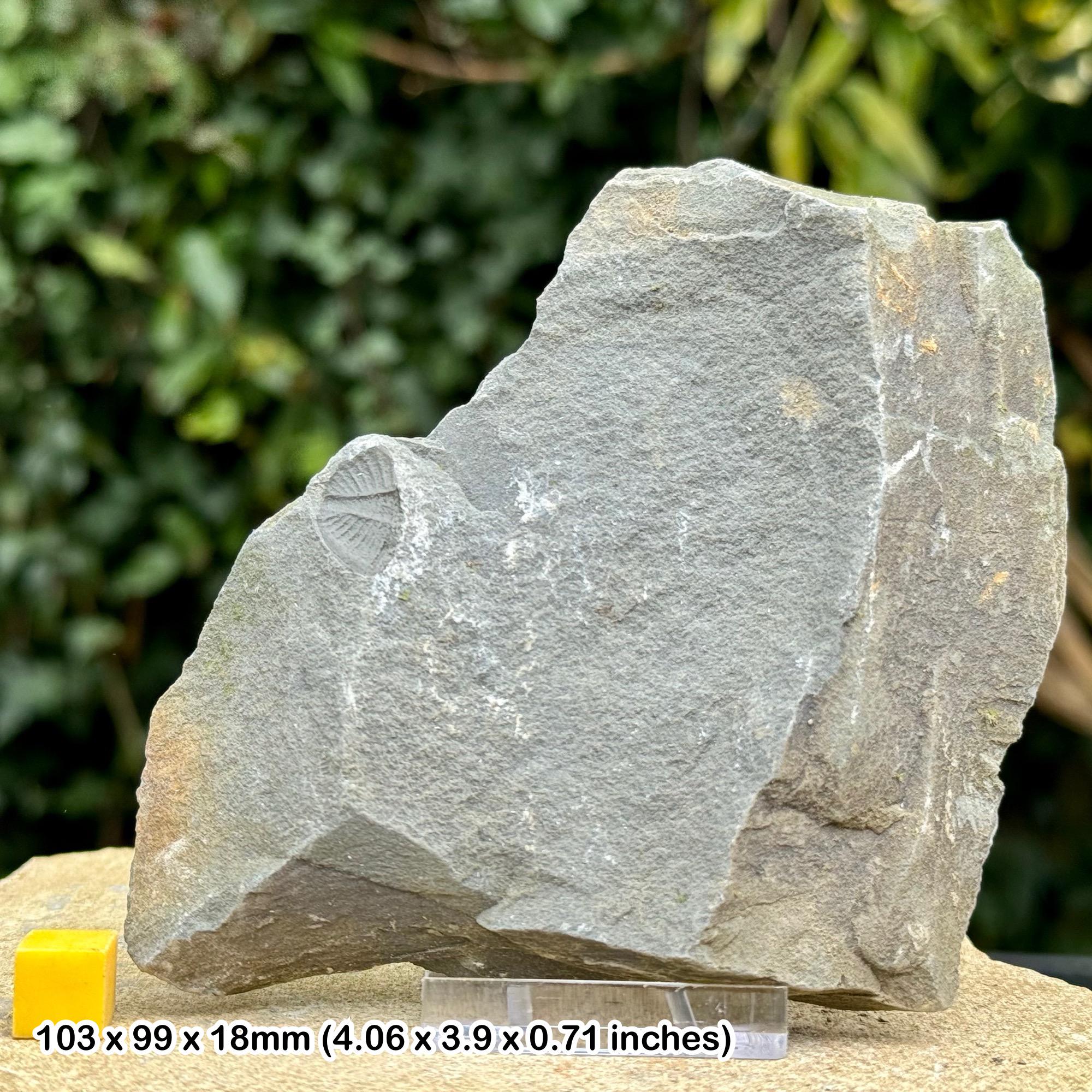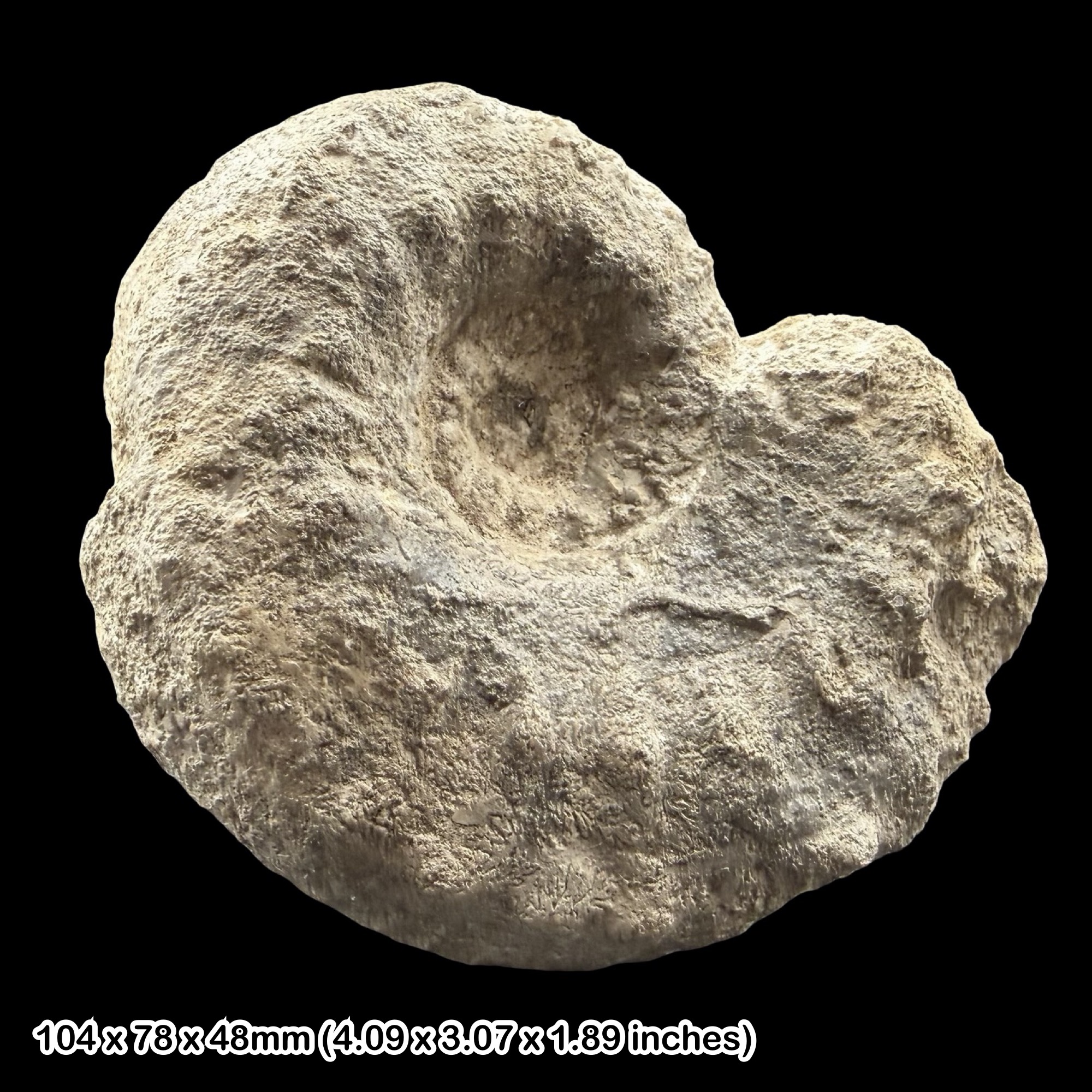
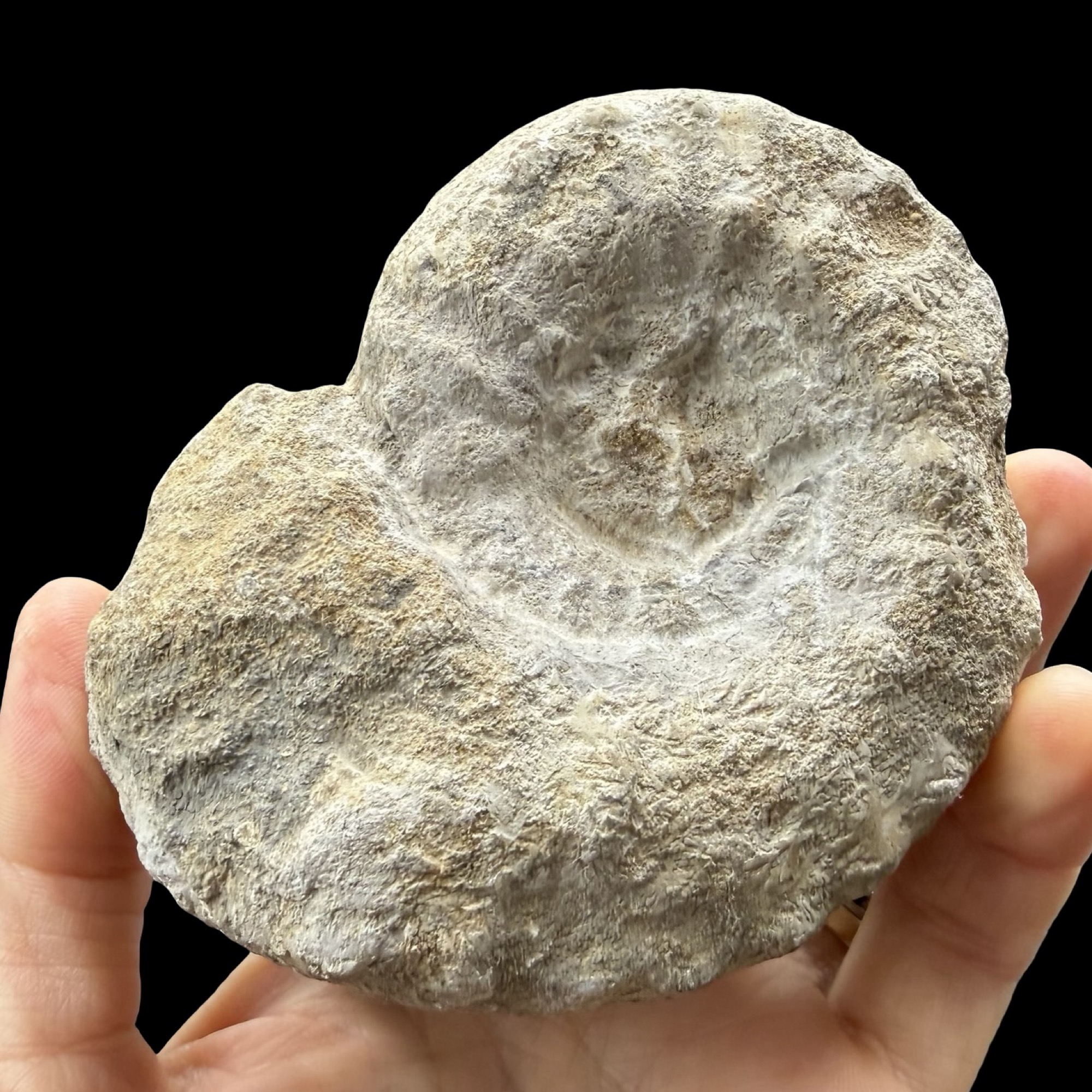
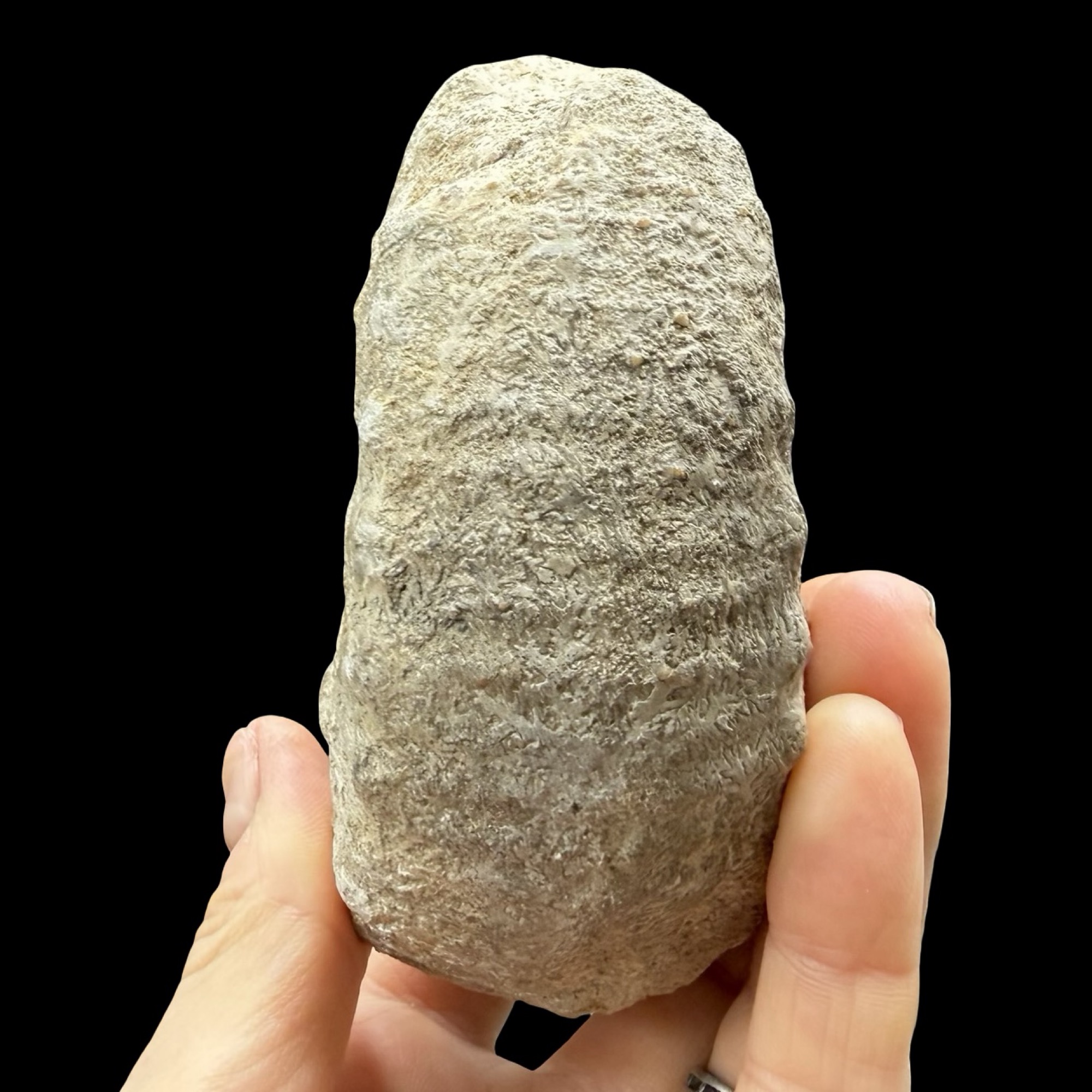
Liparoceras bronni Ammonite Fossil Jurassic France Marlstone Rock Formation Genuine Pliensbachian Ammonite Caen Normandy Specimen with COA
£ 36.00
Liparoceras bronni Ammonite Fossil – Lower Jurassic, Caen, NormandyPresented here is a genuine Liparoceras bronni ammonite fossil recovered from
the Marlstone Rock Formation of Caen, Normandy, France. This species lived during the Upper Pliensbachian stage of the Lower Jurassic Period, approximately 185–183 million years ago, when warm shallow seas covered large areas of western Europe.Ammonites are among the most iconic fossils of the Jurassic Period and are particularly valued by collectors and geologists because they serve as excellent index fossils used for dating sedimentary rock layers. The genus Liparoceras is well known from Lower Jurassic deposits across England and northern France and is recognised for its distinctive ornamented shell.The fossil has been carefully selected as a display-quality specimen, and the listing photographs clearly show the exact fossil you will receive. The specimen includes a Certificate of Authenticity lifetime guarantee generic card, confirming that the fossil is genuine.Full sizing and scale can be seen in the listing photographs.Liparoceras bronni – A Distinctive Jurassic AmmoniteThe ammonite Liparoceras bronni belongs to the class Cephalopoda, the same group that includes modern squid, cuttlefish, and octopus. However, unlike their modern relatives, ammonites possessed a coiled external shell divided into chambers.Taxonomic classification includes:• Class: Cephalopoda• Subclass: Ammonoidea• Order: Ammonitida• Superfamily: Eoderoceratoidea• Family: Liparoceratidae• Genus: Liparoceras• Species: Liparoceras bronniLiparoceras is recognised for its bold ribbing and distinctive whorl ornamentation, making it one of the more visually striking ammonites of the Lower Jurassic.These ammonites were active marine animals that likely inhabited the open water column, moving through the sea using jet propulsion, similar to modern cephalopods.Shell Morphology and Diagnostic FeaturesLiparoceras bronni ammonites are characterised by a robust, evolute shell with strong ribbing and ornamental features.Typical morphological characteristics include:• Broad whorls with a rounded outer edge• Strong radial ribs extending across the shell• Secondary ribbing and occasional tubercles depending on growth stage• Distinct suture lines visible where internal chambers meet the shell wall• Wide umbilicus revealing earlier whorls of the shellThe internal shell was divided into a series of gas-filled chambers, connected by a tube called the siphuncle, which allowed the animal to regulate buoyancy within the water column.These structural features made ammonites highly successful marine animals throughout the Mesozoic Era.Marlstone Rock Formation – Lower Jurassic DepositsThis fossil originates from the Marlstone Rock Formation, a well-known Lower Jurassic geological unit that occurs across parts of England and northern France.The Marlstone Rock Formation dates primarily to the Upper Pliensbachian Stage of the Early Jurassic, roughly 185–183 million years ago.These sediments formed in a shallow marine environment, where iron-rich muds and sands accumulated on the sea floor. Over time, these sediments lithified into marlstone and ferruginous limestone layers that now preserve abundant fossils.The formation is famous for its diverse marine fauna including:• Ammonites such as Liparoceras• Belemnites and other cephalopods• Bivalves and gastropods• Marine fish• Occasional marine reptile remainsThe abundance of ammonites in these rocks allows geologists to divide the strata into precise ammonite biozones, which are used to correlate rock layers across Europe.Jurassic Seas of Western EuropeDuring the Early Jurassic, much of Europe was submerged beneath a warm shallow epicontinental sea connected to the vast Tethys Ocean. This marine environment supported a rich ecosystem of cephalopods, fish, marine reptiles, and invertebrates.Ammonites such as Liparoceras bronni were among the most abundant and widespread organisms within these seas. Their rapid evolutionary rates and wide geographic distribution make them invaluable for understanding the timing and environmental conditions of Jurassic marine sediments.The fossils preserved in the Marlstone Rock Formation provide a detailed record of life within these ancient seas.Fossil PreservationAmmonite shells were composed primarily of aragonite, a form of calcium carbonate. After the animal died, its shell settled onto the seabed where it became buried within sediment.Over millions of years, the original shell material was either preserved or replaced by minerals such as calcite or iron compounds. This process often enhances the ribbing and shell ornamentation, producing visually striking fossils.Specimens from the Marlstone Rock Formation frequently display excellent preservation of ribbing, chamber structures, and shell morphology, making them highly desirable to collectors.Authenticity and Collector Information• Genuine fossil specimen – not a cast or replica• Fossil Type: Liparoceras bronni Ammonite• Class: Cephalopoda• Subclass: Ammonoidea• Family: Liparoceratidae• Geological Formation: Marlstone Rock Formation• Age: Lower Jurassic, Upper Pliensbachian (~185–183 million years old)• Locality: Caen, Normandy, France• Includes Certificate of Authenticity lifetime guarantee generic card• The exact fossil shown in the photographs is the specimen you will receiveThis genuine Liparoceras bronni ammonite from the Marlstone Rock Formation of Normandy represents a superb addition to any Jurassic fossil collection, ammonite display, or natural history cabinet, preserving a striking example of Early Jurassic marine life from the ancient seas of western Europe.
the Marlstone Rock Formation of Caen, Normandy, France. This species lived during the Upper Pliensbachian stage of the Lower Jurassic Period, approximately 185–183 million years ago, when warm shallow seas covered large areas of western Europe.Ammonites are among the most iconic fossils of the Jurassic Period and are particularly valued by collectors and geologists because they serve as excellent index fossils used for dating sedimentary rock layers. The genus Liparoceras is well known from Lower Jurassic deposits across England and northern France and is recognised for its distinctive ornamented shell.The fossil has been carefully selected as a display-quality specimen, and the listing photographs clearly show the exact fossil you will receive. The specimen includes a Certificate of Authenticity lifetime guarantee generic card, confirming that the fossil is genuine.Full sizing and scale can be seen in the listing photographs.Liparoceras bronni – A Distinctive Jurassic AmmoniteThe ammonite Liparoceras bronni belongs to the class Cephalopoda, the same group that includes modern squid, cuttlefish, and octopus. However, unlike their modern relatives, ammonites possessed a coiled external shell divided into chambers.Taxonomic classification includes:• Class: Cephalopoda• Subclass: Ammonoidea• Order: Ammonitida• Superfamily: Eoderoceratoidea• Family: Liparoceratidae• Genus: Liparoceras• Species: Liparoceras bronniLiparoceras is recognised for its bold ribbing and distinctive whorl ornamentation, making it one of the more visually striking ammonites of the Lower Jurassic.These ammonites were active marine animals that likely inhabited the open water column, moving through the sea using jet propulsion, similar to modern cephalopods.Shell Morphology and Diagnostic FeaturesLiparoceras bronni ammonites are characterised by a robust, evolute shell with strong ribbing and ornamental features.Typical morphological characteristics include:• Broad whorls with a rounded outer edge• Strong radial ribs extending across the shell• Secondary ribbing and occasional tubercles depending on growth stage• Distinct suture lines visible where internal chambers meet the shell wall• Wide umbilicus revealing earlier whorls of the shellThe internal shell was divided into a series of gas-filled chambers, connected by a tube called the siphuncle, which allowed the animal to regulate buoyancy within the water column.These structural features made ammonites highly successful marine animals throughout the Mesozoic Era.Marlstone Rock Formation – Lower Jurassic DepositsThis fossil originates from the Marlstone Rock Formation, a well-known Lower Jurassic geological unit that occurs across parts of England and northern France.The Marlstone Rock Formation dates primarily to the Upper Pliensbachian Stage of the Early Jurassic, roughly 185–183 million years ago.These sediments formed in a shallow marine environment, where iron-rich muds and sands accumulated on the sea floor. Over time, these sediments lithified into marlstone and ferruginous limestone layers that now preserve abundant fossils.The formation is famous for its diverse marine fauna including:• Ammonites such as Liparoceras• Belemnites and other cephalopods• Bivalves and gastropods• Marine fish• Occasional marine reptile remainsThe abundance of ammonites in these rocks allows geologists to divide the strata into precise ammonite biozones, which are used to correlate rock layers across Europe.Jurassic Seas of Western EuropeDuring the Early Jurassic, much of Europe was submerged beneath a warm shallow epicontinental sea connected to the vast Tethys Ocean. This marine environment supported a rich ecosystem of cephalopods, fish, marine reptiles, and invertebrates.Ammonites such as Liparoceras bronni were among the most abundant and widespread organisms within these seas. Their rapid evolutionary rates and wide geographic distribution make them invaluable for understanding the timing and environmental conditions of Jurassic marine sediments.The fossils preserved in the Marlstone Rock Formation provide a detailed record of life within these ancient seas.Fossil PreservationAmmonite shells were composed primarily of aragonite, a form of calcium carbonate. After the animal died, its shell settled onto the seabed where it became buried within sediment.Over millions of years, the original shell material was either preserved or replaced by minerals such as calcite or iron compounds. This process often enhances the ribbing and shell ornamentation, producing visually striking fossils.Specimens from the Marlstone Rock Formation frequently display excellent preservation of ribbing, chamber structures, and shell morphology, making them highly desirable to collectors.Authenticity and Collector Information• Genuine fossil specimen – not a cast or replica• Fossil Type: Liparoceras bronni Ammonite• Class: Cephalopoda• Subclass: Ammonoidea• Family: Liparoceratidae• Geological Formation: Marlstone Rock Formation• Age: Lower Jurassic, Upper Pliensbachian (~185–183 million years old)• Locality: Caen, Normandy, France• Includes Certificate of Authenticity lifetime guarantee generic card• The exact fossil shown in the photographs is the specimen you will receiveThis genuine Liparoceras bronni ammonite from the Marlstone Rock Formation of Normandy represents a superb addition to any Jurassic fossil collection, ammonite display, or natural history cabinet, preserving a striking example of Early Jurassic marine life from the ancient seas of western Europe.
Other Products