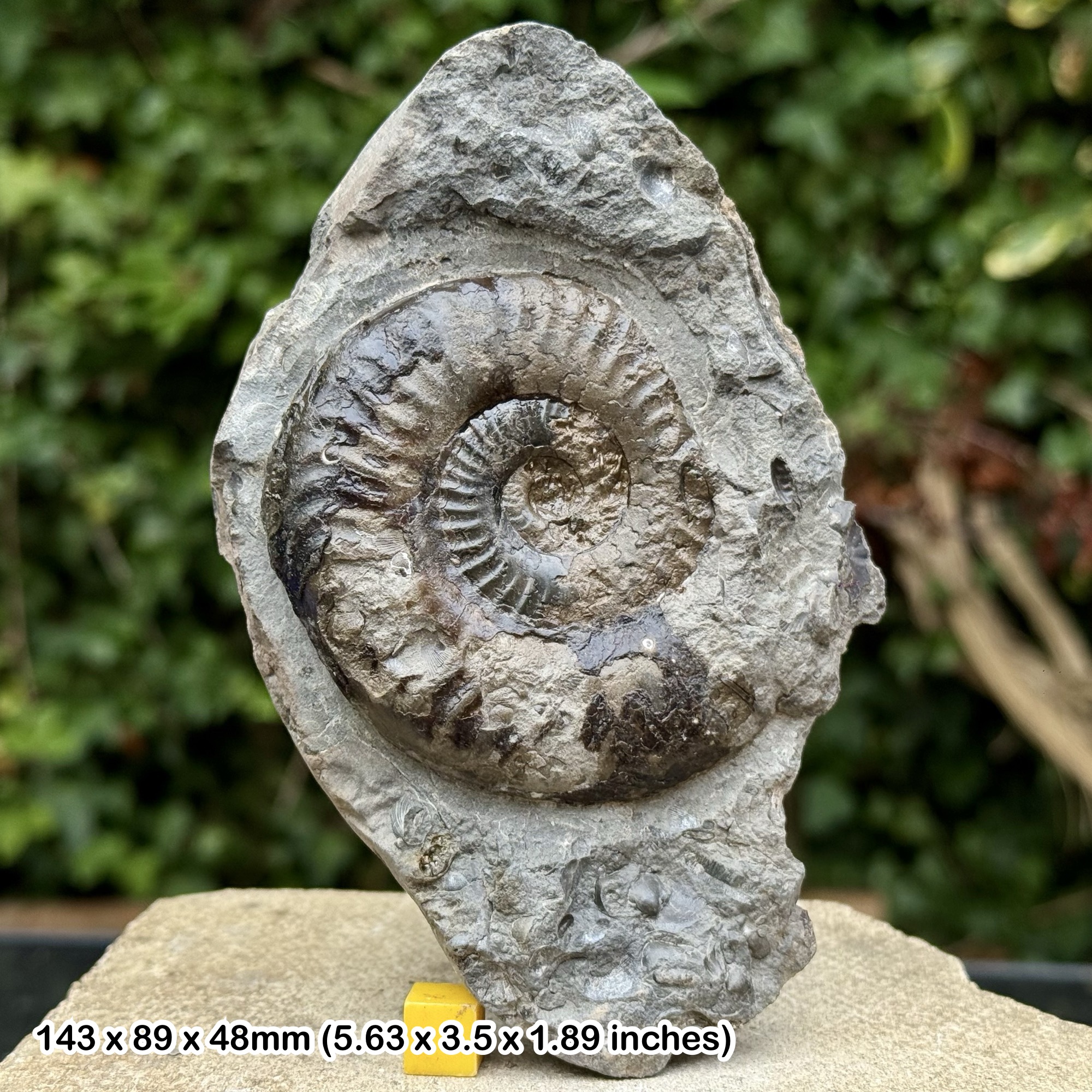
Orthildaites orthus Fossil Ammonite Whitby UK Middle Lias Jurassic Runswich Bay Genuine Specimen
£ 36.00
EXCEPTIONAL ORTHILDAITES ORTHUS FOSSIL AMMONITE FROM WHITBYThis striking fossil is a genuine Orthildaites orthus ammonite from the famous
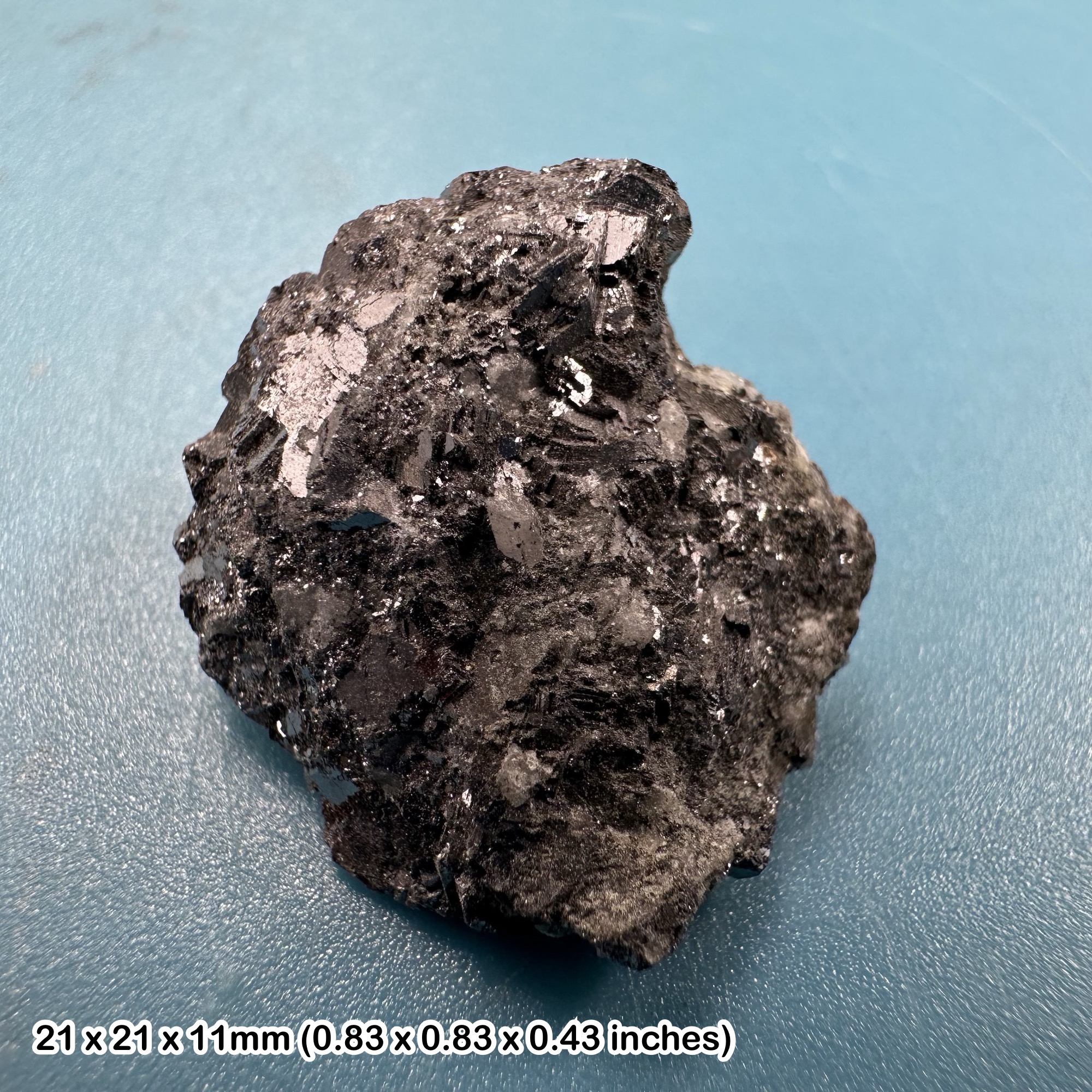
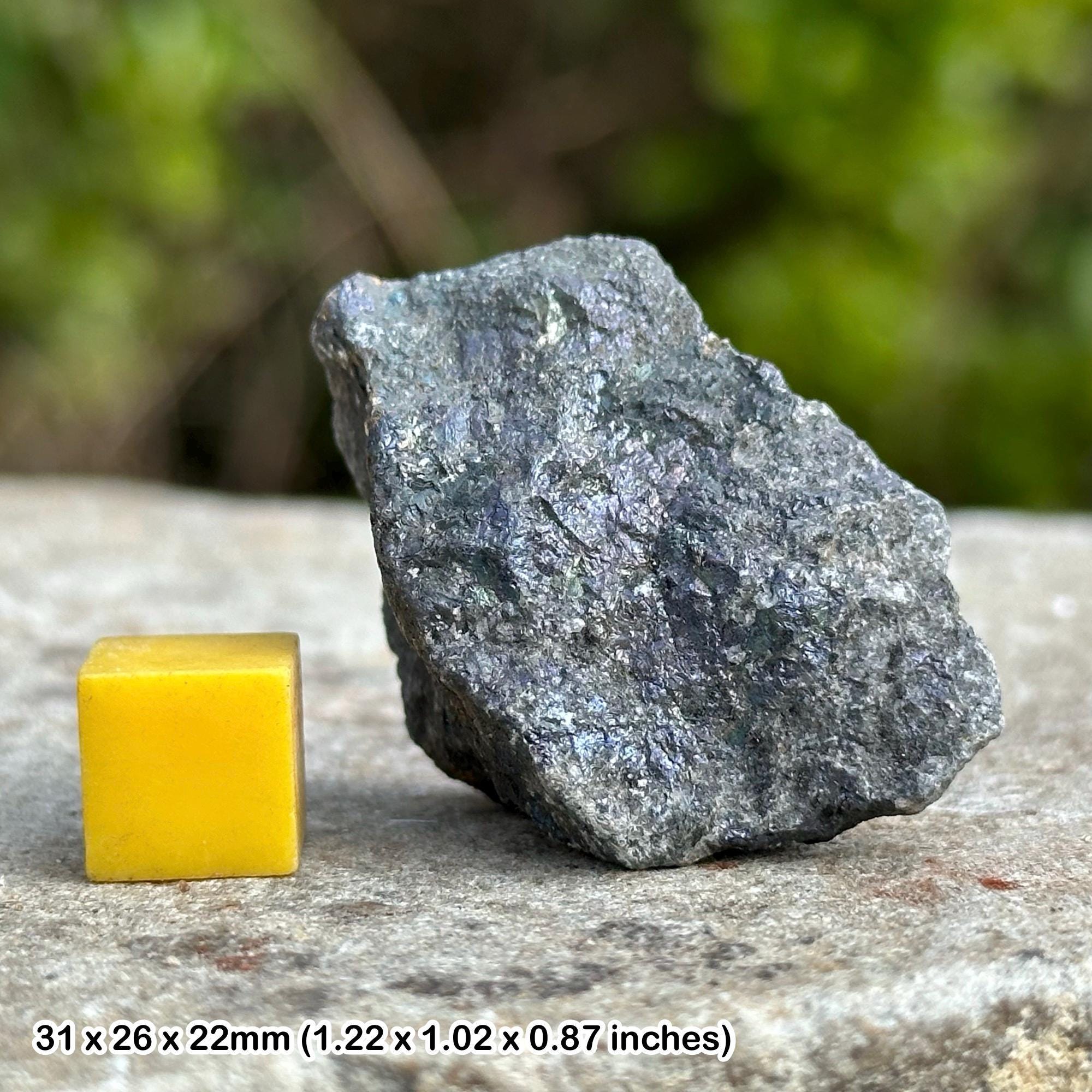
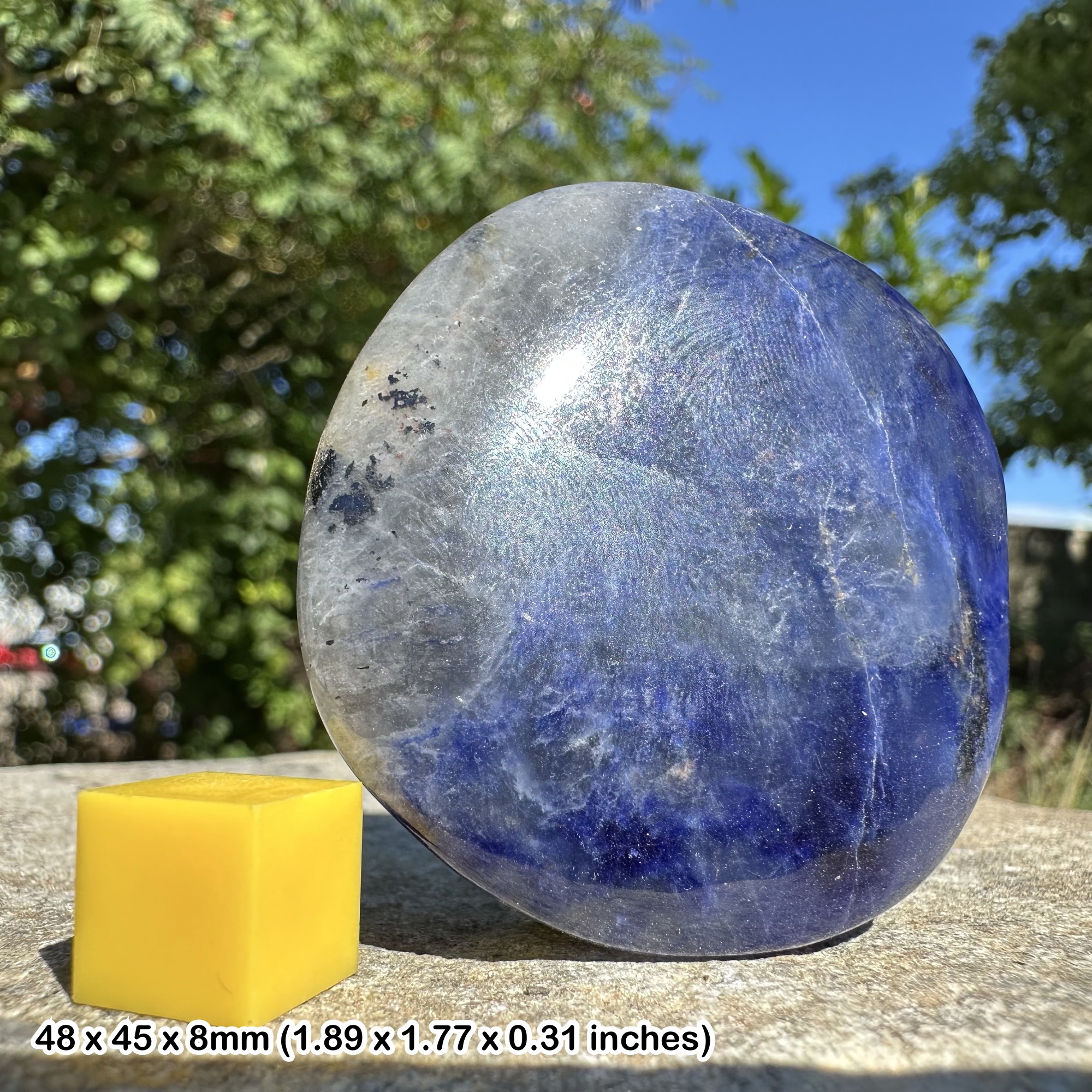
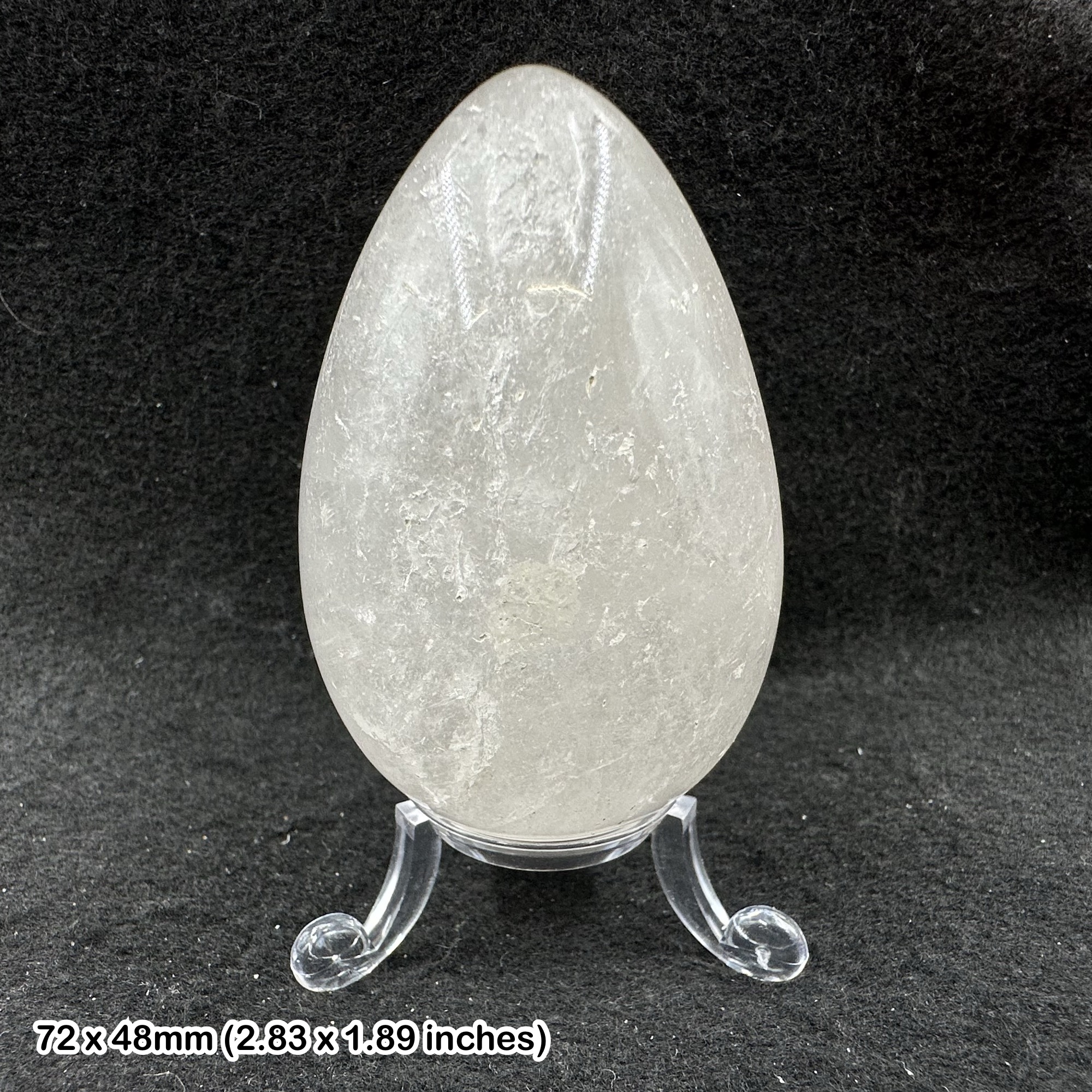
fossil-rich coastline of Runswick Bay, Whitby, United Kingdom. Dating from the Middle Lias (Lower Jurassic), this specimen provides a beautiful and scientifically important example of an ammonite preserved for nearly 180 million years. Carefully chosen for quality and authenticity, the fossil in the photographs is the exact piece you will receive. Every specimen we sell comes with a Certificate of Authenticity, confirming its status as a genuine fossil and making it a prized addition for collectors, educational use, or display. GEOLOGICAL AGE AND PROVENANCEOrthildaites orthus originates from Middle Lias deposits, specifically dating to the Lower Jurassic, around 183–174 million years ago. The Whitby and Runswick Bay area of Yorkshire is one of the most renowned fossil localities in the world, where coastal erosion along the Jurassic cliffs continually reveals new specimens. The Middle Lias strata represent marine sedimentary rocks that were deposited when northern England lay beneath a shallow epicontinental sea. The conditions of this environment allowed for exceptional preservation of ammonites, belemnites, marine reptiles, and other invertebrates. CLASSIFICATION AND MORPHOLOGYThis ammonite belongs to the order Ammonitida, within the superfamily Hildoceratoidea. Orthildaites orthus is characterised by its relatively involute shell, where the inner whorls are partially concealed by the outer growth. The ribbing of the shell is distinct and radiates outward across the whorls, creating an elegant ornamentation. These ribs often bifurcate (split) as they extend, giving the ammonite a textured surface that is instantly recognisable to fossil specialists. The suture lines of Orthildaites orthus are intricate, reflecting the internal chambered structure that helped the ammonite regulate buoyancy in the water column. PALEONTOLOGICAL SIGNIFICANCEAmmonites such as Orthildaites orthus are crucial index fossils used by geologists and paleontologists to date and correlate rock strata across different regions. Their rapid evolutionary changes and wide geographic distribution make them excellent markers for specific Jurassic time intervals. The Middle Lias ammonite zones are particularly well studied, and fossils like this specimen provide important insights into the biodiversity and evolution of cephalopods during the early Jurassic period. DEPOSITIONAL ENVIRONMENTThe fossil-bearing rocks of Runswick Bay were laid down in a marine environment rich in life. Ammonites, squid-like belemnites, bivalves, and marine reptiles thrived in these shallow seas. When ammonites died, their shells sank to the seabed where they were quickly buried by fine sediments. Over millions of years, these sediments hardened into shale and limestone, preserving the ammonites in remarkable detail. The fossilisation process has locked the shell structure into stone, making it possible to study and admire these ancient marine animals today. COLLECTOR AND DISPLAY VALUEThis Orthildaites orthus fossil is both scientifically valuable and visually appealing. Its well-defined ribbing and natural preservation make it an excellent example of its species. As a genuine specimen from Whitby’s world-famous Jurassic Coast, it carries both geological importance and collector prestige. Whether added to a fossil collection, displayed as a unique natural history piece, or used for study and education, this ammonite represents a tangible link to Earth’s distant past. AUTHENTICITY GUARANTEEDAll of our fossils are 100% genuine specimens and are supplied with a Certificate of Authenticity. The fossil shown in the photographs is the exact piece you will receive. Sourced from the classic fossil beds of Runswick Bay, Whitby, this Orthildaites orthus ammonite is a timeless addition for collectors, educators, or enthusiasts of natural history.
fossil-rich coastline of Runswick Bay, Whitby, United Kingdom. Dating from the Middle Lias (Lower Jurassic), this specimen provides a beautiful and scientifically important example of an ammonite preserved for nearly 180 million years. Carefully chosen for quality and authenticity, the fossil in the photographs is the exact piece you will receive. Every specimen we sell comes with a Certificate of Authenticity, confirming its status as a genuine fossil and making it a prized addition for collectors, educational use, or display. GEOLOGICAL AGE AND PROVENANCEOrthildaites orthus originates from Middle Lias deposits, specifically dating to the Lower Jurassic, around 183–174 million years ago. The Whitby and Runswick Bay area of Yorkshire is one of the most renowned fossil localities in the world, where coastal erosion along the Jurassic cliffs continually reveals new specimens. The Middle Lias strata represent marine sedimentary rocks that were deposited when northern England lay beneath a shallow epicontinental sea. The conditions of this environment allowed for exceptional preservation of ammonites, belemnites, marine reptiles, and other invertebrates. CLASSIFICATION AND MORPHOLOGYThis ammonite belongs to the order Ammonitida, within the superfamily Hildoceratoidea. Orthildaites orthus is characterised by its relatively involute shell, where the inner whorls are partially concealed by the outer growth. The ribbing of the shell is distinct and radiates outward across the whorls, creating an elegant ornamentation. These ribs often bifurcate (split) as they extend, giving the ammonite a textured surface that is instantly recognisable to fossil specialists. The suture lines of Orthildaites orthus are intricate, reflecting the internal chambered structure that helped the ammonite regulate buoyancy in the water column. PALEONTOLOGICAL SIGNIFICANCEAmmonites such as Orthildaites orthus are crucial index fossils used by geologists and paleontologists to date and correlate rock strata across different regions. Their rapid evolutionary changes and wide geographic distribution make them excellent markers for specific Jurassic time intervals. The Middle Lias ammonite zones are particularly well studied, and fossils like this specimen provide important insights into the biodiversity and evolution of cephalopods during the early Jurassic period. DEPOSITIONAL ENVIRONMENTThe fossil-bearing rocks of Runswick Bay were laid down in a marine environment rich in life. Ammonites, squid-like belemnites, bivalves, and marine reptiles thrived in these shallow seas. When ammonites died, their shells sank to the seabed where they were quickly buried by fine sediments. Over millions of years, these sediments hardened into shale and limestone, preserving the ammonites in remarkable detail. The fossilisation process has locked the shell structure into stone, making it possible to study and admire these ancient marine animals today. COLLECTOR AND DISPLAY VALUEThis Orthildaites orthus fossil is both scientifically valuable and visually appealing. Its well-defined ribbing and natural preservation make it an excellent example of its species. As a genuine specimen from Whitby’s world-famous Jurassic Coast, it carries both geological importance and collector prestige. Whether added to a fossil collection, displayed as a unique natural history piece, or used for study and education, this ammonite represents a tangible link to Earth’s distant past. AUTHENTICITY GUARANTEEDAll of our fossils are 100% genuine specimens and are supplied with a Certificate of Authenticity. The fossil shown in the photographs is the exact piece you will receive. Sourced from the classic fossil beds of Runswick Bay, Whitby, this Orthildaites orthus ammonite is a timeless addition for collectors, educators, or enthusiasts of natural history.