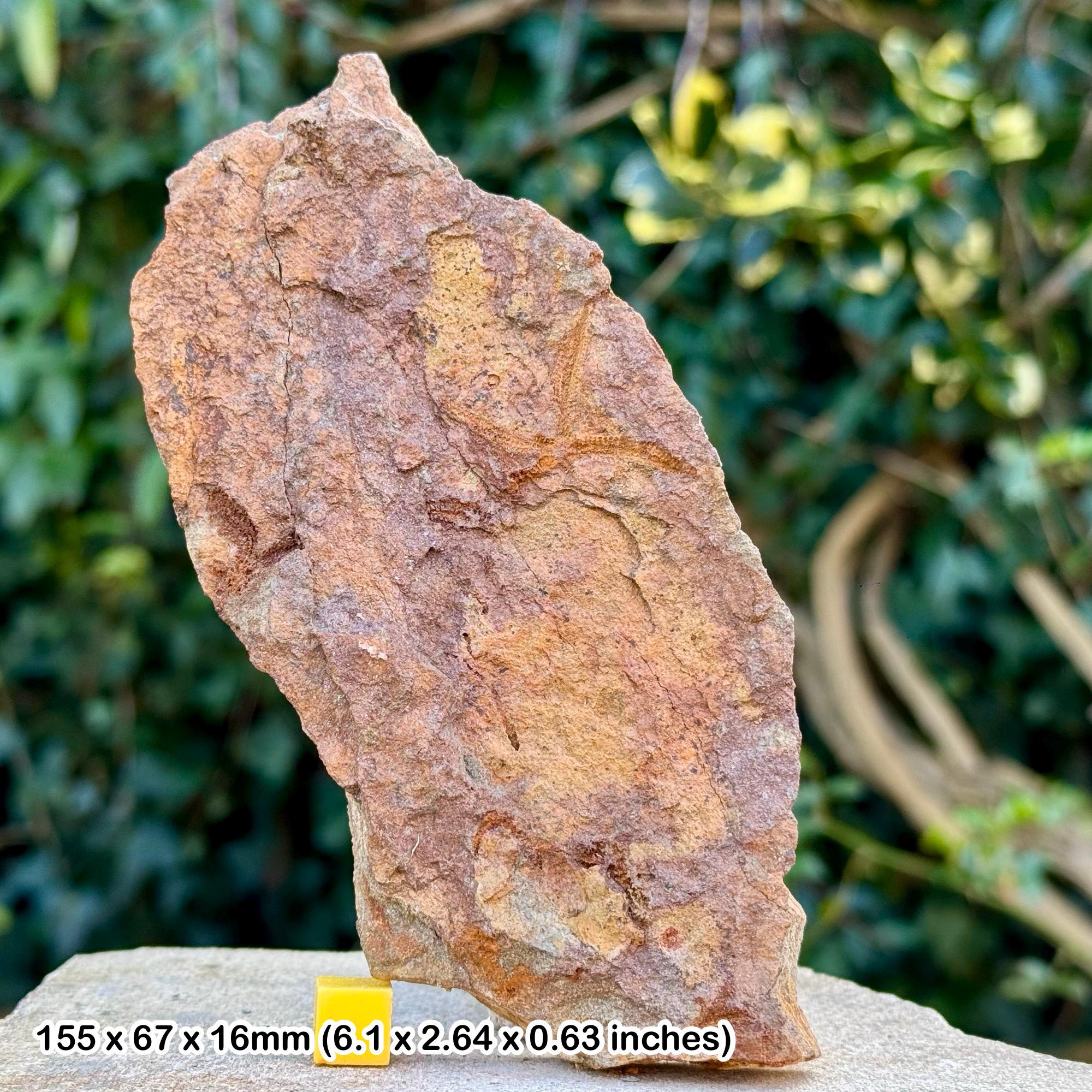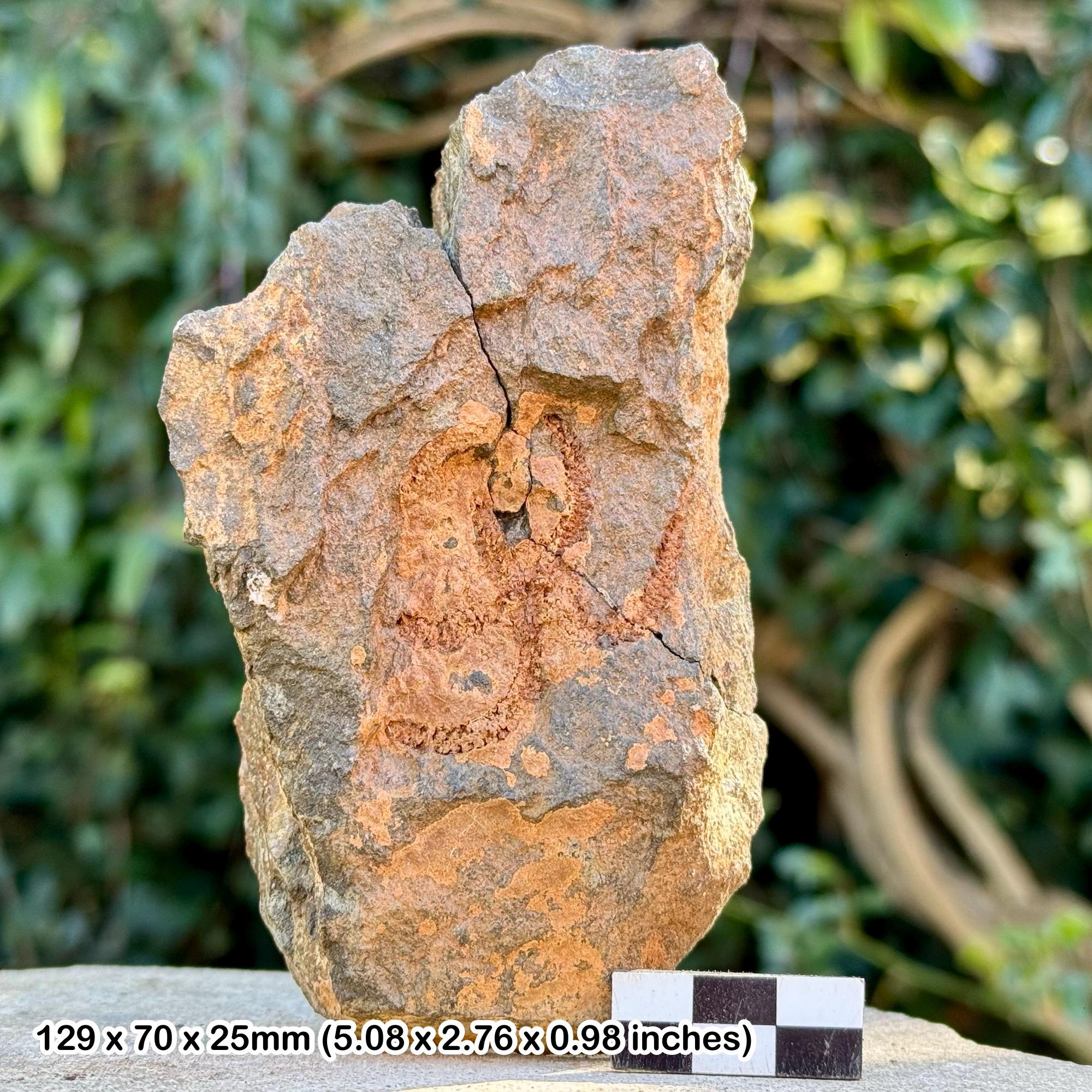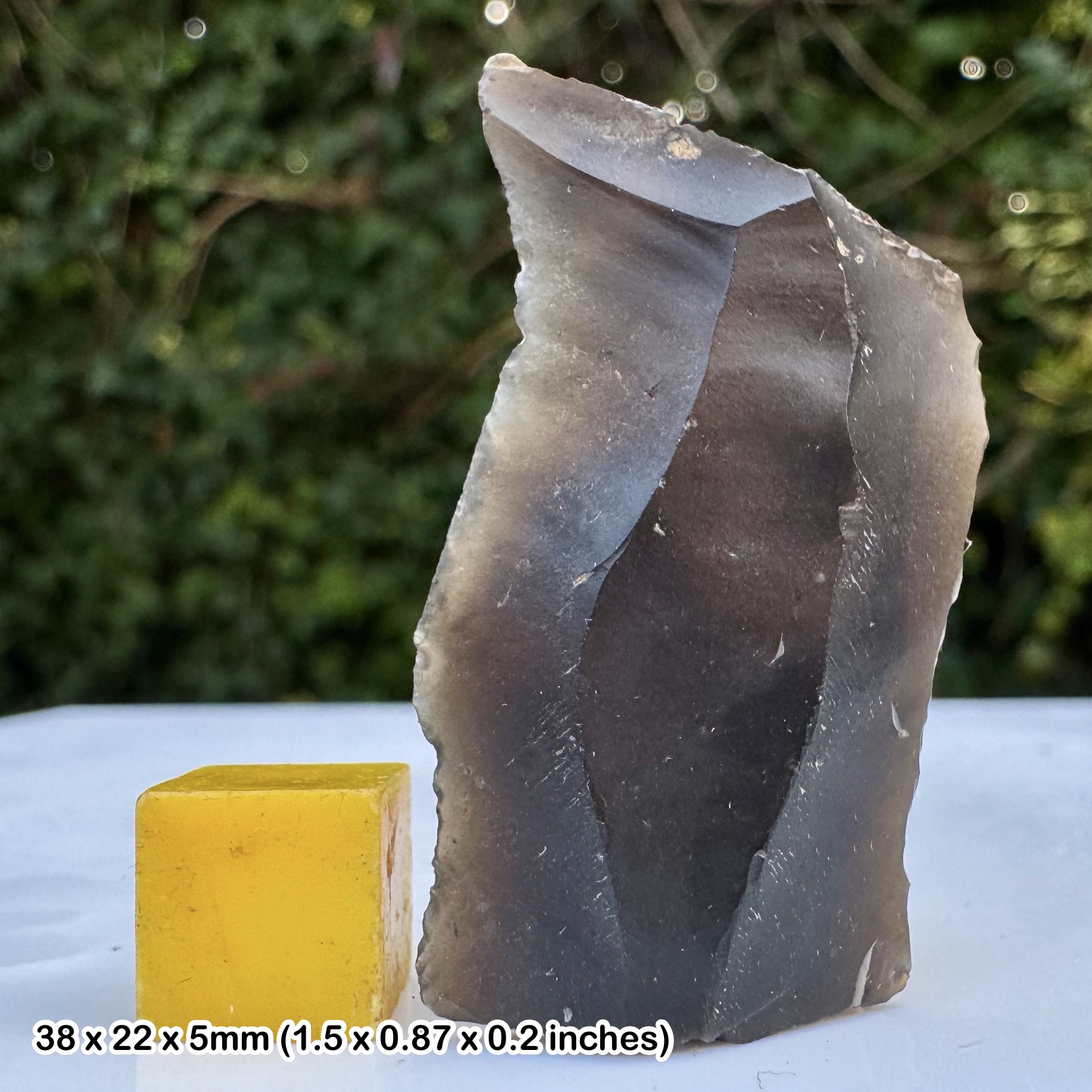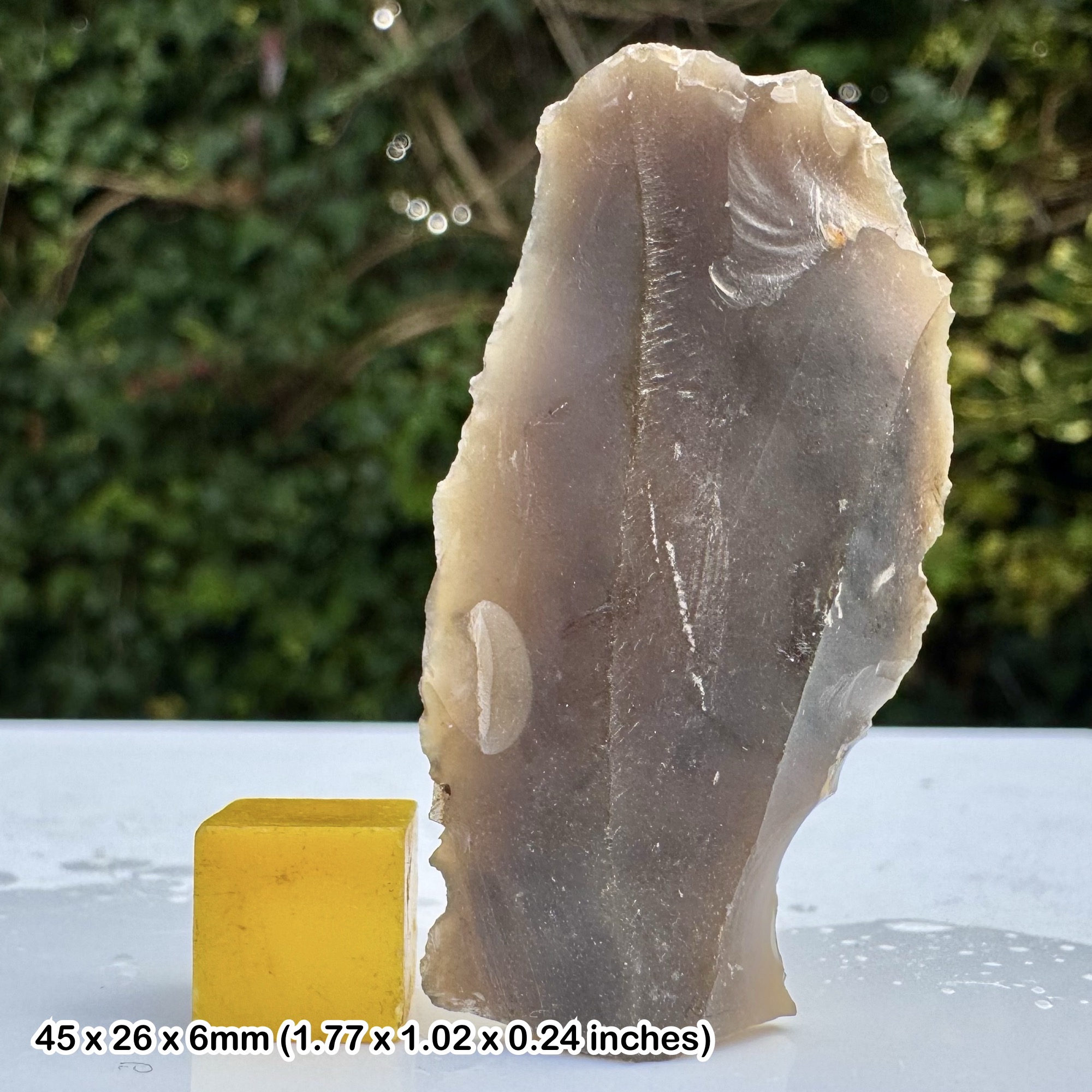
Euaspidoceras Ammonite Fossil Jurassic Dorset UK COA Lower Oxfordian Display Nothe Grit Bowleaze Cove Specimen
£ 48.00
GENUINE EUASPIDOCERAS AMMONITE FOSSILThis listing is for a genuine Euaspidoceras ammonite fossil from the Nothe Grit,
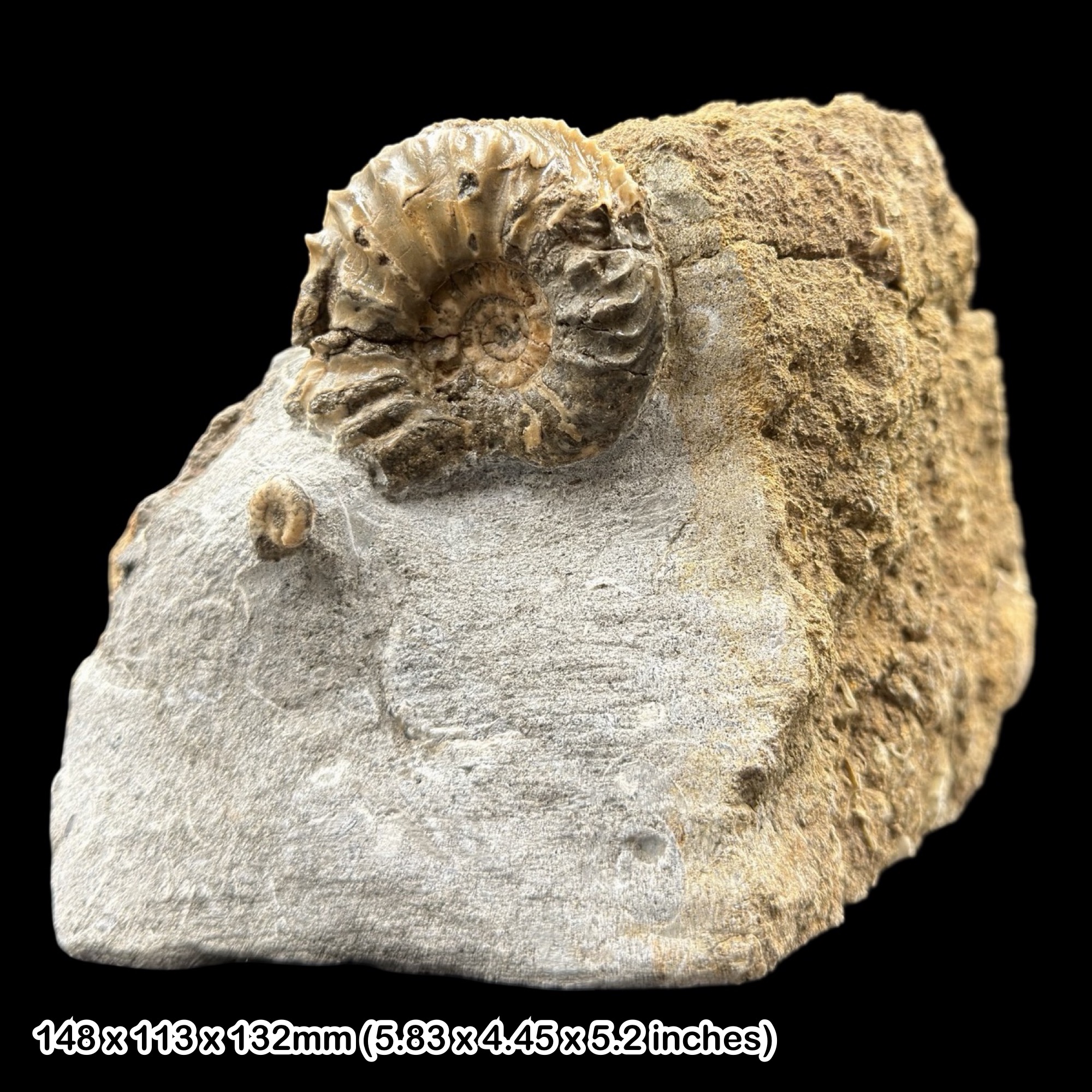
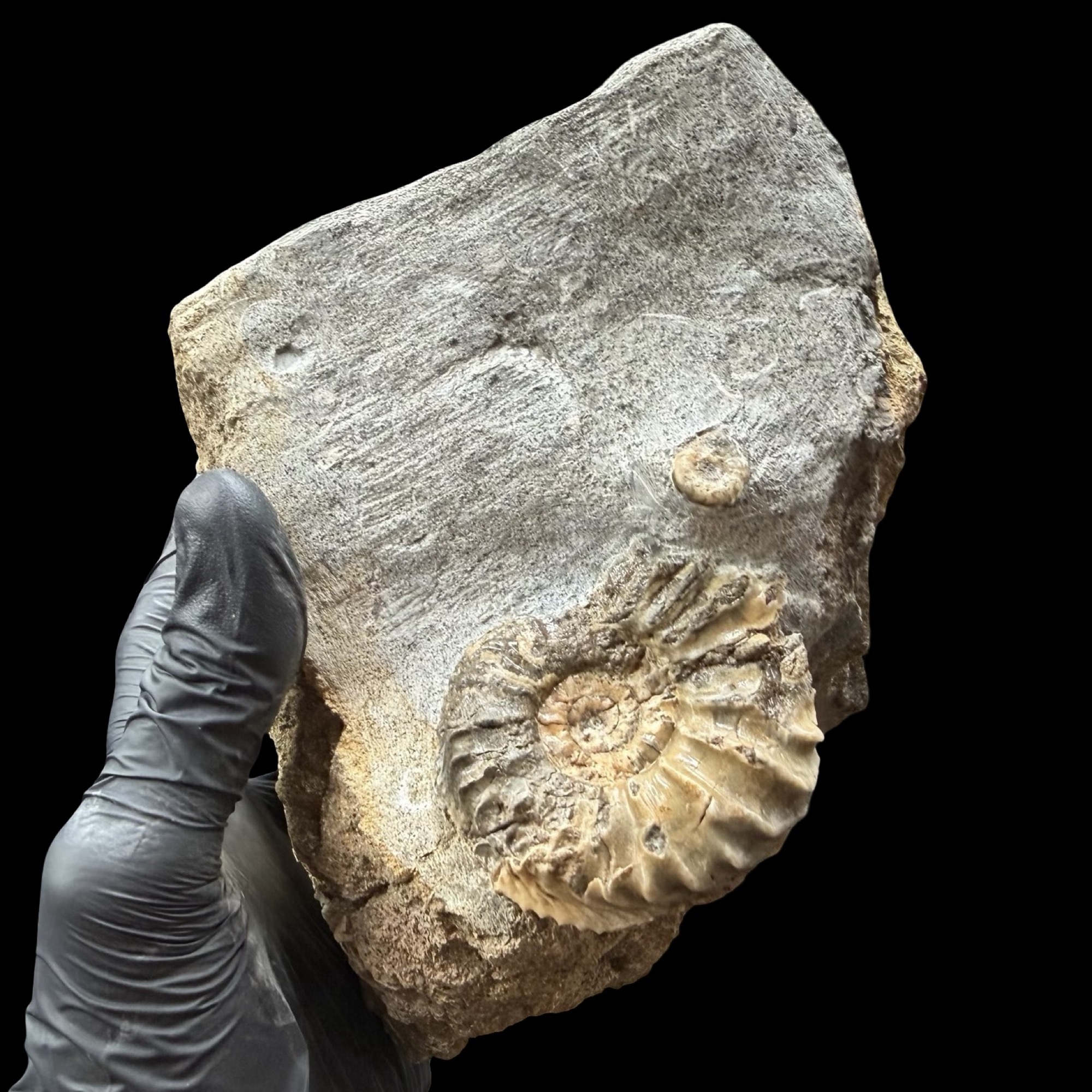
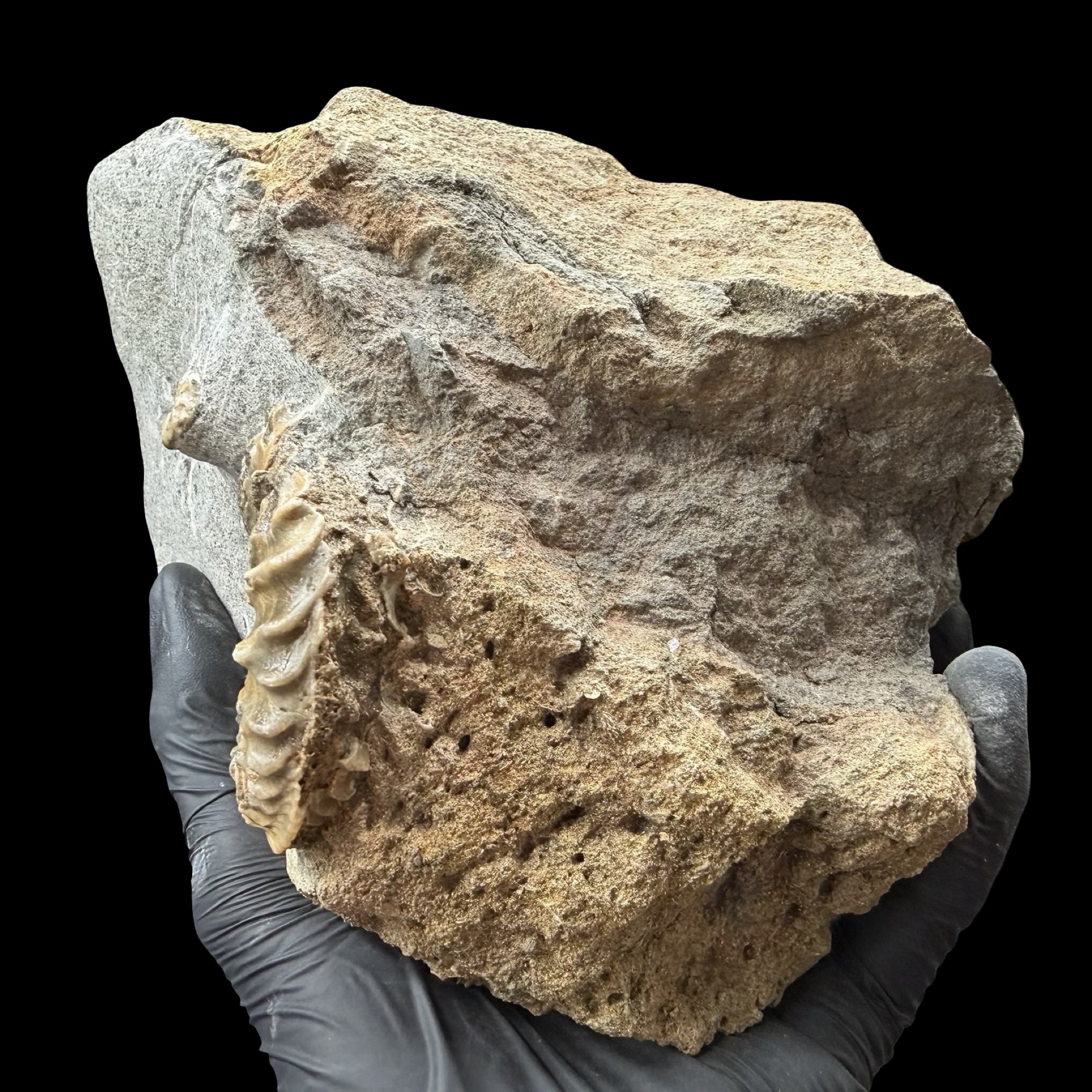
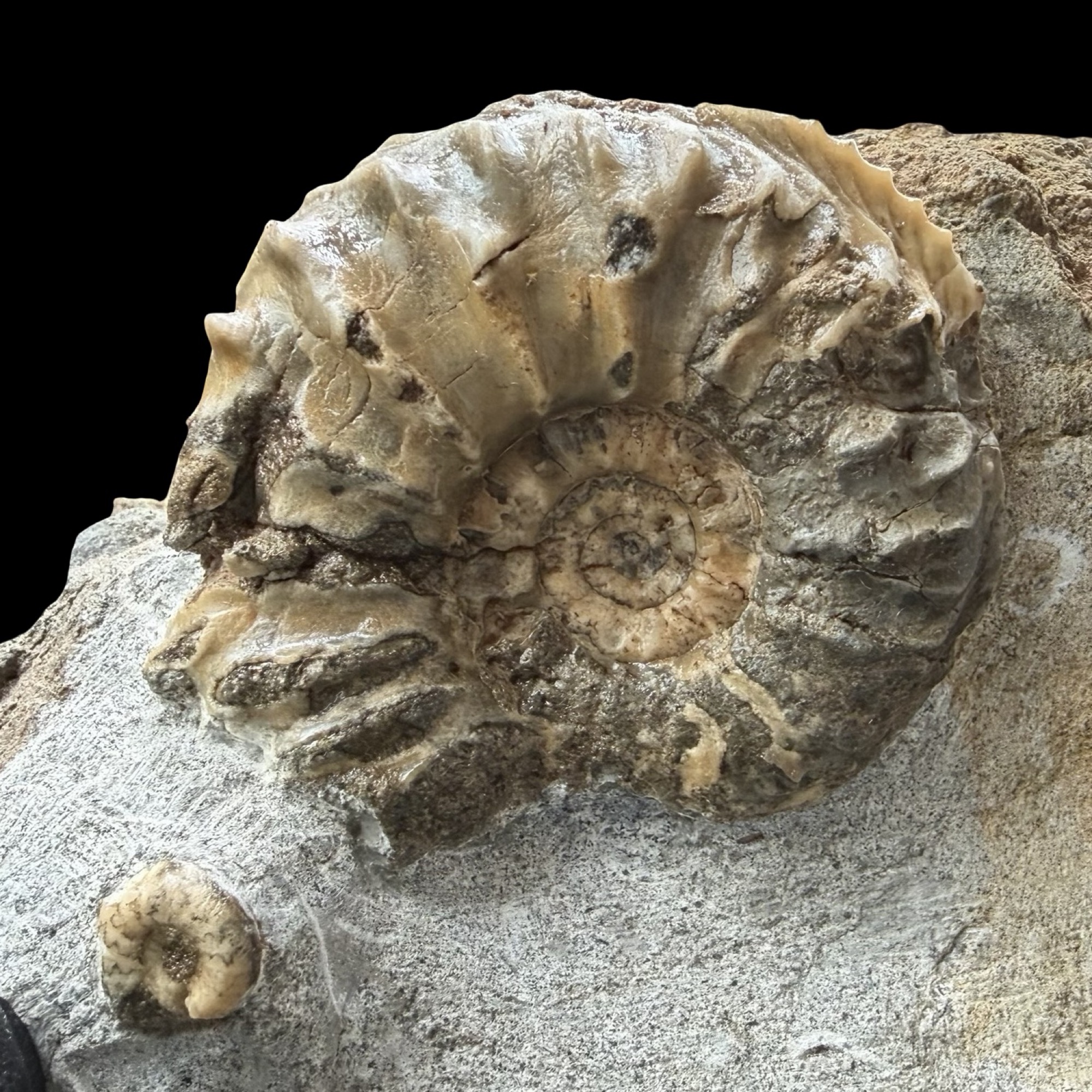
Redcliff Formation, Lower Oxfordian, Jurassic, collected from Bowleaze Cove, Dorset, UK. This is a carefully chosen fossil specimen with excellent British Jurassic provenance, selected for its natural character, scientific interest and display appeal.The photograph shows the actual specimen you will receive, allowing you to view the fossil’s shape, preservation and natural presentation before purchase. Full sizing and scale details can be seen in the photo. Your specimen was discovered by our own team members, Alister and Alison, and has been carefully cleaned, prepped and treated by Alison. It is supplied with a Certificate of Authenticity lifetime guarantee generic card, confirming that this is a genuine fossil specimen suitable for collectors, educational displays, natural history cabinets and geology gifts. ABOUT EUASPIDOCERAS AMMONITESEuaspidoceras is an extinct genus of ammonite from the Jurassic seas. Ammonites were marine cephalopods, related to modern squid, octopus and nautilus, but unlike squid and octopus they lived inside a coiled, chambered shell. The living animal occupied the final outer chamber, while earlier internal chambers helped control buoyancy as it moved through the ancient marine environment.Euaspidoceras is especially associated with the Oxfordian Stage of the Late Jurassic and is a classic ammonite genus found in European marine deposits. It belongs to the family Aspidoceratidae, a group of ammonites well known for strong ornamentation, robust shell forms and distinctive tuberculate or spiny features. The genus Euaspidoceras was formally established by L. F. Spath and is valued by palaeontologists and collectors for its bold, recognisable shell morphology. SHELL FORM AND FOSSIL FEATURESEuaspidoceras ammonites are admired for their strong, sculptural appearance. Many examples show a rounded to robust coiled shell, prominent ribbing and rows of tubercles or raised nodes along the whorl. These tubercles may originally have supported small spines or acted as strengthened shell ornament, giving the animal a distinctive and defensive-looking form.The shell of an ammonite was divided into internal chambers by walls called septa. These chambers were connected by a tube known as the siphuncle, allowing the animal to regulate gas and fluid for buoyancy. The visible coiled shell, ornament and growth form make Euaspidoceras an appealing fossil for anyone interested in Jurassic marine life, ammonite evolution and classic British fossils. NOTHE GRIT, REDCLIFF FORMATION AND LOWER OXFORDIAN AGEThis specimen comes from the Nothe Grit, part of the Redcliff Formation, dating to the Lower Oxfordian stage of the Jurassic Period. The Oxfordian represents an important interval of Late Jurassic marine history, when warm shallow seas covered much of what is now southern England.The Nothe Grit and associated Redcliff Formation deposits preserve evidence of ancient marine environments, where sediments accumulated on the seabed and fossil remains became buried and mineralised over millions of years. Ammonites from these beds are particularly significant because they help geologists understand the age and correlation of Jurassic rock layers, while also providing attractive and scientifically interesting specimens for collectors. BOWLEAZE COVE, DORSET FOSSIL LOCALITYBowleaze Cove, Dorset is part of the wider Jurassic Coast region, an area internationally recognised for its outstanding geological record. The cliffs and coastal exposures around Dorset preserve a remarkable sequence of rocks from the Mesozoic Era, including fossil-bearing Jurassic marine deposits.Fossils from Bowleaze Cove are sought after for their classic Dorset provenance and their connection to the historic fossil-rich strata of the south coast. A Euaspidoceras ammonite from this locality is especially appealing because it combines a distinctive ammonite genus with a well-known British Jurassic setting. COLLECTABLE BRITISH JURASSIC DISPLAY FOSSILThis Euaspidoceras ammonite fossil is a desirable specimen for collectors of British fossils, Jurassic ammonites, Dorset fossils, Oxfordian fossils and natural history display pieces. Its origin from the Nothe Grit of the Redcliff Formation at Bowleaze Cove gives it strong geological context and excellent collectable value.The specimen has been carefully selected for authenticity, natural appearance and display interest. With its genuine Jurassic age, classic UK locality, actual-specimen photograph and included Certificate of Authenticity lifetime guarantee generic card, this Euaspidoceras fossil offers a direct connection to the ancient marine world of Jurassic Dorset.
Redcliff Formation, Lower Oxfordian, Jurassic, collected from Bowleaze Cove, Dorset, UK. This is a carefully chosen fossil specimen with excellent British Jurassic provenance, selected for its natural character, scientific interest and display appeal.The photograph shows the actual specimen you will receive, allowing you to view the fossil’s shape, preservation and natural presentation before purchase. Full sizing and scale details can be seen in the photo. Your specimen was discovered by our own team members, Alister and Alison, and has been carefully cleaned, prepped and treated by Alison. It is supplied with a Certificate of Authenticity lifetime guarantee generic card, confirming that this is a genuine fossil specimen suitable for collectors, educational displays, natural history cabinets and geology gifts. ABOUT EUASPIDOCERAS AMMONITESEuaspidoceras is an extinct genus of ammonite from the Jurassic seas. Ammonites were marine cephalopods, related to modern squid, octopus and nautilus, but unlike squid and octopus they lived inside a coiled, chambered shell. The living animal occupied the final outer chamber, while earlier internal chambers helped control buoyancy as it moved through the ancient marine environment.Euaspidoceras is especially associated with the Oxfordian Stage of the Late Jurassic and is a classic ammonite genus found in European marine deposits. It belongs to the family Aspidoceratidae, a group of ammonites well known for strong ornamentation, robust shell forms and distinctive tuberculate or spiny features. The genus Euaspidoceras was formally established by L. F. Spath and is valued by palaeontologists and collectors for its bold, recognisable shell morphology. SHELL FORM AND FOSSIL FEATURESEuaspidoceras ammonites are admired for their strong, sculptural appearance. Many examples show a rounded to robust coiled shell, prominent ribbing and rows of tubercles or raised nodes along the whorl. These tubercles may originally have supported small spines or acted as strengthened shell ornament, giving the animal a distinctive and defensive-looking form.The shell of an ammonite was divided into internal chambers by walls called septa. These chambers were connected by a tube known as the siphuncle, allowing the animal to regulate gas and fluid for buoyancy. The visible coiled shell, ornament and growth form make Euaspidoceras an appealing fossil for anyone interested in Jurassic marine life, ammonite evolution and classic British fossils. NOTHE GRIT, REDCLIFF FORMATION AND LOWER OXFORDIAN AGEThis specimen comes from the Nothe Grit, part of the Redcliff Formation, dating to the Lower Oxfordian stage of the Jurassic Period. The Oxfordian represents an important interval of Late Jurassic marine history, when warm shallow seas covered much of what is now southern England.The Nothe Grit and associated Redcliff Formation deposits preserve evidence of ancient marine environments, where sediments accumulated on the seabed and fossil remains became buried and mineralised over millions of years. Ammonites from these beds are particularly significant because they help geologists understand the age and correlation of Jurassic rock layers, while also providing attractive and scientifically interesting specimens for collectors. BOWLEAZE COVE, DORSET FOSSIL LOCALITYBowleaze Cove, Dorset is part of the wider Jurassic Coast region, an area internationally recognised for its outstanding geological record. The cliffs and coastal exposures around Dorset preserve a remarkable sequence of rocks from the Mesozoic Era, including fossil-bearing Jurassic marine deposits.Fossils from Bowleaze Cove are sought after for their classic Dorset provenance and their connection to the historic fossil-rich strata of the south coast. A Euaspidoceras ammonite from this locality is especially appealing because it combines a distinctive ammonite genus with a well-known British Jurassic setting. COLLECTABLE BRITISH JURASSIC DISPLAY FOSSILThis Euaspidoceras ammonite fossil is a desirable specimen for collectors of British fossils, Jurassic ammonites, Dorset fossils, Oxfordian fossils and natural history display pieces. Its origin from the Nothe Grit of the Redcliff Formation at Bowleaze Cove gives it strong geological context and excellent collectable value.The specimen has been carefully selected for authenticity, natural appearance and display interest. With its genuine Jurassic age, classic UK locality, actual-specimen photograph and included Certificate of Authenticity lifetime guarantee generic card, this Euaspidoceras fossil offers a direct connection to the ancient marine world of Jurassic Dorset.
Other Products