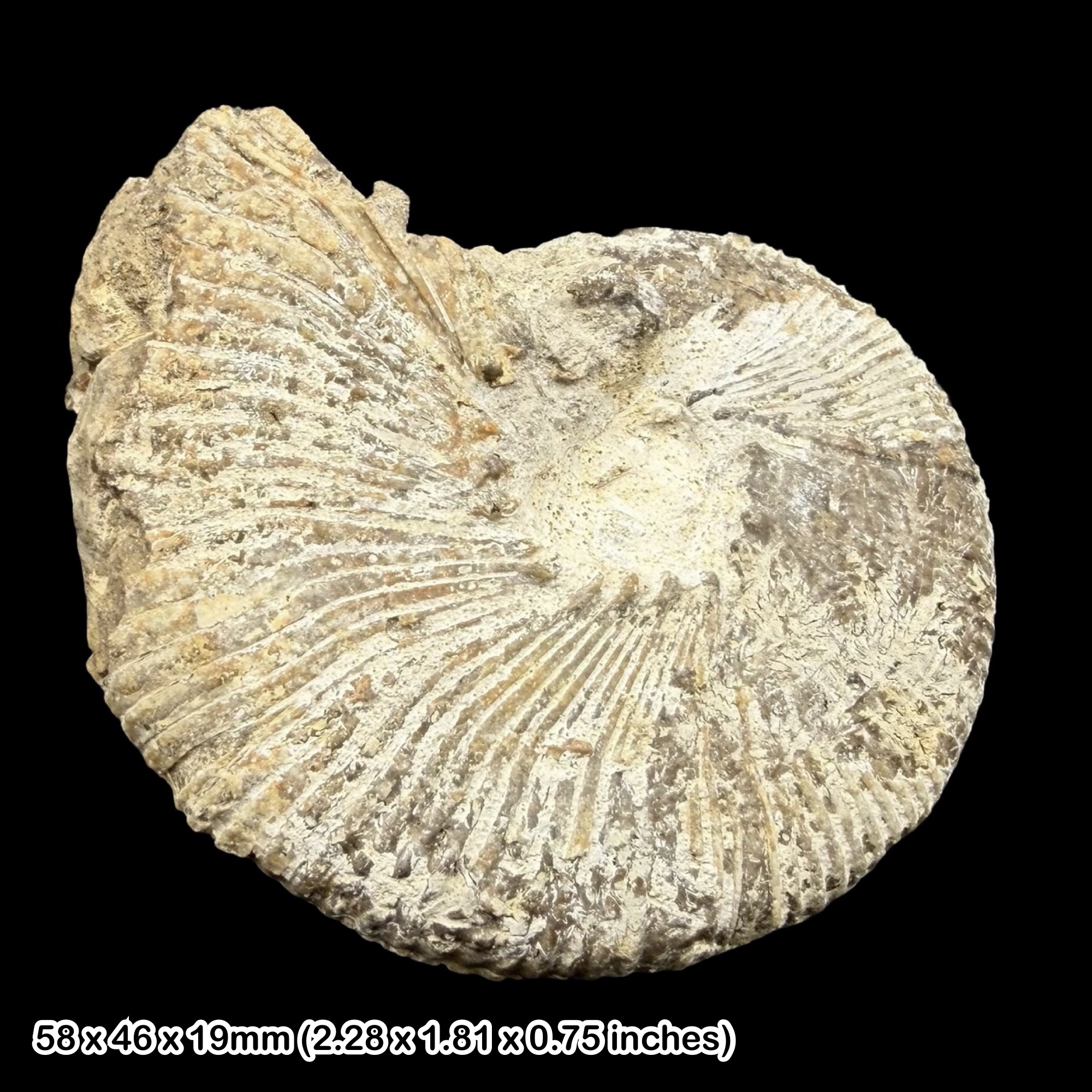

Gunnarites Kalika Ammonite Fossil Cretaceous Western Australia Genuine COA
£ 19.80
Genuine Gunnarites kalika Ammonite FossilThis listing is for a genuine Gunnarites kalika ammonite fossil from the Miria
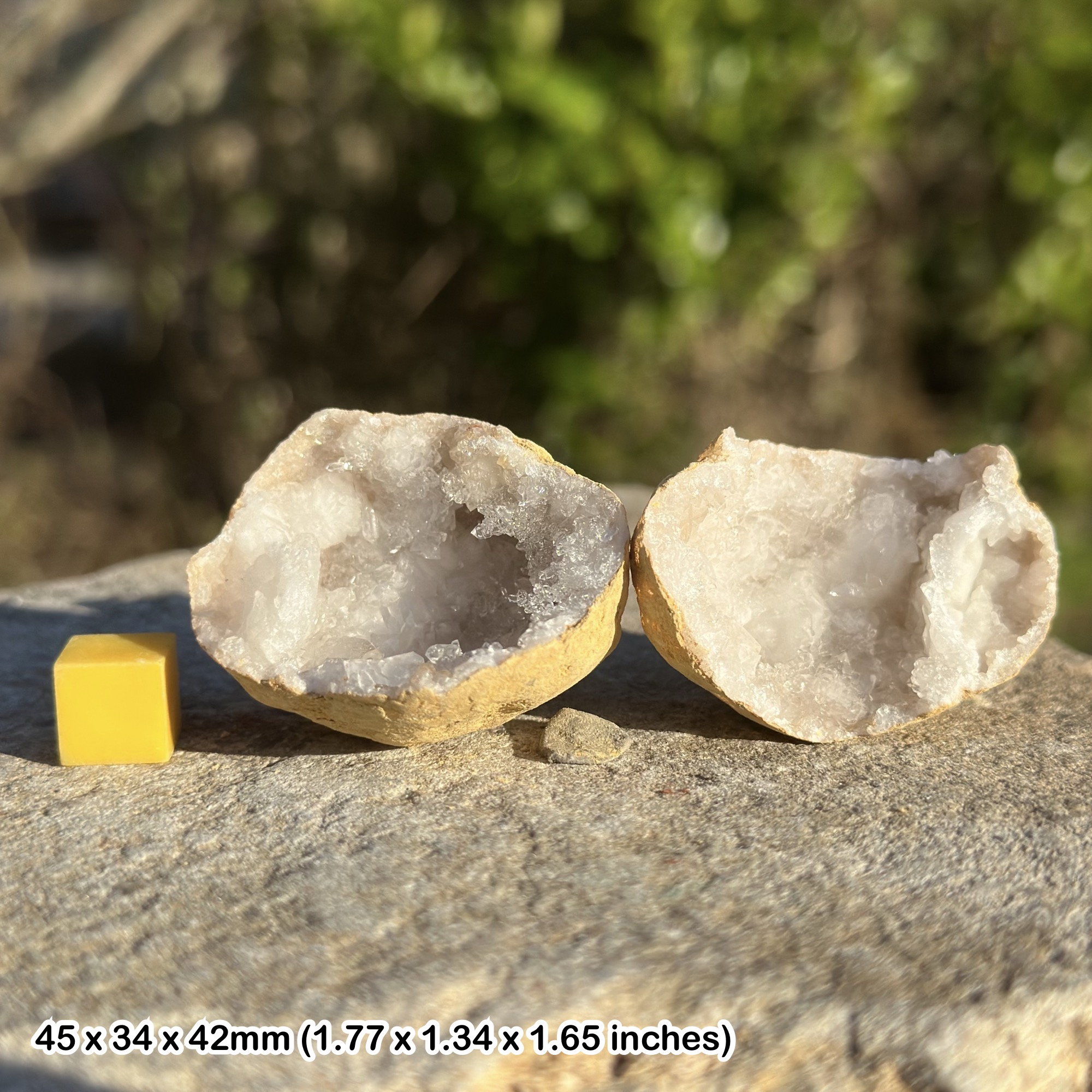
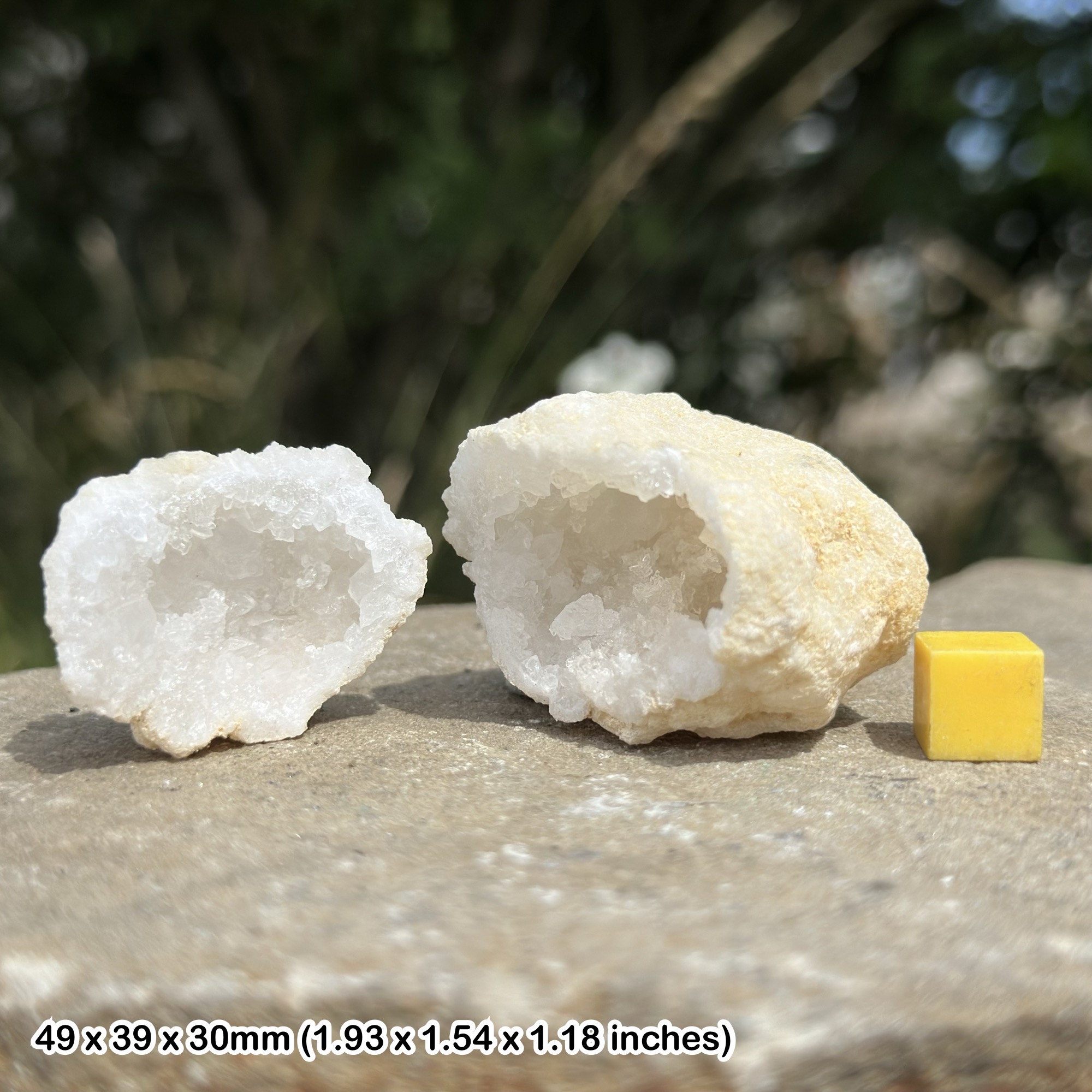
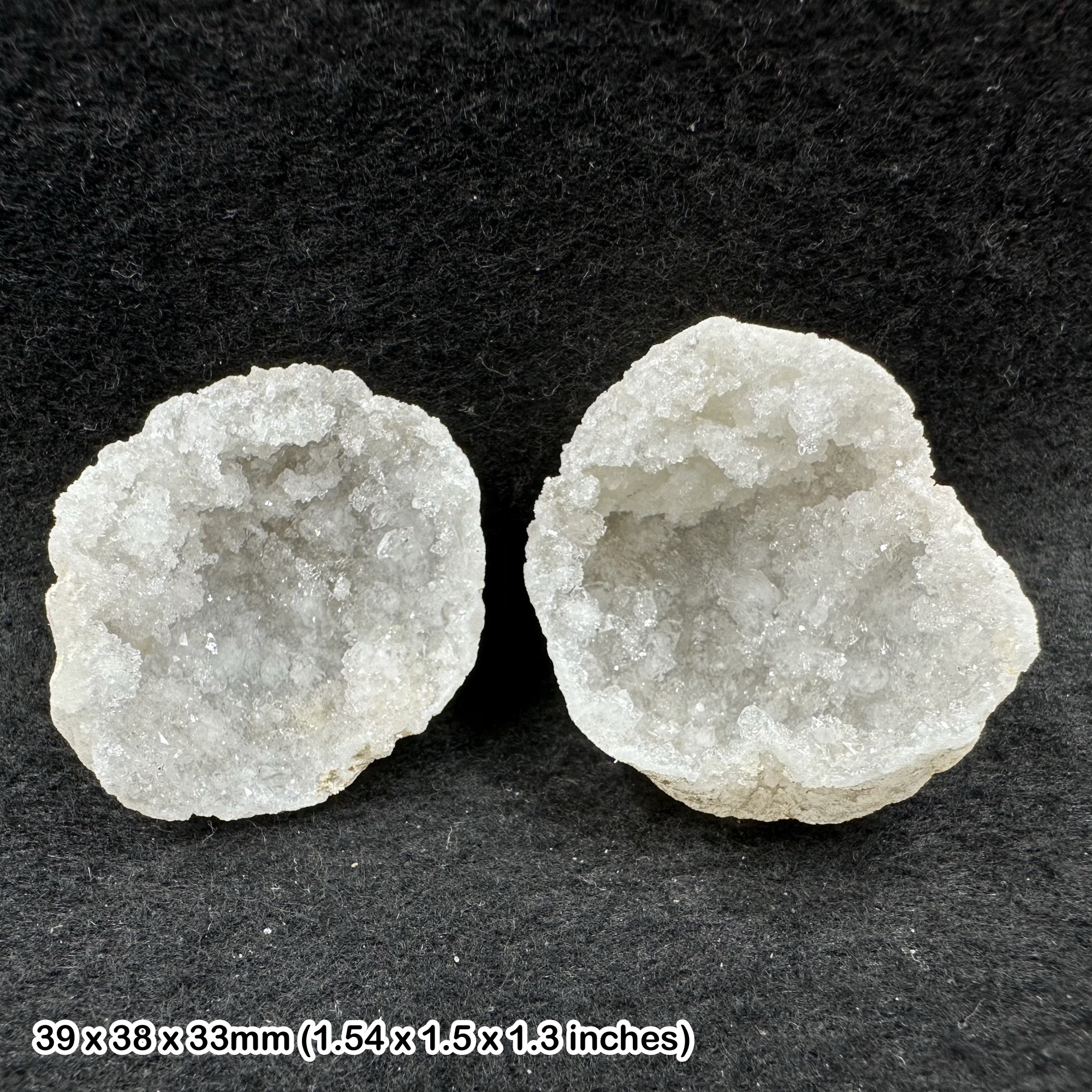
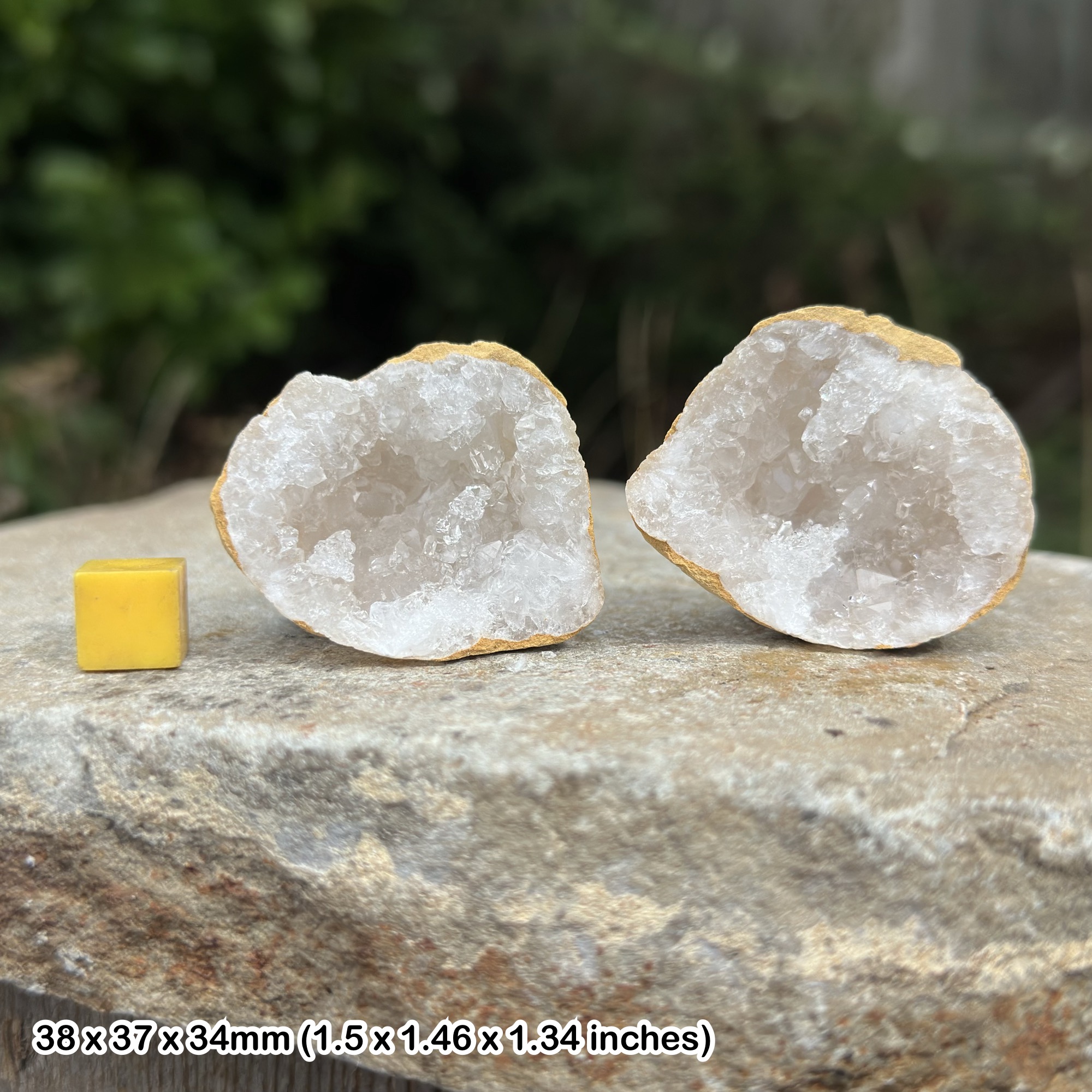
Formation, dating to the Upper Cretaceous, Maastrichtian stage, from the Giralia Range, Western Australia. This is a carefully chosen fossil specimen, and the photo shows the actual ammonite you will receive, making it an excellent choice for fossil collectors, natural history displays, educational collections, and anyone interested in rare Australian Cretaceous marine fossils.Upper Cretaceous Maastrichtian AgeGunnarites kalika lived during the Maastrichtian, the final stage of the Cretaceous Period. This makes the fossil especially interesting, as it comes from the last chapter of ammonite evolution before the end-Cretaceous extinction event. During the Maastrichtian, ammonites were still diverse in many marine environments, sharing the oceans with belemnites, bivalves, gastropods, echinoids, fish, marine reptiles, and other prehistoric sea life.The Maastrichtian is widely recognised as a significant geological stage because it immediately preceded the extinction that ended the age of non-avian dinosaurs and brought about the disappearance of ammonites. A fossil from this time period offers a direct connection to one of the most dramatic transitions in Earth history.Miria Formation and Western Australian GeologyThis specimen comes from the Miria Formation, a fossil-bearing Upper Cretaceous rock unit known from Western Australia. The formation preserves marine sediments deposited when parts of the region were influenced by ancient seas. These deposits record coastal to shallow marine environments where ammonites and other marine organisms lived, died, and were buried in sediment before fossilisation.The Giralia Range area of Western Australia is noted for Cretaceous fossils and provides important evidence of ancient marine conditions along the Australian margin. Fossils from this region are popular with collectors because they represent a distinctive southern hemisphere fossil fauna, different from the more commonly encountered European and North African ammonite localities.Fossil Type and SpeciesGunnarites kalika is an extinct ammonite species. Ammonites were marine cephalopods related to modern squid, octopus, cuttlefish, and nautilus. They lived inside coiled, chambered shells, with the living animal occupying the final body chamber while earlier chambers helped regulate buoyancy.The genus Gunnarites belongs to a group of Late Cretaceous ammonites noted for their ribbed coiled shells and scientific importance in southern hemisphere marine deposits. Depending on preservation, specimens may show strong ribbing, visible whorls, a rounded to compressed shell form, and natural ornamentation across the flanks. These shell features are important for ammonite identification and make the fossil visually appealing for display.Morphology and Collector InterestGunnarites ammonites are valued for their classic ammonite form, with a spiral shell that records the growth of the animal over time. The ribbing and whorl shape can give each specimen a distinct character, while the species-level identification adds extra interest for collectors who prefer precisely named fossils.This fossil is particularly appealing for collections focused on Australian fossils, Cretaceous ammonites, Maastrichtian fossils, marine cephalopods, and southern hemisphere palaeontology. Fossils from the Miria Formation are not as commonly seen as many Jurassic ammonites from Europe or Morocco, making this a distinctive addition to a varied fossil collection.Display and Educational ValueThis Gunnarites kalika ammonite fossil would display well in a fossil cabinet, study tray, natural history collection, classroom resource, geology display, or museum-style arrangement. It is suitable for both newer collectors and experienced fossil enthusiasts looking for a named Upper Cretaceous ammonite from Australia.The specimen also has strong educational value because ammonites are important index fossils. Their rapid evolution and wide distribution allow geologists to compare and date marine rock layers from different parts of the world. A Maastrichtian ammonite from Western Australia is an excellent example of how fossils help reveal ancient sea levels, palaeoenvironments, and the changing life of the Cretaceous oceans.Authenticity and CertificateThis fossil is a genuine specimen and includes a Certificate of Authenticity lifetime guarantee generic card. Full sizing can be seen in the photo, so please refer to the image for exact scale and dimensions. As a natural fossil specimen, variations in colour, matrix, surface texture, ribbing, shell detail, and preservation are part of its individual character. The photograph shows the actual Gunnarites kalika ammonite fossil you will receive, allowing you to view the specimen’s condition, shape, detail, and natural preservation before purchase.
Formation, dating to the Upper Cretaceous, Maastrichtian stage, from the Giralia Range, Western Australia. This is a carefully chosen fossil specimen, and the photo shows the actual ammonite you will receive, making it an excellent choice for fossil collectors, natural history displays, educational collections, and anyone interested in rare Australian Cretaceous marine fossils.Upper Cretaceous Maastrichtian AgeGunnarites kalika lived during the Maastrichtian, the final stage of the Cretaceous Period. This makes the fossil especially interesting, as it comes from the last chapter of ammonite evolution before the end-Cretaceous extinction event. During the Maastrichtian, ammonites were still diverse in many marine environments, sharing the oceans with belemnites, bivalves, gastropods, echinoids, fish, marine reptiles, and other prehistoric sea life.The Maastrichtian is widely recognised as a significant geological stage because it immediately preceded the extinction that ended the age of non-avian dinosaurs and brought about the disappearance of ammonites. A fossil from this time period offers a direct connection to one of the most dramatic transitions in Earth history.Miria Formation and Western Australian GeologyThis specimen comes from the Miria Formation, a fossil-bearing Upper Cretaceous rock unit known from Western Australia. The formation preserves marine sediments deposited when parts of the region were influenced by ancient seas. These deposits record coastal to shallow marine environments where ammonites and other marine organisms lived, died, and were buried in sediment before fossilisation.The Giralia Range area of Western Australia is noted for Cretaceous fossils and provides important evidence of ancient marine conditions along the Australian margin. Fossils from this region are popular with collectors because they represent a distinctive southern hemisphere fossil fauna, different from the more commonly encountered European and North African ammonite localities.Fossil Type and SpeciesGunnarites kalika is an extinct ammonite species. Ammonites were marine cephalopods related to modern squid, octopus, cuttlefish, and nautilus. They lived inside coiled, chambered shells, with the living animal occupying the final body chamber while earlier chambers helped regulate buoyancy.The genus Gunnarites belongs to a group of Late Cretaceous ammonites noted for their ribbed coiled shells and scientific importance in southern hemisphere marine deposits. Depending on preservation, specimens may show strong ribbing, visible whorls, a rounded to compressed shell form, and natural ornamentation across the flanks. These shell features are important for ammonite identification and make the fossil visually appealing for display.Morphology and Collector InterestGunnarites ammonites are valued for their classic ammonite form, with a spiral shell that records the growth of the animal over time. The ribbing and whorl shape can give each specimen a distinct character, while the species-level identification adds extra interest for collectors who prefer precisely named fossils.This fossil is particularly appealing for collections focused on Australian fossils, Cretaceous ammonites, Maastrichtian fossils, marine cephalopods, and southern hemisphere palaeontology. Fossils from the Miria Formation are not as commonly seen as many Jurassic ammonites from Europe or Morocco, making this a distinctive addition to a varied fossil collection.Display and Educational ValueThis Gunnarites kalika ammonite fossil would display well in a fossil cabinet, study tray, natural history collection, classroom resource, geology display, or museum-style arrangement. It is suitable for both newer collectors and experienced fossil enthusiasts looking for a named Upper Cretaceous ammonite from Australia.The specimen also has strong educational value because ammonites are important index fossils. Their rapid evolution and wide distribution allow geologists to compare and date marine rock layers from different parts of the world. A Maastrichtian ammonite from Western Australia is an excellent example of how fossils help reveal ancient sea levels, palaeoenvironments, and the changing life of the Cretaceous oceans.Authenticity and CertificateThis fossil is a genuine specimen and includes a Certificate of Authenticity lifetime guarantee generic card. Full sizing can be seen in the photo, so please refer to the image for exact scale and dimensions. As a natural fossil specimen, variations in colour, matrix, surface texture, ribbing, shell detail, and preservation are part of its individual character. The photograph shows the actual Gunnarites kalika ammonite fossil you will receive, allowing you to view the specimen’s condition, shape, detail, and natural preservation before purchase.
Other Products