Enrolled Diacalymene Trilobite Fossil Ordovician Morocco Genuine COA Display Specimen Collectable Palaeozoic Natural History Fossil
£ 12.60
GENUINE ENROLLED DIACALYMENE TRILOBITE FOSSILThis listing is for a genuine enrolled Diacalymene trilobite fossil from the
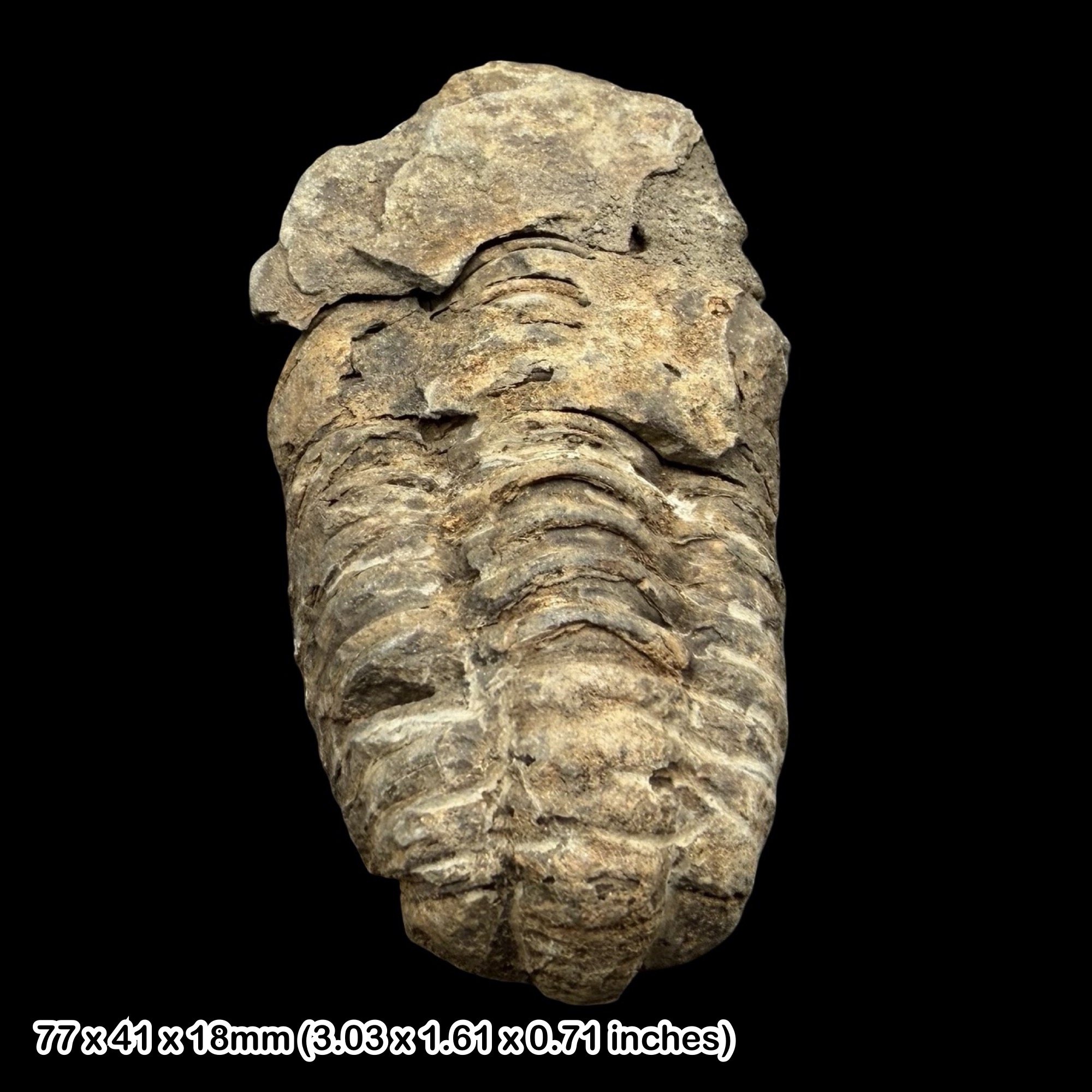
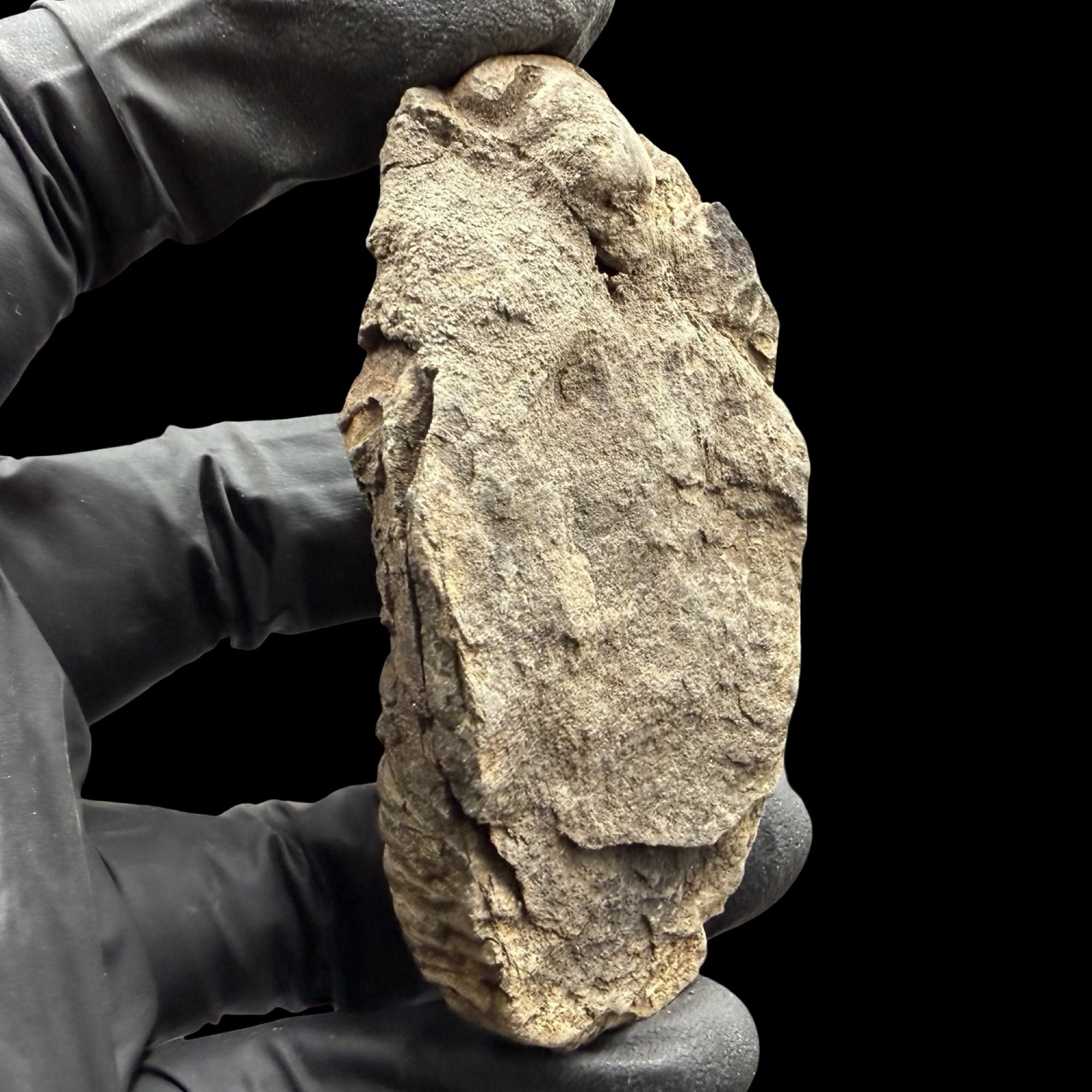
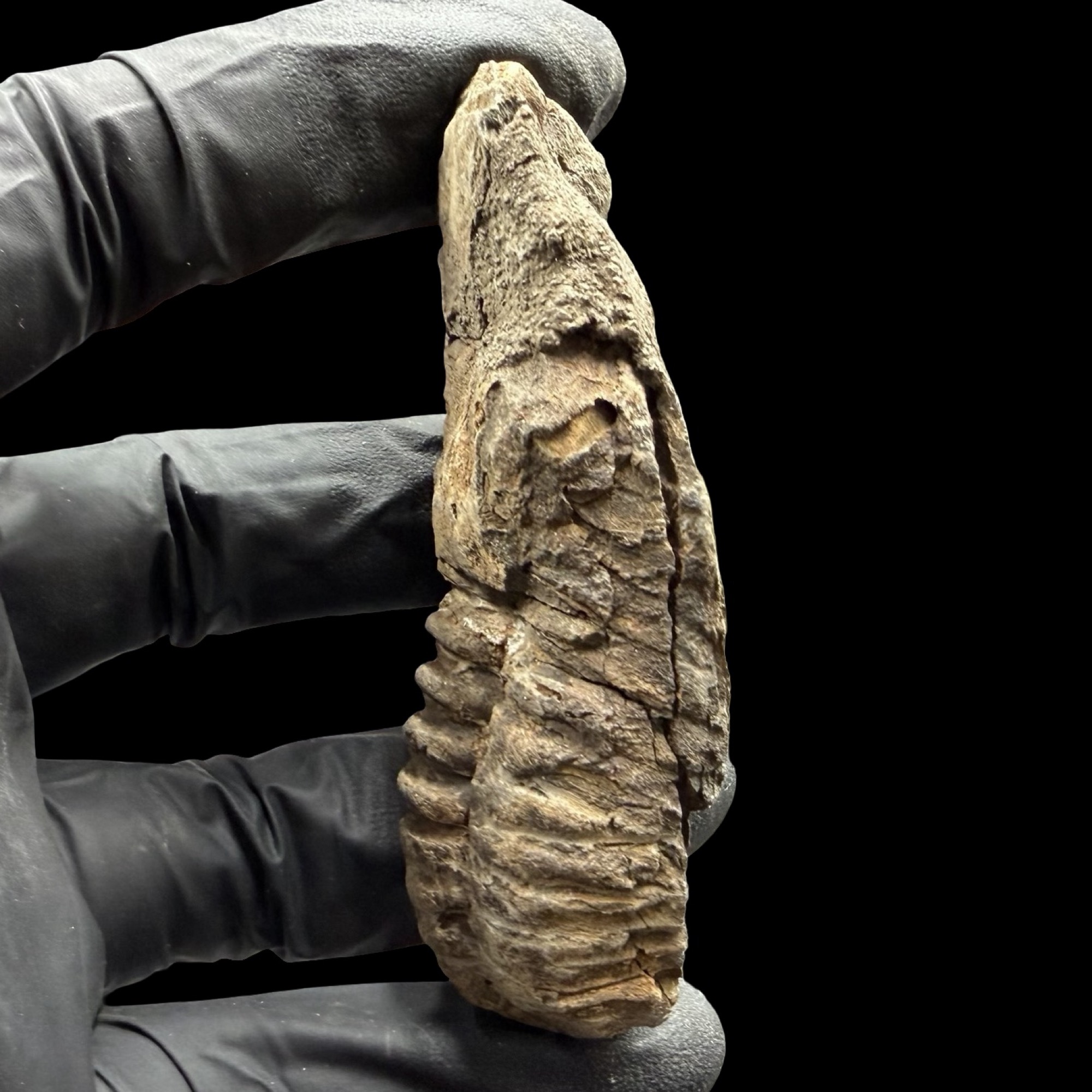
Ordovician of Morocco. This is a carefully chosen natural fossil specimen, selected for its classic trilobite form, geological interest, and strong appeal as a collectable Palaeozoic display piece. The photograph shows the actual specimen you will receive, allowing you to view the preservation, enrolment, matrix, surface detail, colour, and overall appearance before purchase. For full sizing, please see the photo.This fossil is supplied with a Certificate of Authenticity lifetime guarantee generic card, confirming that it is a genuine fossil specimen. FOSSIL TYPE AND TRILOBITE GROUPDiacalymene is a trilobite, an extinct marine arthropod that lived during the Palaeozoic Era. Trilobites are among the most famous and recognisable fossils in the world, named for their three-lobed body structure. Their bodies are divided both lengthwise into a central axial lobe and two side lobes, and across the body into three main sections: the cephalon, thorax, and pygidium.This specimen is especially appealing because it is enrolled, meaning the trilobite is preserved curled into a defensive ball-like posture. Enrolment was a natural protective behaviour used by many trilobites, similar in function to the way some modern woodlice or armadillos curl up when threatened. In life, this posture would have helped protect the softer underside of the animal from predators and environmental disturbance on the sea floor. ORDOVICIAN GEOLOGICAL AGEThis fossil dates from the Ordovician Period, making it approximately 485 to 444 million years old. The Ordovician was a major chapter in the history of life, marked by expanding marine ecosystems and a remarkable diversification of sea life. During this period, trilobites were among the most successful and widespread arthropods, sharing the oceans with brachiopods, cephalopods, graptolites, echinoderms, corals, and other early marine organisms.At the time this Diacalymene trilobite was alive, life on land was still very limited, while the seas contained complex and thriving ecosystems. Trilobites crawled across the sea floor, feeding, scavenging, burrowing, and avoiding predators in ancient marine environments. Their hard calcite exoskeletons gave them a strong chance of fossilisation after death, especially when buried quickly by fine sediment. MOROCCO FOSSIL LOCALITYThis specimen comes from Morocco, a country world-famous for its rich Palaeozoic fossil deposits. Moroccan trilobites are highly valued by collectors because they represent an exceptional record of ancient marine life from North Africa. Fossils from this region are widely collected for education, display, and scientific interest, with many specimens preserving fine details of the exoskeleton and body shape.During the Ordovician, the region that is now Morocco formed part of ancient marine environments along the margin of the supercontinent Gondwana. Sediments deposited in these seas preserved trilobites and other marine fossils over hundreds of millions of years. A Diacalymene trilobite from Morocco is therefore a genuine piece of deep-time history from a world that existed long before dinosaurs, mammals, flowering plants, or humans. ENROLLED BODY FORM AND NATURAL FEATURESThe enrolled posture of this trilobite is one of its most notable features. The cephalon, segmented thorax, and pygidium curve together into a compact defensive form, showing how the articulated body could flex in life. The thoracic segments were jointed, allowing movement, while the harder outer exoskeleton provided protection. This combination of flexibility and armour made trilobites highly adaptable animals in Palaeozoic seas.As a genuine fossil, this specimen may show natural characteristics such as matrix attachment, mineral staining, ancient wear, surface texture, small chips, weathered areas, repaired-looking natural lines, or partial preservation. These features are typical of authentic fossil material and form part of the specimen’s geological history. The photo shows the exact fossil being offered, so all visible details can be viewed before purchase. COLLECTABLE ORDOVICIAN TRILOBITE DISPLAY SPECIMENThis enrolled Diacalymene trilobite fossil is ideal for fossil collectors, geology students, educational collections, natural history displays, school teaching resources, or anyone interested in genuine prehistoric life. Its combination of Ordovician age, Moroccan origin, defensive enrolled posture, and classic trilobite anatomy makes it a striking addition to any fossil cabinet or display collection.The specimen comes exactly as shown in the photo and includes a Certificate of Authenticity lifetime guarantee generic card, making it a reliable choice for collectors seeking a genuine trilobite fossil, Moroccan Ordovician fossil, enrolled trilobite specimen, or authentic natural history display piece.
Ordovician of Morocco. This is a carefully chosen natural fossil specimen, selected for its classic trilobite form, geological interest, and strong appeal as a collectable Palaeozoic display piece. The photograph shows the actual specimen you will receive, allowing you to view the preservation, enrolment, matrix, surface detail, colour, and overall appearance before purchase. For full sizing, please see the photo.This fossil is supplied with a Certificate of Authenticity lifetime guarantee generic card, confirming that it is a genuine fossil specimen. FOSSIL TYPE AND TRILOBITE GROUPDiacalymene is a trilobite, an extinct marine arthropod that lived during the Palaeozoic Era. Trilobites are among the most famous and recognisable fossils in the world, named for their three-lobed body structure. Their bodies are divided both lengthwise into a central axial lobe and two side lobes, and across the body into three main sections: the cephalon, thorax, and pygidium.This specimen is especially appealing because it is enrolled, meaning the trilobite is preserved curled into a defensive ball-like posture. Enrolment was a natural protective behaviour used by many trilobites, similar in function to the way some modern woodlice or armadillos curl up when threatened. In life, this posture would have helped protect the softer underside of the animal from predators and environmental disturbance on the sea floor. ORDOVICIAN GEOLOGICAL AGEThis fossil dates from the Ordovician Period, making it approximately 485 to 444 million years old. The Ordovician was a major chapter in the history of life, marked by expanding marine ecosystems and a remarkable diversification of sea life. During this period, trilobites were among the most successful and widespread arthropods, sharing the oceans with brachiopods, cephalopods, graptolites, echinoderms, corals, and other early marine organisms.At the time this Diacalymene trilobite was alive, life on land was still very limited, while the seas contained complex and thriving ecosystems. Trilobites crawled across the sea floor, feeding, scavenging, burrowing, and avoiding predators in ancient marine environments. Their hard calcite exoskeletons gave them a strong chance of fossilisation after death, especially when buried quickly by fine sediment. MOROCCO FOSSIL LOCALITYThis specimen comes from Morocco, a country world-famous for its rich Palaeozoic fossil deposits. Moroccan trilobites are highly valued by collectors because they represent an exceptional record of ancient marine life from North Africa. Fossils from this region are widely collected for education, display, and scientific interest, with many specimens preserving fine details of the exoskeleton and body shape.During the Ordovician, the region that is now Morocco formed part of ancient marine environments along the margin of the supercontinent Gondwana. Sediments deposited in these seas preserved trilobites and other marine fossils over hundreds of millions of years. A Diacalymene trilobite from Morocco is therefore a genuine piece of deep-time history from a world that existed long before dinosaurs, mammals, flowering plants, or humans. ENROLLED BODY FORM AND NATURAL FEATURESThe enrolled posture of this trilobite is one of its most notable features. The cephalon, segmented thorax, and pygidium curve together into a compact defensive form, showing how the articulated body could flex in life. The thoracic segments were jointed, allowing movement, while the harder outer exoskeleton provided protection. This combination of flexibility and armour made trilobites highly adaptable animals in Palaeozoic seas.As a genuine fossil, this specimen may show natural characteristics such as matrix attachment, mineral staining, ancient wear, surface texture, small chips, weathered areas, repaired-looking natural lines, or partial preservation. These features are typical of authentic fossil material and form part of the specimen’s geological history. The photo shows the exact fossil being offered, so all visible details can be viewed before purchase. COLLECTABLE ORDOVICIAN TRILOBITE DISPLAY SPECIMENThis enrolled Diacalymene trilobite fossil is ideal for fossil collectors, geology students, educational collections, natural history displays, school teaching resources, or anyone interested in genuine prehistoric life. Its combination of Ordovician age, Moroccan origin, defensive enrolled posture, and classic trilobite anatomy makes it a striking addition to any fossil cabinet or display collection.The specimen comes exactly as shown in the photo and includes a Certificate of Authenticity lifetime guarantee generic card, making it a reliable choice for collectors seeking a genuine trilobite fossil, Moroccan Ordovician fossil, enrolled trilobite specimen, or authentic natural history display piece.
Other Products