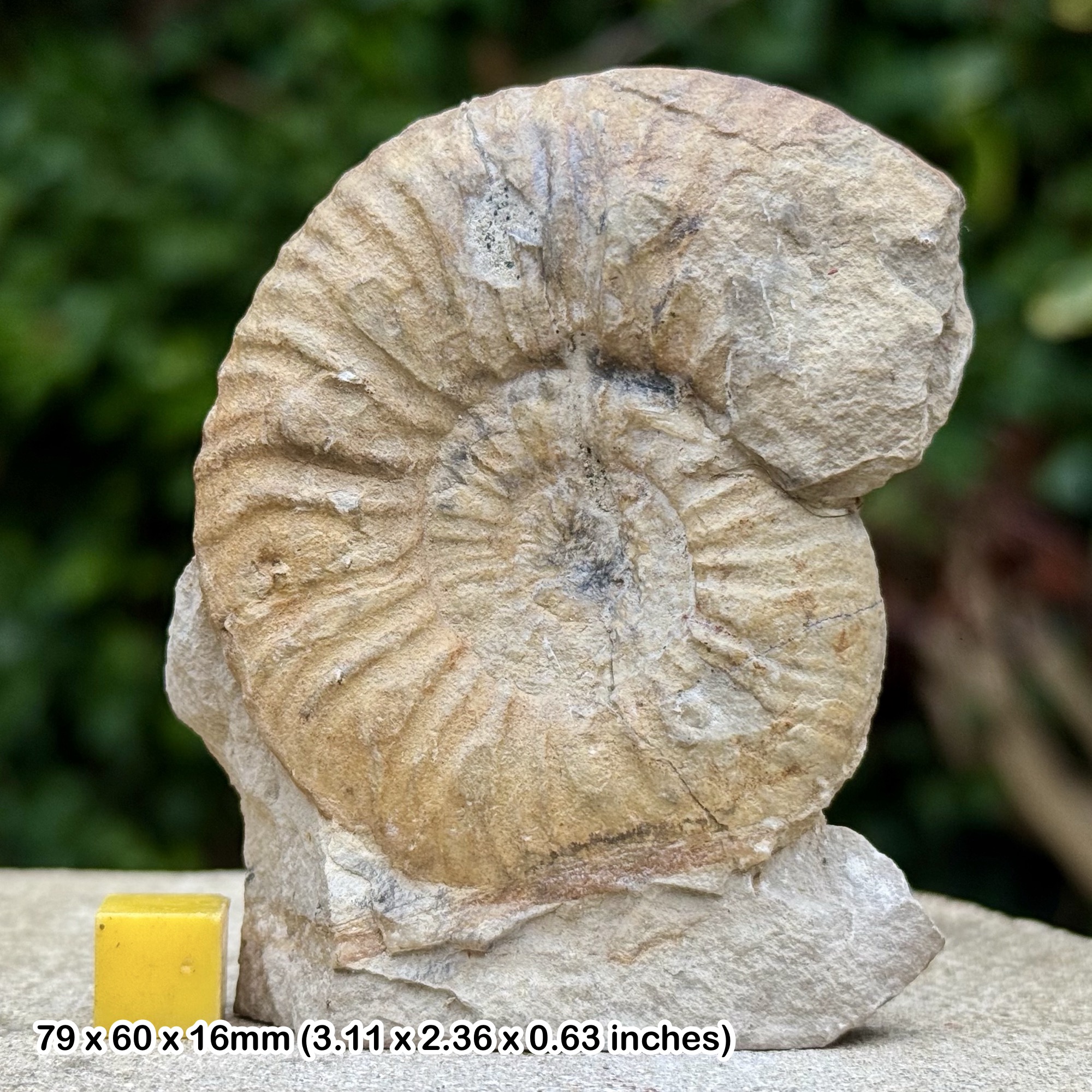
Rare Neocomites (Calliptychoceras) calliptychus Ammonite Fossil from Valanginian Cretaceous France Genuine
£ 24.00
GEOLOGICAL CONTEXT AND PROVENANCEThis rare specimen is a genuine Neocomites (Calliptychoceras) calliptychus
ammonite fossil from the Valanginian Stage of the Early Cretaceous Period, dating to approximately 139 – 133 million years ago. It originates from France, a country well known for its rich and diverse Early Cretaceous marine deposits. These strata formed in shallow seas connected to the Tethys Ocean, a vast tropical seaway that fostered abundant marine life and preserved ammonites in remarkable detail.The Valanginian Stage is significant as one of the earliest divisions of the Cretaceous. Ammonites from this interval, particularly those of the genus Neocomites, serve as important index fossils, providing precise biostratigraphic markers that allow geologists to identify and correlate marine rock layers across Europe and beyond. FOSSIL TYPE AND SPECIES INFORMATIONNeocomites (Calliptychoceras) calliptychus belongs to the Order Ammonitida, Superfamily Perisphinctoidea, and Family Neocomitidae. Ammonites of this group are distinguished by their ornate ribbing and evolute shell structure, with whorls that expose earlier coils.The subgenus Calliptychoceras is especially notable for its elegant ornamentation, with ribs that often bifurcate or trifurcate, sweeping across the flanks and ventral region. The species calliptychus exemplifies these traits, making it a key marker in Valanginian ammonite faunas and a favourite among collectors. MORPHOLOGICAL FEATURES AND IDENTIFICATIONThis specimen displays the defining characteristics of Neocomites (Calliptychoceras) calliptychus. Its shell is evolute, with earlier whorls visible, and decorated with strong, symmetrical ribbing that continues unbroken across the venter. The ribs are evenly spaced and often bifurcate near the umbilical margin, creating an intricate yet structured appearance.These morphological features are not only visually striking but also serve as diagnostic identifiers of the species. The robust ribbing would have provided strength to the shell, while the chambered interior enabled buoyancy control, allowing the ammonite to move vertically within the water column.Ammonites like Neocomites were nektonic predators, preying on small crustaceans, molluscs, and planktonic organisms. Their ribbed shells were adaptations for both structural integrity and hydrodynamic performance in the warm Cretaceous seas. DEPOSITIONAL ENVIRONMENTDuring the Valanginian, France was part of a shallow marine system on the northern edge of the Tethys Ocean. The seas were warm, subtropical, and nutrient-rich, supporting a wide array of organisms. Alongside ammonites, the ecosystem included belemnites, gastropods, bivalves, echinoids, and large marine reptiles.Sediments were primarily marls and limestones, deposited under relatively calm marine conditions. These sediments captured ammonite shells quickly after death, ensuring their preservation as detailed fossils. Fossils from this region remain critical for reconstructing Early Cretaceous marine environments and understanding ammonite evolution. COLLECTOR APPEAL AND AUTHENTICITYThis Neocomites (Calliptychoceras) calliptychus ammonite fossil is a rare and scientifically valuable specimen. Its ornate ribbing, well-preserved structure, and provenance from classic Valanginian deposits in France make it an excellent choice for collectors, educators, and enthusiasts of natural history.
• 100% Genuine Specimen – Supplied with a Certificate of Authenticity.
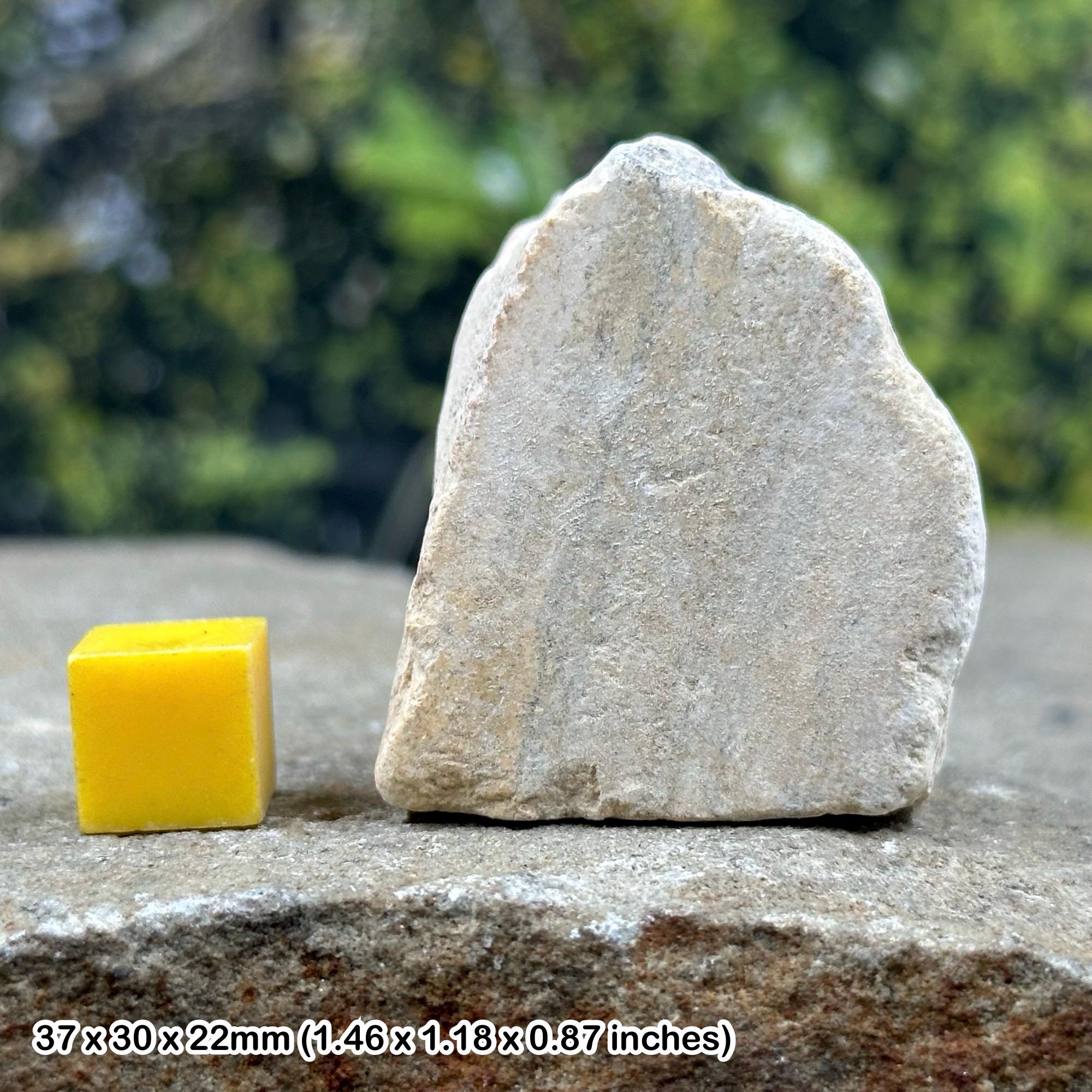
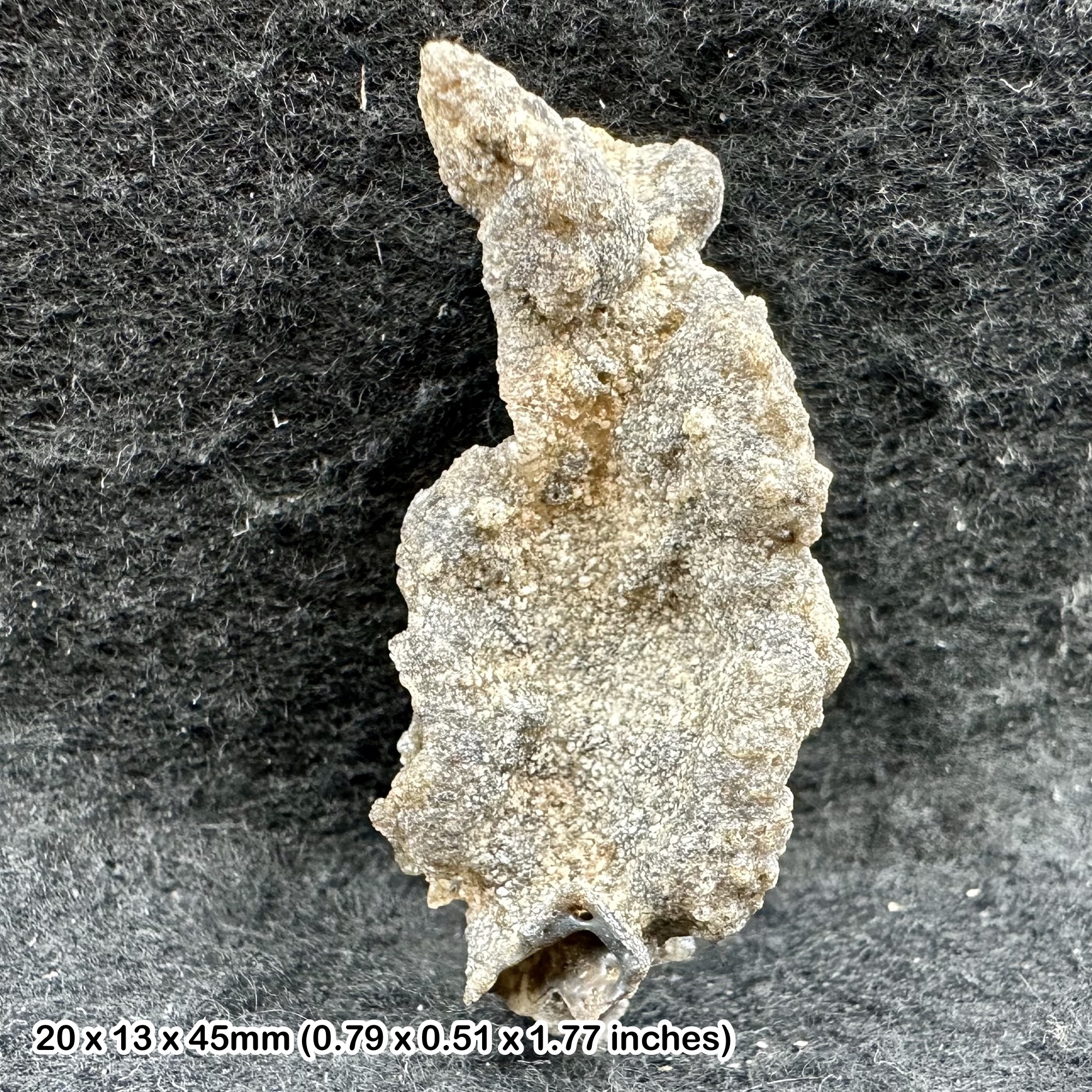
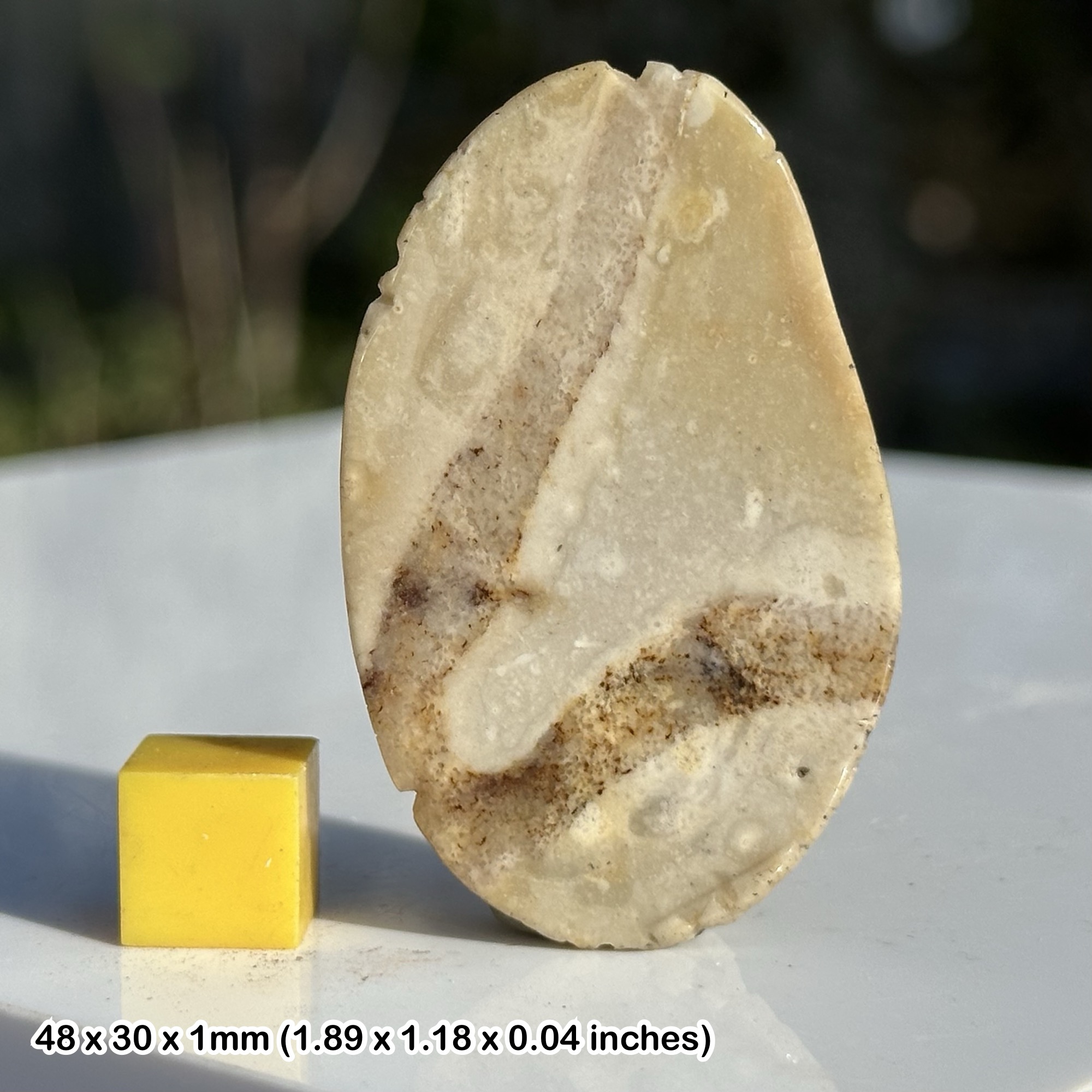
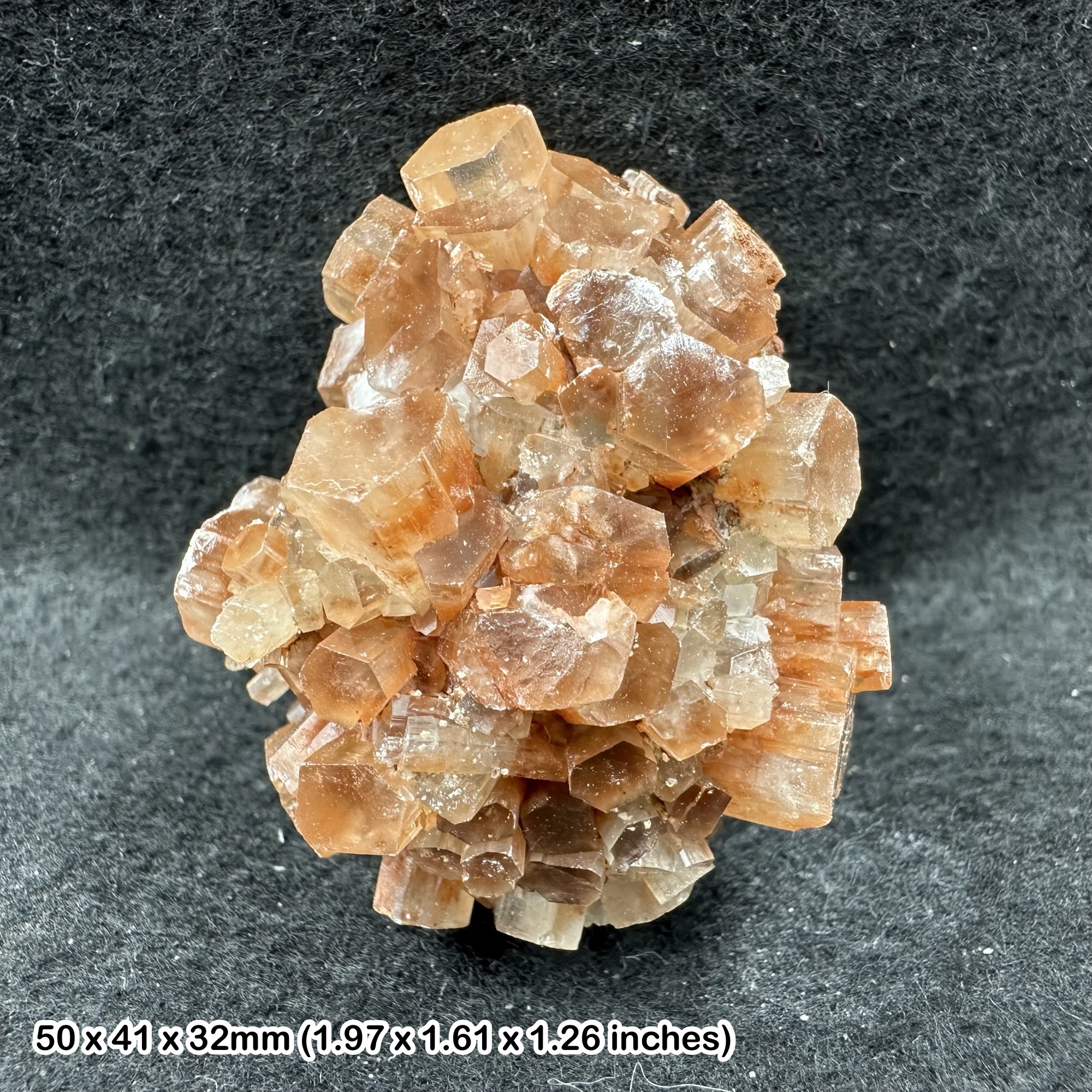
• Exact Fossil Shown – The photographs depict the actual ammonite you will receive.
• Scale Reference – Scale rule squares / cube = 1 cm. Please see photos for accurate sizing.This carefully selected Neocomites (Calliptychoceras) calliptychus ammonite fossil combines scientific significance with striking natural beauty. A remarkable piece of Early Cretaceous history, it will make an outstanding addition to any fossil collection or display.
ammonite fossil from the Valanginian Stage of the Early Cretaceous Period, dating to approximately 139 – 133 million years ago. It originates from France, a country well known for its rich and diverse Early Cretaceous marine deposits. These strata formed in shallow seas connected to the Tethys Ocean, a vast tropical seaway that fostered abundant marine life and preserved ammonites in remarkable detail.The Valanginian Stage is significant as one of the earliest divisions of the Cretaceous. Ammonites from this interval, particularly those of the genus Neocomites, serve as important index fossils, providing precise biostratigraphic markers that allow geologists to identify and correlate marine rock layers across Europe and beyond. FOSSIL TYPE AND SPECIES INFORMATIONNeocomites (Calliptychoceras) calliptychus belongs to the Order Ammonitida, Superfamily Perisphinctoidea, and Family Neocomitidae. Ammonites of this group are distinguished by their ornate ribbing and evolute shell structure, with whorls that expose earlier coils.The subgenus Calliptychoceras is especially notable for its elegant ornamentation, with ribs that often bifurcate or trifurcate, sweeping across the flanks and ventral region. The species calliptychus exemplifies these traits, making it a key marker in Valanginian ammonite faunas and a favourite among collectors. MORPHOLOGICAL FEATURES AND IDENTIFICATIONThis specimen displays the defining characteristics of Neocomites (Calliptychoceras) calliptychus. Its shell is evolute, with earlier whorls visible, and decorated with strong, symmetrical ribbing that continues unbroken across the venter. The ribs are evenly spaced and often bifurcate near the umbilical margin, creating an intricate yet structured appearance.These morphological features are not only visually striking but also serve as diagnostic identifiers of the species. The robust ribbing would have provided strength to the shell, while the chambered interior enabled buoyancy control, allowing the ammonite to move vertically within the water column.Ammonites like Neocomites were nektonic predators, preying on small crustaceans, molluscs, and planktonic organisms. Their ribbed shells were adaptations for both structural integrity and hydrodynamic performance in the warm Cretaceous seas. DEPOSITIONAL ENVIRONMENTDuring the Valanginian, France was part of a shallow marine system on the northern edge of the Tethys Ocean. The seas were warm, subtropical, and nutrient-rich, supporting a wide array of organisms. Alongside ammonites, the ecosystem included belemnites, gastropods, bivalves, echinoids, and large marine reptiles.Sediments were primarily marls and limestones, deposited under relatively calm marine conditions. These sediments captured ammonite shells quickly after death, ensuring their preservation as detailed fossils. Fossils from this region remain critical for reconstructing Early Cretaceous marine environments and understanding ammonite evolution. COLLECTOR APPEAL AND AUTHENTICITYThis Neocomites (Calliptychoceras) calliptychus ammonite fossil is a rare and scientifically valuable specimen. Its ornate ribbing, well-preserved structure, and provenance from classic Valanginian deposits in France make it an excellent choice for collectors, educators, and enthusiasts of natural history.
• 100% Genuine Specimen – Supplied with a Certificate of Authenticity.
• Exact Fossil Shown – The photographs depict the actual ammonite you will receive.
• Scale Reference – Scale rule squares / cube = 1 cm. Please see photos for accurate sizing.This carefully selected Neocomites (Calliptychoceras) calliptychus ammonite fossil combines scientific significance with striking natural beauty. A remarkable piece of Early Cretaceous history, it will make an outstanding addition to any fossil collection or display.
Other Products