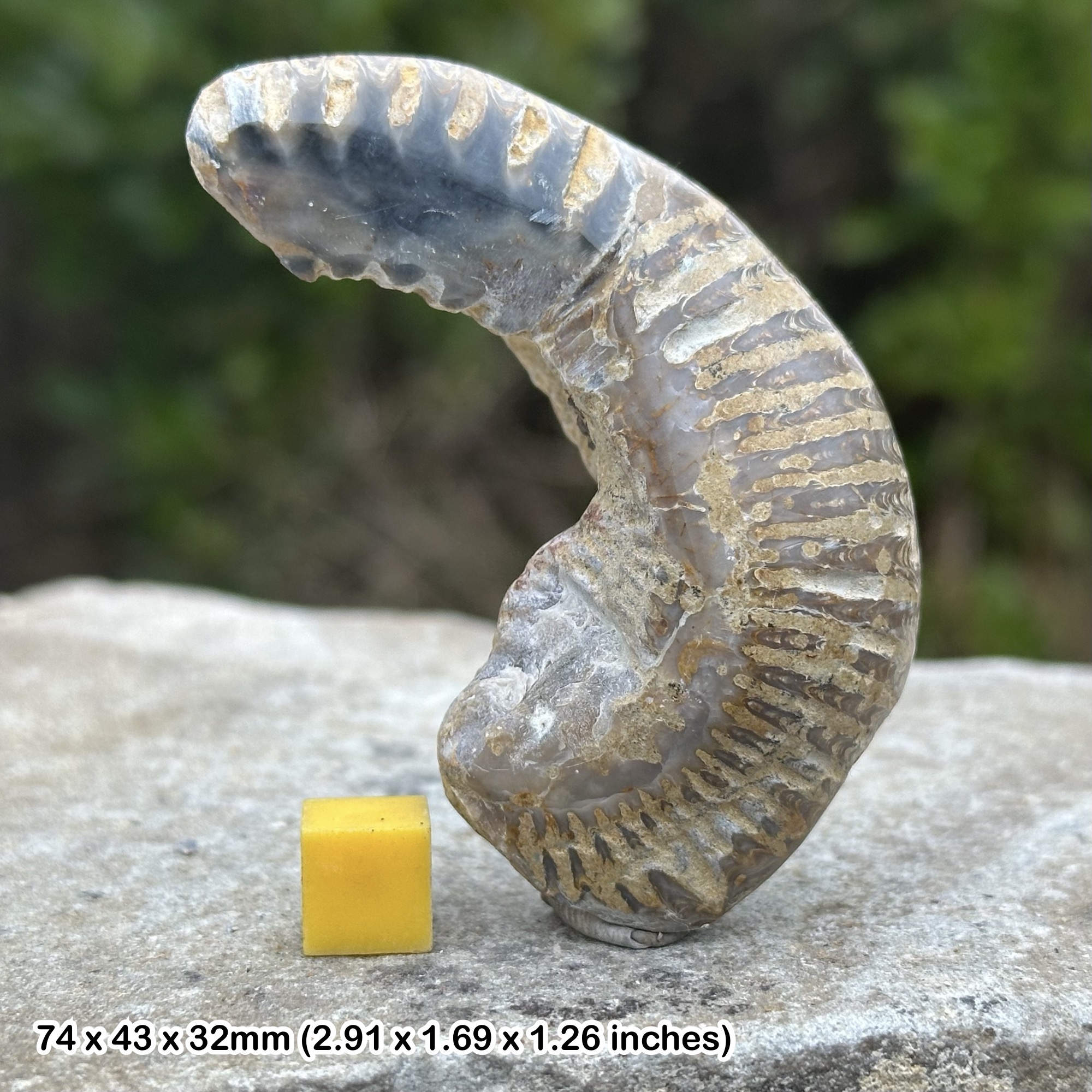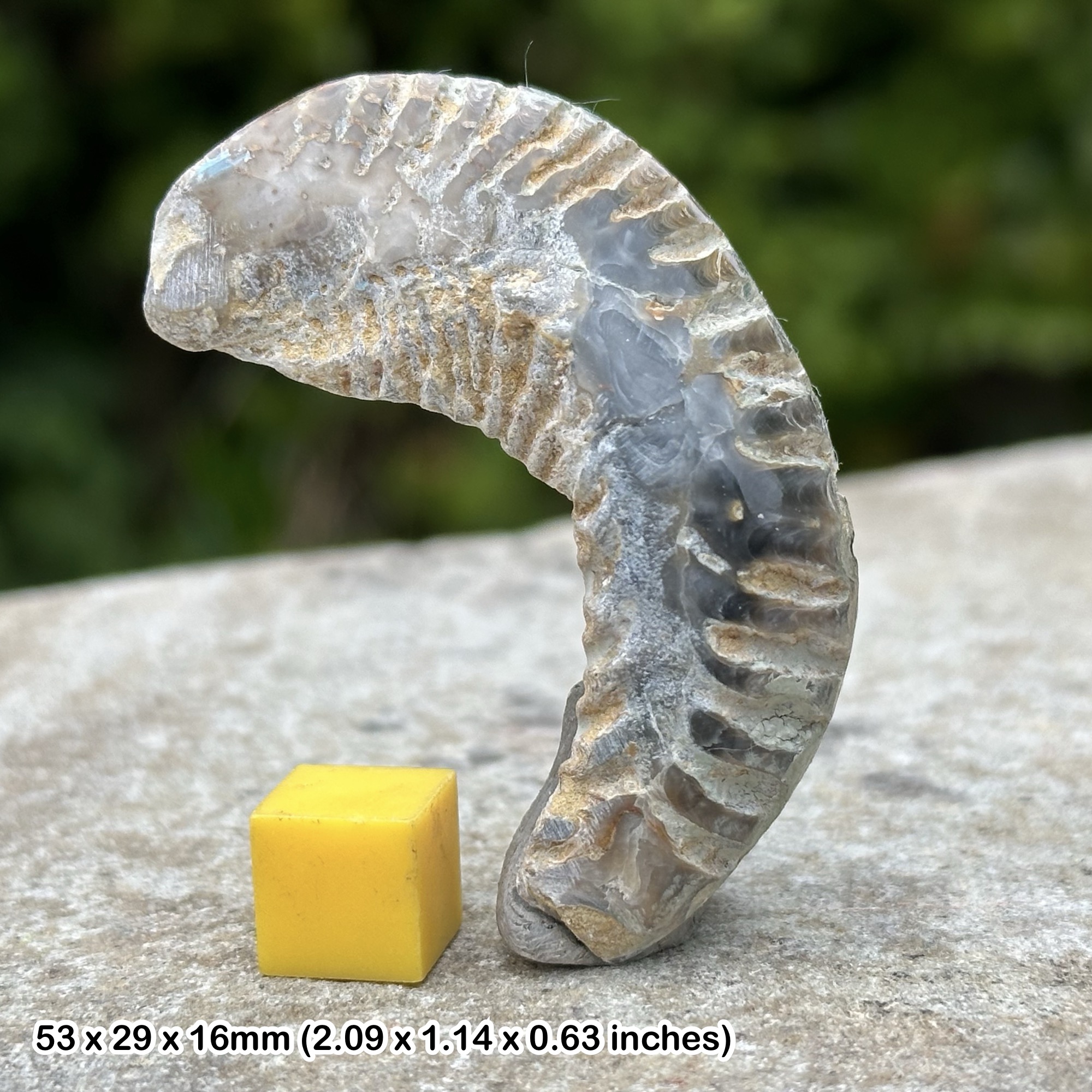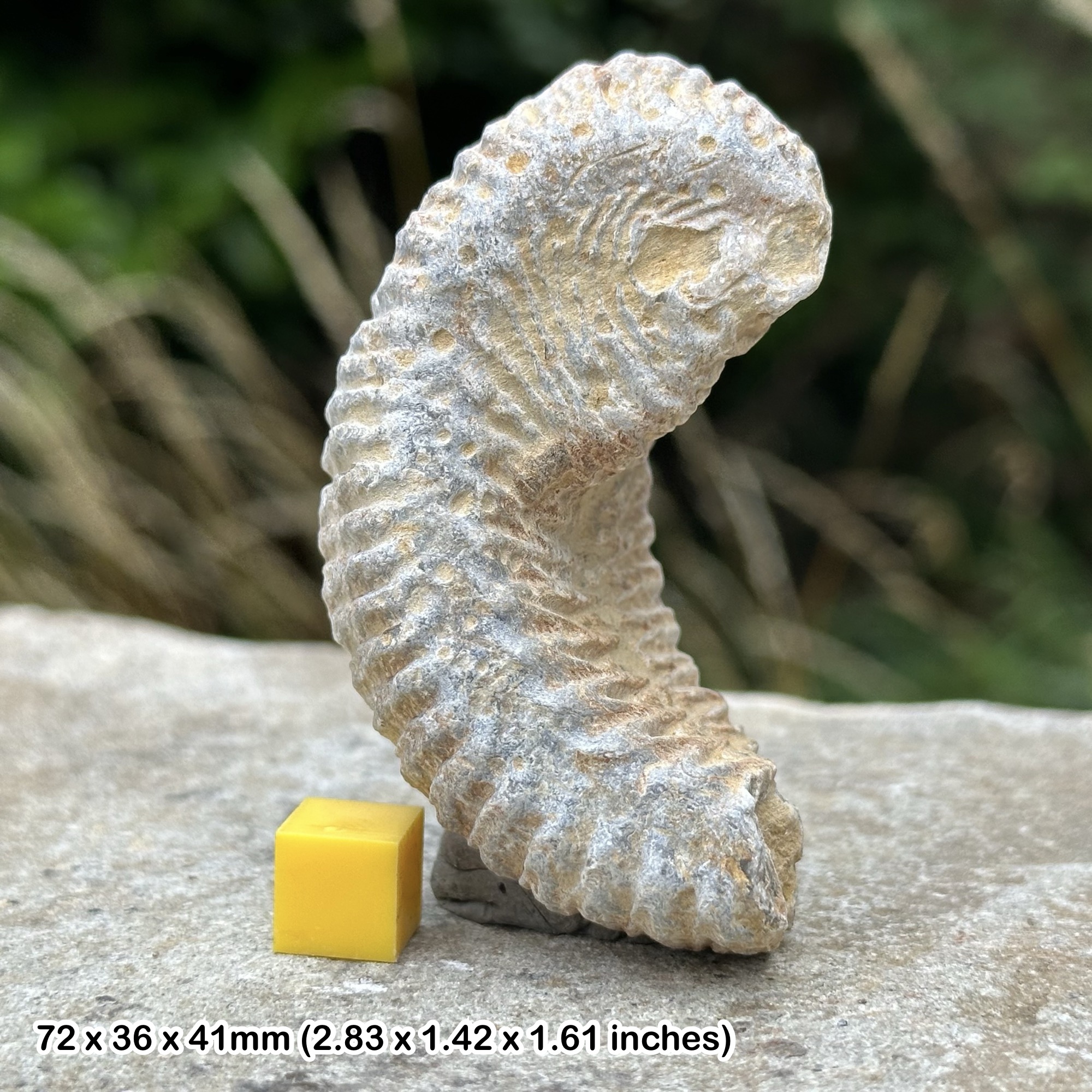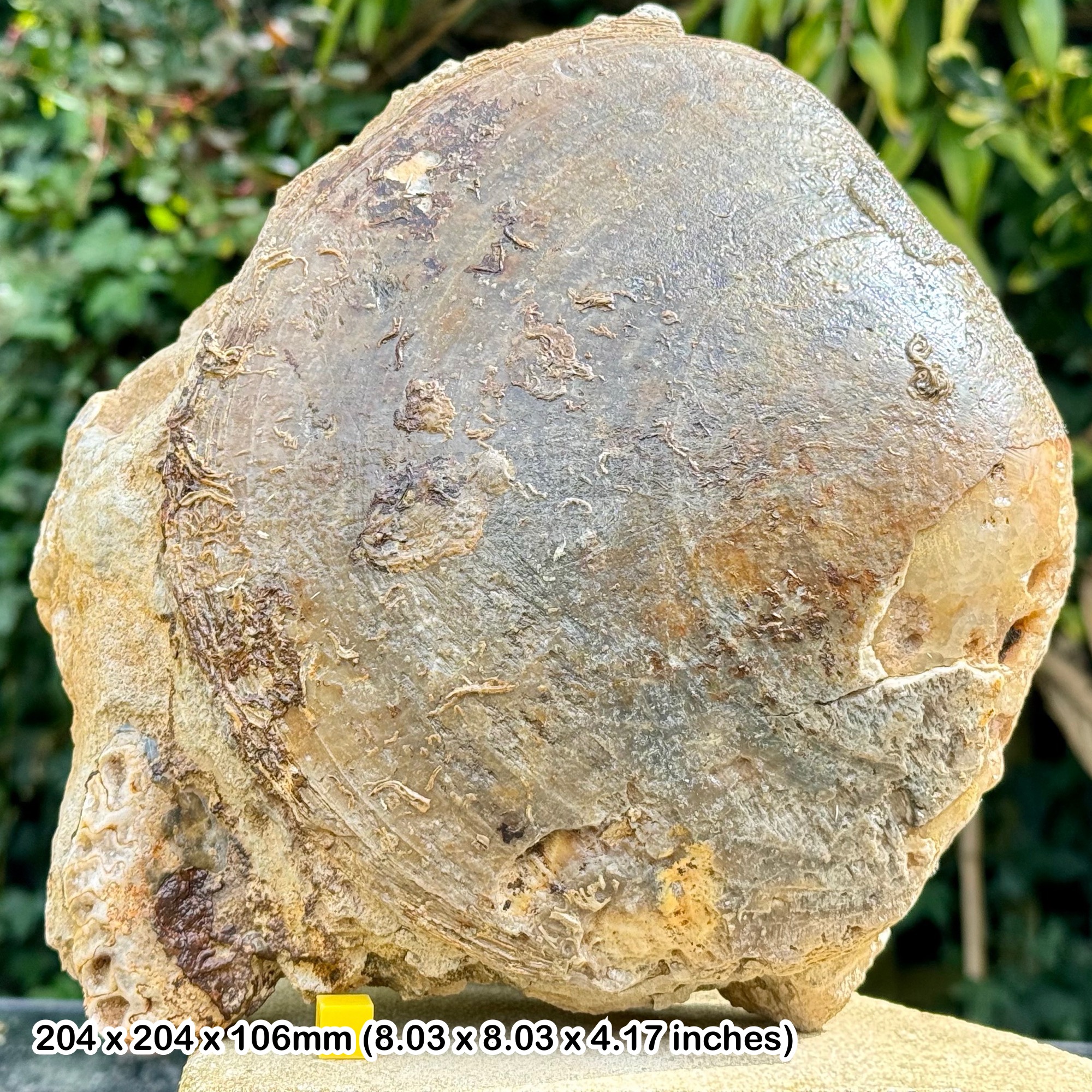
Belemnite Fossil Cretaceous Norfolk UK Genuine Marine Cephalopod Specimen
£ 6.90
OVERVIEW & AUTHENTICITYThis listing features a genuine Cretaceous belemnite fossil from Norfolk, United
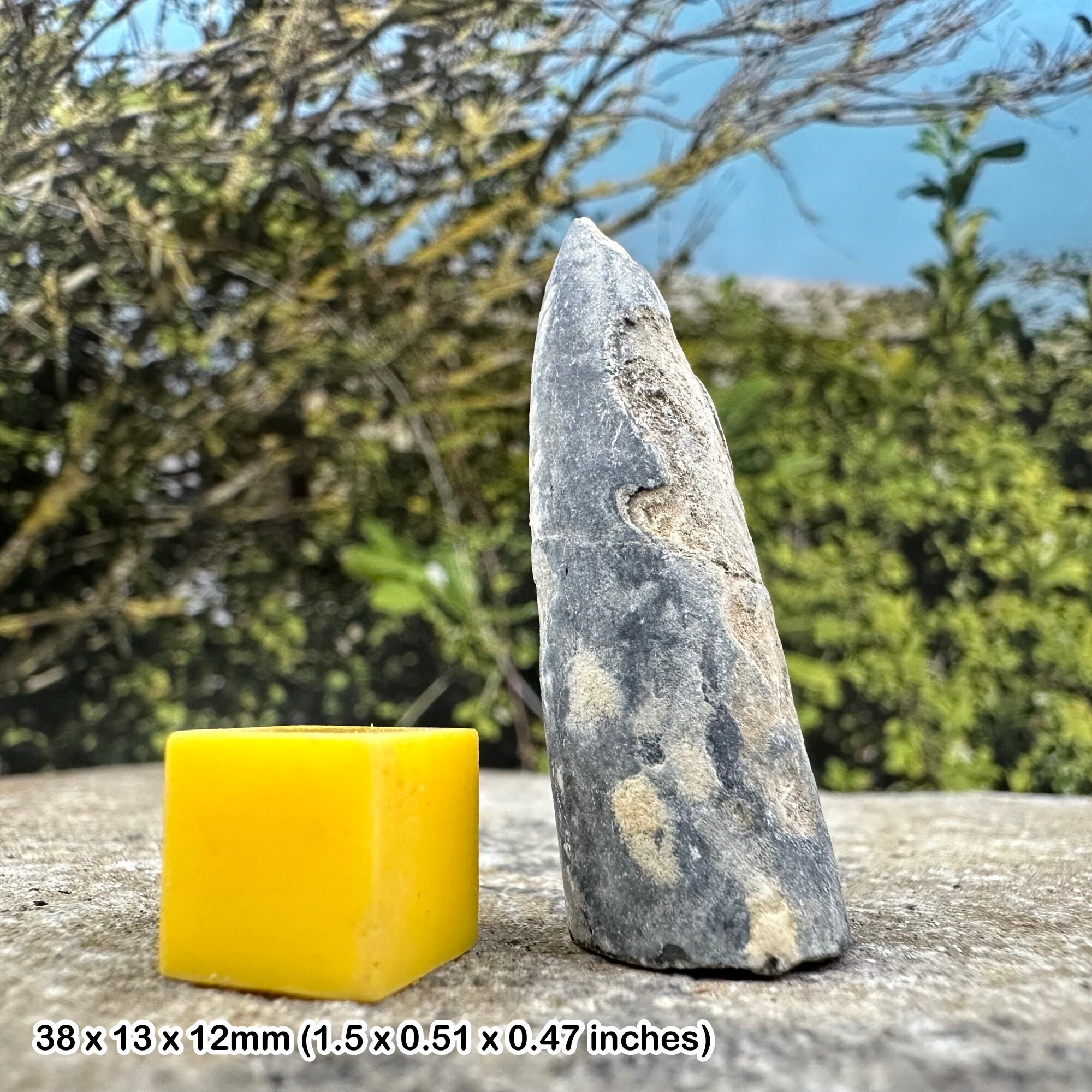
Kingdom, carefully selected for preservation quality, completeness, and strong display character. The photographs show the actual specimen you will receive, ensuring full transparency and confidence when purchasing. Each fossil is a natural remnant of an extinct marine cephalopod that lived in Britain’s ancient seas during the time of dinosaurs.Every specimen is supplied with a Certificate of Authenticity, including a lifetime guarantee of genuineness, provided on a generic authenticity card. This ensures your fossil is a true natural specimen suitable for collecting, study, or display. GEOLOGICAL AGE & CRETACEOUS NORFOLK SETTINGThis belemnite dates to the Cretaceous Period, approximately 145–66 million years ago, when much of what is now Norfolk lay beneath a warm, shallow marine sea. The region is famous for its chalk and marine sedimentary deposits formed from the accumulation of microscopic plankton and carbonate mud.Norfolk’s Cretaceous strata preserve a rich fossil record of marine life, including ammonites, echinoids, bivalves, and belemnites. These fossils reflect thriving ecosystems that existed long before the end-Cretaceous extinction event. FOSSIL TYPE & SCIENTIFIC CLASSIFICATIONBelemnites were extinct squid-like cephalopods closely related to modern cuttlefish and octopus. Unlike ammonites, which had external coiled shells, belemnites possessed an internal skeleton, the most commonly preserved part being the rostrum or guard.
• Phylum: Mollusca
• Class: Cephalopoda
• Order: BelemnitidaThe rostrum served as a counterweight, helping the animal maintain stability while swimming. Belemnite fossils are among the most iconic marine fossils of the Jurassic and Cretaceous, prized for their sleek, bullet-like shape and excellent preservation potential. MORPHOLOGY & NOTABLE FEATURESThis specimen displays the classic belemnite rostrum form: elongated, tapered, and often subtly striated along its surface. The fossil may show the pointed apical end and the broader alveolar region where the internal shell structure was housed.Belemnite rostra are composed primarily of calcite and often fossilise in robust three-dimensional form, making them highly suitable for handling, display, and educational study. Natural colouration may range from pale cream and grey to darker tones depending on mineralisation within the surrounding sediment. DEPOSITIONAL ENVIRONMENT & FOSSILISATIONDuring the Cretaceous, belemnites lived as active predators in open marine environments, hunting fish and smaller invertebrates. After death, the dense calcitic rostrum sank to the seafloor, where it became buried in soft carbonate sediments.Over millions of years, these sediments compacted into chalk and limestone, preserving the rostrum as a durable fossil. Norfolk’s marine deposits provide ideal conditions for such preservation, producing classic British belemnite specimens. COLLECTING & DISPLAY APPEALCretaceous belemnites from Norfolk are highly collectible due to their historical British provenance, geological significance, and striking natural form. This specimen is ideal for fossil collectors, educational collections, museum-style displays, or as a meaningful prehistoric gift.Full sizing details are provided in the photographs. Supplied with a Certificate of Authenticity and lifetime guarantee, this genuine Norfolk belemnite offers a tangible connection to ancient seas and represents an excellent addition to any fossil collection.
Kingdom, carefully selected for preservation quality, completeness, and strong display character. The photographs show the actual specimen you will receive, ensuring full transparency and confidence when purchasing. Each fossil is a natural remnant of an extinct marine cephalopod that lived in Britain’s ancient seas during the time of dinosaurs.Every specimen is supplied with a Certificate of Authenticity, including a lifetime guarantee of genuineness, provided on a generic authenticity card. This ensures your fossil is a true natural specimen suitable for collecting, study, or display. GEOLOGICAL AGE & CRETACEOUS NORFOLK SETTINGThis belemnite dates to the Cretaceous Period, approximately 145–66 million years ago, when much of what is now Norfolk lay beneath a warm, shallow marine sea. The region is famous for its chalk and marine sedimentary deposits formed from the accumulation of microscopic plankton and carbonate mud.Norfolk’s Cretaceous strata preserve a rich fossil record of marine life, including ammonites, echinoids, bivalves, and belemnites. These fossils reflect thriving ecosystems that existed long before the end-Cretaceous extinction event. FOSSIL TYPE & SCIENTIFIC CLASSIFICATIONBelemnites were extinct squid-like cephalopods closely related to modern cuttlefish and octopus. Unlike ammonites, which had external coiled shells, belemnites possessed an internal skeleton, the most commonly preserved part being the rostrum or guard.
• Phylum: Mollusca
• Class: Cephalopoda
• Order: BelemnitidaThe rostrum served as a counterweight, helping the animal maintain stability while swimming. Belemnite fossils are among the most iconic marine fossils of the Jurassic and Cretaceous, prized for their sleek, bullet-like shape and excellent preservation potential. MORPHOLOGY & NOTABLE FEATURESThis specimen displays the classic belemnite rostrum form: elongated, tapered, and often subtly striated along its surface. The fossil may show the pointed apical end and the broader alveolar region where the internal shell structure was housed.Belemnite rostra are composed primarily of calcite and often fossilise in robust three-dimensional form, making them highly suitable for handling, display, and educational study. Natural colouration may range from pale cream and grey to darker tones depending on mineralisation within the surrounding sediment. DEPOSITIONAL ENVIRONMENT & FOSSILISATIONDuring the Cretaceous, belemnites lived as active predators in open marine environments, hunting fish and smaller invertebrates. After death, the dense calcitic rostrum sank to the seafloor, where it became buried in soft carbonate sediments.Over millions of years, these sediments compacted into chalk and limestone, preserving the rostrum as a durable fossil. Norfolk’s marine deposits provide ideal conditions for such preservation, producing classic British belemnite specimens. COLLECTING & DISPLAY APPEALCretaceous belemnites from Norfolk are highly collectible due to their historical British provenance, geological significance, and striking natural form. This specimen is ideal for fossil collectors, educational collections, museum-style displays, or as a meaningful prehistoric gift.Full sizing details are provided in the photographs. Supplied with a Certificate of Authenticity and lifetime guarantee, this genuine Norfolk belemnite offers a tangible connection to ancient seas and represents an excellent addition to any fossil collection.