Lepidotes Fish Scales Fossil Cretaceous Isle of Wight UK Specimen with Certificate
£ 36.00
GENUINE LEPIDOTES FISH SCALES FOSSIL FROM THE WESSEX FORMATION OF THE ISLE OF
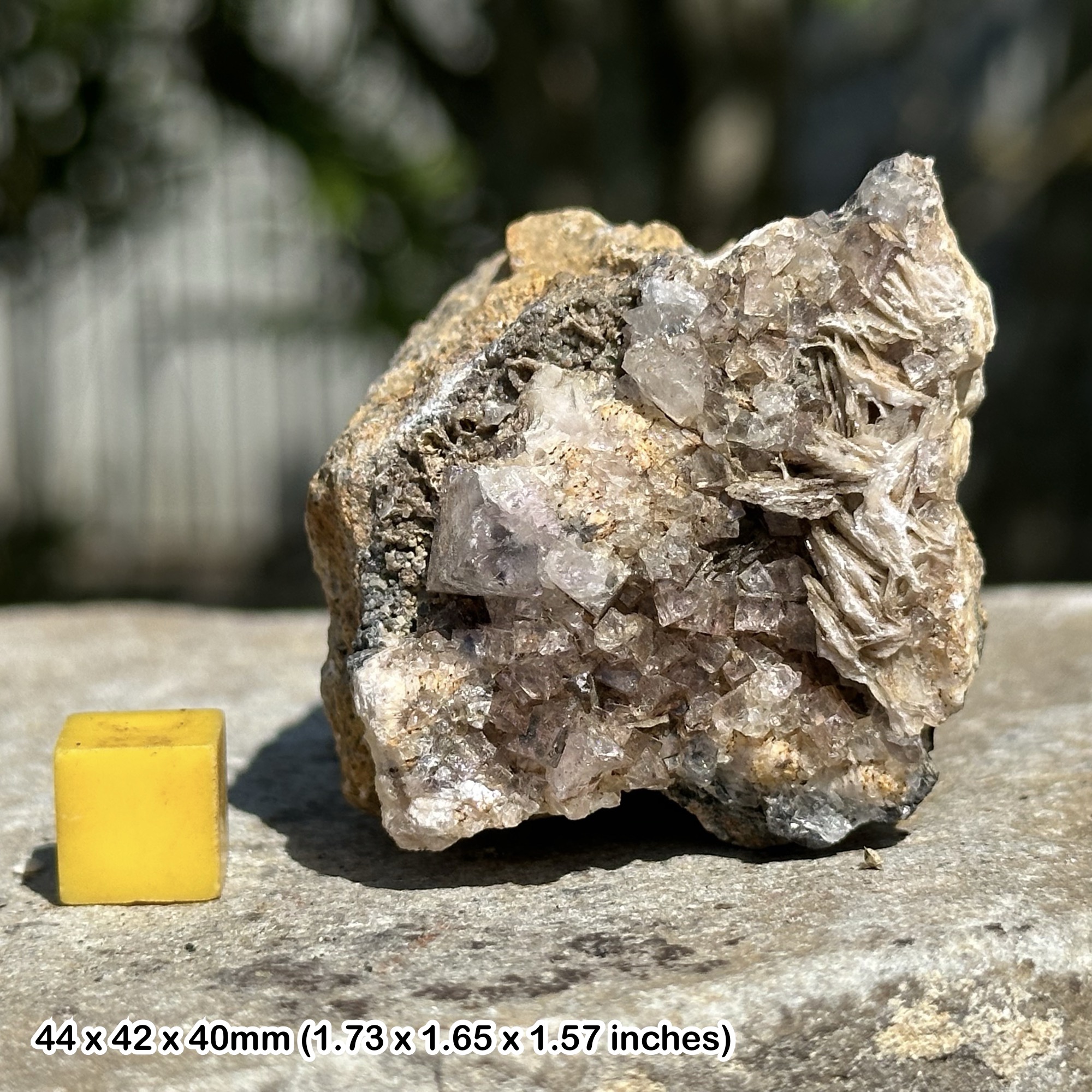
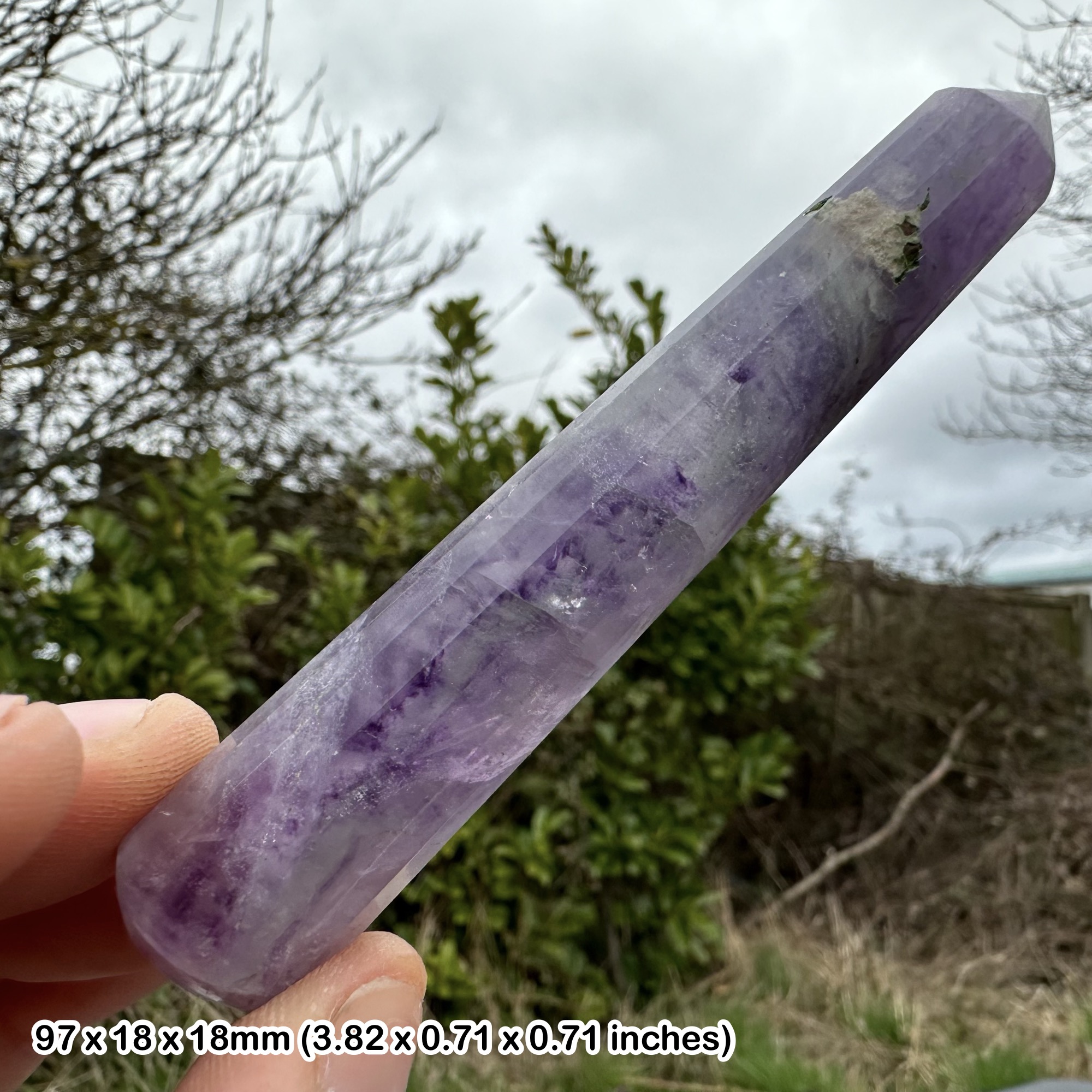
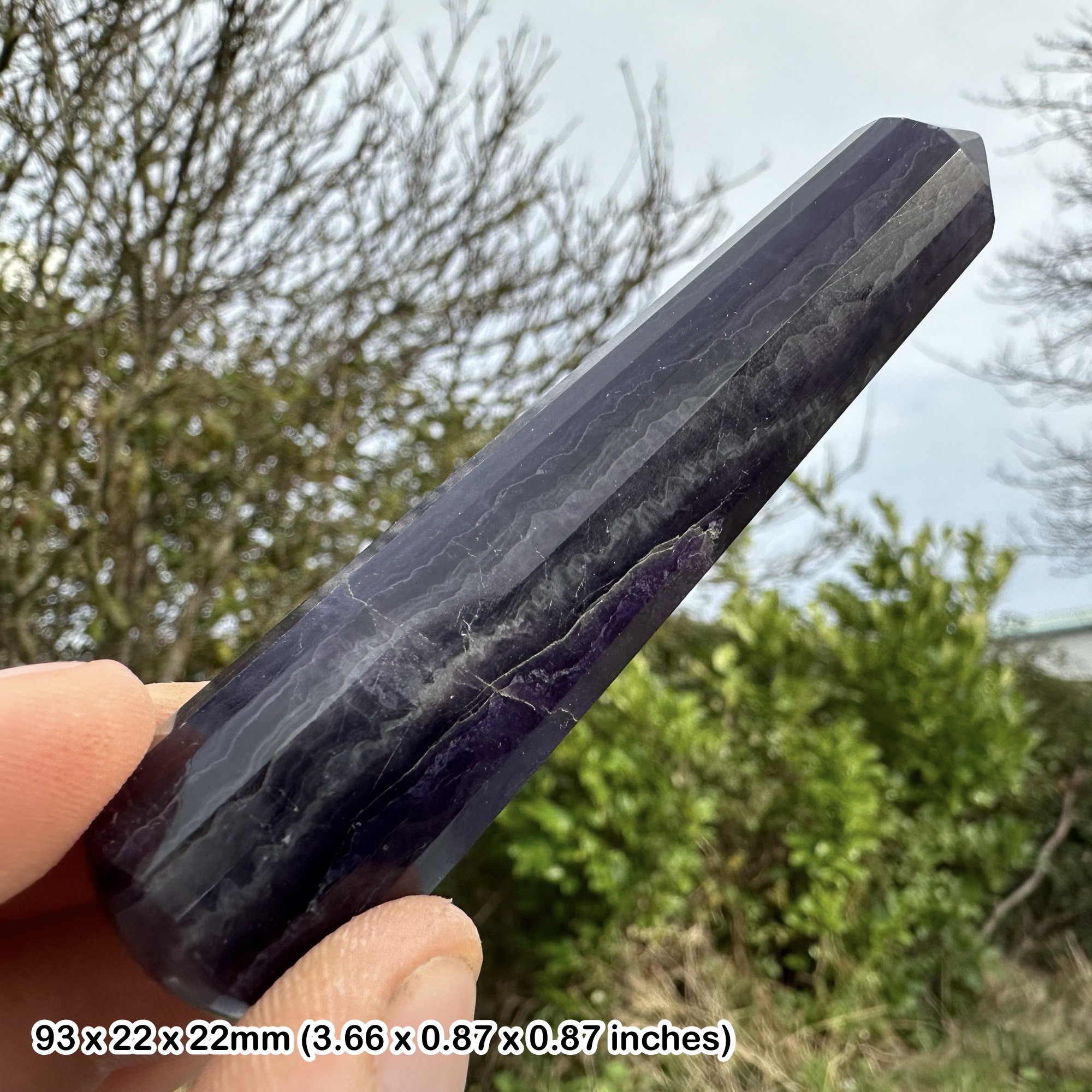
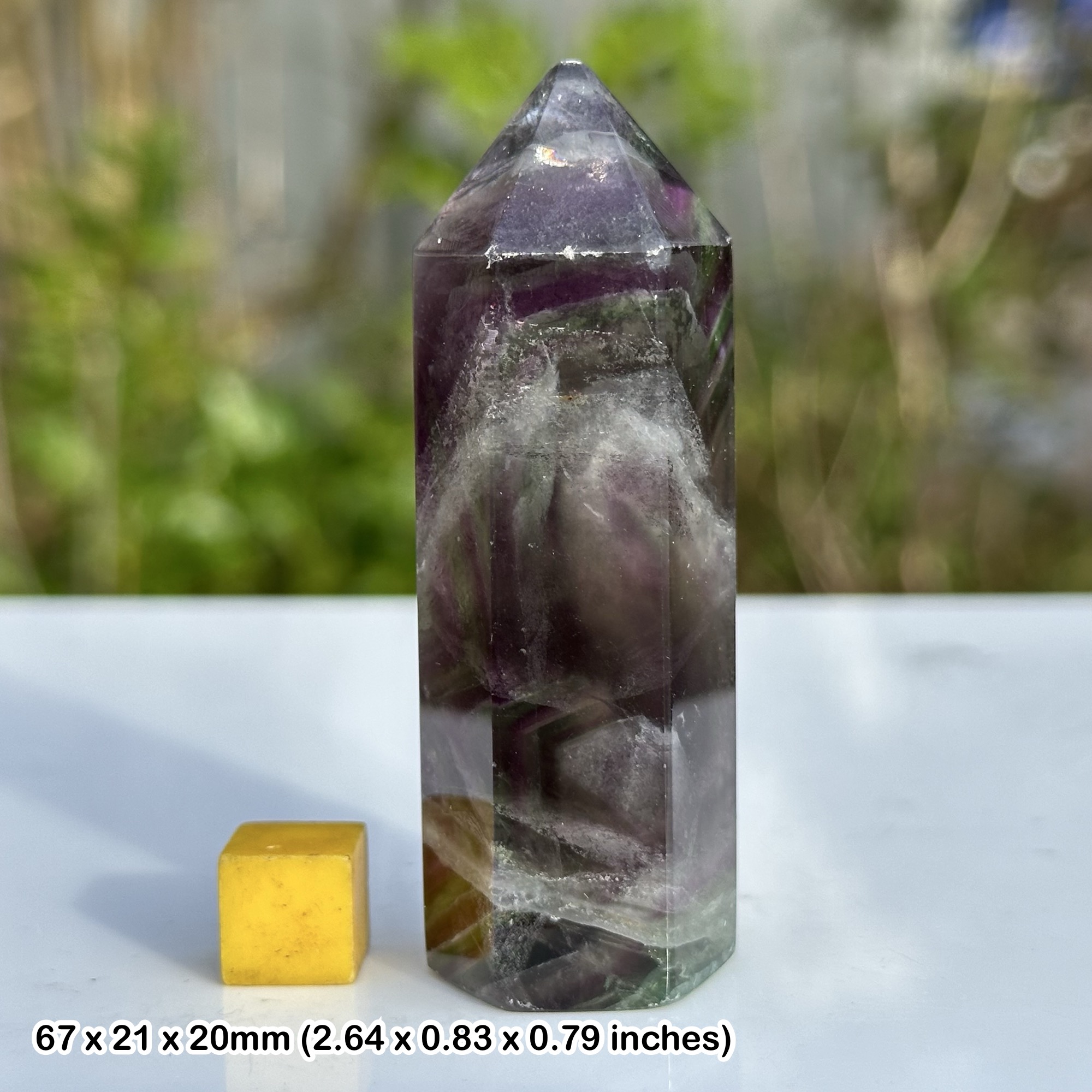
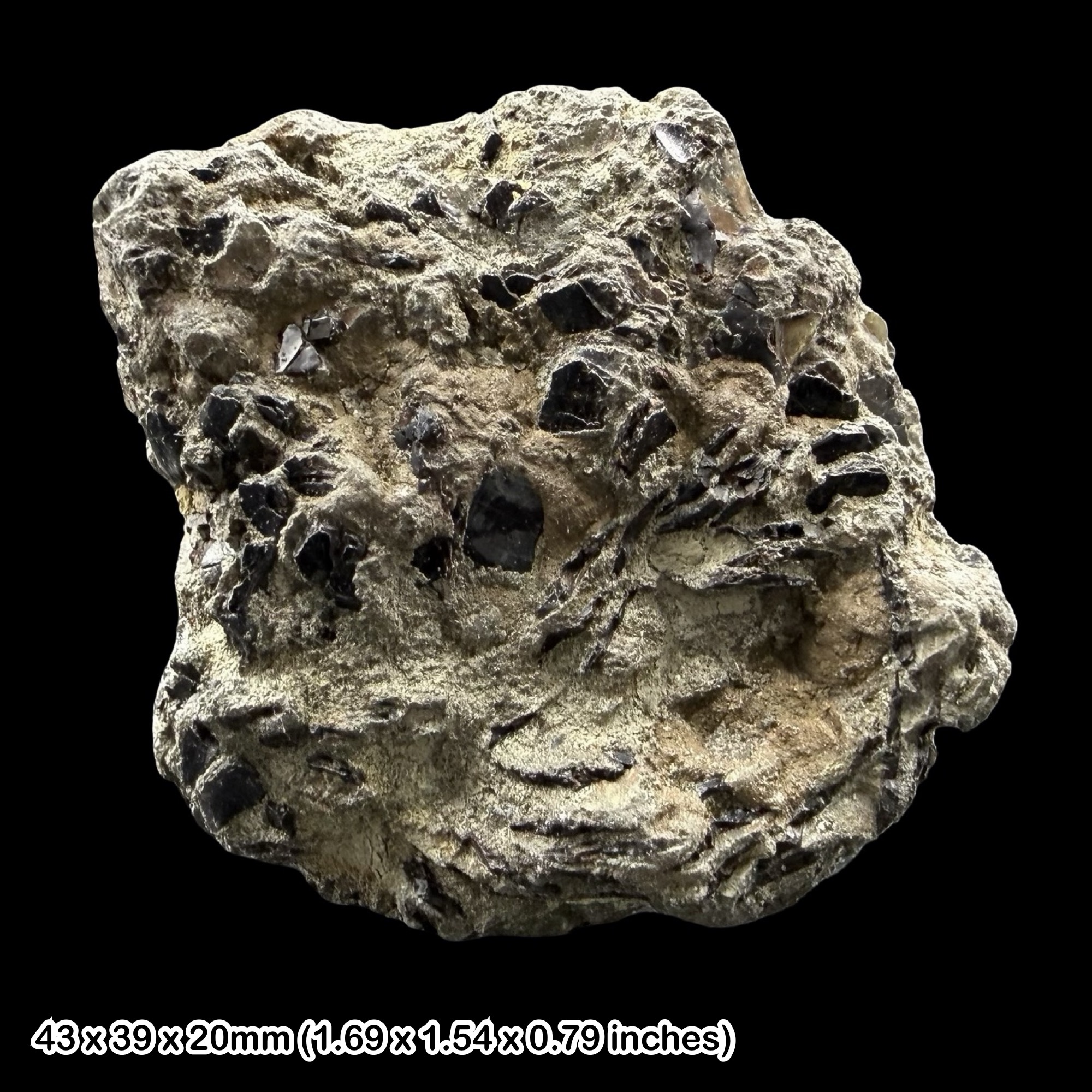
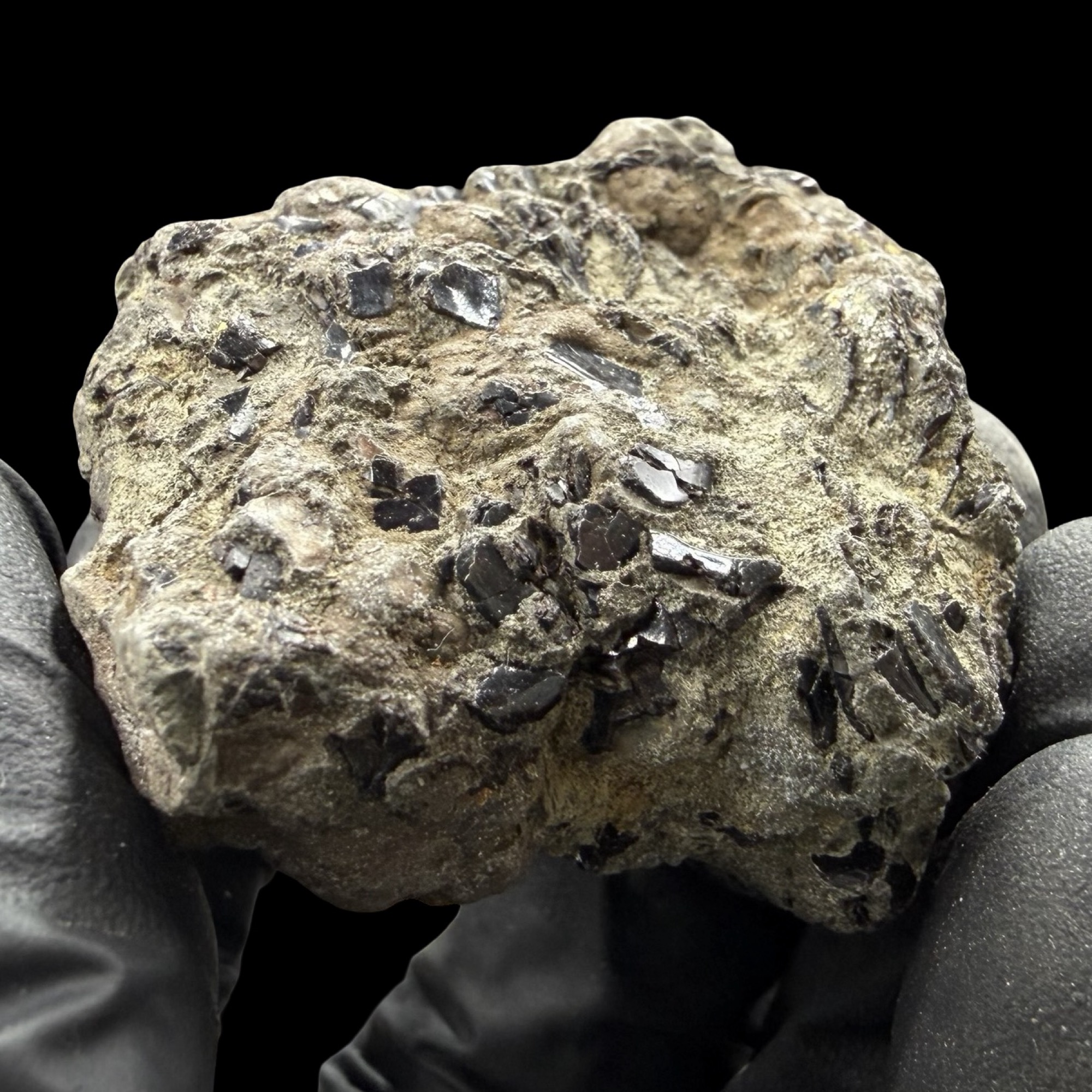
WIGHTThis genuine Lepidotes fish scales fossil is an exceptional prehistoric vertebrate specimen originating from the Wessex Formation at Atherfield on the Isle of Wight, United Kingdom. Dating to the Barremian stage of the Lower Cretaceous period, approximately 129 to 125 million years ago, this fossil preserves part of the protective armour of an ancient ray-finned fish that inhabited freshwater rivers, lagoons and floodplains during the age of dinosaurs.The specimen shown in the photographs is the exact fossil you will receive. Carefully selected for its preservation, natural detail and display appeal, this authentic fossil provides a fascinating glimpse into the fish fauna that existed within the famous dinosaur-bearing deposits of the Isle of Wight.This fossil includes a Certificate of Authenticity lifetime guarantee generic card confirming the specimen is 100% genuine.Full sizing please see photo. ABOUT LEPIDOTESLepidotes was an extinct genus of prehistoric ray-finned fish belonging to the order Semionotiformes. These heavily armoured fish were widespread throughout the Jurassic and Cretaceous periods and are especially recognised for their thick enamel-covered ganoid scales.Unlike the thin flexible scales of most modern fish, Lepidotes possessed dense rhomboidal scales coated with ganoine, a hard enamel-like material that created a highly protective body covering. These scales provided defence against predators and contributed to the fish’s distinctive armoured appearance.Lepidotes typically inhabited freshwater and coastal environments where they fed on shellfish, crustaceans and smaller aquatic organisms using strong rounded crushing teeth. Their robust body form and protective scales made them highly successful fish within prehistoric ecosystems.This specimen preserves genuine Lepidotes scales displaying the characteristic glossy texture, rhomboidal shape and thick mineralised structure associated with these ancient fish. WESSEX FORMATION AND LOWER CRETACEOUS ENVIRONMENTThe Wessex Formation is one of Britain’s most important Lower Cretaceous geological formations and is internationally famous for its rich fossil content. Exposed along the coastline of the Isle of Wight, these sediments were deposited within river channels, floodplains, swamps and lagoonal environments during the Barremian stage.During the Early Cretaceous, southern England experienced a warm subtropical climate supporting lush vegetation, freshwater systems and diverse animal life. The Wessex Formation preserves evidence of dinosaurs, crocodilians, pterosaurs, fish, turtles and numerous plant species that inhabited these ancient landscapes.Atherfield and surrounding coastal exposures have produced some of the most significant vertebrate fossils in the United Kingdom. Rapid burial within fine sediment allowed delicate remains such as fish scales, bones and teeth to fossilise in excellent detail.The fossil-bearing floodplain deposits of the Wessex Formation provide valuable insight into terrestrial and freshwater ecosystems that existed alongside some of Europe’s earliest dinosaurs. NATURAL FOSSIL PRESERVATIONThis fossil retains authentic natural preservation and has not been artificially replicated or reconstructed. The visible scale structure, enamel texture and mineralisation formed naturally over millions of years through geological fossilisation processes.The specimen preserves genuine anatomical detail associated with Lepidotes fish scales, including the thick ganoine surface and natural geometric scale form. Variations in colour and texture are entirely natural and reflect the sedimentary conditions present during fossilisation.Fish scale fossils are highly collectable due to their rarity, excellent preservation potential and connection to ancient aquatic ecosystems. SCIENTIFIC AND COLLECTABLE IMPORTANCELepidotes fossils provide important evidence for understanding the evolution of early ray-finned fish and freshwater ecosystems during the Cretaceous period. Their heavily armoured scales demonstrate a specialised adaptation rarely seen among modern fish.The Wessex Formation is globally recognised for its palaeontological importance and remains one of the most significant Lower Cretaceous fossil localities in Europe. Fossils from this formation are highly valued by collectors and researchers alike.This specimen is ideal for collectors of fossil fish, Isle of Wight fossils, Cretaceous fossils, vertebrate fossils, British fossils and authentic prehistoric natural history specimens. CERTIFICATE OF AUTHENTICITYIncluded with the fossil is a Certificate of Authenticity lifetime guarantee generic card confirming that the specimen is genuine. The photographs provided show the exact fossil you will receive, allowing collectors and buyers to purchase with complete confidence.
WIGHTThis genuine Lepidotes fish scales fossil is an exceptional prehistoric vertebrate specimen originating from the Wessex Formation at Atherfield on the Isle of Wight, United Kingdom. Dating to the Barremian stage of the Lower Cretaceous period, approximately 129 to 125 million years ago, this fossil preserves part of the protective armour of an ancient ray-finned fish that inhabited freshwater rivers, lagoons and floodplains during the age of dinosaurs.The specimen shown in the photographs is the exact fossil you will receive. Carefully selected for its preservation, natural detail and display appeal, this authentic fossil provides a fascinating glimpse into the fish fauna that existed within the famous dinosaur-bearing deposits of the Isle of Wight.This fossil includes a Certificate of Authenticity lifetime guarantee generic card confirming the specimen is 100% genuine.Full sizing please see photo. ABOUT LEPIDOTESLepidotes was an extinct genus of prehistoric ray-finned fish belonging to the order Semionotiformes. These heavily armoured fish were widespread throughout the Jurassic and Cretaceous periods and are especially recognised for their thick enamel-covered ganoid scales.Unlike the thin flexible scales of most modern fish, Lepidotes possessed dense rhomboidal scales coated with ganoine, a hard enamel-like material that created a highly protective body covering. These scales provided defence against predators and contributed to the fish’s distinctive armoured appearance.Lepidotes typically inhabited freshwater and coastal environments where they fed on shellfish, crustaceans and smaller aquatic organisms using strong rounded crushing teeth. Their robust body form and protective scales made them highly successful fish within prehistoric ecosystems.This specimen preserves genuine Lepidotes scales displaying the characteristic glossy texture, rhomboidal shape and thick mineralised structure associated with these ancient fish. WESSEX FORMATION AND LOWER CRETACEOUS ENVIRONMENTThe Wessex Formation is one of Britain’s most important Lower Cretaceous geological formations and is internationally famous for its rich fossil content. Exposed along the coastline of the Isle of Wight, these sediments were deposited within river channels, floodplains, swamps and lagoonal environments during the Barremian stage.During the Early Cretaceous, southern England experienced a warm subtropical climate supporting lush vegetation, freshwater systems and diverse animal life. The Wessex Formation preserves evidence of dinosaurs, crocodilians, pterosaurs, fish, turtles and numerous plant species that inhabited these ancient landscapes.Atherfield and surrounding coastal exposures have produced some of the most significant vertebrate fossils in the United Kingdom. Rapid burial within fine sediment allowed delicate remains such as fish scales, bones and teeth to fossilise in excellent detail.The fossil-bearing floodplain deposits of the Wessex Formation provide valuable insight into terrestrial and freshwater ecosystems that existed alongside some of Europe’s earliest dinosaurs. NATURAL FOSSIL PRESERVATIONThis fossil retains authentic natural preservation and has not been artificially replicated or reconstructed. The visible scale structure, enamel texture and mineralisation formed naturally over millions of years through geological fossilisation processes.The specimen preserves genuine anatomical detail associated with Lepidotes fish scales, including the thick ganoine surface and natural geometric scale form. Variations in colour and texture are entirely natural and reflect the sedimentary conditions present during fossilisation.Fish scale fossils are highly collectable due to their rarity, excellent preservation potential and connection to ancient aquatic ecosystems. SCIENTIFIC AND COLLECTABLE IMPORTANCELepidotes fossils provide important evidence for understanding the evolution of early ray-finned fish and freshwater ecosystems during the Cretaceous period. Their heavily armoured scales demonstrate a specialised adaptation rarely seen among modern fish.The Wessex Formation is globally recognised for its palaeontological importance and remains one of the most significant Lower Cretaceous fossil localities in Europe. Fossils from this formation are highly valued by collectors and researchers alike.This specimen is ideal for collectors of fossil fish, Isle of Wight fossils, Cretaceous fossils, vertebrate fossils, British fossils and authentic prehistoric natural history specimens. CERTIFICATE OF AUTHENTICITYIncluded with the fossil is a Certificate of Authenticity lifetime guarantee generic card confirming that the specimen is genuine. The photographs provided show the exact fossil you will receive, allowing collectors and buyers to purchase with complete confidence.